
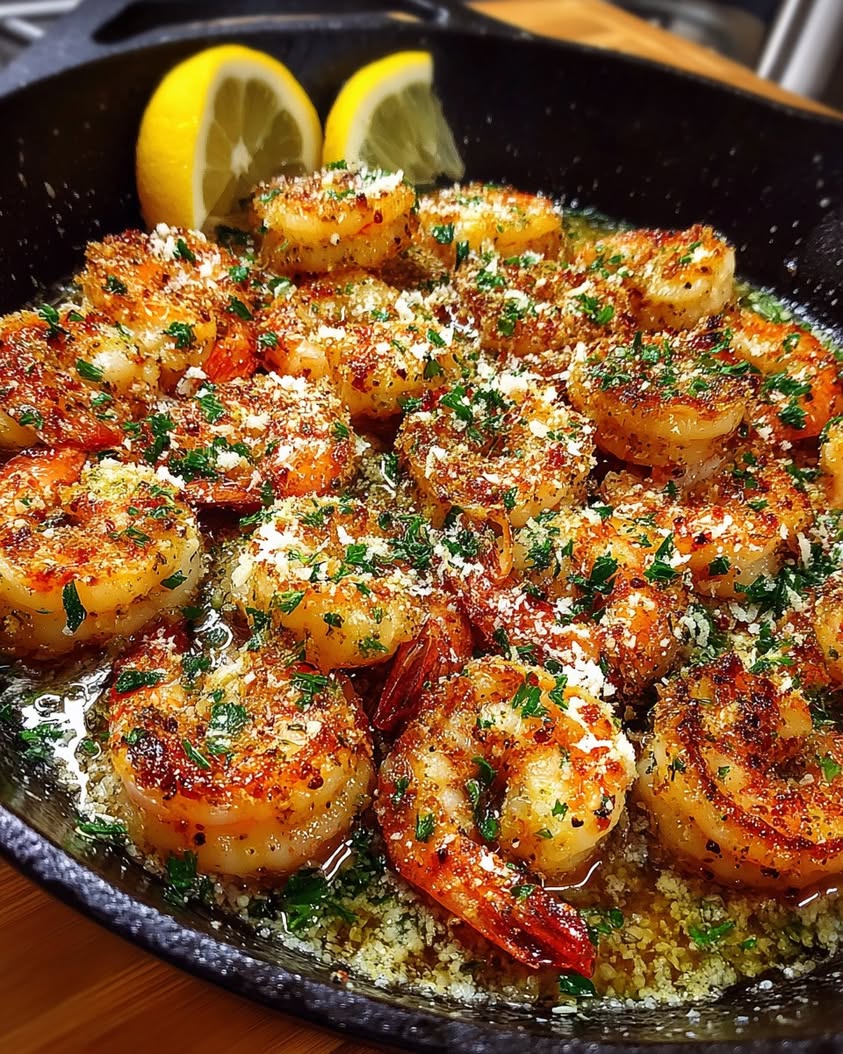
10-Minute Garlic Parmesan Shrimp: The Ultimate Fast & Fancy Dinner
Imagine a restaurant-quality meal on your table in less time than it takes to order takeout. This 10-Minute Garlic Parmesan Shrimp recipe delivers exactly that. It transforms simple ingredients into a dish bursting with savory, buttery, and cheesy flavors. Consequently, it is the perfect solution for busy weeknights when you crave something special without the fuss.
The magic of this quick shrimp recipe lies in its simplicity and speed. Fresh shrimp cooks in minutes, while garlic infuses the butter with its aromatic punch. Finally, a generous sprinkle of Parmesan cheese melts into a luscious, creamy sauce that clings to every bite. Ultimately, this dish proves that impressive cooking does not require hours in the kitchen.
Quick Recipe Highlights
- Flavor Profile: This dish offers a perfect balance of savory, buttery, and salty notes. The garlic provides a pungent kick, while the Parmesan cheese adds a nutty, umami depth. A hint of lemon brightens the entire dish, creating a complex yet harmonious taste.
- Texture: You get succulent, tender shrimp with a slight bite, coated in a velvety, rich sauce. The Parmesan melts into the butter and garlic, creating a smooth, clingy texture that beautifully coats each shrimp. It is a luxurious mouthfeel that feels indulgent.
- Aroma: As soon as the garlic hits the hot butter, your kitchen will fill with an irresistible, savory fragrance. The nutty scent of toasting Parmesan follows, creating an aroma that promises a delicious meal. It is a scent that immediately stimulates the appetite.
- Visual Appeal: The shrimp turn a lovely pink and curl slightly, nestled in a glossy, golden sauce. Sprinkles of green parsley or red pepper flakes add vibrant color contrast. This dish looks elegant and appetizing on any plate.
- Skill Level Needed: This is a beginner-friendly recipe requiring only basic sautéing skills. You need to monitor the heat to avoid burning the garlic and not overcook the shrimp. Otherwise, it is straightforward and nearly foolproof.
- Special Equipment: A large skillet is the only essential tool. A good pair of tongs or a spatula for flipping the shrimp is helpful. You do not need any fancy gadgets or appliances for this easy shrimp dinner.
Recipe Overview
- Difficulty Level: This recipe earns an “Easy” rating because it involves minimal prep and a single cooking technique. The steps are sequential and simple: melt butter, cook garlic, sauté shrimp, and add cheese. There is no complex timing or advanced culinary skill required for success.
- Category: This versatile dish fits multiple categories. It works perfectly as a main protein for a quick dinner. Alternatively, you can serve it as a luxurious appetizer or a topping for pasta, rice, or salad.
- Cuisine: While inspired by Italian-American flavors with its use of garlic and Parmesan, this is a modern, fusion-style recipe. It borrows techniques from simple sautéing found in many global cuisines. The result is a universally appealing dish that does not stick to one tradition.
- Cost: This is a moderately priced meal. Shrimp is the primary cost, but using a one-pound bag for four servings is efficient. Pantry staples like butter, garlic, and Parmesan keep the overall cost lower than dining out.
- Season: This recipe is fantastic year-round. It feels light and fresh for spring and summer dinners. Conversely, its rich, comforting sauce makes it equally suitable for fall and winter evenings.
- Occasion: It is ideal for a speedy weeknight family meal or a last-minute dinner for guests. You can also dress it up for a casual date night at home. Its flexibility makes it a go-to for many situations.
Why You’ll Love This Recipe
First and foremost, the taste and texture are absolutely divine. Each bite delivers the sweet, oceanic flavor of shrimp perfectly complemented by the rich, savory sauce. The garlic provides a robust foundation, while the Parmesan cheese melts into a creamy, luxurious coating. Furthermore, the optional lemon zest or juice cuts through the richness, adding a necessary brightness. This combination creates a restaurant-worthy experience in your own kitchen.
Secondly, the convenience is unbeatable. From start to finish, this entire Garlic Parmesan Shrimp recipe takes just ten minutes. You can have dinner ready faster than a pizza delivery arrives. This makes it a lifesaver on evenings when time and energy are low. Moreover, it uses one pan, meaning cleanup is just as quick and easy as the cooking process.
Nutritionally, this dish offers several advantages. Shrimp is an excellent source of lean protein and important nutrients like selenium and iodine. Using real butter and cheese provides satisfying fats that help you feel full. You can easily control the sodium by selecting lower-sodium Parmesan. Serving it over zucchini noodles or a salad turns it into a balanced, low-carb meal.
For entertaining, this recipe is a secret weapon. It looks and tastes incredibly impressive, suggesting you spent much longer in the kitchen. Guests will be amazed that you created such a flavorful dish so quickly. You can easily double or triple the recipe in the same skillet to feed a crowd. Consequently, it allows you to be a relaxed host instead of a stressed cook.
Finally, it is cost-effective and accessible. The ingredient list is short and uses items you likely have on hand or can find at any grocery store. Compared to ordering a similar shrimp scampi dish at a restaurant, making it at home saves a significant amount of money. This recipe proves that eating well does not require a big budget or a trip to a specialty market.
Historical Background and Cultural Significance
The concept of cooking shrimp with garlic and butter has roots in several coastal cuisines around the world. In the United States, the dish most closely resembles a simplified version of Shrimp Scampi, which has Italian-American origins. Traditionally, scampi refers to a type of lobster, but in the U.S., the name became attached to shrimp cooked in garlic, butter, and wine. This Garlic Parmesan Shrimp recipe is a modern, cheesier twist on that classic formula.
Culturally, dishes like this represent the fusion and adaptation inherent in home cooking. Cooks take inspiration from restaurant favorites and simplify them for the home kitchen. The addition of Parmesan cheese, while not strictly traditional in classic scampi, is a popular American variation that adds richness and depth. This evolution shows how recipes change to suit local tastes and ingredient availability.
Over time, the recipe has evolved to prioritize speed and convenience without sacrificing core flavors. The original concept might have involved more steps or ingredients like white wine and shallots. The contemporary 10-minute version strips the process down to its absolute essentials: protein, fat, garlic, and cheese. This reflects the modern desire for quick, delicious, and satisfying meals that fit into busy lifestyles.
Regional variations abound. In some areas, cooks might add a splash of cream for an even richer sauce. Others might include sun-dried tomatoes or artichoke hearts. The basic template of sautéed shrimp with garlic and Parmesan is wonderfully adaptable. This flexibility ensures the Garlic Parmesan Shrimp recipe remains a perennial favorite, constantly being reinvented in home kitchens everywhere.
Ingredient Deep Dive
Shrimp: Shrimp are crustaceans enjoyed globally for thousands of years. They are a fantastic source of lean protein, selenium, and vitamin B12. For this recipe, select large (21/25 count) shrimp that are peeled and deveined for ease. Look for firm, translucent shrimp with a mild sea smell. Store them in the coldest part of your fridge and use within 1-2 days, or freeze them immediately. For substitutions, try scallops or even chunks of firm white fish like cod.
Butter: Butter, made by churning cream, has been a dietary staple for centuries. It provides rich flavor and helps create the sauce’s luxurious texture. Using unsalted butter allows you to control the dish’s salt level. For best results, use real butter instead of margarine for its superior flavor and browning capability. Keep butter wrapped in the fridge. As a substitution, ghee or a high-quality olive oil can be used, though the flavor profile will change slightly.
Garlic: Garlic has a storied history both as food and medicine dating back to ancient civilizations. It contains allicin, a compound with noted health benefits. Fresh garlic cloves, minced or pressed, provide the most potent flavor for this shrimp recipe. Avoid pre-minced jarred garlic if possible, as it can have a bitter taste. Store fresh garlic in a cool, dark, dry place. There is no true substitute for fresh garlic’s distinctive punch in this dish.
Parmesan Cheese: Parmigiano-Reggiano, the true Parmesan, is a hard, aged cheese from Italy with a history stretching back to the Middle Ages. It is rich in calcium and protein and packed with umami flavor. Always grate your Parmesan from a block for the best melting quality and flavor; pre-grated cheese contains anti-caking agents. Store wrapped tightly in the fridge. For a dairy-free version, nutritional yeast can provide a somewhat similar savory note, though the texture will differ.
Common Mistakes to Avoid
- Overcooking the Shrimp: Shrimp cook incredibly fast and become rubbery if left too long. They are done when they turn pink and opaque and form a loose “C” shape. Immediately remove them from the heat at this point.
- Burning the Garlic: Garlic burns easily and turns bitter. Cook it in the butter for only about 30 seconds to one minute, just until fragrant. Use medium heat, not high, to gently infuse the butter without scorching.
- Using Pre-Grated Parmesan: Pre-grated cheese often contains cellulose, which prevents it from melting smoothly into a sauce. For a silky, cohesive sauce, always grate a block of Parmesan cheese fresh just before using.
- Crowding the Pan: Adding too many shrimp to the skillet at once will steam them instead of sautéing them. Cook in a single layer with some space between pieces to ensure they get a nice sear.
- Not Patting Shrimp Dry: Wet shrimp will release water into the pan, preventing proper browning and diluting your sauce. Always pat shrimp thoroughly dry with paper towels before cooking.
- Skipping the Deveining: While the “vein” is the shrimp’s digestive tract, it can contain grit and affect texture. For the best experience, use shrimp that are already peeled and deveined.
- Adding Cheese to High Heat: If the pan is too hot when you add the Parmesan, the fats can separate, making the sauce greasy. Turn off the heat and let the pan cool slightly before stirring in the cheese.
- Forgetting to Season: Shrimp and Parmesan contain salt, but the dish still needs seasoning. Taste at the end and add a pinch of salt and black pepper as needed to make all the flavors pop.
Essential Techniques
Sautéing: Sautéing means cooking food quickly in a small amount of fat over relatively high heat. This technique is crucial for developing flavor through the Maillard reaction (browning) on the shrimp. To master it, ensure your pan is hot before adding the shrimp and do not move them constantly. Let them sear for a minute before flipping. The common pitfall is overcrowding, which lowers the pan’s temperature and leads to steaming. Success is visible when the shrimp have golden spots and are curled.
Infusing: This technique involves gently heating an aromatic ingredient (garlic) in fat (butter) to transfer its flavor. It is important because it builds the foundational taste of the entire sauce. To do it well, use medium heat and watch closely; the garlic should sizzle gently and become fragrant but not brown. A common mistake is adding garlic to cold butter, which can cause uneven cooking. You will know it is working when your kitchen fills with the unmistakable, appetizing smell of toasted garlic.
Deglazing (Optional but Recommended): After cooking the shrimp, you might see browned bits stuck to the pan. Deglazing involves adding a liquid (like a splash of wine, broth, or lemon juice) to loosen those bits. This step is important because those bits are packed with flavor. Simply add a tablespoon or two of liquid to the hot pan and scrape with a wooden spoon. The pitfall is using too much liquid, which can make the sauce watery. Success means you have a flavorful, concentrated base for your sauce.
Pro Tips for Perfect Garlic Parmesan Shrimp
- For maximum flavor, use shrimp with the shells on and peel them yourself just before cooking. The shells impart a deeper seafood essence to the dish.
- Let your shrimp sit at room temperature for 10-15 minutes before cooking. This helps them cook more evenly and prevents a temperature shock that can make them tough.
- Add a pinch of red pepper flakes to the garlic butter for a subtle, warming heat that complements the richness of the cheese and shrimp.
- Finish the dish with a squeeze of fresh lemon juice or a sprinkle of lemon zest. The acidity cuts through the fat and brightens all the other flavors dramatically.
- If your sauce seems too thick after adding the cheese, thin it with a tablespoon of pasta water, chicken broth, or even a splash of cream.
- Garnish with fresh chopped parsley or chives just before serving. The green color adds visual appeal and a fresh, herbal note.
- Invest in a good microplane grater for your Parmesan cheese. It creates a fine, fluffy grate that melts into the sauce instantly and seamlessly.
Variations and Adaptations
Regional Variations: For a Cajun twist, toss the shrimp in blackening seasoning before sautéing. For a Mediterranean version, add chopped sun-dried tomatoes, kalamata olives, and a sprinkle of oregano at the end. An Asian-inspired adaptation could use sesame oil instead of butter, with ginger and green onions, finishing with a drizzle of soy sauce instead of Parmesan.
Seasonal Adaptations: In spring, add fresh peas and asparagus tips to the pan. During summer, toss in cherry tomatoes and fresh basil. For fall, incorporate sautéed mushrooms or roasted butternut squash cubes. In winter, serve the shrimp over a bed of creamy polenta for ultimate comfort.
Dietary Modifications: For a dairy-free version, use vegan butter and a high-quality vegan Parmesan alternative. To make it keto or low-carb, serve over cauliflower rice or zucchini noodles. For a Paleo version, use ghee instead of butter and omit the cheese, perhaps adding a splash of coconut aminos for savoriness.
Flavor Variations: Add a tablespoon of tomato paste to the garlic butter for a rosé-style sauce. Stir in a spoonful of pesto at the end for an herbal burst. For a smoky note, add a bit of smoked paprika. A dash of Worcestershire sauce or anchovy paste can deepen the umami flavor even further.
Serving and Presentation Guide
Plating Techniques: For an elegant presentation, use a pair of tongs to twist a portion of shrimp into the center of a shallow bowl. Drizzle the remaining sauce around and over them. Alternatively, for a family-style approach, pour the entire contents of the skillet into a warm, wide serving dish. The key is to show off the glossy sauce and pink shrimp.
Garnishing Ideas: Fresh chopped Italian parsley is a classic, adding color and freshness. Thinly sliced green onions or chives provide a mild onion flavor and a bright green pop. A final dusting of grated Parmesan right before serving highlights the key ingredient. A light sprinkle of red pepper flakes adds both color and a hint of heat.
Traditional Accompaniments: This Garlic Parmesan Shrimp is traditionally served over a bed of angel hair pasta or linguine to soak up every drop of sauce. A simple side of crusty garlic bread is non-negotiable for many, perfect for mopping the plate. A light, crisp green salad with a lemon vinaigrette balances the richness of the main dish.
Wine and Beverage Pairing
Wine Pairings: A crisp, dry white wine like Pinot Grigio or Sauvignon Blanc is ideal. Their acidity cuts through the buttery, cheesy sauce beautifully. An unoaked Chardonnay also works well, offering a fuller body that can stand up to the dish’s richness. For a red wine lover, a light-bodied Pinot Noir with low tannins can be a surprising and successful match.
Non-Alcoholic Alternatives: Sparkling water with a wedge of lemon or lime cleanses the palate between bites. For a more crafted option, a ginger beer or a tart lemonade provides a refreshing contrast. An herbal iced tea, such as mint or basil, complements the garlic and herbal notes in the dish without competing.
Storage and Shelf Life
Store leftover Garlic Parmesan Shrimp in an airtight container in the refrigerator for up to 2 days. The sauce may solidify when cold due to the butter and cheese; this is normal. To reheat, place the shrimp and sauce in a skillet over low heat. Add a splash of water, broth, or milk to help loosen the sauce as it warms. Gently stir until just heated through; avoid boiling to prevent the shrimp from becoming tough. Unfortunately, this dish does not freeze well, as the dairy-based sauce can separate and the shrimp may become rubbery upon thawing.
Make Ahead Strategies
You can prep several components in advance to make the final cook even faster. Peel and devein the shrimp, then store them in a sealed container in the fridge for up to a day. Mince the garlic and store it in a small covered bowl in the fridge. Grate the Parmesan cheese and keep it refrigerated. When ready to cook, simply pat the shrimp dry and proceed. This advance prep cuts your active cooking time down to just about 5 minutes, making this an ultra-fast weeknight solution.
Scaling Instructions
This recipe scales beautifully. For two people, simply halve all ingredients and use a medium skillet. For a crowd, you can double or triple the recipe. Use a very large skillet or cook in batches to avoid overcrowding. When multiplying, you may need to cook the garlic in batches as well to prevent burning. The cook time for the shrimp may increase slightly if cooking in a very full pan. Keep a warm oven ready to hold finished batches while you cook the rest.
Nutritional Deep Dive
This Garlic Parmesan Shrimp recipe is a good source of high-quality protein from the shrimp, essential for muscle repair and satiety. The butter and Parmesan provide fats, including some saturated fat, which contribute to the feeling of fullness and carry fat-soluble flavors. Shrimp are notably low in calories and carbohydrates while being rich in selenium, a powerful antioxidant, and iodine, crucial for thyroid function. To manage calories, be mindful of portion size and what you serve it with—opting for vegetable “noodles” instead of pasta.
Dietary Adaptations
Gluten-Free: This recipe is naturally gluten-free as written. Simply ensure that any added ingredients (like broth for deglazing) are certified gluten-free. Serve over gluten-free pasta, rice, or vegetables.
Dairy-Free: Substitute the butter with a high-quality vegan butter or olive oil. Replace the Parmesan cheese with a store-bought vegan Parmesan or a homemade blend of nutritional yeast, ground almonds, and salt.
Low-Carb/Keto: This dish is excellent for low-carb diets. Serve it over spiralized zucchini (zoodles), spaghetti squash, or cauliflower rice. Ensure there is no added sugar in any of your ingredients.
Paleo: Use ghee instead of butter and omit the cheese. To add savoriness, incorporate a splash of coconut aminos and a pinch of nutritional yeast (if tolerated).
Troubleshooting Guide
Sauce is Greasy or Separated: This happens if the heat was too high when adding the cheese or if you used pre-grated cheese. Next time, remove the pan from heat and let it cool for a minute before stirring in the cheese. To fix it, try whisking in a teaspoon of cold butter or a splash of cream off the heat to re-emulsify the sauce.
Shrimp are Tough and Rubbery: This is a sure sign of overcooking. Shrimp cook in just 2-3 minutes total. They are done when they turn pink and opaque. For future attempts, set a timer. For currently tough shrimp, try chopping them and mixing them into a creamy pasta salad where the texture will be less noticeable.
Dish Tastes Bland: You likely under-seasoned. The salt in the Parmesan and shrimp might not be enough. Always taste at the end and season with salt and freshly ground black pepper. A squeeze of lemon juice can also wake up all the flavors instantly.
Recipe Success Stories
Readers consistently report that this Garlic Parmesan Shrimp recipe has become a weekly staple in their homes. Many love how it impresses dinner guests who assume it took much longer to prepare. One home cook shared that she now keeps frozen shrimp and a block of Parmesan in her freezer and fridge specifically for this quick meal. Another successfully adapted it for her lactose-intolerant husband using vegan alternatives, and he declared it a new favorite. The common thread is appreciation for its simplicity and consistently delicious results.
Frequently Asked Questions
Can I use frozen shrimp? Absolutely. Thaw frozen shrimp overnight in the refrigerator or under cold running water. The most important step is to pat them completely dry with paper towels before cooking to ensure proper searing and to prevent a watery sauce.
What size shrimp is best? Large (21/25 count per pound) or jumbo (16/20 count) shrimp work best. They are substantial enough to feel like a main course and are less likely to overcook in the brief cooking time compared to smaller varieties.
Can I make this without butter? Yes, you can use olive oil or avocado oil. However, the flavor will be different—less rich and creamy. Butter is key for the classic, indulgent sauce that defines this particular Garlic Parmesan Shrimp recipe.
How do I know when the shrimp are done? Shrimp are cooked when they turn from gray and translucent to pink and opaque. They will also curl into a loose “C” shape. Remove them from the heat immediately at this stage, as they continue to cook from residual heat.
Can I add vegetables to this dish? Certainly. Quick-cooking veggies like spinach, cherry tomatoes, or sliced bell peppers can be added to the pan after the garlic. Sauté them for a few minutes before adding the shrimp back in.
Is it okay to use garlic powder? While fresh garlic is highly recommended for its potent flavor and aroma, you can use garlic powder in a pinch. Use about 3/4 teaspoon of garlic powder instead of fresh cloves, and add it when you add the shrimp.
What can I serve this with besides pasta? This shrimp is versatile. Try it over rice, quinoa, mashed cauliflower, inside a toasted baguette as a sandwich, or on top of a fresh green salad for a lighter meal.
My sauce is too thin. How can I thicken it? Let it simmer for an extra minute to reduce. Alternatively, create a quick slurry by mixing 1/2 teaspoon of cornstarch with a tablespoon of cold water and stir it into the simmering sauce until thickened.
Can I prepare the sauce ahead of time? You can make the garlic butter base ahead and store it in the fridge. When ready to eat, melt it in the pan, cook the shrimp, and then stir in the fresh-grated Parmesan at the end.
Why is my cheese clumping instead of melting smoothly? This is usually due to too-high heat or pre-grated cheese. Remove the pan from the heat source before adding the cheese. The residual heat is usually sufficient to melt it gently into a smooth sauce.
Additional Resources
If you loved this quick shrimp recipe, explore other fast seafood dinners like a 15-minute lemon butter tilapia or a simple salmon piccata. To master the art of sautéing, practice with different proteins and vegetables to understand heat control. Learn more about selecting sustainable shrimp from resources like the Monterey Bay Aquarium Seafood Watch. For equipment, a reliable 12-inch stainless steel or cast iron skillet is an invaluable tool for recipes like this. Finally, experiment with seasonal produce by adding different vegetables to the pan to make this Garlic Parmesan Shrimp recipe your own year-round favorite.
{“success”:true,”message”:”Recipe created successfully”,”post_id”:9045,”tasty_recipe_id”:9045,”shortcode”:”“}

I’m Billy, a classically trained culinary school graduate from The Culinary Institute of America with over 12 years in the restaurant industry and over 19 years of cooking experience.