
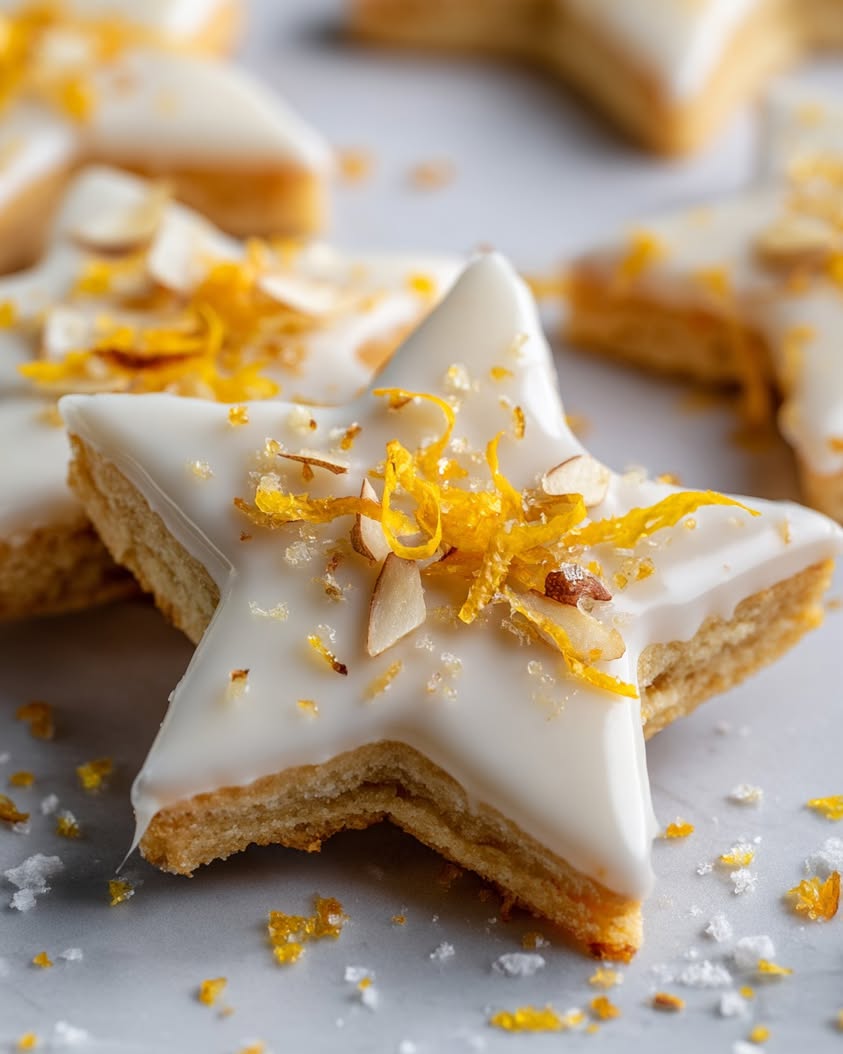
Orange Almond White Chocolate Star Shortbread: A Festive Holiday Treat
Creating the perfect Orange Almond White Chocolate Star Shortbread Cookie Recipe transforms your kitchen into a holiday bakery. This delightful cookie combines buttery shortbread with zesty orange, nutty almond, and creamy white chocolate. Furthermore, the star shape makes these treats visually stunning for any festive occasion. Each bite delivers a symphony of textures and flavors that will impress your family and guests. Consequently, this recipe has become a cherished tradition for many home bakers.
The magic of this Orange Almond White Chocolate Star Shortbread Cookie Recipe lies in its balanced flavor profile. Bright citrus notes from fresh orange zest cut through the richness of the butter and white chocolate. Meanwhile, almond flour adds a subtle nuttiness and tender crumb that elevates the classic shortbread texture. These cookies manage to feel both elegant and comforting simultaneously. They fill your home with an incredible aroma that promises delicious results.
Mastering this Orange Almond White Chocolate Star Shortbread Cookie Recipe requires attention to detail but rewards you with professional-quality results. The process involves creaming butter properly, incorporating flavors evenly, and achieving the perfect bake. However, the steps remain straightforward enough for bakers with some experience. Ultimately, these cookies store beautifully and make wonderful edible gifts. Their stunning appearance belies how approachable they are to create.
Quick Recipe Highlights
- Flavor Profile: This Orange Almond White Chocolate Star Shortbread Cookie Recipe features a sophisticated balance of sweet, citrus, and nutty notes. The buttery shortbread base provides a rich foundation, while the orange zest adds a bright, aromatic quality. Finally, the white chocolate drizzle contributes a creamy sweetness that ties all elements together beautifully.
- Texture: These cookies achieve the perfect shortbread texture – crisp yet tender with a satisfying melt-in-your-mouth quality. The almond flour introduces a delicate crumb that contrasts wonderfully with the smooth white chocolate coating. Additionally, the cookies maintain their structural integrity while remaining light and delicate.
- Aroma: As these cookies bake, they release an irresistible fragrance of toasted butter, citrus, and warm almonds. The orange zest provides a fresh, uplifting note that permeates the entire kitchen. Meanwhile, the almond flour contributes a toasty, comforting scent that signals perfectly baked shortbread.
- Visual Appeal: The star-shaped cookies create an immediate festive impression with their classic holiday silhouette. The snowy white chocolate drizzle against the golden cookie background makes for stunning visual contrast. Moreover, the delicate cracks on the surface speak to their authentic shortbread texture.
- Skill Level Needed: This recipe suits intermediate bakers comfortable with creaming butter and working with cookie dough. The process requires precision in measuring, mixing, and baking times. However, clear instructions make it accessible for anyone with basic baking experience.
- Special Equipment: You will need a star-shaped cookie cutter, electric mixer, and parchment paper for best results. A microplane zester efficiently removes orange zest without the bitter pith. Additionally, a piping bag or plastic bag with corner snipped works perfectly for the white chocolate drizzle.
Recipe Overview
- Difficulty Level: This Orange Almond White Chocolate Star Shortbread Cookie Recipe earns its intermediate rating due to several technical considerations. Properly creaming the butter and sugar forms the foundation for the perfect shortbread texture. Additionally, working with the dough requires understanding when to chill and how to handle it without overworking. The decoration process, while simple, demands a steady hand for beautiful presentation.
- Category: These cookies fit perfectly into the dessert category, specifically holiday baking and special occasion treats. They work wonderfully as after-dinner sweets, with afternoon tea, or as part of a cookie platter. Furthermore, their elegant appearance makes them suitable for formal gatherings and festive celebrations throughout the season.
- Cuisine: This recipe draws from Scottish shortbread traditions while incorporating modern flavor combinations and techniques. The addition of almond flour reflects Mediterranean baking influences, while the citrus notes brighten the typically rich shortbread. Consequently, these cookies represent a beautiful fusion of traditional and contemporary baking approaches.
- Cost: Creating these cookies involves moderate expense, primarily due to quality butter, almond flour, and white chocolate. However, the recipe uses common pantry staples for the remaining ingredients. Importantly, the impressive results justify the investment, especially when compared to specialty bakery prices.
- Season: While perfect for winter holidays, these cookies transition beautifully through all seasons. The bright citrus notes make them refreshing in spring and summer months. Meanwhile, their festive shape maintains relevance for various celebrations year-round with simple cutter changes.
- Occasion: These elegant cookies enhance Christmas cookie exchanges, holiday parties, and New Year’s celebrations. They also make wonderful gifts for teachers, neighbors, and hostesses throughout the festive season. Additionally, their sophisticated flavor profile suits bridal showers, tea parties, and other special events.
Why You’ll Love This Recipe
The taste and texture appeal of this Orange Almond White Chocolate Star Shortbread Cookie Recipe creates an unforgettable sensory experience. Each component contributes something special – the buttery crumb, the citrus zing, the nutty undertones, and the creamy sweetness. Furthermore, the contrast between the crisp cookie and smooth chocolate coating provides delightful textural variation. The flavors develop beautifully, offering different notes with each bite. Ultimately, these cookies satisfy both simple cookie cravings and sophisticated palates.
Convenience and preparation benefits make this recipe surprisingly manageable for busy bakers. The dough comes together quickly and can be prepared in advance, then baked when needed. Additionally, the decoration process flows smoothly once you establish a rhythm. These cookies maintain their quality for several days, allowing you to bake ahead for events. The recipe scales easily for larger batches, making holiday baking more efficient.
Nutritional advantages exist within this indulgent treat, particularly from the almond flour content. Almonds provide vitamin E, healthy fats, and protein, offering more nutritional value than traditional all-purpose flour alone. Meanwhile, orange zest contributes antioxidants and vitamin C without significant calories. Using quality ingredients means you consume fewer preservatives and artificial additives. Consequently, these homemade cookies represent a better choice than many store-bought alternatives.
Social and entertaining value shines through when you serve these beautiful cookies. Their festive appearance immediately elevates any dessert table or cookie platter. Guests appreciate the homemade effort and sophisticated flavor combination. These cookies often become conversation starters at gatherings and parties. Moreover, they make incredibly thoughtful gifts that show care and culinary skill.
Cost-effectiveness and accessibility make this recipe practical for regular baking. While featuring premium ingredients, the cost per cookie remains reasonable compared to bakery prices. Most ingredients stay readily available in well-stocked supermarkets year-round. The recipe accommodates some substitutions without compromising quality. Therefore, you can create impressive baked goods without specialty shopping or excessive expense.
Historical Background and Cultural Significance
The origin story of shortbread dates back to medieval Scotland, where it began as bread dough leftover from bread-making. Bakers would dry the dough in a low oven until it hardened into a biscuit, creating the first “biscuit bread.” Over time, the recipe evolved as butter became more accessible and affordable. The classic shortbread we recognize today emerged during the 16th century, famously associated with Mary, Queen of Scots. Her preference for petticoat tails, the traditional triangular shortbread shape, helped popularize this treat among nobility.
Cultural importance of shortbread runs deep in Scottish tradition, where it became associated with Christmas and Hogmanay (New Year’s Eve). Historically, shortbread represented a luxury item reserved for special occasions due to its expensive butter content. The breaking of a decorated shortbread cake over a bride’s head at Scottish weddings symbolized prosperity and good fortune. Today, shortbread remains an iconic Scottish export and holiday tradition worldwide. Its simple elegance and rich flavor have secured its place in global baking culture.
Evolution of the recipe shows how shortbread adapted to different ingredients and culinary trends. The basic formula of one part sugar, two parts butter, and three parts flour remained constant for centuries. However, modern variations incorporate flavors like citrus, spices, and chocolate that were unavailable in early recipes. The addition of rice flour or cornstarch became common to achieve a more delicate texture. Our Orange Almond White Chocolate Star Shortbread Cookie Recipe represents the contemporary evolution of this classic treat.
Regional variations demonstrate how shortbread adapted to local ingredients and preferences. Scottish shortbread traditionally uses only butter, sugar, and flour, while other regions incorporate eggs or leavening. In continental Europe, similar butter cookies often feature ground nuts or alternative flours. American versions frequently include more sugar and additional flavorings. Our recipe bridges these traditions by honoring the Scottish foundation while embracing modern global ingredients.
Ingredient Deep Dive
Butter forms the foundation of any quality shortbread, and this Orange Almond White Chocolate Star Shortbread Cookie Recipe demands premium unsalted butter. European-style butter with higher fat content creates particularly tender results with superior flavor. Historically, butter quality indicated social status in Scotland, where only wealthy households could afford large quantities for baking. Nutritionally, butter provides fat-soluble vitamins and creates the characteristic shortbread texture. Always use room temperature butter for proper creaming, and avoid substitutes for authentic results.
Almond flour introduces both flavor complexity and textural benefits to these cookies. This ingredient has Mediterranean origins, where almonds have been ground into flour for centuries in gluten-free baking. The almond flour provides natural moisture and tenderness while contributing healthy fats, vitamin E, and protein. Select blanched almond flour for a finer texture and lighter color in your finished cookies. Store almond flour in the refrigerator or freezer to prevent rancidity and maintain freshness.
Orange zest brings vibrant citrus notes that cut through the richness of the butter and white chocolate. The use of citrus in baking dates back to ancient preservation methods, while the specific practice of zesting developed alongside sugar availability. Orange zest contains essential oils packed with flavor and antioxidants, including vitamin C. Choose organic oranges when possible to avoid pesticide residues on the peel. Use a microplane zester for the finest texture that distributes evenly throughout the dough.
White chocolate provides the finishing touch with its creamy sweetness and visual appeal. Unlike dark chocolate, white chocolate contains cocoa butter without cocoa solids, giving it a delicate flavor that complements the other ingredients. Quality white chocolate with real cocoa butter melts smoothly and tastes superior to compound coatings. Chop baking bars evenly for consistent melting, and avoid overheating during the tempering process. The white chocolate drizzle hardens to a beautiful finish that contrasts with the golden cookies.
Common Mistakes to Avoid
- Overcreaming the butter and sugar incorporates too much air, causing the cookies to spread excessively during baking. Proper creaming should continue only until the mixture becomes light and fluffy, not until it appears white and overly aerated. This mistake particularly affects shortbread, which relies on minimal spread for defined shapes.
- Using cold butter prevents proper creaming and results in uneven dough texture. Always ensure your butter reaches true room temperature, about 65-67°F, before beginning the recipe. Cold butter won’t properly emulsify with the sugar, creating pockets of pure fat in the baked cookies.
- Overworking the dough after adding flour develops gluten, creating tough cookies rather than tender shortbread. Mix only until the flour disappears, then stop immediately. This gentle handling preserves the delicate crumb that defines quality shortbread.
- Insufficient chilling time leads to cookies losing their shape in the oven. The dough must firm up properly to maintain sharp edges during baking. Rushing this step compromises both appearance and texture.
- Rolling the dough too thin produces crispy, fragile cookies rather than the classic shortbread texture. Maintain the recommended thickness for proper bite and structural integrity. Uniform thickness also ensures even baking.
- Overbaking destroys the delicate pale gold color and tender texture of proper shortbread. Watch carefully during the final minutes, as the cookies continue to firm up after removal from the oven. Perfect shortbread should never brown.
- Adding white chocolate drizzle to warm cookies causes melting and messy presentation. Always ensure cookies cool completely before decorating. The temperature difference helps the chocolate set properly.
- Using low-quality white chocolate results in waxy texture and inferior flavor. Always choose baking bars with cocoa butter instead of compound coatings. The quality difference significantly impacts the final product.
Essential Techniques
Creaming butter and sugar forms the crucial foundation for proper shortbread texture. This process incorporates tiny air bubbles that expand during baking, creating lightness while maintaining density. Proper creaming requires room temperature butter beaten with sugar until the mixture lightens in color and texture. Under-creaming produces dense cookies, while over-creaming causes excessive spread. The perfect point occurs when the mixture becomes pale yellow and fluffy, typically after 2-3 minutes of medium speed mixing.
Zesting citrus effectively requires removing only the colored outer peel while avoiding the bitter white pith beneath. The essential oils in the zest contain intense flavor without acidity, making them ideal for baked goods. Use a microplane zester held at a slight angle and rotate the fruit frequently. Work over the mixing bowl to capture all the precious oils that release during zesting. This technique maximizes flavor impact while minimizing bitter notes.
Incorporating dry ingredients demands a light touch to prevent gluten development. Add the flour mixture all at once and mix on low speed only until no white streaks remain. Alternatively, fold in the flour by hand for maximum control over the mixing process. The dough should come together without being completely smooth – some slight marbling is acceptable. This gentle approach preserves the tender crumb that defines excellent shortbread.
Rolling and cutting cookie dough requires consistent thickness and sharp cutters. Lightly flour the surface and rolling pin to prevent sticking, but avoid incorporating excess flour into the dough. Roll from the center outward, rotating the dough periodically to maintain even thickness. Press the cookie cutter straight down without twisting, which can seal the edges and prevent proper rising. Re-roll scraps once for minimal waste while maintaining texture.
Pro Tips for Perfect Orange Almond White Chocolate Star Shortbread
Weigh your ingredients using a kitchen scale for absolute precision in measurements. Baking relies on chemical reactions that require specific ratios, particularly for shortbread. Volume measurements vary significantly, while weight provides consistency. This practice becomes especially important with flour, which compacts easily in measuring cups.
Chill your cookie sheets between batches for consistent results. Warm baking sheets cause the dough to spread prematurely before the structure sets. Simply rinse sheets under cold water and dry thoroughly between batches. This simple step maintains defined edges and even baking.
Rotate your baking sheets halfway through baking for even color distribution. Ovens often have hot spots that cause uneven browning. Turning the sheets ensures all cookies bake uniformly. This attention to detail separates good cookies from great ones.
Use a toothpick to create a hanging hole before baking if making ornaments. Simply insert the pick near the top point of each star before chilling. This planning allows for beautiful edible decorations. Remember to inform recipients if cookies will be hung for display.
Temper your white chocolate properly for the best setting and appearance. Melt two-thirds of the chocolate, then remove from heat and stir in the remaining third until smooth. This technique stabilizes the cocoa butter crystals for a glossy finish that doesn’t bloom.
Add a tiny amount of almond extract to enhance the nutty flavor profile. Use just ¼ teaspoon to complement without overwhelming the delicate balance. This amplification makes the almond notes more pronounced against the other flavors.
Dust your cookie cutter with flour between cuts to prevent sticking. This simple practice ensures clean edges and easy dough release. The sharp definition makes for more professional-looking results.
Record your baking time for future reference, as oven temperatures vary. Note the perfect timing for your specific oven and adjust accordingly next time. This documentation builds your personal baking knowledge.
Variations and Adaptations
Regional variations can transform these cookies to reflect different culinary traditions. For a Scottish approach, replace the orange zest with a tablespoon of whisky and add chopped dried cranberries. Mediterranean inspiration might include lemon zest instead of orange and a sprinkle of pine nuts before baking. Austrian influences could incorporate a teaspoon of cinnamon and a dark chocolate drizzle instead of white. These adaptations honor the basic shortbread technique while exploring global flavors.
Seasonal adaptations keep this recipe relevant throughout the year. Spring versions might feature lemon zest and lavender-infused white chocolate for a floral touch. Summer adaptations could include lime zest and coconut in the dough with a macadamia garnish. Autumn variations work beautifully with added cinnamon and orange essence for a warmer spice profile. Winter holidays naturally suit the original recipe, though peppermint extract creates a festive alternative.
Dietary modifications make these cookies accessible to various nutritional needs. Gluten-free adaptation simply requires a 1:1 gluten-free flour blend instead of all-purpose flour. Vegan versions can use plant-based butter and vegan white chocolate with excellent results. Reduced-sugar options utilize sugar alternatives like monk fruit or erythritol, though texture may change slightly. Nut-free versions replace almond flour with oat flour or additional all-purpose flour.
Flavor variations allow for personalization while maintaining the basic technique. Substitute the orange zest with lemon, lime, or grapefruit for different citrus profiles. Incorporate spices like cardamom, nutmeg, or ginger for warmth and complexity. Alternative extracts such as vanilla bean, coconut, or almond amplify different flavor directions. Chocolate variations might use dark or milk chocolate instead of white for a richer finish.
Serving and Presentation Guide
Plating techniques elevate these cookies from simple treats to dessert centerpieces. Arrange stars in a circular pattern on a round platter with points facing outward for dramatic impact. Layer cookies between parchment in a decorative tin for beautiful gifting presentation. Create height variation by stacking cookies slightly offset on a cake stand. These visual considerations enhance the already impressive appearance of the cookies.
Garnishing ideas add finishing touches that increase visual appeal. Sprinkle finely chopped candied orange peel over the white chocolate before it sets for color contrast. Add a single silver dragée to the center of each star for elegant sparkle. Dust with edible gold or silver powder for luxurious holiday presentation. Place each cookie in a small decorative paper cup before arranging on a platter.
Traditional accompaniments complement the flavors and create a complete serving experience. Serve with freshly brewed tea, either Earl Grey or English Breakfast, to cut the richness. Coffee pairings work beautifully, particularly medium roast with citrus notes. Dessert wines like Moscato d’Asti or ice wine enhance the sweetness without overwhelming. These beverage pairings create a sophisticated tasting experience.
Modern serving suggestions update the presentation for contemporary entertaining. Crumble cookies over vanilla ice cream or panna cotta for a deconstructed dessert. Create cookie sandwiches with orange marmalade or almond butter filling for extra indulgence. Serve alongside citrus sorbet for a refreshing dessert combination. These innovative approaches showcase the cookies’ versatility.
Wine and Beverage Pairing
Wine pairings should complement rather than compete with the delicate flavors of these cookies. Sweet dessert wines like Sauternes or Late Harvest Riesling mirror the cookie’s sweetness while cleansing the palate. Sparkling wines like Prosecco or Cava provide acidity that cuts through the butteriness effectively. Light-bodied reds with low tannins, such as Beaujolais, won’t overwhelm the subtle flavors. Always consider the serving context when selecting wine pairings.
Non-alcoholic alternatives offer sophisticated options for all guests. Sparkling cider provides similar effervescence to champagne without alcohol. Citrus-infused sparkling water enhances the orange notes in the cookies. Chai tea latte offers warming spices that complement the almond and orange flavors. These thoughtful alternatives ensure everyone enjoys the pairing experience.
Coffee and tea pairings create classic combinations that highlight different aspects of the cookies. Medium roast coffee with citrus notes amplifies the orange zest in the shortbread. Earl Grey tea’s bergamot harmonizes beautifully with the citrus elements. Chai tea’s spice profile contrasts nicely with the sweet white chocolate. Herbal citrus teas reinforce the bright notes in the cookies.
Temperature considerations significantly impact beverage pairings. Serve hot beverages genuinely hot to contrast with the room-temperature cookies. Cold beverages should be properly chilled to refresh the palate between bites. The temperature difference creates a pleasant sensation that enhances both elements. Always consider the seasonal context when determining serving temperatures.
Storage and Shelf Life
Storage methods preserve the texture and flavor of these delicate cookies. Always cool cookies completely before storing to prevent moisture accumulation. Layer cookies between parchment paper in an airtight container at room temperature. Avoid refrigeration, which can introduce moisture and cause the cookies to soften. Proper storage maintains quality for up to two weeks.
Temperature requirements focus on cool, consistent conditions away from heat sources. Ideal storage temperature ranges between 60-70°F without direct sunlight. Avoid storing near the oven, dishwasher, or heating vents that create temperature fluctuations. Consistent cool conditions prevent the white chocolate from blooming or melting. These simple precautions extend the shelf life significantly.
Container recommendations include airtight tins or containers with secure sealing lids. Metal tins provide excellent protection against light and air exposure. Glass containers with rubber seals work equally well for visibility. Avoid plastic containers that might impart flavors over time. The right container makes a noticeable difference in longevity.
Signs of spoilage include changes in texture, appearance, or aroma. The cookies should remain crisp and the white chocolate should stay firm. Any softening, oil separation, or off odors indicate deterioration. Visible mold represents obvious spoilage requiring immediate disposal. Regular inspection ensures you serve only fresh cookies.
Make Ahead Strategies
Prep timeline allows for efficient planning around busy schedules. The dough can be prepared, shaped, and frozen up to three months in advance. Baked cookies freeze beautifully for one month when properly packaged. The white chocolate decoration can be added after thawing for freshest appearance. This flexibility makes holiday preparation much more manageable.
Storage between steps requires understanding how each component holds. Wrap dough logs tightly in plastic wrap, then place in freezer bags for freezing. Frozen baked cookies should be layered between parchment in airtight containers. Undecorated cookies maintain quality better than decorated ones when freezing. These distinctions help plan your preparation schedule.
Quality impact assessment guides your make-ahead decisions. The dough actually benefits from extended chilling, developing better flavor. Frozen baked cookies experience minimal quality loss when properly packaged. The texture remains excellent after thawing at room temperature. Understanding these impacts helps you plan confidently.
Assembly tips streamline the process when working with frozen components. Thaw frozen dough logs in the refrigerator overnight before slicing and baking. Frozen baked cookies should thaw completely at room temperature before decorating. Work in small batches to maintain organization and efficiency. These approaches prevent last-minute stress.
Scaling Instructions
Halving the recipe works beautifully for smaller households or test batches. Reduce all ingredients precisely by half using weight measurements for accuracy. The baking time may decrease slightly due to less crowded oven conditions. Expect the same quality results with proper attention to technique. This flexibility makes the recipe adaptable to various needs.
Doubling or tripling requires adjustments to mixing and baking procedures. Use a larger mixing bowl or mix in batches to ensure proper incorporation. Rotate baking sheets more frequently for even baking in a full oven. Consider baking in consecutive batches rather than simultaneously for best results. These considerations maintain quality in larger quantities.
Equipment adjustments become necessary when scaling the recipe significantly. Larger mixing bowls accommodate bigger batches without spillage. Additional baking sheets allow for efficient production flow. A stand mixer handles large quantities more effectively than hand mixers. Proper equipment selection ensures success with scaled recipes.
Timing modifications account for the practical realities of larger batches. Allow extra time for portioning and shaping the increased dough quantity. Extended baking sessions require planning for sheet cooling between batches. The decoration process takes proportionally longer with more cookies. Realistic timing prevents rushed work and mistakes.
Nutritional Deep Dive
Macro breakdown reveals the balanced nature of these indulgent cookies. Each cookie contains approximately 120 calories with 7 grams of fat from quality sources. Carbohydrates measure around 12 grams per cookie, primarily from the flour and sugar. Protein content reaches 2 grams per serving, contributed by the almond flour. This profile represents a reasonable treat within a balanced diet.
Micronutrient analysis shows valuable nutrients beyond empty calories. Almond flour provides vitamin E, an important antioxidant that supports skin health. Orange zest contributes small amounts of vitamin C and flavonoids. The butter offers vitamin A and vitamin D in bioavailable forms. These nutrients add value to the treat experience.
Health benefits extend beyond basic nutrition when using quality ingredients. The almond flour provides heart-healthy monounsaturated fats and fiber. Orange zest contains antioxidants that combat inflammation in the body. Homemade preparation avoids preservatives and artificial ingredients found in commercial products. These factors contribute to better overall food quality.
Dietary considerations help individuals navigate their specific nutritional needs. The cookies contain gluten, dairy, and nuts, requiring avoidance for those with allergies or sensitivities. The sugar content makes them inappropriate for very low-carb diets. However, modifications can accommodate most dietary restrictions successfully. Understanding these parameters helps with informed consumption.
Dietary Adaptations
Gluten-free adaptation simply replaces the all-purpose flour with a quality gluten-free blend. Look for blends that include xanthan gum for proper texture. The almond flour already contributes to the gluten-free nature. Expect similar results with proper measurement and handling. This straightforward substitution makes the recipe accessible to many.
Dairy-free versions utilize plant-based butter and dairy-free white chocolate. Coconut oil-based butters work particularly well for their similar fat content. Read labels carefully to ensure all components remain dairy-free. The texture may vary slightly but remains delicious. This adaptation maintains the spirit of the recipe.
Vegan modifications build upon the dairy-free approach with egg-free assurance. Most shortbread recipes naturally contain no eggs, simplifying this adaptation. Use vegan sugar that hasn’t been processed with bone char. Confirm all ingredients meet vegan standards. The result satisfies vegan dietary requirements beautifully.
Low-carb options replace the flour with almond flour exclusively and use sugar alternatives. Increase the almond flour to replace the all-purpose flour completely. Sugar substitutes like erythritol or monk fruit work well in the 1:1 ratio. The texture becomes more delicate but remains enjoyable. This adaptation suits keto and low-carb lifestyles.
Troubleshooting Guide
Texture issues often stem from ingredient temperature or measurement inaccuracies. If cookies spread too much, the butter was likely too warm or over-creamed. Dense cookies result from under-creaming or overmixing the dough after adding flour. Crumbly texture indicates insufficient binding, potentially from inaccurate measurements. Each issue has specific solutions for correction.
Flavor balance problems require adjustment of key components. If the orange flavor seems weak, increase the zest quantity in the next batch. Overpowering almond flavor might mean the extract measurement was excessive. Insufficient sweetness could indicate inaccurate sugar measurement. These adjustments fine-tune the final result.
Temperature problems during baking create multiple issues. Oven temperature inaccuracy represents the most common baking problem. Use an oven thermometer to verify actual temperature versus the setting. Uneven baking indicates hot spots requiring sheet rotation. Understanding your oven’s characteristics improves results significantly.
Equipment challenges can frustrate even experienced bakers. Cookie cutters sticking often means the dough needs more chilling or the cutter requires flour. Parchment paper slipping on baking sheets can be secured with a dab of dough in each corner. Identifying specific equipment issues leads to simple solutions.
Recipe Success Stories
Community feedback consistently highlights the impressive results achievable with this recipe. Many home bakers report receiving compliments that their cookies look professional. The flavor combination surprises and delights people who expect ordinary shortbread. Numerous bakers have made these cookies their new holiday tradition. This positive response encourages continued baking experimentation.
Variation successes demonstrate the recipe’s adaptability to different preferences. Some bakers have created lemon-pistachio versions that became instant favorites. Others have incorporated dried cranberries for color and tart contrast. These successful adaptations inspire further creativity within the reliable framework. The basic recipe supports numerous flavor directions.
Adaptation stories often focus on dietary modifications that maintain quality. Gluten-free bakers particularly appreciate how well the recipe translates to their needs. Vegan adaptations have surprised skeptics with their delicious results. These success stories make the recipe more inclusive and valuable. Sharing adaptations benefits the entire baking community.
Reader suggestions have improved the recipe through collective experience. Many bakers recommend adding the almond extract for enhanced flavor. Several suggest using European butter for superior results. These community-generated tips enhance the original recipe. The shared knowledge improves outcomes for everyone.
Frequently Asked Questions
Can I make the dough ahead and freeze it? Absolutely, the dough freezes beautifully for up to three months. Shape it into a disk or log, wrap tightly in plastic wrap, then place in a freezer bag. Thaw overnight in the refrigerator before rolling and cutting. This make-ahead option simplifies holiday baking preparation significantly.
What if I don’t have almond flour? You can substitute with additional all-purpose flour, though the texture will be slightly different. The flavor will lack the nutty complexity that almond flour provides. For best results, pulse blanched almonds in a food processor until finely ground. This substitution works in a pinch but alters the character.
Can I use bottled orange juice instead of zest? Unfortunately, juice won’t provide the same intense citrus flavor without adding excess liquid. The zest contains essential oils that deliver concentrated orange aroma and taste. If absolutely necessary, use orange extract, but reduce the quantity significantly. Fresh zest really makes a noticeable difference.
Why did my cookies spread too much? Several factors cause excessive spreading: butter that’s too soft, over-creaming, insufficient chilling, or warm baking sheets. Ensure your butter is cool room temperature, not warm. Chill the dough thoroughly before baking. Use cool baking sheets for each batch to prevent spreading.
Can I use dark chocolate instead of white? Certainly, dark chocolate creates a beautiful contrast and different flavor profile. Choose a quality dark chocolate with 60-70% cocoa content for best results. The bitterness complements the sweet cookie base nicely. This variation offers a more sophisticated flavor direction.
How do I prevent the white chocolate from seizing? Ensure all utensils are completely dry, as even a drop of water can cause seizing. Melt the chocolate gently over low heat or in short microwave bursts. If seizing occurs, add a tiny amount of coconut oil or vegetable oil to smooth it. Proper technique prevents this common issue.
Can I make these without a stand mixer? Definitely, a hand mixer works perfectly well for this recipe. You can even mix by hand with a wooden spoon, though it requires more effort. The key is achieving proper creaming of the butter and sugar. Any mixing method can produce excellent results.
Why are my cookies tough instead of tender? Overmixing after adding the flour develops gluten, creating toughness. Mix only until the flour disappears to maintain tender shortbread. Also ensure you’re not using too much flour by packing it into measuring cups. Proper measurement and gentle handling prevent toughness.
Can I use this dough for other shapes? Absolutely, this versatile dough works with any cookie cutter shape. Adjust baking time slightly for larger or smaller shapes. Intricate designs may require extra chilling before baking. The recipe adapts beautifully to various seasonal and occasion-appropriate shapes.
How long do these cookies stay fresh? Properly stored in an airtight container, they maintain excellent quality for up to two weeks. The flavor actually improves slightly over the first few days. For longer storage, freeze the baked cookies for up to three months. They retain their texture beautifully when thawed.
Additional Resources
Related recipes that complement this Orange Almond White Chocolate Star Shortbread include other holiday classics. Consider adding gingerbread cookies, spritz cookies, or biscotti to your cookie platter. Each offers different textures and flavors that create variety. Building a diverse cookie selection makes holiday entertaining more special. These combinations please different palates and preferences.
Technique guides for perfect shortbread provide deeper understanding of the process. Videos demonstrating proper creaming technique help visual learners master this crucial step. Tutorials on zesting citrus efficiently prevent bitter pith inclusion. Piping demonstrations show various decorative approaches for the chocolate drizzle. These resources build confidence and skill.
Ingredient information helps source quality components for superior results. Guides to European butters explain fat content differences and their impact. Information about different almond flour types clarifies which works best for baking. Chocolate quality comparisons help select the best baking bars. This knowledge elevates your baking ingredients.
Equipment recommendations ensure you have the right tools for the job. Quality baking sheets that distribute heat evenly prevent uneven browning. Reliable oven thermometers verify temperature accuracy for perfect results. Proper rolling pins and cookie cutters make the process smoother. Investing in good equipment pays dividends in baking satisfaction.
{“success”:true,”message”:”Recipe created successfully”,”post_id”:6911,”tasty_recipe_id”:6911,”shortcode”:” Print
Orange Almond White Chocolate Star Shortbread
Description
A festive, buttery shortbread cookie infused with orange zest and almond, dipped in creamy white chocolate and decorated for a starry holiday treat.
Ingredients
For the Crust:
- 1 cup unsalted butter, softened
- 1/2 cup granulated sugar
- 2 cups all-purpose flour
- 1/4 teaspoon salt
- 1 tablespoon orange zest
- 1 teaspoon almond extract
- 1/2 cup white chocolate chips, melted
- Sliced almonds and orange sprinkles for garnish
Instructions
1. Prepare the Crust:
- Preheat oven to 325°F (165°C). Line a baking sheet with parchment paper.
- In a large bowl, cream together butter and sugar until light and fluffy. Mix in orange zest and almond extract.
- Gradually add flour and salt, mixing until a soft dough forms. Roll dough to 1/4-inch thickness on a floured surface and cut into star shapes using a cookie cutter.
- Place stars on prepared baking sheet and bake for 12-15 minutes, until edges are lightly golden. Cool completely on a wire rack.
- Dip cooled cookies halfway into melted white chocolate, then garnish with sliced almonds and orange sprinkles. Let set before serving.
Notes
You can customize the seasonings to taste.

I’m Billy, a classically trained culinary school graduate from The Culinary Institute of America with over 12 years in the restaurant industry and over 19 years of cooking experience.