
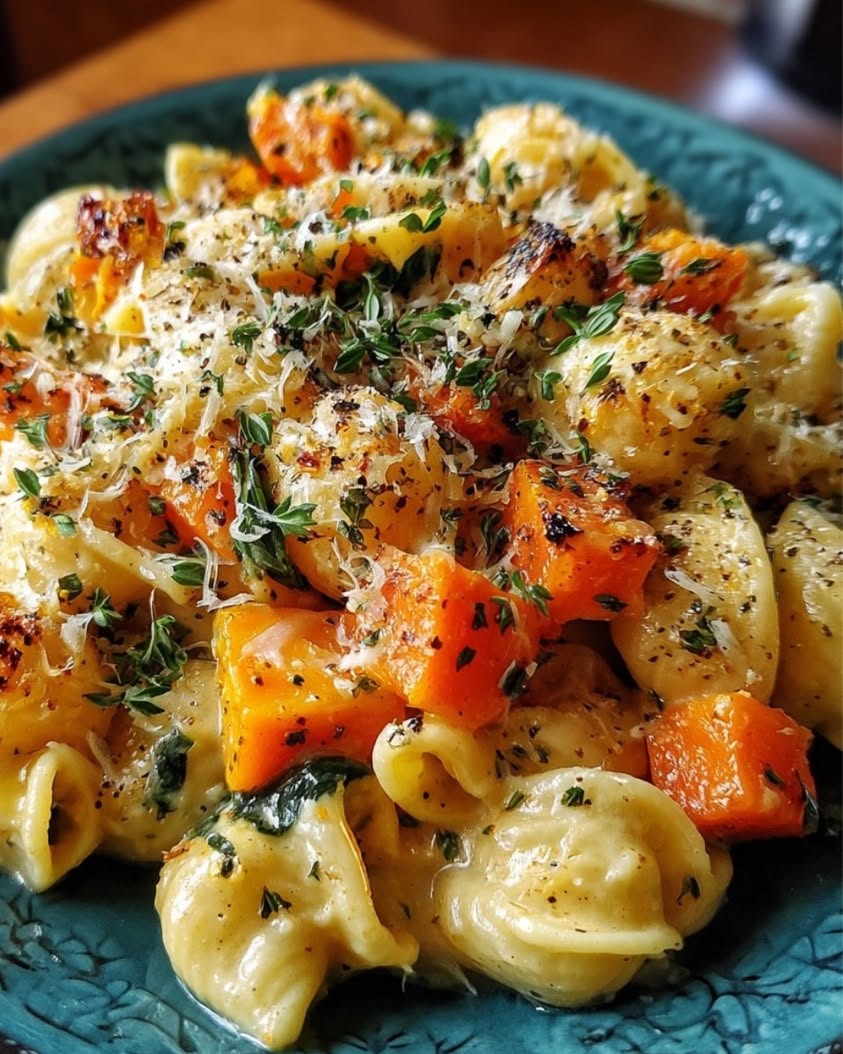
Crockpot Mac and Sweet Potato, Butternut Squash, Carrot with Cheddar, Gouda & Maple Brown Butter Sage Drizzle: The Ultimate Fall Comfort Food
Imagine the coziest, most comforting dish of your childhood, then elevate it with the sophisticated, earthy flavors of autumn. This Crockpot Mac and Sweet Potato, Butternut Squash, Carrot with Cheddar, Gouda & Maple Brown Butter Sage Drizzle does exactly that. It transforms classic slow cooker mac and cheese into a vibrant, nutrient-packed masterpiece. The familiar, creamy comfort of melted cheddar and gouda gets a stunning upgrade from a trio of sweet roasted vegetables. Ultimately, a luxurious maple brown butter sage drizzle cascades over the top, adding a final note of nutty, aromatic sweetness that will have everyone asking for seconds.
This recipe is a celebration of hands-off cooking. Your crockpot does the heavy lifting, slowly simmering the pasta and vegetables into perfect tenderness. Meanwhile, you are free to prepare the show-stopping drizzle or simply relax. The result is a stunning one-pot meal that feels gourmet but requires minimal effort. The aroma of roasting sage and brown butter will fill your kitchen, promising a meal that is as much a feast for the senses as it is for the stomach. This dish is the ultimate answer for holiday potlucks, busy weeknights, or any gathering where you want to impress without stress.
Furthermore, this Crockpot Mac and Cheese with Sweet Potato, Squash, and Maple Sage Drizzle is incredibly versatile. It serves as a magnificent vegetarian main course or a standout side dish alongside roasted turkey or ham. The combination of sweet potatoes, butternut squash, and carrots not only adds beautiful color but also packs the dish with vitamins and fiber. Each bite delivers a perfect harmony: the creamy, sharp cheese sauce, the tender-sweet vegetable chunks, the satisfying pasta, and that unforgettable herby, maple-kissed finish. This is comfort food reimagined for the modern table.
Quick Recipe Highlights
- Flavor Profile: This dish masterfully balances rich, sharp cheddar and smoky gouda with the natural sweetness of root vegetables. The maple brown butter sage drizzle introduces a complex, nutty, and aromatic finish that ties all the elements together beautifully.
- Texture: Expect ultimate creaminess from the cheese sauce enveloping al dente pasta. Meanwhile, the roasted sweet potato, squash, and carrot pieces provide delightful, tender bites that contrast perfectly with the smooth background.
- Aroma: As it cooks, your kitchen will fill with the comforting scent of melting cheese and savory herbs. The final drizzle of brown butter and fresh sage adds a warm, nutty, and unmistakably autumnal fragrance.
- Visual Appeal: The dish is a vibrant mosaic of orange and yellow from the vegetables, studded with white pasta and covered in a golden cheese sauce. A garnish of crispy sage leaves and the amber drizzle makes it look professionally plated.
- Skill Level Needed: This is a beginner-friendly recipe designed for success. The crockpot method is forgiving, and the techniques, like making brown butter, are simple but impactful. Anyone can achieve restaurant-quality results here.
- Special Equipment: You only need a standard 6-quart or larger slow cooker and a medium skillet for the drizzle. A good chef’s knife for chopping vegetables is the only other essential tool.
Recipe Overview
- Difficulty Level: We rate this recipe “Easy” because the slow cooker handles the most critical part—creating a creamy sauce and cooking the pasta. The active prep involves straightforward vegetable chopping and a simple stovetop step for the drizzle. Even novice cooks can follow the clear steps for a flawless result.
- Category: This dish brilliantly straddles categories. It’s a hearty vegetarian main course, a spectacular holiday or potluck side dish, and the ultimate comfort food casserole. Its richness and completeness make it suitable for any center-of-the-plate moment.
- Cuisine: The recipe is rooted in American comfort food tradition but incorporates influences from European cheese-making (Gouda) and a classic French technique (beurre noisette or brown butter). The use of maple syrup adds a distinctly North American, seasonal twist.
- Cost: This is a very cost-effective meal, especially when root vegetables are in season. Pasta, milk, and basic cheeses are pantry staples. The more premium gouda and pure maple syrup are worthwhile splurges that define the dish’s elevated flavor.
- Season: This is the quintessential fall and winter recipe. It features seasonal produce at its peak and delivers the warm, hearty satisfaction we crave in cooler weather. However, its crowd-pleasing nature makes it a year-round hit for special occasions.
- Occasion: Perfect for Thanksgiving, Christmas, or Friendsgiving as a show-stopping side. It’s also ideal for cozy family dinners, meal prep for the week, or any potluck where you want your dish to be the first one empty.
Why You’ll Love This Recipe
First and foremost, the taste and texture are utterly divine. This Crockpot Mac and Cheese with Sweet Potato, Squash, and Maple Sage Drizzle is a symphony of comfort. You get the nostalgic, creamy joy of childhood mac and cheese, but with layers of sophisticated flavor. The sweet potatoes and squash caramelize slightly, adding pockets of natural sweetness that cut through the rich cheese. Then, the maple brown butter drizzle adds a nutty, aromatic complexity that makes each bite exciting. It’s familiar yet entirely new, satisfying yet refined.
Convenience is another major win. The beauty of this crockpot mac and cheese recipe is the hands-off cooking method. You simply add most ingredients to the pot, set it, and forget it. This frees you up to tackle other tasks, entertain guests, or simply relax. There’s no need to make a separate roux or cheese sauce on the stove. The slow cooker magically creates a smooth, cohesive sauce as everything simmers together. The final drizzle comes together in just minutes on the stovetop, making the whole process remarkably stress-free for such an impressive dish.
Nutritionally, this dish is a powerhouse compared to traditional versions. By incorporating sweet potato, butternut squash, and carrot, you’re adding significant doses of Vitamin A, fiber, and antioxidants. These vegetables also contribute to the sauce’s creaminess, allowing you to potentially use less heavy cream or butter. You’re serving a comfort food classic that also delivers vital nutrients. It’s a clever way to get extra veggies into your family’s diet, especially for picky eaters who might be dazzled by the cheese and maple flavors.
For social and entertaining value, this recipe is a guaranteed crowd-pleaser. It travels beautifully to potlucks in the slow cooker insert, keeping warm for hours. Visually, it’s stunning and will be the centerpiece of any buffet table. Moreover, it caters to vegetarians without feeling like a compromise, making menu planning easier. The combination of gourmet flair and homey comfort sparks conversation and requests for the recipe every single time. It’s the dish that makes you look like a culinary rock star with minimal behind-the-scenes effort.
Finally, it is cost-effective and accessible. The base ingredients are affordable pantry staples. While you can splurge on aged gouda and high-quality maple syrup, more economical options still yield a delicious result. The recipe is also highly adaptable based on what’s in your fridge or on sale. You can swap vegetable varieties or cheese types without fear. This flexibility, combined with the slow cooker’s energy efficiency, makes it a smart choice for budget-conscious cooks who don’t want to sacrifice flavor or quality.
Historical Background and Cultural Significance
Macaroni and cheese holds a cherished place in American culinary history, with roots tracing back to Europe. Thomas Jefferson famously served a dish of macaroni with cheese at a state dinner in 1802, helping to popularize it among the American elite. However, the boxed, pantry-stable version invented during the Great Depression and marketed heavily in the mid-20th century truly cemented it as a ubiquitous comfort food in households across the nation. This crockpot mac and cheese recipe represents a modern evolution, returning to a from-scratch ethos while embracing contemporary convenience and nutritional awareness.
The cultural significance of mac and cheese, particularly in the Southern United States, cannot be overstated. It is a staple at church suppers, family reunions, and holiday tables, symbolizing warmth, generosity, and home. The act of baking it into a golden-topped casserole is a tradition in itself. Our slow cooker version honors that tradition of communal, shareable food but adapts it for today’s busy lifestyles. The addition of sweet potatoes and squash also nods to Southern and soul food traditions, where these vegetables are celebrated staples, often candied or used in pies.
The evolution of this specific recipe reflects broader food trends. Firstly, there’s the “hidden vegetable” movement, aiming to boost nutrition in beloved dishes. Secondly, the use of gourmet cheeses like gouda shows how American palates have expanded, embracing global flavors. Finally, the maple brown butter sage drizzle illustrates the influence of restaurant-style plating and flavor pairing on home cooking. This dish is a fusion: it respects the past’s comforting core while confidently incorporating modern techniques and ingredients for a more complex, adult-friendly profile.
Regional variations of mac and cheese abound, from the custard-like baked versions of the South to the stovetop, ultra-creamy styles of the North. Some regions add tomatoes, breadcrumbs, or different meats. Our recipe with sweet potato and squash could be seen as a Pacific Northwest or farm-to-table variation, highlighting seasonal, local produce. The maple drizzle is a direct nod to Northeastern traditions. This Crockpot Mac and Cheese with Sweet Potato, Squash, and Maple Sage Drizzle is therefore a delicious melting pot, pulling inspiration from various American culinary landscapes to create something uniquely satisfying.
Ingredient Deep Dive
Elbow Macaroni: This short, tubular pasta is the classic choice for a reason. Its shape perfectly captures and holds the creamy cheese sauce in every bite. Culturally, it’s inseparable from the American identity of the dish. For best results, use a standard semolina pasta; avoid “quick-cook” or whole wheat varieties here as they can become mushy or alter the sauce texture in the slow cooker. You can substitute with other small shapes like cavatappi or shells if desired.
Sweet Potato & Butternut Squash: These orange-fleshed vegetables are nutritional powerhouses, rich in beta-carotene (Vitamin A), fiber, and Vitamin C. Historically, sweet potatoes are native to the Americas and a cornerstone of Southern cuisine. Butternut squash, with its sweet, nutty flavor, is a fall harvest favorite. They both add natural sweetness and creaminess to the sauce. Choose firm, heavy-for-their-size vegetables without soft spots. Peel and cube them uniformly for even cooking.
Sharp Cheddar & Smoked Gouda: Cheddar, originating from England, provides the familiar, tangy backbone. Its sharpness cuts through the richness. Smoked Gouda, from the Netherlands, introduces a sophisticated, savory depth and creamy meltability. This combination creates a complex cheese flavor far beyond a single cheese. For the best melt and flavor, always buy blocks and grate them yourself. Pre-shredded cheese contains anti-caking agents that can make sauces grainy.
Pure Maple Syrup & Fresh Sage: Maple syrup, a North American treasure made from tree sap, brings a woodsy, caramel-like sweetness that pairs perfectly with fall vegetables and savory brown butter. Fresh sage, an herb with a warm, slightly peppery aroma, is classic with brown butter and squash. The drizzle transforms the dish. Use real maple syrup, not pancake syrup, for authentic flavor. Fresh sage is essential; dried sage cannot replicate the bright, aromatic quality needed here.
Whole Milk & Butter: Whole milk provides the liquid base for the sauce, offering enough fat for creaminess without being overly heavy. The butter is used twice: in the crockpot for richness and on the stovetop to create brown butter. Brown butter (beurre noisette) is a foundational French technique where butter is cooked until the milk solids toast, yielding a deep, nutty flavor and aroma. This technique elevates the entire dish from simple to spectacular.
Common Mistakes to Avoid
- Using Pre-Shredded Cheese: Pre-shredded bags contain cellulose or potato starch to prevent clumping. These additives prevent the cheese from melting smoothly, often resulting in a grainy, separated sauce. Always take the extra minute to grate blocks of cheddar and gouda yourself for a luxuriously silky texture.
- Overcooking the Pasta: Since pasta continues to cook in the hot sauce, you must use the “al dente” setting on your slow cooker or check early. Overcooked pasta becomes mushy and absorbs too much liquid, leaving you with a dry, pasty mac and cheese instead of a creamy one.
- Incorrect Vegetable Size: Cutting the sweet potato, squash, and carrot into uneven, large chunks means some pieces will be undercooked while others turn to mush. Aim for a uniform ½-inch dice to ensure they become perfectly tender at the same rate as the pasta cooks.
- Skipping the Brown Butter Step: Simply melting butter with sage misses the point. The transformative nutty flavor comes from patiently cooking the butter until the milk solids turn a fragrant golden brown. Rushing this or burning it will drastically alter the final drizzle’s taste.
- Adding the Drizzle Too Early: Pouring the maple brown butter sage drizzle into the crockpot at the beginning would cause the flavors to dilute and the sage to become bitter. It is designed as a finishing sauce, added just before serving to provide a burst of fresh aroma and layered flavor.
- Not Seasoning in Layers: Relying solely on salted cheese is not enough. Season the vegetable layer in the crockpot with salt and pepper. Taste the sauce before serving and adjust seasoning again. Proper layering ensures every component is flavorful, not just the sauce coating it.
- Using Old, Dried-Out Sage: Wilted or brown sage leaves won’t fry up crispy in the butter and can impart a musty flavor. Use vibrant, green, fresh sage leaves. If you can’t find fresh sage, consider omitting it from the drizzle rather than using dried.
- Lifting the Lid Frequently: Every time you open the slow cooker, you release a significant amount of heat and steam, increasing the cooking time. Trust the process and only open it when the recipe instructs you to stir or check for doneness near the end.
Essential Techniques
Creating Brown Butter (Beurre Noisette): This technique is crucial for the signature drizzle. Cut butter into pieces and melt it in a light-colored skillet over medium heat. Swirl the pan occasionally. The butter will foam, then the foam will subside. Watch closely as the milk solids at the bottom turn golden brown and emit a nutty aroma. Immediately remove from heat and pour into a bowl to stop cooking. This process unlocks a deep, toasty flavor that plain melted butter lacks.
Slow Cooker Sauce Emulsification: Unlike a stovetop roux-based sauce, the slow cooker relies on time and steady heat to blend the fats (cheese, butter) with the liquids (milk, vegetable moisture). The key is to layer ingredients properly and resist stirring too early. The gentle heat slowly melts the cheese into the milk, while the starches from the pasta help thicken the sauce naturally, creating a creamy emulsion without constant attention.
Vegetable Roasting via Slow Cooking: Dicing the vegetables uniformly is the most important step here. The slow, moist heat of the crockpot essentially steams and roasts them simultaneously. They release their natural sugars and become tender, but because they’re submerged in liquid, they also infuse the milk with their flavor, contributing to the sauce’s complexity and natural sweetness. This is a hands-off way to “roast” vegetables within the dish itself.
Pro Tips for Perfect Crockpot Mac and Sweet Potato, Butternut Squash, Carrot with Cheddar, Gouda & Maple Brown Butter Sage Drizzle
First, for the creamiest sauce, let the shredded cheese sit at room temperature for 20-30 minutes before adding it to the crockpot. Cold cheese can lower the mixture’s temperature too quickly and may not melt as evenly. Secondly, use a standard, not “quick-cook,” slow cooker setting. The low and slow heat is essential for proper pasta and vegetable texture without curdling the dairy.
Thirdly, when making the brown butter, use a light-colored stainless steel skillet. This allows you to clearly see the color change of the milk solids, preventing burning. Fourth, reserve a few fresh sage leaves to fry quickly in the brown butter after it’s done for a crispy garnish. This adds beautiful texture and an extra pop of sage flavor on top.
Fifth, if your sauce seems too thin after the cook time, mix one tablespoon of cornstarch with two tablespoons of cold milk. Stir this slurry into the crockpot, cover, and cook on high for 10-15 minutes until thickened. Sixth, for a flavor boost, add a pinch of freshly grated nutmeg to the crockpot with the cheeses. Nutmeg is a classic, warming complement to dairy-based sauces and squash.
Seventh, to prevent the pasta edges from drying out, ensure all the macaroni is submerged in the liquid before cooking. Gently press it down after your final stir. Finally, for the best presentation, drizzle the maple brown butter over the entire dish in the crockpot just before serving, then use a large spoon to gently fold it in once or twice, creating beautiful, flavorful swirls.
Variations and Adaptations
Regional Variations: For a Southern twist, add a cup of cooked, crumbled bacon or diced ham to the crockpot. A Pennsylvania Dutch influence could include a topping of buttered breadcrumbs baked under the broiler for five minutes after cooking. A Tex-Mex version might incorporate roasted poblano peppers, a blend of Monterey Jack and pepper jack cheese, and a drizzle of crema with cilantro.
Seasonal Adaptations: In spring, try using diced asparagus and fresh peas, swapping the sage for fresh thyme or chives in the drizzle. For summer, incorporate roasted corn kernels and sun-dried tomatoes, using a basil-infused brown butter. In deep winter, swap some sweet potato for cubed parsnip or turnip for an earthier flavor profile.
Dietary Modifications: For gluten-free, use a certified GF pasta like brown rice or chickpea elbows, and ensure all other ingredients are gluten-free. For a dairy-free version, use a vegan butter alternative, unsweetened plant-based milk (cashew or oat work well), and high-quality vegan cheddar and gouda-style shreds that melt properly.
Flavor Variations: Experiment with different cheeses: Fontina for extra creaminess, a touch of blue cheese for boldness, or pepper jack for heat. Add umami with a tablespoon of white miso paste whisked into the milk. For an herbal note, stir a tablespoon of chopped fresh rosemary or thyme into the crockpot with the vegetables.
Texture Modifications: For more texture, toast a cup of panko breadcrumbs with a little olive oil and sprinkle on top before serving. For a smoother, more uniform dish, you can puree the cooked sweet potato and squash with some of the milk before adding it to the crockpot, creating an invisibly veggie-packed sauce.
Presentation Alternatives: Serve individual portions in small, hollowed-out roasted acorn squash halves for a stunning fall presentation. Alternatively, transfer the finished mac and cheese to a baking dish, top with extra cheese and breadcrumbs, and broil for 3-5 minutes for a crispy, golden top before adding the drizzle.
Serving and Presentation Guide
Plating this dish is part of the experience. For family style, present it directly from the crockpot insert, with the maple brown butter sage drizzle artfully swirled on top and a few crispy sage leaves scattered over it. The contrast of the golden drizzle against the orange-hued pasta is visually striking. For individual servings, use a large spoon or ladle to ensure each bowl gets plenty of vegetables, pasta, and sauce in one scoop.
Garnishing is key. Beyond the crispy sage, consider a light sprinkle of flaky sea salt like Maldon to enhance all the flavors. A dusting of smoked paprika adds color and a subtle smoky note. For freshness and color contrast, a small handful of microgreens or finely chopped flat-leaf parsley can be lovely. A final grind of black pepper always adds a professional touch.
Traditional accompaniments lean into the cozy, autumnal theme. It pairs beautifully with a simple green salad dressed with a sharp vinaigrette to cut the richness. For a holiday meal, it’s exceptional alongside roasted turkey, glazed ham, or herb-roasted chicken. For a vegetarian feast, pair it with sautéed garlicky greens like kale or Swiss chard.
Modern serving suggestions might include serving it as a gourmet side to seared scallops or grilled sausages. For a casual gathering, offer an array of toppings like extra shredded cheese, hot sauce, caramelized onions, or even a dollop of apple chutney on the side, allowing guests to customize their bowl. Consider temperature carefully: serve it immediately while it’s piping hot and the drizzle is fragrant. If it sits, the pasta will continue to absorb liquid. Keep it on the “warm” setting in the crockpot if serving over an extended period.
Wine and Beverage Pairing
Wine pairings should complement the dish’s richness, sweetness, and herbal notes. A medium-bodied white with good acidity, like an Oregon Pinot Gris or an Alsatian Riesling (dry or off-dry), cuts through the cheese and mirrors the sweetness of the vegetables. For red wine lovers, a fruity, low-tannin red like a Beaujolais (Gamay) or a lighter Pinot Noir works beautifully without overwhelming the palate.
Non-alcoholic alternatives are just as important. Sparkling apple cider is a classic fall pairing that echoes the maple notes. A tart cranberry spritzer (cranberry juice mixed with club soda and a squeeze of lime) provides a refreshing contrast. For a warm option, a chai tea latte or simple mug of mulled apple cider complements the spices and cozy nature of the dish perfectly.
Coffee and tea can also be excellent partners. A medium-roast coffee with notes of caramel or nut will harmonize with the brown butter and maple. For tea, consider a smoky Lapsang Souchong to play off the smoked gouda, or a creamy Earl Grey to complement the dairy. Serve coffee and tea after the meal or alongside, depending on your preference.
Storage and Shelf Life
Proper storage is essential for maintaining quality. Cool the mac and cheese completely before storing. Transfer it to an airtight container and refrigerate for up to 4 days. The sauce will thicken significantly as it chills due to the starches in the pasta and vegetables. For best results, store the maple brown butter sage drizzle separately in a small jar in the fridge for up to a week.
Reheating requires care to restore creaminess. The best method is on the stovetop over low heat. Add a small splash of milk or broth and stir frequently until warmed through. You can also reheat individual portions in the microwave with a tablespoon of milk, covered, stirring every 30 seconds. Avoid high heat, which can cause the sauce to separate.
Freezing is possible but may alter the texture of the pasta, making it softer. If you choose to freeze, do so without the drizzle. Place cooled portions in freezer-safe containers, leaving headspace. Thaw overnight in the refrigerator before reheating using the stovetop method. The vegetables and cheese sauce freeze well, but expect a slight change in the pasta’s bite. Consume frozen portions within 2 months for best quality.
Make Ahead Strategies
You can significantly prep this dish in advance. The day before, chop all the sweet potatoes, squash, and carrots. Store them submerged in water in an airtight container in the fridge to prevent browning. Grate all the cheeses and keep them sealed in a bag or container. Measure out your dry pasta and other pantry ingredients. This reduces active prep time to just 10 minutes on cooking day.
For full make-ahead, you can assemble the entire crockpot mixture (except the drizzle) up to 24 hours in advance. Combine the vegetables, pasta, cheeses, milk, and seasonings right in the crockpot insert. Cover tightly and refrigerate. When ready to cook, place the cold insert into the base and add 30-60 minutes to the cooking time. Stir well after the first hour to redistribute the now-cold ingredients.
The maple brown butter sage drizzle is best made fresh, but you can prepare it up to 3 days ahead. Gently reheat it in a small saucepan or microwave until just warm and fluid before drizzling. Do not add fresh sage to the butter in advance if you plan to store it, as it can become bitter. Instead, add fresh or fried sage when you reheat the drizzle.
Scaling Instructions
Halving the recipe is straightforward for smaller households. Use a 3 or 4-quart slow cooker. Halve all ingredients precisely. The cook time may reduce slightly; start checking for doneness at the 2.5-hour mark on low. The vegetable-to-pasta ratio is important, so maintain it even when scaling. The drizzle recipe can also be halved, but making the full amount provides extra for other uses like topping pancakes or roasted vegetables.
Doubling or tripling for a crowd requires a large 7-8 quart slow cooker. Double or triple all ingredients evenly. Do not overfill the crockpot beyond ¾ full. The cooking time will increase; plan for an additional 45-60 minutes on low for a doubled recipe. Stir more frequently in the last hour to ensure even heating. You may need to make the drizzle in two batches to avoid overcrowding the skillet and ensure proper browning of the butter.
Nutritional Deep Dive
This dish offers a more balanced nutritional profile than traditional mac and cheese. The sweet potatoes, squash, and carrots provide a substantial amount of Vitamin A (over 100% DV per serving), crucial for eye and immune health. They also contribute dietary fiber, which aids digestion and promotes satiety. The cheeses and milk offer protein, calcium, and Vitamin B12. Using whole milk provides a good balance of fat for flavor and creaminess without being excessively heavy.
From a macronutrient perspective, a serving provides a balance of complex carbohydrates from the vegetables and pasta, protein from the dairy, and fats from the cheese and butter. For portion control, a standard serving is about 1.5 cups. Pairing it with a large leafy green salad can create a more complete meal. For those monitoring intake, you can use reduced-fat cheese and milk, though the sauce may be slightly less creamy. The vegetables inherently boost the nutrient density, making this a comfort food you can feel good about serving.
Dietary Adaptations
Gluten-Free: Use a gluten-free pasta made from brown rice, corn, or lentils. Ensure the brand holds up well in slow cooking. Check that all other ingredients, including pre-shredded cheese if used, are certified gluten-free, as some contain wheat-based anti-caking agents.
Dairy-Free/Vegan: Substitute with vegan butter and unsweetened, unflavored plant-based milk like cashew or oat milk for creaminess. Use high-quality vegan cheese shreds that melt well, such as those from brands like Violife or Miyoko’s. Nutritional yeast (2-3 tablespoons) can be added to the crockpot for a cheesy flavor boost.
Lower-Carb/Keto: This is a challenging adaptation due to the pasta and root vegetables. For a keto version, omit the pasta and sweet potato. Increase the squash and carrot slightly, and consider adding cauliflower florets. Use heavy cream instead of milk, and be mindful of the carb count in the small amount of maple syrup in the drizzle, or use a sugar-free maple-flavored syrup.
Paleo: Omit the pasta, dairy, and legumes. Use ghee instead of butter for the drizzle. Create a “sauce” base from blended cashews or coconut milk with nutritional yeast. Increase the volume of roasted vegetables to serve as the main component. Ensure the maple syrup is 100% pure.
Troubleshooting Guide
Sauce is Too Thin/Runny: This often happens if the lid was lifted too often, releasing steam, or if the pasta was very absorbent. Create a slurry with 1 tbsp cornstarch and 2 tbsp cold milk. Stir it into the crockpot, cover, and cook on High for 15-20 minutes until thickened. Alternatively, let it sit uncovered on “Warm” for 30 minutes to allow excess moisture to evaporate.
Sauce is Grainy or Separated: This is typically caused by using pre-shredded cheese or cooking at too high a temperature. Unfortunately, it’s difficult to fully reverse. Try stirring in a splash of very hot milk or cream and whisking vigorously. To prevent it, always use freshly grated cheese and cook on Low.
Vegetables are Undercooked: If the sweet potato or squash cubes are still firm, the pieces were likely cut too large, or the cook time was insufficient. You can carefully transfer the mixture to a pot on the stove, add a splash of broth or water, cover, and simmer until the vegetables are tender, stirring frequently to prevent sticking.
Pasta is Mushy: This means it overcooked. This can happen with extended cook times or certain pasta brands. Next time, check for doneness earlier. For the current batch, you cannot fix the texture, but the flavor will still be good. Serve it as is, acknowledging it will be more of a creamy casserole consistency.
Brown Butter Burned: If the butter solids turn black and smell acrid, they are burned and will taste bitter. You must discard it and start over. Use medium heat, a light-colored pan, and watch it constantly during the final stage. Have your sage and maple syrup measured and ready to go so you can act quickly once it’s browned.
Recipe Success Stories
Community feedback on this Crockpot Mac and Cheese with Sweet Potato, Squash, and Maple Sage Drizzle has been overwhelmingly positive. Many home cooks report it becoming their new go-to holiday side, with several noting it received more compliments than the turkey itself. One reader successfully made it gluten-free for her family gathering, using chickpea pasta, and said no one could tell the difference. Another added cooked Italian sausage for a one-pot meal that fed her hungry college-aged kids and their friends for days.
Adaptation stories are inspiring. A photographer shared that the vibrant colors made it her favorite dish to style and shoot, suggesting using a dark slate board as a background to make the orange hues pop. Several readers have experimented with the cheese blend, adding a bit of gruyere or havarti with great success. One creative cook pureed the vegetables after cooking for her toddler, who devoured the “orange cheese pasta” without suspicion, proving it’s a brilliant vehicle for hidden veggies.
Frequently Asked Questions
Q: Can I use frozen vegetables instead of fresh?
A: We do not recommend frozen sweet potato, squash, or carrot cubes here. They release too much water as they thaw in the slow cooker, resulting in a watery sauce and mushy texture. Fresh vegetables are essential for the right consistency and flavor concentration.
Q: My slow cooker only has a “High” setting. How do I adjust?
A: If cooking only on High, reduce the total cook time significantly. Start checking for doneness at 1.5 to 2 hours. The pasta should be al dente and the vegetables fork-tender. The sauce may also heat more aggressively, so stir more frequently to prevent sticking or overheating around the edges.
Q: Can I prepare the drizzle with dried sage?
A: Fresh sage is highly recommended for its bright, aromatic quality. If you must use dried, use about 1/3 of the amount (1 teaspoon). Add it to the butter at the beginning so it can infuse, but be careful, as dried herbs can burn. The flavor will be more muted and earthy.
Q: Can I make this recipe on the stovetop or in the oven instead?
A> Yes, for stovetop, cook the pasta separately to al dente. Sauté the diced vegetables in butter until tender, then make a classic roux-based cheese sauce in the same pot. Combine everything and heat through. For the oven, par-cook the pasta, mix with a stovetop cheese sauce and raw veggies, and bake covered at 375°F for 45 minutes, then uncovered for 15.
Q: The sauce seems a bit bland. How can I fix it?
A> Season in layers! Before serving, taste and add more salt and black pepper. A pinch of garlic powder, onion powder, dry mustard, or cayenne pepper can add depth. A squeeze of lemon juice can brighten all the flavors. The finishing drizzle also adds a major flavor punch.
Q: How can I make this recipe spicier? I’m Billy, a classically trained culinary school graduate from The Culinary Institute of America with over 12 years in the restaurant industry and over 19 years of cooking experience.