
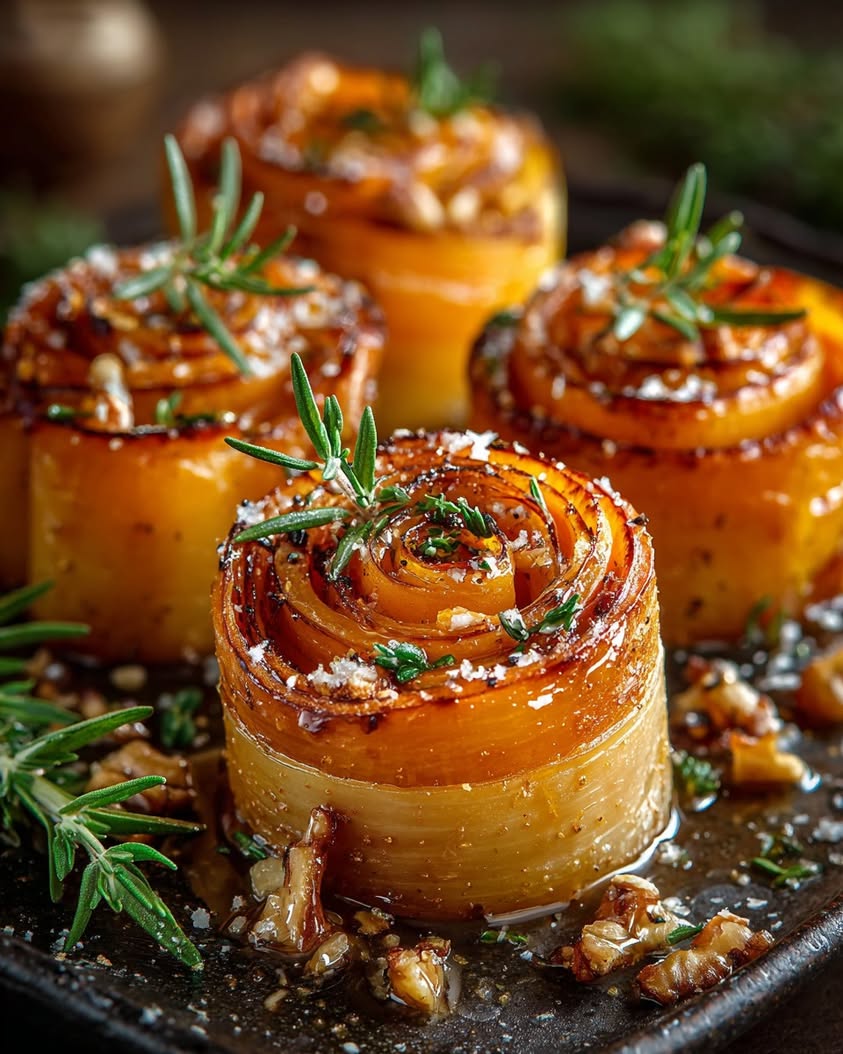
Brie-Stuffed Butternut Squash Roses: An Elegant Autumn Appetizer
Imagine a stunning appetizer that looks like a bouquet of edible flowers, each petal a whisper-thin slice of sweet butternut squash wrapped around a heart of creamy, melted brie. This Brie-Stuffed Butternut Squash Roses recipe transforms humble autumn produce into a breathtaking centerpiece for your holiday table. Consequently, it delivers a perfect harmony of flavors and textures in every single bite. Moreover, the process feels like a creative kitchen project, resulting in a dish that will genuinely impress your guests.
The magic of these squash roses lies in their beautiful simplicity. Essentially, you roast thinly sliced squash until pliable, then you wrap each slice around a cube of rich brie cheese. After that, you arrange them in a muffin tin to bake into their iconic floral shape. As they cook, the squash caramelizes at the edges, and the brie melts into a luxurious, gooey center. Ultimately, you get a warm, savory-sweet bite that captures the very essence of fall. Therefore, if you want an appetizer that tastes as incredible as it looks, these Brie-Stuffed Butternut Squash Roses are your answer.
Furthermore, this recipe celebrates seasonal ingredients at their peak. Butternut squash offers a natural sweetness that pairs magnificently with the tangy, buttery notes of high-quality brie. A hint of fresh thyme and a drizzle of honey elevate the flavors to something truly special. Importantly, while the presentation appears gourmet, the technique remains accessible to any home cook willing to practice a little patience with a mandoline or sharp knife. In the end, you create not just food, but an edible work of art.
Quick Recipe Highlights
- Flavor Profile: These Brie-Stuffed Butternut Squash Roses deliver a beautiful balance. You experience the natural, caramelized sweetness of roasted butternut squash first. Then, you discover the rich, tangy, and creamy burst of melted brie. Finally, aromatic thyme and a touch of honey tie all the flavors together perfectly.
- Texture: The texture contrast is absolutely delightful. Each rose features tender, slightly chewy squash petals that hold their shape. Meanwhile, the center offers a luxurious, molten pool of creamy brie cheese. The edges of the squash crisp up slightly, adding a wonderful textural counterpoint.
- Aroma: As these Brie-Stuffed Butternut Squash Roses bake, your kitchen fills with an irresistible fragrance. You will smell the earthy sweetness of roasting squash first. Next, the nutty, buttery scent of melting brie wafts through the air. Finally, the herbal notes of fresh thyme complete the aromatic experience.
- Visual Appeal: The presentation is truly show-stopping. Each individual rose boasts beautiful, overlapping petals with golden-brown edges. Arranged on a platter, they resemble a miniature autumn garden. The vibrant orange hue of the squash makes a stunning contrast against white porcelain or a rustic wooden board.
- Skill Level Needed: This recipe requires intermediate skills, primarily due to the knife work. You need confidence to slice the squash thinly and evenly. However, the assembly process is quite forgiving and even therapeutic. With careful attention to the shaping technique, anyone can achieve beautiful results.
- Special Equipment: A mandoline slicer is highly recommended for achieving perfectly uniform, paper-thin squash slices. Alternatively, a very sharp chef’s knife and a steady hand will work. You also need a standard 12-cup muffin tin to help the roses hold their iconic shape during baking.
Recipe Overview
- Difficulty Level: We classify these Brie-Stuffed Butternut Squash Roses as intermediate. The challenge lies not in complex cooking methods, but in precise preparation. Slicing the squash thinly and evenly is the key technical step. Once you master that, the assembly is straightforward and even enjoyable. The reward is a visually spectacular dish that belies its manageable process.
- Category: This versatile recipe fits multiple categories beautifully. Primarily, it serves as an elegant finger food or passed appetizer for parties. Additionally, it can anchor a vegetarian lunch or light dinner when paired with a simple salad. For a holiday brunch, it makes a sophisticated and savory addition to the spread.
- Cuisine: While not tied to a specific traditional cuisine, these roses draw inspiration from modern farm-to-table and French culinary styles. The use of brie, a classic French cheese, provides a gourmet touch. The focus on showcasing a single, perfect seasonal vegetable aligns with contemporary American and European cooking philosophies.
- Cost: This is a reasonably affordable appetizer, especially during autumn when butternut squash is plentiful. The main costs are a medium squash and a wedge of good-quality brie. Fresh herbs and honey are typically pantry staples. Overall, you can create an impressive platter for six people without straining your grocery budget.
- Season: Autumn is the undisputed peak season for this recipe. Butternut squash harvests from late summer through fall, offering the best flavor and texture. The warm, comforting nature of the dish perfectly suits cooler weather. However, you can certainly make it year-round with stored squash to bring a taste of fall to any gathering.
- Occasion: These roses are ideal for occasions where presentation matters. They shine at Thanksgiving, Friendsgiving, Christmas parties, and autumn weddings. Furthermore, they are perfect for dinner parties where you want to start the meal with a “wow” factor. Even a cozy date night at home becomes more special with this beautiful starter.
Why You’ll Love This Recipe
First and foremost, the taste and texture combination is utterly irresistible. Each bite of these Brie-Stuffed Butternut Squash Roses delivers a journey from sweet and savory to rich and creamy. The caramelized edges of the squash provide a slight chew, while the molten brie center offers a luxurious, velvety contrast. This interplay makes every single rose a complete and satisfying flavor experience. Additionally, the hint of thyme and honey adds layers of complexity that keep your palate intrigued from the first rose to the last.
From a convenience standpoint, this recipe offers significant preparation benefits. You can slice the squash and cube the brie well ahead of time. Consequently, assembly before your guests arrive becomes quick and stress-free. Moreover, the roses bake uniformly in a standard muffin tin, which ensures consistent results every time. The hands-on work is meditative and creative, turning meal prep into a enjoyable activity rather than a chore. Finally, cleanup is relatively simple, especially if you line your muffin tin with parchment squares.
Nutritionally, these appetizers pack a wholesome punch. Butternut squash is a powerhouse of vitamins A and C, along with fiber and potassium. Using a vegetable as the primary vessel makes this a lighter option compared to pastry-based appetizers. Brie provides protein and calcium, though it is rich, so a little goes a long way. By controlling the amount of honey and oil, you can tailor the dish to your dietary preferences. Ultimately, you serve a beautiful treat that also offers genuine nutritional value.
The social and entertaining value of this dish cannot be overstated. Presenting a platter of these edible flowers instantly elevates any gathering. They spark conversation and admiration, making you feel like a culinary artist. Guests are always delighted by the clever presentation and surprised by the delicious flavor. This recipe allows you to showcase care and effort, which makes people feel truly special. In short, it is a guaranteed way to make any event more memorable and festive.
Finally, this recipe is remarkably cost-effective and accessible. The core ingredients are inexpensive, especially in season. You do not need rare or exotic items from a specialty store. A mandoline slicer helps but is not mandatory if you have good knife skills. The recipe scales up or down easily depending on your guest count. Therefore, you can create a gourmet-looking appetizer for a crowd without a gourmet budget. It democratizes elegant entertaining, proving that stunning food can come from simple, thoughtful preparation.
Historical Background and Cultural Significance
The concept of creating edible “roses” from vegetables or pastry is a relatively modern culinary trend, often attributed to the rise of food styling and social media. However, its roots tap into ancient practices of food presentation. For centuries, cultures worldwide have shaped food artistically for festivals and feasts. The specific technique of using thin vegetable slices to form cups or flowers likely evolved from Asian dumpling wrappers and European galette designs. The Brie-Stuffed Butternut Squash Roses recipe represents a contemporary fusion of this artistic impulse with popular, seasonal Western ingredients.
Culturally, the dish celebrates the autumn harvest, a significant theme in North American and European traditions. Butternut squash, native to the Americas, became a staple after European colonization. Brie cheese, hailing from the Île-de-France region, symbolizes French culinary luxury and artistry. Combining them in one dish bridges New World abundance with Old World refinement. This fusion reflects today’s globalized food culture, where home cooks freely blend ingredients and techniques from different traditions to create something new and visually exciting for modern tables.
The recipe’s evolution is directly tied to the visual nature of modern recipe sharing. As food photography and video tutorials became dominant online, recipes that were “Instagram-worthy” gained immense popularity. The rose shape is visually dramatic yet achievable, making it perfect for sharing. Cooks began experimenting with various fillings and vegetables, leading to innovations like these squash roses. The use of a muffin tin as a forming tool is a clever hack that standardizes the shape, making the elegant result reproducible for home cooks of varying skill levels.
Regional variations of this concept are already emerging. In some adaptations, cooks use sweet potato or zucchini instead of butternut squash. Fillings might include goat cheese, feta, or even a savory sausage mixture. Some versions incorporate different herbs like rosemary or sage, or a drizzle of balsamic glaze instead of honey. These variations allow the recipe to adapt to local tastes and available produce. Consequently, the Brie-Stuffed Butternut Squash Roses recipe is not static; it is a template for creativity, encouraging cooks to personalize it based on their own culinary heritage and preferences.
Ingredient Deep Dive
Butternut Squash: This winter squash, a cultivar of Cucurbita moschata, has a rich history in the Americas. Indigenous peoples cultivated its ancestors for thousands of years. Modern butternut squash, developed in the 1940s, is prized for its sweet, nutty flavor and smooth texture. Nutritionally, it’s an excellent source of beta-carotene (which converts to Vitamin A), Vitamin C, potassium, and fiber. When selecting, choose a squash that feels heavy for its size with a firm, unblemished beige skin and a deep orange interior. Store it in a cool, dark place for up to 3 months. For a variation, try using delicata squash (no peeling needed) or sweet potato.
Brie Cheese: Brie is a soft, cow’s-milk cheese named after the French region from which it originated. Its history dates back to the 8th century. Traditionally, the edible rind is a bloomy white mold (Penicillium camemberti). The interior should be creamy and slightly runny at room temperature. It provides protein, calcium, and Vitamin B12, but is also high in saturated fat, so moderation is key. Select a wedge that feels soft when gently pressed and avoid any with an ammonia smell. Store brie in the refrigerator’s cheese drawer. For substitutions, Camembert offers a similar profile, while a firm goat cheese provides a tangy, non-melting alternative.
Fresh Thyme: This woody, aromatic herb has been used since ancient Egypt for culinary and medicinal purposes. Its tiny leaves pack a powerful, slightly minty, lemony flavor that complements earthy vegetables and rich cheeses beautifully. Thyme contains antioxidants and has traditional uses supporting respiratory health. Choose bunches with vibrant green leaves on flexible stems, avoiding any that look dry or blackened. Store it wrapped in a damp paper towel in a plastic bag in the fridge. For a different herbal note, fresh sage or chopped rosemary can be used, though their flavors are more potent.
Honey: As one of humanity’s oldest sweeteners, honey’s use predates recorded history. Its flavor varies dramatically based on the flowers foraged by bees. In this recipe, a mild, light honey like clover or orange blossom works well, adding a floral sweetness without overpowering. Honey contains trace enzymes, minerals, and antioxidants. For a vegan adaptation, pure maple syrup or agave nectar are excellent substitutes. Always opt for raw, local honey if possible for the best flavor and potential local allergen benefits. A small drizzle after baking enhances the caramelized notes of the squash and balances the brie’s tang.
Common Mistakes to Avoid
- Slices That Are Too Thick: Using slices thicker than 1/8-inch is the most common error. Thick slices will not become pliable enough to bend without cracking. Consequently, they will not form the delicate petal structure of the rose. Always aim for paper-thin, translucent slices for the best flexibility and presentation.
- Underseasoning the Squash: Butternut squash needs ample seasoning to shine. Do not forget to generously salt and pepper the slices after tossing them in oil. The seasoning penetrates during roasting and is crucial for balanced flavor. Otherwise, your beautiful roses may taste bland despite the flavorful brie filling.
- Overfilling with Cheese: It is tempting to use a large cube of brie, but this causes problems. Too much cheese will melt and overflow, leaking out of the rose and making a mess in the muffin tin. Stick to a modest, 3/4-inch cube to ensure the cheese stays contained within the petals as it melts.
- Skipping the Muffin Tin: Trying to free-form the roses on a baking sheet almost always leads to collapse. The muffin tin cups provide essential structural support, holding the rose shape as the squash softens and the cheese melts. Do not attempt this recipe without this key piece of equipment for shaping.
- Using Cold Brie: Cubing cold, hard brie is difficult and can tear the rind. Let the cheese sit at room temperature for 15-20 minutes before cutting. This softens it slightly, making for cleaner cuts and easier assembly. However, do not let it get so warm that it becomes sticky and unmanageable.
- Not Roasting the Slices Enough: If the squash slices are not pliable straight from the first roast, they will crack when you try to roll them. They should bend easily without snapping. If they are still stiff, return the tray to the oven for another 3-5 minutes and check again. Proper pliability is non-negotiable.
- Rushing the Assembly: Assembly requires a gentle touch. Forcing a slice to bend or stuffing the cheese too aggressively will tear the delicate squash. Work patiently and methodically. If a slice cracks, simply use it in the center of the rose where it will be less visible, or set it aside.
- Overbaking the Assembled Roses: The second bake is just to set the shape and melt the cheese. Overbaking can cause the delicate petals to become too soft and lose definition, or worse, burn at the edges. Watch them closely after the 15-minute mark and remove as soon as the cheese is bubbly.
Essential Techniques
Using a Mandoline Slicer: This technique is paramount for achieving the uniform, paper-thin slices required for pliable petals. Always use the safety guard to protect your fingers. Position the squash firmly and use a consistent, smooth motion. If you do not have a mandoline, use a very sharp chef’s knife and take your time. The goal is slices so thin you can almost see through them. Uneven slices will cook at different rates and make assembly frustrating.
Roasting for Pliability: The initial roast of the squash slices is not about cooking them through entirely, but about removing enough moisture and breaking down fibers to make them bendable. Spread the slices in a single layer on oiled baking sheets. Do not overcrowd, or they will steam instead of roast. The visual cue for success is when the slices are soft enough to fold in half without cracking. This step is the foundation of the rose structure.
Forming the Rose: This is the artistic heart of the recipe. Start with one slice, place a cheese cube at one end, and roll it up to form the center bud. Then, take another slice and wrap it around the bud, overlapping the seam. Continue adding slices, slightly offsetting each new “petal” to create a blooming effect. Tuck the end of the final slice underneath to secure it. The muffin tin cup will hold everything in place as it bakes.
Pro Tips for Perfect Brie-Stuffed Butternut Squash Roses
First, lightly grease your muffin tin with olive oil or non-stick spray. This simple step guarantees easy removal and helps the rose petals crisp slightly on the outside.
Second, after roasting the squash slices, let them cool just enough to handle. If they are too hot, they will be fragile and tear; if too cold, they may stiffen. The ideal temperature is warm and flexible.
Third, use a small, sharp knife to trim the squash slices into varying lengths. Shorter pieces work well for the tight inner petals, while longer slices create the dramatic outer layers of the rose.
Fourth, if your brie has a very thick rind, you may trim it slightly from the cubes. However, leaving some rind helps the cheese hold its cube shape during the initial assembly before melting.
Fifth, for extra flavor, sprinkle a tiny pinch of chopped walnuts or pecans into the center with the brie cube. This adds a delightful crunch and nutty depth to each bite.
Sixth, if preparing ahead, assemble the roses in the muffin tin, cover tightly with plastic wrap, and refrigerate for up to 4 hours. Let them sit at room temperature for 20 minutes before baking.
Seventh, for a beautiful finish, garnish the plated roses with a few extra fresh thyme leaves and a light flake of sea salt just before serving. This enhances both flavor and visual appeal.
Eighth, serve these Brie-Stuffed Butternut Squash Roses warm, not piping hot. Allowing them to cool for 5 minutes lets the cheese set slightly, making them easier to pick up and eat without being messy.
Variations and Adaptations
Regional Variations: Across different regions, cooks adapt this concept with local cheeses and squash. In the American South, you might find a version with pimento cheese filling. In the Mediterranean, feta cheese with a sprinkle of oregano would be classic. A French-inspired twist could use a slice of creamy Camembert and herbes de Provence. These adaptations keep the beautiful rose form while infusing local character.
Seasonal Adaptations: While autumn is prime time, you can make this recipe year-round. For spring, try using thinly sliced zucchini or yellow summer squash with herbed goat cheese. In winter, swap in sweet potato and a blue cheese filling for a deeper, richer flavor profile. The technique remains constant, allowing the dish to reflect the seasons on your table.
Dietary Modifications: For a vegan version, use a plant-based brie alternative and maple syrup instead of honey. A dairy-free adaptation might stuff the squash with a seasoned breadcrumb and walnut mixture. To make it gluten-free, ensure all other ingredients are certified GF; the base recipe naturally contains no gluten. For a lower-fat option, use a smaller amount of a strong-flavored cheese like aged goat cheese.
Flavor Variations: Experiment with different flavor infusions. Add a thin slice of prosciutto or speck inside the rose before rolling. Incorporate a tiny spoonful of fig jam or cranberry sauce with the brie. Mix minced garlic or shallot into the olive oil used for tossing the squash. A sprinkle of smoked paprika or cayenne pepper on the slices before roasting adds a warm, spicy note.
Texture Modifications: For added texture, roll the assembled rose in finely chopped pecans or panko breadcrumbs before placing it in the muffin tin. Alternatively, sprinkle crispy fried shallots or sage on top after baking. You can also layer a very thin slice of apple or pear with the squash for a different kind of tender-crisp bite.
Presentation Alternatives: Instead of individual muffin cups, you can create a large “rose wreath” by arranging the stuffed rolls in a circle in a greased pie dish or springform pan. For a rustic look, bake them in a cast-iron skillet. You can also serve them deconstructed as a salad topping, with the roasted squash ribbons and melted brie crumbled over bitter greens.
Serving and Presentation Guide
Plating Techniques: Presentation is key for these stunning appetizers. Arrange the warm Brie-Stuffed Butternut Squash Roses on a large, plain platter or a wooden board to let their color pop. Space them evenly, perhaps on a bed of fresh thyme sprigs or kale leaves for a natural look. Avoid overcrowding, as each rose deserves visual attention. For individual servings, place each rose on a small appetizer plate with a drizzle of reduced balsamic glaze artfully swirled beside it.
Garnishing Ideas: Simple garnishes elevate the dish without overwhelming it. A final drizzle of high-quality extra virgin olive oil or honey adds shine. Fresh microgreens, such as pea shoots or radish sprouts, provide a delicate, fresh contrast. A light sprinkle of flaky sea salt like Maldon enhances both flavor and texture. For a festive touch around the holidays, a few fresh pomegranate arils scattered around the platter add brilliant red color and a burst of tartness.
Traditional Accompaniments: These roses pair beautifully with other autumn flavors. Serve them alongside a small bowl of warm, spiced nuts. A tangy apple or pear mostarda provides a perfect sweet-and-sour counterpoint. For a heartier spread, include slices of a crusty baguette or seeded crackers to scoop up any escaped melted cheese. A simple arugula salad with a lemon vinaigrette balances the richness.
Modern Serving Suggestions: For a contemporary cocktail party, spear each rose with a decorative cocktail pick for easy handling. Alternatively, present them as part of a composed fall tasting menu, following a light soup and preceding a main course. You can also crumble them over a farro or quinoa salad for a warm, composed lunch dish. The versatility of these Brie-Stuffed Butternut Squash Roses allows them to fit into both casual and formal dining scenarios.
Wine and Beverage Pairing
Wine Pairings: The sweet squash and creamy brie create a perfect canvas for wine. A medium-bodied white wine like Chardonnay, especially one with a hint of oak, complements the richness beautifully. Its buttery notes mirror the brie, while its acidity cuts through the fat. Alternatively, a dry Riesling or Gewürztraminer offers a contrasting bright acidity and slight sweetness that highlights the squash’s caramelization. For red wine lovers, a light Pinot Noir with its earthy, berry notes pairs surprisingly well without overpowering the delicate flavors of the Brie-Stuffed Butternut Squash Roses.
Non-Alcoholic Alternatives: Sparkling apple cider is a classic and fantastic pairing, offering effervescence and autumnal flavor. A ginger beer or spicy ginger ale provides a zesty kick that cleanses the palate between bites. For a more sophisticated option, try a non-alcoholic sparkling wine or a tart cranberry spritzer made with club soda and a splash of lime. These beverages provide the celebratory feel of a cocktail without the alcohol.
Coffee and Tea Pairings: If serving these roses for a brunch or afternoon gathering, consider warm beverages. A medium-roast coffee with low acidity and notes of caramel or nut pairs nicely. For tea, a smoky Lapsang Souchong creates an intriguing contrast, while a creamy Earl Grey latte harmonizes with the brie’s richness. The key is to choose beverages that are not overly bitter, as they can clash with the squash’s natural sweetness.
Storage and Shelf Life
Storage Methods: Store any leftover Brie-Stuffed Butternut Squash Roses in an airtight container in the refrigerator for up to 2 days. Place them in a single layer, or separate layers with parchment paper to prevent sticking. Do not leave them at room temperature for more than 2 hours after baking, as the dairy filling is perishable. For best quality, consume them the same day they are made.
Reheating Instructions: Reheating requires care to restore texture without making the squash soggy. The oven is the best method. Preheat to 350°F (175°C) and place the roses on a baking sheet. Warm for 5-8 minutes, just until heated through. Avoid the microwave, as it will make the squash rubbery and can cause the cheese to separate. The reheated roses will be slightly softer than when first baked but still delicious.
Freezing Guidelines: Freezing is not recommended for this recipe. The high water content in the squash causes it to become mushy and watery upon thawing. The texture of the brie also suffers, becoming grainy. This dish is truly at its best when made fresh. If you must prepare components ahead, freeze the raw, cubed brie and store the squash whole, then proceed with slicing and assembly on the day you plan to bake and serve.
Make Ahead Strategies
Prep Timeline: You can break this recipe into stages to manage time effectively. Up to 24 hours ahead, peel and seed the squash, then wrap it tightly in plastic and refrigerate. Cube the brie and store it in a sealed container in the fridge. On the day of serving, slice and roast the squash, then assemble and bake the roses. For ultimate convenience, assemble the roses in the muffin tin, cover, and refrigerate for up to 4 hours before baking.
Storage Between Steps: Keep prepped components separate until assembly. Store roasted, cooled squash slices between layers of parchment paper in an airtight container in the fridge. Keep the cubed brie chilled. This prevents the squash from becoming soggy and the cheese from softening too much. Bring both components to a cool room temperature for about 10 minutes before assembling to make the process easier.
Fresh Element Additions: Always add the final garnishes after reheating or just before serving. Drizzle honey, sprinkle fresh thyme leaves, or add flaky salt only after the roses come out of the oven for the final time. This ensures the garnishes retain their texture, color, and vibrant flavor, providing the perfect finishing touch to your make-ahead Brie-Stuffed Butternut Squash Roses.
Scaling Instructions
Halving the Recipe: Halving this recipe is straightforward for a smaller gathering. Use half of a medium butternut squash and about 4 ounces of brie. You will still need a full baking sheet to roast the slices in a single layer, but you can use a 6-cup muffin tin for baking. The cooking times remain identical. This scaling is perfect for an intimate dinner for two or three people.
Doubling or Tripling: For larger parties, doubling or tripling works well. You will need multiple baking sheets to roast all the squash slices in single layers; rotate the sheets in the oven for even cooking. Use two or more muffin tins for baking. The assembly time increases linearly, so enlist help if needed. Consider staggering the baking of the muffin tins if your oven has hot spots to ensure consistent results for all your Brie-Stuffed Butternut Squash Roses.
Nutritional Deep Dive
Each Brie-Stuffed Butternut Squash Rose offers a balance of macronutrients. The primary carbohydrate source is the squash, providing complex carbs and fiber for sustained energy. The brie contributes protein and a significant amount of fat, primarily saturated. The olive oil adds healthy monounsaturated fats. This combination means the appetizer is satisfying and can help moderate appetite if served at the start of a meal, though portion awareness is advised due to the cheese’s calorie density.
Micronutrient analysis reveals high levels of Vitamin A (from beta-carotene in the squash), crucial for vision and immune function, and Vitamin C for skin health and immunity. The brie provides calcium for bones and Vitamin B12 for nerve function. Thyme offers small amounts of iron and Vitamin K. Using this appetizer as part of a varied diet contributes valuable nutrients, especially during the fall and winter months when seasonal produce is key to maintaining health.
Dietary Adaptations
Gluten-Free: This recipe is naturally gluten-free as written. Simply ensure that any added garnishes or accompaniments, like crackers for serving, are certified gluten-free. There is no risk of cross-contamination from flour or breadcrumbs in the core recipe for Brie-Stuffed Butternut Squash Roses.
Dairy-Free/Vegan: For a vegan version, substitute the brie with a high-quality plant-based soft cheese that melts well. Brands offering almond or cashew-based “brie” styles work perfectly. Replace the honey with maple syrup or agave nectar. Use a vegan-friendly oil for roasting. The result will be a beautiful, flavorful rose that everyone can enjoy.
Low-Carb/Keto: Butternut squash is moderately high in carbs, so for a strict keto diet, this recipe requires modification. Substitute the squash with thinly sliced zucchini or yellow squash, which have significantly fewer net carbs. The brie is excellent for keto. Adjust the honey to a keto-friendly sweetener like monk fruit syrup, or omit it entirely.
Troubleshooting Guide
Squash Slices Cracking: If your slices crack during assembly, they are either too thick or not roasted enough. Solution: Return the remaining slices to the oven for a few more minutes to increase pliability. For already-cracked slices, use them in the center of the rose where they will be less visible, or patch them by overlapping with another small piece. Prevent this next time by slicing thinner and checking for flexibility post-roast.
Cheese Leaking Everywhere: Excessive leakage means the brie cube was too large, the rose was not wrapped tightly enough, or it was overbaked. Solution: For future batches, use a slightly smaller cheese cube and ensure the final squash petal is tucked securely underneath. If leaking occurs during baking, it is mostly cosmetic; the roses will still taste delicious. Simply clean the muffin tin well after use.
Roses Falling Apart When Removed: This happens if they are removed from the muffin tin while too hot, or if the squash petals were not overlapping sufficiently. Solution: Let the roses cool in the tin for 5-7 minutes to set. Then, gently run a small offset spatula or butter knife around the edges to loosen before lifting them out. Support the base with a thin spatula for transfer.
Frequently Asked Questions
Q: Can I use pre-cut butternut squash from the store?
A: Unfortunately, pre-cut cubes will not work for this recipe. You need long, uniform slices from the neck of the squash to create the petals. The pre-cut chunks are the wrong shape and size. Starting with a whole squash is essential for achieving the beautiful rose form.
Q: My squash slices are sticking to the baking sheet. How do I prevent this?
A: Ensure you adequately oil the baking sheet or use a high-quality non-stick silicone baking mat. Parchment paper also works well. Do not skip this step, as the natural sugars in the squash caramelize and can glue the slices to the pan if it is not properly prepared.
Q: Can I make these without a mandoline slicer?
A: Absolutely. A very sharp chef’s knife and patience can achieve thin slices. Aim for slices no thicker than 1/8-inch. Take your time and use a steady hand. Consistency is more important than speed. A mandoline is a tool for efficiency and uniformity, but it is not strictly mandatory.
Q: What can I use instead of brie?
A: Camembert is the closest substitute. For a tangier flavor, try a firm goat cheese log cut into cubes; note it will not melt as fluidly. For a stronger taste, a small piece of Gorgonzola dolce works. Avoid hard cheeses like cheddar, as they will not create the desired molten center.
Q: Are these served hot or cold?
A: Brie-Stuffed Butternut Squash Roses are best served warm. The ideal temperature is when they are cool enough to handle but the cheese is still soft and creamy. Let them rest for 5-7 minutes after baking before serving. They should not be served cold from the refrigerator.
Q: Can I prepare these entirely the day before?
A: It is not recommended to bake them fully the day before, as the texture will suffer upon reheating. Instead, prep all components (slice squash, cube cheese) and store separately. Assemble the raw roses in the muffin tin, cover, and refrigerate for up to 4 hours, then bake fresh before your event.
Q: How do I get my roses to look more “open” like a blooming flower?
A: To create an open bloom, use longer slices for the outer layers and do not roll them too tightly. Gently press the top of the wrapped rose down and outwards{“success”:true,”message”:”Recipe created successfully”,”post_id”:7839,”tasty_recipe_id”:7839,”shortcode”:” Print
Brie-Stuffed Butternut Squash Roses
Description
A stunning and savory fall dish featuring thinly sliced butternut squash rolled into rose shapes and stuffed with creamy brie, baked until tender and golden.
Ingredients
For the Crust:
- 1 medium butternut squash, peeled and thinly sliced lengthwise
- 8 oz brie cheese, rind removed and cut into small cubes
- 2 tbsp olive oil
- 1 tsp fresh thyme leaves
- 1/2 tsp garlic powder
- Salt and black pepper to taste
- 2 tbsp honey for drizzling (optional)
Instructions
1. Prepare the Crust:
- Preheat oven to 375°F (190°C). Lightly grease a muffin tin or baking dish.
- In a bowl, toss butternut squash slices with olive oil, thyme, garlic powder, salt, and pepper until evenly coated.
- Take one slice of squash and place a few cubes of brie at one end. Roll the slice tightly to form a rose shape, placing it seam-side down in the prepared tin. Repeat with remaining slices.
- Bake for 25-30 minutes, until squash is tender and edges are slightly golden.
- Remove from oven, drizzle with honey if desired, and serve warm.
Notes
You can customize the seasonings to taste.

I’m Billy, a classically trained culinary school graduate from The Culinary Institute of America with over 12 years in the restaurant industry and over 19 years of cooking experience.