
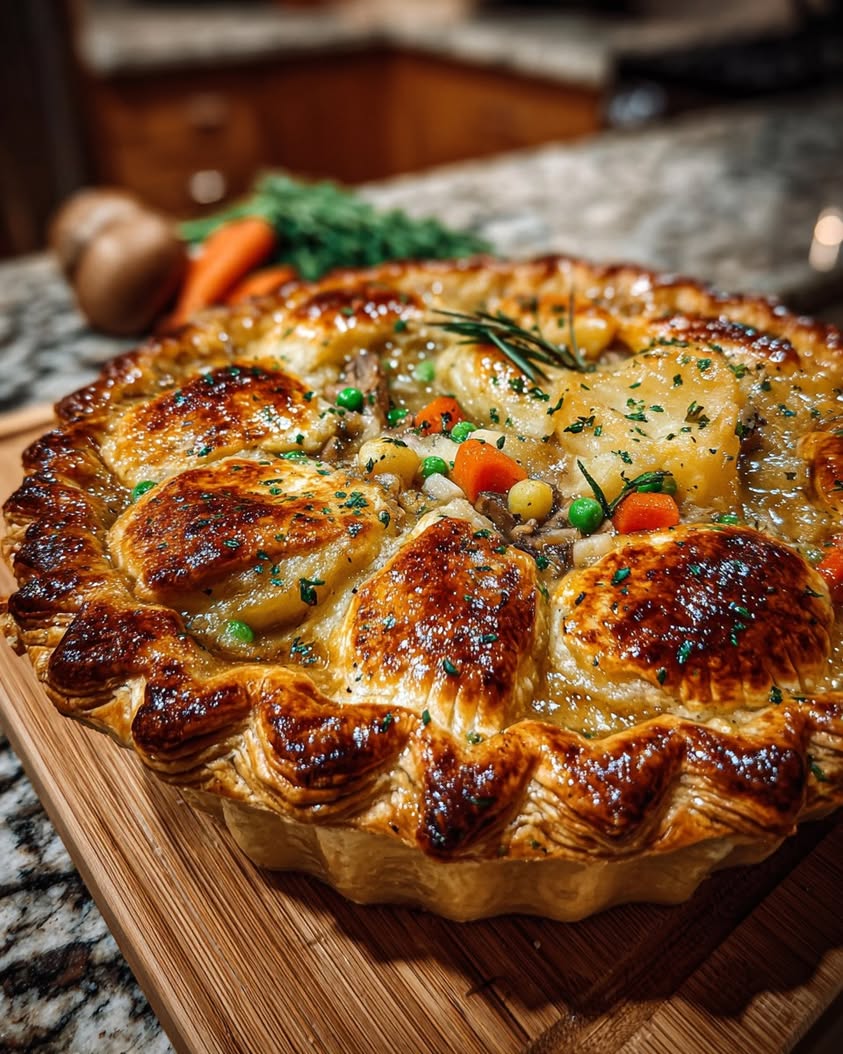
Ultimate Vegan Pot Pie with Golden Veggie Crust and Rich Gravy: A Cozy Comfort Food Classic
Imagine the ultimate comfort food experience, a dish that wraps you in warmth from the very first bite. This Ultimate Vegan Pot Pie with Golden Veggie Crust and Rich Gravy delivers exactly that. Moreover, it transforms humble vegetables into a spectacular centerpiece meal. The savory filling bubbles with a deeply flavorful gravy, while the golden crust offers a satisfying, flaky finish. Consequently, every spoonful is a perfect harmony of texture and taste.
This recipe redefines plant-based comfort food. Importantly, it proves that you do not need animal products to achieve incredible depth and richness. The secret lies in a cleverly crafted gravy and a vegetable-based crust that bakes to perfection. As a result, this dish will impress both dedicated vegans and curious omnivores alike. Ultimately, it is the kind of meal that turns an ordinary dinner into a special occasion.
Gathering around the table for a slice of this vegan pot pie feels like a hug in food form. The aroma of roasting vegetables and herbs fills your kitchen, building anticipation. Then, you break through the crisp top to reveal the steaming, hearty filling beneath. This meal is more than just sustenance; it is a celebration of wholesome, satisfying ingredients. Therefore, get ready to fall in love with this modern take on a timeless classic.
Quick Recipe Highlights
- Flavor Profile: This Ultimate Vegan Pot Pie with Golden Veggie Crust and Rich Gravy boasts a complex savory flavor. Earthy mushrooms and sweet carrots create a robust base, while nutritional yeast and miso paste add a cheesy, umami depth. Fresh herbs like thyme and rosemary provide a fragrant, aromatic finish that ties everything together beautifully.
- Texture: The experience begins with a crisp, golden veggie crust that shatters delicately. Underneath, the filling offers a wonderful contrast with tender chunks of potato, soft peas, and meaty mushrooms. Meanwhile, the rich gravy coats every vegetable piece, creating a luxurious and cohesive mouthfeel in every single bite.
- Aroma: As this vegan pot pie bakes, your kitchen will fill with an irresistible scent. First, you will notice the earthy notes of roasting root vegetables and mushrooms. Then, the herbal fragrance of thyme and rosemary emerges. Finally, the toasty, buttery smell of the browning crust completes the sensory invitation.
- Visual Appeal: This dish is a feast for the eyes with its beautifully bronzed and flaky crust. Cutting into it reveals a colorful mosaic of vibrant orange carrots, green peas, and creamy potatoes, all glistening in a rich, brown gravy. Consequently, it looks as spectacular as it tastes, making it perfect for sharing photos or serving to guests.
- Skill Level Needed: This recipe is approachable for cooks with some kitchen confidence. You will practice techniques like making a roux-based gravy and preparing a simple vegetable-based dough. However, clear instructions guide you through each step. So, even if you are not a pastry pro, you can absolutely achieve fantastic results.
- Special Equipment: You will need a few key tools for this Ultimate Vegan Pot Pie. A large, oven-safe skillet or Dutch oven is ideal for both cooking the filling and baking the final dish. Additionally, a rolling pin helps shape the crust, and a pastry brush is useful for achieving that perfect golden-brown finish on top.
Recipe Overview
- Difficulty Level: We rate this Ultimate Vegan Pot Pie with Golden Veggie Crust and Rich Gravy as intermediate. The process involves multiple components, including making a from-scratch gravy and preparing a dough. However, each step is broken down clearly. With a bit of patience and organization, home cooks can successfully create this impressive dish.
- Category: This recipe fits perfectly into several meal categories. Primarily, it is a hearty main course that can anchor a dinner. It also works wonderfully for holiday feasts or special Sunday suppers. Furthermore, the leftovers make an excellent packed lunch, as the flavors often deepen overnight.
- Cuisine: This dish is inspired by classic American comfort food traditions, specifically the beloved chicken pot pie. However, it incorporates global influences through ingredients like white miso paste, which adds Japanese umami, and nutritional yeast, a staple in vegan cooking worldwide. The result is a delicious fusion that honors tradition while embracing modern, plant-based cuisine.
- Cost: Preparing this Ultimate Vegan Pot Pie is surprisingly cost-effective. The bulk of the ingredients are affordable vegetables, flour, and plant-based milk. Specialty items like miso paste and nutritional yeast are one-time purchases that last for many recipes. Overall, this meal feeds a family for a fraction of the cost of a restaurant version.
- Season: This is the ultimate cold-weather dish, perfect for autumn and winter. It provides warmth and sustenance when the temperatures drop. That said, its comforting nature makes it a welcome treat any time you crave something hearty and satisfying, even in the spring or on a cool summer evening.
- Occasion: This vegan pot pie shines for cozy family dinners, festive holiday gatherings like Thanksgiving, or casual potlucks with friends. It is also an ideal project for a relaxing weekend cooking session. Ultimately, it turns any meal into a comforting and memorable event.
Why You’ll Love This Recipe
You will adore the incredible taste and texture of this Ultimate Vegan Pot Pie with Golden Veggie Crust and Rich Gravy. Firstly, the flavor is deeply savory and complex, rivaling any traditional version. The combination of umami-rich mushrooms, sweet vegetables, and aromatic herbs creates a symphony in your mouth. Meanwhile, the contrast between the flaky, golden crust and the tender, gravy-coated filling is utterly irresistible. Every bite delivers complete comfort and satisfaction, making it a dish you will crave repeatedly.
The convenience and preparation benefits are another major win. Although it requires some time, the process is straightforward and meditative. You can chop vegetables ahead of time or even prepare the entire filling a day in advance. Furthermore, baking it in one dish means easier cleanup. This make-ahead flexibility makes it a fantastic option for stress-free entertaining or meal planning for the week ahead.
Nutritionally, this Ultimate Vegan Pot Pie with Golden Veggie Crust and Rich Gravy is a powerhouse. It is packed with fiber, vitamins, and minerals from a rainbow of vegetables like carrots, peas, and potatoes. Using whole wheat flour in the crust adds extra fiber and nutrients. Additionally, the gravy gets its creaminess from plant-based ingredients, eliminating the saturated fat found in dairy-based versions. Consequently, you can enjoy this indulgent-tasting meal knowing it is nourishing your body.
This dish holds tremendous social and entertaining value. It is a spectacular centerpiece that sparks conversation and delights guests. Serving a beautiful, homemade pot pie shows care and effort, making everyone feel special. Moreover, it is inherently a sharing dish, encouraging people to gather around the table. Whether for a holiday or a simple dinner party, it creates a warm and welcoming atmosphere.
Finally, the cost-effectiveness and accessibility of this recipe are unbeatable. You can create a restaurant-quality meal using affordable, readily available ingredients. Seasonal vegetables can be swapped in to make it even more budget-friendly. This approachability means you can enjoy gourmet-level comfort food without the gourmet price tag. Therefore, this Ultimate Vegan Pot Pie is a practical and delicious addition to your cooking repertoire.
Historical Background and Cultural Significance
The pot pie has a long and storied history in culinary traditions worldwide. Its origins can be traced back to ancient Greece and Rome, where cooks baked meats and sauces in a pastry crust called a “coffin.” However, the modern concept truly flourished in Medieval Europe, where these pies were practical vessels for cooking and preserving meat. The crust, often inedible and thick, acted as a baking container. Over centuries, the recipe evolved, and the crust became a delicious part of the meal itself.
In America, the pot pie became a symbol of home cooking and resourcefulness. Settlers adapted European recipes using local ingredients. The classic chicken pot pie emerged as a staple, especially during the Great Depression, as a way to stretch a small amount of meat with plentiful vegetables and gravy. It represented comfort, frugality, and family. Consequently, the dish earned a permanent place in the American comfort food canon, evoking nostalgia for home and hearth.
The evolution toward a vegan pot pie is a fascinating chapter in this history. As plant-based diets gained popularity, home cooks and chefs sought to recreate the comforting essence of the classic without animal products. This led to innovations like using mushrooms for meaty texture, nutritional yeast for cheesy flavor, and blended cashews or potatoes for creamy gravy. The Ultimate Vegan Pot Pie with Golden Veggie Crust and Rich Gravy is a direct result of this creative culinary evolution, honoring tradition while embracing modern ethics and nutrition.
Regional variations of the pot pie abound, showcasing local ingredients. In Pennsylvania Dutch country, “bot boi” is a soup with square noodles, not a baked pie. In the UK, a “cottage pie” uses minced meat and mashed potatoes. Our vegan version is a global citizen, borrowing umami from Japanese miso and using techniques from classic French sauce-making. This fusion creates a dish that is both familiar and excitingly new, proving that comfort food can adapt and thrive across cultures and dietary choices.
Ingredient Deep Dive
Cremini mushrooms are the flavor foundation of this Ultimate Vegan Pot Pie with Golden Veggie Crust and Rich Gravy. Historically, mushrooms have been foraged and cherished across cultures for their earthy, savory qualities. Nutritionally, they are a great source of B vitamins, selenium, and antioxidants. When selecting them, choose firm caps with no slimy spots. Store them in a paper bag in the refrigerator. If you need a substitute, shiitake mushrooms offer a stronger flavor, while portobellos provide a meatier texture.
White miso paste is the secret weapon for deep, savory flavor. This fermented soybean paste is a cornerstone of Japanese cuisine, dating back centuries. It is rich in probiotics, protein, and essential minerals. For this recipe, choose a mild white or yellow miso for its subtle sweetness. It keeps for months in the refrigerator. If unavailable, you can substitute with a tablespoon of soy sauce or tamari, though the flavor profile will be slightly different. Remember, a little miso goes a very long way.
Nutritional yeast provides the cheesy, nutty flavor crucial to the gravy. Grown specifically as a food product, it is a deactivated yeast popular in vegan cooking. It is a complete protein and packed with B vitamins, especially B12 when fortified. Look for flaky or powdered varieties in health food stores. Store it in a cool, dark place. There is no perfect substitute, but a pinch of mushroom powder or a bit of blended cashews can add some depth if you are in a pinch.
The golden veggie crust gets its color and tenderness from a mix of all-purpose and whole wheat flour. All-purpose flour provides structure, while whole wheat adds nutty flavor, fiber, and nutrients. For centuries, grinding wheat into flour has been central to baking traditions globally. For a gluten-free version, use a reliable 1:1 gluten-free flour blend. Store flour in airtight containers in a cool pantry. The combination here creates a crust that is sturdy enough to hold the filling but still delightfully flaky.
Common Mistakes to Avoid
- Undercooking the roux: A pale roux will not thicken your gravy properly or develop its nutty flavor. You must cook the flour and oil mixture until it turns a light golden brown, which takes a few minutes of constant stirring. This step is crucial for eliminating the raw flour taste and building the gravy’s foundation.
- Overloading the filling with water: Vegetables release moisture as they cook. If you add too much vegetable broth at the beginning, your filling can become soupy. Instead, add broth gradually and let it reduce. The filling should be thick and coat the back of a spoon, not runny, before you add the crust.
- Not venting the crust: Forgetting to cut slits in the top crust is a common error. Steam needs to escape during baking; otherwise, it will build up and make the crust soggy or cause it to crack unpredictably. Simply use a sharp knife to make a few decorative slits or a small hole in the center.
- Using cold filling under the crust: Placing a cold filling into the baking dish and then topping it with dough can lead to uneven baking. The crust may overcook before the center is hot. Ideally, your filling should be warm or at least at room temperature when you assemble the pot pie.
- Neglecting the egg wash substitute: Brushing the crust with plant-based milk or oil is not just for color; it helps the crust achieve a crisp, golden finish. Skipping this step can result in a pale, doughy-looking top. A simple brush of almond milk or melted vegan butter makes a significant visual and textural difference.
- Rushing the sauté step: Sautéing the onions, celery, and mushrooms until they are properly softened and browned builds the flavor base. If you rush this and add liquids too soon, you will miss out on those deep, caramelized notes that make the gravy so rich and satisfying.
- Overworking the crust dough: When mixing the crust, stop as soon as the dough comes together. Overmixing develops the gluten in the flour, which can make the crust tough instead of tender and flaky. A few dry spots are better than a dense, overworked dough.
- Baking on the wrong rack: Place your pot pie in the center of the oven. Baking it too high can burn the crust before the filling is hot, while too low can leave the bottom soggy. The middle rack promotes even, consistent heat circulation for perfect results.
Essential Techniques
Making a roux is the first essential technique for the rich gravy. A roux is simply a cooked mixture of equal parts fat and flour, and it acts as a thickening agent. First, you heat the oil in your pan, then whisk in the flour. You must cook it, stirring constantly, for 2-3 minutes until it becomes fragrant and light brown. This cooking process removes the raw flour taste and toasts the starch, which allows it to thicken liquids more effectively later. The visual cue for success is a paste that has changed from white to a pale golden color.
Properly sweating vegetables is key to building flavor without burning. This technique involves cooking diced onions, celery, and carrots in a little oil over medium heat. The goal is to soften them and release their natural sugars without achieving significant browning. You must stir them frequently and be patient. When done correctly, the vegetables will be translucent, tender, and sweet, forming a perfect aromatic base for your Ultimate Vegan Pot Pie with Golden Veggie Crust and Rich Gravy.
Creating a flaky vegetable-based crust requires a light touch. The technique is similar to making a traditional pie dough. You cut cold vegan butter or oil into the flour until the mixture resembles coarse crumbs. Then, you add ice-cold water a tablespoon at a time, mixing just until the dough holds together. Overhandling is the enemy here, as it develops gluten and leads to toughness. The dough should look shaggy and uneven when you form it into a disc before chilling.
Deglazing the pan is a simple but transformative step. After sautéing your mushrooms and vegetables, browned bits called “fond” stick to the bottom of the pan. Adding a splash of vegetable broth or white wine and scraping vigorously with a wooden spoon loosens these bits. Consequently, this process incorporates all those concentrated, caramelized flavors back into your gravy, adding incredible depth and complexity that you would otherwise leave behind.
Pro Tips for Perfect Ultimate Vegan Pot Pie
Chill your crust dough for at least 30 minutes before rolling. This rest period allows the gluten to relax and the fat to re-solidify, which is essential for a flaky texture. A cold dough is also much easier to handle and roll out without sticking or tearing.
Use an oven thermometer to verify your oven’s temperature. Ovens often run hot or cold, and an inaccurate temperature can ruin your crust. Baking your Ultimate Vegan Pot Pie with Golden Veggie Crust and Rich Gravy at the correct heat ensures the filling bubbles and the crust browns perfectly.
Let the baked pot pie rest for 10-15 minutes before serving. This waiting period allows the filling to set slightly, so it does not run everywhere when you cut into it. The flavors also have a chance to meld together beautifully during this brief rest.
Season your filling in layers. Add a pinch of salt and pepper at each major step—when sweating vegetables, when adding mushrooms, and when finishing the gravy. This method builds a more balanced and nuanced flavor throughout the entire dish.
If your crust browns too quickly, tent it loosely with aluminum foil. Simply place a sheet of foil over the top for the remainder of the baking time. This trick prevents burning while allowing the filling to continue cooking through.
For a extra-golden and shiny crust, brush it with a mixture of plant-based milk and a tiny drop of maple syrup before baking. The sugars in the syrup will promote deeper browning and a beautiful sheen.
Thicken your gravy perfectly by ensuring your roux is cooked and your broth is warm or hot when you add it. Adding cold liquid to a hot roux can cause it to seize up and become lumpy. A steady stream of warm broth while whisking guarantees a smooth, lump-free gravy.
Variations and Adaptations
Explore regional variations by changing up the vegetable profile. For a Southern twist, add diced okra and black-eyed peas. A French-inspired version could use leeks, tarragon, and a splash of white wine. For a hearty winter pot pie, incorporate cubed sweet potato and parsnips. The basic framework of the Ultimate Vegan Pot Pie with Golden Veggie Crust and Rich Gravy is wonderfully adaptable to local and seasonal produce.
Consider seasonal adaptations to make the most of fresh ingredients. In spring, use asparagus tips, fresh peas, and morels. Summer calls for zucchini, yellow squash, and cherry tomatoes. Autumn is perfect for butternut squash, kale, and wild mushrooms. These swaps keep the dish exciting and aligned with what is freshest and most flavorful at your market.
Dietary modifications are straightforward. For a gluten-free Ultimate Vegan Pot Pie, use a quality gluten-free flour blend for both the gravy and the crust. To make it soy-free, omit the miso and use a soy-free vegetable broth, perhaps adding a dash of coconut aminos for depth. For a nut-free version, ensure your plant-based milk is nut-based, opting for oat or soy milk instead.
Experiment with flavor variations by changing the herbs and spices. Add a teaspoon of smoked paprika for a smoky note, or a pinch of saffron threads for luxury. Curry powder can transform it into an entirely different, globally-inspired meal. A tablespoon of fresh dill or sage can also dramatically shift the aromatic profile of your rich gravy.
Modify the texture by adding different protein sources. For a chunkier filling, include cooked lentils or chickpeas. Seitan or store-bought vegan chicken pieces can add a familiar meaty bite. Tempeh, crumbled and sautéed, introduces a pleasant nuttiness and firm texture that holds up well in the gravy.
Presentation alternatives offer fun ways to serve. Instead of one large pie, make individual pot pies in ramekins for a charming personal touch. You can also create a rustic galette by piling the filling onto a rolled-out crust and folding the edges over. For a quicker option, top the filling with drop biscuits or even mashed potatoes instead of a rolled crust.
Serving and Presentation Guide
Plating this Ultimate Vegan Pot Pie with Golden Veggie Crust and Rich Gravy is part of the joy. Use a sharp knife to cut clean portions, and a pie server or large spoon to lift them out. Place each serving in the center of a shallow bowl to contain any extra gravy. For a family-style presentation, bring the entire baking dish to the table and let everyone serve themselves, which adds to the cozy, communal feel.
Garnishing ideas are simple but effective. A sprinkle of fresh chopped parsley or chives adds a pop of color and freshness. A light dusting of paprika or cracked black pepper on the plate’s rim looks professional. For a special touch, a small side of cranberry sauce or a quick-pickled onion relish can provide a bright, acidic contrast to the rich, savory pie.
Traditional accompaniments include a simple green salad with a tangy vinaigrette to cut through the richness. Buttered green beans, roasted Brussels sprouts, or glazed carrots also make excellent side dishes. For a true comfort food spread, consider starting with a light soup, like a tomato bisque, before moving on to the main event of the pot pie.
Modern serving suggestions might include a dollop of vegan sour cream or cashew cream on the side. A drizzle of high-quality olive oil or a truffle oil over the top just before serving elevates it to restaurant status. Serving it alongside a grain like quinoa or farro can turn it into a more substantial meal for heartier appetites.
Temperature considerations are crucial. Serve the pot pie piping hot from the oven after its brief rest. Warm your serving bowls beforehand by rinsing them with hot water and drying them. This extra step ensures the pie stays hot longer at the table, allowing everyone to enjoy it at its peak temperature and texture.
Portion control tips are helpful since this is a rich dish. A standard 9-inch pie typically yields six satisfying servings. If serving as part of a larger meal with multiple sides, you can stretch it to eight smaller slices. Remember, the filling is very hearty, so a little goes a long way, especially when paired with other dishes.
Wine and Beverage Pairing
Wine pairings for this savory dish should complement its earthy and umami-rich profile. A medium-bodied white wine like an Oregon Pinot Gris or a French Viognier works beautifully, as their slight stone fruit notes contrast the savory elements. For red wine lovers, a lighter red like a Pinot Noir or a Grenache won’t overpower the meal. Their berry notes and soft tannins harmonize with the herbs and mushrooms in the Ultimate Vegan Pot Pie with Golden Veggie Crust and Rich Gravy.
Non-alcoholic alternatives can be just as sophisticated. A sparkling water with a twist of lemon or lime cleanses the palate between bites. For something more complex, try a chilled, non-alcoholic ginger beer, which provides a spicy kick that cuts through the richness. Kombucha, especially a plain or ginger flavor, offers acidity and fizz that pairs wonderfully with the deep flavors of the gravy.
Coffee and tea pairings are excellent for a cozy dinner. After the meal, a cup of French press coffee with its full body can stand up to the lingering savory notes. For tea, opt for a smoky Lapsang Souchong or a robust English Breakfast tea. Their bold flavors complement the dish without being washed out, making for a comforting end to the meal.
Temperature considerations are key for beverages. White wines and non-alcoholic sparklers should be served well-chilled. Red wines should be slightly cooler than room temperature. Coffee and tea, of course, should be served hot. Ensuring your drinks are at their ideal temperature maximizes their pairing potential and enhances the overall dining experience.
Serving suggestions include offering a choice of beverages to guests. You might place a bottle of still and sparkling water on the table. If serving wine, pour a small taste first to allow everyone to see how it pairs with the food. Ultimately, the best pairing is one that you and your guests enjoy, so do not be afraid to experiment with different options.
Storage and Shelf Life
Storage methods for leftover Ultimate Vegan Pot Pie are straightforward. First, allow the pie to cool completely to room temperature. Then, cover the baking dish tightly with plastic wrap or aluminum foil, or transfer individual portions to airtight containers. You must refrigerate leftovers promptly. The crust may soften slightly upon storage, but the flavors will remain delicious, often improving overnight as they meld.
Temperature requirements are critical for food safety. The pot pie must be stored in the refrigerator at 40°F (4°C) or below. Do not leave it at room temperature for more than two hours after baking. When reheating, ensure the internal temperature reaches 165°F (74°C) to eliminate any potential bacteria growth and to restore the best texture and warmth.
Container recommendations depend on your space. For the whole pie, the original baking dish with a tight-fitting lid is ideal. For portions, glass containers with locking lids work best as they do not absorb odors and are microwave-safe. Avoid storing the pie in a deep container where the crust will be pressed against the lid, as this will make it very soggy.
Recognizing signs of spoilage is important. Discard the pot pie if you notice an off or sour smell, visible mold (often fuzzy green or white spots), or if the gravy appears excessively separated or slimy. When in doubt, it is always safer to err on the side of caution and dispose of any questionable leftovers.
Reheating instructions are simple for best results. For a single serving, reheat in the microwave in 60-second intervals, stirring in between, until hot throughout. To restore crispness to the crust, reheat slices in a toaster oven or conventional oven at 350°F (175°C) for 10-15 minutes. Cover with foil if the crust is browning too quickly during reheating.
Freezing guidelines allow you to enjoy this meal later. Cool the pie completely, then wrap the entire dish or individual portions tightly in plastic wrap, followed by a layer of heavy-duty aluminum foil. Label with the date. It will keep for 2-3 months. Thaw overnight in the refrigerator before reheating using the oven method to help the crust regain some of its texture.
Make Ahead Strategies
A smart prep timeline makes this Ultimate Vegan Pot Pie with Golden Veggie Crust and Rich Gravy perfect for entertaining. You can chop all vegetables 2-3 days in advance and store them in separate containers in the refrigerator. The filling can be cooked completely 1-2 days ahead. Similarly, the crust dough can be made, wrapped tightly, and refrigerated for up to 3 days or frozen for a month.
Storage between steps is simple with proper planning. Keep the prepped vegetables in airtight containers or resealable bags. Store the cooked filling in a separate container in the fridge. If you made the dough ahead, let it sit on the counter for 10-15 minutes to become pliable enough to roll. This staged approach breaks the work into manageable sessions.
Assessing the quality impact of make-ahead steps is reassuring. The flavors of the filling often improve after a day in the refrigerator, as the ingredients have more time to marry. The crust may lose a tiny bit of its flakiness if refrigerated as dough, but the difference is minimal, especially if you handle it gently when rolling. Overall, making components ahead saves significant time on the day of serving.
Assembly tips for a pre-made filling are important. If your filling is cold from the fridge, warm it gently in a saucepan or in the microwave until it is just lukewarm. This prevents the crust from taking too long to bake through. Roll out your crust, place it over the warm filling in your baking dish, vent it, brush it, and bake as directed. The baking time might need an extra 5-10 minutes if the filling was very cold.
Reheating guidelines for a fully assembled, unbaked pie are also an option. You can assemble the entire pot pie, cover it well, and refrigerate it for up to 24 hours before baking. When ready, bake it directly from the refrigerator, adding approximately 10-15 minutes to the baking time. Check for doneness by ensuring the filling is bubbling and the crust is deeply golden.
Adding fresh elements after storage can brighten the dish. If you made the filling ahead, stir in the frozen peas just before assembling and baking to preserve their vibrant color and pop. A final garnish of fresh herbs after baking, rather than cooking them into the filling ahead, will provide the brightest flavor and most appealing presentation.
Scaling Instructions
Halving this Ultimate Vegan Pot Pie recipe is simple for smaller households. Reduce all ingredients by half. Use a smaller baking dish, like a 7-inch skillet or an 8×8 inch baking dish. The cooking times will be slightly shorter, so start checking for doneness about 10 minutes earlier. The crust will also be thinner if you halve the dough recipe, so handle it carefully when rolling.
Doubling or tripling the recipe is perfect for a crowd. Multiply all ingredients consistently. You will need to cook the filling in batches unless you have an exceptionally large pot. For baking, consider making two separate pies in standard dishes rather than one enormous one, as this ensures even cooking and proper crust coverage. Adjust your oven racks to accommodate multiple dishes, and rotate them halfway through baking.
Equipment adjustments are necessary when scaling. A larger recipe requires a larger sauté pan or Dutch oven for the filling. When doubling the crust, divide the dough into two equal discs before chilling for easier handling. For a halved recipe, a standard mixing bowl is still fine, but a smaller rolling pin might be more manageable for the reduced amount of dough.
Timing modifications are not strictly linear. A doubled filling may take slightly longer to sauté and thicken. A halved pie will bake faster. The key is to rely on visual and textual cues rather than the clock alone. The filling should be thick and bubbly, and the crust should be golden brown, regardless of the recipe size.
Storage considerations change with scale. A larger batch yields more leftovers, so ensure you have enough airtight containers. A halved batch might be consumed in one meal, eliminating leftovers altogether. Plan your storage space accordingly, especially if you are making a big batch for future meals, as it will take up more room in your refrigerator or freezer.
Nutritional Deep Dive
The macro breakdown of this Ultimate Vegan Pot Pie with Golden Veggie Crust and Rich Gravy is well-balanced. It provides complex carbohydrates from the vegetables and whole wheat crust for sustained energy. The gravy and crust contribute healthy fats, primarily from plant-based oils. Protein comes from the mushrooms, peas, and nutritional yeast. This combination makes it a satiating meal that keeps you full for hours without the heavy feeling associated with meat-based pot pies.
A micronutrient analysis reveals a wealth of vitamins and minerals. Carrots and sweet potatoes are rich in beta-carotene (Vitamin A). Mushrooms provide B vitamins and selenium. Peas offer Vitamin K and iron. The use of a variety of vegetables ensures you get a broad spectrum of antioxidants and phytonutrients that support overall health, immunity, and inflammation reduction.
The health benefits are significant. This dish is high in dietary fiber, which promotes digestive health and helps regulate blood sugar. It is cholesterol-free and low in saturated fat, supporting heart health. The anti-inflammatory properties of the herbs and vegetables contribute to long-term wellness. Choosing this plant-based comfort food is a delicious way to nourish your body proactively.
Dietary considerations are easily addressed. This recipe is inherently vegan and vegetarian. By using gluten-free flour, it becomes celiac-friendly. It can be made soy-free by omitting miso and using soy-free broth. It is also nut-free if you select oat or soy milk. This versatility makes it an excellent inclusive option for gatherings with diverse dietary needs.
Portion analysis shows that one-sixth of a 9-inch pie is a substantial serving. It is calorically dense due to the crust and gravy, so it is a complete meal on its own. Pairing it with a light salad adds volume and nutrients without excessive calories. Being mindful of portion size allows you to enjoy this indulgent-tasting dish as part of a balanced diet.
Weight management tips include loading your portion with extra filling from the center and being mindful of the crust, which is the most calorie-dense component. You can also use a thinner crust or a biscuit topping to reduce overall calories. The high fiber and protein content promote satiety, which can help prevent overeating later. Enjoying this as a planned, satisfying meal can actually support your weight goals by curbing random snacking.
Dietary Adaptations
For a gluten-free Ultimate Vegan Pot Pie, replace the all-purpose and whole wheat flour with a certified gluten-free 1:1 baking blend. Ensure your vegetable broth is also gluten-free. The roux technique works the same. The crust may be slightly more delicate to roll, so chilling it well and using parchment paper to transfer it to the dish is helpful. The result will be just as comforting and delicious.
A dairy-free adaptation is inherent to this vegan recipe, as it uses plant-based butter and milk. Always double-check the labels on your vegan butter and milk to ensure no hidden dairy derivatives like casein. For the richest flavor, opt for a butter-flavored coconut oil or a high-quality vegan butter stick. Unsweetened plain soy or oat milk works best for both the gravy and the crust wash.
The vegan adaptation is the core of this recipe. It expertly uses plant-based ingredients to replicate the creamy, savory qualities of a traditional pot pie. Key swaps include vegan butter, plant milk, nutritional yeast for cheesiness, and miso for umami depth. This version proves that you can achieve deep, satisfying comfort food flavors entirely from plants.
For a lower-carb version, focus on modifying the crust. A crust made from almond flour and grated cauliflower can work, though it will be different in texture. Increase the volume of low-carb vegetables like mushrooms, zucchini, and broccoli in the filling, and thicken the gravy with a xanthan gum slurry instead of a flour-based roux. The flavor of the rich gravy will still be fantastic.
A keto adaptation requires significant changes. Use a fat-head dough or a cheese-based crust for the topping. The filling should be primarily above-ground vegetables and mushrooms, avoiding potatoes, carrots, and peas. Thicken the gravy with cream cheese or a small amount of glucomannan powder. This creates a very different but still satisfying high-fat, low-carb dish inspired by the original pot pie concept.
For a Paleo version, grain-free flours like almond or tapioca flour can make the crust. Use arrowroot powder or coconut flour to thicken the gravy instead of wheat{“success”:true,”message”:”Recipe created successfully”,”post_id”:7902,”tasty_recipe_id”:7902,”shortcode”:” Print
Savory Vegan Pot Pie with Golden Veggie Crust and Rich Gravy
Description
A comforting, plant-based pot pie filled with hearty vegetables and a creamy gravy, topped with a golden crust made from seasoned veggies and herbs.
Ingredients
For the Crust:
- 1 cup diced carrots
- 1 cup frozen peas
- 1 cup diced potatoes
- 1/2 cup chopped onion
- 2 cloves garlic, minced
- 1 cup sliced mushrooms
- 2 cups vegetable broth
- 1 cup unsweetened almond milk
- 1/4 cup all-purpose flour
- 2 tbsp olive oil
- 1 tsp dried thyme
- 1 tsp smoked paprika
- Salt and black pepper to taste
- 1 sheet vegan puff pastry, thawed
- 1 tbsp nutritional yeast (optional)
Instructions
1. Prepare the Crust:
- Preheat oven to 400°F (200°C). Heat olive oil in a large skillet over medium heat. Sauté onions and garlic until fragrant, about 3 minutes.
- Add carrots, potatoes, and mushrooms. Cook for 5-7 minutes until slightly softened. Stir in flour and cook for 1 minute to form a roux.
- Gradually whisk in vegetable broth and almond milk until smooth. Add peas, thyme, paprika, salt, and pepper. Simmer for 10 minutes until thickened.
- Transfer the veggie mixture to a baking dish. Roll out the puff pastry and place it over the top, trimming edges. Cut slits in the pastry to vent.
- Bake for 20-25 minutes until the crust is golden brown and flaky. Let cool for 5 minutes before serving.
Notes
You can customize the seasonings to taste.

I’m Billy, a classically trained culinary school graduate from The Culinary Institute of America with over 12 years in the restaurant industry and over 19 years of cooking experience.