
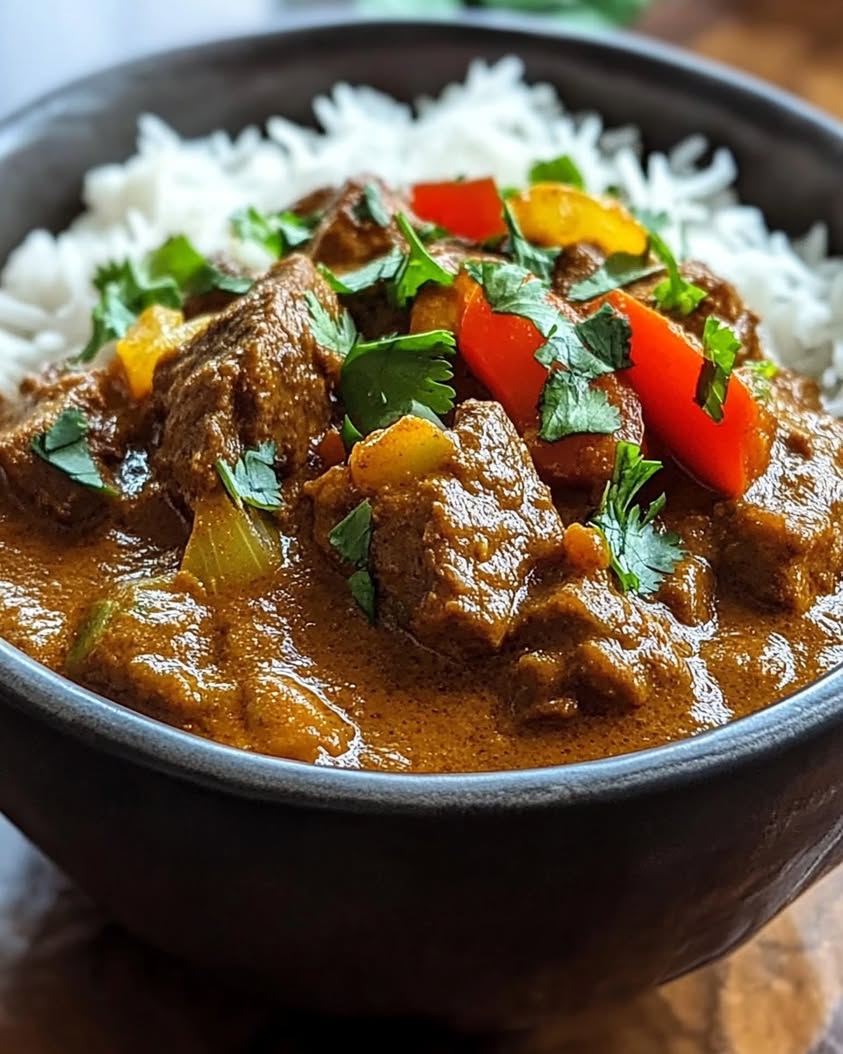
Slow-Simmered Indian Lamb Curry: Aromatic, Tender, and Deeply Flavorful
Imagine walking into a kitchen filled with the most incredible, soul-warming aroma. That is the exact experience you create when you make this slow-simmered Indian lamb curry. This dish represents the heart of Indian home cooking, where time and patience transform simple ingredients into something extraordinary. Furthermore, the rich, complex gravy and fall-apart tender meat make every minute of cooking absolutely worthwhile. Ultimately, this recipe delivers a restaurant-quality feast right from your own stove.
This particular slow-simmered Indian lamb curry recipe builds layers of flavor from the ground up. You begin by toasting whole spices to unlock their essential oils. Then, you create a deeply flavorful base with onions, ginger, and garlic. The lamb shoulder cooks low and slow, allowing the connective tissues to melt into the sauce. Consequently, the result is a luxurious, aromatic curry that clings to fluffy rice or soft naan bread. It is a celebration of texture and taste in every single bite.
Quick Recipe Highlights
- Flavor Profile: This curry boasts a masterful balance of warm, earthy spices like cumin and coriander, bright notes from ginger and tomato, and the deep, savory richness of slow-cooked lamb. It is complex without being overwhelmingly spicy.
- Texture: The lamb shoulder becomes incredibly tender and almost shreddable after its long braise, while the sauce reduces to a velvety, clingy consistency that coats each piece of meat perfectly.
- Aroma: Toasting whole spices like cardamom and cinnamon first fills your kitchen with an unmistakably inviting fragrance, followed by the savory scent of browning meat and simmering tomatoes.
- Visual Appeal: The finished dish has a gorgeous, deep reddish-brown gravy studded with tender pieces of lamb and flecks of green cilantro, making it incredibly photogenic and appetizing.
- Skill Level Needed: This recipe requires patience more than advanced skill. While there are several steps, they are straightforward, focusing on building flavor through techniques like toasting, sautéing, and braising.
- Special Equipment: A heavy-bottomed Dutch oven or large pot with a tight-fitting lid is essential for even heat distribution and perfect braising. A good knife and cutting board are your other key tools.
Recipe Overview
- Difficulty Level: We rate this slow-simmered Indian lamb curry as medium difficulty. The process involves multiple stages like browning meat and building a masala base, which require attention but not expert technique. The long, hands-off simmering time is forgiving, however, allowing flavors to develop beautifully even for confident beginners.
- Category: This is a quintessential main course, perfect for a hearty dinner. It falls beautifully into categories like comfort food, weekend cooking projects, and special occasion meals for family and friends.
- Cuisine: This dish is rooted in North Indian and Pakistani culinary traditions, where slow-cooked meat curries are a cornerstone. The use of a whole spice blend (garam masala) and technique of “bhuna” (cooking down the masala) are classic hallmarks.
- Cost: Using lamb shoulder, a well-marbled and flavorful but often economical cut, makes this luxurious curry surprisingly budget-friendly. The spices and other ingredients are pantry staples that offer many uses beyond this single recipe.
- Season: This rich, warming curry is ideal for cooler fall and winter months. Conversely, it is also a fantastic centerpiece for festive gatherings year-round, from Diwali to Eid to casual summer dinner parties.
- Occasion: Serve this for a cozy family Sunday supper, as the impressive centerpiece of a dinner party, or as part of a larger festive spread during holidays. It is a universally appealing dish that feels both special and comforting.
Why You’ll Love This Recipe
First and foremost, the taste and texture of this slow-simmered Indian lamb curry are utterly irresistible. The lamb becomes so tender it practically falls apart at the touch of a fork. Meanwhile, the sauce achieves a complex harmony of spices that is warm, aromatic, and deeply savory. Each spoonful delivers a satisfying richness that is incredibly comforting. Furthermore, the aroma that fills your home as it cooks is an experience in itself, building anticipation for the delicious meal to come.
Regarding convenience, this recipe is a fantastic make-ahead option. In fact, its flavors improve magnificently overnight. You can prepare it a day or two before serving, which makes entertaining completely stress-free. Additionally, the active prep time is relatively short; the magic happens during the long, hands-off simmer. Therefore, you can attend to other tasks or simply relax while your dinner transforms into something extraordinary in the pot.
From a nutritional perspective, this curry offers substantial benefits. Lamb is an excellent source of high-quality protein, iron, and B vitamins. The spices, like turmeric and cumin, are renowned for their anti-inflammatory and digestive properties. Using fresh tomatoes, ginger, and garlic adds vitamins and antioxidants to the dish. When served with fiber-rich brown rice or whole wheat naan, it becomes a well-rounded and nourishing meal.
For social and entertaining value, this slow-simmered Indian lamb curry is a true crowd-pleaser. It effortlessly serves a group and its impressive, complex flavor makes guests feel special. Moreover, it pairs wonderfully with a variety of simple sides like rice, raita, and salad, allowing you to build a festive menu without overwhelming effort. It is a guaranteed conversation starter at any table.
Finally, this dish is remarkably cost-effective and accessible. Lamb shoulder is often one of the more affordable cuts of lamb, perfect for braising. The spice list may look long, but these ingredients form the backbone of many global cuisines and are a wise investment for your pantry. Ultimately, you create a restaurant-worthy gourmet experience at a fraction of the cost, making it a recipe you will return to again and again.
Historical Background and Cultural Significance
The origins of lamb curry are deeply woven into the culinary history of the Indian subcontinent. Historically, the practice of slow-cooking tough cuts of meat with spices and yogurt or acidic agents like tomatoes was a practical method to create tender, flavorful, and nourishing meals. This technique was perfected in the royal kitchens of the Mughal Empire, where rich, aromatic meat dishes called “kormas” and “rogan josh” were celebrated. Consequently, the slow-simmered Indian lamb curry we know today is a descendant of these regal traditions, adapted for home kitchens.
This dish holds immense cultural importance across India, Pakistan, Bangladesh, and beyond. It is a staple for festive occasions, religious celebrations, and family gatherings. For example, it is commonly prepared for Eid al-Fitr, Diwali, and weddings. The act of sharing a large pot of aromatic curry symbolizes hospitality, abundance, and communal joy. Furthermore, every family often has its own cherished version, passed down through generations, making it a deeply personal and evocative food.
The evolution of the recipe is a story of adaptation and regional influence. Initially, recipes relied on regionally available spices and cooking fats. The British introduction of tomatoes in the 18th century, for instance, was gradually incorporated, adding a tangy sweetness to the gravy base. Similarly, the availability of chili peppers from the Americas transformed the heat profile. Today’s slow-simmered Indian lamb curry is a beautiful fusion of ancient techniques and globally integrated ingredients.
Regional variations are fascinating and diverse. In Kashmir, you might find a lamb curry with a vibrant red color from Kashmiri chilies and notes of fennel. In South India, the curry might be infused with curry leaves, coconut milk, and a different blend of spices. The Punjabi version, often rich with butter and cream, is famously known as “Lamb Curry” or “Gosht.” Each variation tells a story of local climate, agriculture, and cultural preferences, showcasing the incredible diversity within the umbrella of Indian cuisine.
Ingredient Deep Dive
Lamb Shoulder is the star of this slow-simmered Indian lamb curry. This cut comes from the upper part of the animal’s front leg and is rich in connective tissue and fat. When cooked low and slow, that collagen breaks down into gelatin, resulting in incredibly tender, flavorful meat that shreds easily. Nutritionally, it is an excellent source of protein, zinc, iron, and vitamin B12. For the best results, look for well-marbled, bright red meat. You can substitute it with lamb leg for a leaner option or goat meat for a more traditional flavor in some regions.
Whole Spices like cardamom, cinnamon, and cloves are non-negotiable for authentic depth. Toasting them in oil at the beginning is a technique called “tadka” or “baghaar,” which blooms their essential oils and unlocks a more complex, rounded aroma than pre-ground spices can offer. These spices have been used in Ayurveda for centuries for their digestive and warming properties. Store them in a cool, dark place in airtight containers. While ground spices can work in a pinch, the flavor difference with whole spices is significant and worth the effort.
Garam Masala is the soul of the curry’s warmth. Interestingly, “garam” means “hot” in Hindi, referring to the warming nature of the spices, not their heat level. This blend typically includes cumin, coriander, cardamom, black pepper, cloves, and cinnamon. Every household and region has its own blend. For the brightest flavor, consider toasting whole spices and grinding them fresh. Alternatively, a high-quality store-bought blend works perfectly. Add it towards the end of cooking to preserve its volatile, aromatic oils.
Yogurt serves a crucial dual purpose. Its acidity helps tenderize the lamb meat during the marinating and cooking process. Additionally, it adds a subtle tang and creaminess to the gravy, balancing the richness of the meat and tomatoes. Use full-fat, plain yogurt for the best texture and flavor stability; low-fat varieties may curdle when heated. For a dairy-free version, a tablespoon of lemon juice or vinegar can provide the acidity, though the creamy element will be missed. Coconut milk is another alternative for richness.
Common Mistakes to Avoid
- Not Browning the Lamb Properly: Simply stewing the lamb without a good sear first misses a critical flavor opportunity. Always pat the lamb dry and brown it in batches over medium-high heat to develop a rich, caramelized fond on the bottom of the pot. This fond is packed with flavor for your sauce.
- Rushing the Onion Cooking: Onions form the sweet, deep base of the curry. Cooking them quickly over high heat can burn them or leave them raw and pungent. Instead, cook them slowly over medium heat until they are deeply golden brown and soft, which can take 15-20 minutes. This step builds indispensable sweetness and complexity.
- Adding Garlic and Ginger Too Early: These aromatic ingredients can burn if added to very hot oil alongside whole spices. The best practice is to add them after the onions are softened, ensuring they cook gently and release their flavor without turning bitter.
- Using Old, Stale Spices: Spices lose their potency over time. Using whole spices that are years old or pre-ground garam masala from an ancient jar will result in a flat, dull curry. Invest in fresh spices from a reputable source for a vibrant, aromatic dish.
- Not Simmering Long Enough: The magic of this slow-simmered Indian lamb curry happens in the braise. Cutting the simmering time short will leave you with tough, chewy meat. Be patient; the lamb is done when it is fork-tender and easily pulls apart.
- Adding Dairy Too Quickly: Adding cold yogurt directly to a hot curry can cause it to curdle and separate. To prevent this, always temper the yogurt by whisking a few spoonfuls of the hot curry sauce into it first to raise its temperature gradually, then stir it back into the pot.
- Skipping the Final “Bhuna”: After the lamb is tender, cooking the curry uncovered for a final 10-15 minutes allows the sauce to thicken and the oil to separate slightly at the edges. This step, called “bhuna,” intensifies the flavors and gives the gravy a perfect, luxurious consistency.
- Forgetting to Season at the End: Spices and salt mellow and integrate during the long cook. Always taste and adjust the seasoning with salt, a pinch of sugar if needed, or a squeeze of lemon juice right before serving to make all the flavors pop.
Essential Techniques
Toasting Whole Spices is your foundational first step. Heat oil in your pot and add spices like cardamom, cloves, and cinnamon stick. Toast them for just 30-60 seconds until they become fragrant and sizzle. This process, known as “tadka,” releases essential oils and transforms their flavor from raw and sharp to warm, nutty, and complex. The key is constant stirring and a watchful eye to prevent burning, which makes them bitter. You will know they are ready when a beautiful aroma fills your kitchen.
Building the Onion Base (“Masala”) requires patience. After toasting spices, add thinly sliced onions and cook them slowly over medium heat. The goal is to caramelize them to a deep golden brown, which can take 15-20 minutes. This slow cooking breaks down the onions’ sugars, creating a sweet, savory, and deeply flavorful foundation for the entire curry. Rushing this step is a common pitfall. The visual cue for success is a uniform golden-brown color and a soft, jam-like texture.
Browning the Lamb is crucial for flavor development. Pat the lamb cubes completely dry with paper towels. Then, brown them in batches in hot oil, ensuring you do not crowd the pot. Crowding steams the meat instead of searing it. You want a dark brown crust on at least two sides of each piece. This Maillard reaction creates hundreds of new flavor compounds and leaves delicious browned bits (fond) on the pot’s bottom, which will later deglaze into your sauce.
The Slow Simmer (Braising) is where the transformation happens. After adding liquid, bring the curry to a gentle boil, then immediately reduce the heat to the lowest possible setting to maintain a bare simmer. The pot should be covered with a tight-fitting lid. This gentle, moist heat environment slowly breaks down the tough collagen in the lamb shoulder into gelatin, resulting in fork-tender meat. A hard boil will toughen the protein. The lamb is done when you can easily pierce it with a fork and it offers no resistance.
Pro Tips for Perfect Slow-Simmered Indian Lamb Curry
Cut the lamb shoulder into uniform, 1.5 to 2-inch cubes. Consistent sizing ensures all pieces cook at the same rate, so you will not have some pieces falling apart while others are still tough.
For an extra layer of flavor, marinate the lamb overnight in the yogurt, ginger, garlic, and a teaspoon of the ground spices. This not only tenderizes but also allows the flavors to penetrate deeply into the meat.
If your tomatoes are not very ripe and sweet, add a pinch of sugar (about 1/2 teaspoon) when you add them to the pot. This balances any excessive acidity and rounds out the sauce beautifully.
After the initial simmer, let the curry rest off the heat for 15-20 minutes before serving. This allows the meat to reabsorb some of the juices and the flavors to marry even further.
If the gravy is too thin after cooking, remove the lid and simmer the curry uncovered for an additional 10-15 minutes to reduce and thicken it to your desired consistency.
Garnish with a generous handful of fresh cilantro and a squeeze of fresh lemon juice just before serving. The bright, fresh notes cut through the richness and elevate the entire dish.
For a smoother gravy, you can use an immersion blender to partially puree the sauce after removing the whole spices and before adding the lamb back in, if you prefer a less chunky texture.
Variations and Adaptations
For regional variations, explore different styles. A Punjabi-style curry might include a tablespoon of butter or cream stirred in at the end for extra richness. A South Indian version could incorporate curry leaves, mustard seeds, and a splash of coconut milk. A Kashmiri Rogan Josh uses yogurt and a specific blend of spices for its signature red color and flavor. Each region offers a unique twist on the classic slow-simmered Indian lamb curry concept.
Seasonal adaptations are simple and effective. In spring, add fresh green peas during the last 10 minutes of cooking. In summer, serve the curry with a cooling cucumber raita and a fresh mint chutney. For autumn, incorporate roasted squash or sweet potatoes into the pot. In winter, increase the warming spices like black pepper and cloves for an even more comforting dish.
Dietary modifications are straightforward. For a gluten-free version, ensure your garam masala blend contains no wheat-based additives. For dairy-free, substitute the yogurt with coconut milk or a tablespoon of lemon juice for acidity. To make it keto or low-carb, serve the curry over cauliflower rice instead of traditional rice or with low-carb flatbreads.
Flavor variations can personalize the dish. Add a couple of dried red chilies with the whole spices for more heat. Stir in a handful of spinach just before serving for color and nutrients. For a smoky flavor, use smoked paprika in addition to the garam masala, or finish the dish with a drizzle of smoked oil.
Texture modifications cater to preference. For a chunkier, more rustic curry, leave the onion base as is. For a silky-smooth gravy, puree the onion-tomato masala after cooking it down and before adding the lamb back to the pot. You can also use boneless lamb for easier eating or keep bone-in pieces for more flavor.
Presentation alternatives make it fun. Serve the curry in a hollowed-out pumpkin or squash for a festive fall centerpiece. Present it in individual small copper pots or bowls. For a modern twist, serve it as a deconstructed plate with the lamb arranged neatly over a smear of sauce, garnished with microgreens and edible flowers.
Serving and Presentation Guide
Traditional plating for this slow-simmered Indian lamb curry is family-style. Transfer the entire pot to the table or serve it from a beautiful, deep serving bowl. This encourages sharing and creates a warm, communal atmosphere. Place the bowl of curry in the center, surrounded by smaller bowls of basmati rice, naan bread, raita, and pickles. Provide large serving spoons for guests to help themselves.
Garnishing is the final touch that adds freshness and color. A generous scattering of chopped fresh cilantro is classic. Add thin slices of fresh ginger, a drizzle of cream, or a sprinkle of toasted cumin seeds for extra flair. For a pop of color and mild heat, garnish with thin rings of fresh green chili. A wedge of lemon on the side allows guests to add a bright, acidic note to their taste.
Traditional accompaniments are essential for the full experience. Steamed basmati rice, preferably fragrant with a few whole spices like cardamom, is the perfect vehicle for the rich gravy. Warm, buttery naan or flaky parathas are ideal for scooping. A simple cucumber raita (yogurt with cucumber and mint) provides a cooling contrast. A tangy mango chutney or lime pickle adds a punchy, acidic counterpoint.
Modern serving suggestions can streamline the meal. For a quick weeknight dinner, serve the curry over a bowl of quinoa or couscous. For a low-carb option, pair it with cauliflower rice or a big green salad. You can also use the tender lamb as a filling for wraps or stuffed into pita bread with some fresh salad greens and a yogurt sauce.
Temperature considerations are key. The curry itself should be served piping hot, straight from the pot. The rice or bread should also be warm. Conversely, the raita and any fresh salads or chutneys should be served chilled or at room temperature. This contrast in temperatures makes the dining experience more dynamic and enjoyable.
Portion control is easy with this rich dish. A standard serving is about 1 to 1.5 cups of curry per person, alongside a cup of rice or a piece of naan. Because the curry is so flavorful and satisfying, people often eat less than they might of a plainer dish. Remember, it is always better to have leftovers, as this curry tastes even better the next day.
Wine and Beverage Pairing
Wine pairings should complement the rich spices without competing. A medium-bodied red wine with soft tannins and some fruit works beautifully. Consider a Grenache or Syrah from the Rhône Valley, a Zinfandel with its jammy berry notes, or a fruity Pinot Noir. For white wine lovers, a rich, aromatic Gewürztraminer or a Viognier can stand up to the spices with their floral and stone fruit characteristics. The key is to avoid overly oaky or high-tannin wines that might clash.
Non-alcoholic alternatives are just as important. A sweet and tangy mango lassi (a yogurt-based smoothie) is the classic and perfect pairing, as the yogurt cools the palate. A glass of chilled chaas (spiced buttermilk) with cumin and mint is another traditional and digestive choice. Sparkling water with a squeeze of lime and a pinch of salt also helps cleanse the palate between bites.
Beer and cider can be excellent choices. A malty, slightly sweet beer like an Oktoberfest Märzen or an Amber Ale complements the caramelized notes in the curry. A crisp, dry cider provides a refreshing, acidic contrast that cuts through the richness. For those who enjoy it, a light, hoppy IPA can also work, as the bitterness can balance the spice and fat.
Temperature considerations for beverages are straightforward. Serve red wines slightly below room temperature, around 60-65°F. White wines, beers, and all non-alcoholic drinks should be well-chilled. The contrast between the hot, spicy food and a cool, refreshing drink is part of the pleasure.
Serving suggestions include offering a variety of drinks to cater to different preferences. Set out a pitcher of water with citrus slices, a carafe of iced mango lassi, and have a few bottles of red and white wine available. This allows everyone to choose their perfect pairing and enjoy the slow-simmered Indian lamb curry to the fullest.
Storage and Shelf Life
Proper storage methods are essential for food safety and quality. First, allow the leftover slow-simmered Indian lamb curry to cool completely to room temperature, but do not leave it out for more than two hours. Then, transfer it to an airtight container. Glass containers are ideal as they do not absorb odors or stains. You can store the curry and rice separately to maintain the best texture for the rice.
Temperature requirements are non-negotiable. The curry must be refrigerated at 40°F or below. In the refrigerator, it will keep safely for 3 to 4 days. For longer storage, freezing is your best option. The high-fat content and spices mean it freezes exceptionally well. Always label your container with the date so you can keep track.
Signs of spoilage are easy to spot. Before eating leftovers, look for any off odors—a sour or unpleasant smell is a clear indicator. Check for visible mold, which is rare in such a spiced dish but possible. If the texture seems unusually slimy or the color has changed dramatically, it is safest to discard it. When in doubt, throw it out.
Reheating instructions ensure the curry tastes as good as new. The best method is to reheat it gently on the stovetop over low to medium heat, stirring occasionally. Add a small splash of water or broth if the sauce has thickened too much in the fridge. You can also reheat it in the microwave, using a microwave-safe container and stirring every 60 seconds to ensure even heating. Always ensure it is steaming hot all the way through before serving.
Freezing guidelines are simple. Portion the cooled curry into freezer-safe bags or containers, leaving about an inch of space for expansion. It will maintain best quality for 2 to 3 months. To thaw, place it in the refrigerator overnight. For a quick thaw, you can submerge the sealed bag in cold water. Never thaw at room temperature. Reheat thawed curry thoroughly on the stovetop.
Make Ahead Strategies
A prep timeline makes entertaining effortless. You can prepare the entire slow-simmered Indian lamb curry up to 2 days in advance. In fact, the flavors improve significantly overnight as the spices meld. Simply follow the recipe through to the end, let it cool completely, and refrigerate. On the day of serving, gently reheat it on the stovetop. You can also prep components: chop onions, ginger, and garlic, and measure out spices the day before to streamline your cooking day.
Storage between steps is simple if you are prepping in stages. You can marinate the lamb in the yogurt and spices overnight in the refrigerator. The onion-tomato masala base can be cooked a day ahead and stored separately. Then, on cooking day, you simply brown the marinated lamb and combine everything to simmer. This breaks the active cooking time into manageable chunks.
The quality impact of making ahead is overwhelmingly positive. This curry is a champion of the “make-ahead” category. The long simmering and resting time allows flavors to deepen and marry. The fat in the sauce solidifies when chilled, making it easy to skim off if desired, and the meat becomes even more tender upon reheating. It is arguably better on the second day.
Assembly tips for a make-ahead meal are straightforward. If you have made and refrigerated the full curry, you may notice the fat has risen to the top and solidified. You can choose to skim this off for a lighter dish or stir it back in for maximum richness. When reheating, do so slowly over low heat to prevent the meat from breaking down too much further and to avoid burning the bottom.
Reheating guidelines are crucial for texture. Always reheat gently and slowly, either on the stovetop or in a covered dish in a 300°F oven. If the sauce seems too thick after storage, add a few tablespoons of water or broth to loosen it. Stir occasionally to ensure even heating. Avoid a rolling boil, which can make the meat stringy.
Fresh element additions should wait until serving. Add any final garnishes like fresh cilantro, a squeeze of lemon juice, or a dollop of fresh yogurt only after you have reheated the curry and just before you bring it to the table. This ensures they retain their bright color, fresh flavor, and appealing texture.
Scaling Instructions
Halving the recipe is easy for smaller households. Simply divide all ingredient quantities by two. Use a medium-sized pot instead of a large Dutch oven. The cooking times will remain largely the same, as the simmering process is dependent on the tenderness of the meat, not the volume. However, keep a closer eye on it as a smaller amount of liquid may reduce slightly faster. The result will be just as delicious.
Doubling or tripling the recipe is perfect for a crowd. Multiply all ingredients accordingly. You will need a very large stockpot or Dutch oven, or you may need to cook in two separate pots. Browning the lamb will take longer as you must work in more batches to avoid overcrowding. The simmering time may need to be extended by 15-30 minutes to ensure all the lamb becomes perfectly tender. Stir occasionally to ensure even heat distribution.
Equipment adjustments are necessary when scaling. For a double batch, ensure your pot is large enough to hold all the ingredients with at least a couple of inches of headspace to prevent boil-overs. If you do not have a pot large enough, cooking in two separate pots is a perfectly good solution. You can combine them after the simmering stage for a final mix.
Timing modifications are minimal but important. The initial steps of browning meat and cooking onions will take longer simply because you are working with more food. However, the core braising time for the slow-simmered Indian lamb curry should remain similar, though checking for doneness a bit later is wise. Always rely on the tenderness of the meat as your guide, not just the clock.
Storage considerations for large batches are practical. If you make a huge pot, consider dividing it into meal-sized portions before refrigerating or freezing. This makes future meals convenient. Label each container clearly. A large quantity of hot food will take longer to cool; to cool it quickly and safely, divide it into smaller, shallow containers before placing it in the refrigerator.
Nutritional Deep Dive
The macro breakdown of this slow-simmered Indian lamb curry is well-balanced. A serving provides a substantial amount of high-quality protein from the lamb, essential for muscle repair and satiety. The fat content, primarily from the lamb shoulder and cooking oil, provides energy and helps absorb fat-soluble vitamins from the spices. The carbohydrates come mainly from the onions and tomatoes, with minimal added sugars, making it a relatively low-carb main dish when served without rice.
Micronutrient analysis reveals a wealth of benefits. Lamb is an excellent source of heme iron, which is easily absorbed by the body, and zinc, crucial for immune function. The spices are powerhouses: turmeric contains curcumin, a potent anti-inflammatory compound; cumin aids digestion; and garlic offers allicin, which has various health-promoting properties. Tomatoes contribute vitamin C and lycopene, especially when cooked.
Health benefits extend beyond basic nutrition. The combination of protein and fat promotes steady energy levels and keeps you full for hours. The anti-inflammatory properties of the spices may help reduce systemic inflammation. Furthermore, the slow-cooking process makes the nutrients in the meat more bioavailable. When enjoyed as part of a balanced diet, this curry supports overall wellness.
Dietary considerations are important to note. This dish is naturally gluten-free if you verify your spice blends. It contains dairy (yogurt). It is not suitable for vegetarians or vegans. For those on a low-FODMAP diet, onions and garlic may be problematic, though using only the green parts of spring onions and garlic-infused oil could be an adaptation.
Portion analysis shows that a typical serving is satisfying without being excessive. Pairing it with a reasonable portion of basmati rice (about 1/2 to 3/4 cup cooked) and a side of vegetables creates a complete meal. The richness of the curry means you likely will not need or want a second helping, aiding in natural portion control.
Weight management tips include skimming off any solidified fat from the top of the curry after refrigeration for a lower-calorie version. Serving it with cauliflower rice instead of white rice significantly reduces the carbohydrate and calorie count. Focusing on the protein and vegetable-rich sauce and being mindful of added breads like naan can help keep the meal aligned with weight goals.
Dietary Adaptations
For a gluten-free version, this slow-simmered Indian lamb curry is already nearly compliant. The primary concern is cross-contamination in spice blends. Always check that your garam masala and other ground spices are certified gluten-free, as some facilities process wheat. Serve with gluten-free grains like rice, quinoa, or certified gluten-free naan bread.
A dairy-free adaptation requires replacing the yogurt. Use 1/4 cup of full-fat coconut milk plus one tablespoon of lemon juice to mimic the tang and creaminess. Alternatively, you can omit the dairy tenderizer altogether and rely solely on the slow cooking to tenderize the meat, though the final gravy will be less rich and creamy.
Creating a vegan version is a significant change but possible. Replace the lamb with hearty vegetables like cauliflower florets, cubed potatoes, chickpeas, or meaty mushrooms like king oyster or portobello. Use vegetable broth instead of water. The coconut milk substitute for yogurt works well here. Simmer until the vegetables are tender but not mushy, adjusting cooking time accordingly.
For a low-carb or keto adaptation, this curry is an excellent choice as-is. Simply avoid serving it with rice, bread, or other high-carb sides. Instead, serve it over cauliflower rice, zucchini noodles, or with a side of non-starchy vegetables like sautéed spinach or a crisp salad. Ensure any thickeners like flour are not used in your spice blends.
A Paleo adaptation focuses on whole, unprocessed foods. The recipe is largely Paleo-friendly. Use ghee or avocado oil for cooking. Confirm that your garam masala contains no non-Paleo additives. Omit the yogurt or use a coconut milk alternative as mentioned. Serve with cauliflower rice or roasted vegetables.
For a low-FODMAP version, the onions and garlic are the main issues. Replace the onion with the green tops of spring onions (scallions) only. Use garlic-infused oil (where the garlic is strained out) to impart flavor without the high-FODMAP garlic fructans. Ensure the yogurt is lactose-free if tolerated, or use the coconut milk alternative.
Troubleshooting Guide
If the meat is tough, the most common issue is insufficient cooking time. Return the curry to a gentle simmer and continue cooking, checking every 15-20 minutes. Ensure the heat is low enough; a hard boil will toughen proteins. The lamb shoulder needs a full 1.5 to 2 hours of simmering to become fork-tender. Patience is the ultimate solution for tough meat in your slow-simmered Indian lamb curry.
If the gravy is too thin, remove the lid from the pot and increase the heat to a medium simmer. Let it cook uncovered for 10-20 minutes, stirring occasionally to prevent sticking, until it reduces to your desired consistency. Alternatively, you can mix a teaspoon of cornstarch with a tablespoon of cold water to make a slurry and stir it in, then simmer for 2-3 minutes to thicken.
If the gravy is too thick, it likely reduced too much. Simply stir in a little hot water, broth, or even coconut milk until it reaches the right consistency. Taste and adjust the seasoning after adding liquid, as it may dilute the salt and spices slightly. This is an easy fix that will not harm the flavor of your dish.
If the curry tastes bland, the seasoning likely needs adjustment. First, ensure you have added enough salt, which is essential for making all other flavors pop{“success”:true,”message”:”Recipe created successfully”,”post_id”:8333,”tasty_recipe_id”:8333,”shortcode”:” Print
Slow-Simmered Indian Lamb Curry with Warm Aromatic Spices
Description
A rich and fragrant curry featuring tender lamb simmered in a blend of traditional Indian spices, creating a deeply flavorful and comforting dish.
Ingredients
For the Crust:
- 2 lbs lamb shoulder, cut into 1-inch cubes
- 1 large onion, finely chopped
- 3 cloves garlic, minced
- 1-inch piece ginger, grated
- 2 tbsp vegetable oil
- 1 tsp cumin seeds
- 1 tsp coriander powder
- 1 tsp turmeric powder
- 1 tsp garam masala
- 1/2 tsp cayenne pepper (optional)
- 1 can (14 oz) diced tomatoes
- 1 cup plain yogurt
- 1 cup water or broth
- Salt to taste
- Fresh cilantro for garnish
Instructions
1. Prepare the Crust:
- Heat oil in a large pot over medium heat. Add cumin seeds and sauté until fragrant, about 30 seconds.
- Add chopped onion and cook until golden brown, about 8-10 minutes. Stir in garlic and ginger, cooking for another minute.
- Add lamb cubes and brown on all sides, about 5-7 minutes. Stir in coriander, turmeric, garam masala, and cayenne (if using).
- Pour in diced tomatoes, yogurt, and water or broth. Bring to a simmer, then reduce heat to low, cover, and cook for 1.5 to 2 hours, until lamb is tender.
- Season with salt to taste. Garnish with fresh cilantro before serving.
Notes
You can customize the seasonings to taste.

I’m Billy, a classically trained culinary school graduate from The Culinary Institute of America with over 12 years in the restaurant industry and over 19 years of cooking experience.