
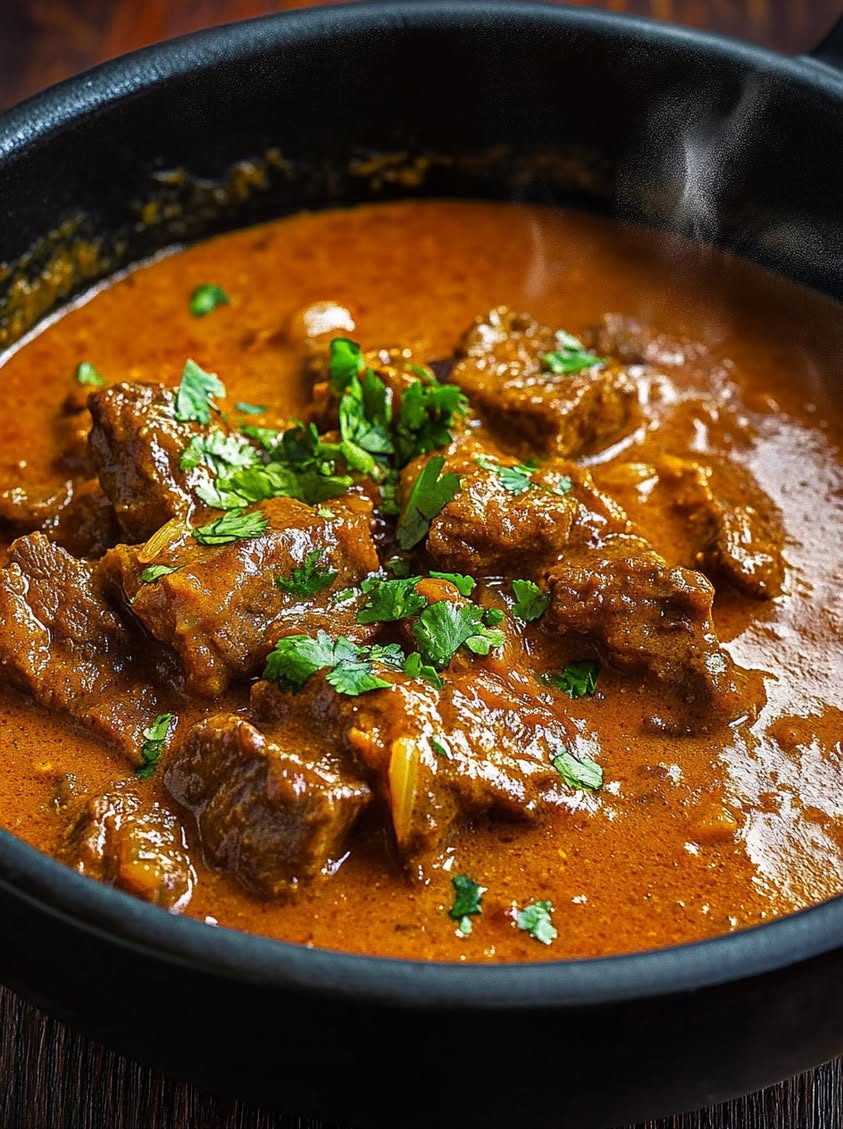
Slow-Simmered Penang Beef Curry: Aromatic Coconut and Spice Comfort
Imagine a dish so deeply flavorful it transports you straight to a bustling Malaysian hawker stall. This Slow-Simmered Penang Beef Curry does exactly that. It masterfully balances rich, tender beef with a complex, aromatic gravy built from toasted spices and creamy coconut milk. The result is a soul-warming, deeply satisfying meal that fills your kitchen with an incredible fragrance. Ultimately, this recipe is a journey for your senses, offering comfort and exotic flair in every single bite.
Creating an authentic Penang Beef Curry requires patience, but the reward is absolutely worth the wait. The long, gentle simmer transforms tough beef cuts into succulent, melt-in-your-mouth pieces. Meanwhile, the spice paste, or rempah, develops layers of flavor that simply cannot be rushed. This dish is perfect for a weekend project or a special gathering. It showcases the heart of Malaysian Nyonya cuisine, where Chinese ingredients meet Malay techniques. Consequently, you get a uniquely vibrant and unforgettable culinary experience.
This particular Slow-Simmered Penang Beef Curry recipe focuses on achieving that perfect harmony between spice, richness, and tang. The use of tamarind paste provides a subtle sour note that cuts through the coconut milk’s fat. Additionally, warm spices like star anise and cinnamon stick add a fragrant backbone. The final dish is not overwhelmingly spicy but rather warmly aromatic. It is a celebration of texture and taste, perfect for spooning over steamed rice. Therefore, get ready to create a show-stopping centerpiece for your dinner table.
Quick Recipe Highlights
- Flavor Profile: This Slow-Simmered Penang Beef Curry delivers a masterful balance. You experience an initial creamy richness from coconut milk, followed by a warm, building spice from the curry paste. Finally, a hint of tanginess from tamarind completes the complex profile.
- Texture: The beef becomes incredibly tender and almost shreds apart after the long braise. The curry sauce itself is luxuriously thick and clings beautifully to the meat and rice, providing a wonderfully cohesive mouthfeel.
- Aroma: Toasting the whole spices and frying the rempah paste releases an intoxicating fragrance. Key notes include earthy lemongrass, pungent galangal, and the sweet warmth of star anise and cinnamon that fills your entire home.
- Visual Appeal: The curry presents a rich, reddish-brown gravy speckled with vibrant oil from the spices. Tender chunks of beef and whole curry leaves create visual texture, making it as beautiful to look at as it is to eat.
- Skill Level Needed: This is an intermediate recipe due to the multi-step process of making the paste and the long, attentive simmer. However, the steps are straightforward and well-explained, making it achievable for confident home cooks.
- Special Equipment: A food processor or blender is essential for creating a smooth rempah paste. Additionally, a heavy-bottomed Dutch oven or pot is crucial for even heat distribution during the long braising time.
Recipe Overview
- Difficulty Level: We rate this Slow-Simmered Penang Beef Curry as medium difficulty. The process involves making a homemade spice paste and managing a long cooking time. However, each step is simple and the active cooking time is relatively low. The key challenge is patience, as the magic happens during the unattended simmer.
- Category: This dish falls squarely into the main course category. It is a hearty, protein-rich stew perfect for dinner. Furthermore, it can be considered a special occasion meal or a fantastic weekend cooking project due to its extended preparation time.
- Cuisine: This is a definitive dish of Peranakan or Nyonya cuisine from Penang, Malaysia. It reflects a beautiful fusion of Chinese culinary techniques with traditional Malay spices and ingredients. The result is a uniquely Southeast Asian curry distinct from Indian or Thai varieties.
- Cost: The cost is moderate, largely dependent on the price of beef chuck or brisket. Specialty ingredients like galangal, lemongrass, and fresh curry leaves may require a trip to an Asian market but are often affordable. The dish yields many servings, making it cost-effective per person.
- Season: This rich, warming curry is ideal for cooler fall and winter months. Conversely, it is also enjoyed year-round in its native climate, often paired with cooling sides. Its comforting nature makes it a welcome meal any time you crave deep, complex flavors.
- Occasion: It is perfect for family dinners, casual entertaining, or potlucks where it can be made ahead. The impressive flavors and aroma make it a fantastic centerpiece for gatherings. It is also an excellent meal prep option, as its taste improves over several days.
Why You’ll Love This Recipe
First and foremost, the taste and texture of this Slow-Simmered Penang Beef Curry are utterly irresistible. The beef transforms into impossibly tender morsels that soak up the incredibly fragrant gravy. Each spoonful delivers a symphony of flavors: creamy coconut, warm spices, herbal notes, and a slight tang. It is deeply comforting yet excitingly complex. This dish satisfies cravings for something rich and hearty while introducing your palate to new aromatic dimensions. Ultimately, it is the kind of meal that people remember and request again and again.
Regarding convenience, this recipe is a fantastic make-ahead dish. You can prepare the entire curry a day or two in advance. In fact, the flavors meld and deepen beautifully in the refrigerator. When ready to serve, simply reheat it gently on the stove. This makes it a stress-free option for dinner parties or busy weeknights. Additionally, the active prep time is manageable, and the long simmer requires little attention. Therefore, you can attend to other tasks while your kitchen fills with an amazing aroma.
Nutritionally, this Slow-Simmered Penang Beef Curry offers several advantages. Beef provides a great source of high-quality protein, iron, and B vitamins. The spices, like turmeric and ginger, are renowned for their anti-inflammatory properties. Coconut milk contains medium-chain triglycerides, which are a unique type of healthy fat. When served with a side of steamed vegetables and brown rice, it becomes a well-rounded meal. Consequently, you can enjoy incredible flavor while also nourishing your body.
The social and entertaining value of this dish is exceptionally high. It is a conversation starter that showcases your cooking skills and adventurous palate. Serving a homemade, authentic-tasting Asian curry impresses guests and creates a memorable dining experience. It is also easy to scale up for a crowd and can be served buffet-style. Moreover, the act of slow cooking itself feels nurturing and traditional. Sharing this meal fosters connection and warmth around the table.
Finally, this Penang Beef Curry is remarkably cost-effective and accessible. Using a tougher, more affordable cut of beef like chuck yields the most tender result after braising. Many core ingredients, like onions, garlic, and dried spices, are pantry staples. While some fresh aromatics require a special grocery trip, they are typically inexpensive. The recipe yields a large quantity, providing multiple meals. Thus, you get restaurant-quality flavor for a fraction of the cost, right from your own kitchen.
Historical Background and Cultural Significance
The origins of this Slow-Simmered Penang Beef Curry are rooted in the Peranakan culture of the Straits Settlements. Peranakans, also known as Straits Chinese or Nyonya-babas, are descendants of Chinese immigrants who married local Malays. This fusion created a unique hybrid cuisine. Nyonya cooking, developed by the women of the community, blends Chinese ingredients with Malay spices and techniques. The Penang Beef Curry is a stellar example, using Chinese braising methods with a distinctly Southeast Asian spice paste, or rempah. Consequently, it stands as a delicious symbol of cultural integration.
This dish holds significant cultural importance as a celebratory and communal meal. In Penang, it is often prepared for family gatherings, festivals, and special occasions. The long, slow cooking process is an act of care and tradition, often passed down through generations. The complex rempah paste is considered the “soul” of the dish, with each family guarding their slight variations. Serving this curry signifies hospitality and abundance. Therefore, it is much more than just food; it is an edible piece of heritage.
The evolution of the Penang Beef Curry recipe reflects adaptation and availability. Originally, the specific spices and ingredients would have been those accessible in the Malaysian peninsula. Over time, as trade expanded, ingredients like tamarind and certain dried chilies became staples. The dish has also adapted to modern kitchens, with blenders now often used for the labor-intensive paste. However, the core principles of toasting spices and slow braising remain unchanged. This resilience showcases the recipe’s fundamental strength and timeless appeal.
Regional variations of this curry exist throughout Malaysia and Singapore. In Penang, the version is often slightly tangier and less coconut-heavy than curries from other regions. Some versions use potatoes or other vegetables. Others might include beef ribs or brisket specifically. The level of heat can also vary dramatically based on the type and quantity of chilies used. Exploring these variations offers a fascinating glimpse into local tastes and traditions. Ultimately, each pot tells a slightly different story of place and palate.
Ingredient Deep Dive
Beef Chuck is the ideal cut for this Slow-Simmered Penang Beef Curry. Culturally, tougher cuts were traditionally used in braises worldwide because slow cooking makes them tender and flavorful. Nutritionally, chuck is rich in protein, iron, zinc, and B vitamins, supporting energy and metabolism. When selecting, look for well-marbled pieces with a rich red color, as the fat will render and enrich the sauce. Store it in the coldest part of your refrigerator and use within two days of purchase. For substitutions, beef brisket or short ribs work wonderfully, though cooking times may adjust slightly.
Coconut Milk provides the essential creamy base and richness. Historically, coconuts are abundant in Southeast Asia and form the foundation of many curries and sauces. It offers healthy fats in the form of medium-chain triglycerides, which are easily metabolized for energy. Always choose full-fat, canned coconut milk for the best texture and flavor; shake the can well before opening. Store unused milk in a sealed container in the fridge for up to five days. As a substitution, coconut cream will make a thicker, richer curry, while light coconut milk will yield a thinner sauce.
The Rempah Paste is the flavor heart of the dish. This blend of shallots, garlic, ginger, galangal, lemongrass, and chilies is fundamental to Malaysian cooking. Each component brings history and health benefits; for instance, turmeric and ginger have anti-inflammatory properties. For the best flavor, use fresh aromatics whenever possible. Dried galangal or lemongrass paste can work in a pinch but will alter the fresh vibrancy. Store any extra paste in the freezer for future use. There is no true shortcut for a good rempah, as pre-made pastes lack the depth of a freshly ground blend.
Tamarind Paste delivers the crucial sour note that balances the curry. It comes from the pulp of the tamarind fruit, widely used in Asian, African, and Latin American cuisines. It is a good source of antioxidants and can aid digestion. Look for pure tamarind concentrate or pulp in blocks at Asian markets. Store concentrate in the fridge after opening. If unavailable, a combination of lime juice and a bit of brown sugar can mimic the sweet-sour profile, though the flavor will be different. This ingredient is non-negotiable for authentic tang.
Whole Spices like star anise, cinnamon, and cardamom are the aromatic backbone. These spices traveled ancient trade routes and are central to many global cuisines. They contain various antioxidants and phytochemicals. Toasting them in oil before use is a critical step that unlocks their volatile oils and intensifies their fragrance. Purchase whole spices from a reputable source with high turnover to ensure potency. Store them in airtight containers away from light and heat. Ground spices are not a direct substitute here, as they will burn quickly and lack the complexity of whole spices slowly infusing the oil.
Common Mistakes to Avoid
- Not Toasting the Whole Spices: Skipping the step of toasting star anise, cinnamon, and cardamom in oil is a major error. This process, called “tadka” or “chhonk,” blooms the spices and infuses the cooking oil with their essence. Without it, the curry will lack a deep, foundational aromatic layer. Always do this over medium-low heat to avoid burning.
- Rushing the Rempah Fry: Frying the ground spice paste is where flavor develops. Cooking it too quickly or for too short a time leaves it raw and gritty. You must fry it patiently, stirring often, until it darkens in color, becomes fragrant, and the oil starts to separate from the paste. This can take 10-15 minutes.
- Using Lean Beef: Choosing a lean cut like sirloin will result in tough, dry meat after long cooking. The magic of this Slow-Simmered Penang Beef Curry relies on the collagen in tougher, marbled cuts breaking down into gelatin. This process tenderizes the meat and thickens the sauce. Always opt for chuck, brisket, or short ribs.
- Adding Coconut Milk Too Early: Adding coconut milk at the beginning of the simmer will cause it to curdle or separate. The high heat and long cooking time can break the emulsion. Instead, add the beef and water first, simmer until tender, and then stir in the coconut milk just to heat through at the end.
- Not Adjusting Salt at the End: The reduction of liquids during simmering concentrates flavors, including salt. If you salt perfectly at the beginning, the finished dish may be too salty. Season conservatively while cooking and do a final taste and salt adjustment after adding the coconut milk and tamarind at the end.
- Stirring Too Vigorously After Adding Beef: Once the beef is browned and added to the pot, stir gently. Vigorous stirring can tear the meat fibers and make it stringy. You want the chunks to stay intact and become tender, not shred prematurely into the sauce.
- Using Old, Stale Spices: Whole spices lose their potency over time. Using spices that have been in your cupboard for years will result in a flat, dull curry. For the brightest flavor, purchase small quantities from stores with high turnover and replace them annually.
- Skipping the Fresh Curry Leaves: While not always easy to find, fresh curry leaves add an irreplaceable citrusy, herbal aroma that dried leaves cannot match. If you find them, use them. If unavailable, a bay leaf and a strip of lime zest can provide a different but pleasant background note.
Essential Techniques
Toasting Whole Spices in Oil is the first critical technique. This process, called “tadka,” releases the spices’ essential oils directly into the cooking fat, creating an infused oil that carries flavor throughout the entire dish. To master it, heat oil in your pot over medium-low heat, then add the whole spices. Swirl them for 30-60 seconds until they become fragrant and slightly darker. A common pitfall is using too high heat, which burns the spices and makes them bitter. The visual cue for success is a noticeable aroma filling your kitchen and the spices appearing slightly puffed.
Frying the Rempah Paste is where the curry’s base flavor is built. This step cooks out raw harshness from the shallots, garlic, and chilies and allows their sugars to caramelize. It is important to fry the paste in enough oil, stirring frequently, until it transforms. You will know it is ready when the paste darkens significantly, becomes very fragrant, and the oil starts to separate from the solids, pooling around the edges of the pan. Rushing this step results in a raw, gritty texture and less depth of flavor. Patience here is non-negotiable for an authentic taste.
Browning the Beef properly creates fond, the flavorful browned bits stuck to the pot. This fond dissolves into the braising liquid, adding immense savory depth. To do it well, ensure your beef chunks are patted very dry before they hit the hot pot. Do not crowd the pan; work in batches if necessary. Let the pieces sear undisturbed for a few minutes to develop a good crust before turning. The pitfall is moving the meat too soon or steaming it in a crowded pot. Success is marked by a rich, brown sear on multiple sides of the beef chunks.
The Slow Simmer or Braise is the transformative technique that tenderizes the beef. It involves cooking the meat in a covered pot with liquid at a low, steady temperature. This gentle heat breaks down tough collagen into soft gelatin without toughening the muscle fibers. The key is to maintain a bare simmer, with just a few small bubbles breaking the surface. A rolling boil will make the meat tough and dry. The visual cue for doneness is beef that yields easily when pierced with a fork and is nearly falling apart.
Pro Tips for Perfect Slow-Simmered Penang Beef Curry
Make a double batch of the rempah paste and freeze half. This paste is the most labor-intensive part, so having extra on hand makes future curries a breeze. Simply freeze it in an ice cube tray, then transfer the cubes to a bag.
For an even richer flavor, marinate the beef chunks in a tablespoon of the prepared rempah paste for 30 minutes before browning. This allows the flavors to penetrate the meat’s surface more deeply from the very start of cooking.
If your curry sauce seems too thin after cooking, remove the lid and simmer uncovered for the final 10-15 minutes. This allows excess water to evaporate and the sauce to reduce and thicken naturally to your desired consistency.
For a smoother sauce, you can briefly blend a cup of the finished curry (without the beef chunks) and stir it back into the pot. This helps emulsify any separated oil and creates a more velvety texture.
Always use full-fat coconut milk and do not shake the can before opening. Scoop off the thick cream that has risen to the top and fry it for a minute before adding the rest of the milk. This toasts the coconut solids for extra flavor.
Let the finished curry rest for 15-20 minutes off the heat before serving. This allows the flavors to meld further and the meat to reabsorb some juices, making it even more tender and flavorful.
If you cannot find fresh curry leaves, add a few makrut lime leaves instead. They provide a different but equally authentic and citrusy aroma that complements the other spices beautifully.
For a more intense color, add a teaspoon of paprika or Kashmiri chili powder to the rempah paste. This will not add significant heat but will give the curry a vibrant, appetizing red hue.
Variations and Adaptations
Regional variations of this curry are fascinating. In Singapore, a similar dish might be slightly sweeter. In Thailand, a Massaman curry shares similarities but uses peanuts and different spices. For a Penang-style variation with potatoes, add peeled, cubed potatoes during the last 30 minutes of simmering. They will soak up the flavorful gravy and make the dish even heartier. Another variation uses beef ribs for a more gelatinous, fall-off-the-bone texture. Exploring these options lets you travel with your taste buds.
Seasonal adaptations are simple and effective. In summer, serve the curry with lighter sides like a crisp cucumber salad or steamed green beans. In winter, pair it with roasted root vegetables for extra comfort. You can also add seasonal produce directly to the pot; consider adding chunks of pumpkin or squash in the autumn. For a spring twist, garnish generously with fresh herbs like cilantro and Thai basil just before serving. These changes keep the core recipe exciting throughout the year.
Dietary modifications are straightforward for many needs. For a gluten-free version, ensure your tamarind paste and fish sauce (if using) are certified gluten-free. To make it dairy-free, it already is, as coconut milk is used. For a lower-fat version, use light coconut milk and trim all visible fat from the beef, though the sauce will be less rich. To increase vegetables, add bell peppers, carrots, or eggplant along with the beef. Each adaptation maintains the spirit of the dish while meeting different nutritional goals.
Flavor variations allow for personalization. For a smokier note, include a teaspoon of smoked paprika in the rempah. For extra heat, leave the seeds in your dried chilies or add a chopped fresh Thai chili at the end. For a brighter, more herbal profile, stir in a handful of chopped fresh cilantro and mint just before serving. If you prefer a sweeter curry, add a teaspoon of palm sugar or brown sugar when adjusting the final seasoning. These small tweaks let you tailor the dish to your exact preference.
Serving and Presentation Guide
Plating this curry beautifully enhances the dining experience. Traditionally, it is served family-style in a wide, shallow bowl to showcase the rich gravy and tender beef. For individual plates, spoon a mound of steamed jasmine rice in the center and ladle the curry around it, allowing some rice to peek through. Avoid overcrowding the bowl; leave a border of clean porcelain. This presentation highlights the vibrant color of the sauce. Using white or neutral-colored tableware makes the curry’s deep hues truly stand out.
Garnishing adds freshness, color, and texture. A classic garnish is a sprinkle of fresh cilantro leaves and thinly sliced red chili for a pop of color. Fried shallots add a wonderful crunchy, savory element. A wedge of lime on the side allows guests to add a final bright note. For a more substantial garnish, add a handful of crispy fried curry leaves. These garnishes should be added just before serving to maintain their texture and vibrancy, transforming the dish from home-cooked to restaurant-worthy.
Traditional accompaniments balance the rich, spicy curry. Steamed jasmine rice is the absolute essential, acting as a neutral canvas. A simple side of stir-fried water spinach (kangkung) or blanched bok choy provides a refreshing, crunchy contrast. Acar, a Malaysian pickled vegetable relish with carrots and cucumbers, offers a tangy, sweet counterpoint. For a more complete Nyonya meal, serve it with a light, brothy soup. These sides cleanse the palate between bites and create a more balanced and authentic meal experience.
Modern serving suggestions can simplify or elevate the meal. For a casual weeknight, serve directly from the pot with rice and a simple green salad. For entertaining, consider serving it in a beautiful ceramic Dutch oven at the table. You can also offer a selection of condiments like sambal belacan, fried anchovies (ikan bilis), or roasted peanuts for guests to customize their bowl. Serving it with roti canai or naan bread for dipping is another delicious, non-traditional but popular option. Adapt the presentation to suit the occasion.
Wine and Beverage Pairing
Wine pairings for this flavorful curry need to consider spice, richness, and acidity. A slightly sweet, aromatic white wine like an off-dry Riesling or Gewürztraminer is a classic choice. Their sweetness cools the heat, while their acidity cuts through the coconut milk’s richness. For red wine lovers, a low-tannin, fruity red like a Beaujolais or a chilled Pinot Noir can work well. Avoid high-alcohol or heavily oaked wines, as they can intensify the perception of heat. Ultimately, the wine should refresh the palate without competing with the curry’s complex spices.
Non-alcoholic alternatives are just as important. A sweet-tart drink like tamarind juice or fresh limeade beautifully mirrors the curry’s tangy notes. Iced lemongrass tea is a refreshing and thematic choice that complements the herbal aromatics. Sparkling water with a squeeze of lime and a pinch of salt helps cleanse the palate between bites. For a creamy option, a lassi—a yogurt-based drink—is traditional with Indian curries and works wonderfully here too, especially a mango or salty lassi to balance the spices.
Coffee and tea pairings can be excellent after the meal. A strong, black coffee like a Vietnamese iced coffee (cà phê sữa đá) can stand up to the lingering spices. For tea, a robust, malty Assam or Ceylon black tea pairs nicely. Herbal teas like peppermint or ginger can aid digestion after a rich meal. Serving these beverages slightly sweetened can further help soothe the palate. Consider offering a selection to cater to different preferences and complete the dining experience on a comforting note.
Storage and Shelf Life
Proper storage is key to enjoying leftovers. Allow the Slow-Simmered Penang Beef Curry to cool completely to room temperature before storing. Do not leave it out for more than two hours. Transfer it to an airtight container. Glass containers are ideal as they do not absorb stains or odors. The curry will keep safely in the refrigerator for up to 4 days. During this time, the flavors will continue to meld and often improve, making leftovers a true treat.
Freezing is an excellent option for longer storage. Portion the cooled curry into freezer-safe bags or containers, leaving some space for expansion. It can be frozen for up to 3 months. To thaw, place it in the refrigerator overnight. The texture of the coconut milk may separate slightly upon thawing and reheating, but a good stir will recombine it adequately. The beef may become a bit more tender, which is usually a positive change. Freezing does not significantly diminish the robust spice flavors.
Reheating requires gentle heat to prevent the coconut milk from breaking. The best method is on the stovetop over low to medium heat, stirring occasionally. If the sauce has thickened too much in the fridge, add a splash of water or broth to loosen it. You can also reheat it in the microwave using short bursts at medium power, stirring between intervals. Always ensure the curry is piping hot throughout before serving. Avoid boiling it vigorously, as this can toughen the meat and cause the sauce to separate.
Make Ahead Strategies
You can prepare this curry entirely 1-2 days in advance with fantastic results. In fact, making it ahead allows the flavors to deepen and marry. After cooking, let it cool completely and store it in the refrigerator. When ready to serve, gently reheat it on the stove. This strategy is perfect for stress-free entertaining, as all the work is done beforehand. The resting period often improves the dish, making the beef even more tender and the sauce more cohesive.
For component prep, break the recipe into stages. The rempah paste can be made 2-3 days ahead and stored in an airtight container in the fridge. The beef can be cut and dried a day in advance. The whole spices can be measured out. This “mise en place” approach turns the actual cooking day into a simple assembly process. Having everything ready streamlines the browning and simmering steps, making the recipe feel much less daunting and more enjoyable.
When making ahead, consider what elements to add fresh. If preparing the full curry in advance, wait to add delicate garnishes like fresh cilantro, sliced chilies, or fried shallots until just before serving. If you’ve pre-made the rempah, the final dish will taste just as fresh. For the best texture, avoid freezing if you plan to serve it within a couple of days, as refrigeration preserves the sauce’s emulsion better. This approach gives you the convenience of advance prep without sacrificing quality.
Scaling Instructions
Halving the recipe is straightforward for smaller households. Simply divide all ingredient quantities by two. Use a smaller pot to ensure the liquid covers the beef adequately for braising. The cooking time may be slightly reduced, so start checking for tenderness around the 1.5-hour mark. All other techniques remain the same. This is a great way to enjoy the dish without being committed to a large batch, though many find leftovers so desirable that making the full recipe is still worthwhile.
Doubling or tripling the recipe for a crowd is very feasible. Multiply all ingredients consistently. You will need a very large Dutch oven or may need to brown the beef in more batches to avoid steaming. The simmering time will remain roughly the same, as the depth of the meat in the pot is the key factor. Ensure your pot has enough volume to hold everything comfortably with room for bubbling. Stir occasionally during simmering to distribute heat evenly. Scaling up works beautifully for parties and potlucks.
Nutritional Deep Dive
This Slow-Simmered Penang Beef Curry is a nutrient-dense meal. A typical serving provides a substantial amount of high-quality protein from the beef, essential for muscle repair and satiety. The coconut milk contributes healthy fats, including medium-chain triglycerides (MCTs), which are a readily available energy source. The array of spices offers various antioxidants and anti-inflammatory compounds. When served with brown rice and vegetables, it becomes a balanced plate with complex carbohydrates, fiber, and micronutrients. It is a fulfilling meal that supports sustained energy.
For specific dietary considerations, the dish is naturally gluten-free and dairy-free, making it suitable for many common restrictions. It is not suitable for vegetarians or vegans in its standard form. The calorie content is moderate to high, primarily from fats and protein. For weight management, be mindful of portion size, especially with rice. Opting for light coconut milk can reduce fat and calories. Including a large portion of non-starchy vegetables on the side can increase volume and fiber without adding many calories, promoting fullness.
Dietary Adaptations
For a gluten-free version, this curry is already nearly compliant. Simply double-check that your tamarind paste and any store-bought stock or fish sauce you use are certified gluten-free. Most traditional versions use gluten-free ingredients, making this an easy adaptation. Serve with gluten-free grains like rice or quinoa.
For a dairy-free version, no changes are needed. The recipe uses coconut milk as the creamy element, making it inherently dairy-free. This is a great option for those with lactose intolerance or a dairy allergy, offering full flavor without any substitutions.
Creating a vegan adaptation requires significant changes but is possible. Replace the beef with hearty vegetables like eggplant, cauliflower, and chickpeas, or use a plant-based meat alternative. Use a vegan “fish” sauce or more tamarind and soy sauce for umami. The cooking time for vegetables will be much shorter. The result will be a different but delicious plant-based curry with the same aromatic spice profile.
Troubleshooting Guide
If your curry sauce is too thin, the solution is reduction. Simmer the curry uncovered over medium heat, stirring occasionally to prevent sticking. The excess water will evaporate, thickening the sauce. Alternatively, you can mix a teaspoon of cornstarch with a tablespoon of cold water to create a slurry. Stir this into the simmering curry and cook for another minute until thickened. Be careful not to over-thicken, as the sauce should still be pourable.
If the sauce is too thick, it likely reduced too much. Simply stir in a little water, coconut milk, or beef broth until you reach the desired consistency. Reheat it gently after adding the liquid. To prevent this in the future, keep the pot covered during the majority of the simmering time and check the liquid level periodically, adding a splash of water if it looks dry.
If the curry tastes bland, it often needs more salt or acid. First, adjust the salt. If that doesn’t fully fix it, add a small amount of additional tamarind paste or a squeeze of lime juice to brighten the flavors. The issue could also be under-toasted spices or under-fried rempah. For future attempts, ensure you spend adequate time on those foundational steps, as they build the flavor base.
If the coconut milk has curdled or separated, it was likely exposed to too high heat or a sudden temperature change. While it may not look perfect, it is still safe to eat. To try to re-emulsify it, remove the pot from heat and let it cool slightly. Then, vigorously whisk the sauce or blend a portion of it and stir it back in. The flavor will be unaffected.
Frequently Asked Questions
Can I use a slow cooker or Instant Pot for this recipe? Absolutely. For a slow cooker, complete the steps of toasting spices, frying the rempah, and browning the beef on the stove. Then transfer everything except the coconut milk and tamarind to the slow cooker. Cook on low for 6-8 hours. Stir in the coconut milk and tamarind at the end. For an Instant Pot, use the sauté function for the initial steps, then pressure cook on high for 35-40 minutes with a natural release.
I can’t find galangal. What can I use instead? The best substitute is fresh ginger, though the flavor profile is different. Galangal is more citrusy and piney, while ginger is warmer and spicier. Using ginger will still yield a delicious curry. You could also add a little extra lemongrass to compensate for the missing citrus notes. Avoid dried galangal powder if possible, as it lacks the fresh vibrancy.
How spicy is this curry? The heat level in this recipe is moderate and warming rather than intensely hot. It comes from the dried red chilies in the paste. You can control the spice easily. For a milder curry, remove the seeds from the dried chilies before soaking. For more heat, leave the seeds in or add a chopped fresh Thai chili with the aromatics.
What is the best cut of beef to use? Beef chuck roast is ideal. It is well-marbled with fat and connective tissue, which breaks down during the long, slow cook into meltingly tender meat. Brisket and beef short ribs are also excellent choices. Avoid lean cuts like sirloin or round, as they will become tough and dry.
Can I make this without a food processor? Yes, but it requires more effort. You can use a mortar and pestle to pound the rempah ingredients into a paste, which is the traditional method. Alternatively, very finely mince all the aromatics by hand. The texture will be more rustic, but the flavor will still be wonderful.
Why is my curry oily on top? Some oil separation is{“success”:true,”message”:”Recipe created successfully”,”post_id”:8390,”tasty_recipe_id”:8390,”shortcode”:” Print
Slow-Simmered Penang Beef Curry with Coconut and Warm Spices
Description
A rich, aromatic Malaysian-style beef curry simmered until tender in a creamy coconut sauce with a blend of warm spices like cinnamon, star anise, and cardamom.
Ingredients
For the Crust:
- 1.5 lbs beef chuck, cut into 1-inch cubes
- 1 can (14 oz) coconut milk
- 3 tbsp Penang curry paste
- 1 onion, finely chopped
- 3 cloves garlic, minced
- 1-inch ginger, grated
- 1 cinnamon stick
- 2 star anise pods
- 4 cardamom pods, lightly crushed
- 2 tbsp fish sauce
- 1 tbsp palm sugar or brown sugar
- 1 cup beef broth
- 2 potatoes, peeled and cubed
- 1 red bell pepper, sliced
- Fresh cilantro for garnish
- Salt to taste
Instructions
1. Prepare the Crust:
- In a large pot or Dutch oven, heat 1 tbsp oil over medium-high heat. Sear the beef cubes until browned on all sides, then remove and set aside.
- In the same pot, add the onion, garlic, and ginger. Sauté until fragrant, about 3 minutes. Stir in the Penang curry paste and cook for 1 minute.
- Pour in the coconut milk, beef broth, fish sauce, and palm sugar. Add the cinnamon stick, star anise, and cardamom pods. Return the beef to the pot and bring to a simmer.
- Reduce heat to low, cover, and simmer for 1.5 hours, stirring occasionally, until the beef is tender.
- Add the potatoes and red bell pepper. Continue simmering uncovered for another 30 minutes, or until the potatoes are cooked through and the sauce has thickened.
- Season with salt to taste. Remove the whole spices before serving. Garnish with fresh cilantro and serve hot with steamed rice.
Notes
You can customize the seasonings to taste.

I’m Billy, a classically trained culinary school graduate from The Culinary Institute of America with over 12 years in the restaurant industry and over 19 years of cooking experience.