
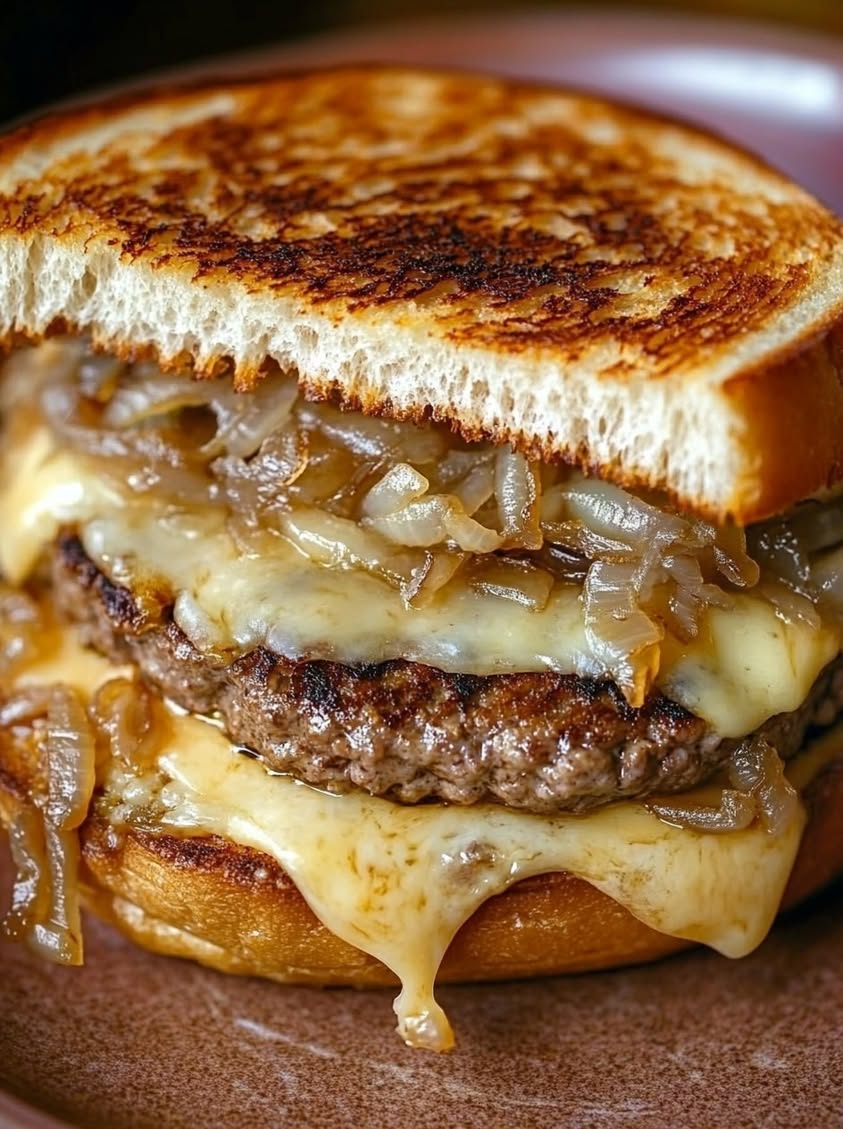
The Ultimate Golden-Brown Patty Melt Recipe: A Classic Diner Sandwich at Home
Imagine a sandwich that perfectly marries the juicy satisfaction of a burger with the crispy, buttery comfort of a grilled cheese. This golden-brown patty melt recipe delivers exactly that experience. It is a masterclass in balancing rich flavors and contrasting textures. Moreover, it transforms simple ingredients into a truly memorable meal. The secret lies in the slow-cooked caramelized onions and the perfectly seared beef patty. Ultimately, this sandwich offers a nostalgic taste of classic American diner fare right from your own kitchen.
Creating the perfect patty melt requires attention to a few key techniques. For instance, patience is essential when caramelizing the onions to develop their deep, sweet flavor. Meanwhile, selecting the right bread and cheese makes a significant difference. This recipe uses rye bread for its distinctive tang and sturdy structure. Additionally, sharp cheddar cheese provides a bold, melty counterpart to the savory beef. The result is a handheld masterpiece that is both rustic and incredibly satisfying. Every bite offers a symphony of savory, sweet, and tangy notes.
This golden-brown patty melt is more than just a sandwich; it is a comforting culinary project. The process is surprisingly therapeutic and the reward is immense. Furthermore, it is a versatile dish perfect for a hearty lunch or a casual dinner. You can easily customize it with different cheeses or breads. However, the classic combination outlined here is truly unbeatable. The aroma of onions cooking in butter and beef sizzling on the griddle will fill your home with an irresistible scent. Consequently, this recipe is sure to become a regular in your cooking rotation.
Quick Recipe Highlights
- Flavor Profile: This patty melt boasts a complex flavor profile. Savory, well-seasoned beef contrasts beautifully with sweet, deeply caramelized onions. Meanwhile, the sharp, melted cheddar cheese adds a rich, tangy punch that ties everything together.
- Texture: The texture experience is exceptional. You get a crispy, buttery exterior from the griddled rye bread. Inside, the juicy beef patty and the soft, gooey melted cheese create a wonderfully satisfying mouthfeel against the tender onions.
- Aroma: Cooking this sandwich fills your kitchen with an incredible aroma. First, the sweet, nutty scent of onions caramelizing in butter wafts through the air. Then, the savory smell of searing beef takes over, followed by the toasty notes of griddled bread.
- Visual Appeal: A perfectly executed patty melt is a feast for the eyes. The bread should be a uniform, appetizing golden-brown. When cut open, the cross-section reveals layers of pinkish beef, white melted cheese, and strands of golden-brown onions.
- Skill Level Needed: This recipe is accessible to intermediate home cooks. It requires multitasking between caramelizing onions and cooking patties. However, clear instructions make the process manageable and rewarding for anyone comfortable with basic stovetop cooking.
- Special Equipment: You need only a few basic tools. A heavy skillet or cast-iron pan is ideal for even heat distribution. Additionally, a sturdy spatula is necessary for flipping the sandwich. Finally, a sharp knife helps with slicing onions and cutting the finished sandwich.
Recipe Overview
- Difficulty Level: We rate this patty melt recipe as medium difficulty. The challenge comes from coordinating multiple components simultaneously. You must manage the onions, form and cook the patties, and assemble and griddle the sandwiches with precise timing. However, each step is straightforward on its own.
- Category: This dish falls squarely into the comfort food category. It is a hearty sandwich perfect for a satisfying lunch or dinner. Furthermore, it fits well within pub-style or diner-style cooking. It is the ultimate choice for a indulgent, hands-on meal.
- Cuisine: The patty melt is a quintessential American dish with roots in mid-20th century diner culture. It represents a fusion of the hamburger and the grilled cheese sandwich. This recipe honors that tradition while providing tips for a flawless homemade version.
- Cost: This is a very cost-effective meal to prepare at home. Ground beef, onions, bread, and cheese are all affordable staples. Making two restaurant-quality sandwiches at home costs a fraction of dining out. Therefore, it is an excellent value for a delicious result.
- Season: This sandwich is truly a year-round favorite. It provides warmth and comfort during colder fall and winter months. Conversely, it also makes for a fantastic casual summer dinner when served with a light salad. Its versatility knows no seasonal bounds.
- Occasion: The golden-brown patty melt is perfect for casual weeknight dinners. It is also ideal for weekend lunches, game day gatherings, or late-night cravings. It is a crowd-pleaser that appeals to both adults and children with its familiar, beloved flavors.
Why You’ll Love This Recipe
You will adore this recipe for its incredible depth of flavor and satisfying texture. The process of slowly caramelizing onions unlocks a natural sweetness that perfectly balances the savory beef. Meanwhile, the griddled rye bread provides a crispy, buttery shell that holds the juicy contents. Each component complements the others flawlessly. Furthermore, the act of assembling and pressing the sandwich creates a cohesive, melty masterpiece. The first bite delivers an immediate rush of comfort and nostalgia that is simply unbeatable.
This golden-brown patty melt recipe offers remarkable convenience despite its gourmet result. The ingredients are simple and likely already in your kitchen or easy to find. Moreover, the entire cooking process happens in one or two pans, minimizing cleanup. You can prepare the caramelized onions in advance to speed up dinner time. Additionally, the recipe scales easily to feed a family or a hungry crowd. It transforms basic pantry staples into a special meal without requiring a trip to a specialty store.
From a nutritional perspective, this sandwich provides a good balance of macronutrients. The beef patty is an excellent source of protein and iron. Using lean ground beef can reduce the fat content without sacrificing flavor. Onions contribute fiber and beneficial antioxidants. Choosing whole-grain rye bread adds complex carbohydrates and more fiber. While indulgent, you can make smart ingredient choices to align the patty melt with your dietary goals. It is a fulfilling meal that keeps you satisfied for hours.
The social and entertaining value of this dish is high. It is a visually impressive sandwich that guests will rave about. Serving homemade patty melts at a casual gathering feels special and thoughtful. You can even set up a build-your-own station with different breads, cheeses, and toppings. This interactive element makes for a fun and engaging meal. The recipe reliably produces delicious results, giving you confidence when cooking for others. It is a guaranteed conversation starter and a memorable centerpiece for an informal get-together.
Finally, this recipe is incredibly cost-effective and accessible. As mentioned, the core ingredients are affordable. Making a patty melt at home is significantly cheaper than ordering one at a restaurant. You also have complete control over the quality of the beef, cheese, and bread you use. This allows for customization based on budget and preference. Whether you splurge on artisanal cheddar or use a great store-brand block, the result will be delicious. The golden-brown patty melt proves that incredible food does not require expensive or exotic ingredients.
Historical Background and Cultural Significance
The exact origin of the patty melt is somewhat debated, but it is firmly rooted in American diner culture of the 1950s. Many food historians credit the restaurant chain Tiny Naylor’s in Los Angeles with its invention. The concept was a clever fusion of two already-popular items: the hamburger and the grilled cheese sandwich. This innovation created a new, portable, and deeply satisfying meal. The patty melt quickly spread from coast to coast, becoming a staple on diner menus. It represented the post-war era’s love for hearty, simple, and ingenious comfort food.
Culturally, the patty melt symbolizes classic American ingenuity and casual dining. It sits at the intersection of several beloved food traditions. The sandwich does not use a traditional hamburger bun, setting it apart and giving it a distinct identity. Its preparation on a flat-top griddle is quintessential short-order cooking. For decades, it has been the preferred choice of truckers, shift workers, and families seeking a reliable, filling meal. The patty melt is a working-class hero of the culinary world, offering substantial comfort without pretense.
The recipe has evolved modestly since its inception, with variations appearing regionally. The classic version uses rye bread, Swiss cheese, and caramelized onions. However, many adaptations have emerged over time. Some cooks use sourdough or marble rye for the bread. Others substitute American cheese, cheddar, or even pepper jack. The core principle remains constant: a beef patty with cheese and onions, grilled between slices of bread. This flexibility has helped the patty melt endure as tastes and available ingredients have changed.
Today, the golden-brown patty melt enjoys a respected place in the modern culinary landscape. It is celebrated by chefs who elevate its components with high-quality, local ingredients. Meanwhile, it remains a beloved menu item at classic diners and family restaurants. The sandwich has also found a passionate audience in the home cooking community. Recipes and techniques are shared and perfected in kitchens across the country. The patty melt’s enduring popularity is a testament to its perfect formula. It is a timeless recipe that continues to deliver satisfaction.
Ingredient Deep Dive
Ground Beef (80/20 Blend): The choice of beef is critical for a juicy patty melt. An 80/20 blend (80% lean, 20% fat) provides the ideal balance. The fat renders during cooking, basting the patty from within and creating incredible flavor and moisture. Historically, butchers would grind tougher cuts for hamburger, making it an affordable protein. Nutritionally, it is a great source of protein, iron, zinc, and B vitamins. For selection, look for bright red meat with fine marbling. Store it in the coldest part of your fridge and use within 1-2 days of purchase. For a leaner option, you can use 90/10 beef, but be careful not to overcook it. Alternatively, ground turkey or a plant-based ground meat can be substituted.
Yellow Onions: Onions are one of humanity’s oldest cultivated crops, valued across countless cultures. For caramelizing, yellow onions are perfect due to their high sugar content and balanced flavor. Slowly cooking them breaks down their fibers and converts their sugars, creating a sweet, jammy, deeply flavorful condiment. They offer nutritional benefits like quercetin, an antioxidant, and prebiotic fibers that support gut health. Choose firm onions with dry, papery skins and no soft spots. Store them in a cool, dark, well-ventilated place. While yellow onions are best, you can use sweet onions like Vidalia for a milder result or red onions for a slightly sharper, colorful twist.
Rye Bread: Rye bread brings a distinctive, slightly tangy flavor that cuts through the richness of the beef and cheese. Its sturdy structure holds up to the juicy patty and griddling process without becoming soggy. Rye has been a staple grain in Northern and Eastern Europe for centuries. It often contains more fiber and nutrients than white wheat bread. Look for a dense, sliced rye or marble rye from a good bakery. Avoid soft, fluffy sandwich bread as it will compress too much. Store it in a bread box or freeze slices for longer shelf life. For substitutions, sourdough or a sturdy whole wheat bread are excellent alternatives.
Sharp Cheddar Cheese: Cheddar cheese originated in the English village of Cheddar in the 12th century. Sharp cheddar has been aged longer, developing a robust, tangy flavor that stands up to the other strong elements in the sandwich. When melted, it becomes wonderfully creamy without becoming greasy. It provides calcium, protein, and fat-soluble vitamins. Select a block of cheese and grate it yourself for the best melt; pre-shredded cheese contains anti-caking agents that can make it grainy. Store cheddar wrapped in parchment paper in the refrigerator. For variations, classic Swiss cheese is traditional, while Monterey Jack offers a milder, creamier melt.
Butter: Butter is essential for achieving the signature golden-brown crust on the bread. It also contributes to the rich flavor profile of the entire sandwich. Butter has been a cherished cooking fat across many cultures for millennia. Used in moderation, it adds valuable fat-soluble vitamins and rich flavor. For best results, use unsalted butter so you can control the seasoning. Allow it to soften at room temperature for easy spreading. Store butter in the refrigerator or freezer. As a substitute, mayonnaise can be spread on the outside of the bread for a similarly crispy, golden result with a slightly different flavor.
Common Mistakes to Avoid
- Rushing the Onions: Do not try to caramelize onions quickly over high heat. This will burn them before they sweeten. Proper caramelization requires low, slow cooking for at least 20-25 minutes. Patience here is the key to developing the deep, sweet flavor that defines a great patty melt.
- Using Pre-Shredded Cheese: Avoid pre-shredded bagged cheese. It is coated with powders to prevent clumping, which hinder melting and can create a grainy texture. Always buy a block of cheese and grate it fresh for the creamiest, smoothest melt in your sandwich.
- Overworking the Beef: When forming the patties, handle the ground beef as little as possible. Over-mixing and compacting the meat will result in a tough, dense patty. Gently shape it just enough to hold together, and make a slight dimple in the center to prevent puffing.
- Choosing the Wrong Bread: Soft, fluffy white sandwich bread will collapse under the weight and moisture of the patty and onions. It also will not provide the necessary structural integrity. Always opt for a sturdy bread like rye, sourdough, or a dense whole wheat.
- Overcrowding the Pan: Do not try to cook both patties and caramelize onions in one small skillet simultaneously. Overcrowding steams the food instead of searing it. Use separate pans or cook in batches to ensure everything gets proper, direct heat for browning.
- Skipping the Press: Failing to press the assembled sandwich lightly while it griddles is a missed opportunity. Gentle pressure ensures even contact between the bread and the pan for uniform browning. It also helps meld the layers of beef, cheese, and onions together into one cohesive unit.
- Cooking the Patty to Well-Done: Because the patty is thin and will continue to cook slightly when assembled, aim for medium doneness when cooking it solo. Overcooking to well-done will yield a dry, chewy patty inside the sandwich. A little pink in the center is perfect.
- Not Seasoning Adequately: Season the beef patty generously with salt and pepper. The seasoning needs to penetrate the meat. Do not be shy; a bland patty will make the whole sandwich taste flat. Season the onions lightly as they cook as well.
Essential Techniques
Caramelizing Onions: This technique transforms raw, pungent onions into a sweet, soft, deeply flavorful garnish. It is important because it adds a crucial layer of complexity to the patty melt. To master it, slice onions uniformly and cook them in butter or oil over medium-low heat. Stir occasionally, but let them sit long enough to develop brown bits on the bottom of the pan. The process cannot be rushed; expect it to take 25-30 minutes. A common pitfall is turning the heat up too high, which leads to burning. Visual cues for success are a deep golden-brown color and a jam-like, reduced consistency.
Forming a Thin Patty: Creating a thin, even patty is essential for even cooking and proper sandwich proportions. It is important because a thick patty will not heat through properly when griddled inside the sandwich. To master it, divide the beef gently and flatten it between your palms to about 1/4-inch thick. Make the patty slightly larger than your bread slice, as it will shrink. A common pitfall is making the edges too thick. Create a slight dimple in the center of the patty with your thumb; this prevents it from puffing into a ball as it cooks. The visual cue is a uniform, thin disc ready for the pan.
Griddling the Sandwich: This technique creates the signature crispy, golden-brown exterior while melting the cheese and warming the interior. It is the final, crucial step that brings the patty melt together. To master it, butter the outside of the bread slices generously. Cook over medium heat in a preheated skillet. Use a spatula to press down gently. The common pitfall is heat that is too high, burning the bread before the inside warms. Flip carefully when the first side is deeply golden. Visual cues are a uniformly toasted, crisp crust and cheese visibly melting out the sides when pressed.
Pro Tips for Perfect Golden-Brown Patty Melt
First, caramelize a large batch of onions ahead of time. They keep well in the fridge for up to 5 days, making weeknight patty melts a quick assembly job.
Second, let your grated cheese come to room temperature for a few minutes before assembling. Surprisingly, room-temperature cheese melts faster and more evenly than cold cheese straight from the fridge.
Third, use a cast-iron skillet or a heavy-bottomed pan. These provide consistent, even heat which is essential for achieving that uniform golden-brown crust without hot spots.
Fourth, season the beef patty from both sides just before it hits the pan. This ensures a flavorful crust forms on the meat, enhancing the overall taste of the sandwich.
Fifth, assemble the sandwich with care. Place the cheese directly against the warm patty so it starts melting immediately upon contact, helping to glue the layers together.
Sixth, if your bread is very fresh, consider toasting it lightly in a dry pan before buttering and assembling. This creates a stronger barrier against sogginess from the juicy patty and onions.
Seventh, resist the urge to constantly flip the sandwich. Let it cook undisturbed for 3-4 minutes per side to develop a proper crust. Peek to check the color, but do not move it around.
Eighth, let the cooked patty melt rest for a minute on a cutting board before slicing. This allows the cheese to set slightly, preventing a messy, molten cheese spill when you cut into it.
Variations and Adaptations
Regional Variations: Across the United States, you will find delightful twists on the classic patty melt. In some Southern diners, they use pimento cheese instead of plain cheddar for a tangy, creamy kick. On the West Coast, adding sliced avocado or a smear of garlic aioli is popular. In Texas, you might find a version with pepper jack cheese and pickled jalapeños for some heat. The classic New York diner style often sticks strictly to rye, Swiss, and onions. Exploring these regional takes can be a fun way to experience the versatility of this beloved sandwich.
Seasonal Adaptations: While the core recipe is timeless, you can incorporate seasonal produce. In summer, add a slice of ripe tomato or a few leaves of fresh basil after griddling. During fall, consider adding a thin layer of apple butter or a few crispy fried sage leaves. For a winter twist, mix a teaspoon of Worcestershire sauce into the caramelized onions for extra depth. Spring might inspire a lighter version with arugula and a shaving of fresh horseradish. These small additions keep the patty melt feeling fresh and connected to the time of year.
Dietary Modifications: This recipe is highly adaptable for various dietary needs. For a gluten-free patty melt, use your favorite gluten-free bread, ensuring it is a sturdy variety. To make it dairy-free, use vegan butter and a high-quality melty vegan cheddar-style cheese. For a lower-carb or keto version, omit the bread and serve the patty topped with cheese and onions over a bed of lettuce, or use keto-friendly bread. A vegetarian patty melt can be made using a substantial plant-based burger patty. The basic framework remains flexible for almost any dietary preference.
Flavor Variations: Do not be afraid to experiment with different flavor profiles. Add a tablespoon of bourbon or beer to the onions during the last few minutes of caramelizing for an adult twist. Mix blue cheese crumbles into the beef patty for a bold, funky flavor. Incorporate a spoonful of grainy mustard or Russian dressing inside the sandwich before griddling. Rub the outside of the bread with a clove of garlic after cooking for a subtle aromatic punch. The patty melt is a fantastic canvas for your favorite savory flavors.
Serving and Presentation Guide
Plating Techniques: Presentation matters, even for a rustic sandwich. For a classic diner look, serve the whole patty melt on a rectangular plate or in a basket lined with parchment paper. Alternatively, slice it in half diagonally to showcase the beautiful layers of beef, melted cheese, and onions. Arrange the halves with the cut sides facing up. For a more modern presentation, slice the sandwich into three or four “fingers” and stand them up on the plate. Always use a sharp serrated knife for a clean cut that does not squish the interior.
Garnishing Ideas: A simple garnish elevates the visual appeal. A sprig of fresh parsley or dill adds a touch of color and freshness. Alternatively, a small pile of extra caramelized onions on the side of the plate looks appetizing and hints at the interior. A light dusting of flaky sea salt over the crispy bread just before serving enhances both look and taste. For a bit of brightness, a small wedge of pickle or a few cornichons on the side provide a classic, complementary garnish.
Traditional Accompaniments: The patty melt is traditionally served with classic diner sides. A heap of crispy French fries or onion rings is the most iconic pairing. A simple side salad with a tangy vinaigrette helps cut through the richness. For a lighter option, coleslaw or potato salad are excellent choices. A bowl of tomato soup for dipping transforms the meal into the ultimate comfort food experience. These sides complete the nostalgic, satisfying diner meal at home.
Wine and Beverage Pairing
Wine Pairings: The rich, savory flavors of a patty melt pair beautifully with medium-bodied red wines. A Zinfandel with its jammy fruit notes can stand up to the sweetness of the onions and the savory beef. A Malbec offers dark fruit flavors and soft tannins that complement the char and fat. For a less traditional but fantastic pairing, try a dry Riesling; its acidity cuts through the richness and its slight sweetness echoes the caramelized onions. Serve red wines slightly below room temperature, around 60-65°F, for optimal enjoyment.
Non-Alcoholic Alternatives: Many non-alcoholic beverages make excellent partners. A classic chocolate malt or vanilla shake provides a sweet, creamy contrast that is pure nostalgia. For something fizzy, a ginger beer or craft root beer has the spice and sweetness to match the sandwich’s intensity. Iced tea, either sweetened or unsweetened with a lemon wedge, is a refreshing and classic choice. Even a simple glass of cold whole milk can be a surprisingly perfect pairing, soothing the palate between rich bites.
Coffee and Tea Pairings: A patty melt makes for a hearty brunch or lunch, perfect with a hot beverage. A medium-roast coffee with low acidity complements the sandwich without overpowering it. A black tea like English Breakfast or Assam has the robustness to stand up to the strong flavors. For an iced option, cold brew coffee or unsweetened iced tea are refreshing contrasts. The key is to choose beverages with enough body and character to not be overshadowed by the bold, savory notes of the golden-brown patty melt.
Storage and Shelf Life
Storage Methods: It is best to consume patty melts immediately after cooking for optimal texture. However, if you have leftovers, let the sandwich cool completely to room temperature. Then, wrap it tightly in aluminum foil or place it in an airtight container. Store it in the refrigerator for up to 2 days. Do not store it at room temperature, as the combination of meat, dairy, and moisture can lead to rapid bacterial growth. For longer storage, freezing is an option, though it will affect the bread’s texture.
Reheating Instructions: Reheating requires care to restore crispness. The best method is to use a skillet or toaster oven. Unwrap the sandwich and reheat it in a dry skillet over medium-low heat, flipping occasionally, until warmed through and the bread is re-crisped. A toaster oven at 350°F for 8-10 minutes works well. Avoid the microwave, as it will make the bread soggy and the cheese greasy. If using a microwave as a last resort, wrap the sandwich in a paper towel and heat for 30-second intervals, but expect compromised texture.
Freezing Guidelines: To freeze, wrap the completely cooled sandwich tightly in plastic wrap, then in aluminum foil. Label it with the date and freeze for up to 1 month. Thaw overnight in the refrigerator before reheating. Note that the texture of the bread will suffer slightly, becoming more chewy. The onions may also release more moisture upon reheating. For best results, consider freezing just the cooked beef patties and caramelized onions separately, then assembling with fresh bread and cheese when ready to eat.
Make Ahead Strategies
Prep Timeline: You can prepare several components ahead of time to streamline the cooking process. Caramelized onions can be made up to 5 days in advance and stored in the refrigerator. Beef patties can be formed, placed on parchment paper on a baking sheet, covered, and refrigerated for up to 24 hours before cooking. You can also grate the cheese a day ahead and store it in a container in the fridge. This advance prep turns active cooking time into a simple 15-minute assembly and griddling process, perfect for busy weeknights.
Storage Between Steps: Store each prepped component properly to maintain quality. Keep caramelized onions in an airtight container in the fridge. Formed raw patties should be kept on a tray in the fridge, covered with plastic wrap, to prevent drying out. Grated cheese should also be in an airtight container. When ready to cook, let the onions and cheese sit at room temperature for 10-15 minutes to take the chill off. This helps the cheese melt faster and allows the onions to reheat more evenly in the pan.
Assembly Tips: For a true make-ahead meal, you can assemble the sandwiches completely (without buttering the outside) and wrap them tightly. Refrigerate for up to 4 hours before cooking. When ready, simply butter the outsides and griddle as directed. You may need to add a minute or two to the cooking time since everything starts cold. This is an excellent strategy for preparing lunch for a group; you can have several sandwiches ready to go on the griddle in succession.
Scaling Instructions
Halving the Recipe: Halving this patty melt recipe is straightforward. Use half a pound of ground beef to form two smaller patties or one regular patty for a single sandwich. Use one medium onion for caramelizing. Reduce all other ingredients proportionally. The cooking times will remain roughly the same, as the patty thickness and onion volume do not change dramatically. This is perfect for a solo dinner or cooking for two without leftovers.
Doubling or Tripling: Scaling up for a crowd is easy. Simply multiply all ingredients by your desired factor. The main adjustment is equipment: you will need a large skillet or multiple skillets to caramelize the increased volume of onions in batches. Cook the beef patties in batches as well to avoid steaming. You can keep cooked patties warm on a baking sheet in a low oven (200°F) while you finish the others. Assemble and griddle the sandwiches in batches, keeping finished ones warm in the oven until all are ready to serve.
Timing Modifications: When scaling, the caramelization time for onions will increase slightly with larger batches, as crowding the pan slows the process. Cook them in multiple batches for the best result. Patty cooking time remains consistent per batch. Griddling time per sandwich remains the same. The key to successful scaling is organization: have all your mise en place ready, and use your oven as a holding station to keep components warm without overcooking.
Nutritional Deep Dive
Macro Breakdown: A typical patty melt made with this recipe provides a balance of macronutrients. It is a good source of protein from the beef and cheese, essential for muscle repair and satiety. The carbohydrates come primarily from the rye bread and onions, providing energy. Fats from the beef, cheese, and butter contribute to flavor, texture, and help absorb fat-soluble vitamins. The exact numbers vary based on your specific ingredient choices, such as lean beef or full-fat cheese. Overall, it is a calorie-dense meal best enjoyed as a main course.
Micronutrient Analysis: This sandwich offers several important micronutrients. Beef is rich in heme iron, which is easily absorbed, and zinc, crucial for immune function. Cheddar cheese provides calcium for bone health and vitamin B12. Onions contain vitamin C, folate, and the antioxidant quercetin. Rye bread contributes B vitamins and minerals like magnesium and selenium. Using whole-grain rye increases the fiber content significantly. While not a “health food,” the patty melt delivers substantial nutritional value alongside its indulgent profile.
Dietary Considerations: For those monitoring sodium, be mindful of the salt added to the patty and the natural sodium in cheese and bread. You can use low-sodium cheese and reduce added salt. For heart health, choose lean ground beef (90/10 or 93/7) and use butter sparingly. The sandwich is naturally low in sugar, with the only sugars coming from the naturally caramelized onions. To increase fiber, select a whole-grain rye bread. Portion control is key; one sandwich is a satisfying meal for most adults.
Dietary Adaptations
Gluten-Free: To make a gluten-free patty melt, the only critical substitution is the bread. Choose a sturdy, high-quality gluten-free bread that holds up to griddling. Many brands now offer gluten-free rye-style or sourdough-style loaves. Ensure your Worcestershire sauce (if using) is gluten-free, as some brands contain malt vinegar derived from barley. All other ingredients—beef, cheese, onions, butter—are naturally gluten-free. The cooking process remains identical.
Dairy-Free: Creating a dairy-free version is simple with modern substitutes. Use a plant-based butter alternative for cooking the onions and buttering the bread. Select a vegan cheddar-style cheese that melts well; brands vary, so you may need to experiment. All other components remain the same. The caramelized onions will still develop their signature sweetness, and the beef patty provides the savory base. The result is a satisfying sandwich that caters to a dairy-free lifestyle.
Low-Carb/Keto: For a keto-friendly patty melt, omit the bread entirely. Cook the beef patty as directed. Top it with the caramelized onions and a slice of cheese, then cover the pan for a minute to melt the cheese. Serve it as a “knife and fork” patty melt, optionally on a bed of lettuce. Ensure your onions are cooked without added sugar, and be mindful of the onion quantity, as they do contain carbs. This adaptation delivers all the flavor without the carbohydrates from the bread.
Troubleshooting Guide
Texture Issues (Soggy Bread): If your bread turns out soggy, the likely culprit is excess moisture. First, ensure your caramelized onions are cooked until very thick and jam-like; too much liquid will seep into the bread. Second, pat your cooked beef patty dry with a paper towel before assembling to remove excess grease. Third, make sure your skillet is hot enough before adding the buttered sandwich; a hot pan sears the bread quickly, creating a barrier. Using sturdier bread and a light pre-toast can also prevent sogginess.
Flavor Balance (Bland Sandwich): A bland patty melt usually suffers from underseasoning. Remember to season the beef patty generously with salt and pepper on both sides just before cooking. Season the onions with a pinch of salt as they caramelize to enhance their sweetness. Do not forget that the cheese and bread also contribute salt. If the sandwich still tastes flat, consider adding a condiment inside, such as a thin spread of Dijon mustard or a dash of Worcestershire sauce mixed into the beef.
Cheese Not Melting Properly: If your cheese remains unmelted or separates, check a few factors. Always grate your cheese from a block; pre-shredded cheese contains anti-caking agents that impede melting. Ensure the cheese is placed directly against the hot beef patty when assembling. Covering the skillet with a lid for the last minute of cooking can trap steam and help melt the cheese from the top down. Using a cheese that is known for good melting properties, like cheddar, Monterey Jack, or Swiss, is also key.
Recipe Success Stories
Our community of home cooks has embraced this golden-brown patty melt recipe with fantastic results. Many readers report that it has become a weekly staple in their households, often requested by family members. One home cook shared that mastering the caramelized onions was a game-changer, and she now makes a big batch to use on burgers, hot dogs, and even scrambled eggs throughout the week. Another reader{“success”:true,”message”:”Recipe created successfully”,”post_id”:8414,”tasty_recipe_id”:8414,”shortcode”:” Print
Golden-Brown Patty Melt with Melted Cheddar and Caramelized Onions
Description
A classic diner-style sandwich featuring a juicy beef patty, sharp cheddar, and sweet caramelized onions, grilled between slices of rye bread until golden and crispy.
Ingredients
For the Crust:
- 1 lb ground beef (80/20 blend)
- 1 large yellow onion, thinly sliced
- 2 tbsp butter, divided
- 1 tbsp olive oil
- 8 slices rye bread
- 8 slices sharp cheddar cheese
- Salt and black pepper to taste
- 1 tsp Worcestershire sauce (optional)
Instructions
1. Prepare the Crust:
- Heat olive oil and 1 tbsp butter in a skillet over medium-low heat. Add sliced onions and cook, stirring occasionally, for 20-25 minutes until deeply golden and caramelized. Set aside.
- Divide ground beef into 4 equal portions and shape into thin patties slightly larger than the bread slices. Season both sides with salt, pepper, and Worcestershire sauce if using.
- In a separate skillet or griddle over medium-high heat, cook patties for 3-4 minutes per side until browned and cooked through. Top each patty with 2 slices of cheddar during the last minute to melt.
- Butter one side of each slice of rye bread. Assemble sandwiches by placing a cheesy patty and a generous scoop of caramelized onions between two slices, buttered sides facing out.
- Grill sandwiches in a skillet over medium heat for 3-4 minutes per side, pressing gently, until bread is golden-brown and crispy. Slice and serve warm.
Notes
You can customize the seasonings to taste.

I’m Billy, a classically trained culinary school graduate from The Culinary Institute of America with over 12 years in the restaurant industry and over 19 years of cooking experience.