
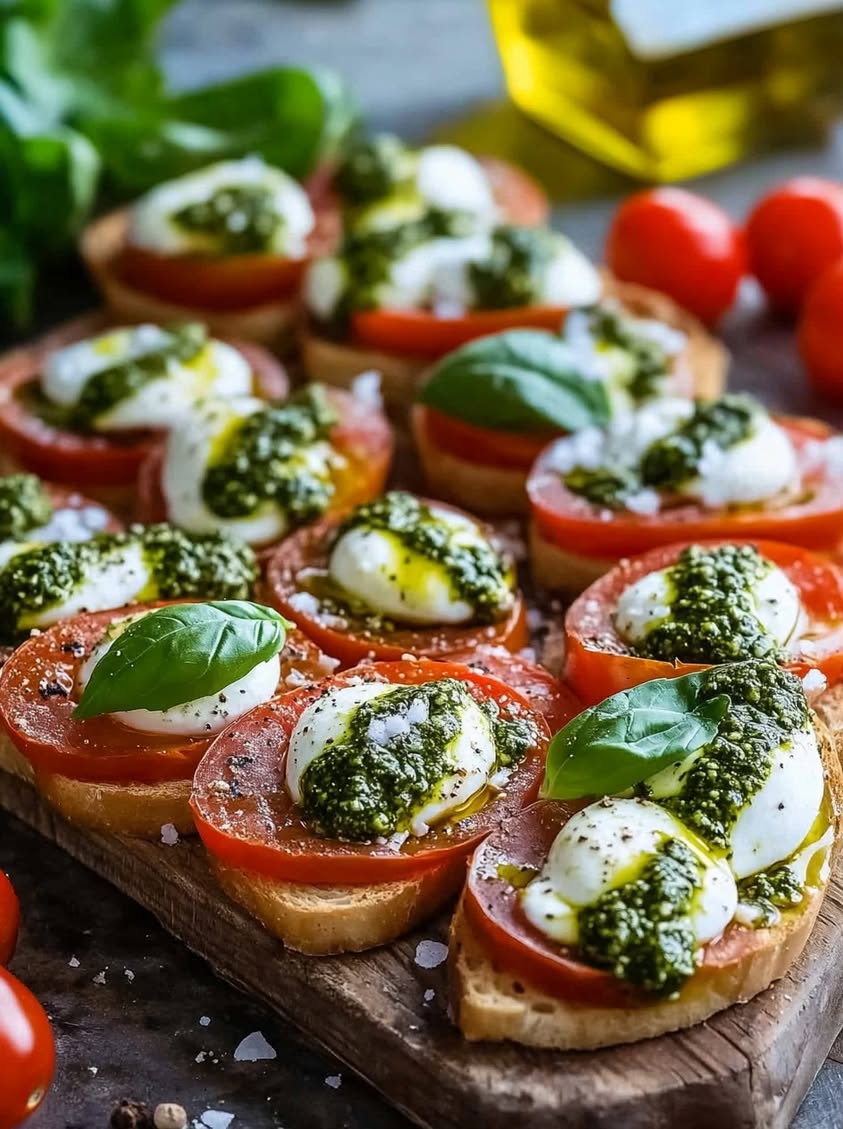
Rustic Italian Tartines with Basil Pesto, Fresh Mozzarella & Tomatoes: A Taste of Summer on Toast
Imagine the vibrant flavors of an Italian summer, all piled high on a slice of perfectly toasted bread. That is the simple magic of these Rustic Italian Tartines with Basil Pesto, Fresh Mozzarella, and Tomatoes. This recipe transforms humble ingredients into an elegant, shareable appetizer or light meal that bursts with freshness. Moreover, it celebrates the beauty of quality components working in harmony. Consequently, each bite delivers a symphony of textures and tastes that feels both luxurious and comforting.
The beauty of these Rustic Italian Tartines lies in their effortless assembly. For instance, you can have a stunning platter ready in under thirty minutes. This makes them an ideal solution for impromptu gatherings or a quick yet satisfying lunch. Additionally, the combination of creamy mozzarella, juicy tomatoes, and aromatic basil pesto is a timeless classic for a reason. Ultimately, this dish is a testament to the Italian philosophy of “cucina povera,” where a few excellent ingredients create something extraordinary.
Furthermore, these tartines are incredibly versatile. You can serve them as a starter for a dinner party, a centerpiece for a brunch spread, or a simple weeknight supper. The colors alone—emerald green pesto, milky white cheese, and ruby red tomatoes—are a feast for the eyes. Therefore, they are as much about presentation as they are about flavor. In short, mastering these Rustic Italian Tartines with Pesto, Mozzarella, and Fresh Tomatoes means you always have a crowd-pleaser in your culinary repertoire.
Quick Recipe Highlights
- Flavor Profile: These Rustic Italian Tartines offer a bright, herbaceous punch from the basil pesto, balanced by the mild, creamy richness of fresh mozzarella. Simultaneously, the ripe tomatoes add a crucial touch of sweet acidity, while a final drizzle of balsamic glaze introduces a complex, tangy sweetness that ties everything together.
- Texture: You experience a delightful contrast beginning with the crunchy, chewy base of toasted artisan bread. Next, the soft, yielding fresh mozzarella and juicy tomato slices provide a creamy, succulent middle layer. Finally, the pesto adds a coarse, nutty texture that completes the sensory journey.
- Aroma: The moment you prepare these tartines, the kitchen fills with the unmistakable scent of toasted bread and garlic. Subsequently, the fresh basil from the pesto releases its sweet, peppery fragrance, which mingles beautifully with the earthy aroma of extra virgin olive oil and the bright note of ripe tomatoes.
- Visual Appeal: These tartines are a masterpiece of color and composition. The vibrant green pesto acts as a stunning backdrop for the snowy-white mozzarella disks and the brilliant red tomato slices. A final garnish of whole basil leaves and a dark swirl of balsamic glaze creates a restaurant-worthy presentation that is incredibly photogenic.
- Skill Level Needed: This recipe is perfect for beginners, as it requires no advanced cooking techniques. Basically, you only need to toast bread, slice ingredients, and assemble. Consequently, it’s an excellent introduction to building flavors and presenting food beautifully without stress.
- Special Equipment: You need almost no special tools. A good bread knife for slicing, a baking sheet for toasting, and a small bowl for mixing are sufficient. However, a mortar and pestle or food processor will make preparing homemade pesto quicker and more authentic.
Recipe Overview
- Difficulty Level: We rate these Rustic Italian Tartines as “Easy” because the process involves straightforward tasks like toasting and assembling. There is no complex knife work, precise baking, or tricky techniques. Therefore, cooks of any experience level can achieve perfect results on the first try, making it a very forgiving recipe.
- Category: This dish fits beautifully into multiple categories. Primarily, it serves as an outstanding appetizer or antipasto. Alternatively, it makes a fantastic light lunch or brunch item when paired with a simple salad. Furthermore, it can even be a quick vegetarian main course.
- Cuisine: These tartines are firmly rooted in Italian culinary tradition, specifically the regions of Liguria for the pesto and Campania for the mozzarella and tomatoes. The combination is a celebration of Mediterranean flavors, emphasizing fresh, high-quality produce, aromatic herbs, and excellent olive oil.
- Cost: Making these Rustic Italian Tartines is surprisingly economical, especially if you grow your own basil. The most significant cost is the fresh mozzarella and a good loaf of bread. Fortunately, tomatoes and basil are often inexpensive in season. Overall, you can create an impressive dish for a fraction of the cost of a restaurant equivalent.
- Season: This recipe shines brightest in late summer when tomatoes and basil are at their peak of flavor and abundance. However, you can enjoy it year-round using high-quality greenhouse tomatoes and store-bought pesto. Ultimately, it brings a taste of sunshine to any table, regardless of the season.
- Occasion: These tartines are perfect for casual outdoor picnics, elegant cocktail parties, or a simple al fresco dinner. They are easy to scale up for a crowd and equally satisfying for a meal for one. Their versatility makes them a reliable choice for almost any event.
Why You’ll Love This Recipe
First and foremost, the taste and texture of these Rustic Italian Tartines are utterly irresistible. Each component plays a specific role: the crunchy bread provides substance, the pesto delivers a garlicky herb punch, the mozzarella offers creamy relief, and the tomato adds juicy sweetness. Consequently, every bite is a perfectly balanced experience. The final drizzle of balsamic glaze adds a tangy depth that elevates the entire assembly from simple to sublime. You will find yourself making these again and again because they satisfy cravings for something fresh, flavorful, and comforting all at once.
Additionally, the convenience factor is a major win. From start to finish, you can have a beautiful platter ready in about twenty-five minutes. This makes these Rustic Italian Tartines with Pesto, Mozzarella, and Fresh Tomatoes a lifesaver for busy weeknights or unexpected guests. Moreover, the recipe requires minimal cleanup, as you primarily use just a knife, a cutting board, and a baking sheet. Therefore, you spend less time in the kitchen and more time enjoying your meal with friends and family.
From a nutritional standpoint, these tartines offer several benefits. Basil is rich in antioxidants and vitamins K and A. Tomatoes provide lycopene, a powerful antioxidant. Meanwhile, olive oil in the pesto offers heart-healthy monounsaturated fats. While the bread provides carbohydrates for energy, you can easily choose a whole-grain or seeded loaf for added fiber. Ultimately, it’s a meal that feels indulgent but is built on wholesome, recognizable ingredients.
For entertaining, these tartines are a social superstar. They are meant to be shared, encouraging conversation as people help themselves from a central platter. You can easily double or triple the recipe to feed a crowd without any additional complexity. Their visual appeal instantly elevates the mood of any gathering. Furthermore, they pair wonderfully with a variety of drinks, from crisp white wine to sparkling water, making them a versatile anchor for your menu.
Finally, the cost-effectiveness and accessibility of the ingredients make this recipe a staple. You do not need rare or expensive items. A trip to any well-stocked grocery store will provide everything you need. By making your own pesto, you can control the quality and cost even further. In essence, these Rustic Italian Tartines deliver maximum flavor and style with a minimal investment of time and money.
Historical Background and Cultural Significance
The story of these Rustic Italian Tartines begins with its individual components, each with a deep history. The concept of “tartine” itself is French, referring simply to an open-faced sandwich. However, the Italian spirit of this recipe comes from the iconic Caprese salad, born on the island of Capri. The colors of the Caprese—red, white, and green—mimic the Italian flag, making it a dish of national pride. Applying these flavors to toasted bread is a natural, modern evolution that makes the classic combination more substantial and portable.
Culturally, this dish embodies the Italian “cucina povera” or “poor kitchen” philosophy. This tradition focuses on transforming simple, readily available ingredients into extraordinary meals. Fresh basil grows abundantly in the Mediterranean climate, tomatoes are a summer staple, and bread is a daily necessity. Combining them with a little cheese creates a meal that is greater than the sum of its parts. Therefore, these tartines are not just food; they are a representation of resourcefulness and respect for ingredients.
The evolution of the recipe is also a tale of globalization and adaptation. While pesto Genovese from Liguria is traditionally served with pasta or minestrone, its vibrant flavor profile made it a perfect spread for bread worldwide. Similarly, fresh mozzarella, once a regional specialty, is now available globally. Combining these elements on artisanal bread is a contemporary twist that respects tradition while embracing modern eating habits, where finger foods and shareable plates are immensely popular.
Regional variations of this concept abound throughout Italy. In the south, you might find bruschetta with tomatoes and basil, but without the mozzarella layer. In the north, a tartine might feature pesto and cheese but skip the tomato. Our version brings these regional stars together into one harmonious bite. This fusion celebrates the diversity of Italian cuisine while creating something universally appealing and delicious.
Ingredient Deep Dive
Artisan Bread: The foundation of any great tartine is the bread. A sturdy, country-style loaf with a robust crust and an airy, chewy crumb is ideal. Historically, bread was the staple of the Mediterranean diet, and using a day-old loaf was common practice to prevent waste. Nutritionally, opting for a whole-grain or sourdough variety adds fiber and beneficial probiotics. When selecting your bread, look for a loaf that feels substantial and has a crisp crust. Store it in a paper bag at room temperature and toast it just before assembling to ensure the perfect crunch that can support the toppings without becoming soggy.
Basil Pesto: Pesto Genovese hails from Liguria, where the unique climate produces basil with a particularly sweet and aromatic flavor. Traditionally, it is made with a mortar and pestle to gently release the oils without bruising the leaves. Nutritionally, basil is an excellent source of vitamin K and antioxidants, while the pine nuts and olive oil provide healthy fats. For the best flavor, choose bright green basil leaves with no black spots. You can store homemade pesto in the refrigerator with a layer of olive oil on top for up to a week, or freeze it for several months. A simple substitute for pine nuts is walnuts or even almonds.
Fresh Mozzarella: Authentic fresh mozzarella, or “mozzarella di bufala,” is made from the milk of water buffaloes in Campania. The fresh version used in these tartines is meant to be eaten soon after production and has a delicate, milky flavor and a soft, moist texture. It is a good source of protein and calcium. Look for mozzarella stored in water (often labeled “fior di latte” if made from cow’s milk) and avoid the low-moisture, block-style cheese meant for melting. Keep it submerged in its liquid in the refrigerator and consume within a couple of days of opening. For a dairy-free version, consider a high-quality vegan mozzarella-style cheese.
Vine-Ripened Tomatoes: The tomato’s journey from the Americas to Italy transformed its cuisine. The sweet, acidic burst of a ripe tomato is non-negotiable here. Tomatoes are rich in lycopene, vitamin C, and potassium. Always choose tomatoes that are heavy for their size, fragrant at the stem end, and yield slightly to gentle pressure. Never refrigerate tomatoes, as cold temperatures degrade their texture and flavor. Instead, store them stem-side down at room temperature. Off-season, cherry or grape tomatoes often have better flavor than large, out-of-season beefsteaks.
Extra Virgin Olive Oil & Balsamic Glaze: A high-quality extra virgin olive oil (EVOO) is the soul of the pesto and the final drizzle. It should taste fruity, peppery, and fresh. Balsamic glaze is a reduction of traditional balsamic vinegar, offering a syrupy sweetness and complex acidity. EVOO is packed with heart-healthy monounsaturated fats and antioxidants. Look for oil in a dark glass bottle and store it in a cool, dark place. Balsamic glaze can be stored at room temperature. For a substitute, you can reduce regular balsamic vinegar with a little honey over low heat until thickened.
Common Mistakes to Avoid
- Using Soggy Bread: Toasting the bread inadequately is the fastest route to a disappointing tartine. The bread must be crisp enough to act as a barrier against the moist toppings. Therefore, always toast your bread until it is golden and firm to the touch, and let it cool slightly before adding the pesto.
- Watery Mozzarella: Fresh mozzarella packed in water can make your tartines soggy if not properly drained. Always pat the cheese slices dry thoroughly with a paper towel before placing them on the bread. This simple step ensures the creamy texture without the excess moisture.
- Under-seasoned Tomatoes: Tomatoes benefit immensely from a pinch of salt. Salting them just before assembly draws out their natural juices and intensifies their flavor. Skipping this step means missing a layer of seasoning that brings the entire dish to life.
- Overpowering with Pesto: While pesto is flavorful, it should complement, not dominate. Spreading a thick, heavy layer can overwhelm the delicate mozzarella and tomato. Instead, use a moderate, even layer as a flavorful base, not a blanket.
- Assembling Too Early: These Rustic Italian Tartines are best assembled immediately before serving. If you let them sit, the bread will inevitably soften. Prepare all your components in advance, but only construct the tartines when you are ready to eat.
- Using Low-Quality Olive Oil: The flavor of your pesto and final drizzle hinges on the quality of your olive oil. A bland or rancid oil will negatively impact the entire dish. Invest in a good bottle of extra virgin olive oil for finishing; it makes a dramatic difference.
- Skipping the Balsamic Glaze: The balsamic glaze is not just a garnish; it adds a necessary sweet-and-tangy counterpoint that balances the richness of the cheese and oil. A plain balsamic vinegar will just pool and be too sharp, so the thickened glaze is key.
- Neglecting Garnish: A final sprinkle of flaky sea salt, a crack of black pepper, and a few whole basil leaves do more than just look pretty. They add bursts of flavor and texture that elevate the eating experience from good to exceptional.
Essential Techniques
Toasting Bread for Structure: Proper toasting is crucial for creating a stable base that won’t collapse under the weight of your toppings. The goal is to drive moisture out of the surface of the bread, creating a protective, crunchy barrier. To master this, brush the bread lightly with olive oil and toast in a preheated oven or on a grill pan until golden brown and crisp around the edges. A common pitfall is under-toasting, which leads to sogginess. Look for a deep golden color and listen for a hollow sound when you tap the crust.
Patting Dry Fresh Mozzarella: This technique prevents sogginess and ensures the cheese’s creamy texture is highlighted, not diluted. After slicing the mozzarella, lay the pieces on a double layer of paper towels and gently press another towel on top. Let them sit for a few minutes to absorb the excess whey. The importance lies in moisture control. The visual cue for success is cheese that looks moist and creamy but doesn’t release water when pressed.
Seasoning Tomatoes: Salting tomato slices is a simple but transformative technique. Salt draws out excess water through osmosis, which slightly concentrates the tomato’s flavor. It also seasons the flesh from within. Simply sprinkle a small amount of kosher or sea salt over the slices and let them rest for 5-10 minutes before assembling. The success cue is seeing a little bead of flavorful juice on the surface of the tomato, which you can optionally blot away.
Spreading Pesto Evenly: The technique here is to create a flavorful foundation without overloading the bread. Use the back of a spoon to spread a thin, even layer of pesto from edge to edge. This ensures every bite includes its herbaceous flavor. An uneven or too-thick layer can make some bites overly garlicky or oily while others are bland. The pesto should just coat the surface, not pile up.
Pro Tips for Perfect Rustic Italian Tartines
First, for the ultimate flavor, make your own basil pesto. Freshly made pesto has a vibrancy that jarred versions simply cannot match. You can control the garlic level and the quality of oil, resulting in a far superior base for your tartines.
Second, consider grilling your bread instead of toasting it. A grill pan or outdoor grill will impart subtle smoky notes and beautiful char marks, adding another dimension of rustic flavor that pairs wonderfully with the other ingredients.
Third, let all your components come to room temperature before assembly. Cold cheese and tomatoes straight from the fridge will mute their flavors. Allowing them to warm up slightly ensures the full spectrum of tastes shines through.
Fourth, use a serrated knife to slice your tomatoes. A smooth blade can crush the delicate flesh, while a serrated knife glides through the skin and flesh cleanly, preserving the tomato’s structure and preventing a messy slice.
Fifth, add a layer of flavor with a microplane. Before serving, use a microplane to grate a light dusting of lemon zest over the finished tartines. The bright citrus note will cut through the richness and elevate the fresh herbs in the pesto.
Sixth, experiment with different breads. While a classic ciabatta or sourdough is perfect, trying a seeded rye or a walnut bread can introduce exciting new flavor profiles and textures that make the recipe feel new again.
Seventh, for a party, set up a tartine bar. Prepare bowls of the various toppings—pesto, sliced mozzarella, tomatoes, prosciutto, arugula—and let guests build their own creations. This interactive serving style is fun and ensures everyone gets their perfect combination.
Eighth, finish with high-quality finishing salt. A pinch of flaky Maldon sea salt or Himalayan pink salt on top just before serving provides a delightful crunch and a burst of clean salinity that enhances every other ingredient.
Variations and Adaptations
Regional Variations: Travel through Italy via your tartines. For a Tuscan twist, replace pesto with a smear of chicken liver pâté or a white bean purée. A Sicilian version might include a topping of caponata (eggplant relish) and ricotta salata. In the Veneto, you could use a radicchio and gorgonzola combination. These adaptations showcase the incredible regional diversity of Italian antipasti traditions.
Seasonal Adaptations: Embrace the seasons. In autumn, top your pesto base with roasted squash, sage, and crumbled goat cheese. For winter, try a combination of sautéed mushrooms and taleggio. Spring invites toppings like fresh peas, mint, and pecorino. This approach keeps the concept of Rustic Italian Tartines fresh and exciting all year round.
Dietary Modifications: This recipe is wonderfully adaptable. For a vegan version, use dairy-free mozzarella and ensure your pesto is made without Parmesan (nutritional yeast is a great substitute). A gluten-free diet simply requires your favorite gluten-free artisan bread. For a keto or low-carb option, use a large, thick portobello mushroom cap as your base instead of bread.
Flavor Variations: Introduce new flavors with simple swaps. Add a layer of prosciutto or speck for a salty, savory punch. Include a few slices of ripe peach or nectarine in summer for a sweet contrast. A spoonful of tapenade (olive spread) under the cheese adds a briny depth. A drizzle of spicy honey can replace the balsamic for a sweet-heat combination.
Texture Modifications: Play with textures for interest. Add a handful of arugula or baby spinach on top of the pesto for a peppery crunch. Sprinkle with toasted pine nuts or chopped walnuts for added nuttiness. A sprinkle of coarse breadcrumbs toasted in olive oil and garlic (pangrattato) on top adds a fantastic final crunch.
Presentation Alternatives: Change the shape and size for different events. Use baguette slices for one-bite canapés. Cut the bread into large squares for a more modern, shareable platter. For individual servings, use a single, large slice of focaccia as the base. Skewer mini versions with a toothpick for easy passing at a cocktail party.
Serving and Presentation Guide
Plating Techniques: For a family-style presentation, arrange the assembled Rustic Italian Tartines slightly overlapping on a large, rustic wooden board or a simple white platter. This creates an abundant, inviting look. For individual plates, place one or two tartines slightly off-center, perhaps with a small mound of dressed greens on the side. The key is to make the food look generous and artful without being overly fussy.
Garnishing Ideas: Garnish is the final touch of flavor and color. Beyond whole basil leaves, consider tiny basil sprouts (microgreens), edible flowers like nasturtiums, or a sprinkle of red pepper flakes for color and heat. A few curls of Parmesan cheese made with a vegetable peeler adds a salty, umami-rich accent. Always add garnishes just before serving to keep them fresh and vibrant.
Traditional Accompaniments: In Italy, these would be part of a larger antipasti spread. Traditional accompaniments include marinated olives, slices of cured meats like prosciutto and salami, roasted peppers, and artichoke hearts. A simple green salad with a lemon vinaigrette on the side helps cleanse the palate between rich bites.
Modern Serving Suggestions: For a contemporary twist, serve these tartines as part of a “build-your-own” brunch board alongside bowls of other toppings like avocado slices, smoked salmon, different cheeses, and various spreads. Pair them with a chilled soup, like gazpacho in summer, for a complete light meal. They also make an excellent side to a main course of grilled chicken or fish.
Temperature Considerations: These tartines are best served at room temperature. The cheese should be cool but not cold, and the bread should be crisp from recent toasting. Avoid serving them straight from a hot oven or a cold refrigerator. Allowing them to sit for just 2-3 minutes after assembly lets the flavors meld slightly while preserving the ideal textures.
Portion Control Tips: As an appetizer, plan for 1-2 tartines per person, depending on their size. For a light lunch or main course, 2-3 tartines paired with a salad is sufficient. If serving as part of a large buffet with other items, one tartine per person is a good rule of thumb. You can always make more if they disappear quickly!
Wine and Beverage Pairing
Wine Pairings: The bright acidity and herbal notes of these Rustic Italian Tartines call for equally vibrant wines. A crisp, dry Italian white like Vermentino or Pinot Grigio from the Alto Adige region is a classic match. Their citrus and mineral notes complement the pesto and cut through the richness of the cheese. For a red option, choose a light-bodied, low-tannin wine like a Bardolino or a young Chianti. These won’t overwhelm the delicate flavors and will pair nicely with the tomatoes.
Non-Alcoholic Alternatives: Sparkling water with a twist of lemon or a few muddled basil leaves is a refreshing and elegant choice. For something more complex, try a basil-infused lemonade or a tart cherry spritzer. Iced herbal teas, like mint or verbena, also work beautifully, as their clean flavors won’t compete with the food.
Coffee/Tea Pairings: While not a traditional pairing for this dish, if serving these tartines for a brunch or lunch, a light roast coffee with bright acidity can be a nice follow-up beverage. Alternatively, a cup of herbal tea like chamomile or lemon ginger after the meal aids digestion and provides a soothing finish.
Temperature Considerations: White wines and sparkling beverages should be served well-chilled, between 45-50°F (7-10°C). Light reds should be served slightly cooler than room temperature, around 55-60°F (13-16°C). Non-alcoholic spritzers and infused waters are best served very cold with plenty of ice to maintain their refreshing quality alongside the food.
Serving Suggestions: Offer a variety of beverages to cater to different preferences. Place bottles of chilled white wine and sparkling water in ice buckets for self-service. For non-alcoholic options, consider a large dispenser of infused water garnished with citrus and herbs. This encourages guests to stay hydrated and enjoy the full flavor experience.
Storage and Shelf Life
Storage Methods: These Rustic Italian Tartines are best enjoyed immediately. However, you can store the individual components separately for quick assembly later. Store toasted bread in an airtight container or paper bag at room temperature for 1-2 days. Keep pesto in a sealed jar in the fridge with a thin layer of oil on top. Mozzarella should stay in its water in the fridge, and tomatoes should remain at room temperature.
Temperature Requirements: Never store assembled tartines. The moisture from the toppings will quickly soften the bread, creating a soggy, unappetizing texture. Components have different ideal storage temps: bread (room temp), cheese (fridge, 34-38°F), pesto (fridge), tomatoes (room temp). Combining them in the fridge accelerates spoilage and ruins texture.
Container Recommendations: Use separate, appropriate containers for each component. A bread box or paper bag for bread. An airtight glass jar for pesto. The original mozzarella tub or a container filled with fresh water for the cheese. Never store sliced tomatoes; always slice them fresh.
Signs of Spoilage: Discard pesto if it develops a dark brown color on top (beyond a slight darkening) or an off smell. Mold on bread or cheese is an obvious sign. Mozzarella that feels slimy or smells sour should be thrown out. Wrinkled, leaking, or moldy tomatoes are no longer good.
Reheating Instructions: Reheating is not recommended for assembled tartines. If you have leftover toasted bread that has softened, you can re-crisp it in a toaster oven or regular oven at 350°F for a few minutes. Do not attempt to reheat tartines with cheese and pesto, as the cheese will melt messily and the pesto may separate.
Freezing Guidelines: You can freeze homemade pesto successfully for up to 6 months. Portion it into ice cube trays, freeze, then transfer the cubes to a freezer bag. Bread can be frozen after toasting, but the texture may suffer slightly. Do not freeze fresh mozzarella or tomatoes, as their high water content will destroy their cellular structure upon thawing.
Make Ahead Strategies
Prep Timeline: You can prepare almost every component 1-2 days in advance. Make the pesto up to 3 days ahead. Slice the mozzarella and store it in water in the fridge for up to 2 days. Wash and dry the basil for garnish. Even slice the bread and store it in a bag. The only task for the day of serving is toasting the bread, slicing the tomatoes, and assembling.
Storage Between Steps: Keep all prepped ingredients in their separate, ideal environments until the last minute. This compartmentalization is the secret to successful make-ahead entertaining. Have your serving platter, spreaders, and garnishes ready to go so assembly is a swift, stress-free process when guests arrive.
Quality Impact Assessment: Pre-toasting bread may cause it to lose a touch of its ultimate crispness, but a quick 2-minute warm-up in the oven before assembling will revive it. Pre-sliced mozzarella is fine if kept moist. Pre-made pesto may darken slightly but the flavor improves. Tomatoes must absolutely be sliced fresh to prevent mealy texture and loss of juices.
Assembly Tips: For a party, set up an assembly line: toasted bread, pesto, cheese, tomatoes, garnish. Work quickly to maintain the bread’s texture. If you must assemble slightly ahead, place the tartines on a wire rack on a baking sheet instead of a flat plate. This allows air circulation underneath, slowing down sogginess.
Reheating Guidelines: As noted, do not reheat assembled tartines. The make-ahead strategy is about component prep, not reheating a finished product. The goal is cold or room-temperature assembly just before serving for peak freshness and texture.
Fresh Element Additions: Always add the most delicate elements last. This includes the tomato slices (after salting), the final drizzle of oil and balsamic, the flaky salt, and the fresh basil leaves. Adding these at the final moment ensures they look and taste their absolute best.
Scaling Instructions
Halving the Recipe: Halving this recipe for a smaller meal is straightforward. Simply use half a loaf of bread, 4 ounces of mozzarella, one medium tomato, and a quarter cup of pesto. All other steps remain identical. This is perfect for a romantic lunch for two. The timing remains the same, as toasting a few less slices of bread doesn’t change the cook time.
Doubling or Tripling: For a crowd, you can easily double or triple the quantities. The key adjustment is oven space. You may need to toast the bread in multiple batches to ensure even browning. Consider using two baking sheets and rotating them in the oven. Mix a larger batch of pesto in a food processor. Slice cheese and tomatoes in assembly-line fashion for efficiency.
Equipment Adjustments: When scaling up, ensure you have a large enough serving platter or multiple boards. You may need a larger food processor for pesto. Have extra paper towels on hand for drying the increased amount of mozzarella. A mandoline slicer can be a huge time-saver for uniformly slicing many tomatoes.
Timing Modifications: While prep time increases linearly with quantity, the active cook time for toasting may increase if you’re working in batches. Factor this in. It’s better to have all components ready and toast the final batch of bread just as guests arrive, so the first tartines assembled are still crisp.
Storage Considerations: When making large quantities, the “do not assemble ahead” rule becomes even more critical. You cannot store dozens of pre-assembled tartines. Instead, set up a beautiful, efficient station where guests can assemble their own, or have a few helpers in the kitchen doing last-minute assembly in waves.
Nutritional Deep Dive
Macro Breakdown: A typical tartine provides a balance of macronutrients. The bread offers complex carbohydrates for sustained energy. The mozzarella and olive oil provide healthy fats and protein, which promote satiety. The tomatoes add minimal calories but valuable micronutrients and fiber. This combination can help stabilize blood sugar levels, preventing the quick spike and crash associated with more refined carbohydrate-heavy snacks.
Micronutrient Analysis: This dish is a micronutrient powerhouse. Basil is rich in Vitamin K, essential for blood clotting, and also provides Vitamin A and manganese. Tomatoes are famous for lycopene, an antioxidant linked to reduced risk of certain cancers, and are a good source of Vitamin C and potassium. Olive oil is packed with Vitamin E and polyphenols, potent anti-inflammatory compounds.
Health Benefits: Consuming these Rustic Italian Tartines supports heart health through the monounsaturated fats in olive oil, which can help lower LDL (bad) cholesterol. The antioxidants in basil, tomatoes, and olive oil combat oxidative stress and inflammation. The fiber from the bread and tomatoes supports digestive health. Overall, it’s an anti-inflammatory, heart-healthy meal option.
Dietary Considerations: For those monitoring sodium, be mindful of the salt added to the tomatoes and the sodium content in pre-made pesto and cheese. For diabetics, choosing a high-fiber, whole-grain bread can help manage the glycemic response. The protein and fat content also helps slow carbohydrate absorption.
Portion Analysis: One tartine is a satisfying snack, while two with a side salad constitute a light meal. Being mindful of the amount of olive oil and cheese used can help manage calorie intake if that is a concern. Remember, the quality of these calories is high—they come from nutrient-dense whole foods.
Weight Management Tips: These tartines can be part of a weight-conscious diet. Focus on portion control: one well-made tartine can be very satisfying. Use a moderate amount of pesto and cheese, and load up on the tomato slices for volume. Choosing a dense, seedy whole-grain bread will increase fiber, helping you feel full longer.
Dietary Adaptations
{“success”:true,”message”:”Recipe created successfully”,”post_id”:8426,”tasty_recipe_id”:8426,”shortcode”:” Print
Rustic Italian Tartines with Basil Pesto, Fresh Mozzarella & Tomatoes
Description
A simple yet vibrant open-faced sandwich featuring crusty bread topped with homemade basil pesto, creamy fresh mozzarella, and juicy tomatoes, finished with a drizzle of balsamic glaze.
Ingredients
For the Crust:
- 4 thick slices of rustic sourdough or ciabatta bread
- 1 cup fresh basil leaves
- 1/4 cup grated Parmesan cheese
- 1/4 cup pine nuts or walnuts
- 1/2 cup extra-virgin olive oil, divided
- 2 cloves garlic, peeled
- 8 ounces fresh mozzarella cheese, sliced
- 2 medium ripe tomatoes, sliced
- Salt and black pepper to taste
- Balsamic glaze for drizzling
Instructions
1. Prepare the Crust:
- Toast the bread slices under a broiler or in a toaster until golden and crisp, about 2-3 minutes per side.
- In a food processor, combine basil, Parmesan, pine nuts, garlic, and 1/4 cup olive oil. Pulse until smooth, adding more oil if needed to reach a spreadable consistency.
- Spread a generous layer of basil pesto onto each toasted bread slice.
- Top each tartine with slices of fresh mozzarella and tomato, seasoning lightly with salt and pepper.
- Drizzle with balsamic glaze and serve immediately.
Notes
You can customize the seasonings to taste.

I’m Billy, a classically trained culinary school graduate from The Culinary Institute of America with over 12 years in the restaurant industry and over 19 years of cooking experience.