
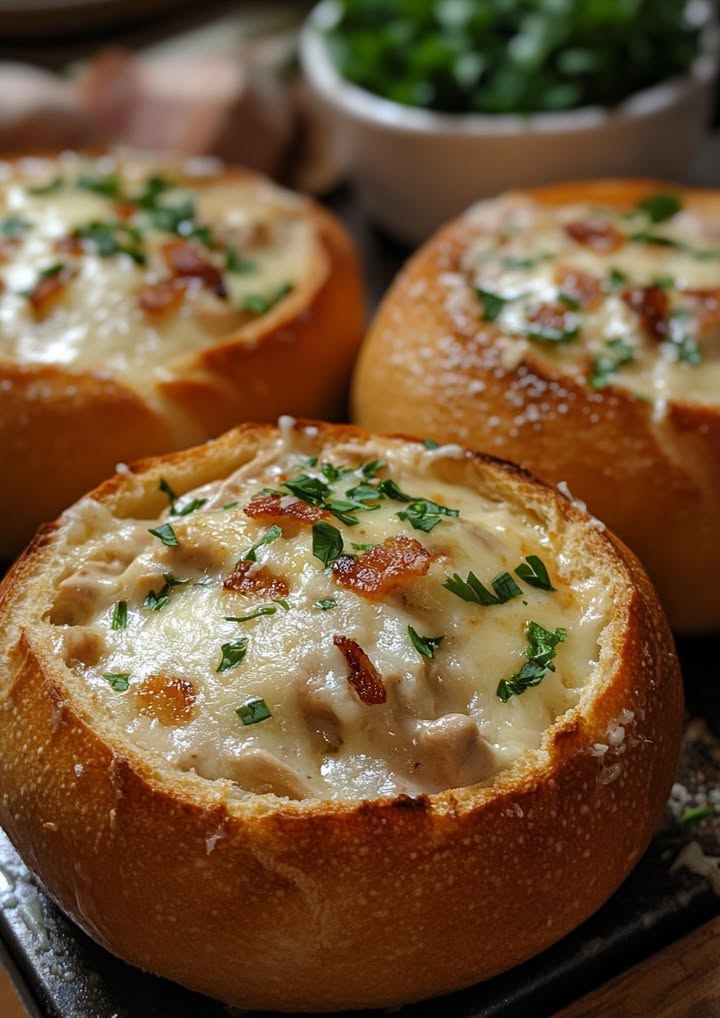
The Edible Bowl: When Your Dish Becomes Part of the Meal
Imagine a meal where every single bite is part of the experience, and you never have to wash a dish. This is the magic of creating an edible bowl. The concept transforms your dinner from a simple assembly of ingredients into a complete, interactive culinary event. Furthermore, it appeals to our sense of play and creativity, turning an ordinary weeknight into something special. The edible bowl is not just a recipe; it is a philosophy of zero-waste, fun, and flavor fusion.
This guide will walk you through crafting the perfect edible bowl, focusing on a delicious, crispy tortilla bowl filled with a vibrant Southwest chicken salad. The process is surprisingly simple, yet the result looks incredibly impressive. Consequently, you will master a technique that you can adapt for countless other fillings, from breakfast scrambles to dessert fruit salads. Ultimately, you will learn how to make your dish part of the meal in the most literal and tasty way possible.
The beauty of this approach lies in its versatility. You can tailor the edible bowl to any dietary preference or seasonal ingredient. For instance, use a large roasted portobello mushroom for a gluten-free base or a hollowed-out sourdough boule for a hearty soup carrier. The key is pairing a sturdy, flavorful vessel with a complementary filling that soaks in just enough to enhance without causing sogginess. This method guarantees a memorable meal that delights all the senses.
Quick Recipe Highlights
- Flavor Profile: This edible bowl delivers a bold Southwest fiesta. You get smoky chili powder, bright lime, and fresh cilantro from the salad, perfectly contrasted with the savory, lightly salted crunch of the baked tortilla bowl. The creamy avocado and tangy dressing tie all the elements together harmoniously.
- Texture: The experience is all about contrast. Firstly, you encounter the shatteringly crisp exterior of the homemade tortilla bowl. Then, you dive into the juicy, tender chicken, the creamy avocado, the crisp romaine, and the satisfying pop of sweet corn. Each bite is a dynamic textural adventure.
- Aroma: As the tortilla bowls bake, your kitchen fills with the warm, toasty scent of corn tortillas. Meanwhile, the marinating chicken and fresh lime juice create a zesty, herbaceous fragrance that promises a fresh and lively meal the moment you walk in the door.
- Visual Appeal: This dish is a showstopper on the table. The golden-brown edible bowl acts as a stunning edible plate for the colorful salad bursting with greens, reds from the tomatoes, yellow corn, and white chicken. It is food that demands to be photographed before being devoured.
- Skill Level Needed: This recipe is perfect for beginners. The technique for shaping the edible bowl is straightforward, and the salad assembly requires no special knife skills. Essentially, if you can use a muffin tin and toss ingredients in a bowl, you can absolutely create this impressive meal.
- Special Equipment: You only need a standard muffin tin to mold the tortillas into perfect bowl shapes. Otherwise, common kitchen tools like mixing bowls, a baking sheet, and basic utensils are all you require. No fancy gadgets are necessary for this edible bowl success.
Recipe Overview
- Difficulty Level: We rate this edible bowl recipe as easy. The steps are sequential and simple, with no complex techniques. Shaping the tortillas is the only “new” skill, and it is very forgiving. Even if a tortilla cracks slightly, it will still bake into a delicious, usable bowl. Therefore, cooks of all levels can achieve great results.
- Category: This edible bowl recipe fits multiple categories beautifully. It works as a hearty main course salad, a fun lunch, or a standout appetizer for a party. You can also deconstruct it for a taco bar setup, letting guests build their own edible bowls. Its flexibility is a major strength.
- Cuisine: The flavor inspiration is firmly rooted in Southwest and Tex-Mex cuisines, featuring staples like black beans, corn, avocado, lime, and cilantro. However, the edible bowl concept itself is global, echoing traditions like bread bowls for soup or lettuce cups in Asian cooking. It is a fusion of a universal idea with specific regional flavors.
- Cost: This is a very budget-friendly meal. Tortillas, beans, and corn are inexpensive pantry staples. Chicken breast can be swapped for leftover rotisserie chicken or even canned beans for a vegetarian version to reduce cost further. You create a restaurant-quality presentation with humble, affordable ingredients.
- Season: This edible bowl is perfect for spring and summer. The ingredients are fresh and bright, and eating a cool, crisp salad from a crunchy vessel is incredibly refreshing on a warm day. However, you can adapt it for fall and winter by using a warm filling like chili or hearty stew in your edible bowl.
- Occasion: It is ideal for casual weeknight dinners, weekend lunches, or informal gatherings. It is a fantastic interactive dish for a party because each guest gets their own individual edible bowl. Kids especially love the novelty, making it a great family-friendly meal option.
Why You’ll Love This Edible Bowl
First and foremost, the taste and texture combination is utterly addictive. The edible bowl itself provides a savory, crispy element that you normally miss in a standard salad. As you eat, the edges of the bowl soften slightly where the dressing touches it, creating a wonderful gradient from crunchy to tender. Meanwhile, the filling is a burst of freshness and zest. Every component, from the smoky chicken to the creamy avocado, plays a role. You will find yourself savoring the last bites of the soaked tortilla bottom, which are often the best part.
From a convenience standpoint, this edible bowl recipe is a game-changer. It minimizes cleanup since you are eating your dish. There is no stack of plates or bowls to wash after dinner. Additionally, the components can be prepped ahead of time. You can bake the tortilla bowls in advance and store them in an airtight container. Similarly, you can chop the vegetables and cook the chicken ahead of time. When you are ready to eat, simply assemble for a meal that comes together in minutes.
Nutritionally, this is a well-balanced powerhouse. The edible bowl made from a whole-grain tortilla adds complex carbohydrates and fiber. The lean chicken breast provides high-quality protein to keep you full. Black beans contribute even more fiber and plant-based protein. Moreover, the vegetables like romaine, tomatoes, and avocado deliver essential vitamins, minerals, and healthy fats. You are consuming a meal that fuels your body with diverse nutrients in one fun package.
For entertaining, the social value is immense. Serving individual edible bowls feels special and thoughtful. It encourages conversation as guests marvel at the presentation. Furthermore, it is inherently customizable. You can set out bowls and a variety of fillings and let everyone build their own creation. This interactive element takes the pressure off the host and guarantees everyone gets exactly what they want. It turns a meal into a shared activity.
Finally, this edible bowl is incredibly cost-effective and accessible. You do not need expensive ingredients or equipment. The recipe uses common items found in most grocery stores. If you want to experiment, the formula is simple: a sturdy edible vessel plus a flavorful filling. You can use what you have on hand, reducing food waste. For example, stale bread can become a soup bowl, and leftover rice can be pressed into a mold for an Asian-inspired bowl. The possibilities are endless and kind to your wallet.
Historical Background and Cultural Significance
The idea of edible containers is ancient and spans nearly every culture. Essentially, using food as a vessel is one of the oldest forms of practical and sustainable eating. In medieval Europe, trenchers—thick, stale slices of bread—acted as plates for meats and sauces. The wealthy would eat the toppings and give the soaked bread to the poor or animals, while the less affluent would eat the entire trencher. This practice represents an early form of the edible bowl, born from necessity and zero-waste thinking.
Many global cuisines have their own iconic edible bowls. In Mexican cuisine, the tortilla is the ultimate versatile vessel, used for tacos, tostadas, and chalupas. The tostada, a fried tortilla topped with beans, meat, and vegetables, is a direct ancestor of the modern baked tortilla bowl. Similarly, Indian cuisine uses papadums and fried breads as edible plates for chutneys and salads. In Ethiopia, injera bread serves as both plate and utensil for scooping up stews. These traditions highlight how edible bowls are a unifying culinary concept.
The edible bowl evolved in modern Western cuisine largely through the popularity of the bread bowl. San Francisco’s sourdough bread bowls for clam chowder became a tourist icon in the late 20th century. Meanwhile, salad bars in the 1980s and 1990s began offering fried tortilla bowls as a premium option for taco salads. This commercial adoption brought the concept into mainstream American home cooking. Consequently, home cooks started experimenting with baking instead of frying for a healthier version, leading to the technique we use today.
Regional variations continue to innovate the edible bowl. In the American Southwest, the taco salad bowl remains a staple. In the Midwest, bread bowls filled with soup or chili are winter favorites. Across Asia, lettuce cups, rice paper wraps, and even hollowed-out pineapples or coconuts serve as edible containers. Today, the trend aligns perfectly with movements toward sustainability and experiential dining. The edible bowl is no longer just a clever serving method; it is a statement against single-use dishes and a celebration of food’s inherent versatility.
Ingredient Deep Dive
Large Flour Tortillas: The foundation of your edible bowl, flour tortillas have a history rooted in the northern Mexican states and the Southwestern U.S. They are pliable and strong, making them ideal for molding. When baked, the moisture evaporates, and the sugars caramelize, creating that signature crispness. For the best edible bowl, look for burrito-size tortillas that are fresh and soft. Avoid ones with cracks. You can use whole wheat for added fiber. Store them in a cool, dry place in their original package. For a gluten-free edible bowl, use large gluten-free tortillas or corn tortillas secured with toothpicks during baking.
Chicken Breast: A lean source of protein that carries the Southwest seasoning beautifully. Chicken has been domesticated for thousands of years and is a global protein staple. It provides essential amino acids, B vitamins, and selenium. For the juiciest result in your edible bowl, pound the chicken to an even thickness before cooking so it cooks uniformly. You can also use leftover grilled chicken or a store-bought rotisserie chicken for ultimate convenience. Store raw chicken in the coldest part of your fridge and use within 1-2 days, or freeze for longer storage.
Black Beans: A cornerstone of Latin American cuisine for over 7,000 years, black beans are nutritional powerhouses. They are packed with plant-based protein, fiber, folate, and antioxidants. In this edible bowl, they add substance and a creamy texture. Always rinse and drain canned beans to remove excess sodium and the starchy liquid. For a deeper flavor, you can use home-cooked beans seasoned with a bay leaf and garlic. They store well in the fridge for up to 5 days. For a variation, pinto or kidney beans work perfectly.
Romaine Lettuce & Fresh Veggies (Corn, Tomato, Avocado): These provide crunch, color, and vital nutrients. Romaine is rich in vitamins A and K. Fresh corn adds sweetness and a pop of texture; in-season summer corn is ideal. Tomatoes contribute umami and lycopene, an antioxidant. Avocado offers creamy healthy fats and potassium. For the best edible bowl, use crisp, fresh romaine, and chop it just before assembling to prevent wilting. Choose avocados that are slightly soft to the touch. Store cut avocado with the pit and a squeeze of lime juice to prevent browning.
Southwest Seasoning & Lime: This is where the flavor magic happens. A good Southwest blend typically includes chili powder, cumin, paprika, garlic powder, and oregano. Cumin adds earthy warmth, while chili powder provides smokiness. Fresh lime juice is non-negotiable; its acidity brightens all the other ingredients and balances the richness. Always use fresh lime juice rather than bottled for the most vibrant flavor in your edible bowl. You can adjust the seasoning blend to include cayenne for heat or smoked paprika for extra depth.
Common Mistakes to Avoid
- Using stale or cold tortillas: Cold tortillas are more likely to crack when you try to shape them. Always let them come to room temperature first. If they seem dry, you can very lightly dampen a paper towel and wrap them for 10 seconds in the microwave to make them pliable.
- Overfilling the muffin tin: When pressing the tortilla into the muffin cup, do not force it to the very bottom immediately. Gently lower it to create a bowl shape. Forcing it can cause it to tear on the sharp edges of the tin, compromising your edible bowl structure.
- Underseasoning the chicken and salad: The tortilla bowl is relatively neutral. Therefore, the filling must be boldly flavored. Do not be shy with the Southwest seasoning, salt, and lime juice. Taste your chicken and salad mixture before assembling to ensure it is vibrant and well-seasoned.
- Assembling too early: If you fill your edible bowl with the salad too far in advance, the dressing and juicy ingredients will make the bottom soggy. Always assemble just before serving. You can prep all components separately and keep them chilled, then combine at the last minute.
- Baking at the wrong temperature: Baking the tortilla bowls at too low a temperature will make them tough and chewy, not crisp. Conversely, too high a temperature can burn them quickly. Stick to the recommended 375°F (190°C) for the perfect balance of golden color and shattering texture.
- Skipping the oil brush: Lightly brushing the tortillas with oil before baking is crucial. This step helps them crisp up beautifully and promotes even browning. Without it, your edible bowl might be pale, dry, or unevenly cooked. Use a neutral oil like avocado or light olive oil.
- Using a wet filling immediately after baking: Let the baked tortilla bowls cool in the tin for a few minutes to set their shape. Furthermore, let them cool completely on a rack before filling. Adding a cold, wet salad to a piping hot bowl will create immediate steam and sogginess.
- Neglecting to rotate the pan: Ovens often have hot spots. To ensure all your edible bowls cook evenly and have a uniform color, rotate the muffin tin halfway through the baking time. This simple step guarantees every bowl is perfectly crisp and ready for filling.
Essential Techniques
Shaping the Tortilla Bowl: This is the core technique for your edible bowl success. Start with a room-temperature tortilla. Lightly brush both sides with oil to promote pliability and browning. Gently press the center of the tortilla down into a standard muffin cup, allowing the sides to fold and pleat naturally. Do not force it to be perfectly smooth; the rustic folds add character. The goal is to create a deep enough well to hold your filling without tearing. If a small crack appears, it will often seal during baking. Mastering this gentle pressing motion is key to a sturdy edible bowl.
Dry-Baking for Crispness: Unlike frying, baking your edible bowl requires dry, even heat. The oil coating conducts heat and encourages Maillard browning, the chemical reaction that creates flavor and crispness. The muffin tin acts as a mold, exposing the entire surface of the tortilla to the hot air. Ensure your oven is fully preheated so the tortillas start cooking immediately, setting their shape. The bake time is just enough to evaporate moisture and achieve a light golden-brown color without burning. This technique yields a crisp yet not greasy edible bowl.
Balancing Wet and Dry Ingredients: A successful edible bowl relies on managing moisture. Your filling should be flavorful and moist but not dripping wet. After making your salad, let it drain in a colander for a minute or toss it and then use a slotted spoon to transfer it to the bowl. Patting cooked chicken dry before dicing it helps. Additionally, layer drier ingredients like lettuce on the bottom to create a slight barrier between the dressing and the tortilla. This technique extends the crisp life of your edible bowl as you eat.
Pro Tips for Perfect Edible Bowls
For extra-sturdy edible bowls, you can double up the tortillas. Simply place two tortillas together, brush the outside of the top one with oil, and press them into the muffin cup as one. This creates a thicker, more durable bowl ideal for wetter fillings like chili.
Add flavor to the tortilla itself by mixing a teaspoon of your favorite seasoning (like chili powder or garlic powder) into the oil before brushing. This infuses the edible bowl with extra flavor from the first bite to the last.
If you do not have a muffin tin, you can create free-form bowls. Drape oiled tortillas over the bottom of small oven-safe bowls or ramekins placed on a baking sheet. Bake until crisp. This method creates a wider, shallower edible bowl perfect for salads.
To keep baked tortilla bowls crisp for later use, cool them completely on a wire rack. Then, store them in a paper bag (not plastic, which traps steam) at room temperature for up to two days. Re-crisp in a 350°F oven for 3-5 minutes if needed.
For a beautiful presentation, serve your edible bowl on a bed of shredded lettuce or a colorful napkin. This catches any small crumbs and makes the vibrant colors of the salad pop even more against the neutral plate.
Let guests customize their own bowls by setting up a topping bar with the baked bowls, the main salad mixture, and extra toppings like shredded cheese, sliced jalapeños, sour cream, and different salsas. This makes the meal interactive and fun for everyone.
Variations and Adaptations
Regional Variations: Take your edible bowl on a world tour. For a Mediterranean version, use a baked pita bowl filled with Greek salad, grilled chicken, olives, and feta cheese with a lemon-oregano vinaigrette. For an Asian twist, create a bowl from a baked wonton wrapper or a large rice paper roll and fill it with a Vietnamese-inspired noodle salad with grilled shrimp, herbs, and nuoc cham dressing.
Seasonal Adaptations: Adapt the filling to what is fresh. In summer, use heirloom tomatoes, fresh basil, and a light balsamic drizzle in your edible bowl. In fall, fill it with a warm quinoa salad featuring roasted butternut squash, kale, and dried cranberries. For winter, the edible bowl is perfect for hearty beef stew or creamy tomato soup.
Dietary Modifications: The edible bowl framework is incredibly adaptable. For a vegan bowl, use seasoned roasted chickpeas or crispy tofu instead of chicken. For a keto or low-carb version, use a large, sturdy lettuce leaf like butter lettuce as your bowl and fill it with a high-fat, low-carb filling like taco meat, cheese, avocado, and sour cream.
Flavor Variations: Change the seasoning profile completely. Use Cajun seasoning on the chicken and fill your bowl with a Creole-inspired salad with bell peppers, celery, and a remoulade-style dressing. Or, go Italian with an herb-seasoned bowl filled with antipasto salad meats, cheeses, marinated vegetables, and a pesto vinaigrette.
Serving and Presentation Guide
Plating is simple but impactful. Place the finished edible bowl directly on the center of a dinner plate. The plate acts as a canvas to catch any overflow and makes the dish look generous and complete. For a family-style presentation, arrange several baked bowls on a large wooden board or platter with the salad filling in a beautiful bowl beside it, allowing everyone to assemble their own.
Garnishing adds the final touch of freshness and color. A final sprinkle of chopped cilantro or parsley, a lime wedge on the side, and a few extra whole black beans or corn kernels scattered on the plate elevate the look. A drizzle of dressing or a dollop of guacamole or sour cream on top just before serving adds visual appeal and extra flavor.
Consider traditional accompaniments. While the edible bowl is a complete meal, you might serve it with a side of tortilla chips and salsa for scooping, or a light, brothy soup to start. For a beverage, iced tea, agua fresca, or a Mexican beer are perfect pairings that complement the Southwest flavors without overwhelming the dish.
Wine and Beverage Pairing
The bright, spicy, and fresh flavors of this Southwest edible bowl pair wonderfully with wines that have good acidity and a touch of fruit. A crisp Sauvignon Blanc with its citrus notes cuts through the richness of the avocado and complements the lime. Alternatively, a dry Rosé with hints of strawberry and melon can handle the spice and refresh the palate. For red wine lovers, a light-bodied, low-tannin Pinot Noir with red fruit flavors won’t clash with the dish’s vibrancy.
For non-alcoholic options, consider a sparkling limeade, hibiscus iced tea (agua de jamaica), or a cucumber-mint infused water. These drinks provide a refreshing counterpoint to the savory, smoky notes of the salad. A classic horchata, with its creamy, cinnamon-spiced flavor, is also a fantastic traditional pairing that soothes any heat from the seasoning.
Storage and Shelf Life
Unfilled Tortilla Bowls: Once completely cooled, store baked tortilla bowls in a paper bag or a loosely covered container at room temperature for up to 2 days. Do not seal them in an airtight plastic container, as residual moisture will make them soft. If they lose their crispness, reheat them on a baking sheet in a 350°F oven for 3-5 minutes.
Leftover Filled Bowls: It is not ideal to store the assembled edible bowl, as it will become soggy. If you have leftovers, deconstruct them. Store the salad filling (without dressing if possible) in an airtight container in the refrigerator for up to 2 days. Store the tortilla bowl separately at room temperature. Reassemble just before eating, though the bowl may be less crisp.
Signs of Spoilage: For the salad components, look for wilting lettuce, a sour smell, or slimy texture on any vegetables or chicken. Discard if you see mold. The baked tortilla bowl itself is very stable but can become stale or develop an off odor if stored in a humid environment. When in doubt, throw it out.
Make Ahead Strategies
You can prep almost every component of this edible bowl 1-2 days in advance. Cook and dice the chicken, rinse the beans, chop the vegetables (except avocado), and make the dressing. Store each item in separate airtight containers in the refrigerator. The avocado should be chopped no more than a few hours ahead and stored with lime juice pressed directly on it.
The tortilla bowls can be baked up to two days ahead. Cool them completely and store at room temperature as described. This makes weeknight assembly a breeze. Simply take the bowls out, chop your avocado, toss everything together, and fill. You can have a stunning, fresh meal on the table in under 10 minutes.
Scaling Instructions
This edible bowl recipe scales linearly and easily. To double or triple, simply multiply all ingredient quantities by your desired factor. You will likely need to bake the tortilla bowls in batches unless you have multiple muffin tins. Keep the shaped, unbaked bowls covered with a damp towel while the first batch bakes to prevent them from drying out. The salad filling can be mixed in a very large bowl.
For halving the recipe, use a standard muffin tin but you may only fill 4-6 cups. Keep an eye on the baking time, as it may be slightly shorter with a less full oven. Mix the salad in a medium bowl. All other techniques remain exactly the same, making this perfect for a smaller household or a romantic dinner for two.
Nutritional Deep Dive
This edible bowl offers a balanced macronutrient profile. One serving provides approximately 35-40 grams of high-quality protein from the chicken and black beans, supporting muscle repair and satiety. The complex carbohydrates from the tortilla and vegetables supply sustained energy, while the healthy fats from avocado and oil aid in nutrient absorption. The dish is also high in dietary fiber (around 10-12 grams), which promotes digestive health and helps regulate blood sugar levels.
Micronutrient-wise, it is a powerhouse. You get Vitamin A from the romaine and tomatoes for eye health, Vitamin C from the lime and tomatoes for immunity, and a range of B vitamins from the chicken and beans for energy metabolism. The avocado and black beans contribute significant potassium, which is crucial for heart health and blood pressure regulation. The spices, particularly cumin and chili powder, contain antioxidants that combat inflammation.
Dietary Adaptations
Gluten-Free: Use certified gluten-free corn or almond flour tortillas. Ensure all other ingredients, like seasoning blends, are labeled gluten-free, as some may contain wheat-based fillers. The rest of the recipe is naturally gluten-free.
Dairy-Free/Vegan: Omit the chicken or replace it with a can of drained, seasoned black beans or roasted sweet potatoes. Use a vegan dressing made from lime juice, olive oil, and agave instead of honey. Ensure your tortillas do not contain dairy-derived ingredients like whey.
Low-Carb/Keto: Replace the tortilla bowl with a large, sturdy lettuce cup like romaine hearts or butter lettuce. Increase the amount of avocado and add a high-fat ingredient like shredded cheese or a dollop of full-fat sour cream or guacamole. Be mindful of the carb count in black beans and corn, using them sparingly or omitting them.
Paleo: Omit the beans, corn, and tortilla. Serve the Southwest chicken salad in a bowl made from a large halved and pitted avocado or a bed of mixed greens. Use coconut aminos in the dressing instead of any soy-based ingredients.
Troubleshooting Guide
My tortilla bowl ripped while shaping. This often means the tortilla was too cold or dry. Next time, let them warm to room temperature. For a quick fix, you can often press a small piece of another tortilla over the tear from the inside before baking—the oil and heat will help fuse it. Small cracks are usually not a problem and will bake shut.
My bowl is chewy, not crisp. This indicates under-baking or insufficient oil. The tortilla needs enough time for all its moisture to evaporate. Ensure your oven is fully preheated and bake until the bowl is uniformly light golden brown, not just pale. Also, confirm you brushed both sides lightly with oil.
The salad made the bowl soggy immediately. You likely assembled too early or the filling was too wet. Always assemble right before serving. Toss the salad and let it sit in a colander for a minute to drain excess dressing. Also, create a lettuce barrier at the bottom of the bowl before adding juicier ingredients.
The flavors taste bland. The tortilla bowl itself is mild, so the filling must be highly seasoned. Do not forget to salt the chicken generously and taste your salad mixture before assembling. Often, an extra squeeze of lime juice or a pinch of salt is all it needs to come alive.
Recipe Success Stories
Readers love how this edible bowl recipe wows guests without stress. One home cook reported, “I made these for a casual backyard gathering, and everyone was so impressed. They couldn’t believe I made the bowls myself! The kids had a blast building their own. It was the talk of the party, and I didn’t have a mountain of dishes to wash afterward.” This feedback highlights the recipe’s dual appeal for entertainment and practicality.
Many have successfully adapted the recipe to fit dietary needs. A reader following a gluten-free diet shared, “Using the gluten-free tortillas worked perfectly. I also tried the vegan version with extra beans for my daughter, and she loved it. It’s now our go-to ‘build-your-own’ dinner night recipe because everyone can customize their bowl.” This shows the framework’s incredible flexibility for inclusive family meals.
Frequently Asked Questions
Q: Can I fry the tortilla bowls instead of baking?
A: Absolutely. To fry, heat about 1 inch of neutral oil in a deep skillet to 350°F. Drape a tortilla over a metal bowl strainer or ladle and submerge it in the hot oil, holding it with tongs to form the bowl shape. Fry until golden, about 1-2 minutes. Drain on paper towels. Baking is healthier and less messy, but frying yields an extra-crisp result.
Q: Can I use corn tortillas?
A: Yes, but they are smaller and more prone to cracking. Use the largest corn tortillas you can find, warm them thoroughly to make them pliable, and you may need to secure them in the muffin tin with toothpicks during the first few minutes of baking. Remove the toothpicks carefully once the shape is set.
Q: How do I prevent the bowls from burning on the edges?
A> Oven temperatures can vary. If the edges are browning too fast, tent the muffin tin loosely with aluminum foil halfway through baking. Also, ensure the tortillas are pressed evenly into the cup without creating super-thin, wispy edges that will burn quickly.
Q: What other fillings work well?
A: The possibilities are endless! Try breakfast fillings like scrambled eggs, cheese, and salsa. For lunch, use tuna or chicken salad. For dinner, try taco meat, Spanish rice, and refried beans. For dessert, fill with fruit salad, yogurt, and granola.
Q: Can I make these bowls for a large crowd?
A: Definitely. Bake the bowls up to two days ahead and store them properly. Prepare all the salad components and keep them chilled in separate containers. Set up an assembly line or buffet station where guests can build their own. It is a stress-free way to feed a crowd.
Q: Are the baked bowls still good if they get soft?
A: If they become soft from humidity or storage, you can re-crisp them in a 350°F oven for 3-5 minutes. Watch them closely so they do not burn. This will restore much of their original texture, making them perfect for filling.
Additional Resources
If you loved this edible bowl concept, explore other vessel-based recipes. Try your hand at homemade bread bowls for soup using a small round sourdough loaf. Experiment with stuffing bell peppers or zucchini boats. Learn to make crispy wonton cups for appetizers. Each of these recipes follows the same satisfying principle: the container is part of the delicious experience.
To deepen your technique, research the science of crispness. Understanding how heat and moisture affect starches in tortillas and bread will make you a better cook. Look into different molding methods for edible containers, from using oven-safe bowls to specialty tortilla bowl bakers. The more you experiment, the more creative your edible bowl creations will become.
{“success”:true,”message”:”Recipe created successfully”,”post_id”:8429,”tasty_recipe_id”:8429,”shortcode”:” Print
Bread Bowl Chili Con Carne
Description
A hearty, spicy chili served in a hollowed-out bread bowl, making the bowl itself an edible part of the meal.
Ingredients
For the Crust:
- 4 large round bread loaves (like sourdough or boule)
- 1 lb ground beef
- 1 onion, diced
- 2 cloves garlic, minced
- 1 bell pepper, diced
- 1 can (15 oz) kidney beans, drained
- 1 can (15 oz) diced tomatoes
- 2 tbsp chili powder
- 1 tsp cumin
- 1 tsp paprika
- Salt and pepper to taste
- 1 cup shredded cheddar cheese
- 1/2 cup sour cream
- Fresh cilantro for garnish
Instructions
1. Prepare the Crust:
- Preheat oven to 350°F (175°C). Slice off the top of each bread loaf and hollow out the center, leaving a 1-inch thick shell. Set aside the removed bread for dipping.
- In a large pot over medium heat, cook ground beef until browned. Add onion, garlic, and bell pepper, and sauté until softened.
- Stir in kidney beans, diced tomatoes, chili powder, cumin, paprika, salt, and pepper. Simmer for 20-25 minutes until thickened.
- Place the hollowed bread bowls on a baking sheet and warm in the oven for 5-7 minutes.
- Fill each warm bread bowl with chili. Top with shredded cheese, a dollop of sour cream, and fresh cilantro. Serve immediately.
Notes
You can customize the seasonings to taste.

I’m Billy, a classically trained culinary school graduate from The Culinary Institute of America with over 12 years in the restaurant industry and over 19 years of cooking experience.