
Golden Mediterranean Chicken Bake with Roasted Vegetables & Feta: A One-Pan Weeknight Wonder
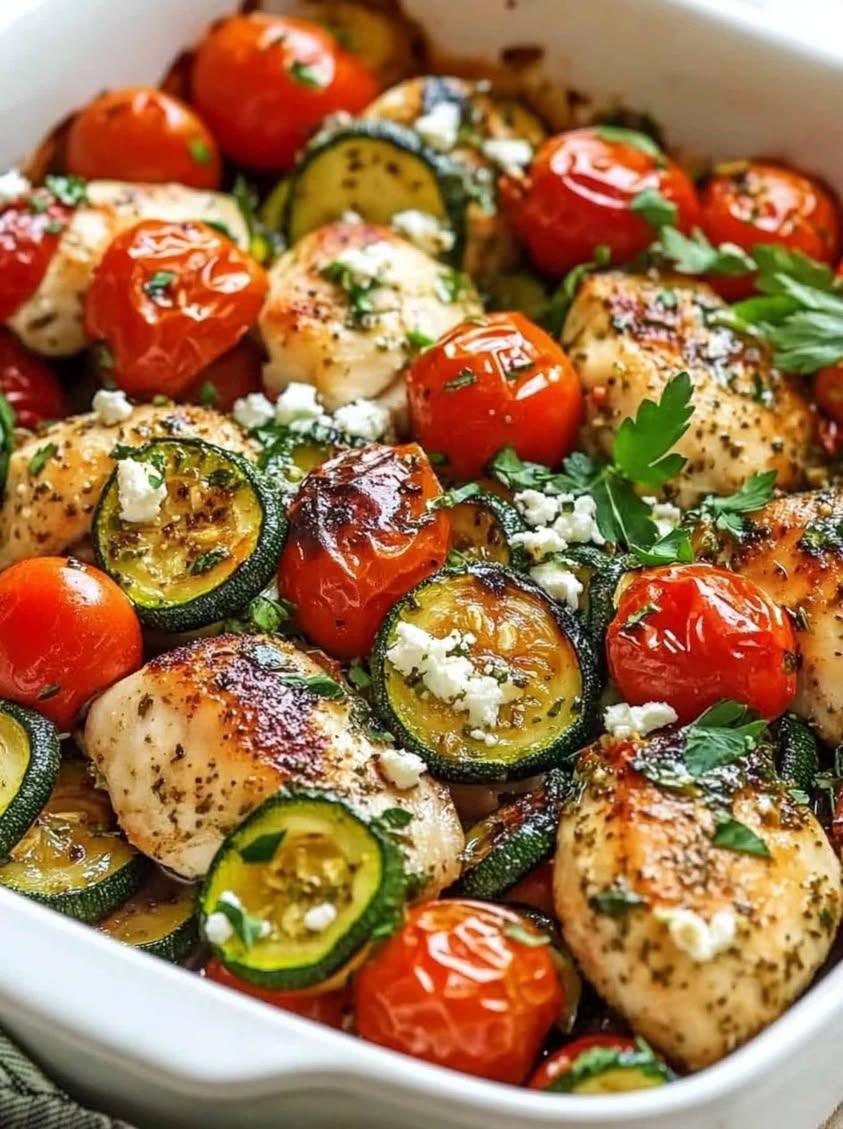
Imagine opening your oven to a scene of pure culinary sunshine. Juicy chicken thighs nestle among a riot of colorful, caramelized vegetables, all glistening with herbs and olive oil. A generous sprinkle of creamy, tangy feta cheese melts into golden pockets. This is the magic of a Golden Mediterranean Chicken Bake with Roasted Vegetables and Feta. It is a complete, flavor-packed meal that delivers restaurant-quality taste with minimal effort and just one pan to wash.
Furthermore, this recipe captures the essence of Mediterranean cooking. It emphasizes fresh, wholesome ingredients, vibrant flavors, and a simple, health-conscious approach. Each bite offers a harmonious blend of savory chicken, sweet roasted peppers and onions, earthy zucchini, and the bright, salty pop of feta. Ultimately, this Golden Mediterranean Chicken Bake is your ticket to a stress-free, delicious dinner that will have everyone asking for seconds.
Quick Recipe Highlights
- Flavor Profile: This dish bursts with savory, herbal, and tangy notes. The chicken soaks up garlic, oregano, and lemon, while the vegetables caramelize for natural sweetness. The feta cheese adds a crucial salty, creamy finish that ties everything together beautifully.
- Texture: You get wonderful contrasts. The chicken skin becomes crispy, while the meat stays incredibly juicy. The vegetables roast to a tender yet slightly firm state with deliciously caramelized edges. The feta softens but maintains its distinct crumbly texture.
- Aroma: As it bakes, your kitchen fills with the irresistible scent of roasting garlic, onions, and herbs. The lemon zest adds a bright, citrusy top note that makes the entire aroma incredibly inviting and fresh.
- Visual Appeal: This bake is a feast for the eyes. The golden-brown chicken contrasts with the deep reds of peppers, the green of zucchini, and the purple of red onion. The white feta cheese provides a stunning visual accent against the vibrant backdrop.
- Skill Level Needed: This is a beginner-friendly recipe. The main skills required are simple vegetable chopping and mixing a marinade. There is no complicated searing or flipping; the oven does most of the work for you.
- Special Equipment: You only need a large, sturdy baking sheet or roasting pan. Parchment paper is highly recommended for easy cleanup. A good chef’s knife and cutting board make prep a breeze.
Recipe Overview
- Difficulty Level: We rate this recipe as easy. The steps are straightforward: chop, toss, and bake. There is no intricate technique or precise timing required beyond checking for doneness. It is forgiving and perfect for cooks of any experience level looking for a reliable weeknight meal.
- Category: This dish falls squarely into the main course category. It is a complete protein-and-vegetable meal. You can also consider it a healthy dinner recipe, a meal prep idea, and a fantastic family-friendly option for busy evenings.
- Cuisine: The inspiration is broadly Mediterranean, drawing from Greek and Italian culinary traditions. Key hallmarks include the use of olive oil, lemon, oregano, garlic, and feta cheese. These ingredients create a flavor profile that is light, bright, and deeply satisfying.
- Cost: This is a cost-effective meal. Chicken thighs are an affordable protein choice. The vegetables are common and inexpensive, especially when in season. Overall, you can create this impressive, restaurant-style dish for a fraction of the cost of dining out.
- Season: This recipe shines year-round but is particularly excellent in late summer and early fall. That is when zucchini, bell peppers, and tomatoes are at their peak flavor and most affordable. However, it provides a welcome taste of sunshine during colder months.
- Occasion: It is supremely versatile. Serve it for a casual weeknight family dinner, a relaxed weekend lunch, or even for entertaining. To elevate it for guests, simply add a elegant side salad and some crusty bread for dipping into the delicious pan juices.
Why You’ll Love This Recipe
First and foremost, the taste is absolutely phenomenal. The Golden Mediterranean Chicken Bake with Roasted Vegetables and Feta delivers complex layers of flavor that belie its simple preparation. Each component contributes something special. The chicken becomes infused with garlic and herbs, the vegetables sweeten and caramelize, and the feta cheese melts into salty, creamy pockets. Every forkful is a perfect, balanced bite. It is the kind of meal that feels indulgent yet is made from wholesome, recognizable ingredients.
Next, consider the incredible convenience. This is a true one-pan wonder. You do all your prep on a single baking sheet lined with parchment paper. Consequently, cleanup is a dream. There is no standing over a hot stove stirring multiple pots. You simply assemble and let the oven work its magic. This makes it an ideal solution for busy weeknights when time and energy are in short supply. You can even prep the vegetables ahead of time to make the process even faster.
From a nutritional standpoint, this meal is a powerhouse. It is packed with lean protein from the chicken and a wide array of vitamins, minerals, and fiber from the colorful mix of vegetables. The olive oil provides heart-healthy fats. Compared to heavy, creamy casseroles, this bake feels light and energizing. You will finish the meal feeling satisfied but not sluggish. It aligns perfectly with a balanced, Mediterranean-style diet known for its health benefits.
Moreover, this dish has fantastic social and entertaining value. It is visually stunning when brought to the table straight from the oven. The vibrant colors and enticing aroma immediately impress guests. Because it is all in one pan, serving is effortless. You can easily double the recipe to feed a crowd by using two baking sheets. It is a stress-free way to host, allowing you to spend time with your company instead of juggling last-minute tasks in the kitchen.
Finally, it is remarkably cost-effective and accessible. The ingredients are common and available at any standard grocery store. Chicken thighs are a budget-friendly cut that stays moist during roasting. You can also adapt the vegetable selection based on what is on sale or in season. This flexibility means you can enjoy a gourmet-tasting meal without straining your food budget. It proves that eating well does not have to be complicated or expensive.
Historical Background and Cultural Significance
The concept of roasting meat and vegetables together is ancient and universal, but the specific flavor profile of this dish is deeply rooted in Mediterranean culinary traditions. For centuries, cooks around the Mediterranean basin have utilized the region’s abundant sunshine to grow ingredients like olives, lemons, garlic, and a vast array of herbs. These elements form the backbone of the cuisine. The practice of marinating meat in olive oil, lemon, and herbs before cooking is a time-honored technique for tenderizing and flavoring.
Specifically, the use of feta cheese points strongly to Greek influence. Feta, a brined curd cheese made from sheep’s milk or a sheep-and-goat milk blend, has been produced in Greece for thousands of years. It is a Protected Designation of Origin (PDO) product, meaning true feta comes from specific regions of Greece. Its salty, tangy character is a defining feature in Greek salads, pastries like spanakopita, and countless baked dishes. Adding feta to a chicken and vegetable bake is a modern interpretation of these classic pairings.
The evolution of this recipe into a convenient one-pan meal is a reflection of contemporary cooking trends. While traditional Mediterranean feasts might involve multiple separate dishes, the modern home cook seeks efficiency without sacrificing flavor or health. The one-pan method captures the essence of the cuisine—fresh ingredients, bold flavors, olive oil—but streamlines the process for today’s lifestyles. It is a fusion of timeless tradition and modern convenience.
Regional variations of this concept abound. In Italy, you might find chicken roasted with potatoes, rosemary, and lemon. In Provence, herbes de Provence and olives would be key. The version presented here, with bell peppers, zucchini, and red onion, is a colorful, vegetable-forward adaptation that maximizes nutrition and visual appeal. The core principles remain constant: high-quality ingredients, simple preparation, and allowing the natural flavors to shine through careful roasting.
Ingredient Deep Dive
Chicken Thighs (Bone-in, Skin-on): This cut is the champion of this Golden Mediterranean Chicken Bake. The bone helps conduct heat evenly, keeping the meat incredibly juicy, while the skin renders fat and becomes delightfully crispy. Culturally, using the whole animal and valuing flavorful, economical cuts is a hallmark of rustic Mediterranean cooking. Nutritionally, thighs contain more iron and zinc than breast meat. For selection, look for plump thighs with pink flesh and creamy white fat. Store them in the coldest part of your fridge and use within 1-2 days. For a substitution, boneless, skinless thighs or chicken breasts will work, but reduce cooking time slightly to prevent dryness.
Bell Peppers & Red Onion: These vegetables add sweetness, color, and texture. Peppers, native to the Americas, were adopted into Mediterranean cooking centuries ago. They are rich in Vitamin C and antioxidants. Red onions offer a milder, sweeter flavor when roasted compared to yellow onions. Select firm, glossy peppers and onions that feel heavy for their size. Store them in a cool, dry place. You can substitute any color bell pepper or use shallots for a more delicate onion flavor. Their natural sugars caramelize in the oven, creating a foundational sweetness for the dish.
Zucchini: This summer squash adds a tender, slightly earthy element and helps balance the dish. It is low in calories but provides folate, potassium, and vitamin A. Choose small to medium zucchini that are firm and free of soft spots; larger ones can be seedy and watery. Store in the refrigerator crisper drawer. Yellow squash makes an excellent visual and flavorful substitute. To prevent sogginess in the bake, cut zucchini into large chunks so they hold their shape during roasting.
Feta Cheese: Feta is the crowning glory. Authentic Greek feta, made from sheep’s milk, has a tangy, salty, and slightly crumbly texture that mellows when warmed. It is a good source of calcium and protein. For the best flavor, seek out a block of feta packed in brine rather than pre-crumbled cheese, which often contains anti-caking agents. Store leftover feta submerged in its brine in the refrigerator. If you need a substitute, other brined cheeses like halloumi (which holds its shape when heated) or a creamy goat cheese can work, though the flavor profile will shift.
Olive Oil, Lemon, Garlic & Oregano: This quartet forms the essential flavor base. Extra virgin olive oil is the heart of Mediterranean cooking, providing healthy fats and rich fruitiness. Fresh lemon juice and zest add necessary acidity and brightness. Garlic offers pungent depth, while oregano (preferably dried Greek oregano) delivers the characteristic herbal aroma. Use the best extra virgin olive oil you have for the marinade. Fresh garlic is non-negotiable for optimal flavor. If you only have fresh oregano, use triple the amount of dried. This combination creates the iconic “sunshine” flavor of the marinade.
Common Mistakes to Avoid
- Overcrowding the Pan: If you pile everything too closely, the vegetables will steam instead of roast. They need space for hot air to circulate and create caramelization. Always use a large enough baking sheet so ingredients lie in a single layer.
- Using Boneless, Skinless Chicken Breasts Without Adjustment: They cook much faster and dry out easily. If substituting, reduce the cook time significantly and consider adding them to the pan later so the vegetables have more time to roast.
- Not Patting the Chicken Dry: Moisture on the chicken skin prevents it from getting crispy. Always use paper towels to thoroughly dry the chicken thighs before seasoning and placing them on the pan.
- Cutting Vegetables Too Small: Diced vegetables will burn or turn to mush during the required baking time. Cut them into large, hearty chunks (about 1.5-inch pieces) so they roast to tender perfection without disintegrating.
- Skipping the Preheating Step: A properly preheated oven is crucial for immediate roasting and caramelization. Putting a pan into a cold oven leads to soggy, unevenly cooked results.
- Forgetting to Season the Vegetables: The chicken gets a marinade, but the vegetables need love too. Toss them generously with salt, pepper, and a drizzle of olive oil before baking to ensure they are flavorful on their own.
- Adding the Feta Too Early: If sprinkled at the beginning, the feta will over-melt, brown excessively, and potentially become grainy. Add it in the last 5-10 minutes of cooking just to warm through and soften slightly.
- Not Resting the Chicken: Slicing into the chicken immediately after baking lets all the precious juices run out. Let the pan rest for 5 minutes after coming out of the oven. This allows the juices to redistribute throughout the meat.
Essential Techniques
Dry-Brining (Salting in Advance): For exceptionally flavorful and juicy chicken, try dry-brining. Simply season the chicken thighs generously with salt (and any other dry spices) and place them uncovered on a rack in the refrigerator for 1-4 hours before cooking. This technique draws moisture to the surface, which then dissolves the salt and gets reabsorbed, seasoning the meat deeply and helping it retain moisture during cooking. The result is supremely seasoned, tender chicken with incredibly crispy skin. The key is to give it enough time to work its magic.
The High-Heat Roast: A hot oven (400°F or higher) is non-negotiable for this recipe. High heat quickly sears the surface of the chicken and vegetables, creating the Maillard reaction—the chemical process responsible for browning and complex flavor development. This heat also rapidly evaporates surface moisture on the vegetables, preventing sogginess and encouraging caramelization. The visual cue for success is a golden-brown color on the chicken skin and lightly charred, softened edges on the vegetables. A lower temperature will stew the ingredients rather than roast them.
Marinating for Flavor Penetration: While the chicken roasts quickly, marinating it even for 30 minutes makes a significant difference. The acidic lemon juice in the marinade begins to break down surface proteins, allowing the oil, garlic, and herbs to penetrate. For maximum effect, ensure the marinade coats the chicken evenly, including under the skin if possible. Do not marinate for more than 4 hours in lemon juice, as the acid can start to “cook” the exterior and give it a mushy texture. This simple step builds layers of flavor directly into the protein.
Pro Tips for Perfect Golden Mediterranean Chicken Bake
First, for extra crispy chicken skin, place the seasoned thighs skin-side up on a wire rack set over your baking sheet. This elevates them, allowing hot air to circulate completely around the skin, rendering the fat perfectly and leaving it shatteringly crisp.
Second, toss your vegetables in a separate bowl before spreading them on the pan. This ensures every piece gets an even coating of oil and seasoning, leading to uniform roasting and flavor in every bite.
Third, add a handful of cherry tomatoes to the vegetable mix. They burst during roasting, creating a delicious, juicy sauce that mingles with the olive oil and lemon at the bottom of the pan.
Fourth, finish the dish with a final flourish. After baking, sprinkle with fresh chopped parsley or dill and a final squeeze of fresh lemon juice. This adds a burst of fresh color and brightens all the flavors right before serving.
Fifth, let the baked dish rest for a full 5 minutes after removing it from the oven. This pause allows the intense heat to subside slightly, letting the chicken juices settle back into the meat instead of running out onto the cutting board.
Sixth, use the delicious pan juices. After serving, there will be flavorful oil and juices left on the parchment. Drizzle this liquid gold over each plate or use it to moisten a side of crusty bread or cooked couscous.
Variations and Adaptations
For regional variations, try a Spanish twist by adding smoked paprika and chorizo slices to the pan. A French Provençal version could include herbes de Provence, Niçoise olives, and sliced fennel bulb. For seasonal adaptations, in winter, swap zucchini and peppers for sturdy vegetables like cubed butternut squash, parsnips, and red potatoes, extending the roast time as needed.
Dietary modifications are straightforward. For a dairy-free version, omit the feta or use a vegan feta alternative. To make it lower-carb, increase the volume of non-starchy vegetables like zucchini and peppers and serve it over a bed of cauliflower rice instead of grains. For a heartier meal, add drained and rinsed canned chickpeas to the vegetable mix; they will roast up crispy and delicious.
Flavor variations are endless. Add a teaspoon of ground cumin or coriander to the marinade for warmth. Include castelvetrano olives and artichoke hearts for a more antipasto-like feel. A drizzle of balsamic glaze or a spoonful of pesto after baking can add a sweet or herbal punch. For texture, sprinkle with toasted pine nuts or slivered almonds just before serving for a delightful crunch.
Serving and Presentation Guide
For beautiful plating, use a large, shallow serving platter. Carefully transfer the roasted vegetables to the platter first, creating a colorful bed. Then, arrange the golden chicken thighs on top. Finally, crumble the warmed feta over everything and garnish with fresh herbs. This layered approach showcases each component. Traditional accompaniments include warm pita bread, crusty baguette for soaking up juices, or a simple side of tzatziki sauce. For a more complete plate, serve alongside a lemony couscous, orzo pasta, or a crisp green salad with a red wine vinaigrette.
Consider temperature and portion. This dish is best served hot from the oven, though it is also delicious at room temperature, making it great for picnics or potlucks. For portion control, a standard serving is one chicken thigh with a generous scoop of the roasted vegetable medley. To elevate it for guests, individualize the servings by plating each portion on a warm dinner plate and adding a decorative lemon wedge and a sprig of fresh rosemary for a restaurant-quality touch.
Wine and Beverage Pairing
Wine pairings for this vibrant dish should complement its herbal, tangy, and savory notes without overpowering it. A crisp, dry white wine like a Greek Assyrtiko, a Sauvignon Blanc, or a Vermentino works beautifully. Their acidity mirrors the lemon in the dish and cuts through the richness of the olive oil and chicken skin. For red wine lovers, a light-bodied, low-tannin red like a Pinot Noir or a Grenache-based rosé from Provence is an excellent choice, offering berry notes that pair well with the roasted vegetables.
For non-alcoholic alternatives, consider sparkling water with a squeeze of lemon or lime to echo the citrus notes. Iced herbal teas, like mint or lemon verbena, are refreshing complements. A tart pomegranate juice spritzer (mix pomegranate juice with club soda) offers a festive, flavor-matched option. Serve all beverages well-chilled to contrast the warmth of the baked dish. Ultimately, the goal is to choose a drink that cleanses the palate and enhances the Mediterranean flavors.
Storage and Shelf Life
Store leftovers in an airtight container in the refrigerator for up to 3-4 days. For best results, separate the chicken from the vegetables if possible, though storing them together is fine. The flavors often meld and improve the next day. Signs of spoilage include an off smell, a slimy texture on the chicken or vegetables, or any visible mold. Do not leave the baked dish at room temperature for more than two hours.
Reheating instructions are key to preserving quality. Reheat in a 350°F oven or toaster oven until warmed through, about 10-15 minutes. This method helps re-crisp the chicken skin. You can also reheat portions in a skillet over medium heat. The microwave is a last resort, as it will make the chicken rubbery and the vegetables soggy. This dish can be frozen for up to 2 months. Freeze in airtight containers or heavy-duty freezer bags. Thaw overnight in the refrigerator before reheating.
Make Ahead Strategies
You can significantly speed up dinner time with smart prep. The vegetables can be chopped 1-2 days in advance. Store them in separate airtight containers or a large zip-top bag in the refrigerator. The chicken can be marinated up to 4 hours ahead; keep it covered in the fridge. For meal prep, fully cook the dish, let it cool, and portion it into containers for easy weekday lunches. The quality remains excellent.
For assembly, when ready to cook, simply take your pre-chopped veggies and marinated chicken from the fridge. Toss the vegetables with oil and seasoning, arrange on the pan with the chicken, and bake. The only element that should always be added fresh is the final garnish of herbs and extra lemon juice after baking. This make-ahead approach turns an already easy recipe into a 10-minute prep before it goes into the oven.
Scaling Instructions
This recipe scales beautifully. To halve it, use 4 chicken thighs and roughly halve the vegetables. Use a standard sheet pan; the reduced volume will promote even better browning. Cooking time may decrease by 5-10 minutes, so start checking for doneness early. To double or triple for a crowd, use multiple baking sheets. It is crucial to avoid overcrowding each pan, so do not try to fit a double batch on one sheet. Rotate the pans halfway through cooking to ensure even browning.
Consider equipment and timing when scaling up. Ensure your oven can accommodate multiple racks with enough space for air circulation. You may need to extend the total cook time slightly when the oven is full. For storage, if making a large batch for leftovers, cool the bake completely before dividing into meal-sized portions for the refrigerator or freezer. Scaling does not affect the marinating time or basic technique, making it a reliable choice for any number of guests.
Nutritional Deep Dive
This Golden Mediterranean Chicken Bake offers a balanced macronutrient profile. A typical serving provides high-quality protein from the chicken, essential for muscle repair and satiety. The olive oil and chicken skin contribute healthy monounsaturated fats, which support heart health. The vegetables supply complex carbohydrates and a significant amount of dietary fiber, aiding digestion and providing sustained energy. The dish is relatively low in saturated fat and sugar, aligning with dietary guidelines for a heart-healthy pattern of eating.
Micronutrient analysis reveals a wealth of vitamins and minerals. Bell peppers and zucchini are excellent sources of Vitamins A and C, powerful antioxidants. Red onions provide quercetin, an anti-inflammatory compound. Garlic offers allicin, known for its potential immune-boosting properties. Chicken thighs are rich in B vitamins, iron, and zinc. Together, these ingredients create a meal that supports overall wellness, from immune function to energy metabolism. It is a nutrient-dense choice that fuels your body with high-quality, whole-food ingredients.
Dietary Adaptations
Gluten-Free: This recipe is naturally gluten-free. Simply ensure that any pre-made spice blends or stocks used in a marinade are certified gluten-free. Serve with gluten-free grains like quinoa or rice.
Dairy-Free: Omit the feta cheese. For a creamy, tangy element, add a dollop of dairy-free tzatziki made with coconut yogurt after baking, or sprinkle with nutritional yeast for a cheesy flavor note.
Low-Carb/Keto: Focus on non-starchy vegetables. Increase the zucchini and peppers, and consider adding mushrooms. Avoid adding potatoes or chickpeas. The dish is already excellent for a low-carb lifestyle.
Paleo: Omit the dairy (feta) and ensure your chicken is pasture-raised if following strict guidelines. Use all whole, unprocessed ingredients. The core recipe of meat, vegetables, and healthy fats is Paleo-friendly.
Whole30: Omit the feta cheese and ensure your chicken does not contain any sugar or additives. Use compliant olive oil and check all spice labels. It makes a perfect Whole30 template meal.
Troubleshooting Guide
Vegetables Are Soggy: This is almost always due to overcrowding. For a solution, ensure vegetables are in a single layer with space between them. Also, make sure your oven is fully preheated before the pan goes in. Finally, pat washed vegetables dry before tossing them in oil.
Chicken Skin Is Not Crispy: First, ensure you patted the chicken completely dry before seasoning. Second, check that your oven temperature is accurate with an oven thermometer. Third, try placing the chicken on a wire rack over the baking sheet to allow full air circulation around the skin.
Dish Tastes Bland: Underseasoning is the culprit. Remember to season the vegetables separately with salt and pepper before roasting. Do not be shy with the marinade ingredients—ample garlic, lemon, and herbs are key. Finally, finish with a flaky sea salt and fresh lemon juice after baking to brighten all flavors.
Chicken Is Done but Vegetables Are Undercooked: Cut your vegetables into uniform, smaller pieces next time. As a quick fix, remove the chicken to a plate, tent with foil, and return the vegetables to the oven for an additional 5-10 minutes until tender.
Frequently Asked Questions
Can I use chicken breasts instead of thighs? Yes, but use boneless, skinless breasts and reduce the cooking time. Add them to the pan after the vegetables have roasted for about 15 minutes to prevent them from drying out. They cook much faster than bone-in thighs.
What can I use instead of feta cheese? Halloumi is a great substitute as it holds its shape when heated. Goat cheese (chèvre) will provide a similar tangy creaminess. For a dairy-free option, a store-bought vegan feta or simply a sprinkle of nutritional yeast can work.
Do I have to use a red onion? No, a yellow or sweet Vidalia onion works perfectly. Red onion offers a slightly milder, sweeter flavor when roasted and adds beautiful color, but any onion will contribute the necessary savory sweetness.
Can I add potatoes to this bake? Absolutely. Add cubed Yukon Gold or red potatoes. Because they take longer to cook, toss them in oil and roast them alone for 15-20 minutes before adding the other vegetables and chicken to the pan.
How do I know when the chicken is fully cooked? The safest method is to use a meat thermometer. Insert it into the thickest part of a thigh, avoiding the bone. It should read 165°F (74°C). The juices should also run clear when pierced.
Is it okay to marinate the chicken overnight? It is not recommended with this particular marinade due to the lemon juice. The acid can start to break down the chicken’s texture, making it mushy on the outside. Aim for 30 minutes to 4 hours maximum.
Can I make this in advance for a party? Yes. You can fully assemble the raw chicken and vegetables on the baking sheet, cover tightly, and refrigerate for up to 6 hours before baking. Let it sit at room temperature for 20 minutes before putting it in the preheated oven.
What’s the best way to reheat leftovers? Reheat in a 350°F oven or toaster oven for 10-15 minutes until hot. This will help maintain the texture better than a microwave, which can make the chicken rubbery.
Can I use frozen vegetables? It is not recommended. Frozen vegetables release too much water during roasting, leading to a steamed, soggy result instead of caramelized, roasted vegetables. Fresh vegetables are essential for this recipe.
What should I serve with this? It’s a complete meal on its own! For a more substantial spread, add warm pita or crusty bread, a simple green salad, tzatziki sauce, or a side of couscous or rice pilaf to soak up the delicious juices.
Additional Resources
If you loved the flavors of this Golden Mediterranean Chicken Bake, explore other recipes that use similar ingredients. Try a classic Greek salad, a lemon-oregano grilled chicken, or a hearty vegetable moussaka. For technique guides, look into mastering the art of roasting vegetables or how to spatchcock a chicken for even faster roasting. Understanding the quality of your olive oil can also transform your cooking.
For ingredient information, learn more about the different types of feta cheese or how to grow your own Mediterranean herbs like oregano and thyme. Equipment-wise, investing in a heavy-duty half-sheet pan and a reliable instant-read thermometer will serve you well for this and countless other recipes. Finally, experiment with seasonal variations—swap in asparagus and peas in spring, or hearty root vegetables in winter—to enjoy this versatile cooking method all year long.
{“success”:true,”message”:”Recipe created successfully”,”post_id”:8435,”tasty_recipe_id”:8435,”shortcode”:” Print
Golden Mediterranean Chicken Bake with Roasted Vegetables & Feta
Description
A vibrant, one-pan dish featuring tender chicken thighs roasted with colorful vegetables, herbs, and tangy feta cheese, all infused with Mediterranean flavors.
Ingredients
For the Crust:
- 4 bone-in, skin-on chicken thighs
- 1 red bell pepper, sliced
- 1 yellow bell pepper, sliced
- 1 red onion, cut into wedges
- 1 zucchini, sliced into half-moons
- 1 cup cherry tomatoes
- 3 tablespoons olive oil
- 2 teaspoons dried oregano
- 1 teaspoon garlic powder
- 1/2 teaspoon smoked paprika
- Salt and black pepper to taste
- 1/2 cup crumbled feta cheese
- Fresh parsley, chopped for garnish
Instructions
1. Prepare the Crust:
- Preheat oven to 400°F (200°C). In a large bowl, toss bell peppers, onion, zucchini, and cherry tomatoes with 2 tablespoons olive oil, oregano, garlic powder, paprika, salt, and pepper.
- Arrange vegetables in a single layer on a large baking sheet. Place chicken thighs on top, drizzle with remaining olive oil, and season with salt and pepper.
- Roast for 25-30 minutes until chicken is golden and cooked through (internal temperature 165°F). Sprinkle feta cheese over vegetables and bake for 5 more minutes until cheese softens.
- Garnish with fresh parsley and serve warm.
Notes
You can customize the seasonings to taste.

I’m Billy, a classically trained culinary school graduate from The Culinary Institute of America with over 12 years in the restaurant industry and over 19 years of cooking experience.