
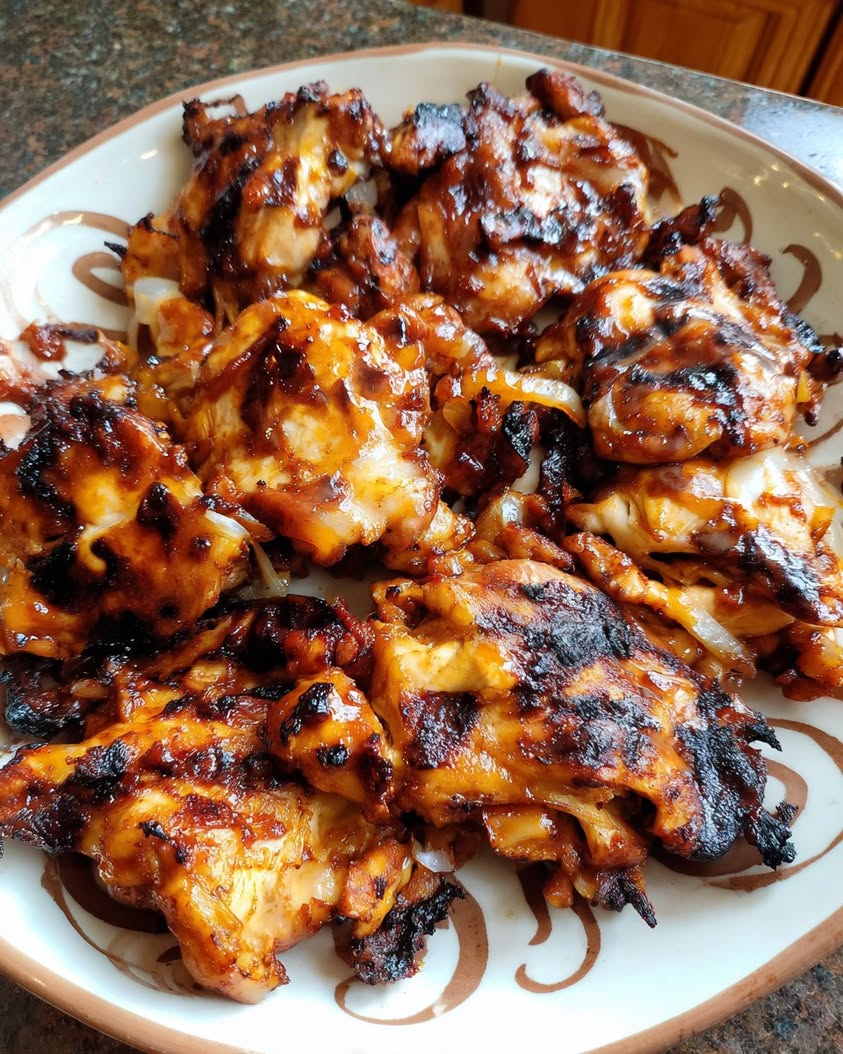
Juicy Low-Carb BBQ Chicken Thighs with a Sticky Smoky Glaze: The Ultimate Weeknight Winner
Imagine the scent of a summer barbecue wafting through your kitchen, regardless of the season. Now, picture achieving that iconic flavor without the sugar crash or the carb-heavy guilt. This recipe for Juicy Low-Carb BBQ Chicken Thighs with a Sticky Smoky Glaze delivers exactly that experience. It transforms simple, affordable chicken thighs into a spectacular main course with a deeply caramelized, finger-licking-good exterior and an impossibly tender interior. Consequently, it proves that healthy eating does not require sacrificing bold, satisfying flavors.
Furthermore, this dish is a masterclass in balancing simplicity with impressive results. The magic lies in a clever, sugar-free glaze that builds layers of tangy, smoky, and sweet notes using pantry-friendly ingredients. Meanwhile, the chicken thighs, known for their forgiving nature and rich flavor, become the perfect canvas. Ultimately, you get a meal that feels indulgent and celebratory, yet fits seamlessly into a low-carb, keto, or simply health-conscious lifestyle. It is the answer to your craving for classic comfort food with a modern, nutritious twist.
Additionally, the visual appeal is undeniable. The chicken emerges from the oven or grill with a glossy, mahogany-colored crust that promises a burst of flavor in every bite. The sticky glaze clings to each piece, creating beautiful caramelized edges that are irresistible. Served alongside a crisp salad or roasted vegetables, these Juicy Low-Carb BBQ Chicken Thighs with a Sticky Smoky Glaze make for a stunning plate. They are guaranteed to become a regular in your dinner rotation and a surefire hit with family and guests alike.
Quick Recipe Highlights
- Flavor Profile: This dish boasts a complex harmony of tangy apple cider vinegar, rich tomato paste, and warm spices like smoked paprika. The sugar-free sweetener creates a perfect counterbalance, mimicking the sweet-and-savory profile of traditional barbecue sauce without the carbs.
- Texture: The skin-on, bone-in thighs guarantee exceptional juiciness, while the high-heat cooking method renders the fat and crisps the skin. The glaze reduces into a thick, sticky coating that provides a satisfying, slightly chewy contrast to the succulent meat.
- Aroma: As it cooks, the kitchen fills with the unmistakable, mouthwatering scent of smoky paprika, caramelizing garlic, and savory herbs. It is an aromatic experience that instantly builds anticipation for the meal to come.
- Visual Appeal: The final product has a professional, lacquered look with a deep, reddish-brown glaze. The chicken pieces glisten invitingly, often with beautifully charred tips and edges from the roasting process, making them perfect for photography or an impressive dinner presentation.
- Skill Level Needed: This recipe is ideal for beginners and busy cooks. It requires basic techniques like mixing a sauce and roasting or grilling. There is no complicated brining or spatchcocking, making it an accessible path to a restaurant-quality result.
- Special Equipment: You only need a standard baking sheet, oven, or grill. A small saucepan is helpful for simmering the glaze. No special gadgets or appliances are required, which makes this recipe practical for any home kitchen setup.
Recipe Overview
- Difficulty Level: We rate this recipe as “Easy” because it involves straightforward, sequential steps. You simply whisk the glaze, season the chicken, and cook. The ingredients are common, and the techniques are fundamental. Even a novice cook can achieve fantastic results on the first try, as the forgiving nature of chicken thighs prevents dryness.
- Category: This dish squarely fits into the main course category for lunch or dinner. It is also an excellent protein option for meal prep. Given its low-carb nature, it aligns perfectly with specialty categories like keto recipes, gluten-free dinners, and high-protein meals, offering versatility for various dietary plans.
- Cuisine: While inspired by American barbecue traditions, this is a contemporary, health-conscious adaptation. It borrows the foundational sweet, tangy, and smoky flavor profile from Southern and Kansas City-style BBQ but reimagines it with modern dietary sensibilities. It is a fusion of classic comfort food and today’s nutritional awareness.
- Cost: This is an incredibly budget-friendly meal. Chicken thighs are one of the most affordable cuts of protein. The glaze ingredients, like tomato paste, vinegar, and spices, are pantry staples with a low cost per use. Overall, you can feed a family of four a restaurant-quality meal for a fraction of the cost of takeout.
- Season: This recipe is truly year-round. It shines in summer cooked on an outdoor grill for that authentic smoky flavor. Conversely, it is equally perfect in winter when made in the oven, bringing warmth and hearty satisfaction to cold-weather meals. It transcends seasonal limitations.
- Occasion: These chicken thighs are versatile for any event. They work for a casual weeknight family dinner, a weekend meal prep session, or a relaxed gathering with friends. For a larger party, you can easily double or triple the recipe. They are also impressive enough for a special at-home date night.
Why You’ll Love This Recipe
First and foremost, the taste and texture are utterly irresistible. These Juicy Low-Carb BBQ Chicken Thighs with a Sticky Smoky Glaze deliver the full, nostalgic flavor of barbecue without any compromise. The meat falls off the bone with each tender bite, while the sticky glaze provides a burst of tangy, sweet, and smoky notes that coat your palate. It is a deeply satisfying experience that makes you forget you are eating a health-conscious meal. The combination of crispy skin and succulent meat is a textural dream that keeps you coming back for more.
Next, consider the sheer convenience and preparation benefits. From start to finish, this meal comes together in under an hour with minimal active hands-on time. The glaze whips up in minutes while the oven preheats. After a quick seasoning, the chicken roasts largely unattended, allowing you to prepare sides or simply relax. Moreover, it uses one pan for easy cleanup. This efficiency makes it a lifesaver on busy evenings when you want a wholesome, delicious dinner without spending hours in the kitchen.
Furthermore, the nutritional advantages are significant. By using a sugar-free sweetener and focusing on high-quality protein and fat from the chicken thighs, this recipe aligns with low-carb, keto, and diabetic-friendly diets. It is naturally gluten-free and packed with protein to keep you full and energized. Chicken thighs also provide essential nutrients like iron, zinc, and B vitamins. You can enjoy a comforting, flavorful meal while supporting your health and wellness goals, which is a true win-win.
Additionally, the social and entertaining value is high. This dish is a crowd-pleaser that appeals to both diet-focused guests and those simply seeking great flavor. Serving a platter of these glistening, sticky chicken thighs instantly creates a festive, communal atmosphere. They are easy to eat, universally loved, and spark conversation about how something so tasty can also be good for you. It is a recipe that builds connections and leaves a lasting impression on your guests.
Finally, the cost-effectiveness and accessibility cannot be overstated. Chicken thighs are a budget superstar, consistently offering more flavor and moisture at a lower price than breast meat. The other ingredients are inexpensive pantry items. This means you can create a spectacular, restaurant-worthy meal on a tight grocery budget. The recipe is also highly accessible, requiring no special equipment or hard-to-find ingredients, making it a practical choice for cooks of all skill levels and kitchen setups.
Historical Background and Cultural Significance
The story of barbecue is deeply woven into the fabric of American culinary history, with roots stretching back to indigenous cooking methods and Caribbean influences. Originally, the term “barbacoa” referred to a method of slow-cooking meat over a wooden platform. European colonists adapted these techniques, and as different regions developed, distinct styles emerged. The concept of a sweet, tomato-based glaze or sauce evolved later, particularly in the 20th century with the commercialization of ketchup and sugar. Our recipe for Juicy Low-Carb BBQ Chicken Thighs with a Sticky Smoky Glaze is a direct descendant of this rich tradition, reinterpreting its core flavors for contemporary tastes.
Barbecue holds immense cultural importance, especially in the American South, where it is less of a cooking method and more of a sacred social ritual. It is the centerpiece of family reunions, community gatherings, and political fundraisers. Pitmasters guard their sauce recipes and cooking techniques with fierce pride, passing them down through generations. While our oven-based method is a modern simplification, it honors the cultural spirit of barbecue: transforming humble ingredients into something extraordinary through patience and flavor layering. It brings a piece of that communal, celebratory essence into the everyday home kitchen.
The evolution of the barbecue sauce recipe is a fascinating study in adaptation. Early sauces were often simple vinegar and pepper concoctions used to moisten and flavor meat. The sweet, thick, tomato-based sauce most recognize today gained popularity after World War II, coinciding with the rise of suburban grilling. Recently, however, the health and wellness movement has driven a new wave of innovation. This has led to the creation of sugar-free and low-carb versions, like the glaze in this recipe, that use alternative sweeteners and intensify spices to replicate the classic profile without the refined sugars.
Regional variations across the United States are profound and influence our recipe’s flavor balance. Kansas City is known for its thick, sweet, and tomato-based sauces. Memphis emphasizes dry rubs and tangy, tomato-vinegar sauces. Carolina styles are famously vinegar-forward with a pepper kick. Texas often prefers a smoky, spicy, tomato-less mop sauce. Our sticky smoky glaze borrows elements from several of these traditions—the sweetness of KC, the tang of Carolina, and the smokiness of Texas—to create a universally appealing, hybrid low-carb barbecue sauce that pays homage to these diverse culinary landmarks.
Ingredient Deep Dive
Chicken Thighs (bone-in, skin-on) are the undisputed star. This cut comes from the top of the leg and is prized for its higher fat content and connective tissue, which translates to unparalleled juiciness and flavor, especially during longer cooking. The bone acts as a natural heat conductor, cooking the meat evenly from the inside, while the skin renders and crisps into a delicious, protective layer. Nutritionally, thighs offer more iron and zinc than breast meat. For the best results, choose thighs of similar size for even cooking. Pat them thoroughly dry with paper towels before seasoning; this is the single most important step for achieving crispy skin.
Smoked Paprika is the secret weapon for authentic barbecue flavor without a grill. Made from peppers that are smoke-dried before grinding, it imparts a deep, woody aroma and a rich red color. It is not simply spicy; it provides a foundational smokiness that mimics the taste of live-fire cooking. From a health perspective, paprika is rich in antioxidants like vitamin A and capsaicinoids. For this recipe, ensure you use “smoked” paprika, not sweet or hot, for that characteristic flavor. Store it in a cool, dark place to preserve its potency, and consider it a non-negotiable for the perfect sticky smoky glaze.
Sugar-Free Sweetener (like erythritol or allulose) is the modern key to a low-carb glaze. These natural sweeteners have a negligible impact on blood sugar, making them ideal for keto and diabetic diets. Erythritol provides bulk and caramelization similar to sugar, while allulose browns and behaves almost identically to sucrose in cooking. They allow the glaze to achieve the essential sweet balance that counters the acidity of the vinegar and tomato paste. When selecting one, choose a granulated version that measures 1:1 like sugar. Be aware that some sweeteners can have a cooling aftertaste; erythritol-monk fruit blends often work exceptionally well.
Apple Cider Vinegar brings the essential tang that defines great barbecue sauce. Its sharp acidity cuts through the richness of the chicken fat and balances the sweetness of the glaze. Historically, vinegar-based sauces are some of the oldest in American barbecue, particularly in North Carolina. Beyond flavor, apple cider vinegar contains beneficial compounds and probiotics. For the best flavor, use an unfiltered, “with the mother” variety if possible, as it has a more complex, fruity acidity. In a pinch, white wine vinegar or even lemon juice can substitute, but they will alter the final flavor profile slightly, moving away from that classic barbecue tang.
Common Mistakes to Avoid
- Not Drying the Chicken Skin: This is the top mistake. Moist skin steams instead of crisps. Always pat the thighs completely dry with paper towels before applying oil or seasoning. This simple step guarantees a crispy, golden-brown exterior rather than a rubbery, pale one.
- Using Boneless, Skinless Thighs: While convenient, they lack the protective fat and bone that keep the meat succulent during high-heat cooking. They are more prone to drying out and will not achieve the same textural contrast. Stick with bone-in, skin-on for the juiciest low-carb BBQ chicken thighs.
- Applying the Glaze Too Early: If you brush the sugary glaze on at the beginning of cooking, the sweetener can burn under high heat, creating a bitter taste. Always apply the sticky smoky glaze in the last 10-15 minutes of cooking to let it caramelize without scorching.
- Overcrowding the Pan: Placing thighs too close together on the baking sheet causes them to steam in their own juices. For proper roasting and crisping, leave at least an inch of space between each piece. Use two pans if necessary to ensure adequate air circulation.
- Skipping the Resting Time: Cutting into the chicken immediately after it comes out of the oven releases all the precious juices onto the cutting board. Let the thighs rest for 5-10 minutes tented with foil. This allows the fibers to relax and reabsorb the moisture, ensuring every bite is juicy.
- Not Seasoning Under the Skin: For maximum flavor, gently lift the skin and sprinkle a little salt and pepper directly onto the meat. This seasons the chicken itself, not just the exterior, resulting in a more deeply flavored dish from the inside out.
- Using Cold Chicken: Cooking chicken straight from the fridge can lead to uneven cooking—the outside may be done before the inside reaches a safe temperature. Let the seasoned thighs sit at room temperature for 15-20 minutes before cooking for more consistent results.
- Neglecting to Adjust Sweetener: Different sugar-free sweeteners have varying levels of sweetness. Taste your glaze before brushing it on and adjust the tang (with vinegar) or sweetness to your preference. Remember, the flavors will concentrate slightly as the glaze reduces and caramelizes.
Essential Techniques
Patting Dry is the foundational technique for perfect skin. Why is it so important? Surface moisture is the enemy of browning and crisping. When wet skin hits a hot pan or oven, the energy goes into evaporating the water instead of conducting heat into the skin to render the fat and create Maillard reactions (the complex chemical processes that create flavor and color). To master it, use several layers of paper towels and press firmly on all sides of the chicken thigh, paying special attention to the crevices under the skin. The common pitfall is rushing this step. The visual cue for success is a completely matte, dry surface on the chicken before you add any oil or seasoning.
Building the Glaze properly ensures a balanced, clingy sauce. The importance lies in layering flavors and achieving the right consistency. Start by sautéing aromatics like garlic to mellow their raw bite. Then, incorporate the tomato paste and cook it for a minute to deepen its flavor. Next, add your liquids and sweetener, whisking to combine. The key is to simmer the mixture until it reduces by about one-third. This concentrates the flavors and thickens the glaze so it will stick to the chicken instead of sliding off. A common mistake is not reducing it enough, resulting in a runny sauce. The visual cue for success is a glaze that coats the back of a spoon and leaves a clear trail when you run your finger through it.
The Two-Stage Cooking Method is crucial for juicy meat with a caramelized glaze. First, you roast the seasoned chicken at a high temperature (around 400°F) to render the fat, crisp the skin, and cook the meat most of the way through. This initial high heat is non-negotiable for texture. Then, in the final 10-15 minutes, you lower the heat slightly, brush on the glaze, and return it to the oven. This second stage allows the glaze to bake on, thicken, and caramelize without burning the sweetener or overcooking the chicken. The pitfall is trying to cook and glaze simultaneously at one temperature. The visual cue for success is chicken that is nearly cooked through before glazing, with the glaze becoming shiny, sticky, and slightly darkened at the edges when done.
Pro Tips for Perfect Juicy Low-Carb BBQ Chicken Thighs
For an extra flavor boost, season the chicken the night before. Simply pat the thighs dry, season with salt and pepper (and any dry rub you like), and place them on a rack in the fridge uncovered. This dry-brine process allows the salt to penetrate deeply, seasoning the meat throughout and helping the skin dry out even further for ultimate crispiness.
Create a makeshift roasting rack by lining your baking sheet with sliced onions or a bed of halved lemons. Place the chicken thighs on top. This elevates them slightly, allowing hot air to circulate underneath for even crisping all around. The aromatics also infuse a subtle flavor into the chicken and can be served alongside it.
If your glaze seems too thick after simmering, thin it with a tablespoon of chicken broth or water. Conversely, if it is too thin, let it simmer a few minutes longer. Remember, it will thicken further as it cools and as it bakes on the chicken, so aim for a syrup-like consistency in the pan.
For those who love a charred, grilled effect without an outdoor grill, use your oven’s broiler for the final 2-3 minutes after glazing. Watch it closely! This gives the sticky smoky glaze a fantastic, slightly blistered finish that mimics the marks from a grill grate, adding visual appeal and a hint of extra smokiness.
Let the cooked chicken rest on a clean plate or cutting board, not on the baking sheet. The residual heat in the hot pan will continue to cook the bottom of the thighs, potentially leading to overcooking. Transferring them to a cool surface stops the cooking process immediately and preserves the perfect juiciness.
Double the glaze recipe and reserve half for serving. The glaze brushed on during cooking caramelizes and becomes one with the chicken. Having a separate, fresher batch of sauce to drizzle at the table adds a bright, saucy element that contrasts beautifully with the baked-on glaze.
Use a meat thermometer to eliminate guesswork. Insert it into the thickest part of the thigh, avoiding the bone. The chicken is perfectly done and safe to eat at 165°F. Pulling it out at 160°F is ideal, as the residual heat will carry it to the safe temperature during the resting period, preventing dry, overcooked meat.
Variations and Adaptations
For regional variations, you can tweak the glaze to mimic different American BBQ styles. To echo a Carolina style, increase the apple cider vinegar and add a pinch of red pepper flakes for heat. For a Kansas City vibe, add a teaspoon of liquid smoke and a dash of onion powder to enhance the sweet, smoky notes. A Texas-inspired version might use less tomato paste, more smoked paprika and cumin, and a splash of sugar-free Worcestershire sauce for a deeper, spicier profile.
Seasonal adaptations are simple and fun. In summer, cook the thighs directly on a preheated grill over indirect medium heat, applying the glaze in the last few minutes. In fall, add a tablespoon of sugar-free maple syrup to the glaze and serve with roasted Brussels sprouts. For a winter comfort meal, nestle the glazed thighs into a bed of sautéed cabbage or turnip mash. Spring calls for lighter sides; try serving them over a vibrant salad of arugula and radishes with a lemon vinaigrette.
Dietary modifications are straightforward. The recipe is naturally gluten-free and dairy-free. For a Whole30 or paleo version, replace the sugar-free sweetener with date paste or a compliant fruit puree, though the glaze will be less sticky. To increase the fat content for a strict keto diet, use chicken thighs with the skin and consider adding a tablespoon of avocado oil or ghee to the glaze for extra richness.
Flavor variations can keep this recipe exciting. Add a tablespoon of sugar-free apricot or peach preserves to the glaze for a fruity twist. Incorporate a teaspoon of chipotle powder in adobo sauce for a smoky, spicy kick. For an Asian-inspired fusion, replace the smoked paprika with five-spice powder and use sugar-free hoisin sauce as part of the sweetener base.
Texture modifications can cater to different preferences. If you prefer ultra-crispy skin, start the thighs skin-side down in a hot, oven-safe skillet on the stovetop for 5-7 minutes until golden, then flip and transfer the whole skillet to the oven to finish. For a “pulled” chicken application, cook the thighs as directed, then shred the meat and toss it with the remaining glaze for incredible low-carb BBQ chicken salads or lettuce wraps.
Presentation alternatives can elevate the dish. Instead of serving whole thighs, slice the meat off the bone after resting and fan it out on a platter, drizzled with extra glaze. For individual servings, place each glazed thigh on a bed of cauliflower rice or zucchini noodles. For a party, chop the cooked thighs into bite-sized pieces, toss in extra glaze, and serve as a hot appetizer with toothpicks.
Serving and Presentation Guide
Plating techniques matter for visual impact. For a family-style presentation, arrange the Juicy Low-Carb BBQ Chicken Thighs with a Sticky Smoky Glaze on a large, rustic wooden board or a white platter to make the dark glaze pop. Overlap them slightly and let any pooled juices and glaze remain on the plate as a sauce. For individual plates, place one thigh slightly off-center, leaning against a mound of your chosen side. Angle it to show off the glazed top and crispy skin, creating height and dimension on the plate.
Garnishing adds the final touch of freshness and color. A simple scattering of finely chopped fresh parsley or chives provides a green contrast that cuts through the richness. Thinly sliced scallions (green parts) or a light sprinkle of sesame seeds also work well. For a more elegant touch, a few microgreens or edible flowers placed delicately on the side of the plate elevate the dish from everyday to restaurant-quality without overpowering the main attraction.
Traditional accompaniments for barbecue often include coleslaw, baked beans, and cornbread. For a low-carb twist, serve with a creamy, vinegar-based coleslaw made with cabbage and a sugar-free dressing. “Baked beans” can be reinvented using low-carb beans like black soybeans or simply using roasted cauliflower florets tossed in a smoky sauce. A side of cheesy cauliflower “cornbread” muffins completes the classic BBQ plate experience without the carbs.
Modern serving suggestions focus on keeping the meal light and vegetable-forward. Consider serving the chicken thighs atop a massive salad with romaine, avocado, cherry tomatoes, and a blue cheese dressing. Alternatively, pair them with grilled asparagus, roasted broccoli, or a medley of zucchini and bell peppers. Spiralized vegetable noodles, like zucchini or butternut squash, also make an excellent base to soak up the delicious glaze.
Temperature considerations are key. Serve the chicken hot, straight from the oven after its brief rest. The sides can be room temperature (like a salad) or hot. If you have made extra glaze for serving, warm it gently before drizzling. Avoid serving cold glaze on hot chicken, as it can cool the dish down too quickly. The contrast between the hot, juicy chicken and a cool, crisp side salad is particularly delightful.
Portion control tips are simple. One standard bone-in, skin-on chicken thigh is typically a perfect single serving for most adults, providing ample protein and satisfaction. If you are serving larger appetites or fewer sides, plan for 1.5 thighs per person. For meal prep, portion one thigh per container alongside a measured serving of your chosen low-carb side to maintain dietary balance throughout the week.
Wine and Beverage Pairing
Wine pairings for these bold, smoky, and slightly sweet chicken thighs need to stand up to the intensity. A Zinfandel is a classic American BBQ partner, with its jammy berry flavors and peppery notes that complement the smokiness. A Grenache or GSM blend from the Rhône Valley, with its ripe fruit and earthy undertones, also works beautifully. For white wine lovers, a full-bodied, oak-aged Chardonnay has the weight and buttery notes to match the richness of the dish. The key is to choose wines with good fruit concentration and minimal tannic bitterness, which can clash with the sweet elements of the glaze.
Non-alcoholic alternatives can be just as sophisticated. A tart cherry juice spritzer (using sugar-free cherry juice mixed with sparkling water) mirrors the sweet-and-tangy profile of the glaze. Iced hibiscus tea offers a vibrant, cranberry-like acidity that cuts through the fat. For a creamy option, a chilled glass of unsweetened almond or oat milk chai latte provides warming spices that echo the paprika and garlic in the recipe. These options ensure everyone at the table has a satisfying beverage pairing.
Beer and cider are fantastic casual pairings. A smoky rauchbier naturally aligns with the dish’s primary flavor. A malty amber ale or brown ale has the caramel notes to harmonize with the glaze’s sweetness without overpowering it. For a crisp, refreshing contrast, a dry hard cider (check for low sugar content) cleanses the palate with its bright apple acidity. These beverages enhance the relaxed, comforting vibe of a barbecue meal.
Temperature considerations are crucial for all beverages. Wines should be served at their ideal temperature: reds slightly cool (60-65°F), whites chilled. Beer and cider should be cold. Non-alcoholic spritzers and teas are best served over ice. The goal is to have your drink refresh the palate between bites of the rich, sticky chicken. A warm or room-temperature drink will not provide that refreshing contrast and may make the meal feel heavier.
Serving suggestions include offering a variety. For a dinner party, consider setting out a bottle of red Zinfandel and a pitcher of a non-alcoholic hibiscus iced tea. Provide clear glassware to show off the colors of the drinks. If serving beer, offer it in a pint glass rather than the bottle. Encourage guests to take small sips between bites to reset their palate, fully appreciating the complex layers of flavor in the Juicy Low-Carb BBQ Chicken Thighs with a Sticky Smoky Glaze with each new taste.
Storage and Shelf Life
Storage methods are straightforward but important for food safety. Allow the cooked chicken to cool completely to room temperature within two hours of cooking. Do not leave it out longer. Then, transfer the thighs to an airtight container. You can store them whole or shred the meat off the bone. The glaze is an integral part of the dish, so store the chicken with any remaining glaze or pan juices. This helps keep the meat moist during refrigeration.
Temperature requirements are non-negotiable. Refrigerate the chicken promptly at 40°F or below. In the refrigerator, properly stored Juicy Low-Carb BBQ Chicken Thighs with a Sticky Smoky Glaze will maintain best quality for 3-4 days. For longer storage, freezing is highly effective. The total shelf life in the freezer at 0°F is 2-3 months for optimal flavor and texture, though it remains safe beyond that time.
Container recommendations prioritize airtightness to prevent dryness and odor transfer. For refrigeration, glass containers with locking lids or heavy-duty BPA-free plastic containers work well. For freezing, use freezer-specific bags, pressing out as much air as possible before sealing, or wrap individual thighs tightly in plastic wrap and then aluminum foil. Labeling with the date is essential for tracking shelf life, especially in the freezer.
Signs of spoilage include an off or sour smell, a slimy texture on the surface of the meat, or any mold growth. If the chicken develops a grayish tint, that is often just oxidation and not necessarily a sign of spoilage, but it should be combined with a smell check. When in doubt, follow the golden rule: if you are unsure, it is safer to discard the food than risk foodborne illness.
Reheating instructions are key to preserving quality. The best method is to reheat in the oven at 350°F until warmed through (internal temperature of 165°F). Place the chicken in a baking dish with a splash of chicken broth or water and cover with foil to prevent drying out. For a quick option, use the microwave on medium power in 30-second intervals, but be aware this can make the skin rubbery. The stovetop in a covered skillet with a bit of liquid also works well.
Freezing guidelines ensure success. To freeze, let the cooked and glazed chicken cool completely. Place the thighs on a parchment-lined baking sheet and freeze until solid (flash freezing). Then, transfer the frozen pieces to a freezer bag. This prevents them from sticking together in a clump. Thaw overnight in the refrigerator before reheating. You can reheat from frozen in a 325°F oven, but it will take significantly longer and may dry out more easily, so the thaw-and-reheat method is preferred.
Make Ahead Strategies
Your prep timeline can be stretched over two days for ultimate convenience. Day 1: Prepare the sticky smoky glaze completely. Let it cool and store it in an airtight jar in the refrigerator. Also, pat your chicken thighs dry, season them with salt and pepper, and place them on a rack on a baking sheet in the fridge, uncovered. This acts as a dry brine. Day 2 (cooking day): Remove the chicken from the fridge 20 minutes before cooking. Preheat your oven. Brush the cold glaze onto the chicken during the last stage of cooking as directed. This split approach maximizes flavor and minimizes day-of work.
Storage between steps is simple. The prepared glaze will keep in the refrigerator for up to 5 days. The dry-brined chicken can sit uncovered on a rack in the fridge for up to 24 hours; this actually improves the skin’s crispiness. If you need to hold it longer, cover it loosely with plastic wrap after 24 hours to prevent it from over-drying. Do not apply the wet glaze to the raw chicken ahead of time, as it can make the skin soggy and prevent proper browning.
Assessing the quality impact of make-ahead steps is positive. Making the glaze ahead allows the flavors to meld and deepen, similar to a soup or stew. The dry-brining step significantly improves the final texture and seasoning of the meat, drawing moisture to the surface to evaporate and allowing salt to penetrate. The only potential downside is fridge space, but the trade-off in flavor and ease on cooking day is overwhelmingly beneficial for these Juicy Low-Carb BBQ Chicken Thighs.
Assembly tips for cooking day are streamlined. Since your glaze is ready and your chicken is seasoned, you simply need to preheat the oven, place the chicken on a prepared pan, and roast. The only “assembly” required is brushing on the glaze during the last part of cooking. Have a pastry brush or spoon ready. If the glaze has thickened too much in the fridge, warm it gently in a saucepan or microwave with a teaspoon of water to make it brushable again.
Reheating guidelines for a fully made-ahead meal are important. If you cook the entire recipe ahead of time, store the glazed thighs as directed. To reheat, use the oven method described in the storage section. To refresh the glaze’s sticky quality, you can brush on a tiny bit of reserved fresh glaze or a sprinkle of water before reheating. This helps revive the glossy, caramelized appearance that might dull slightly in the fridge.
Adding fresh elements after make-ahead prep is a pro move. Even if you make the chicken and glaze ahead, consider preparing a quick, fresh side just before serving. A simple arugula salad with lemon juice or a quick sauté of green beans adds a vibrant, fresh contrast to the rich, pre-prepared chicken. Also, garnishing with freshly chopped herbs right before serving adds a pop of color and a burst of aroma that makes the dish taste freshly made.
Scaling Instructions
Halving the recipe is simple for smaller households. Use 4 chicken thighs instead of 8. For the glaze, simply divide all ingredient quantities in half. The cooking time may be slightly reduced by 5-7 minutes since there is less mass in the oven, so start checking for doneness a bit earlier. Use a standard baking sheet; the smaller quantity will allow for even more space between pieces, promoting excellent crisping. Storage considerations remain the same, though you will have fewer leftovers.
Doubling or tripling the recipe is perfect for meal prep or feeding a crowd. Double or triple all ingredients proportionally. The key adjustment here is equipment: you will likely need two or three baking sheets. Cook them on separate oven racks, and rotate the sheets top-to-bottom and front-to-back halfway through cooking to ensure even browning. The total cook time may increase by 5-10 minutes due to the larger volume of food in the oven. Ensure your glaze pot is large enough to hold the increased quantity when simmering.
Equipment adjustments are necessary when scaling. For a double batch, two half-sheet pans are ideal. Avoid overcrowding by still leaving space between thighs on each pan. If you only have one large pan and must crowd it, the chicken will steam more and be less crispy; in this case, you might finish under the broiler for a minute to help crisp the skin. For a triple batch, consider cooking in two separate oven cycles for the best results, keeping the uncooked chicken refrigerated until its turn.
Timing modifications are minimal but important. When halving, the prep time remains roughly the same (10 minutes), but the cook time might be 5 minutes shorter. When doubling or tripling, the prep time for making a larger batch of glaze may add 5 minutes{“success”:true,”message”:”Recipe created successfully”,”post_id”:8453,”tasty_recipe_id”:8453,”shortcode”:” Print
Juicy Low-Carb BBQ Chicken Thighs with Sticky Smoky Glaze
Description
Tender, bone-in chicken thighs coated in a sweet and smoky low-carb barbecue glaze, grilled to perfection for a juicy, flavorful meal.
Ingredients
For the Crust:
- 6 bone-in, skin-on chicken thighs
- 1/4 cup sugar-free ketchup
- 2 tablespoons apple cider vinegar
- 1 tablespoon Worcestershire sauce
- 1 tablespoon smoked paprika
- 1 teaspoon garlic powder
- 1/2 teaspoon onion powder
- 1/4 teaspoon liquid smoke
- Salt and black pepper to taste
- 1 tablespoon olive oil
Instructions
1. Prepare the Crust:
- Preheat grill to medium-high heat (about 375°F). Pat chicken thighs dry and season with salt and pepper.
- In a small bowl, whisk together sugar-free ketchup, apple cider vinegar, Worcestershire sauce, smoked paprika, garlic powder, onion powder, and liquid smoke to make the glaze.
- Brush chicken thighs lightly with olive oil and place on the grill, skin-side down. Grill for 6-8 minutes until skin is crispy and golden.
- Flip chicken thighs and brush generously with the glaze. Continue grilling for another 10-12 minutes, brushing with more glaze occasionally, until internal temperature reaches 165°F.
- Remove from grill, let rest for 5 minutes, then serve with any remaining glaze drizzled on top.
Notes
You can customize the seasonings to taste.

I’m Billy, a classically trained culinary school graduate from The Culinary Institute of America with over 12 years in the restaurant industry and over 19 years of cooking experience.