
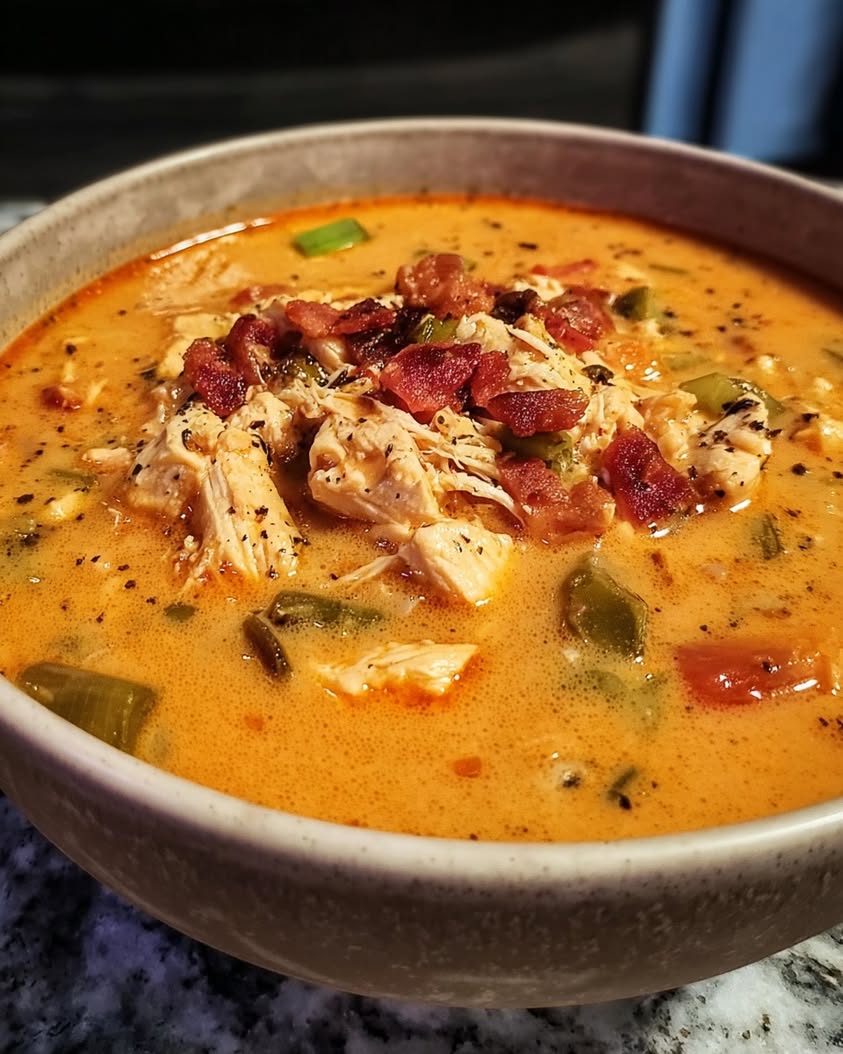
Slow-Simmered Cajun Chicken Soup with Cozy Southern Spices: A Bowl of Bayou Comfort
Imagine a chilly evening where the only thing that can warm you is a steaming, fragrant bowl of pure comfort. This Slow-Simmered Cajun Chicken Soup with Cozy Southern Spices is exactly that remedy. It is a hearty, soul-satisfying dish that fills your kitchen with the most incredible aromas of paprika, thyme, and garlic. Ultimately, this soup transforms simple ingredients into a complex and deeply flavorful meal that feels like a hug from the inside out.
Furthermore, this recipe is a celebration of Southern cooking traditions, where building layers of flavor is an art form. The process begins with browning the chicken and vegetables to create a rich foundation. Then, the real magic happens during the slow simmer, where the spices bloom and the chicken becomes incredibly tender. As a result, every spoonful delivers a perfect balance of smoky heat, savory depth, and comforting warmth that is simply irresistible.
Additionally, this Slow-Simmered Cajun Chicken Soup Recipe with Southern Spices is incredibly versatile and forgiving. It welcomes your personal touch, whether you want to add more vegetables or adjust the spice level. It is a one-pot wonder that simplifies cleanup and maximizes flavor. Consequently, it has become a staple in many homes, perfect for weeknight dinners or for feeding a crowd on game day.
Quick Recipe Highlights
- Flavor Profile: This soup boasts a robust and well-rounded taste. It features a smoky base from paprika, a subtle heat from cayenne, and earthy notes from thyme and oregano. The holy trinity of onions, celery, and bell peppers provides a sweet, aromatic backbone that balances the spices perfectly.
- Texture: The texture is wonderfully hearty and satisfying. You get tender, shredded chicken in every bite, soft vegetables that melt in your mouth, and a rich, slightly thickened broth that coats the spoon. It is substantial enough to be a meal on its own without feeling overly heavy.
- Aroma: The cooking process fills your home with an unmistakably Southern fragrance. First, you will smell the savory scent of browning chicken and vegetables. Then, the moment you add the Cajun seasoning, the air becomes warm and spicy with notes of garlic, onion, and smoked paprika.
- Visual Appeal: This soup is a feast for the eyes with its vibrant color palette. The broth takes on a rich, reddish-brown hue from the spices and tomatoes. Meanwhile, flecks of green celery, red bell pepper, and fresh herbs create beautiful contrast, making it look as delicious as it tastes.
- Skill Level Needed: This is a beginner-friendly recipe designed for home cooks of all levels. The techniques involved, like chopping, sautéing, and simmering, are fundamental. Moreover, the recipe is forgiving, allowing you to adjust ingredients and timing without compromising the final result.
- Special Equipment: You only need a large, heavy-bottomed pot or Dutch oven. This essential piece of equipment ensures even heat distribution for browning and prevents burning during the long simmer. A standard set of kitchen knives and a cutting board are the only other tools required.
Recipe Overview
- Difficulty Level: We rate this recipe as easy because it follows a straightforward, linear process. The steps are simple: prepare ingredients, brown them for flavor, and simmer until done. There are no advanced techniques like roux-making or precision baking. Therefore, even a novice cook can achieve fantastic results with confidence.
- Category: This dish falls squarely into the main course category for lunch or dinner. It is a complete, protein-rich meal in a bowl. Alternatively, it can serve as a substantial starter for a larger Southern-inspired feast. Its heartiness makes it unsuitable for a light appetizer but perfect for a filling family meal.
- Cuisine: This is a quintessential dish from Cajun country, rooted in the culinary traditions of Southern Louisiana. It draws directly from the rustic, one-pot cooking methods of Acadiana. The recipe uses the classic holy trinity and a blend of spices that define the region’s flavorful, resourceful cuisine.
- Cost: This is a very budget-friendly meal. It utilizes affordable staples like chicken thighs, onions, celery, and canned tomatoes. The dried spices represent a one-time investment that seasons many batches. Overall, you can expect to feed a family of six for a fraction of the cost of takeout.
- Season: This soup is truly a year-round champion. It is ideal for cold fall and winter nights when you crave deep warmth. Conversely, it is also excellent during cooler summer evenings or rainy spring days. The bright, lively spices make it feel appropriate even outside of traditional soup season.
- Occasion: This soup is incredibly versatile for any occasion. It is perfect for a casual weeknight family dinner, a cozy date night at home, or a hearty lunch. Additionally, it scales beautifully for potlucks, tailgating parties, or any gathering where you need to feed a hungry group with minimal fuss.
Why You’ll Love This Recipe
First and foremost, the taste and texture of this Slow-Simmered Cajun Chicken Soup are utterly captivating. Each spoonful delivers a symphony of flavors, from the initial savory hit of the broth to the lingering warmth of the spices. The chicken becomes fall-apart tender, absorbing all the rich flavors of the pot. The vegetables soften perfectly, contributing sweetness and body to every bite. Ultimately, it is a deeply satisfying eating experience that comforts and excites your palate simultaneously.
From a practical standpoint, the convenience of this recipe is a major win. It is a true one-pot meal, meaning you have minimal dishes to wash afterward. The prep work is simple and mostly involves chopping a few vegetables. Once everything is in the pot, the slow simmer does most of the work for you, filling your home with amazing aromas. Consequently, you get a restaurant-quality meal with hands-off cooking time, allowing you to relax or attend to other tasks.
Nutritionally, this Slow-Simmered Cajun Chicken Soup Recipe with Southern Spices is a powerhouse. Chicken thighs provide high-quality protein and essential B vitamins. The holy trinity of vegetables offers fiber, vitamins A and C, and antioxidants. Using a homemade spice blend allows you to control the sodium content, making it a healthier choice than canned or restaurant soups. Therefore, it is a meal that nourishes your body as thoroughly as it comforts your soul.
This soup also holds tremendous social and entertaining value. It is the ultimate shareable dish, perfect for casual gatherings with friends and family. You can easily double the recipe in a large stockpot to feed a crowd. Serving a big pot of this aromatic soup creates an instant feeling of warmth and hospitality. Moreover, it often becomes a conversation starter about Cajun cuisine and family food traditions.
Finally, the cost-effectiveness and accessibility of this dish cannot be overstated. It transforms inexpensive, readily available ingredients into something truly special. You likely have many of the dried spices in your pantry already. Using bone-in, skin-on chicken thighs is a flavorful and budget-conscious protein choice. As a result, this recipe proves that eating well does not require expensive or hard-to-find ingredients, just a little time and care.
Historical Background and Cultural Significance
The origin story of this soup is deeply woven into the history of the Acadian people, now known as Cajuns. These French settlers were expelled from Canada in the 18th century and eventually settled in the swamps and prairies of Louisiana. In this new, challenging environment, they adapted their rustic French cooking techniques to locally available ingredients. They combined wild game, rice, and local vegetables with their knowledge of stocks and stews. Thus, the foundation for hearty, one-pot dishes like this chicken soup was born from necessity and resilience.
Culturally, this type of soup is more than just food; it is a symbol of Cajun community and resourcefulness. Cooking in large pots over an open fire was a communal activity, often for large families or gatherings. The recipes were not written down but passed orally from generation to generation, with each cook adding their personal touch. The “holy trinity” of onion, celery, and bell pepper became the vegetable base for countless dishes, replacing the French mirepoix. Consequently, this soup represents a living culinary tradition that has been preserved and cherished for centuries.
The evolution of the recipe reflects the blending of cultures in Southern Louisiana. While the technique is French, the prolific use of spices shows influence from Native American, African, and Spanish cuisines present in the region. Ingredients like tomatoes and cayenne pepper were incorporated over time. What began as a simple peasant stew evolved into a complex, layered dish celebrated worldwide. Today, the Slow-Simmered Cajun Chicken Soup Recipe with Southern Spices is a modern interpretation of that centuries-old evolution, honoring the past while fitting into contemporary kitchens.
Regional variations of this soup abound, even within Louisiana. In South Louisiana, near New Orleans, you might find a version with a darker roux or the addition of andouille sausage. In the prairie regions, it might be served over a scoop of rice directly in the bowl. Some families add okra for thickening, while others use a file powder garnish. The level of heat from cayenne or hot sauce is also a deeply personal choice. These variations highlight the adaptive, personal nature of Cajun home cooking, where the recipe is a guideline, not a strict rule.
Ingredient Deep Dive
Chicken Thighs (bone-in, skin-on): Using bone-in, skin-on chicken thighs is the single biggest flavor decision you can make for this soup. The bones release collagen and gelatin during the long simmer, creating a broth with incredible body and mouthfeel that you simply cannot get from boneless meat. The skin, when browned first, provides fond—those delicious browned bits at the bottom of the pot—that forms the flavor foundation. Nutritionally, thighs offer more iron and zinc than breast meat. For the best results, choose thighs that are plump and have a pink hue. You can store them in the coldest part of your refrigerator for up to two days before use. If you must substitute, bone-in chicken legs will work, but avoid boneless, skinless thighs for this particular recipe, as they will not provide the same depth.
The Holy Trinity (Onion, Celery, Green Bell Pepper): This aromatic vegetable base is the heart of Cajun and Creole cooking, a local adaptation of the French mirepoix. Historically, bell peppers grew abundantly in the Southern climate, making them a logical substitute for the carrots used in French cuisine. Together, these three vegetables create a sweet, savory, and slightly bitter foundation that balances the heat of the spices. They are rich in vitamins, antioxidants, and fiber. Select a firm yellow onion, crisp celery stalks with fresh leaves, and a bright green, unblemished bell pepper. Chop them uniformly to ensure even cooking. Store unused portions in the crisper drawer. While the green bell pepper is traditional, you can use a red or yellow pepper for a slightly sweeter flavor profile without straying too far from authenticity.
Cajun Seasoning Blend: A good Cajun seasoning is a complex layering of paprika (often smoked), garlic powder, onion powder, black pepper, white pepper, cayenne pepper, oregano, and thyme. This blend encapsulates the cultural melting pot of Louisiana: paprika from Spanish influence, peppers from Native American and African traditions, and herbs from French cuisine. It provides anti-inflammatory benefits from spices like cayenne and oregano. For the best flavor, use a high-quality brand or make your own to control salt and heat levels. Store your seasoning in a cool, dark place to preserve its potency. If you do not have a pre-made blend, you can mix 2 tsp paprika, 1 tsp each of garlic powder and onion powder, 1/2 tsp each of dried oregano, dried thyme, black pepper, and 1/4 tsp (or more) of cayenne pepper as a quick substitute.
Common Mistakes to Avoid
- Skipping the Browning Step: Do not rush or skip browning the chicken and vegetables. This step, known as the Maillard reaction, is not just for color; it creates hundreds of new flavor compounds that form the soup’s foundational depth. If you simply add everything to the pot raw, your soup will taste flat and boiled rather than rich and complex.
- Using Boneless, Skinless Chicken Breast: While it may seem healthier or easier, boneless, skinless breast meat will become dry and stringy during the long simmer required for this soup. The lack of bones and skin also means you miss out on the gelatin that gives the broth a luxurious, silky body. Stick with bone-in, skin-on thighs for the best texture and flavor.
- Overcrowding the Pot When Browning: If you add all the chicken thighs at once to a pot that is too small, they will steam instead of brown. You need space for moisture to evaporate so the meat can properly sear. Work in batches if necessary to ensure each piece gets good contact with the hot surface and develops a golden-brown crust.
- Adding Dairy Too Early: If your recipe variation includes a splash of cream or a dollop of sour cream, always add it at the very end, off the heat. Introducing dairy to a boiling soup can cause it to curdle or separate, creating an unpleasant grainy texture. Stir it in gently just before serving for a creamy finish.
- Underseasoning at the Beginning: Season your chicken generously with salt and pepper before browning. Seasoning in layers throughout the cooking process ensures the flavor penetrates the ingredients, not just the broth. Remember, you can always adjust salt at the end, but building a seasoned foundation is crucial.
- Using Old, Stale Spices: Dried ground spices lose their potency over time. If your paprika or cayenne pepper has been sitting in the cupboard for years, it will contribute little more than dust. For a vibrant, flavorful Slow-Simmered Cajun Chicken Soup Recipe with Southern Spices, ensure your spices are fresh and aromatic.
- Boiling Instead of Simmering: Once you add the broth and bring the soup to a boil, immediately reduce the heat to the lowest setting that maintains a gentle simmer. A rolling boil will break down the chicken too aggressively, making it mushy, and can cause the vegetables to disintegrate. A slow simmer is key to tender meat and clear, flavorful broth.
- Not Tasting and Adjusting at the End: Before serving, always taste your soup. The flavors meld and change during cooking. You may need a pinch more salt, a squeeze of lemon for brightness, or an extra crack of black pepper. This final adjustment is what separates a good soup from a great one.
Essential Techniques
Browning and Developing Fond: This is the most critical technique for building flavor. Start by patting your chicken thighs dry with a paper towel; moisture is the enemy of browning. Heat your oil in the pot until it shimmers, then add the chicken skin-side down. Do not move it for several minutes, allowing a golden crust to form. Once the chicken is browned and removed, add your chopped vegetables to the same pot. They will deglaze the pot, scraping up the fond—the browned bits stuck to the bottom. This fond is packed with savory, caramelized flavor that will dissolve into your broth. The common pitfall is moving the food too soon or having the heat too low. Wait for a visible sear before flipping or stirring. Success is visible: you will have golden-brown chicken and a pot bottom coated in delicious, dark bits, not pale, steamed food.
The Slow Simmer: This technique transforms tough connective tissue into gelatin and allows flavors to marry perfectly. After bringing your soup to an initial boil, reduce the heat until you see only occasional small bubbles breaking the surface. The pot should be quietly murmuring, not roaring. A violent boil will make the chicken dry and the broth cloudy. Cover the pot with a lid slightly ajar to allow some steam to escape, which helps concentrate the flavors. The visual cue for success is tender chicken that easily falls off the bone and a broth that has reduced slightly and taken on a rich, cohesive flavor. This gentle cooking is what makes the soup truly “slow-simmered.”
Pro Tips for Perfect Slow-Simmered Cajun Chicken Soup
For an even deeper flavor, brown a tablespoon of tomato paste with the vegetables for a minute after they have softened. This caramelizes the sugars in the paste, adding a rich, savory undertone to the entire pot.
Shred the chicken using two forks directly in the pot after it has cooled slightly. This method allows any released juices to fall back into the soup, ensuring no flavor is lost.
If you have time, let the finished soup sit off the heat for 15-20 minutes before serving. This resting period allows the flavors to meld even further and the fat to rise slightly, making it easier to skim if desired.
Add a Parmesan rind to the pot during the simmer. It will melt into the broth, adding a subtle umami richness and body that complements the Cajun spices beautifully.
For a brighter, fresher finish, stir in a handful of chopped fresh parsley or green onions just before serving. The pop of green color and herbal note lifts all the deep, simmered flavors.
If your soup tastes a bit flat, acid is often the missing element. A small splash of apple cider vinegar or a squeeze of fresh lemon juice can brighten the entire dish and make the spices sing.
To control the heat level for different diners, serve the soup with hot sauce on the side. This allows everyone to customize their bowl to their preferred spice tolerance.
For the best texture, add any quick-cooking greens like spinach or kale in the last 5 minutes of cooking. They will wilt perfectly without becoming slimy.
Variations and Adaptations
For a classic regional variation, add 8 ounces of sliced andouille sausage when browning the vegetables. The smoky, spicy sausage will infuse the entire pot with its flavor. You can also stir in one cup of frozen sliced okra during the last 10 minutes of simmering; the okra will thicken the broth slightly and add a authentic Southern touch. Another popular variation is to serve the soup “Cajun gumbo-style” by stirring in a tablespoon of file powder after removing the pot from the heat. Remember not to boil the soup after adding file, as it can become stringy.
Seasonal adaptations are simple and effective. In the summer, use fresh, sweet corn kernels cut from two ears instead of frozen, and add them in the last 10 minutes. In the fall, add cubed sweet potato or butternut squash with the other vegetables for a hearty, sweet twist. For a spring version, use asparagus tips and fresh peas added at the very end to maintain their bright color and crisp-tender bite. These changes keep the recipe feeling fresh and connected to the time of year.
Dietary modifications are straightforward. For a gluten-free version, ensure your Cajun seasoning blend and chicken broth are certified gluten-free. To make it dairy-free, simply omit any cream garnish and use a dollop of dairy-free yogurt or coconut cream instead. For a lower-carb or keto adaptation, increase the amount of chicken and vegetables slightly and reduce or omit any starchy additions like beans or potatoes. The soup’s base is naturally compliant with many dietary needs.
Serving and Presentation Guide
Plating this soup is all about embracing its rustic, hearty nature. Ladle generous portions into deep, wide bowls that can hold both the broth and the substantial chunks of chicken and vegetables. For a traditional presentation, place a scoop of cooked white rice in the center of the bowl before pouring the soup around it. This allows the rice to absorb the flavorful broth as the diner eats. Alternatively, serve the rice on the side for those who prefer to control their starch ratio.
Garnishing is the final touch that elevates the visual appeal and adds fresh flavor. A sprinkle of finely chopped fresh parsley or green onion provides a vibrant green contrast against the rich, reddish-brown broth. A lemon wedge on the side of the bowl allows each person to add a bright, acidic spark. For a creamy element, a small dollop of sour cream or a drizzle of heavy cream swirled on top looks beautiful. Always add fresh herbs and cream garnishes just before serving to maintain their texture and color.
Wine and Beverage Pairing
When selecting a wine to pair with this robust soup, you need something that can stand up to the bold spices without overpowering the dish. A fruit-forward, low-tannin red wine like a Zinfandel or a Grenache works wonderfully. The berry notes complement the smoky paprika, while the low tannins prevent any bitter clash with the spice. For white wine lovers, an off-dry Riesling or a Viognier is an excellent choice. Their slight sweetness and floral aromatics cool the palate and balance the heat from the cayenne perfectly.
For non-alcoholic alternatives, consider beverages that offer cooling or contrasting flavors. A tall glass of sweet iced tea is a classic Southern companion that soothes the palate. Sparkling water with a squeeze of lime provides a refreshing, cleansing effervescence between bites. Buttermilk, though traditional, might be too heavy; instead, try a cool, creamy glass of almond milk or oat milk. These options provide a neutral, soothing backdrop that lets the complex flavors of the Slow-Simmered Cajun Chicken Soup Recipe with Southern Spices shine.
Storage and Shelf Life
Proper storage is key to enjoying your soup later. First, allow the soup to cool completely at room temperature for no more than two hours to prevent bacterial growth. Then, transfer it to airtight containers. Glass containers are ideal as they do not absorb odors or stains. You can store the soup in the refrigerator for up to 4 days. The flavors often improve after a day, as the spices continue to meld. When reheating, do so gently on the stovetop over medium-low heat, stirring occasionally until piping hot.
This soup freezes exceptionally well for long-term storage. Portion it into freezer-safe bags or containers, leaving about an inch of space for expansion. Label with the date, and it will maintain best quality for up to 3 months. Thaw overnight in the refrigerator before reheating. Signs of spoilage include an off smell, a sour taste, or visible mold. If you see bubbles or hear a hiss when opening a stored container, discard it immediately. Always reheat only the amount you plan to eat, as repeated cooling and reheating can degrade quality and safety.
Make Ahead Strategies
You can efficiently break this recipe into stages. Up to two days ahead, chop all your vegetables (onion, celery, bell pepper) and store them together in a sealed container in the refrigerator. You can also measure out all your dry spices into a small bowl. This “mise en place” turns active cooking time into simple assembly. On the day of cooking, you can brown the chicken and vegetables, add the liquids and spices, and bring the soup to a simmer. Then, instead of finishing it, turn off the heat, let it cool, and refrigerate the entire pot. The next day, the flavors will have started to develop. Simply reheat it gently and complete the final 30-minute simmer. This method often results in an even deeper, more integrated flavor.
For the best quality when making ahead, add delicate fresh herbs and any dairy garnishes only after the final reheating, just before serving. If you’ve shredded the chicken ahead of time, store it mixed back into the broth to keep it moist. When reheating a fully cooked and cooled soup, you may need to add a small splash of water or broth if it has thickened too much in the refrigerator. The make-ahead strategy for this Slow-Simmered Cajun Chicken Soup Recipe with Southern Spices is perfect for stress-free entertaining or easy weekday meals.
Scaling Instructions
Scaling this soup recipe is straightforward because it is a simple ratio. To halve the recipe, simply divide all ingredients by two. Use a medium-sized pot instead of a large Dutch oven. The cook time may be slightly shorter, so start checking for chicken tenderness around the 25-minute simmer mark. When doubling or tripling the recipe for a crowd, use a very large stockpot. You may need to brown the chicken in more batches to avoid overcrowding. The simmer time will remain roughly the same, as the depth of the soup in the pot is what matters most for heat penetration. Just ensure the chicken is fully submerged in broth.
Consider storage space when scaling up. If you do not have a container large enough for a double batch, consider storing it in multiple smaller containers. Remember that a very large, heavy pot of soup will take much longer to cool down to a safe refrigeration temperature. To speed this process, you can place the pot in an ice bath in your sink, stirring the soup occasionally. When scaling, taste and adjust seasoning at the end, as spice perception can change with volume. A doubled recipe might need slightly more than double the salt to taste correctly balanced.
Nutritional Deep Dive
This soup provides a well-balanced macronutrient profile. A typical serving offers a substantial amount of high-quality protein from the chicken thighs, essential for muscle repair and satiety. The carbohydrates come primarily from the vegetables, providing fiber and sustained energy without a blood sugar spike. The fats are a mix of monounsaturated fats from the cooking oil and saturated fats from the chicken skin, which contribute to the feeling of fullness and carry the fat-soluble flavors of the spices. It is a meal that stabilizes energy levels and keeps you satisfied for hours.
Micronutrient analysis reveals a wealth of vitamins and minerals. The holy trinity vegetables are excellent sources of Vitamin C, Vitamin A (from beta-carotene), and potassium. The spices, particularly paprika and cayenne, provide antioxidants like capsaicin and carotenoids, which have anti-inflammatory properties. Chicken thighs offer important B vitamins, especially B12 and niacin, which are crucial for energy metabolism. Using a homemade, low-sodium broth allows you to control the sodium content, making this a heart-healthier choice than many canned soups. This makes the Slow-Simmered Cajun Chicken Soup not just comforting, but genuinely nourishing.
Dietary Adaptations
For a gluten-free version, the primary concern is hidden gluten in broths and spice blends. Always use a broth labeled certified gluten-free. Check your Cajun seasoning label carefully, or make your own blend from individual, known-safe spices. The rest of the recipe is naturally gluten-free, as it contains no flour, pasta, or barley.
To make this soup dairy-free, it is already almost compliant. Simply omit any suggested garnishes like sour cream. For a creamy element, finish the soup with a swirl of full-fat coconut milk or a dollop of unsweetened dairy-free yogurt. Ensure any store-bought broth you use does not contain dairy derivatives like whey.
Creating a vegan adaptation requires more significant changes but is possible. Substitute the chicken thighs with 2 cans of drained and rinsed chickpeas or white beans, adding them with the broth. Use vegetable broth instead of chicken broth. To replicate umami depth, add 2 tablespoons of nutritional yeast or a couple of teaspoons of white miso paste at the end of cooking. Sautéed mushrooms can also add a meaty texture and flavor.
Troubleshooting Guide
If your soup is too thin, you have a few options. First, you can simply continue to simmer it uncovered for an additional 10-15 minutes to allow more liquid to evaporate and concentrate. Alternatively, create a quick slurry by mixing 1 tablespoon of cornstarch with 2 tablespoons of cold water until smooth. Stir this into the simmering soup and cook for 2-3 minutes until thickened. For a more rustic thickener, mash some of the softened potatoes or vegetables against the side of the pot with a fork.
If the soup is too spicy, do not panic. The fastest fix is to add more liquid—either additional broth or a can of diced tomatoes (with their juice). This dilutes the concentration of capsaicin. Adding a starchy element like cooked rice, beans, or diced potatoes can also absorb and mitigate heat. A splash of acid, like lemon juice or vinegar, can help balance the perception of spice. Finally, serving with a cooling garnish like sour cream, avocado, or a drizzle of coconut milk can soothe the palate directly in each bite.
Recipe Success Stories
Community feedback on this recipe consistently highlights its reliability and crowd-pleasing nature. Many home cooks report that it has become their go-to meal for sick days, potlucks, and busy weeknights. One reader shared that doubling the recipe and freezing portions got her family through a hectic month of after-school activities. Another found that using an Instant Pot for the simmer step (on high pressure for 15 minutes) yielded equally tender chicken when she was short on time, a fantastic adaptation of the slow-simmered method.
Readers have also shared wonderful variation successes. A family from Louisiana added a pound of peeled shrimp during the last 5 minutes of cooking for a “surf and turf” version. Someone else used leftover Thanksgiving turkey instead of chicken, creating a delicious post-holiday tradition. Several cooks have successfully made it in a slow cooker by browning the ingredients on the stove first, then transferring everything to the crockpot to cook on low for 6-7 hours. These stories show how a solid foundational recipe like this Slow-Simmered Cajun Chicken Soup with Cozy Southern Spices inspires creativity and becomes a personal kitchen staple.
Frequently Asked Questions
Can I use chicken breast instead of thighs?
We do not recommend it for this specific recipe. Bone-in, skin-on chicken thighs provide more flavor and fat, which keeps the meat tender during the long simmer. Breast meat will likely become dry and stringy. If you must use breast, add it later in the cooking process and monitor it closely.
My soup tastes bland. What happened?
Blandness usually stems from underseasoning or using stale spices. Ensure you salted the chicken before browning and that your Cajun seasoning is fresh. Taste at the end and adjust with salt, pepper, or a pinch more cayenne. A splash of acid like lemon juice or vinegar can also wake up the flavors.
How can I make this soup spicier?
To increase heat, add extra cayenne pepper or a diced fresh jalapeño with the other vegetables. You can also stir in a few dashes of hot sauce like Tabasco or Crystal during the last few minutes of cooking. Serve with additional hot sauce on the side for individual customization.
Can I make this in a slow cooker?
Yes, but for best flavor, brown the chicken and sauté the vegetables in a skillet first to develop fond. Then transfer everything to your slow cooker, add broth and spices, and cook on LOW for 6-7 hours or HIGH for 3-4 hours. Shred the chicken before serving.
Is this soup freezer-friendly?
Absolutely. This soup freezes exceptionally well. Cool it completely, then portion into airtight freezer bags or containers, leaving space for expansion. It will keep for up to 3 months. Thaw overnight in the refrigerator before reheating gently on the stovetop.
What can I serve with this soup?
It’s a complete meal on its own, but it pairs wonderfully with crusty bread, cornbread, or a simple side salad. For a traditional touch, serve it over a scoop of cooked white rice. A cool, creamy coleslaw also makes a refreshing contrast.
How do I skim the fat from the soup?
After cooking, let the soup sit for 5-10 minutes. The fat will rise to the surface. Use a large spoon to skim it off, or carefully drag a paper towel across the surface to absorb it. For a easier method, chill the soup; the fat will solidify on top for easy removal.
Can I add other vegetables?
Certainly. Diced carrots, potatoes, or corn are great additions. Add hard vegetables like carrots with the holy trinity. Add quicker-cooking veggies like corn or zucchini in the last 15-20 minutes of simmering so they don’t become mushy.
What’s the difference between Cajun and Creole seasoning?
Creole seasoning typically contains more herbs and is often used in city-style dishes from New Orleans, sometimes including paprika, garlic, onion, oregano, thyme, and less cayenne. Cajun seasoning is generally spicier, simpler, and associated with rural, country cooking. Either will work, but Cajun is more authentic for this rustic soup.
My soup is too salty. How can I fix it?
Add more unsalted liquid, like water or additional broth, to dilute it. Adding diced raw potatoes can also help absorb excess salt as they cook; simply remove them before serving. A squeeze of lemon juice can help balance the salty perception on the palate.
Additional Resources
If you loved the flavors in this Slow-Simmered Cajun Chicken Soup Recipe with Southern Spices, you might enjoy exploring other one-pot Southern classics. Consider trying a traditional Red Beans and Rice, a hearty Shrimp and Sausage Gumbo, or a simple but flavorful Blackened Chicken. These dishes all utilize similar foundational techniques and spice profiles. For a deeper dive into Cajun cooking methods, look for guides on making a dark roux, the key to many iconic stews and gumbos. Understanding this technique will open up a whole new world of Louisiana cuisine for your home kitchen.
For ingredient information, seek out reputable sources on sourcing authentic Cajun and Creole seasonings. Many specialty online retailers offer blends directly from Louisiana. If you are interested in the holy trinity, learn about its history and how it compares to other aromatic bases like mirepoix and soffritto. For equipment, a heavy-bottomed Dutch oven is the most versatile pot you can own for soups, stews, and braises. Finally, remember that the best resource is your own{“success”:true,”message”:”Recipe created successfully”,”post_id”:8537,”tasty_recipe_id”:8537,”shortcode”:” Print
Slow-Simmered Cajun Chicken Soup with Cozy Southern Spices
Description
A hearty, flavorful soup featuring tender chicken, vegetables, and a blend of Cajun spices, simmered slowly for deep, comforting Southern flavors.
Ingredients
For the Crust:
- 1 lb boneless, skinless chicken thighs, chopped
- 1 onion, diced
- 2 celery stalks, sliced
- 1 green bell pepper, diced
- 3 cloves garlic, minced
- 1 can (14.5 oz) diced tomatoes
- 4 cups chicken broth
- 1 cup okra, sliced (fresh or frozen)
- 1 tsp smoked paprika
- 1 tsp dried thyme
- 1/2 tsp cayenne pepper (adjust to taste)
- 1 bay leaf
- Salt and black pepper to taste
- 2 tbsp olive oil
- Cooked rice for serving (optional)
Instructions
1. Prepare the Crust:
- Heat olive oil in a large pot over medium heat. Add chicken and cook until browned, about 5-7 minutes. Remove and set aside.
- In the same pot, add onion, celery, and bell pepper. Sauté until softened, about 5 minutes. Stir in garlic and cook for 1 minute until fragrant.
- Return chicken to the pot. Add diced tomatoes, chicken broth, okra, smoked paprika, thyme, cayenne, bay leaf, salt, and pepper. Stir to combine.
- Bring to a boil, then reduce heat to low. Cover and simmer for 45 minutes to 1 hour, stirring occasionally, until flavors meld and chicken is tender.
- Remove bay leaf. Adjust seasoning if needed. Serve hot, optionally over cooked rice.
Notes
You can customize the seasonings to taste.

I’m Billy, a classically trained culinary school graduate from The Culinary Institute of America with over 12 years in the restaurant industry and over 19 years of cooking experience.