
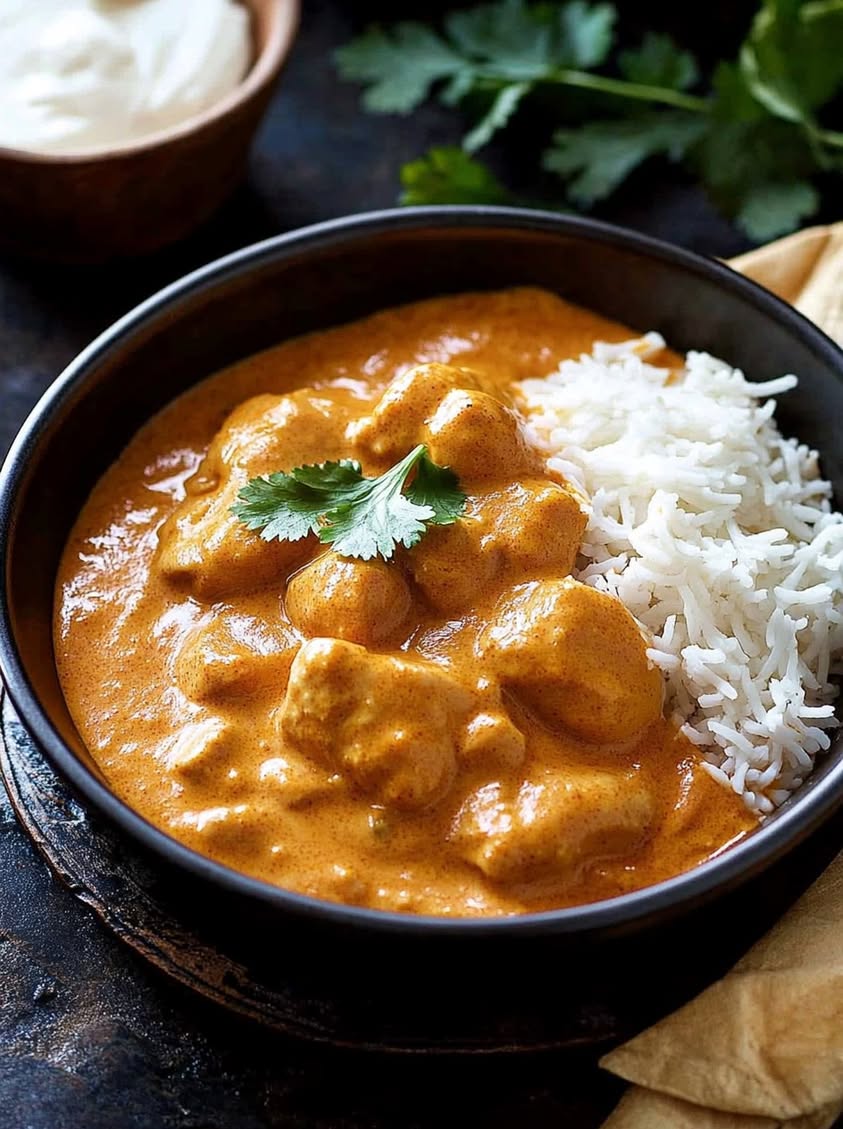
Classic Butter Chicken Recipe: Creamy North Indian Tomato Masala
Welcome to your kitchen’s gateway to the vibrant streets of Delhi. This Classic Butter Chicken Recipe: Creamy North Indian Tomato Masala is more than just a meal; it’s a culinary experience that wraps you in warmth and rich, complex flavors. Imagine tender, marinated chicken pieces swimming in a luxuriously smooth, aromatic gravy that’s both tangy and subtly sweet. The secret lies in the slow-cooked tomato masala, a foundation that carries the deep, smoky notes of traditional Indian spices. Ultimately, this dish promises to transport your senses straight to a bustling North Indian dhaba.
Many people believe that creating an authentic butter chicken requires professional chef skills. However, this recipe breaks down the process into simple, manageable steps. You will learn the art of building layers of flavor, from the yogurt-marinated chicken to the carefully simmered sauce. The result is a restaurant-quality masterpiece that you can proudly serve to family and friends. Furthermore, the intoxicating aroma that fills your kitchen will have everyone eagerly awaiting dinner. This Classic Butter Chicken Recipe: Creamy North Indian Tomato Masala is your ticket to creating unforgettable food memories at home.
Whether you are a seasoned cook or a beginner exploring Indian cuisine, this guide is for you. We will walk through every detail, from selecting the right spices to achieving the perfect creamy consistency. Consequently, you will gain the confidence to recreate this iconic dish perfectly every single time. Let’s embark on this delicious journey to master the beloved Classic Butter Chicken Recipe: Creamy North Indian Tomato Masala.
Quick Recipe Highlights
- Flavor Profile: This dish delivers a perfect harmony of tangy, creamy, and mildly spiced notes. The tomato base provides a bright acidity, while the butter and cream mellow it into a rich, velvety sauce. Additionally, the garam masala and kasuri methi add a warm, earthy depth that is unmistakably North Indian.
- Texture: The chicken is incredibly tender and juicy from its yogurt marinade. Meanwhile, the sauce is luxuriously smooth and creamy, coating each piece perfectly. It should be thick enough to cling to a spoon but still pourable, creating a beautiful coating over steamed rice or naan.
- Aroma: As it cooks, the kitchen fills with the smoky scent of charred tomatoes and ginger-garlic paste. Toasted spices like cumin and garam masala release their essential oils, creating a complex and inviting fragrance. Finally, the finishing touch of dried fenugreek leaves adds a uniquely savory, almost maple-like aroma.
- Visual Appeal: The dish boasts a stunning, vibrant orange-red hue from the tomatoes and spices. The creamy sauce glistens with flecks of green cilantro and melted butter. Served in a white bowl, the colorful contrast makes it incredibly photogenic and appetizing.
- Skill Level Needed: This recipe is rated medium, as it involves multiple steps like marinating and making a base gravy. However, each step is clearly explained and manageable for a home cook. Patience during the simmering process is the key to developing the deepest flavors.
- Special Equipment: A heavy-bottomed pot or Dutch oven is essential for even cooking and preventing the sauce from burning. Additionally, a blender or immersion blender is needed to create the perfectly smooth tomato masala. Otherwise, standard kitchen tools like a mixing bowl and skillet are all you need.
Recipe Overview
- Difficulty Level: We classify this Classic Butter Chicken Recipe: Creamy North Indian Tomato Masala as medium difficulty. The process involves several stages—marination, making a paste, and simmering a sauce—that require attention to detail. However, the techniques are fundamental, and the instructions guide you through each one clearly. With a bit of organization, even intermediate cooks can achieve spectacular results.
- Category: This is a quintessential main course dish, perfect for a hearty dinner. It falls beautifully into categories like comfort food, party food, and family meals. Moreover, it’s a celebrated example of restaurant-style Indian cooking that you can replicate at home.
- Cuisine: This dish is a flagship recipe of North Indian Punjabi cuisine, known for its rich, dairy-based gravies. It reflects the culinary traditions of Delhi, where it was famously created. The use of tomatoes, butter, cream, and a specific blend of spices defines its authentic character.
- Cost: Making this Classic Butter Chicken Recipe: Creamy North Indian Tomato Masala at home is surprisingly cost-effective compared to dining out. The most significant investments are the spices and cream, but they are used across many dishes. Overall, a homemade batch for four costs a fraction of a restaurant order, offering tremendous value.
- Season: This rich and warming dish is ideal for cooler fall and winter months. Conversely, its comforting nature makes it a year-round favorite for special dinners. The creamy sauce and tender chicken provide a satisfying meal regardless of the weather outside.
- Occasion: It is perfect for festive occasions like Diwali, dinner parties, or a cozy weekend family meal. This dish is always a crowd-pleaser and serves as the centerpiece of any celebratory spread. It also makes for an impressive potluck contribution that will have everyone asking for the recipe.
Why You’ll Love This Recipe
First and foremost, the taste and texture of this Classic Butter Chicken Recipe: Creamy North Indian Tomato Masala are utterly divine. Each bite offers tender, flavorful chicken enveloped in a sauce that is simultaneously tangy, rich, and aromatic. The complexity of spices is balanced so that no single flavor overpowers another, creating a harmonious and deeply satisfying experience. Furthermore, the creamy texture is incredibly comforting, making it the ultimate food for the soul. You will find yourself savoring every spoonful and likely going back for seconds.
From a convenience standpoint, this recipe is brilliantly structured. You can marinate the chicken ahead of time, which actually improves its tenderness and flavor. The sauce base can also be prepared in advance and frozen, making weeknight dinners a breeze. Consequently, what seems like a special-occasion dish can easily become part of your regular cooking rotation. The step-by-step process demystifies Indian cooking, building your confidence in the kitchen. Ultimately, you gain a versatile skill that allows you to recreate a global favorite.
Nutritionally, this homemade version puts you in control. You can adjust the amount of butter and cream to suit your dietary preferences without sacrificing the essential creamy character. The tomatoes provide a good dose of lycopene and vitamin C, while the spices like turmeric and ginger offer anti-inflammatory benefits. By using lean chicken breast or thigh, you incorporate a great source of protein. Therefore, you can enjoy a decadent-tasting meal that can be tailored to be part of a balanced diet.
The social and entertaining value of this dish cannot be overstated. Serving this Classic Butter Chicken Recipe: Creamy North Indian Tomato Masala is a guaranteed way to impress guests and make any gathering feel special. It pairs wonderfully with a variety of sides, from simple rice to an array of breads and salads, allowing you to build a complete feast. The act of sharing such a lovingly prepared, flavor-packed dish creates a warm and memorable dining experience. It is a recipe that fosters connection and joy around the table.
Finally, this recipe is remarkably cost-effective and accessible. The ingredients are readily available in most grocery stores, and the process requires no exotic equipment. By preparing it at home, you save significantly compared to restaurant prices, allowing you to enjoy gourmet-quality food more often. Moreover, mastering this recipe empowers you to explore more Indian cooking, expanding your culinary repertoire. In short, it is an investment in delicious, home-cooked meals that pay dividends in flavor and satisfaction.
Historical Background and Cultural Significance
The origin story of butter chicken, or Murgh Makhani, is a delightful tale of culinary innovation. It was invented in the 1950s at the famous Moti Mahal restaurant in Delhi. Legend has it that the chefs, seeking to avoid waste, decided to reuse leftover tandoori chicken by simmering it in a rich tomato and butter gravy. This resourceful act birthed one of the world’s most beloved Indian dishes. The creation was an instant hit, captivating locals and travelers alike with its creamy texture and complex flavor profile.
Culturally, butter chicken holds a place of honor as a flagship dish of Punjabi cuisine and a global ambassador for Indian food. It represents the rich, dairy-forward cooking style of North India, where butter and cream are staple ingredients. The dish symbolizes hospitality and celebration, often being the centerpiece at weddings, festivals, and family gatherings. Its widespread popularity has made it a comforting introduction to Indian flavors for people across the globe. Consequently, it has played a significant role in shaping international perceptions of Indian culinary artistry.
The evolution of the recipe is a fascinating journey from a Delhi restaurant to kitchens worldwide. While the core elements remain—tandoori chicken in a tomato-cream gravy—countless variations have emerged. Chefs have experimented with the level of spice, the consistency of the sauce, and the balance of tanginess and sweetness. The original recipe relied on the smoky flavor from the tandoor oven, but home cooks have adapted techniques using grills or broilers. This adaptability is a testament to the dish’s robust and forgiving nature.
Regional variations of this Classic Butter Chicken Recipe: Creamy North Indian Tomato Masala abound, both within India and abroad. In some parts of Punjab, a heavier hand with dried fenugreek leaves is common. In Western countries, versions often become sweeter or milder to suit local palates. Some modern interpretations incorporate ingredients like honey, kasundi, or even a splash of whiskey. Despite these adaptations, the soul of the dish—its creamy, comforting, and aromatic character—remains unmistakable. It continues to evolve while staying true to its delicious roots.
Ingredient Deep Dive
Let’s start with the star: chicken. Traditionally, bone-in chicken pieces are used for maximum flavor, but boneless thighs or breasts work beautifully for convenience. The yogurt-based marinade, with ginger, garlic, and spices, tenderizes the meat and infuses it with flavor. For the best results, use full-fat yogurt, as its acidity and fat content work together to keep the chicken juicy during cooking. Marinate for at least two hours, or ideally overnight, to achieve that signature tenderness and depth.
Tomatoes form the heart of the creamy North Indian tomato masala. Use ripe, red tomatoes for the brightest color and natural sweetness. The slow cooking and charring of the tomatoes is a non-negotiable step, as it concentrates their flavor and removes raw acidity, creating a sweet, deep base. You can use canned whole peeled tomatoes in a pinch, especially when fresh ones are not in season. Their consistent quality and year-round availability make them a reliable choice for this rich gravy.
The trio of butter, cream, and yogurt defines the dish’s luxurious texture. Unsalted butter allows you to control the seasoning, while the cream adds a velvety richness that balances the tomatoes’ tang. For a lighter version, you can substitute with cashew paste, which provides a similar creamy body. The yogurt in the marinade is crucial; its lactic acid breaks down protein fibers, ensuring the chicken stays succulent. Using high-quality, fresh dairy products makes a noticeable difference in the final taste and mouthfeel of the sauce.
Spices are the soul of this Classic Butter Chicken Recipe. Kashmiri red chili powder provides vibrant color without excessive heat, while garam masala adds a warm, complex fragrance. Kasuri methi (dried fenugreek leaves) is the secret weapon, offering a subtle bitterness and a distinctive aroma that is irreplaceable. Toast whole spices like cumin seeds at the beginning to unlock their essential oils. Remember, freshly ground spices will always deliver a more potent and aromatic flavor compared to pre-ground ones that have been sitting on the shelf.
Common Mistakes to Avoid
- Rushing the Tomato Cooking: Do not simmer the tomatoes for too short a time. This step is crucial for cooking out the raw acidity and developing a sweet, concentrated flavor. If you rush, your sauce will taste tart and lack the deep, rounded taste that defines a great butter chicken.
- Overcooking the Chicken: Adding the chicken to the sauce too early or simmering it for too long will make it dry and tough. The chicken only needs to heat through in the warm sauce at the end. Its cooking is mostly done during the marinating and initial searing or grilling stage.
- Using Cold Dairy: Adding cold butter or cream directly from the fridge can cause the sauce to break or become grainy. Always let dairy ingredients come to room temperature before stirring them into the hot gravy. Then, warm them gently without bringing the sauce to a boil.
- Skipping the Kasuri Methi: This dried herb is not just a garnish; it’s a core flavor component. Rubbing the kasuri methi between your palms before adding it releases its essential oils and maximizes its unique, savory aroma. Omitting it will leave the dish missing its characteristic note.
- Not Blending the Sauce Smoothly: A lumpy sauce ruins the luxurious texture. Ensure you blend the cooked tomato-onion mixture until it is completely silky and smooth. An immersion blender is perfect for this job, but a standard countertop blender works just as well.
- Using Pre-Minced Garlic and Ginger: The flavor of fresh ginger and garlic paste is far superior to the jarred versions. The latter often contain preservatives and can have a harsh, bitter aftertaste that will negatively impact the delicate balance of your masala.
- Adding Salt Too Early: Season your marinade and sauce in stages. If you add all the salt at the beginning, especially to the tomatoes, it can draw out too much water and hinder the cooking-down process. Always do a final seasoning check at the end, after all the cream and butter are incorporated.
- Substituting Heavy Spices Incorrectly: If you don’t have Kashmiri chili powder, using an equal amount of regular cayenne will make the dish extremely spicy. Instead, use a mix of sweet paprika and a tiny pinch of cayenne to approximate the color and mild heat.
Essential Techniques
The first essential technique is creating a smooth tomato-onion paste. You must cook the onions and tomatoes until they are completely soft and breaking down. This process requires patience over medium heat to avoid burning. Once cooked, let the mixture cool slightly before blending to a perfectly smooth consistency. A gritty or chunky base will prevent you from achieving the restaurant-style silkiness that defines this Classic Butter Chicken Recipe: Creamy North Indian Tomato Masala.
Mastering the marination is non-negotiable. Combine the yogurt and spices thoroughly before adding the chicken, ensuring every piece is well-coated. The acid in the yogurt acts as a tenderizer, so adequate time is crucial. For optimal results, marinate in the refrigerator for at least 4-6 hours, or overnight. Before cooking, let the chicken sit at room temperature for about 30 minutes to ensure even cooking. This step guarantees juicy, flavor-packed chicken in every bite.
Understanding the “tempering” of spices, or tadka, is key. Heating whole cumin seeds in hot butter or oil at the beginning releases their aromatic compounds directly into the fat, which then carries the flavor throughout the entire sauce. The seeds should sizzle and become fragrant within seconds—be careful not to burn them. This technique forms the foundational flavor layer upon which you build the rest of the creamy North Indian tomato masala.
Finally, the technique of finishing the sauce with dairy is critical for texture. After your smooth tomato masala is cooked, you must lower the heat before adding butter and cream. Adding them to a violently boiling sauce can cause separation. Instead, stir them in gently off the heat, allowing the residual warmth to melt and incorporate them smoothly. This method ensures a velvety, emulsified gravy that clings beautifully to the chicken.
Pro Tips for Perfect Classic Butter Chicken
For an authentic smoky flavor without a tandoor, use the “dhungar” method. Place a small piece of hot charcoal in a metal bowl, drizzle a few drops of oil on it, and immediately place the bowl in your pot of finished butter chicken. Cover the pot tightly for 5 minutes. This infuses the dish with a fantastic smoky aroma.
Always use a combination of tomato paste and fresh tomatoes. The paste adds a concentrated depth and rich color that fresh tomatoes alone sometimes lack. Stir it in after the onions are softened and cook for a minute to remove its raw edge before adding the chopped fresh tomatoes.
Do not discard the fat that renders out from the chicken if you pan-sear it. Instead, use that flavorful fat to cook your onion-tomato base. This simple trick layers the chicken flavor directly into the sauce, creating a more cohesive and delicious final dish.
If your sauce seems too thin after blending, let it simmer uncovered for an additional 10-15 minutes. This allows excess water to evaporate, naturally thickening the gravy to the perfect coating consistency. Avoid using flour or cornstarch, as they can dull the bright flavors and create a pasty texture.
For the ultimate creamy texture, consider adding a handful of soaked and blended cashews to the tomato mixture before blending. This is a traditional method that adds body, richness, and a subtle sweetness, making the sauce even more luxurious and satisfying.
Let the finished dish rest for 15-20 minutes before serving. This allows the chicken to absorb the flavors of the sauce and for all the elements to harmonize. The flavors will deepen and meld together, resulting in a much more cohesive and delicious experience.
Variations and Adaptations
For regional variations, the Punjabi version is the classic, rich with butter and cream. A Delhi-style version might emphasize a brighter tomato tang. In some restaurants, you’ll find a “Makhani” style that uses a higher ratio of butter and often includes a nut paste. Exploring these subtle differences can be a fun culinary adventure, allowing you to find your personal perfect balance of flavors for this iconic dish.
Seasonal adaptations are easy. In summer, use peak-season, sun-ripened tomatoes for the sweetest, most vibrant base. In winter, high-quality canned San Marzano tomatoes are an excellent reliable choice. You can also adjust the warming spices like garam masala, adding a touch more in colder months for extra coziness. This flexibility ensures your Classic Butter Chicken Recipe: Creamy North Indian Tomato Masala tastes perfect year-round.
Dietary modifications are straightforward. For a gluten-free version, ensure all your spices are pure and not blended with fillers. To make it dairy-free, use coconut cream and vegan butter or coconut oil. A vegan adaptation replaces chicken with paneer, tofu, or chickpeas, and uses plant-based yogurt in the marinade. These swaps allow everyone to enjoy the essence of this beloved dish.
Flavor variations can include adding a teaspoon of honey or jaggery for a sweeter profile, or a splash of lemon juice for more tang. Some cooks like to add a pinch of smoked paprika to enhance the smoky notes. For a herbaceous twist, stir in fresh cilantro or mint at the very end. These small tweaks let you personalize the recipe to your exact taste preferences.
Serving and Presentation Guide
Plating techniques matter for visual appeal. Serve your Classic Butter Chicken Recipe: Creamy North Indian Tomato Masala in a wide, shallow bowl to showcase the beautiful color of the gravy. Place the chicken pieces gently in the center and ladle the extra sauce around them. This prevents the chicken from becoming drowned and keeps the presentation neat and inviting for your guests.
Garnishing is the final touch of artistry. A drizzle of fresh cream in a swirl or zig-zag pattern adds elegance. Sprinkle with finely chopped fresh cilantro or a few whole leaves for a pop of green. You can also add a small pat of butter melting on top for a truly decadent look. A light dusting of garam masala or crushed kasuri methi just before serving reinforces the aromatic promise of the dish.
Traditional accompaniments are non-negotiable for the full experience. Warm, buttery naan or fluffy basmati rice are the classic choices. For a complete feast, add a side of cooling cucumber raita, a tangy pickle (achaar), and a simple salad of sliced onions and lemon. These sides provide textural contrast and balance to the rich, creamy main course.
For modern serving suggestions, consider deconstructed presentations. Serve the creamy North Indian tomato masala in individual small pots with skewers of grilled chicken on the side for dipping. Alternatively, use it as a luxurious filling for wraps or sliders. These creative approaches are perfect for parties and make the dish more interactive and fun for guests.
Wine and Beverage Pairing
Wine pairings should complement the rich, creamy, and spiced profile. An off-dry Riesling or Gewürztraminer is a classic choice, as their slight sweetness and acidity cut through the richness beautifully. For red wine lovers, a fruity, low-tannin wine like a Beaujolais or a Pinot Noir works well without clashing with the spices. The key is to avoid heavily oaked or high-tannin wines, which can amplify the heat and feel astringent.
Non-alcoholic alternatives are just as important. A sweet and creamy mango lassi is the traditional and perfect partner, soothing the palate. Sparkling water with a squeeze of lime helps cleanse the palate between bites. For a more festive option, a ginger-based mocktail with mint complements the warm spices in the dish wonderfully.
While not traditional, certain teas can pair surprisingly well. A lightly spiced chai masala can echo the warm spices in the food. Alternatively, a sweet, milky Thai iced tea offers a contrasting flavor profile that stands up to the bold gravy. Serve these beverages well-chilled to provide a refreshing counterpoint to the warm, hearty meal.
Storage and Shelf Life
Proper storage methods are essential for food safety and quality. Allow the butter chicken to cool completely to room temperature before storing. Do not leave it out for more than two hours. Transfer it to an airtight container; glass containers are ideal as they don’t absorb odors. This prevents the sauce from drying out and protects it from picking up other flavors in your refrigerator.
For refrigeration, the dish will keep well for 3-4 days. The flavors often improve on the second day as they continue to meld. Always store it in the main body of the refrigerator, not in the door, where temperatures fluctuate more. When reheating, do so gently on the stovetop over low heat, adding a splash of water or cream if the sauce has thickened too much.
Freezing is an excellent option for longer storage. The creamy North Indian tomato masala base (without the cream and butter added) freezes beautifully for up to 3 months. Freeze it in portion-sized containers. To serve, thaw overnight in the refrigerator, reheat gently, and then finish with fresh cream, butter, and your cooked chicken. This method ensures the dairy doesn’t separate and the texture remains perfect.
Make Ahead Strategies
A smart prep timeline makes weeknight dinners effortless. You can marinate the chicken and store it in the fridge for up to 24 hours. The tomato-onion masala base can be cooked, blended, and refrigerated for 3 days or frozen for months. On the day of serving, simply sear the marinated chicken, reheat the sauce, combine, and finish with dairy. This split approach turns an involved recipe into a simple 20-minute meal.
Understanding storage between steps is crucial. Keep the marinated chicken covered in the coldest part of your refrigerator. Store the cooked and blended tomato gravy in a separate airtight container. Do not add the final butter and cream until you are ready to serve. This preserves the freshness of the dairy and prevents the sauce from becoming oily or breaking upon reheating.
The quality impact of make-ahead steps is generally positive. Marinating longer only improves the chicken’s flavor and tenderness. The tomato gravy’s flavors also deepen over a day or two. The only potential downside is a slight darkening of the sauce color, which does not affect taste. To combat this, add a tiny pinch of Kashmiri chili powder when reheating to refresh the vibrant hue.
Scaling Instructions
Halving the recipe is simple for smaller households. Precisely halve all ingredients, including spices. Use a smaller pot, as a large volume of sauce in a big pot will evaporate too quickly. The cooking times for the tomato base may be slightly shorter, so watch for visual cues like oil separation rather than relying solely on the clock. This ensures your smaller batch is just as flavorful.
Doubling or tripling the recipe for a crowd requires some adjustments. Use a large, wide pot or Dutch oven to ensure even cooking and proper reduction of the tomato sauce. You may need to blend the tomato-onion mixture in batches to get it perfectly smooth. Taste and season carefully at the end, as scaling spices can be tricky—start with 1.5 times the spice amount for a double batch and adjust upward from there.
Consider equipment adjustments when scaling. A larger batch will require a more powerful blender or immersion blender to handle the volume. If searing chicken, do it in batches to avoid overcrowding the pan, which steams the chicken instead of browning it. These considerations ensure that whether you’re cooking for two or twenty, the quality of your Classic Butter Chicken Recipe: Creamy North Indian Tomato Masala remains consistently excellent.
Nutritional Deep Dive
A standard serving provides a good balance of macronutrients. The chicken offers high-quality protein essential for muscle repair and satiety. The fats from butter, cream, and chicken skin (if used) provide energy and help absorb fat-soluble vitamins from the spices. The tomatoes and onions contribute carbohydrates and fiber. This combination makes for a satisfying meal that provides sustained energy.
The micronutrient profile is impressive. Tomatoes are rich in lycopene, an antioxidant linked to heart health. Spices like turmeric contain curcumin, a potent anti-inflammatory compound. Ginger and garlic offer digestive benefits and immune support. Using bone-in chicken can also provide minerals like calcium and phosphorus if the bones are simmered in the sauce. This transforms the dish from mere comfort food into a nutrient-dense meal.
For dietary considerations, be mindful of the saturated fat content from butter and cream. You can moderate this by using lighter cream or Greek yogurt as a partial substitute. The dish is naturally gluten-free if pure spices are used. For those monitoring sodium, control the amount of added salt and use unsalted butter. These simple adjustments allow the dish to fit into various healthy eating patterns.
Dietary Adaptations
For a gluten-free version, the classic recipe is already nearly compliant. Simply double-check that your yogurt, spices, and tomato paste do not contain any hidden gluten-based additives or fillers. This adaptation is usually the simplest, requiring no ingredient substitutions, just careful label reading.
A dairy-free or vegan adaptation replaces core ingredients. Use thick coconut cream instead of dairy cream, and vegan butter or coconut oil instead of butter. For the marinade, use a plant-based yogurt like coconut or almond yogurt. Replace the chicken with firm tofu, paneer (for vegetarians), or hearty vegetables like cauliflower and potatoes. The creamy North Indian tomato masala base remains the flavorful star.
For low-carb or keto diets, the main adjustment is thickening the sauce without flour or starchy vegetables. Simmer the tomato base longer to reduce and thicken it naturally. Increase the fat content by using full amounts of butter and cream. Serve with cauliflower rice instead of traditional basmati rice to keep the meal within carb limits while still enjoying the rich flavors.
Troubleshooting Guide
If your sauce is too thin, the most common issue is insufficient reduction. Return it to a simmer and cook uncovered, stirring occasionally, until it reaches the desired consistency. Avoid using thickeners like cornstarch, as they can make the sauce gloppy. Patience is the best tool here; let the water evaporate naturally for the best texture and concentrated flavor.
If your sauce is too thick or pasty, you likely over-reduced it or used too much tomato paste. Fix this by gradually whisking in warm water, chicken broth, or a bit of cream until it loosens to the right consistency. Re-season after diluting, as the flavor will also dilute slightly. This simple fix can rescue a sauce that has become too concentrated.
If the sauce tastes bitter, the cause is often burnt garlic, onions, or spices. Unfortunately, this is difficult to mask. Starting over is sometimes the best option. To prevent this, always cook over medium heat and stir frequently, especially when sautéing the initial paste. Adding a teaspoon of sugar can sometimes balance a slight bitterness, but it won’t fix a severely burnt flavor.
If the dairy separates or the sauce looks curdled, it means the heat was too high when adding the butter and cream. To fix it, remove the pot from heat immediately. Try whisking in an ice cube; the rapid cooling can sometimes shock the fats back into emulsion. Alternatively, blend the sauce again with an immersion blender to re-emulsify it. Next time, always add dairy off the heat.
Recipe Success Stories
Community feedback on this Classic Butter Chicken Recipe: Creamy North Indian Tomato Masala has been overwhelmingly positive. Many home cooks report that it has become their go-to recipe for impressing guests and treating their families. They love how the detailed instructions demystify the process, giving them the confidence to tackle a dish they once thought was restaurant-only. The ability to customize the spice level is also a frequently praised feature, making it accessible to all palates.
Variation successes are abundant. Readers have shared wonderful adaptations, such as using the same creamy tomato masala base with shrimp or vegetables. One cook even used it as a pizza sauce for an incredible Indian-fusion pizza! These stories highlight the recipe’s versatility and how it inspires creativity in the kitchen. The foundational sauce is so good that it lends itself to countless culinary experiments.
Photography tips from successful makers emphasize natural light. They recommend garnishing with fresh, vibrant cilantro and a drizzle of white cream for contrast against the orange-red sauce. Shooting in a shallow, white bowl helps the colors pop. Many also suggest including the classic accompaniments like naan or rice in the frame to tell a complete story of the meal. These visual cues make the dish even more enticing to try.
Frequently Asked Questions
Can I use chicken breasts instead of thighs? Absolutely. Chicken breasts work well but can dry out faster. To prevent this, marinate them thoroughly and avoid overcooking. Add them to the sauce just to heat through, as they will continue to cook in the residual heat. Many people prefer the leaner option, and with careful timing, it turns out beautifully.
What can I substitute for kasuri methi (dried fenugreek leaves)? This ingredient has a unique flavor, but in a pinch, you can use a very small amount of fresh fenugreek leaves or even a tiny pinch of fenugreek seeds (crushed). Be cautious with seeds, as they are much more potent. Alternatively, a combination of fresh celery leaves and a touch of maple syrup can vaguely approximate the savory-sweet note.
How can I make it less spicy for kids? Omit the green chili in the marinade and use only Kashmiri red chili powder for color, not regular chili powder. You can also reduce the amount of garam masala slightly. The dish will still be flavorful and aromatic without the heat. Serve with extra cream or yogurt on the side for them to add if needed.
My sauce is too tangy. How do I fix it? A tangy sauce usually means the tomatoes weren’t cooked long enough. To fix an already-prepared sauce, simmer it for an additional 10-15 minutes to mellow the acidity. You can also balance it by adding a teaspoon of sugar or honey, or a bit more cream and butter. Taste as you go to achieve the perfect balance.
Can I make this in an Instant Pot or pressure cooker? Yes. Sauté the onions and spices using the sauté function. Add tomatoes and cook under high pressure for 10 minutes. Quick release, blend the sauce, then use sauté mode again to add the cream, butter, and cooked chicken. This method significantly speeds up the cooking of the tomato base.
Why is my chicken tough? Tough chicken is almost always due to overcooking. Remember, the chicken should be mostly cooked during the marinating/grilling stage. It only needs to warm through in the sauce. If you added raw chicken directly to the sauce to cook, it will require a longer simmer, which can easily lead to dry, tough meat.
Is it necessary to use a blender? For authentic restaurant-style smoothness, yes. A blender or immersion blender is essential to create the velvety texture of the creamy North Indian tomato masala. If you prefer a more rustic, textured sauce, you can mash it with a potato masher, but the experience will be different from the classic version.
How do I get that bright orange-red color? The color comes from Kashmiri red chili powder and well-cooked tomatoes. Ensure you use enough Kashmiri chili, as it provides color without intense heat. Cooking the tomatoes until they break down completely and their water evaporates concentrates their natural red hue. A tiny bit of tomato paste can also boost the color.
Can I use dried spices instead of fresh ginger and garlic? It’s not recommended for this recipe. The fresh, pungent aroma of freshly grated ginger and crushed garlic is a cornerstone of the flavor profile. Dried powders will taste flat and can add a gritty texture. The fresh ingredients are widely available and make a monumental difference in the final taste.
How do I reheat leftovers without the sauce separating? Reheat gently on the stovetop over low heat, stirring frequently. Add a splash of water, milk, or cream to loosen the sauce if it has thickened. Avoid using a microwave on high power, as it can cause the dairy to separate. Slow, gentle reheating is the key to preserving the emulsion.
{“success”:true,”message”:”Recipe created successfully”,”post_id”:8540,”tasty_recipe_id”:8540,”shortcode”:” Print
Classic North Indian Butter Chicken in Creamy Tomato Masala
Description
A rich and aromatic North Indian curry featuring tender chicken pieces simmered in a velvety tomato-based sauce with butter, cream, and warm spices.
Ingredients
For the Crust:
- 500g boneless chicken thighs, cut into bite-sized pieces
- 1 cup plain yogurt
- 2 tablespoons ginger-garlic paste
- 1 teaspoon turmeric powder
- 2 teaspoons garam masala
- 1 teaspoon red chili powder
- Salt to taste
- 4 tablespoons butter
- 1 large onion, finely chopped
- 1 can (400g) crushed tomatoes
- 1/2 cup heavy cream
- 1 teaspoon kasuri methi (dried fenugreek leaves)
- 1 teaspoon sugar
- Fresh cilantro for garnish
Instructions
1. Prepare the Crust:
- Marinate the chicken with yogurt, ginger-garlic paste, turmeric, 1 teaspoon garam masala, red chili powder, and salt. Refrigerate for at least 1 hour or overnight.
- Heat 2 tablespoons butter in a large pan. Add the marinated chicken and cook until lightly browned. Remove and set aside.
- In the same pan, add remaining butter and sauté onions until golden. Add crushed tomatoes and cook for 10 minutes until thickened.
- Blend the tomato-onion mixture into a smooth paste. Return to pan, add cream, kasuri methi, sugar, and remaining garam masala. Simmer for 5 minutes.
- Add the cooked chicken to the sauce and simmer for another 10 minutes until chicken is tender and sauce is creamy. Garnish with cilantro and serve hot with naan or rice.
Notes
You can customize the seasonings to taste.

I’m Billy, a classically trained culinary school graduate from The Culinary Institute of America with over 12 years in the restaurant industry and over 19 years of cooking experience.