
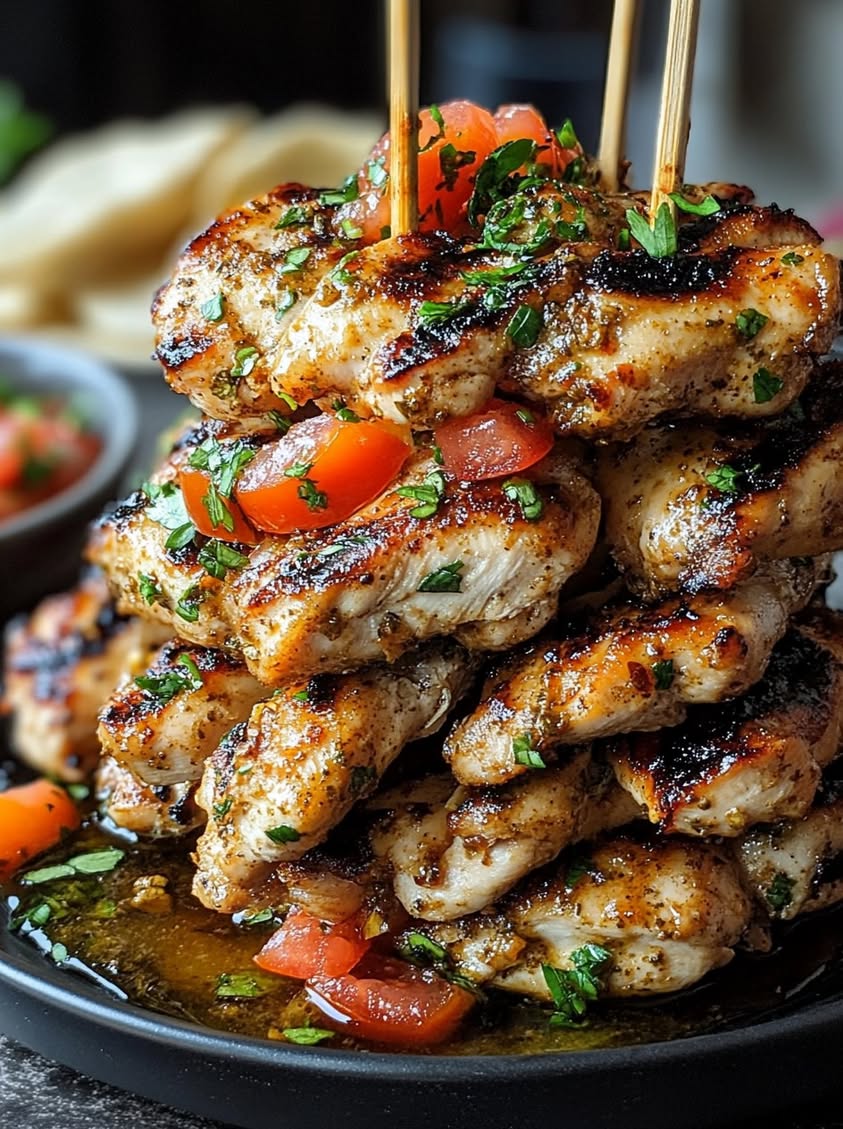
Herb-Marinated Mediterranean Chicken Thighs on a Homemade Vertical Spit: Your Ultimate Guide to Juicy, Flavorful Chicken
Imagine the irresistible aroma of garlic, lemon, and oregano filling your kitchen, promising a meal that is both rustic and elegant. This Herb-Marinated Mediterranean Chicken Thighs on a Homemade Vertical Spit recipe delivers exactly that experience. Furthermore, it transforms simple chicken thighs into a stunning centerpiece with juicy, tender meat and crackling, golden skin. Ultimately, this dish brings the vibrant flavors of a Mediterranean coastline directly to your dinner table without any complicated travel.
This recipe focuses on a clever, hands-off cooking method that maximizes flavor and texture. By stacking marinated chicken thighs on a vertical spit, you allow the rendered fat to baste each piece continuously. Consequently, every bite remains incredibly moist and infused with the herbaceous marinade. The result is a show-stopping dish that looks impressive but relies on straightforward, wholesome ingredients you likely already have in your pantry.
Mastering this Herb-Marinated Mediterranean Chicken Spit Recipe is a rewarding culinary adventure. It teaches you the principles of layering flavors and utilizing a simple vertical roasting technique. Moreover, the process is surprisingly meditative and fills your home with an incredible scent that builds anticipation. Whether you are cooking for a weeknight family dinner or a weekend gathering with friends, this recipe guarantees a memorable and delicious outcome every single time.
Quick Recipe Highlights
- Flavor Profile: This dish bursts with bright, sunny Mediterranean flavors. Expect a perfect balance of tangy lemon, pungent garlic, and earthy oregano, all rounded out with the richness of good olive oil. Additionally, the marinade penetrates deeply, ensuring the chicken is flavorful from the surface right down to the bone.
- Texture: The vertical spit method creates a fantastic textural contrast. The skin becomes wonderfully crisp and golden, almost shatteringly so, while the meat underneath stays exceptionally juicy and tender. You will not encounter any dry, stringy chicken with this cooking technique.
- Aroma: As the chicken roasts, it releases an intoxicating fragrance. Key aromatic notes include the sharp zest of lemon, the warm, woody scent of oregano and thyme, and the savory, comforting smell of garlic and onion melding with roasting chicken fat.
- Visual Appeal: The presentation is truly spectacular. The stacked chicken thighs form a beautiful golden tower on the spit. When sliced, the interior reveals perfectly cooked, succulent meat. Serving it on a platter with fresh herbs and lemon wedges makes for a picture-perfect meal.
- Skill Level Needed: This recipe is accessible to intermediate home cooks. While the concept is simple, it requires careful assembly of the spit and attention to oven temperature. However, with clear instructions, even a confident beginner can achieve excellent results.
- Special Equipment: You will need a vertical chicken roaster or a makeshift spit using a sturdy metal skewer and an oven-safe pan to catch drippings. A good chef’s knife for prepping ingredients and a bowl for marinating are also essential. A meat thermometer is highly recommended for perfect doneness.
Recipe Overview
- Difficulty Level: We rate this recipe as medium difficulty. The preparation steps are straightforward, involving basic chopping and mixing. However, the assembly of the homemade vertical spit requires a bit of manual dexterity and patience. Monitoring the chicken as it cooks to ensure even browning is the final key skill, making it perfect for cooks looking to level up their technique.
- Category: This dish falls squarely into the main course category. It is a protein-centric meal that is hearty and satisfying. You can also consider it a special occasion dish or a fantastic weekend project meal that yields impressive, restaurant-quality results right in your own kitchen.
- Cuisine: The cuisine is unmistakably Mediterranean, drawing inspiration from Greek, Southern Italian, and Levantine traditions. The use of olive oil, lemon, garlic, and oregano forms the holy quartet of flavors in this region. This recipe celebrates that simplicity and lets the quality of the ingredients shine through in every bite.
- Cost: This is a very cost-effective recipe to prepare. Chicken thighs are an affordable cut of meat, and the marinade ingredients are pantry staples. Overall, you can expect to feed four people generously for a fraction of the cost of a similar meal at a restaurant, making it excellent for budget-conscious foodies.
- Season: This Herb-Marinated Mediterranean Chicken Spit Recipe is truly a year-round winner. It brings summery, bright flavors to the table during warmer months. Conversely, the comforting, roasted aroma and hearty nature make it equally suitable for cozy fall and winter dinners, especially when paired with roasted root vegetables.
- Occasion: This versatile dish suits many occasions. It is casual enough for a relaxed family Sunday supper yet impressive enough for a dinner party centerpiece. It also works beautifully for festive gatherings, holidays, or any time you want to serve a meal that feels both special and deeply satisfying.
Why You’ll Love This Recipe
First and foremost, the taste and texture are absolutely unbeatable. The marinade, packed with lemon, garlic, and herbs, creates a flavor bomb that permeates the chicken. Meanwhile, the vertical roasting method is the secret to perfection. As the chicken cooks, the fat renders and drips down, continuously basting the meat below. This process guarantees every single piece is succulent, while the exposed skin crisps up to a delightful crunch. You simply cannot achieve this level of juicy tenderness with standard pan-roasting.
Next, consider the convenience and preparation benefits. Although the cooking method seems fancy, the active prep time is minimal. You simply whisk the marinade, coat the chicken, and let it rest. The oven does the majority of the work. This hands-off approach means you can prepare sides, set the table, or simply relax while your kitchen fills with an amazing aroma. Furthermore, the recipe is very forgiving; chicken thighs are hard to overcook, ensuring a stress-free cooking experience.
From a nutritional standpoint, this dish offers several advantages. Chicken thighs provide high-quality protein, iron, and zinc. Using olive oil, a cornerstone of the heart-healthy Mediterranean diet, adds beneficial monounsaturated fats. The herbs and lemon are not just flavor agents; they are also rich in antioxidants and vitamin C. By controlling the ingredients, you avoid the excessive sodium and preservatives often found in pre-marinated or restaurant foods, making it a wholesome choice for your family.
The social and entertaining value of this recipe is tremendous. Presenting a whole vertical spit of golden, fragrant chicken is a surefire way to impress your guests. It sparks conversation and creates a memorable dining event. The process of carving the chicken off the spit at the table adds a fun, interactive element to the meal. It transforms dinner from a routine into a celebration, fostering a warm and communal atmosphere that everyone will appreciate.
Finally, the cost-effectiveness and accessibility are major wins. As mentioned, chicken thighs are a budget-friendly protein. The marinade ingredients are inexpensive and have a long shelf life. You do not need a professional kitchen or expensive equipment; a simple metal skewer and a roasting pan work perfectly. This Herb-Marinated Mediterranean Chicken Spit Recipe democratizes a restaurant-quality technique, allowing anyone to create a spectacular, flavorful meal without a hefty price tag or specialized skills.
Historical Background and Cultural Significance
The concept of cooking meat on a vertical spit has ancient roots across the Mediterranean and Middle East. Historically, this method was practical, allowing cooks to roast large quantities of meat evenly over an open fire. The vertical orientation meant fat and juices self-basted the meat, preventing waste and ensuring tenderness in times when resources were precious. This ingenious technique laid the groundwork for modern vertical rotisserie cooking, from Greek gyros to Turkish doner kebabs.
Culturally, marinated and spit-roasted meats hold a place of honor in Mediterranean culinary traditions. They are often the centerpiece of festive gatherings, family celebrations, and communal meals. The act of sharing meat cooked in this way symbolizes hospitality and abundance. In Greece, similar preparations might be found at a paniyiri (festival), while in Italy, it could be the star of a Sunday lunch. This recipe taps directly into that rich heritage of sharing flavorful, lovingly prepared food with loved ones.
The recipe has evolved significantly with modern kitchen technology. While the traditional method used an open flame, the home oven adaptation makes this technique accessible to everyone. The marinade itself reflects centuries of trade and cultural exchange in the Mediterranean region. Ingredients like olive oil from Italy, lemons from the Amalfi Coast, and oregano from Greece tell a story of a cuisine built on fresh, local, and vibrant components that work in perfect harmony.
Regional variations of this concept are fascinating. In Lebanon, you might find chicken marinated with yogurt and spices for shawarma. In Spain, a similar method might use a paprika and sherry vinegar marinade. This particular Herb-Marinated Mediterranean Chicken Spit Recipe leans into a more Hellenic flavor profile, emphasizing lemon and oregano. However, the basic principle remains universal: maximize flavor and juiciness through marination and the self-basting magic of vertical roasting. It is a testament to a timeless cooking wisdom that continues to delight palates today.
Ingredient Deep Dive
Chicken Thighs (bone-in, skin-on): This cut is the undisputed champion for this recipe. Culturally, dark meat is prized in many Mediterranean cuisines for its richer flavor and forgiving nature during cooking. Nutritionally, thighs offer more iron and zinc than breast meat, and the skin helps retain moisture. For selection, look for thighs with plump, evenly colored skin. Store them in the coldest part of your fridge and use within 1-2 days of purchase. You can substitute with leg quarters, but bone-in, skin-on is non-negotiable for the best result.
Extra Virgin Olive Oil: This is the lifeblood of Mediterranean cooking, with a history stretching back millennia. It provides healthy monounsaturated fats and antioxidants. For this marinade, a robust, fruity olive oil works best as it stands up to the other strong flavors. Store it in a cool, dark place to prevent rancidity. While you can use a lighter olive oil, avoid neutral oils like vegetable or canola, as they lack the characteristic flavor that defines this dish.
Fresh Lemon Juice and Zest: Lemons have been cultivated in the Mediterranean for over a thousand years, adding their signature brightness to the region’s cuisine. The juice provides vitamin C and acidity that tenderizes the chicken, while the zest contains potent aromatic oils. Always zest your lemon before juicing it for maximum efficiency. For the best flavor, use fresh lemons; bottled juice lacks complexity. In a pinch, a combination of white wine vinegar and a little orange zest can work, but the flavor profile will shift.
Garlic and Onion: These aromatic alliums form the savory foundation of the marinade. Garlic has been used both medicinally and culinarily since ancient times. Fresh garlic, finely minced or grated, will give the most potent flavor. Similarly, a freshly grated onion creates a paste that clings to the chicken and caramelizes beautifully during roasting. Powdered versions are poor substitutes here, as they lack the necessary moisture and fresh punch. Store both in a cool, dry, well-ventilated place.
Dried Oregano and Fresh Herbs: Dried oregano is a staple in Greek cooking, offering a concentrated, earthy flavor that blooms in the marinade. Fresh herbs like parsley or thyme added at the end provide a bright, green contrast. When selecting dried oregano, opt for Mediterranean oregano if possible, as it is more flavorful than the Mexican variety. Store dried herbs in a sealed container away from light and heat. You can substitute dried thyme or marjoram for the oregano, but it will alter the dish’s character.
Common Mistakes to Avoid
- Using Boneless, Skinless Thighs: This is the most critical error. The skin is essential for creating a protective layer that crisps up and seals in juices. The bone contributes to flavor and helps the chicken cook more evenly. Boneless, skinless thighs will likely dry out and lack the presentation appeal of the vertical spit.
- Skimping on Marinating Time: The marinade needs time to work its way into the meat. Marinating for less than 2 hours, or worse, not marinating at all, results in chicken that is only seasoned on the surface. For deep, pervasive flavor, aim for at least 4 hours or, ideally, overnight in the refrigerator.
- Overcrowding the Spit: When stacking the chicken thighs, do not force them too tightly together. They need a small amount of space for hot air to circulate, ensuring even cooking and browning. If packed too tightly, the middle sections may steam instead of roast, leading to pale, soggy skin.
- Not Letting the Chicken Rest: After removing the chicken from the oven, you must let it rest for 10 minutes before carving. This allows the juices, which have rushed to the surface during cooking, to redistribute throughout the meat. Cutting immediately will cause all those flavorful juices to spill out onto the cutting board, leaving the chicken dry.
- Using a Dull Knife for Carving: A dull knife will shred the beautiful, crispy skin and tear the tender meat rather than slicing cleanly through it. Use a sharp chef’s knife or carving knife to neatly separate the thighs from the spit and then into serving pieces, preserving the texture you worked so hard to create.
- Ignoring the Drippings: The flavorful fat and juices that collect in the pan are liquid gold. Do not discard them! After resting the chicken, skim off excess fat if desired, then use the remaining jus to drizzle over the carved meat or to mix into side dishes like rice or roasted potatoes for an extra flavor boost.
- Incorrect Oven Rack Position: Placing the spit too high in the oven can cause the skin to burn before the meat cooks through. Conversely, placing it too low may prevent proper browning. The middle rack is usually ideal for even heat circulation and perfect golden-brown results.
- Not Trussing or Securing the Chicken: If the thighs are not securely stacked and fastened to the spit, they can slip or rotate unevenly during cooking. This leads to lopsided browning and potential burning on one side. Take the time to arrange them neatly and use kitchen twine if necessary to secure the top and bottom.
Essential Techniques
Creating a Homemade Vertical Spit: This technique is crucial for the recipe’s success. Why is it important? It allows for even, radiant heat exposure and continuous self-basting. To master it, choose a sturdy, oven-safe metal skewer. Start by piercing the thickest part of the first thigh, then stack subsequent thighs evenly, alternating the orientation slightly for stability. The goal is a stable, upright column. A common pitfall is using a flimsy skewer that bends under the weight. Visual success is a free-standing tower of chicken that rotates slightly if nudged but remains firmly in place.
The Art of Marinating: Proper marinating is not just dumping ingredients together. It is about creating an emulsion and ensuring full coverage. Why is it important? It tenderizes and infuses flavor deep into the meat. To master it, whisk your olive oil, acid, and aromatics vigorously until slightly thickened. Place the chicken and marinade in a large zip-top bag, press out the air, and seal. Massage the bag to coat every surface. The common pitfall is using a shallow dish where the chicken is not submerged. Visual success is chicken that is uniformly coated and glistening with the marinade.
Vertical Roasting: This is the signature cooking method. Why is it important? Gravity works in your favor, pulling rendered fat down over the lower pieces, basting them in their own juices. To master it, place the loaded spit in a pan just large enough to catch drips without touching the oven walls. Roast at a consistent, high heat. The common pitfall is opening the oven door too often, which causes temperature fluctuations and slows cooking. Visual cues for success include deep golden-brown skin and clear juices running from the meat when pierced, not pink.
Testing for Doneness: Relying solely on time is a recipe for inconsistency. Why is technique important? It guarantees safe, perfectly cooked chicken every time. To master it, use an instant-read meat thermometer. Insert it into the thickest part of the thickest thigh, avoiding the bone. The target temperature is 165°F (74°C). A common pitfall is touching the bone with the thermometer, which gives a false, higher reading. Visual cues accompany the temperature: the meat will shrink back from the bone ends, and the juices will run completely clear.
Pro Tips for Perfect Herb-Marinated Mediterranean Chicken Thighs
For the crispiest skin, pat the chicken thighs completely dry with paper towels before applying the marinade. Any surface moisture will steam the skin instead of letting it crisp. Additionally, you can lightly salt the skin and let it sit uncovered in the fridge for an hour before marinating; this draws out moisture and seasons the meat.
Grate your onion and garlic directly into the marinade mixture. Grating creates a paste-like consistency that adheres to the chicken much better than chopped pieces. This ensures the savory flavors penetrate deeply and also helps create a beautiful, caramelized crust on the skin as it roasts.
Let the marinated chicken sit at room temperature for about 30 minutes before roasting. Starting with cold chicken straight from the fridge can lead to uneven cooking, where the outside is overdone before the interior reaches a safe temperature. This brief rest promotes more even roasting from edge to center.
Place a halved onion or a sturdy potato at the base of your vertical spit before stacking the first chicken thigh. This creates a stable foundation and prevents the bottom piece from sitting directly in the pooling fat, which can make it greasy. The vegetable will also flavor the drippings beautifully.
If you notice one side of your chicken tower browning faster than the other, you can carefully rotate the entire pan 180 degrees halfway through the cooking time. Most ovens have hot spots, and this simple maneuver ensures an evenly golden result on all sides without having to handle the hot spit directly.
After resting and carving, return the crispy skin-side up to the hot oven for just 2-3 minutes before serving. Sometimes the skin can soften slightly from resting under foil. A quick blast of heat will re-crisp it to perfection, ensuring that satisfying crunch in every bite.
Reserve a tablespoon of the fresh herbs (like parsley) to sprinkle over the carved chicken just before serving. This adds a vibrant pop of color and a burst of fresh flavor that contrasts wonderfully with the deep, roasted notes from the marinade and cooking process.
Variations and Adaptations
Regional Variations: To explore different Mediterranean coasts, alter the marinade. For a Spanish twist, use smoked paprika, saffron threads, and sherry vinegar. For a Provençal version, incorporate herbes de Provence, Dijon mustard, and white wine. A Lebanese-inspired adaptation would include yogurt, cumin, coriander, and a touch of cinnamon for the marinade, moving closer to a shawarma flavor profile while using the same vertical spit technique.
Seasonal Adaptations: In spring, add chopped fresh artichoke hearts and green olives to the roasting pan. During summer, serve the carved chicken over a bright salad of tomatoes, cucumbers, and feta. For fall, roast root vegetables like carrots, parsnips, and fennel in the pan drippings beneath the chicken. In winter, pair it with a creamy, garlicky white bean puree for ultimate comfort.
Dietary Modifications: For a gluten-free meal, ensure all your spices are certified gluten-free and serve with appropriate sides. To make it dairy-free, the recipe is naturally compliant as written. For a lower-carb or keto option, simply focus on the chicken and pair it with non-starchy vegetables like roasted broccoli or a leafy green salad with a lemony vinaigrette.
Flavor Variations: Introduce heat with a teaspoon of crushed red pepper flakes or a tablespoon of harissa paste in the marinade. For a sweeter note, add a tablespoon of honey or pomegranate molasses. Incorporate umami by adding a teaspoon of anchovy paste or a tablespoon of tomato paste to the marinade mixture; these ingredients will melt into the background, adding incredible depth.
Texture Modifications: If you prefer even more textural contrast, after marinating, dredge the skin side of each thigh lightly in a mixture of semolina flour or finely ground almond flour before stacking. This creates an extra-crispy, almost crackling-like crust. For a softer, more stew-like texture, you can add a cup of chicken broth to the roasting pan and cover it with foil for the first half of cooking, then uncover to crisp the skin.
Presentation Alternatives: Instead of carving the chicken off the spit, serve the entire vertical tower on a large platter as a dramatic centerpiece. Alternatively, you can cook the marinated thighs on a preheated pizza stone or baking steel for an extra-crispy bottom. For individual portions, use smaller, metal skewers to create mini vertical spits with two thighs each, perfect for plate presentation.
Serving and Presentation Guide
Plating Techniques: For a family-style presentation, carve all the chicken off the spit and arrange the pieces on a large, warm platter. Drizzle with the pan juices and garnish generously. For individual plating, place a portion of your chosen side (like lemon rice or roasted potatoes) in the center of the plate. Lean one or two carved chicken thighs against the side, skin-side up to showcase the crispness. Spoon a little jus around the plate.
Garnishing Ideas: Fresh herb sprigs (parsley, oregano, thyme) are classic and add color. Thin lemon slices or wedges are both decorative and functional for squeezing. A sprinkle of flaky sea salt like Maldon over the hot chicken just before serving enhances flavor and texture. For a festive touch, add edible flowers like nasturtiums or a light dusting of sumac for its burgundy color and tangy flavor.
Traditional Accompaniments: In the Mediterranean spirit, serve with simple, flavorful sides that complement without overpowering. Lemon-herb rice, orzo pilaf, or crispy roasted potatoes are excellent for soaking up the delicious juices. A bright, chunky Greek salad (horiatiki) with tomatoes, cucumbers, red onion, and feta provides a refreshing contrast. Warm pita bread or crusty baguette is essential for mopping up every last bit.
Modern Serving Suggestions: For a lighter meal, serve the carved chicken over a bed of quinoa or farro salad with chopped vegetables and a lemony vinaigrette. Deconstruct the flavors by serving with tzatziki sauce, hummus, and a selection of grilled vegetables like zucchini and bell peppers. You can also shred the leftover meat and use it in grain bowls, wraps, or atop a Mediterranean-inspired pizza the next day.
Temperature Considerations: Serve the chicken hot, straight from its resting period. Warm your serving platters and dinner plates beforehand to keep the food at an ideal temperature longer. If serving with room-temperature sides like salad, ensure the chicken is the star and is piping hot to create a pleasant temperature contrast on the palate.
Portion Control Tips: A standard serving is one to two chicken thighs per person, depending on their size and appetite. Since this recipe yields four servings from eight thighs, it is easy to scale. If serving a crowd with many side dishes, one thigh per person may suffice. Always carve a little extra if possible, as the crispy skin and flavorful meat are highly irresistible and often lead to second helpings.
Wine and Beverage Pairing
Wine Pairings: The bright acidity and herbal notes of this chicken call for wines with similar characteristics. A crisp, dry Greek Assyrtiko or a Spanish Albariño are fantastic matches, their citrus notes echoing the lemon in the dish. For red wine lovers, a light-to-medium-bodied red like a Grenache-based Côtes du Rhône or a Italian Chianti Classico works well, as they have enough acidity to cut through the richness without overpowering the herbs. Ultimately, avoid heavily oaked wines, as they can clash with the fresh marinade flavors.
Non-Alcoholic Alternatives: Craft a sophisticated alcohol-free pairing with a sparkling lemon-ginger brew or a tart pomegranate spritzer. Iced herbal teas are also excellent; try brewing a pot of fresh mint tea or lemon verbena tea, chilling it, and serving over ice with a slice of lemon. For a more complex option, a non-alcoholic aperitif like a Seedlip Grove 42 with tonic water provides citrus and spice notes that complement the meal beautifully.
Coffee and Tea Pairings: While not traditional with this meal, a post-dinner espresso or a cup of mint tea is a classic Mediterranean way to finish the dining experience. The bitterness of espresso can cleanse the palate after the rich, savory meal. A cup of chamomile or anise tea would also be soothing and culturally appropriate, aiding digestion after a hearty feast.
Temperature Considerations: White and rosé wines should be served well-chilled, between 45-50°F (7-10°C). Light reds are best served slightly cool, around 55-60°F (13-16°C). Non-alcoholic sparkling drinks should be ice-cold. Iced teas are most refreshing when brewed strong, then diluted and served over plenty of ice to prevent watery dilution as the meal progresses.
Serving Suggestions: Always offer water on the table. For a cohesive presentation, consider a carafe of infused water with cucumber and lemon slices. When serving wine, pour modestly to allow guests to enjoy the pairing without overwhelming their palate. If offering multiple beverage options, present them in clear, attractive glassware to showcase their colors, from the pale straw of white wine to the deep ruby of a red.
Storage and Shelf Life
Storage Methods: Store leftover carved chicken in an airtight container in the refrigerator. Keep the crispy skin intact if possible by storing it separately in a paper-towel-lined container to prevent sogginess. The pan juices can be stored in a separate small jar; once chilled, the fat will solidify on top, acting as a seal to preserve the flavorful jus underneath.
Temperature Requirements: Refrigerate leftovers within two hours of cooking. The safe storage temperature for your refrigerator should be 40°F (4°C) or below. Do not leave the cooked chicken at room temperature for extended periods, as this allows bacteria to multiply rapidly. For longer storage, freezing is the best option.
Container Recommendations: Use shallow, airtight containers for refrigeration to allow for rapid cooling. Glass containers are ideal as they do not absorb odors and allow you to see the contents. For freezing, use heavy-duty freezer bags, pressing out as much air as possible before sealing to prevent freezer burn. Label all containers with the date.
Signs of Spoilage: Discard the chicken if you detect an off, sour, or ammonia-like smell. Visual signs include a slimy texture on the meat’s surface or an unusual color change, such as a grayish or greenish tint. If in doubt, remember the adage: when in doubt, throw it out. It is not worth the risk of foodborne illness.
Reheating Instructions: To preserve crispness, reheat in a conventional oven or toaster oven at 375°F (190°C) until heated through. Place the chicken on a wire rack over a baking sheet to allow air circulation. Avoid the microwave, as it will turn the crispy skin rubbery and make the meat dry. If you have saved the pan juices, warm them gently and drizzle over the reheated chicken.
Freezing Guidelines: This chicken freezes reasonably well for up to 3 months. Freeze the carved meat (without skin if it has gone soggy) in your chosen containers. Thaw overnight in the refrigerator before reheating. Note that the texture of the skin will not recover after freezing and thawing, so it is best to remove it before freezing if crispness is a priority.
Make Ahead Strategies
Prep Timeline: You can prepare this entire recipe in stages. The marinade can be mixed up to 2 days in advance and stored in the fridge. The chicken can be marinated for up to 24 hours. For the ultimate make-ahead meal, marinate the chicken overnight. Then, on the day of serving, simply assemble the spit and roast. This splits the work perfectly between a relaxed prep evening and an easy cooking day.
Storage Between Steps: Keep the marinating chicken in a zip-top bag or a covered non-reactive dish (like glass) in the refrigerator. Turn the bag or stir the chicken in the dish once or twice during the marinating period to ensure even coverage. Do not leave it marinating at room temperature for more than 2 hours during the prep phase.
Quality Impact Assessment: Making the marinade ahead deepens the flavors as the ingredients meld. Marinating the chicken for the full 24 hours results in the most flavorful and tender meat. The only step that does not hold well is assembling the vertical spit more than an hour before roasting, as the salt in the marinade can begin to draw too much moisture to the surface if left exposed to air.
Assembly Tips: If you need to save time right before cooking, you can stack the marinated thighs on the spit and place the whole assembly (on its drip pan) in the refrigerator, uncovered, for up to an hour before roasting. This allows the skin to dry out slightly, which promotes better crisping. Bring it to room temperature for 30 minutes before it goes in the oven.
Reheating Guidelines: This dish is best served fresh. However, if you must cook it fully ahead, let it cool completely, carve, and store as directed. Reheat gently in a 325°F (163°C) oven, covered with foil, until warm. Then, remove the foil, increase the heat to 425°F (218°C), and cook for 5-10 minutes to re-crisp the skin. The jus should be warmed separately and added after reheating.
Fresh Element Additions: Any fresh herbs for garnish should be chopped just before serving to maintain their vibrant color and aroma. Similarly, any lemon wedges should be cut fresh. If you made a side sauce like tzatziki, prepare that up to a day ahead, but add fresh dill or mint just before serving to keep it bright and flavorful.
Scaling Instructions
Halving the Recipe: Halving is straightforward for a smaller household. Use 4 chicken thighs and simply divide all marinade ingredients in half. The cooking time may reduce slightly, so start checking for doneness around the 35-minute mark. Use a smaller roasting pan and a shorter, sturdier skewer for your mini spit. The rest of the technique remains identical.
Doubling or Tripling: For a crowd, you can double or triple the recipe with ease. Maintain the marinade ingredient ratios precisely. You will need multiple vertical spits and roasting pans, or one very large, professional-grade spit if you have one. Do not attempt to stack more than 8-10 thighs on a single standard skewer, as it may become unstable. Cook multiple spits on different oven racks, and rotate the pans top-to-bottom and front-to-back halfway through cooking for even results.
Equipment Adjustments: Scaling up requires planning. For a double batch, two separate spits are better than one overloaded one. Ensure your oven can accommodate multiple pans with adequate air circulation between them. If using a convection oven, you may need to reduce the temperature by 25°F (about 15°C) and monitor closely, as the fan can cause the skin to brown very quickly.
Timing Modifications: While a single spit takes about 45 minutes, multiple spits in the oven may add 5-10 minutes to the total cook time due to the increased thermal mass. Always rely on the internal temperature of the chicken (165°F/74°C) rather than a strict timer. Use a meat thermometer to check several pieces from different spits to ensure all are done.
Storage Considerations: When scaling up, remember that a large quantity of hot food will raise the temperature of your refrigerator if stored immediately. To cool it safely, spread the carved chicken in a single layer on a baking sheet and place it in the fridge uncovered for 20-30 minutes to bring the temperature down quickly. Then, transfer to airtight containers. This prevents bacterial growth and keeps your fridge at a safe temperature.
Nutritional Deep Dive
Macro Breakdown: A serving of two chicken thighs from this recipe provides a substantial amount of high-quality protein, essential for muscle repair and satiety. The fat content comes primarily from the chicken skin and olive oil, offering a mix of saturated and heart-healthy monounsaturated fats. Carbohydrates are minimal, coming only from the small amounts of onion and lemon in the marinade, making this a naturally low-carb meal option.
Micronutrient Analysis: This dish is a good source of several key vitamins and minerals. Chicken thighs provide iron, zinc, and B vitamins, particularly B12 and niacin. The olive oil contributes vitamin E, a potent antioxidant. Lemon juice offers vitamin C, which can help with iron absorption from the chicken. The herbs, while used in small quantities, add trace amounts of various phytonutrients and antioxidants.
Health Benefits: The combination of ingredients aligns well with the principles of the Mediterranean diet, which is associated with reduced risk of heart disease and improved longevity. The protein promotes fullness and supports metabolism. The monounsaturated fats from olive oil are beneficial for cholesterol levels. The antioxidants from herbs, lemon, and garlic provide anti-inflammatory properties.
Dietary Considerations: This recipe is naturally gluten-free and dairy-free. It is suitable for paleo and whole30 diets when you ensure the marinade contains no added sugar. For low-carb or keto diets, it is an excellent choice. Those on a low-sodium diet can reduce or omit the added salt in the marinade, as the other flavors are robust enough to carry the dish.
Portion Analysis: A standard serving of two thighs is satisfying and balanced, especially when paired with vegetable-based sides. For those monitoring calorie intake, you can remove the skin after cooking to significantly reduce fat and calories while still enjoying the flavorful, marinated meat. The portion size is flexible and can easily be adjusted to one thigh for a lighter meal.
Weight Management Tips: The high protein and{“success”:true,”message”:”Recipe created successfully”,”post_id”:8558,”tasty_recipe_id”:8558,”shortcode”:” Print
Herb-Marinated Mediterranean Chicken Thighs on a Homemade Vertical Spit
Description
Juicy, bone-in chicken thighs marinated in a vibrant blend of Mediterranean herbs and spices, then roasted on a homemade vertical spit for crispy skin and tender, flavorful meat.
Ingredients
For the Crust:
- 8 bone-in, skin-on chicken thighs
- 1/4 cup extra virgin olive oil
- 3 cloves garlic, minced
- 1 lemon, juiced and zested
- 1 tablespoon dried oregano
- 1 teaspoon dried thyme
- 1 teaspoon smoked paprika
- 1/2 teaspoon ground cumin
- 1/4 cup fresh parsley, chopped
- Salt and black pepper to taste
- 1 large onion, quartered (for spit base)
- Kitchen twine and a sturdy metal skewer or rotisserie rod
Instructions
1. Prepare the Crust:
- In a large bowl, whisk together olive oil, garlic, lemon juice, lemon zest, oregano, thyme, paprika, cumin, parsley, salt, and pepper to create the marinade.
- Add chicken thighs to the marinade, ensuring each piece is well coated. Cover and refrigerate for at least 4 hours, or overnight for best flavor.
- To assemble the vertical spit, thread the quartered onion onto the bottom of a metal skewer or rod as a stable base. Tightly stack the marinated chicken thighs skin-side out on the skewer above the onion, securing with kitchen twine if needed.
- Preheat oven to 400°F (200°C). Place the vertical spit in a roasting pan or on a baking sheet lined with foil to catch drippings.
- Roast for 45-50 minutes, or until chicken skin is crispy and internal temperature reaches 165°F (74°C). Let rest for 5 minutes before carefully removing from the spit and serving.
Notes
You can customize the seasonings to taste.

I’m Billy, a classically trained culinary school graduate from The Culinary Institute of America with over 12 years in the restaurant industry and over 19 years of cooking experience.