
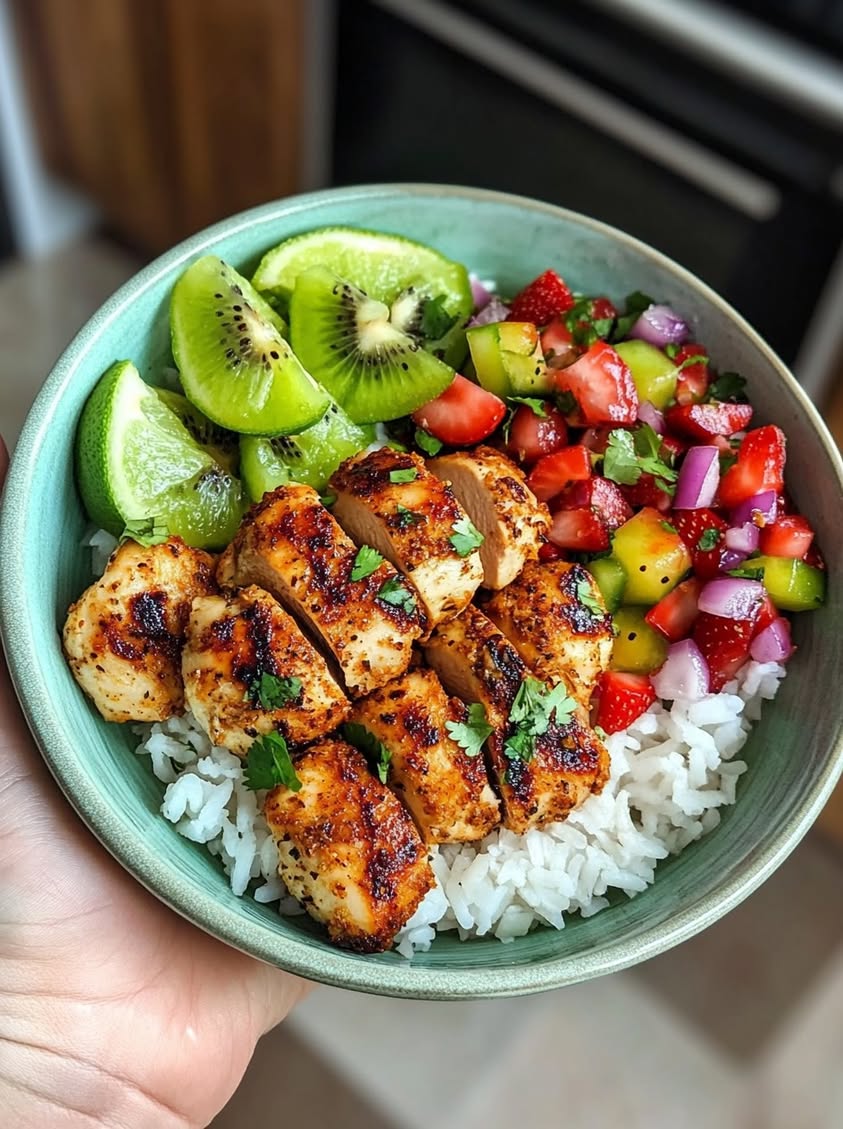
Tropical Chicken Salsa Bowl Recipe: A Burst of Sunshine in Every Bite
Imagine a meal that instantly transports you to a sun-drenched beach with a gentle breeze. This vibrant Tropical Chicken Salsa Bowl Recipe does exactly that. It masterfully combines savory, juicy chicken with a bright, fruity salsa for a truly unforgettable eating experience. Consequently, every forkful delivers a perfect harmony of flavors and textures that will make your taste buds sing. This dish is not just food; it is a mini-vacation on a plate, designed to brighten even the dreariest of days.
Moreover, this recipe is a celebration of fresh, wholesome ingredients. The star of the show is a homemade pineapple salsa bursting with tropical sweetness, tangy lime, and a hint of spice. Paired with perfectly seasoned, tender chicken and a bed of fluffy rice or greens, it creates a balanced and satisfying meal. Ultimately, this Tropical Chicken Salsa Bowl Recipe is your ticket to a healthy, flavorful dinner that feels both special and effortless. It is the ideal solution for busy weeknights, meal prep, or casual entertaining.
Furthermore, the beauty of this dish lies in its versatility and simplicity. You can customize it endlessly based on your preferences and what you have on hand. Whether you serve it warm or chilled, over rice or quinoa, or even in a lettuce wrap, the result is consistently delicious. This Tropical Chicken Salsa Bowl Recipe proves that eating well does not require complicated techniques or hours in the kitchen. Instead, it relies on the power of fresh, vibrant ingredients combined with smart, straightforward cooking.
Quick Recipe Highlights
- Flavor Profile: This bowl offers a dynamic taste experience. The savory, garlicky chicken perfectly contrasts the sweet pineapple and tangy lime in the salsa. Additionally, a subtle kick from jalapeño or red pepper flakes adds a welcome layer of heat that ties everything together.
- Texture: You will enjoy a wonderful contrast in every bite. The tender, juicy chicken meets the crisp, fresh vegetables and soft, yielding pineapple. Meanwhile, the base of rice or greens provides a comforting foundation that soaks up all the delicious juices.
- Aroma: As you cook, the kitchen fills with an irresistible scent. The aroma of sizzling chicken with garlic and cumin mingles with the fresh, sweet perfume of chopped pineapple and cilantro. It is an olfactory preview of the tropical feast to come.
- Visual Appeal: This bowl is a feast for the eyes with its rainbow of colors. Vibrant yellow pineapple, red bell pepper, green cilantro, and white onion create a stunning mosaic against the golden-brown chicken. Presentation is effortless because the ingredients are naturally beautiful.
- Skill Level Needed: This is a fantastic recipe for cooks of all levels. It requires only basic knife skills for chopping and simple stovetop cooking for the chicken. Therefore, even a beginner can achieve restaurant-quality results with minimal stress.
- Special Equipment: You need only standard kitchen tools. A sharp knife, cutting board, mixing bowls, and a large skillet are perfectly sufficient. A grill pan can add nice char marks, but it is entirely optional for this easy Tropical Chicken Salsa Bowl Recipe.
Recipe Overview
- Difficulty Level: We classify this Tropical Chicken Salsa Bowl Recipe as easy for several reasons. First, the techniques involved—chopping, mixing, and pan-frying—are fundamental. Second, the recipe is forgiving; minor variations in ingredient sizes or cook times will not ruin the dish. Finally, the steps are clearly separated, allowing you to prepare components simultaneously without rushing.
- Category: This dish comfortably fits into multiple meal categories. Primarily, it is a fantastic main course for lunch or dinner. It also works wonderfully as a hearty salad or a component of a meal prep routine. Its balanced macros make it suitable for a post-workout meal as well.
- Cuisine: This recipe draws inspiration from tropical and Latin American culinary traditions. The use of fresh salsa, lime, cilantro, and cumin is a nod to vibrant coastal cuisines. However, it is a modern fusion creation designed for the home cook seeking global flavors without specialized ingredients.
- Cost: Preparing this Tropical Chicken Salsa Bowl Recipe is very cost-effective. Chicken thighs or breasts are affordable protein options. Pineapple, bell pepper, and onion are typically inexpensive, especially in season. Overall, you can create four generous, restaurant-quality servings for a fraction of the cost of takeout.
- Season: While delicious year-round, this bowl truly shines in spring and summer. This is when pineapples are at their peak sweetness and fresh herbs are most abundant. Conversely, it also serves as a wonderful “sunshine” meal in the colder months to combat winter blues.
- Occasion: This versatile dish suits many occasions. It is quick enough for a Tuesday family dinner yet impressive enough for casual weekend guests. Furthermore, it travels well for picnics or potlucks and is an excellent option for healthy weekly meal prep.
Why You’ll Love This Recipe
First and foremost, the taste and texture appeal is immediate and profound. Each component of this Tropical Chicken Salsa Bowl Recipe is designed to complement the others. The savory, umami-rich chicken provides a hearty base, while the salsa delivers bursts of juicy sweetness and acidity that cut through the richness. You get a complex flavor profile in a single bowl, eliminating the need for multiple side dishes. The experience is both refreshing and deeply satisfying, making it a meal you will crave repeatedly.
Next, consider the sheer convenience and preparation benefits. This recipe comes together in about thirty-five minutes with minimal active cooking time. You can easily chop the salsa ingredients while the chicken cooks, maximizing efficiency. Additionally, the components store beautifully, meaning you can make a double batch for effortless lunches throughout the week. It is the perfect answer for those nights when you want something healthy and delicious without a lengthy cleanup process.
From a nutritional standpoint, this bowl is a powerhouse. It is packed with lean protein from the chicken, which is essential for muscle repair and satiety. The pineapple and vegetables provide a significant dose of vitamin C, antioxidants, and fiber. Using brown rice or quinoa as a base adds whole grains and complex carbohydrates for sustained energy. You are nourishing your body with real, unprocessed foods that taste incredible, proving that healthy eating is never boring.
The social and entertaining value of this dish is also noteworthy. Its vibrant, colorful presentation is inherently shareable and Instagram-worthy. You can set up a “bowl bar” with the separate components—chicken, salsa, rice, greens, extra toppings—and let guests build their own masterpiece. This interactive element makes dinner fun and engaging, especially for families with picky eaters. It is a guaranteed crowd-pleaser that feels special without requiring chef-level skills from the host.
Finally, the cost-effectiveness and accessibility are major wins. As mentioned, the ingredients are common and affordable. You likely have many of the spices and aromatics like garlic, cumin, and lime already in your pantry. This Tropical Chicken Salsa Bowl Recipe demonstrates how to transform simple, economical ingredients into something extraordinary. It is an accessible gateway to exploring global flavors and building confidence in the kitchen, meal after satisfying meal.
Historical Background and Cultural Significance
The concept of combining meat with fruit-based salsas or relishes has deep roots across many tropical and subtropical cultures. Historically, communities in regions like the Caribbean, Hawaii, and parts of Latin America utilized their abundant local produce to create bright, acidic condiments that preserved food and enhanced simple proteins. The pineapple, central to our salsa, originated in South America and was spread globally through exploration and trade, becoming a symbol of hospitality and tropical luxury. Our modern Tropical Chicken Salsa Bowl Recipe is a direct descendant of this tradition, marrying indigenous New World ingredients with global cooking techniques.
Culturally, salsa—meaning “sauce” in Spanish—is far more than a dip; it is a foundational element of cuisine. In Mexico, salsas made from tomatoes, tomatillos, and chilies are ubiquitous. The idea of a fruit salsa, or “salsa fresca,” adapts this principle to sweeter produce. Meanwhile, in Hawaiian “poke bowl” culture or Peruvian “ceviche” traditions, the combination of protein with citrus and fresh ingredients is paramount. This bowl sits at a delicious intersection of these influences, celebrating the universal human desire to balance rich, savory flavors with fresh, acidic ones.
The evolution of this specific recipe is a story of modern fusion cuisine. As global travel and food media expanded, home cooks began experimenting with flavors from their favorite vacations or restaurant meals. The “bowl” format itself gained massive popularity in the 2010s, emphasizing customization, balanced nutrition, and visual appeal. Consequently, the Tropical Chicken Salsa Bowl Recipe emerged as a perfect storm: it leverages traditional flavor pairings, fits the healthy “bowl food” trend, and is adaptable to various dietary needs. It is a contemporary classic born from ancient culinary wisdom.
Regional variations of this concept are endless, which speaks to its versatility. In the Yucatán, one might find chicken with a “pico de gallo” that includes habanero and orange juice. In Thailand, a similar balance might be achieved with a green papaya salad and grilled chicken. Some versions might use mango instead of pineapple, or add black beans and corn to the salsa for a Southwestern twist. This adaptability is the recipe’s greatest strength, allowing each cook to imprint their own cultural or personal preferences onto the framework, creating a truly personalized tropical meal.
Ingredient Deep Dive
Chicken Thighs or Breasts: Chicken is a globally cherished, versatile protein. For this Tropical Chicken Salsa Bowl Recipe, boneless, skinless thighs are often preferred for their juiciness and flavor, but breasts work for a leaner option. Nutritionally, chicken is an excellent source of complete protein, B vitamins, and selenium. When selecting, look for plump, pink flesh without a gray tint. For storage, keep refrigerated and use within 1-2 days of purchase, or freeze for longer. If you need a substitute, try shrimp, firm tofu, or even chickpeas for a plant-based version.
Fresh Pineapple: This tropical fruit is the salsa’s star. Historically, pineapples were so prized they became a symbol of wealth and welcome. They are rich in vitamin C, manganese, and bromelain, an enzyme that aids digestion and can tenderize meat. Choose a pineapple that feels heavy for its size and smells sweet at the base; the leaves should pull out easily. Store whole at room temperature, but once cut, refrigerate in an airtight container. In a pinch, well-drained canned pineapple chunks can be used, though fresh offers superior texture and brightness.
Lime Juice & Zest: Lime provides the essential acidic component that makes the flavors pop. Citrus fruits have been used for centuries to preserve food and enhance flavor. Lime juice is packed with vitamin C and antioxidants. Always choose limes that feel heavy and have smooth, bright green skin. For the best flavor, juice limes at room temperature and zest them before juicing. Store whole limes at room temperature for a week or in the fridge for longer. As a substitute, lemon juice can work, though it will impart a different, less tropical note.
Red Bell Pepper & Red Onion: These vegetables add crucial color, crunch, and sweetness. Bell peppers, originally from Central and South America, are fantastic sources of vitamins A and C. Red onions offer quercetin, an antioxidant with anti-inflammatory properties. Select peppers that are firm with taut skin, and onions that are heavy with dry, papery skins. Store both in a cool, dry place. For a milder onion flavor, you can soak chopped red onion in cold water for 10 minutes before adding it to the salsa. Yellow or orange bell peppers are fine substitutes.
Fresh Cilantro: This herb is a defining flavor in many world cuisines but can be polarizing due to a genetic trait that makes it taste soapy to some. For fans, it adds a bright, citrusy note. It contains antioxidants and may help with detoxification. Choose bunches with vibrant green leaves and no wilting. Store it like a bouquet in a jar of water in the fridge, covered with a bag. If you dislike cilantro, fresh parsley or even mint can provide a different but pleasant herbal freshness to your Tropical Chicken Salsa Bowl Recipe.
Common Mistakes to Avoid
- Overcooking the Chicken: This is the quickest way to ruin your bowl. Chicken, especially breasts, dries out rapidly when cooked too long. Always cook to an internal temperature of 165°F and let it rest before slicing. The residual heat will finish the cooking, leaving it juicy.
- Using Underripe Pineapple: A sour or bland pineapple will make your salsa lackluster. The pineapple should be fragrant and yield slightly to pressure. If your pineapple is underripe, you can roast or grill it to caramelize its sugars and enhance its flavor before dicing.
- Not Letting the Salsa Marinate: Combining the salsa ingredients and serving immediately is a missed opportunity. Allowing it to sit for 15-30 minutes lets the flavors meld and the juices combine. This step transforms it from chopped ingredients into a cohesive, flavorful topping.
- Forgetting to Season in Layers: Seasoning only at the end results in flat flavors. Season the chicken generously before cooking. Also, taste and season the salsa with salt after mixing. This builds depth of flavor throughout every component of your Tropical Chicken Salsa Bowl Recipe.
- Chopping Ingredients Too Large or Unevenly: Huge chunks of onion or pineapple are awkward to eat and can overwhelm a bite. Aim for a small, uniform dice so that each spoonful of salsa gets a bit of every flavor and texture in harmony.
- Skipping the Acid Balance: If your bowl tastes sweet but dull, it likely needs more acid. Always taste your salsa and adjust with an extra squeeze of lime juice. The acid brightens all the other flavors and is crucial for balance.
- Using Dried Herbs Instead of Fresh: Dried cilantro cannot replicate the vibrant, green flavor of fresh. This recipe relies on fresh herbs for its characteristic brightness. If you must substitute, use a different fresh herb like parsley, not a dried version of cilantro.
- Not Prepping Your Base Properly: Whether using rice, quinoa, or greens, ensure it is properly seasoned and ready. Bland rice underneath a flavorful chicken and salsa will make the whole dish fall flat. Cook grains in broth for extra flavor.
Essential Techniques
Dicing for Salsa: Mastering a small, uniform dice is key for the perfect salsa texture. First, use a sharp chef’s knife for control. For the pineapple, slice off the top and bottom, stand it upright, and slice off the skin in strips. Then, cut out any remaining “eyes.” Slice it into planks, then batons, then cubes. For the onion, cut it in half through the root, make horizontal and vertical cuts without slicing through the root end, then slice across to create perfect small dice. Consistent size ensures every ingredient marinates evenly and each bite is balanced.
Pan-Searing Chicken: This technique creates a flavorful, golden-brown crust while keeping the interior moist. Start by patting the chicken completely dry with paper towels; moisture is the enemy of browning. Ensure your skillet is hot before adding the oil, then add the chicken. Do not overcrowd the pan, as this will steam the meat. Let it cook undisturbed for several minutes to develop a good sear before flipping. Finally, always let the cooked chicken rest for 5-10 minutes before slicing to allow the juices to redistribute throughout the meat.
Building Flavor with a Marinade/Rub: The simple spice rub for the chicken is not just for surface flavor; it creates a delicious crust. Combining spices like cumin, paprika, garlic powder, salt, and pepper, then rubbing it onto the chicken, allows the flavors to adhere and penetrate slightly. For an even deeper flavor, you can marinate the chicken in the spice mix with a little oil and lime juice for 30 minutes to an hour in the refrigerator. This technique ensures the chicken itself is flavorful, not just the salsa on top.
Pro Tips for Perfect Tropical Chicken Salsa Bowl
First, grill your pineapple for an incredible flavor boost. A quick char on a grill pan or outdoor grill caramelizes the natural sugars, adding a smoky depth that contrasts beautifully with the fresh herbs and lime in the salsa. This simple step elevates the entire dish from great to extraordinary.
Second, make a quick “avocado crema” for drizzling. Blend one ripe avocado with a few tablespoons of Greek yogurt or sour cream, a squeeze of lime, and salt. This adds a creamy, cool element that complements the bright salsa and savory chicken perfectly, tying all the components together.
Third, toast your spices. If you have whole cumin seeds, toast them in a dry pan for a minute until fragrant before grinding. This unlocks their essential oils and creates a much more complex, warm flavor in your chicken rub compared to pre-ground spices straight from the jar.
Fourth, use the salsa juice. After the salsa has marinated, a delicious pool of juice will gather at the bottom of the bowl. Do not drain it! Spoon this flavorful liquid over your rice or greens before adding the other components. It acts as a natural, vibrant dressing.
Fifth, consider a double batch of salsa. It is that good. Extra salsa can be used as a topping for fish tacos, a dip with tortilla chips, or a side for grilled meats later in the week. It keeps well for 2-3 days in the refrigerator, making your next meal even easier.
Finally, get your bowls warm. If you are using a grain base like rice or quinoa, serve it in a lightly warmed bowl. This keeps the entire meal at an enjoyable temperature longer, especially if you are using cold salsa. The contrast between warm chicken, warm base, and cool salsa is delightful.
Variations and Adaptations
Regional Variations: Take your Tropical Chicken Salsa Bowl Recipe on a world tour. For a Hawaiian twist, add a teriyaki glaze to the chicken and include macadamia nuts. For a Mexican-inspired version, mix black beans and corn into the salsa and use a chipotle-lime crema. A Caribbean flair might include a jerk seasoning rub on the chicken and mango in the salsa.
Seasonal Adaptations: This recipe is wonderfully adaptable to the seasons. In summer, use peak-season peaches or nectarines alongside or instead of pineapple. In fall, roasted sweet potato cubes make a fantastic base instead of rice. For winter, a warm, spiced quinoa with cinnamon and a citrus-focused salsa can brighten the darkest days.
Dietary Modifications: To make this gluten-free, simply ensure your spices and other packaged ingredients are certified GF—it is naturally gluten-free otherwise. For a dairy-free version, skip any crema or use a coconut milk-based alternative. A vegan adaptation is easy: replace chicken with marinated, baked chickpeas or crispy tofu.
Flavor Variations: Experiment with different acid sources. Try using orange juice for a sweeter note or a splash of rice vinegar for a cleaner acidity. Incorporate different fresh herbs like mint or basil for a surprising twist. For more heat, leave the seeds in your jalapeño or add a diced serrano pepper.
Texture Modifications: Love crunch? Add toasted coconut flakes, pepitas (pumpkin seeds), or crispy wonton strips on top. For a creamier texture, mix diced avocado directly into the salsa or add a dollop of guacamole. Using cauliflower rice instead of regular rice creates a lighter, low-carb texture.
Presentation Alternatives: Think beyond the bowl. Serve the chicken and salsa in large, crisp lettuce cups for a low-carb “wrap.” Layer the components in a mason jar for a portable lunch (salsa on the bottom, then chicken, then rice on top). For a party, serve the deconstructed components on a large platter as a build-your-own bowl bar.
Serving and Presentation Guide
Start with your base, creating a neat bed in the center of a wide, shallow bowl. This provides a canvas for the other ingredients. Next, artfully slice or cube the rested chicken and arrange it over one portion of the base. Then, using a slotted spoon to control excess juice, mound the vibrant pineapple salsa next to or partially over the chicken. This creates height and visual interest.
Garnishing is your final touch for a professional look. A few whole cilantro leaves, a thin lime wedge, or a sprinkle of black sesame seeds add color and texture. If using avocado crema or another sauce, drizzle it in zig-zags or dots over the entire bowl just before serving. The goal is a composition that looks abundant and colorful but not messy.
Consider traditional accompaniments like warm corn tortillas on the side, or a simple side of black beans simmered with garlic and cumin. For a modern touch, offer small bowls of extra toppings like pickled red onions, cotija cheese crumbles, or spicy chili crisp so everyone can customize their perfect bite.
Temperature is crucial for the best experience. Serve the chicken and base warm or at room temperature, while the salsa should be cool and refreshing. This contrast is part of the magic. If preparing ahead, assemble the bowls just before eating to prevent the base from getting soggy from the salsa juices.
Wine and Beverage Pairing
For wine pairings, you want something that complements both the sweet fruit and the savory spices. A slightly off-dry Riesling or Gewürztraminer is a classic choice, as their hint of sweetness and floral notes harmonize with the pineapple. Alternatively, a crisp, citrusy Sauvignon Blanc with high acidity can cut through the richness and mirror the lime in the salsa. If you prefer red, a light, chilled Pinot Noir with low tannins can work surprisingly well.
Non-alcoholic alternatives are just as exciting. A sparkling water with a splash of real pineapple juice and a squeeze of lime is refreshing and thematic. Iced hibiscus tea (agua de jamaica) offers a tart, cranberry-like flavor that pairs beautifully. For a creamy option, a coconut water-based smoothie or a virgin piña colada mocktail leans into the tropical vibe.
While not traditional pairings for this dish, coffee or tea could follow the meal as a digestif. A light roast coffee with citrusy notes or a cup of herbal peppermint tea would be a clean, refreshing finish. The key is to avoid anything too heavy or bitter that would clash with the meal’s bright, sweet, and savory balance.
Storage and Shelf Life
Store all components separately in airtight containers in the refrigerator for the best results. The cooked chicken will keep for 3-4 days. The pineapple salsa is best enjoyed within 2-3 days, as the onions will become stronger and the texture of the pineapple may soften over time. Cooked rice or grain bases should be used within 4-5 days.
For freezing, the cooked chicken freezes very well. Slice or shred it, then freeze in portion-sized bags for up to 3 months. Thaw overnight in the refrigerator. The salsa does not freeze well due to its high water content; the texture of the fresh vegetables and pineapple will become mushy upon thawing.
When reheating, gently warm the chicken in a skillet with a tiny splash of water or broth to prevent drying out, or use the microwave at a reduced power. Always reheat only the chicken and grain base; add the fresh, cold salsa and any garnishes after reheating to maintain their texture and brightness.
Make Ahead Strategies
You can prep nearly every component of this Tropical Chicken Salsa Bowl Recipe 1-2 days in advance. Cook and slice the chicken, storing it in its juices in the fridge. Chop all the vegetables and pineapple for the salsa, but wait to combine them with the lime juice, salt, and cilantro until a few hours before serving to prevent sogginess. Cook your grain base and let it cool completely before refrigerating.
This staged approach turns active cooking time into a mere 10-minute assembly. The quality impact is minimal if you follow these guidelines. The chicken may even absorb more flavor as it chills. The key to fresh assembly is keeping the elements separate until you are ready to eat. Store the salsa in a container with a lid, the chicken in another, and the base in a third.
For reheating, bring the chicken and base to room temperature for 15-20 minutes, then gently warm the chicken in a pan or microwave. If the rice seems dry, sprinkle it with a teaspoon of water before reheating to steam it back to life. Then, assemble your bowls with the freshly mixed salsa and any last-minute garnishes like avocado or fresh herbs.
Scaling Instructions
This recipe scales up or down beautifully. To halve it, simply divide all ingredient quantities by two. Use a smaller skillet for the chicken to maintain good contact for searing. The cook times will remain roughly the same, as you are not changing the thickness of the chicken, just the quantity in the pan.
For doubling or tripling to feed a crowd, you may need to cook the chicken in batches to avoid overcrowding the pan, which leads to steaming. Alternatively, you can bake the seasoned chicken on a sheet pan at 400°F for 18-22 minutes, flipping halfway. This is a hands-off method for larger quantities. For the salsa, simply use a larger mixing bowl.
When scaling up for meal prep, consider if you have enough storage containers. Portion the components directly into individual meal prep containers for grab-and-go lunches. Remember that the salsa will release more juice over time, so some people prefer to pack it in a small separate container within the lunchbox to keep the base from getting soggy.
Nutritional Deep Dive
A typical serving of this Tropical Chicken Salsa Bowl Recipe provides an excellent balance of macronutrients. You get a substantial amount of high-quality protein from the chicken, which supports muscle maintenance and promotes satiety. The carbohydrates come primarily from the pineapple and grain base, offering both quick and sustained energy. Healthy fats, if using thighs or added avocado, contribute to hormone health and nutrient absorption.
Micronutrient-wise, this bowl is a powerhouse. Pineapple and bell peppers are loaded with Vitamin C, boosting immunity. The chicken provides B vitamins crucial for energy metabolism. Onions and garlic contain beneficial antioxidants and prebiotic fibers. Using brown rice or quinoa adds magnesium and fiber. Together, these ingredients create a meal that supports overall wellness, digestion, and inflammation reduction.
For weight management, this bowl is a fantastic choice due to its high protein and fiber content, which help you feel full longer. To reduce calories, use chicken breast, increase the vegetable volume in the salsa, and choose a base of cauliflower rice or a large bed of leafy greens. Portion control is intuitive with the bowl format—aim for a palm-sized portion of protein, a fist-sized portion of grains, and plenty of salsa to fill the rest of the bowl.
Dietary Adaptations
Gluten-Free: This recipe is naturally gluten-free as written. Simply double-check that any pre-mixed spices or sauces you use are certified gluten-free, as cross-contamination can sometimes occur in processing facilities.
Dairy-Free: The base recipe contains no dairy. Avoid any creamy toppings made with yogurt or sour cream. Instead, use an avocado blended with lime juice and water for a creamy drizzle, or simply add sliced avocado to the bowl.
Vegan: Replace the chicken with a plant-based protein like extra-firm tofu (pressed, cubed, and pan-fried), tempeh, or a can of rinsed black beans. Use a vegan-friendly sweetener like agave if needed to balance the salsa acidity, and ensure your spice blends contain no animal products.
Low-Carb/Keto: Omit the grain base entirely and serve the chicken and salsa over a bed of cauliflower rice, shredded lettuce, or zucchini noodles. Ensure your pineapple is used sparingly, as it is higher in sugar, and focus on the bell peppers and onions in the salsa.
Paleo: Use chicken thighs, cook in avocado oil or coconut oil, and serve over cauliflower rice. Ensure your spices contain no additives. The salsa ingredients are all Paleo-compliant.
Low-FODMAP: This requires more modifications. Use only the green tops of scallions instead of red onion. Limit pineapple to a small amount (about 1/2 cup per serving) as it is moderate in FODMAPs. Use garlic-infused oil for cooking the chicken instead of garlic powder to get the flavor without the fructans.
Troubleshooting Guide
Chicken is Dry: You likely overcooked it. Next time, use a meat thermometer and pull it at 160-162°F, as it will rise to 165°F while resting. For now, drizzle the sliced chicken with a little extra lime juice or a splash of chicken broth to add moisture back.
Salsa is Too Watery: This happens if the pineapple is very ripe or you add salt too early, drawing out liquid. Drain off some of the excess juice before serving. You can also add a tablespoon of finely chopped jicama or cucumber to absorb some liquid without diluting flavor.
Dish Tastes Bland: You probably underseasoned. Season in layers! Taste and adjust the salsa with more salt and lime juice. Season the chicken generously before cooking. Even a well-seasoned base (rice cooked in broth) makes a huge difference.
Salsa is Too Spicy: Mellow the heat by adding more diced pineapple or a drizzle of honey or agave to balance it. You can also stir in a tablespoon of plain Greek yogurt or avocado to cool it down. Removing the seeds and membranes from your chili pepper next time will reduce heat.
Rice/Base is Soggy After Storage: This happens when warm rice is sealed in a container, creating steam. Always let your cooked grains cool completely, spread out on a tray, before transferring to an airtight container for the fridge. A paper towel placed under the lid can also absorb excess moisture.
Recipe Success Stories
Community feedback on this Tropical Chicken Salsa Bowl Recipe has been overwhelmingly positive. Many readers report it has become a weekly staple in their homes due to its simplicity and crowd-pleasing flavors. One home cook shared how she used leftover salsa from this recipe as a topping for grilled fish the next night, creating two fantastic meals from one prep session.
Variation successes are common and inspiring. A reader following a keto diet substituted jicama “rice” for the base and added extra avocado, declaring it their new favorite lunch. Another family with young children omitted the jalapeño and served the components separately, letting the kids build their own “rainbow bowls,” resulting in clean plates and happy diners.
For photography, readers have found that natural daylight is the best way to capture the vibrant colors of this dish. Shooting from directly above (an overhead shot) beautifully showcases the colorful arrangement of ingredients in the bowl. A simple, neutral-colored bowl or plate makes the colors of the pineapple, pepper, and cilantro truly pop, making your homemade meal look magazine-worthy.
Frequently Asked Questions
Q: Can I use canned pineapple instead of fresh?
A: Yes, you can use canned pineapple in a pinch. Be sure to drain it very well and pat it dry with a paper towel to remove excess syrup, which can make the salsa too sweet and watery. Fresh pineapple is preferred for its superior texture and brighter flavor.
Q: How long does the pineapple salsa last in the fridge?
A: The assembled salsa is best enjoyed within 2-3 days. After that, the onions become more pungent and the pineapple texture softens. For best results, you can chop the ingredients ahead of time but wait to mix them with the lime juice and salt until a few hours before serving.
Q: Can I grill the chicken instead of pan-frying it?
A: Absolutely! Grilling adds wonderful smoky flavor. Cook seasoned chicken over medium-high heat for 5-7 minutes per side, or until it reaches an internal temperature of 165°F. Let it rest before slicing. You can also grill the pineapple slices for the salsa for an extra flavor dimension.
Q: What can I use if I don’t have cilantro?
A: If you dislike cilantro, fresh parsley is the best direct substitute, offering a clean, green flavor. Mint can also work for a different but refreshing twist. Avoid using dried herbs, as they lack the necessary brightness for this fresh salsa.
Q: Is this recipe good for meal prep?
A: It’s excellent for meal prep! Store the cooked chicken, salsa (drained if very juicy), and grain base in separate containers. Assemble your bowls just before eating to keep the base from getting soggy. The components will keep well for 3-4 days in the refrigerator.
Q: Can I make this recipe spicy?
A> Yes, easily! Add more diced jalapeño to the salsa, include the seeds for maximum heat, or add a pinch of red pepper flakes or cayenne to the chicken spice rub. You can also serve it with a side of hot sauce or sliced fresh serrano peppers.
Q: What’s the best rice to use?
A> White or brown jasmine rice is a great choice for its fragrant, slightly sticky texture that holds the salsa well. Basmati rice, quinoa, or even cilantro-lime rice are also fantastic bases. Choose according{“success”:true,”message”:”Recipe created successfully”,”post_id”:8563,”tasty_recipe_id”:8563,”shortcode”:” Print
Tropical Chicken Salsa Bowls
Description
A vibrant and flavorful dish featuring juicy grilled chicken topped with a fresh tropical pineapple salsa, served over a bed of greens for a bright and satisfying meal.
Ingredients
For the Crust:
- 2 boneless, skinless chicken breasts
- 1 cup fresh pineapple, diced
- 1/2 red bell pepper, diced
- 1/4 red onion, finely chopped
- 1 jalapeño, seeded and minced
- 1/4 cup fresh cilantro, chopped
- Juice of 1 lime
- Salt and black pepper to taste
- 4 cups mixed greens or cooked rice
- 1 tablespoon olive oil
- 1 teaspoon chili powder
Instructions
1. Prepare the Crust:
- Season the chicken breasts with chili powder, salt, and pepper. Heat olive oil in a skillet over medium-high heat and cook chicken for 6-7 minutes per side until fully cooked. Let rest for 5 minutes, then slice.
- In a medium bowl, combine diced pineapple, red bell pepper, red onion, jalapeño, cilantro, and lime juice. Mix well and season with salt to taste.
- Divide mixed greens or rice among four bowls. Top with sliced chicken and a generous spoonful of the tropical salsa. Serve immediately.
Notes
You can customize the seasonings to taste.

I’m Billy, a classically trained culinary school graduate from The Culinary Institute of America with over 12 years in the restaurant industry and over 19 years of cooking experience.