
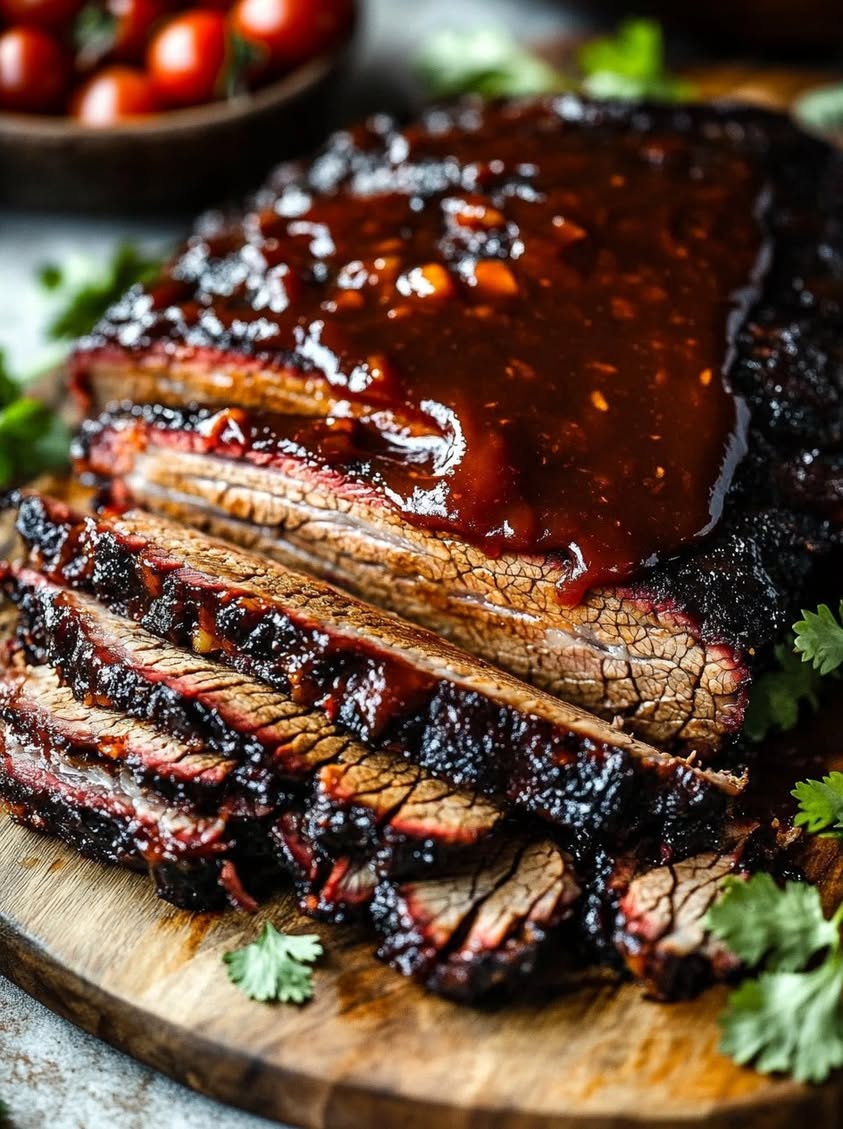
Ultimate Smoky Brisket Barbecue Recipe: Fall-Apart Perfection with a Glossy Glaze
Imagine a piece of beef so tender it practically melts under the gentle pressure of your fork, infused with a deep, smoky flavor that whispers of hickory wood and slow, patient cooking. This Ultimate Smoky Brisket Barbecue Recipe delivers exactly that experience, transforming a humble cut of meat into a show-stopping centerpiece. The journey begins with a robust spice rub that creates a beautiful bark, then moves to a long, slow cook that renders the fat and connective tissue into pure, juicy goodness. Finally, a glossy, homemade barbecue glaze adds a final layer of sweet, tangy, and sticky perfection.
This Ultimate Smoky Brisket Barbecue Recipe is more than just a meal; it is a rewarding project that fills your home with an irresistible aroma for hours. The process itself is surprisingly straightforward, relying on time and simple ingredients rather than complex techniques. Consequently, you will end up with a brisket that rivals your favorite barbecue joint. Whether you are hosting a summer cookout, a game day feast, or simply craving the ultimate comfort food, this recipe is your ticket to barbecue glory. Let us dive into the details of creating this masterpiece.
Furthermore, the homemade caramelized barbecue glaze sets this recipe apart. Unlike store-bought sauces, this glaze cooks down into a rich, complex coating that clings to every nook and cranny of the brisket. The result is a perfect balance of sweet molasses, sharp apple cider vinegar, and warm spices that complements the smoky meat without overpowering it. Ultimately, this Ultimate Smoky Brisket Barbecue Recipe promises a memorable dining experience that will have everyone asking for seconds and begging for the recipe.
Quick Recipe Highlights
- Flavor Profile: This Ultimate Smoky Brisket Barbecue Recipe boasts a complex symphony of tastes. You get an initial hit of savory, peppery bark, followed by the deep, woodsy smoke flavor permeating the juicy meat. Finally, the sweet and tangy homemade barbecue glaze provides a sticky, caramelized finish that ties everything together beautifully.
- Texture: The texture is the true star. After hours of slow cooking, the brisket becomes incredibly tender, pulling apart with minimal effort. The fat cap renders down, basting the meat from within and creating a succulent, melt-in-your-mouth experience. Meanwhile, the exterior bark remains slightly chewy, offering a delightful contrast to the interior’s softness.
- Aroma: As this Ultimate Smoky Brisket Barbecue Recipe cooks, it will fill your kitchen with an intoxicating scent. First, you will smell the earthy, pungent notes of the spice rub toasting. Then, the sweet, fruity aroma of the simmering barbecue sauce will mingle with the rich, savory smell of roasting beef, creating an olfactory promise of the feast to come.
- Visual Appeal: The finished brisket is a sight to behold. It sports a dark, mahogany-colored bark crackled with spices. When sliced, it reveals a beautiful pink smoke ring just beneath the surface, a badge of honor in low-and-slow cooking. The glossy, caramelized glaze adds a final sheen that makes the entire platter look irresistible.
- Skill Level Needed: This recipe is accessible to intermediate home cooks. While the process is long, the active hands-on time is relatively short. Success hinges more on patience and attention to temperature control than on advanced culinary skills. If you can operate an oven or slow cooker and use a meat thermometer, you can absolutely master this dish.
- Special Equipment: A heavy-duty roasting pan or Dutch oven is essential for containing the brisket and its juices. A reliable instant-read meat thermometer is non-negotiable for achieving perfect doneness. Additionally, you will need aluminum foil or butcher paper for wrapping the meat during the cook, a process often called the “Texas crutch.”
Recipe Overview
- Difficulty Level: We rate this Ultimate Smoky Brisket Barbecue Recipe as medium difficulty. The challenge does not come from complicated techniques but from the extended cook time and the need for temperature vigilance. You must manage a long, slow cook to properly break down the tough connective tissues. However, the steps themselves—applying a rub, monitoring temperature, making a sauce—are simple and clearly outlined for success.
- Category: This dish firmly belongs in the main course category, designed to be the star of any meal. It is a quintessential comfort food that also doubles as impressive party fare. You can serve it for a casual family dinner, yet it is special enough for holidays and celebratory gatherings where you want to wow your guests.
- Cuisine: This recipe draws deep inspiration from American barbecue traditions, particularly the Central Texas style known for its emphasis on smoke, salt, and pepper. The long, slow cooking method is a hallmark of barbecue cuisine. At the same time, the sweet, tomato-based glaze nods to Kansas City-style sauces, creating a delicious hybrid that celebrates the best of multiple regional styles.
- Cost: Brisket is a moderately priced cut, offering excellent value for the amount of food it yields. The spice rub and sauce ingredients are common pantry staples like brown sugar, paprika, and ketchup. Overall, this Ultimate Smoky Brisket Barbecue Recipe provides a restaurant-quality feast for a fraction of the cost, making it an economical choice for feeding a crowd.
- Season: While perfect for summer cookouts and Fourth of July celebrations, this brisket is truly a year-round dish. It brings warmth and hearty satisfaction to fall and winter tables. Conversely, its versatility makes it ideal for spring gatherings like graduations and Memorial Day. Essentially, any time you crave deeply flavorful, comforting meat is the right season for this recipe.
- Occasion: This is the ultimate centerpiece for any gathering that calls for memorable food. It is perfect for game day parties, backyard barbecues, potlucks, and family reunions. Moreover, it makes for a spectacular and stress-free holiday main dish, as most of the work is done ahead of time, leaving you free to enjoy your company.
Why You’ll Love This Ultimate Smoky Brisket Barbecue Recipe
First and foremost, the taste and texture are utterly transformative. This Ultimate Smoky Brisket Barbecue Recipe turns a notoriously tough cut into something sublimely tender and bursting with layered flavor. Each bite delivers a journey from the savory, spice-crusted bark through the moist, smoky meat, finishing with the sweet tang of the homemade glaze. The contrast between the slightly chewy exterior and the fall-apart interior creates a mouthfeel that is deeply satisfying. You simply cannot replicate this complex profile with a quick-cooking method.
From a convenience standpoint, this recipe is a game-changer for entertaining. Once you get the brisket into the oven or slow cooker, the appliance does the heavy lifting for the next several hours. This hands-off time allows you to prepare sides, tidy up, or relax with your guests. The process is forgiving, and the long cook window means you have flexibility; a little extra time resting in a warm oven will only make it more tender. Consequently, you can host without the last-minute stress often associated with a big meal.
Nutritionally, brisket offers a good source of high-quality protein and essential nutrients like iron, zinc, and B vitamins. While it contains fat, the slow-cooking process renders much of it out, which you can then skim off the cooking juices. By making your own barbecue glaze, you control the ingredients, avoiding the high fructose corn syrup and excessive sodium found in many commercial sauces. Therefore, you can enjoy a indulgent-tasting meal that is still made with real, recognizable ingredients.
The social and entertaining value of this dish is immense. A whole, glistening brisket presented on a cutting board is a dramatic and welcoming sight that sparks conversation and appetite. Carving it at the table becomes a shared event. This Ultimate Smoky Brisket Barbecue Recipe encourages a communal, relaxed dining style perfect for feeding a crowd and creating lasting memories around the table. It is the kind of food that brings people together and makes an ordinary day feel like a celebration.
Finally, this recipe is remarkably cost-effective and accessible. A whole packer brisket yields a tremendous amount of food for its price, often costing less per pound than many steak cuts. The ingredients for the rub and sauce are inexpensive and likely already in your pantry. You do not need a professional smoker; a standard home oven or a large slow cooker works perfectly. This accessibility means anyone can achieve barbecue pitmaster results without specialized equipment, making gourmet, crowd-pleasing meals achievable on a regular budget.
Historical Background and Cultural Significance
The story of brisket barbecue is deeply woven into the history of American immigration and regional cuisine. Jewish immigrants from Central and Eastern Europe brought with them the tradition of slow-braising tough cuts of meat, like brisket, for holidays. Meanwhile, in the cattle-driving regions of Texas, butchers would often give the less desirable brisket cut to cowboys and enslaved people, who then mastered the art of transforming it through long, slow smoking over indirect heat. These two culinary paths converged in America, creating a unique foodway centered on patience and technique.
Culturally, brisket holds a place of honor in both Texas and American barbecue lore. In Texas, it is considered the ultimate test of a pitmaster’s skill, often judged in fierce cooking competitions. The focus is on the meat itself, with simple salt and pepper rubs allowing the quality of the beef and the smoke to shine. This minimalist approach stands in contrast to other regions where sauce is king. The cultural importance lies in its role as a communal food, historically cooked for large gatherings, church suppers, and family reunions, symbolizing hospitality and shared labor.
The evolution of the brisket recipe mirrors changes in technology and taste. Originally cooked in open pits over wood coals, the method adapted with the invention of offset smokers, which allowed for better temperature control. The “Texas crutch,” wrapping the meat in butcher paper or foil partway through cooking, was developed to power through the “stall” when the meat’s temperature plateaus. Today, home cooks use digital thermometers, electric smokers, and even kitchen ovens to achieve similar results, democratizing a process once confined to experts with dedicated pits.
Regional variations are fascinating. Central Texas style is famously just salt, pepper, and smoke. Kansas City style introduces a sweet, tomato-based sauce, often applied as a glaze. In Memphis, you might find a dry rub with more paprika and garlic. Some Korean-American fusion versions use a gochujang-based glaze. Our Ultimate Smoky Brisket Barbecue Recipe borrows from these traditions, using a complex dry rub to build flavor, employing a slow oven method accessible to all, and finishing with a homemade glaze that offers the best of both dry-rub and saucy worlds.
Ingredient Deep Dive
Beef Brisket: The star of our Ultimate Smoky Brisket Barbecue Recipe, brisket comes from the lower chest of the cow, a muscle that works hard, making it dense with connective tissue. This collagen, when cooked slowly with moisture, breaks down into gelatin, creating unparalleled tenderness and mouthfeel. Look for a “packer cut” brisket with both the flat (leaner) and point (fattier) sections intact; the fat cap should be about 1/4 inch thick for self-basting. Store it in the coldest part of your refrigerator for up to 3 days before cooking, or freeze for longer storage. For substitutions, chuck roast can mimic the texture in a braise, but it lacks the classic brisket structure.
Smoked Paprika: This spice is the secret to achieving a smoky depth without a smoker. Made from pimiento peppers dried over oak fires, it imparts a sweet, woodsy aroma and a rich red color. It is rich in antioxidants like carotenoids. For the best flavor in your Ultimate Smoky Brisket Barbecue Recipe, seek out “hot” or “sweet” smoked paprika from Spain (pimentón), not the bland “regular” paprika. Store it in a cool, dark place to preserve its potency. If you must substitute, combine regular paprika with a tiny pinch of ground chipotle or liquid smoke, but the complex flavor of true smoked paprika is ideal.
Brown Sugar & Molasses: These ingredients in the glaze provide the foundational sweetness and deep, caramel notes. Brown sugar is simply white sugar with molasses added back in, offering a moist, complex sweetness. Molasses, a byproduct of sugar refining, is packed with iron, calcium, and magnesium. Together, they create a glaze that caramelizes beautifully. For this Ultimate Smoky Brisket Barbecue Recipe, use dark brown sugar for more molasses flavor. Store both in airtight containers in a cool pantry. You can substitute honey or maple syrup, but the flavor profile will shift to be lighter and less robust.
Apple Cider Vinegar: This ingredient adds the crucial tang that balances the sweetness of the glaze and cuts through the richness of the meat. It is made from fermented apple cider and contains beneficial acids and probiotics. The acidity helps tenderize the meat slightly and brightens the entire dish. For the best results in your Ultimate Smoky Brisket Barbecue Recipe, use raw, unfiltered apple cider vinegar with the “mother” for the most flavor. It lasts indefinitely at room temperature. White wine vinegar or distilled white vinegar can be used in a pinch, but they will lack the fruity undertones of apple cider vinegar.
Common Mistakes to Avoid
- Trimming All the Fat: Do not remove the entire fat cap. A layer about 1/4 inch thick is essential. It renders during the long cook, basting the meat continuously and keeping it juicy. Trimming it all off leads to a dry, tough brisket.
- Not Using a Thermometer: Guessing doneness by time alone is a recipe for disaster. Brisket is done by temperature and feel, not by the clock. An instant-read thermometer is your most important tool to hit the perfect 200-205°F internal temperature for tenderness.
- Skipping the Rest: Cutting into the brisket immediately after cooking lets all the precious juices run out. You must let it rest, wrapped in a cooler or warm oven, for at least one hour. This allows the juices to redistribute throughout the meat, ensuring every slice is moist.
- Over-Applying Smoke Flavor: If using liquid smoke or heavy smoked spices, a little goes a very long way. Overdoing it can make the meat taste acrid and artificial. Start with the amount in the recipe; you can always adjust slightly in the glaze if you want more smokiness.
- Rushing the Glaze: Applying the homemade barbecue glaze too early in the cooking process can cause it to burn due to its sugar content. Always add it during the last 30-60 minutes of cooking, or even after the meat is cooked, to let it caramelize without scorching.
- Using a Lean Cut: Attempting this recipe with a lean cut like sirloin or round roast will not work. The magic happens because of the brisket’s high collagen content. Substituting a different cut will result in dry meat, as there is not enough connective tissue to break down into gelatin.
- Not Letting the Bark Set: If you wrap the brisket in foil or add liquid to the pan too early, you will steam the meat and ruin the prized crispy bark. Let it cook uncovered for the first several hours to allow the rub to form a proper, flavorful crust.
- Ignoring the Grain: Slicing the brisket incorrectly makes it seem chewy. Always identify the direction of the meat fibers (the grain) and slice perpendicularly, or against it. This shortens the muscle fibers, making each piece much more tender to eat.
Essential Techniques
Trimming the Brisket: Proper trimming is your first critical step. You want to remove the hard, thick fat that will not render, while leaving a protective, basting layer. Using a sharp boning or chef’s knife, trim the fat cap down to about 1/4 inch thickness. Also, remove any silver skin—the tough, translucent membrane on the meatier side—as it will not break down and becomes rubbery. The goal is an even shape so it cooks uniformly. A well-trimmed brisket ensures better spice adhesion, even cooking, and perfect fat rendering.
Applying the Dry Rub: This is about building a flavor foundation. Pat the brisket completely dry with paper towels; moisture is the enemy of a good bark. Apply a thin layer of mustard or oil as a binder, though some purists skip this. Then, generously coat every surface with your spice mixture, pressing it into the meat. Do not be shy. The rub will form the flavorful crust. Let the rubbed brisket sit, uncovered in the refrigerator, for at least an hour or overnight. This allows the salt to penetrate and season the meat deeply.
The Low-and-Slow Cook: This technique is the heart of the Ultimate Smoky Brisket Barbecue Recipe. Cooking at a low temperature (typically 275°F) for many hours allows the tough collagen in the brisket to slowly convert into soft, succulent gelatin without tightening the muscle fibers and squeezing out moisture. The key is maintaining a steady, low heat. In an oven, this is easy. If using a smoker, managing the fire is part of the art. The cook continues until the meat is probe-tender, meaning a thermometer or skewer inserts with little resistance, typically at an internal temperature of 200-205°F.
Wrapping (The Texas Crutch): When the brisket’s internal temperature stalls around 150-170°F, evaporation cools the meat, halting temperature rise. Wrapping it tightly in butcher paper or foil traps steam and juices, pushing the meat through this stall more quickly. It also prevents the exterior from becoming too dark or hard. Butcher paper is preferred by many as it allows some breathability, preserving the bark better than foil, which can steam it soft. This technique guarantees a more predictable cooking time and helps ensure the meat stays moist.
Carving Against the Grain: This final technique is non-negotiable for tender slices. After resting, place the brisket on a cutting board. Identify the direction of the long muscle fibers—this is the “grain.” Your slices must go perpendicular (90 degrees) to that grain. On a whole packer brisket, the grain direction changes between the point and the flat, so you may need to separate them first. Slicing against the grain shortens the tough muscle fibers, making each piece easy to chew and maximizing the tender texture you worked so hard to create.
Pro Tips for Perfect Ultimate Smoky Brisket Barbecue Recipe
For the ultimate bark, let your rubbed brisket sit uncovered on a rack in the fridge overnight. This drying process, similar to dry-aging, helps form a pellicle that the smoke or heat adheres to, resulting in a darker, crispier crust.
Use a disposable aluminum pan under your roasting rack to catch drippings. These flavorful juices, once defatted, can be added back to your barbecue glaze or served on the side as an au jus for extra richness.
Do not discard the point muscle after cooking. Once the whole brisket is rested, you can separate the point from the flat. Cube the point, toss it in more rub or glaze, and return it to a hot oven for 15-20 minutes to make incredible “burnt ends,” a beloved barbecue delicacy.
If your brisket seems to be cooking too quickly on the outside, tent it loosely with foil. This will slow the browning on the exterior while allowing the interior to continue cooking gently to the target temperature.
Invest in a good leave-in probe thermometer with an alarm. This allows you to monitor the internal temperature remotely without opening the oven door, which causes significant heat loss and extends cooking time.
When testing for doneness, the probe should slide into the thickest part of the flat like pushing into room-temperature butter. If you feel resistance, it needs more time, regardless of what the temperature reads.
For a deeper smoke flavor without a smoker, add a teaspoon of ground cumin or chipotle powder to your dry rub. These spices have earthy, smoky notes that complement the smoked paprika beautifully.
Let your homemade barbecue glaze cool and thicken slightly before brushing it on the rested brisket. A thicker glaze will cling better to the meat and provide a more visually appealing, glossy coating.
Variations and Adaptations
For a true Central Texas experience, simplify the rub to just 50% coarse black pepper and 50% kosher salt. Omit the glaze entirely and serve the brisket with sauce only on the side, if at all. This variation highlights the pure flavor of the beef and the smoke. Conversely, for a Kansas City twist, make a thicker, sweeter sauce with more molasses and ketchup, and apply it liberally during the last hour of cooking to create a sticky, candied exterior.
Seasonal adaptations are easy. In summer, cook the brisket a day ahead, chill it whole, and then reheat slices on the grill for a smoky char. Serve with fresh corn salad and coleslaw. In winter, add a cup of beef broth to the pan when you wrap the brisket, creating a rich braising liquid that can be turned into a gravy for serving over mashed potatoes.
For dietary modifications, this Ultimate Smoky Brisket Barbecue Recipe is naturally gluten-free if you ensure your Worcestershire sauce and other condiments are certified GF. For a keto or low-carb version, replace the brown sugar in the rub with a granulated sugar substitute like erythritol and make the glaze with a sugar-free ketchup and a low-carb sweetener, thickening it with xanthan gum if needed.
Experiment with flavor variations by adding different elements to the dry rub. Try adding espresso powder for a deep, bitter note, or Chinese five-spice powder for an aromatic, anise-like complexity. You can also swap the apple cider vinegar in the glaze for balsamic vinegar to add a fruity, syrupy sweetness, or use bourbon instead of water for a rich, oaky undertone.
Texture modifications can cater to different preferences. For a softer, more braised texture, wrap the brisket in foil with a 1/2 cup of beef broth early in the stall. For a firmer, more traditional “pull” with a distinct bark, use unwrapped butcher paper or skip wrapping altogether, though this may extend the cook time significantly.
Presentation alternatives abound. Instead of slicing, you can pull the entire brisket for sandwiches. For an elegant plated presentation, slice the brisket thinly and fan it over a pool of the reduced cooking juices or a smear of creamy grits. For a casual buffet, present the whole brisket on a board with slicing tools and let guests serve themselves, creating an interactive centerpiece.
Serving and Presentation Guide
Plating begins with a very sharp slicing knife and a sturdy cutting board. Separate the point from the flat if using a whole packer cut. Always slice against the grain, and keep slices about the width of a pencil for optimal tenderness. Arrange the slices slightly overlapping on a large platter or a clean wooden board. Drizzle a small amount of the warm, defatted cooking juices or extra glaze over the top just before serving to add shine and moisture.
Garnishing should be simple and functional. A few fresh herb sprigs like parsley or cilantro add a touch of color and freshness that cuts the richness. Thinly sliced scallions or a sprinkle of chopped chives also work well. For a more rustic look, place a small bowl of the homemade barbecue glaze in the center of the platter and surround it with the meat slices, allowing guests to add more as desired.
Traditional accompaniments are must-haves. Creamy, cool coleslaw provides a crunchy, vinegary contrast. Baked beans, especially ones cooked with some of the brisket drippings, complement the smoky flavors. Other classics include potato salad, macaroni and cheese, pickled vegetables (like onions or jalapeños), and simple white bread or cornbread to soak up the juices.
Modern serving suggestions might include turning leftovers into gourmet tacos with pickled red onion and cotija cheese, or chopping the brisket for a hearty hash with potatoes and peppers. You can also use slices in a breakfast Benedict instead of Canadian bacon, topped with a poached egg and hollandaise for an indulgent brunch.
Temperature considerations are crucial. Brisket is best served warm, not piping hot. After its long rest, it should be at a perfect serving temperature. If it has cooled too much, you can gently reheat slices in a 300°F oven with a splash of broth, covered in foil, for 10-15 minutes. Avoid the microwave, as it can make the meat tough and rubbery.
Portion control tips are helpful when planning. A whole packer brisket loses about 30-40% of its weight during cooking (water and fat loss). A raw 12-pound brisket yields about 7-8 pounds of cooked meat. Plan for 1/2 to 3/4 pound of raw brisket per person, which translates to a generous 1/3 to 1/2 pound of cooked meat per serving, especially if you are serving hearty sides.
Wine and Beverage Pairing
Wine pairings for this rich, smoky dish need to stand up to bold flavors. A Zinfandel is a classic choice, with its jammy, dark fruit notes and peppery finish that mirrors the spice rub. A Syrah or Shiraz, with its smoky, meaty characteristics and hints of black pepper, is another excellent match. For those who prefer less tannin, a fruity Grenache or a bold Malbec with its plush texture can work beautifully. The key is to avoid delicate wines that will be overwhelmed by the brisket’s intensity.
Non-alcoholic alternatives should offer refreshment and palate-cleansing qualities. A tart cherry juice or a sparkling pomegranate beverage provides a fruity counterpoint to the fat. Iced tea, whether sweetened Southern-style or unsweetened with lemon, is a traditional and perfect partner. For a more complex option, try a ginger beer with its spicy kick, or a cold-brew coffee, which shares roasted, bitter notes that complement the caramelized glaze.
Coffee and tea pairings are exceptional with barbecue. A dark roast coffee, served black or with a touch of cream, echoes the deep, roasted flavors in the brisket’s bark. A smoky Lapsang Souchong tea is a daring and fantastic pairing, amplifying the smoky notes in the meat. For after the meal, a decaf espresso or a cup of peppermint tea can be a soothing, digestif-like finish.
Temperature considerations for beverages are straightforward. Iced drinks are generally preferred, especially for outdoor gatherings, as they refresh and cut through the meal’s richness. However, room-temperature red wine is ideal, and a warm cup of smoky tea can be surprisingly comforting. Offer a variety to cater to different preferences and weather conditions.
Serving suggestions include setting up a beverage station with options in large dispensers or coolers. For wine, consider decanting it an hour before serving to allow it to open up. For iced tea and lemonade, garnish with citrus slices or fresh mint. Labeling non-alcoholic options clearly ensures all guests can easily find a drink they will enjoy alongside your Ultimate Smoky Brisket Barbecue Recipe masterpiece.
Storage and Shelf Life
For short-term storage, let the brisket cool to room temperature within two hours of cooking. Store large pieces whole, as slicing increases surface area and dries it out faster. Place it in an airtight container or wrap it tightly in butcher paper and then foil. It will keep in the refrigerator for up to 4 days. The flavor often improves after a day, as the spices and smoke meld further.
Freezing is an excellent option for longer storage. Wrap individual portions or the whole brisket tightly in plastic wrap, then in heavy-duty foil or place in a freezer bag, pressing out all air. Label with the date. Properly stored, it will maintain best quality for 2-3 months. To thaw, transfer it to the refrigerator for 24-48 hours before reheating.
Reheating requires care to prevent dryness. The best method is to reheat it in a 300°F oven. Place the slices or chunk in a baking dish, add a splash of beef broth, water, or even apple juice to create steam, and cover tightly with foil. Heat until warmed through, about 20-30 minutes for slices. You can also reheat individual portions gently in a skillet with a bit of broth. Avoid the microwave for large portions, as it will toughen the meat.
Signs of spoilage are unmistakable. Discard the brisket if you detect a sour or unpleasant odor, if the surface becomes slimy or sticky, or if mold develops (usually gray, green, or white fuzz). When in doubt, throw it out. Proper cooling and storage are key to maximizing shelf life and ensuring food safety.
Make Ahead Strategies
You can prepare the entire Ultimate Smoky Brisket Barbecue Recipe up to two days in advance, which is ideal for stress-free entertaining. Cook and rest the brisket as directed. Instead of glazing, let it cool completely, then wrap the whole piece tightly and refrigerate. On the day of serving, reheat it gently in a 300°F oven, wrapped in foil with a little broth, until it reaches an internal temperature of 160°F. Then, apply the glaze and return it to the oven, uncovered, for 15-20 minutes to set the glaze. This method often yields an even more tender and flavorful result.
For component prep, make the dry rub and the barbecue glaze up to a week ahead. Store the rub in a jar at room temperature and the glaze in a sealed container in the refrigerator. You can trim the brisket the night before, apply the rub, and let it sit uncovered on a rack in the fridge. This streamlines your cooking day significantly.
When making ahead, understand that the texture may change slightly upon reheating. It can become a bit more “braised” in texture, but this is often a positive, making it even more tender. To preserve the bark’s integrity, do not add any liquid when initially storing the cooked brisket. Add moisture only during the reheating phase to restore juiciness.
For fresh element additions, prepare any crisp accompaniments like coleslaw or pickled onions the day of serving to maintain their texture and brightness. If serving with bread, warm it just before the meal. This contrast between the make-ahead, tender brisket and fresh, crisp sides creates a perfectly balanced meal.
Scaling Instructions
Halving the recipe is straightforward if you are feeding a smaller group. Purchase a smaller brisket flat (5-6 pounds) instead of a whole packer. Reduce all rub and glaze ingredients by half. The cook time will be shorter, likely 5-7 hours instead of 8-10. Start checking for tenderness with a thermometer around the 5-hour mark. The resting time can remain the same at 1-2 hours.
Doubling or tripling the recipe is perfect for a large event. You will need multiple roasting pans or a very large commercial pan. Ensure there is at least an inch of space between brisket pieces for air circulation. You may need to rotate the pans in the oven halfway through cooking for even heat. The total cook time may increase slightly, but monitor each brisket individually with its own thermometer. Make a larger batch of glaze in a big pot.
Equipment adjustments are necessary when scaling. A standard home oven can typically fit two medium briskets. For more, consider using an outdoor electric smoker or renting a commercial warming oven. Ensure you have a thermometer probe for each piece of meat. For storage, you will need multiple large containers or vacuum sealer bags for leftovers.
Timing modifications are minimal when cooking multiple briskets simultaneously in the same oven, as the environment is consistent. The main variable is the individual piece of meat. Do not base doneness on the clock; always use the internal temperature and probe-tender test for each brisket independently. One may be done an hour before the other, and that is perfectly normal.
Nutritional Deep Dive
A 4-ounce serving of cooked lean brisket provides approximately 30 grams of high-quality protein, essential for muscle repair and satiety. It is a significant source of heme iron, which is more easily absorbed by the body than plant-based iron, and zinc, which supports immune function. The dish also provides B vitamins, particularly B12, which is crucial for nerve health and energy production. The collagen that breaks down into gelatin during cooking supports joint and gut health.
The fat content varies based on trimming and the specific cut. A well-trimmed brisket flat is relatively lean, while the point is richer. Much of the saturated fat renders out during the long cook and can be skimmed from the juices. Using a sugar-based glaze adds carbohydrates, primarily from the brown sugar and molasses. For a more macro-balanced meal, pair the brisket with high-fiber sides like a bean salad or roasted vegetables to create a complete nutritional profile.
For weight management, focus on portion control. A serving size of 3-4 ounces of meat (about the size of a deck of cards) is sufficient. Load half your plate with non-starchy vegetables like coleslaw or a green salad, and use a modest amount of glaze. The high protein content will help you feel full longer, potentially reducing overall calorie intake. Be mindful of calorie-dense sides like macaroni and cheese or heavy potato salad.
Dietary Adaptations
For a gluten-free version, this Ultimate Smoky Brisket Barbecue Recipe is naturally compliant, but you must verify all condiments. Ensure your Worcestershire sauce is gluten-free (Lea & Perrins is not, but many brands are), and use tamari instead of soy sauce if called for. Check that your beef broth and mustard are certified gluten-free. The rub and glaze{“success”:true,”message”:”Recipe created successfully”,”post_id”:8566,”tasty_recipe_id”:8566,”shortcode”:” Print
Smoky Slow-Cooked Brisket with Caramelized Homemade Barbecue Glaze
Description
A tender, fall-apart brisket slow-cooked to smoky perfection and finished with a rich, caramelized homemade barbecue glaze.
Ingredients
For the Crust:
- 4 lbs beef brisket, trimmed
- 2 tbsp smoked paprika
- 1 tbsp garlic powder
- 1 tbsp onion powder
- 1 tbsp brown sugar
- 2 tsp black pepper
- 1 tsp salt
- 1 cup ketchup
- 1/4 cup apple cider vinegar
- 1/4 cup molasses
- 2 tbsp Worcestershire sauce
- 1 tbsp Dijon mustard
- 1 tsp liquid smoke
- 1 onion, sliced
- 3 cloves garlic, minced
- 1 cup beef broth
Instructions
1. Prepare the Crust:
- Rub brisket evenly with smoked paprika, garlic powder, onion powder, brown sugar, black pepper, and salt. Let sit for 30 minutes.
- In a slow cooker, layer sliced onion and minced garlic. Place brisket on top and pour beef broth around it. Cook on low for 8-10 hours until tender.
- In a saucepan, combine ketchup, apple cider vinegar, molasses, Worcestershire sauce, Dijon mustard, and liquid smoke. Simmer for 15 minutes until thickened.
- Preheat oven to 400°F. Transfer cooked brisket to a baking sheet, brush generously with barbecue glaze, and bake for 10-15 minutes until caramelized.
- Let brisket rest for 10 minutes, then slice against the grain and serve with extra glaze.
Notes
You can customize the seasonings to taste.

I’m Billy, a classically trained culinary school graduate from The Culinary Institute of America with over 12 years in the restaurant industry and over 19 years of cooking experience.