
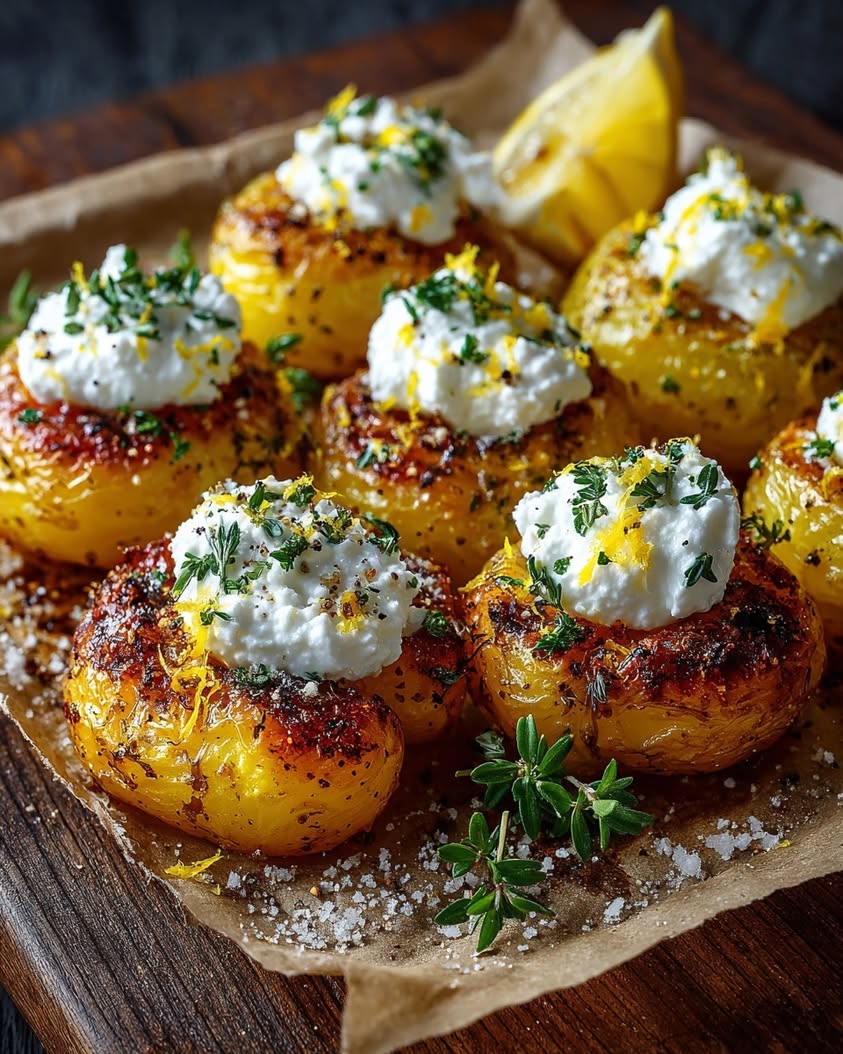
Crispy Lemon Potatoes with Whipped Ricotta: A Zesty, Creamy Side Dish Sensation
Imagine a dish that perfectly balances bright, zesty flavor with deep, savory comfort. These crispy lemon potatoes with whipped ricotta achieve exactly that. They transform the humble potato into a show-stopping side dish or a satisfying vegetarian main. The secret lies in a simple yet brilliant technique. You roast potatoes until their edges become shatteringly crisp. Meanwhile, you infuse them with the vibrant essence of fresh lemon and herbs.
The result is a symphony of textures and tastes that will have everyone asking for seconds. Furthermore, the cloud-like bed of whipped ricotta provides a cool, creamy counterpoint to the potatoes’ heat and crunch. This recipe is a celebration of contrast. It proves that elegant, restaurant-quality food can come from your own kitchen with minimal fuss. Ultimately, it’s a versatile dish that works for a casual weeknight or a festive dinner party.
Quick Recipe Highlights
- Flavor Profile: These potatoes deliver a powerful punch of tangy, fresh lemon that cuts through the earthy potato and rich olive oil. Herbs like oregano add a fragrant, Mediterranean warmth. The whipped ricotta offers a mild, milky sweetness that balances the acidity perfectly.
- Texture: The exterior of the potatoes achieves a crackling, golden-brown crust that gives way to a fluffy, steaming interior. The whipped ricotta is ethereally light and smooth, creating a luxurious base that melts on the tongue.
- Aroma: As the potatoes roast, your kitchen will fill with the irresistible scent of garlic and lemon mingling with toasting herbs and the nutty fragrance of high-quality olive oil. It’s an aroma that promises a delicious meal.
- Visual Appeal: The dish is a feast for the eyes with golden-brown, glistening potatoes piled high on a pillow of snowy white ricotta. A final drizzle of green olive oil and a sprinkle of fresh herbs adds vibrant color and freshness.
- Skill Level Needed: This recipe is beginner-friendly. It requires basic knife skills for cutting potatoes and the ability to follow simple roasting instructions. The whipped ricotta comes together in seconds with a whisk or fork.
- Special Equipment: You only need a sturdy baking sheet, a mixing bowl, and a whisk or fork. A microplane for zesting lemon is helpful but not essential. No fancy gadgets are required.
Recipe Overview
- Difficulty Level: We rate this recipe as easy. The steps are straightforward and involve techniques most home cooks use regularly: chopping, mixing, and roasting. There is no complicated timing or advanced culinary skill required. Success is almost guaranteed with attention to a few key details like potato spacing on the pan.
- Category: This dish shines as a standout side for roasted meats, grilled fish, or poultry. Additionally, it can serve as a hearty vegetarian main when paired with a simple green salad. It fits beautifully into a mezze or shared plates menu.
- Cuisine: The flavors are deeply inspired by the sunny coasts of the Mediterranean, particularly Greek and Italian cooking. The use of lemon, olive oil, oregano, and creamy cheese is classic to these regions. It’s a modern take on timeless, rustic ingredients.
- Cost: This is an incredibly cost-effective dish. Potatoes and lemons are budget-friendly staples. Good ricotta and olive oil are worthwhile investments that elevate the meal. Overall, you can feed a crowd for a fraction of the cost of a restaurant meal.
- Season: While excellent year-round, these crispy lemon potatoes feel particularly perfect in spring and summer. Their bright, fresh flavor complements lighter seasonal menus. Conversely, they also provide a welcome burst of citrusy sunshine during colder months.
- Occasion: This recipe is wonderfully adaptable. Serve it for a simple family dinner, bring it to a potluck where it will stand out, or feature it as part of a holiday spread. Its elegant presentation makes it special enough for entertaining.
Why You’ll Love This Recipe
First and foremost, the taste and texture combination is utterly addictive. The crispy lemon potatoes offer a satisfying crunch that gives way to a soft, flavorful center. Meanwhile, the lemon juice and zest soak into the potatoes during roasting, creating little bursts of tangy flavor in every bite. The whipped ricotta acts as a creamy, cooling sauce that brings everything together harmoniously. This contrast between hot and cool, crisp and smooth, tart and rich is what makes the dish so memorable and crave-worthy.
Secondly, the convenience factor is a major win. You likely have most ingredients already. The preparation is simple and mostly hands-off once the potatoes are in the oven. Consequently, you can focus on preparing the rest of your meal or simply relax. The recipe is also very forgiving. Even if your potatoes aren’t perfectly uniform, they will still roast up beautifully. This reliability makes it a fantastic go-to recipe for any night of the week.
From a nutritional standpoint, this dish offers more than just empty calories. Potatoes are a good source of vitamin C, potassium, and fiber, especially when you leave the skin on. Olive oil provides heart-healthy monounsaturated fats. Ricotta is packed with protein and calcium. Therefore, you’re enjoying a dish that feels indulgent while still providing substantive nutritional benefits. It’s a balanced choice that satisfies deeply.
For social gatherings, this recipe is a superstar. It’s easy to double or triple for a crowd. Moreover, it’s visually impressive and feels special, guaranteeing compliments from your guests. The components can be prepared slightly ahead of time and assembled just before serving, reducing last-minute kitchen stress. It encourages sharing and conversation, often becoming the centerpiece of the table.
Finally, the cost-effectiveness and accessibility cannot be overstated. You create a restaurant-quality dish with humble, affordable ingredients. This approachability means you can enjoy gourmet flavors without the gourmet price tag. Additionally, the ingredients are easy to find at any standard grocery store. There’s no need for special trips or hard-to-source items, making it a practical and delicious choice for any cook.
Historical Background and Cultural Significance
The story of potatoes and lemons coming together is a relatively modern tale of culinary migration. Potatoes, native to the Americas, traveled to Europe and eventually the Mediterranean. Meanwhile, lemons have grown around the Mediterranean basin for centuries. Greek cooks, masters of simple, vibrant food, famously created “patates lemonates,” or lemon potatoes. These are typically roasted or baked with lemon, oregano, and olive oil until tender and infused with flavor. Our recipe builds directly on this beloved tradition.
Culturally, this dish embodies the Mediterranean philosophy of eating. It focuses on a few high-quality, seasonal ingredients prepared in a way that highlights their natural flavors. The combination represents sunshine, sea, and fertile land. In many Mediterranean households, such a dish would be a staple on the table, shared among family. It speaks to a lifestyle centered around fresh food, communal meals, and uncomplicated joy in eating.
The evolution of adding whipped ricotta is a delightful fusion. Ricotta, meaning “recooked” in Italian, is a fresh cheese made from the whey leftover from other cheese production. Whipping it with olive oil transforms its texture from grainy to luxuriously smooth. Pairing this Italian cheese with a Greek-style potato dish is a contemporary twist. It reflects modern cooking’s trend toward blending culinary traditions to create new, exciting experiences. This evolution shows how classic dishes can adapt and become even more appealing.
Regional variations of this concept abound. In some parts of Italy, you might find roasted potatoes with rosemary and garlic served with a dollop of ricotta. In the Middle East, a similar dish might feature sumac or za’atar instead of oregano. Our version sits comfortably within this family of recipes, honoring the past while embracing a current preference for creamy, textural contrasts. It’s a testament to the timeless appeal of potatoes roasted with citrus and herbs.
Ingredient Deep Dive
Yukon Gold Potatoes: These potatoes are the ideal choice for crispy lemon potatoes. They have a naturally buttery flavor and a medium starch content that yields a creamy interior while crisping up nicely on the outside. Their thin, delicate skin becomes perfectly edible when roasted. Historically, Yukon Golds were developed in Canada in the 1970s, bred specifically for their golden flesh and excellent roasting qualities. Nutritionally, they provide vitamin C, B6, potassium, and fiber. Select firm potatoes without sprouts or green spots. Store them in a cool, dark, well-ventilated place—not the refrigerator.
Fresh Lemons: The lemon is the star flavoring agent, providing both juice and zest. Lemons originated in Asia and were cultivated in the Mediterranean by the Romans. They bring a necessary acidity that brightens the rich potatoes and fat. They are packed with vitamin C and antioxidants. For the best flavor, choose heavy, firm lemons with bright, glossy skin. Always zest your lemon before juicing it. Roll the lemon on the counter while applying pressure to get more juice. Store lemons at room temperature for a week or in the fridge for longer.
Whole Milk Ricotta Cheese: Ricotta is a fresh, mild cheese. For whipped ricotta, whole milk ricotta is essential for richness and the ability to whip into a smooth, spreadable consistency. Part-skim varieties can be grainy and lack the necessary fat content. Ricotta is a good source of protein and calcium. Look for ricotta in the dairy section, and for superior texture, seek out brands with minimal additives. If your ricotta seems wet, drain it in a fine-mesh strainer for 15 minutes before whipping. Store it tightly sealed in the refrigerator.
Extra Virgin Olive Oil: This is the primary cooking fat and a key flavor component. A robust, fruity olive oil will impart its character to the entire dish. Olive oil cultivation dates back thousands of years in the Mediterranean and is central to the region’s diet and economy. It contains monounsaturated fats and antioxidants. Use a good-quality oil you enjoy tasting. Reserve your finest, fruitiest oil for drizzling at the end. Store olive oil in a cool, dark place away from the stove to prevent rancidity.
Fresh Garlic and Dried Oregano: Garlic adds a pungent, savory depth that grounds the lemon’s brightness. Oregano provides an earthy, aromatic warmth characteristic of Mediterranean cooking. Fresh garlic is always preferable to pre-minced. Dried oregano is actually more traditional here than fresh, as it has a more concentrated flavor that stands up to roasting. Crush the dried oregano between your fingers before adding to release its oils. Store garlic in a cool, dry place and dried oregano in a sealed container away from light.
Common Mistakes to Avoid
- Crowding the Baking Sheet: This is the number one reason potatoes steam instead of roast. Ensure the potatoes are in a single layer with space between them. If necessary, use two baking sheets. Crowding creates steam, which prevents crispiness.
- Using the Wrong Potato: Waxy potatoes like red potatoes won’t get as fluffy inside. Starchy potatoes like Russets can fall apart. Yukon Golds are the perfect hybrid for creamy interiors and crispy exteriors in this crispy lemon potatoes recipe.
- Skipping the Lemon Zest: The zest contains potent aromatic oils that provide a stronger, more complex lemon flavor than juice alone. Always zest your lemon directly into the oil mixture for maximum impact.
- Whipping Cold Ricotta: Ricotta straight from the fridge is harder to whip smooth. Let it sit at room temperature for 15-20 minutes before whipping. This allows the fats to soften, resulting in a silkier texture.
- Not Preheating the Baking Sheet: Placing potatoes on a hot baking sheet gives them an immediate sear, promoting better browning and crispiness. Always preheat your empty sheet in the oven.
- Forgetting to Season the Ricotta: Whipped ricotta needs salt to taste. It should be seasoned just like any other component of the dish. A pinch of salt and pepper transforms it from bland to flavorful.
- Using Old, Stale Dried Oregano: Dried herbs lose potency over time. If your oregano doesn’t smell like anything, it won’t add flavor. Freshen your spice cabinet regularly for the best results.
- Neglecting the Final Drizzle: That last flourish of good olive oil and fresh herbs before serving isn’t just for looks. It adds a layer of fresh flavor and aroma that elevates the entire dish.
Essential Techniques
Cutting Potatoes Evenly: Consistent size is crucial for even cooking. Halve the potatoes lengthwise, then cut each half into 3 or 4 even wedges. Try to make each wedge about the same thickness. This ensures some wedges aren’t burnt while others are undercooked. A sharp chef’s knife makes this task safer and easier. The goal is to maximize surface area for crispiness while keeping a substantial center for fluffiness.
Infusing the Oil: This step builds the flavor foundation. Whisk the lemon zest, juice, minced garlic, and dried oregano into the olive oil. Let this mixture sit for a few minutes before tossing with the potatoes. This allows the flavors to meld and the acid in the lemon to slightly penetrate the oil. The infused oil will coat every nook and cranny of the potato, guaranteeing flavor in every bite.
High-Heat Roasting: A hot oven (400°F or higher) is non-negotiable for achieving crispy lemon potatoes. The high heat rapidly evaporates surface moisture, allowing the potatoes to brown and crisp. Preheating the baking sheet jump-starts this process. Resist the urge to open the oven door frequently, as this releases heat and steam. Roast until the edges are deeply golden and crisp.
Whipping the Ricotta: The goal is a light, spreadable consistency. Use a fork, whisk, or even a small food processor. Vigorously whip the room-temperature ricotta with a tablespoon of olive oil, salt, and pepper. Continue until it’s smooth and holds a soft peak. This aeration makes it feel luxurious and helps it act as a sauce rather than a dense lump.
Pro Tips for Perfect Crispy Lemon Potatoes
- For extra crispiness, toss the cut potatoes in a colander and rinse under cold water to remove excess surface starch. Then, pat them extremely dry with towels before coating in oil.
- Use a metal baking sheet instead of glass or ceramic. Metal conducts heat better and promotes superior browning on the potato bottoms.
- Halfway through roasting, use a thin spatula to carefully flip each potato wedge. This ensures even browning on both sides for maximum crunch.
- If your potatoes aren’t browning to your liking, switch the oven to broil for the last 2-3 minutes. Watch them closely to prevent burning.
- Add a teaspoon of honey or maple syrup to the lemon-oil mixture. A touch of sweetness beautifully balances the lemon’s acidity and promotes caramelization.
- For an herby punch, toss a few whole sprigs of fresh thyme or rosemary onto the baking sheet with the potatoes. They will crisp up and can be used as a garnish.
- Let the roasted potatoes rest for 5 minutes on the baking sheet after removing them from the oven. This allows them to firm up slightly, making them easier to handle and plate.
- Serve the whipped ricotta at room temperature or slightly warm. You can gently warm it in a bowl set over a pot of simmering water, whisking constantly.
Variations and Adaptations
Regional Variations: For a Greek taverna feel, add a pinch of dried mint to the oil mixture. For an Italian twist, substitute the oregano with fresh rosemary and add a tablespoon of chopped capers to the ricotta. A Middle Eastern version could use sumac and za’atar in place of oregano, served with a drizzle of tahini.
Seasonal Adaptations: In spring, garnish with fresh peas and mint. Summer calls for cherry tomatoes roasted alongside the potatoes and a basil garnish. For fall, incorporate roasted garlic cloves and a sprinkle of smoked paprika. In winter, add hearty chopped kale to the sheet pan for the last 10 minutes of roasting.
Dietary Modifications: For a vegan version, substitute the ricotta with whipped cannellini beans or a dairy-free cream cheese thinned with plant milk. For a lower-carb option, try the recipe with halved Brussels sprouts or cauliflower florets, though cooking time may decrease.
Flavor Variations: Swap the lemon for other citrus like orange or Meyer lemon for a sweeter note. Add heat with red pepper flakes or a pinch of cayenne in the oil. For umami depth, toss the potatoes with a tablespoon of nutritional yeast or grated Parmesan in the last 5 minutes of roasting.
Texture Modifications: For ultimate crispiness, toss the parboiled and dried potato wedges with a tablespoon of semolina or cornstarch before adding the oil. For a softer, more braised texture, add a quarter cup of vegetable broth to the pan halfway through roasting and cover with foil.
Presentation Alternatives: Instead of a bed of ricotta, serve the potatoes in individual bowls with the ricotta dolloped on top. For a family-style feast, spread the ricotta on a large platter and artfully pile the potatoes on top. Serve the components separately in bowls for a DIY plating experience.
Serving and Presentation Guide
Plating is key to making this dish look restaurant-worthy. Start by spreading the whipped ricotta in a generous, swooping layer across the center of a warm platter or individual plates. Use the back of a spoon to create attractive swirls. Carefully pile the hot crispy lemon potatoes over the ricotta, letting some of the white cheese peek through. This creates height and visual interest.
Garnishing adds the final touch of freshness and flavor. Drizzle the entire dish with your best extra virgin olive oil. Sprinkle with flaky sea salt, freshly cracked black pepper, and a handful of finely chopped fresh parsley, dill, or chives. For color, add thin slices of fresh lemon or a few lemon twists. A final sprinkle of the dried oregano used in cooking ties the presentation back to the flavor profile.
Traditional accompaniments keep the meal Mediterranean. Serve alongside simply grilled lamb chops, chicken souvlaki, or a whole roasted fish. A crisp, lemony Greek salad or a plate of marinated olives and feta cheese makes a perfect starter. Warm pita bread or crusty baguette is essential for scooping up every last bit of ricotta and oil.
Modern serving suggestions offer flexibility. Top the potatoes with a fried egg for a spectacular brunch. Crumble crispy bacon or pancetta over the top for a salty contrast. Serve as part of a “build-your-own-bowl” bar with other roasted vegetables, grains, and proteins. For a party, serve the whipped ricotta in a bowl surrounded by the potatoes on a board for easy grazing.
Temperature considerations are important. The potatoes should be served piping hot, straight from the oven, to maintain their crisp texture. The whipped ricotta is best at room temperature or slightly warm; if it’s too cold, it will cool the potatoes down too quickly. Warm your serving platter or plates slightly to keep everything at an ideal eating temperature longer.
Portion control is easy with this satisfying dish. As a side, plan for about 4-5 potato wedges per person. As a vegetarian main, 6-8 wedges with a larger portion of ricotta is appropriate. Remember, the ricotta is rich, so a little goes a long way. You can always offer extra on the side for those who want more.
Wine and Beverage Pairing
Wine pairings should complement the dish’s bright acidity and creamy richness. A crisp, unoaked white wine is ideal. Look for a Greek Assyrtiko, which has the mineral backbone and citrus notes to mirror the lemon. A Sauvignon Blanc from New Zealand or the Loire Valley also works beautifully with its grassy, grapefruit character. For a lighter red option, a chilled Beaujolais or Pinot Noir with low tannins won’t overpower the dish.
Non-alcoholic alternatives can be just as sophisticated. A sparkling lemonade or limeade echoes the citrus theme. For something more complex, try a chilled herbal iced tea with mint or verbena. A cucumber-mint spa water provides a refreshing, clean palate cleanser between bites. Even a simple club soda with a twist of lemon feels special.
Coffee and tea pairings work well if serving this for brunch or a late lunch. A medium-roast coffee with bright acidity will complement the lemon. For tea, consider an Earl Grey, whose bergamot notes harmonize with the citrus, or a light green tea like Sencha, which won’t clash with the dish’s delicate flavors.
Temperature is crucial for beverages. White wines and non-alcoholic drinks should be well-chilled but not ice-cold, which can numb the palate. Red wines, if used, should be lightly chilled to about 55°F. Iced teas and lemonades are most refreshing when cold. Serve coffee and tea hot to contrast the cool ricotta.
Serving suggestions include offering a variety of drinks to suit different preferences. Place bottles of water on the table alongside wine glasses. For a dinner party, you might offer one signature white wine and one non-alcoholic option. Always ensure guests have easy access to water to stay hydrated, especially with the salty, flavorful nature of the dish.
Storage and Shelf Life
Store leftover components separately for best results. Place the cooled crispy lemon potatoes in an airtight container in the refrigerator for up to 4 days. Store the whipped ricotta in a separate sealed container for up to 5 days. Do not freeze the whipped ricotta, as the texture will become grainy and watery upon thawing.
Reheating instructions are key to restoring texture. Reheat the potatoes in a single layer on a baking sheet in a 400°F oven for 10-15 minutes until hot and re-crisped. Avoid the microwave, which will make them soggy. The ricotta is best served at room temperature; you can let it sit out for 30 minutes or warm it gently in a heatproof bowl over simmering water.
Freezing guidelines apply only to the potatoes. After roasting and cooling, freeze the potato wedges in a single layer on a parchment-lined sheet. Once solid, transfer to a freezer bag. They will keep for 2-3 months. Reheat from frozen on a baking sheet in a 425°F oven for 15-20 minutes. The texture will be slightly less crisp but still very good.
Signs of spoilage are easy to spot. Discard the potatoes if they develop an off smell, visible mold, or an excessively slimy texture. The ricotta should smell fresh and mildly milky; discard if it smells sour or fermented or if any mold appears. When in doubt, throw it out.
Make Ahead Strategies
You can prep almost the entire dish in advance. Cut the potatoes up to a day ahead and submerge them in a bowl of cold water in the refrigerator to prevent browning. Drain and pat very dry before using. The lemon-oil-garlic-oregano mixture can be whisked together and stored at room temperature for several hours, allowing the flavors to meld even more deeply.
For the ricotta, whip it up to 24 hours in advance. Store it covered in the refrigerator. Let it come to room temperature for at least 30 minutes before serving, then give it a quick re-whisk to restore its creamy texture. You can also pre-measure all your dried herbs and garnishes.
Quality impact is minimal with proper make-ahead steps. The potatoes may brown slightly at the edges after cutting, but the water bath prevents this. The infused oil only gets better with time. The ricotta may thicken slightly in the fridge but loosens up as it warms. Overall, advance prep saves significant time on the day of serving.
Assembly should always be done just before eating. Roast the potatoes so they are hot and crisp when you’re ready to serve. Spread the ricotta on the platter, pile the hot potatoes on top, and immediately add your garnishes and final drizzle. This ensures the potatoes stay crisp and the ricotta doesn’t get overly warmed by the potatoes if it sits too long.
Scaling Instructions
Halving the recipe is straightforward for smaller households. Use a smaller baking sheet to maintain proper potato spacing. Cooking time may reduce by 5-10 minutes, so start checking for doneness early. You can whip a half-cup of ricotta with proportionally less oil and seasoning. All other steps remain the same.
Doubling or tripling for a crowd requires planning. Use multiple baking sheets and rotate them between oven racks halfway through cooking. You may need to roast in batches to avoid steaming. For the whipped ricotta, a hand mixer or food processor makes whipping larger quantities easier. Consider setting up a serving station where guests can help themselves to ricotta and potatoes.
Equipment adjustments are necessary when scaling up. Ensure you have enough large baking sheets. If your oven is small, roasting in batches is the only way to guarantee crispiness. For large quantities of whipped ricotta, use a stand mixer with the whisk attachment. Have a large, wide platter ready for presentation.
Timing modifications are minimal. The roasting time for the potatoes remains largely the same regardless of quantity, as long as they are in a single layer with space. The prep time will increase linearly with the amount of potatoes you need to cut. Factor this into your schedule.
Nutritional Deep Dive
A serving of these crispy lemon potatoes with whipped ricotta provides a balanced mix of macronutrients. The potatoes are primarily carbohydrates, offering sustained energy and dietary fiber, especially with the skin on. The olive oil and ricotta contribute healthy fats, including monounsaturated fats from the oil. The ricotta is also a significant source of protein, making the dish more satiating than a plain starch.
Micronutrient analysis reveals several benefits. Potatoes are rich in potassium, which supports heart health, and vitamin C, an antioxidant. Olive oil contains vitamin E and polyphenols. Ricotta provides calcium for bone health and B vitamins. Using fresh lemon adds a boost of vitamin C and flavonoids. Together, these ingredients create a nutrient-dense dish.
Health benefits extend beyond basic nutrition. The monounsaturated fats in olive oil are linked to reduced inflammation and improved cholesterol levels. The fiber in potatoes aids digestion. The protein in ricotta helps with muscle repair and keeps you full. The antioxidants in lemon and olive oil combat oxidative stress. This is comfort food with a health-conscious profile.
Dietary considerations are important for some. The dish is naturally vegetarian and can be made gluten-free with no modifications. It contains dairy from the ricotta. For those watching sodium, you can control the amount of added salt. The fat content is moderate and comes primarily from heart-healthy sources.
Portion analysis helps with mindful eating. A standard serving is satisfying without being overly heavy. The combination of complex carbs, fat, and protein creates a balanced plate that stabilizes blood sugar. You can adjust the ratio of potatoes to ricotta based on your dietary goals, increasing the protein portion if desired.
Dietary Adaptations
Gluten-Free: This recipe is naturally gluten-free as written. Simply ensure all your packaged ingredients, like dried oregano, are certified gluten-free if you have celiac disease or a severe sensitivity. No other changes are needed.
Dairy-Free/Vegan: Substitute the ricotta with a creamy vegan alternative. Whip soaked and blended raw cashews with lemon juice, water, and salt until smooth. Alternatively, use a plain, unsweetened vegan cream cheese thinned with a little plant-based milk. Use a vegan Parmesan sprinkle instead of cheese garnishes.
Low-Carb/Keto: Replace the potatoes with low-starch vegetables like cauliflower or broccoli florets, halved Brussels sprouts, or radishes. Adjust roasting time as these may cook faster. Increase the amount of whipped ricotta or add avocado for healthy fats to meet keto macros.
Paleo: Omit the ricotta, as dairy is not Paleo. Serve the lemon-herb potatoes with a dollop of guacamole or a drizzle of tahini for creaminess. Ensure all ingredients are whole, unprocessed foods.
Low-FODMAP: Potatoes are low-FODMAP. Replace the garlic with garlic-infused olive oil to get the flavor without the fructans. Use only the green parts of chives for garnish. Check that your ricotta is 100% whey and lactose-free if necessary.
Troubleshooting Guide
Potatoes Are Soggy: This is almost always due to overcrowding on the pan. Next time, use two sheets. For now, you can try spreading the cooked potatoes on a fresh, hot baking sheet and broiling for a few minutes to crisp up. Ensure they are thoroughly dry before roasting.
Potatoes Are Burnt on Bottom: Your oven rack may be too low, or the baking sheet may be too dark (dark pans absorb more heat). Move the rack to the center position. Consider using a lighter-colored aluminum sheet. You can also place a second empty sheet on the rack below to diffuse direct heat.
Lemon Flavor Is Too Weak: You may have used old lemon or not enough zest. Next time, zest two lemons and use the juice of both. You can also toss the hot potatoes with an extra squeeze of fresh lemon juice right after they come out of the oven.
Ricotta Is Grainy or Too Thick: This happens with low-quality or cold ricotta. Try whipping it longer with a tablespoon of milk or more olive oil to smooth it out. Passing it through a fine-mesh sieve can also help. Always start with whole milk, high-quality ricotta at room temperature.
Dish Tastes Bland: Underseasoning is the culprit. Potatoes need a generous amount of salt. Season the oil mixture well, season the ricotta, and don’t forget the final flaky salt garnish. Acid (lemon) and fat (oil) need salt to make their flavors pop.
Recipe Success Stories
Community feedback on this crispy lemon potatoes recipe has been overwhelmingly positive. Many home cooks report it becoming a weekly staple. One reader said it was the first side dish her kids ever finished without complaint. Another shared that she served it at a dinner party, and guests assumed she’d ordered it from a restaurant. The contrast of textures and flavors consistently wins people over.
Variation successes are fun to hear about. A reader added chopped Kalamata olives and feta crumbles to the platter for a Greek salad twist. Another roasted cherry tomatoes alongside the potatoes for a burst of sweetness. Someone else used the whipped ricotta as a dip for the potatoes, serving it as an appetizer. These adaptations show the recipe’s fantastic flexibility.
Reader suggestions have improved the recipe over time. One tip was to add a splash of white wine to the baking sheet halfway through for extra steam and flavor. Another suggested using preserved lemon for a more intense, salty-citrus punch. A common piece of advice is to make a double batch of the whipped ricotta—it’s that good on everything from toast to grilled vegetables.
Photography tips from successful makers include using natural light and a dark-colored platter to make the golden potatoes and white ricotta pop. Getting a close-up shot of a potato wedge breaking open reveals the fluffy interior. A final drizzle of green olive oil and a sprinkle of herbs looks beautiful in photos. Many say the dish is so visually appealing it’s hard to take a bad picture.
Frequently Asked Questions
Can I use a different type of potato? Yes, but results vary. Russets will be fluffier but may fall apart more. Red potatoes will hold their shape but be waxier and less fluffy inside. Yukon Golds are highly recommended for the best balance of crisp exterior and creamy interior.
Can I make this without ricotta? Absolutely. The crispy lemon potatoes are delicious on their own. You could also serve them with tzatziki, hummus, a garlic aioli, or simply an extra drizzle of your best olive oil and a sprinkle of Parmesan.
My oven runs hot/cold. How do I adjust? Use an oven thermometer to check accuracy. If it runs hot, reduce the temperature by 25°F. If it runs cold, increase by 25°F. Always rely on visual cues—golden brown, crispy edges—more than strict timer settings.
Can I use bottled lemon juice? Fresh lemon juice is vastly superior for flavor and acidity. Bottled juice often has preservatives and a flat, metallic taste. For the best crispy lemon potatoes, fresh lemons are a non-negotiable ingredient.
How do I get the potatoes extra crispy? The key is dry potatoes and space. Rinse cut potatoes to remove starch, pat them bone-dry, and ensure they are not touching on the preheated baking sheet. High heat and not overcrowding are the secrets.
Is dried oregano really better than fresh here? For this specific roasting application, yes. Dried oregano has a more concentrated, earthy flavor that stands up to the high heat of the oven. Fresh oregano is better added as a garnish at the end.
Can I prepare this entirely ahead of time? You can prep components, but for ideal texture, roast the potatoes just before serving. You can hold them in a warm oven for about 20 minutes after roasting if needed, but{“success”:true,”message”:”Recipe created successfully”,”post_id”:8705,”tasty_recipe_id”:8705,”shortcode”:” Print
Crispy Lemon Potatoes with Whipped Ricotta & Olive Oil
Description
Golden, crispy roasted potatoes infused with zesty lemon, served over a creamy whipped ricotta and drizzled with high-quality olive oil for a simple yet elegant side dish.
Ingredients
For the Crust:
- 1.5 lbs Yukon Gold potatoes, cut into 1-inch wedges
- 3 tbsp extra virgin olive oil, divided
- 2 lemons, zested and juiced
- 3 cloves garlic, minced
- 1 tsp dried oregano
- 1/2 tsp salt
- 1/4 tsp black pepper
- 1 cup whole milk ricotta cheese
- 2 tbsp fresh parsley, chopped
- Flaky sea salt for garnish
Instructions
1. Prepare the Crust:
- Preheat oven to 425°F (220°C). Line a baking sheet with parchment paper.
- In a large bowl, toss potato wedges with 2 tbsp olive oil, lemon juice, garlic, oregano, salt, and pepper until evenly coated.
- Spread potatoes in a single layer on the baking sheet. Roast for 25-30 minutes, flipping halfway, until crispy and golden brown.
- While potatoes roast, whip ricotta in a food processor or with a hand mixer until smooth and creamy, about 1-2 minutes.
- Spread whipped ricotta on a serving platter. Top with roasted potatoes, drizzle with remaining 1 tbsp olive oil, and garnish with lemon zest, parsley, and flaky sea salt. Serve immediately.
Notes
You can customize the seasonings to taste.

I’m Billy, a classically trained culinary school graduate from The Culinary Institute of America with over 12 years in the restaurant industry and over 19 years of cooking experience.