
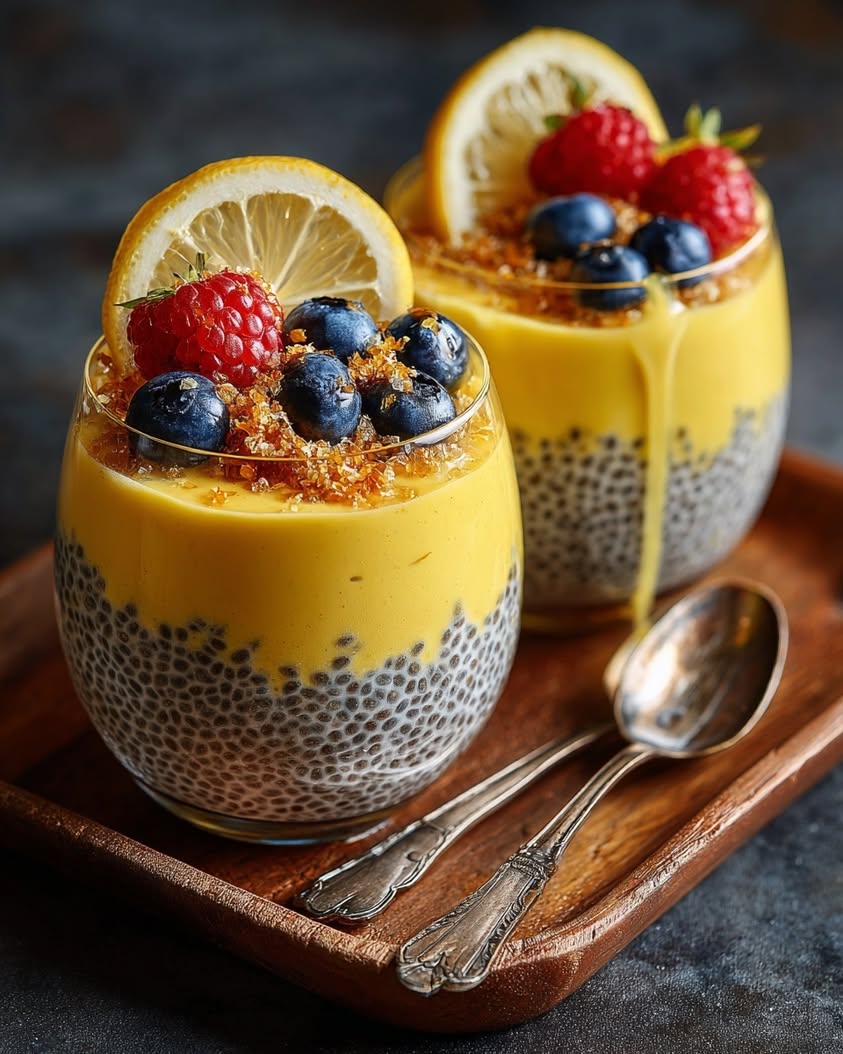
Lemon Cream Chia Pudding with Oat Milk: A Zesty, No-Cook Breakfast
Imagine waking up to a breakfast that feels like a dessert but fuels your body with clean, plant-based energy. This creamy lemon chia pudding recipe does exactly that. It combines the bright, sunny flavor of fresh lemon with the rich, comforting texture of a classic pudding. Moreover, it requires zero cooking, making it the ultimate make-ahead meal for busy mornings. Ultimately, this dish transforms simple ingredients into a luxurious experience that will brighten your day from the very first spoonful.
The magic of this creamy lemon chia pudding recipe lies in its beautiful simplicity. You simply whisk a few ingredients together, let the chia seeds work their thickening magic overnight, and wake up to a ready-to-eat treat. The oat milk provides a naturally sweet and creamy base that is both dairy-free and incredibly satisfying. Additionally, the lemon zest and juice infuse the pudding with a vibrant, aromatic quality that is utterly refreshing. Consequently, this pudding is not just a meal; it is a little jar of sunshine you can enjoy any time of year.
This recipe is a fantastic example of how healthy eating can be indulgent and exciting. It is packed with fiber, omega-3 fatty acids, and plant-based protein, keeping you full and focused for hours. Whether you are a seasoned meal prepper or just looking for a quick, nutritious option, this creamy lemon chia pudding is a guaranteed winner. Furthermore, its versatility allows for endless customization with different fruits, nuts, and seeds. Therefore, it is a foundational recipe you will return to again and again for its reliability and delicious flavor.
Quick Recipe Highlights
- Flavor Profile: This creamy lemon chia pudding recipe delivers a perfect balance of tangy and sweet. The fresh lemon juice and zest provide a bright, citrusy punch that is beautifully mellowed by the natural sweetness of maple syrup and creamy oat milk. Ultimately, it tastes like a light, refreshing lemon curd in pudding form.
- Texture: The texture is luxuriously smooth and creamy with a delightful gel-like consistency from the hydrated chia seeds. Importantly, the oat milk creates a rich mouthfeel without any dairy, while a thorough whisking ensures no unpleasant clumps. Consequently, every spoonful is velvety and satisfying.
- Aroma: The aroma is instantly uplifting and fresh, dominated by the bright, zesty scent of lemon. As you open the jar, notes of citrus and a subtle, oat-y sweetness greet you. This fragrant profile makes it an especially inviting way to start your day.
- Visual Appeal: The pudding presents a beautiful, pale yellow color speckled with tiny black chia seeds and flecks of vibrant lemon zest. When layered in a clear glass with berries or mango, it creates a stunning, Instagram-worthy parfait. Its simple elegance is part of its charm.
- Skill Level Needed: This recipe is perfect for absolute beginners. It requires no special culinary skills, just the ability to zest a lemon, juice it, and whisk ingredients together. There is no baking, cooking, or complex techniques involved, making it foolproof.
- Special Equipment: You need only basic kitchen tools: a mixing bowl, a whisk or fork, a microplane or zester for the lemon, a juicer, and jars or containers for setting. A fine-mesh sieve can be helpful for straining the chia seeds if you prefer an ultra-smooth texture, but it is optional.
Recipe Overview
- Difficulty Level: This creamy lemon chia pudding recipe is categorically easy. It involves no heat application, no precise baking times, and no finicky techniques. The process is essentially mixing and waiting. However, achieving the perfect consistency relies on proper ingredient ratios and a good initial whisk to prevent clumping. For this reason, we label it “easy” but with a tip for guaranteed success.
- Category: This dish fits beautifully into multiple categories: breakfast, snack, dessert, and even a light lunch. It is a meal-prep superstar for busy weeks and an elegant, healthy option for brunch gatherings. Its versatility is one of its greatest strengths.
- Cuisine: While chia pudding is a modern health food trend with roots in ancient Aztec and Mayan cultures, this particular flavor profile leans into a bright, contemporary American or Californian cuisine style. It emphasizes fresh, vibrant flavors and plant-based, whole-food ingredients popular in modern wellness circles.
- Cost: This recipe is remarkably cost-effective. A bag of chia seeds and a carton of oat milk form the base for many servings. Fresh lemons and maple syrup are pantry staples for many. Per serving, the cost is very low, especially compared to store-bought versions or café breakfasts.
- Season: While excellent year-round, this creamy lemon chia pudding recipe truly shines in the spring and summer months. The bright lemon flavor pairs perfectly with seasonal berries and stone fruits. Conversely, it also brings a much-needed burst of sunshine to darker, colder winter days.
- Occasion: It is ideal for weekday meal prep, post-workout snacks, healthy desserts, brunch buffets, and even as a packable lunch. Its make-ahead nature makes it perfect for entertaining, as you can prepare it well in advance with no last-minute fuss.
Why You’ll Love This Recipe
First and foremost, the taste and texture of this creamy lemon chia pudding are utterly delightful. The combination of tart lemon and gentle sweetness is incredibly refreshing and never feels heavy. Meanwhile, the texture is uniquely satisfying—creamy yet light, with a subtle gel-like quality that is fun to eat. It feels like a treat but is made from wholesome ingredients, eliminating any guilt. You will find yourself looking forward to breakfast, which is a win for any healthy routine.
Next, consider the sheer convenience this recipe offers. You can prepare several jars in under ten minutes on a Sunday night and have breakfast ready for the entire week. There is no cooking involved, meaning no heating up the kitchen and no dirty pans to wash. Simply mix, pour, and refrigerate. This makes hectic mornings smooth and stress-free. You can grab your jar and go, knowing you are fueling your body with something nutritious and delicious.
From a nutritional standpoint, this creamy lemon chia pudding recipe is a powerhouse. Chia seeds are loaded with fiber, promoting digestive health and keeping you full. They also provide plant-based omega-3 fatty acids and protein. Oat milk offers additional fiber and is often fortified with vitamins and minerals like calcium and vitamin D. Lemon adds a dose of vitamin C. Together, they create a balanced meal that supports sustained energy, gut health, and overall wellness.
This pudding also holds significant social and entertaining value. It looks beautiful when served in individual glasses layered with fruit and granola, making it impressive for guests. You can set up a “pudding parfait bar” with various toppings for a fun, interactive brunch. Because it is dairy-free and easily adapted, it caters to a wide range of dietary preferences without you having to make multiple separate dishes. It is a crowd-pleaser that requires minimal host effort.
Finally, its cost-effectiveness and accessibility are major benefits. The ingredients are simple, shelf-stable (except for the lemon), and easy to find at any grocery store. Making it at home is significantly cheaper than buying pre-made chia puddings from cafes or supermarkets. You control the quality and sweetness, and you can make exactly the amount you need. This recipe proves that eating well does not have to be expensive or complicated.
Historical Background and Cultural Significance
The story of chia seeds is ancient and fascinating. Historically, chia was a staple food for the Aztecs and Mayans in Central America, valued for its incredible energy-sustaining properties. Warriors and runners would consume chia seeds for endurance, often referring to them as “running food.” The seeds were so culturally and economically significant that they were used as currency and offered to the gods in religious ceremonies. Their cultivation dates back to 3500 B.C., making them one of the oldest known cultivated plants in the Americas.
Despite their deep historical roots, chia seeds largely disappeared from mainstream diets after the Spanish conquest, who suppressed native crops. They remained a regional food in parts of Mexico and Guatemala for centuries. Their modern renaissance began in the 1990s as part of the health food and running boom, when researchers and athletes rediscovered their nutritional profile. Today, they are celebrated globally as a superfood, bridging ancient wisdom with contemporary nutritional science.
The concept of “chia pudding” is a modern invention that leverages the seed’s unique property to absorb liquid and form a gel. This preparation method is not traditional but is a clever adaptation for contemporary palates seeking convenient, healthy foods. The addition of flavors like lemon and creamy bases like oat milk represents the global fusion of ingredients, taking an ancient seed and preparing it in a way that appeals to modern tastes for creamy, dessert-like breakfasts.
Regional variations of chia pudding now abound, reflecting local tastes and available ingredients. In tropical areas, coconut milk and mango are popular. In Europe, it might be made with almond milk and berries. This creamy lemon chia pudding recipe, with its use of oat milk and maple syrup, fits neatly into the North American health food trend that emphasizes plant-based, naturally sweetened, and vibrantly flavored dishes. It is a testament to how traditional ingredients continuously evolve within global food culture.
Ingredient Deep Dive
Chia Seeds: These tiny black or white seeds are the nutritional engine of this pudding. They are packed with fiber, omega-3 fatty acids (ALA), protein, and minerals like calcium and magnesium. When soaked, they release soluble fiber that forms a gel, creating the pudding’s signature texture. For the best results, use fresh, high-quality seeds. Store them in a cool, dark place or the refrigerator to prevent their delicate oils from going rancid. You cannot substitute them with other seeds; their gelling property is unique.
Oat Milk: Oat milk provides the creamy, slightly sweet base that makes this pudding so luxurious without dairy. It is chosen for its neutral flavor and excellent frothing capability, which translates to a smooth texture here. Opt for an unsweetened, plain variety to control the sweetness of your final dish. Barista-style oat milk often has added fats for extra creaminess, which works wonderfully. You can easily substitute with other plant milks like almond, cashew, or coconut milk, but each will impart a different flavor and texture.
Fresh Lemon (Zest and Juice): The lemon is the star of the flavor profile. The zest contains potent aromatic oils that deliver a powerful lemon essence without acidity. The juice provides the necessary tangy brightness. Always use fresh lemons; bottled juice lacks vibrancy. To maximize juice yield, roll the lemon firmly on the counter before cutting. When zesting, avoid the bitter white pith. For a different citrus twist, you could use lime or Meyer lemon.
Maple Syrup: This natural sweetener complements the lemon beautifully with its rich, caramel-like notes. It blends seamlessly into the liquid mixture. Use pure maple syrup, not pancake syrup, for the best flavor and quality. You can adjust the quantity based on your sweetness preference or the tartness of your lemons. Vegan alternatives include agave nectar or date syrup. For a sugar-free version, a liquid monk fruit sweetener would work, though the flavor profile will change.
Vanilla Extract: A touch of vanilla adds a layer of warm, floral complexity that rounds out the sharp citrus notes. It enhances the overall perception of sweetness and creaminess. Always use pure vanilla extract for the best flavor, not imitation. In a pinch, you could use vanilla bean paste or the seeds from a real vanilla pod. If you do not have it, the pudding will still be delicious, just slightly less nuanced.
Common Mistakes to Avoid
- Not Whisking Thoroughly Initially: The most common error is dumping chia seeds into liquid without vigorous mixing. This leads to clumps of dry seeds in the middle of your pudding. Always whisk continuously for at least 30-60 seconds after adding the seeds to ensure they are fully separated and suspended in the liquid.
- Using Old or Stale Chia Seeds: Chia seeds contain oils that can go rancid over time. Using old seeds can impart a bitter, off-putting flavor to your pudding. Always check the smell of your seeds before using them and store them properly in an airtight container in a cool, dark place.
- Skimping on Soaking Time: Impatience is the enemy of perfect chia pudding. While it may thicken somewhat in 30 minutes, the full creamy texture develops over several hours. For the best results, let it soak overnight. The seeds need time to fully hydrate and release their gel.
- Adding Toppings Before Setting: If you add fresh fruit or granola before refrigerating, the moisture from the fruit can seep into the pudding and the granola will become soggy. Always let the base pudding set completely first, then add your crunchy or fresh toppings just before serving.
- Incorrect Liquid-to-Seed Ratio: Too much liquid results in a runny pudding; too little makes it overly thick and paste-like. Follow the ratio in this creamy lemon chia pudding recipe closely. Remember that different plant milks have varying thicknesses, so you may need a slight adjustment based on your brand.
- Forgetting the Lemon Zest: The juice provides tartness, but the zest is where the true, fragrant lemon flavor lives. Do not skip zesting the lemon! It makes a dramatic difference in the depth and brightness of the final flavor.
- Stirring During the Setting Process: After the initial whisk, you must leave the pudding undisturbed to set. Stirring it halfway through interrupts the gelling process and can lead to a thinner, less cohesive texture. Trust the process and leave it alone.
- Using a Sweetened Plant Milk: Using a pre-sweetened vanilla oat milk, for example, can make your pudding cloyingly sweet since you are also adding maple syrup. For balanced flavor control, always start with an unsweetened, plain plant milk.
Essential Techniques
Zesting Citrus: Zesting is crucial for capturing the potent aromatic oils in the lemon peel. Use a fine microplane zester and gently glide the lemon across it, rotating as you go. Apply only light pressure to avoid grating the bitter white pith underneath. The goal is to get fluffy, bright yellow zest, not a wet paste. This technique maximizes flavor without adding bitterness.
The Initial Whisk: This is the single most important step for texture. After combining all liquid ingredients, add the chia seeds and whisk immediately and vigorously. Continue whisking for a full minute to ensure every seed is coated and separated. This prevents them from sticking together and forming unappealing clumps in the finished pudding. A fork can work, but a small whisk is more effective.
Patience in Setting: The technique here is simply waiting. After whisking, cover the mixture and do not disturb it. The chia seeds need uninterrupted time to absorb the liquid, swell, and release soluble fiber to form a gel. A minimum of four hours is recommended, but overnight is ideal. This passive technique transforms the liquid mixture into a spoonable, creamy pudding.
Pro Tips for Perfect Creamy Lemon Chia Pudding
For an ultra-smooth texture, blend the oat milk, lemon juice, maple syrup, and vanilla first, then whisk in the chia seeds. This fully incorporates the maple syrup and creates a perfectly homogenous base.
If your pudding is too thick after setting, simply stir in an extra tablespoon or two of oat milk until you reach your desired consistency. It is very easy to adjust.
Layer your set pudding in a glass with fresh blueberries or raspberries and a dollop of coconut whipped cream for a stunning parfait presentation that looks professional.
Use a jar with a tight-fitting lid for setting. After the initial whisk, seal the jar and give it a good shake for 30 seconds. This is an excellent alternative to whisking and ensures no clumps.
For a more intense lemon flavor, add a thin strip of lemon peel (without the pith) to the mixture while it sets. Remove it before serving.
If you prefer a neutral-colored pudding, use white chia seeds. They have the same nutritional profile and gelling ability but will not create the speckled look.
Always taste your lemon juice before adding. Lemon tartness varies. You can start with the recommended amount, then adjust the maple syrup up after tasting the mixed liquid, before adding the chia seeds.
For meal prep, prepare the base pudding in a large container. Then, portion it into individual jars each morning and add fresh toppings. This keeps toppings crisp and the pudding fresh all week.
Variations and Adaptations
For regional variations, consider using coconut milk instead of oat milk and topping with tropical fruits like mango and toasted coconut for a Caribbean-inspired version. A Middle Eastern twist could include a dash of rose water and a topping of pistachios and pomegranate seeds.
Seasonal adaptations are easy. In summer, top with fresh berries, peaches, or nectarines. In fall, mix in a spoonful of pumpkin puree and warm spices like cinnamon and nutmeg into the base. In winter, a topping of stewed apples or pears with a sprinkle of ginger is wonderful.
For dietary modifications, this recipe is naturally gluten-free and dairy-free. To make it vegan, ensure your maple syrup is vegan (most are). For a lower-carb or keto version, replace the maple syrup with a keto-friendly sweetener and use a lower-carb nut milk like almond or macadamia milk.
Flavor variations are endless. Replace the lemon with lime for a key lime pie vibe. Add a tablespoon of cocoa powder for a chocolate chia pudding. Stir in a spoonful of matcha powder for a green tea version. A dash of cinnamon and a pinch of cardamom can create a chai-spiced pudding.
Texture modifications can include blending the fully set pudding for a completely smooth, mousse-like consistency. For added crunch, stir in toasted coconut flakes or cacao nibs after setting. For a protein boost, stir in a scoop of vanilla or unflavored plant-based protein powder with the initial liquids.
Presentation alternatives go beyond the jar. Set the pudding in a large, shallow dish and cut it into squares for a fun, gelatin-like treat. Serve it in a hollowed-out lemon half for a dramatic, single-serving presentation at a party. Layer it in a wine glass for a more elegant dessert course.
Serving and Presentation Guide
Plating techniques matter for visual appeal. The classic method is the parfait: in a clear glass, layer the pudding with alternating layers of fruit compote, yogurt, or granola. Use the back of a spoon to smooth each layer. Another beautiful option is to spoon the pudding into a wide, shallow bowl and artfully arrange toppings in sections on top, creating a “deconstructed” look.
Garnishing ideas are plentiful. Fresh mint or basil leaves add a pop of color and fresh aroma. Edible flowers make it exceptionally special. A light dusting of lemon zest or a thin twist of lemon peel on top reinforces the flavor. A drizzle of extra maple syrup or a dollop of nut butter just before serving adds richness.
Traditional accompaniments for chia pudding are simple: fresh seasonal fruit and a source of crunch. Modern serving suggestions include pairing it with a side of almond butter toast, a small green smoothie, or a cup of herbal tea. For dessert, serve it with a delicate shortbread cookie.
Temperature considerations are straightforward. This pudding is meant to be served cold from the refrigerator. However, if you find it too cold, let it sit on the counter for 5-10 minutes before eating to slightly take the chill off, which can also enhance the lemon flavor.
Portion control is built-in when using individual jars. This recipe makes two generous servings. For a lighter snack or part of a larger breakfast spread, you can divide it into three or four smaller portions. Remember, the chia seeds are very filling, so a little often goes a long way.
Wine and Beverage Pairing
Wine pairings for this creamy lemon chia pudding are best focused on bright, acidic, and slightly sweet wines. A German Riesling (Kabinett or Spätlese) with its notes of citrus and stone fruit and balancing acidity is a fantastic match. A Moscato d’Asti, with its light effervescence and peach notes, would complement the lemon and feel celebratory. For a brunch setting, a dry sparkling wine or Prosecco also works beautifully, cutting through the creaminess.
Non-alcoholic alternatives are equally exciting. A sparkling lemon water or lime seltzer enhances the citrus notes. A cold-brewed herbal tea like hibiscus or ginger-turmeric provides a flavorful, health-boosting companion. For a creamy pairing, a lightly sweetened oat milk latte or a golden milk (turmeric latte) would be cozy and complementary.
Coffee and tea pairings are excellent. A light roast coffee with citrusy notes (like an Ethiopian Yirgacheffe) will echo the lemon flavor. For tea, an Earl Grey with its bergamot citrus oil is a natural partner. A green tea, such as sencha or jasmine, offers a clean, refreshing contrast that does not overpower the delicate pudding.
Temperature considerations are key. All beverages should be served well-chilled or over ice, as the pudding itself is cold. A warm beverage, like the suggested latte or tea, provides a pleasant temperature contrast that can be very satisfying, especially in the morning.
Serving suggestions for a brunch gathering could include a self-serve beverage station with a carafe of cold-brew coffee, a pitcher of infused sparkling water, and a bottle of chilled Riesling. This allows guests to choose their perfect pairing based on their preference and the time of day.
Storage and Shelf Life
Storage methods are simple. Keep the pudding in airtight containers in the refrigerator. Glass jars with lids are ideal as they are non-porous and allow you to see the contents. Ensure the lid is sealed tightly to prevent the pudding from absorbing other odors from the fridge.
Temperature requirements are strictly refrigeration. This pudding should not be left at room temperature for more than two hours, as the moist, protein-rich environment can promote bacterial growth. Always store it at or below 40°F (4°C).
Container recommendations include individual 8-ounce mason jars for meal prep, or a single larger container if you plan to portion it out later. If using a large container, press a piece of plastic wrap directly onto the surface of the pudding before sealing with the lid to prevent a skin from forming.
Signs of spoilage are similar to any dairy-like product, even though it is dairy-free. Look for an off smell (sour or yeasty), visible mold (unlikely but possible), or an excessively watery separation that looks abnormal. If in doubt, throw it out.
Reheating instructions are generally not applicable, as this is a cold dish. However, if you wish to serve it slightly less cold, simply let it sit on the counter for a short time. Do not microwave it, as heat can break down the texture and make it runny.
Freezing guidelines are not recommended for this creamy lemon chia pudding recipe. The freezing and thawing process will severely damage the gel structure of the chia seeds, resulting in a grainy, separated, and watery texture upon thawing. It is best enjoyed fresh from the fridge within its shelf life.
Make Ahead Strategies
The prep timeline for this recipe is its greatest strength. You can prepare the complete pudding base up to 4-5 days in advance. The flavor often improves after a day, as the lemon infuses more deeply. Simply whisk it together, portion into jars, and refrigerate. Your breakfasts for the week are ready.
Storage between steps is not needed, as it is a one-step mix. However, if you are preparing components for a parfait bar, store the plain set pudding, fruit compotes, granola, and nuts in separate airtight containers. Assemble individual servings just before eating to maintain optimal texture.
Quality impact assessment shows that this pudding holds up exceptionally well over 4-5 days. The chia seeds continue to absorb moisture, so it may thicken slightly over time. This is easily remedied by stirring in a splash of fresh oat milk when you serve it.
Assembly tips for make-ahead parfaits: To avoid sogginess, only layer the pudding with other moist components (like yogurt or coconut cream) if eating within a few hours. For true make-ahead parfaits, use the “double jar” method: keep the dry toppings (granola, nuts) in a small bag or container on top of the sealed pudding jar, then mix in when ready to eat.
Reheating guidelines are not applicable. Fresh element additions are key for make-ahead success. Add any fresh fruit, crunchy toppings, or fresh herb garnishes only at the moment of serving. This ensures the fruit stays bright and the crunch remains crisp.
Scaling Instructions
Halving the recipe is straightforward. Simply divide all ingredient quantities by two. Use a small jar or container for setting. The setting time remains the same. This is perfect for a single serving or a small test batch.
Doubling or tripling the recipe is easy for meal prep or serving a crowd. Multiply all ingredients consistently. Use a large mixing bowl for whisking to ensure even incorporation. You may need to whisk for a bit longer to ensure all chia seeds are dispersed. Setting time remains consistent, but a very large, deep container may require a slightly longer time for the center to fully set.
Equipment adjustments when scaling up are minimal. Ensure your mixing bowl is large enough. When making a large batch, consider using a pitcher with a spout for easy pouring into individual jars. No other special equipment is needed.
Timing modifications are not necessary for the active prep time, which scales linearly. However, for a very large batch (quadruple or more), give the mixture an extra stir after 30 minutes of setting to redistribute any seeds that may have settled, then leave it undisturbed to finish setting.
Storage considerations for large batches: Portion the pudding into individual serving containers soon after the initial mix. This prevents the need to scoop from a large container later, which can disturb the texture, and makes grab-and-go meals effortless.
Nutritional Deep Dive
The macro breakdown of this creamy lemon chia pudding is favorable for sustained energy. A serving provides a balance of complex carbohydrates from the oat milk and maple syrup, high-quality plant-based fats and protein from the chia seeds, and a significant amount of dietary fiber. This macronutrient profile helps regulate blood sugar levels and promotes satiety, preventing mid-morning energy crashes.
Micronutrient analysis reveals a wealth of benefits. Chia seeds are an excellent source of minerals like calcium, magnesium, and phosphorus, supporting bone health. They also provide manganese. Lemon juice contributes vitamin C, a powerful antioxidant. If using fortified oat milk, you also get added vitamins like B12, D, and A, making this a well-rounded nutritional package.
Health benefits are numerous. The high fiber content supports digestive health and feeds beneficial gut bacteria. The omega-3 fatty acids (ALA) in chia seeds are anti-inflammatory and support heart and brain health. The combination of protein and fiber is excellent for weight management, as it promotes a feeling of fullness with a relatively low calorie density.
Dietary considerations are well-met. This recipe is naturally gluten-free, dairy-free, and vegan. It is also soy-free and nut-free if you ensure your oat milk is certified as such. It fits into many popular dietary patterns, including plant-based and whole-food-focused diets.
Portion analysis shows that one serving of this pudding is quite filling due to the chia seeds’ ability to expand. It can serve as a complete breakfast for most people. For those with higher caloric needs or as part of a larger meal, it pairs perfectly with a side of toast or a hard-boiled egg for added protein.
Weight management tips include using this pudding as a healthy alternative to sugary breakfast cereals or pastries. Its high satiety factor can help curb snacking. To reduce calories slightly, you can decrease the maple syrup by half and rely on the natural sweetness of ripe berries as a topping instead.
Dietary Adaptations
Gluten-free: This recipe is naturally gluten-free. The only potential source of gluten would be cross-contamination in the oats used to make the oat milk. To ensure it is 100% gluten-free, use oat milk that is certified gluten-free, as oats are often processed in facilities with wheat.
Dairy-free: The recipe is already dairy-free, using oat milk as the base. All other ingredients are plant-based. It is a perfect choice for those with lactose intolerance or a dairy allergy.
Vegan: This creamy lemon chia pudding recipe is inherently vegan. It contains no animal products. Just confirm that your maple syrup is vegan (most are, but some processing methods may use animal-derived filters).
Low-carb/Keto: For a keto adaptation, replace the oat milk with unsweetened almond or coconut milk. Substitute the maple syrup with a keto-friendly liquid sweetener like monk fruit or stevia drops. Be aware that chia seeds do contain some net carbs, so portion size must be calculated within your daily macros.
Paleo: Traditional paleo diets exclude grains and legumes. Oat milk is made from oats, a grain, so it is not paleo. Substitute with almond milk, coconut milk, or cashew milk. Ensure your maple syrup is 100% pure, as it is generally considered an acceptable paleo sweetener in moderation.
Low-FODMAP: Chia seeds are low-FODMAP in servings of 2 tablespoons, which this recipe uses. Oat milk is typically low-FODMAP in servings of 1 cup or less. Maple syrup is low-FODMAP. The main concern is the lemon juice and zest, which are fine. This recipe, as written, should be suitable for the elimination phase of a low-FODMAP diet, but always check with your specific brand of oat milk.
Nut-free: The recipe is nut-free if you use oat milk that is certified nut-free (made in a dedicated facility). Many oat milks are processed on equipment shared with nuts, so careful label reading is essential for those with severe allergies.
Troubleshooting Guide
Pudding is too runny: This means the chia seeds did not absorb enough liquid. First, ensure you waited long enough (at least 4 hours). If time is not the issue, you may have mis-measured, adding too much liquid or too few seeds. The fix is to whisk in an additional tablespoon of chia seeds and let it set for another few hours.
Pudding is too thick or pasty: You likely used too many chia seeds or not enough liquid. Simply whisk in more oat milk, one tablespoon at a time, until it reaches a creamy, spoonable consistency. Let it sit for 10 minutes after stirring to fully incorporate.
Pudding has clumps of dry seeds: This is from insufficient initial mixing. For future batches, whisk more vigorously and longer. For this batch, you can try to whisk it vigorously again to break up the clumps, or for a smooth result, blend the entire mixture until smooth.
Flavor is not lemony enough: The lemon intensity can vary. Next time, add more zest, as it holds the strongest flavor. For this batch, you can stir in a bit more finely grated zest just before serving. You can also add a tiny drop of pure lemon oil (not extract) for an intense boost.
Pudding tastes bitter: This could be from two sources: old/rancid chia seeds or from grating the white pith of the lemon when zesting. Taste your chia seeds plain. If they are bitter, discard them and start over. If the pith is the culprit, the bitterness is baked in; balance it with a little extra maple syrup.
Liquid separation (water on top): Some separation is normal, especially with homemade oat milk. Simply give the pudding a good stir before serving to reincorporate the liquid. To minimize separation, ensure a thorough initial mix and consider using a commercial, stabilizer-containing oat milk.
Recipe Success Stories
Community feedback on this creamy lemon chia pudding recipe has been overwhelmingly positive. Many readers report that it has become a non-negotiable part of their weekly meal prep. One reader shared that her children, who typically refuse anything “healthy,” now request “the lemon pudding” for breakfast. Another noted that taking it to work in a mason jar sparked conversations and recipe requests from colleagues, turning a simple breakfast into a social connector.
Variation successes from our community are inspiring. One home cook created a “Blueberry Lemon” version by layering the pudding with a quick blueberry compote. Another successfully made it with homemade cashew milk for extra creaminess. A fitness enthusiast adds a scoop of collagen peptides to the mix for a protein boost without altering the flavor. These adaptations show the recipe’s fantastic flexibility.
Adaptation stories for specific diets have been particularly rewarding. Several readers with dairy and soy allergies have expressed gratitude for a filling, safe breakfast option. A reader following a low-FODMAP diet for IBS management confirmed that this recipe, made with a specific brand of oat milk, caused no symptoms and provided much-needed breakfast variety. These stories highlight the recipe’s inclusive nature.
Reader suggestions have improved the recipe for everyone. One suggested the “jar shaking” method instead of whisking, which many now prefer. Another recommended adding a pinch of turmeric for color and anti-inflammatory benefits, which pairs surprisingly well with the lemon. A common tip from readers is to use Meyer lem{“success”:true,”message”:”Recipe created successfully”,”post_id”:8814,”tasty_recipe_id”:8814,”shortcode”:” Print
Lemon Cream Chia Pudding with Oat Milk
Description
A refreshing, dairy-free chia pudding infused with zesty lemon and creamy oat milk, perfect for a healthy breakfast or light dessert.
Ingredients
For the Crust:
- 1/2 cup chia seeds
- 2 cups oat milk
- 1/4 cup maple syrup or agave
- Zest of 1 lemon
- Juice of 1 lemon
- 1 teaspoon vanilla extract
- Pinch of salt
- Fresh berries or lemon slices for garnish
Instructions
1. Prepare the Crust:
- In a medium bowl, whisk together oat milk, maple syrup, lemon zest, lemon juice, vanilla extract, and salt until well combined.
- Add chia seeds to the mixture and whisk vigorously for 1-2 minutes to prevent clumping.
- Cover the bowl and refrigerate for at least 4 hours or overnight, stirring once after 30 minutes to ensure even thickening.
- Once set, stir the pudding and divide into serving glasses. Top with fresh berries or lemon slices before serving.
Notes
You can customize the seasonings to taste.

I’m Billy, a classically trained culinary school graduate from The Culinary Institute of America with over 12 years in the restaurant industry and over 19 years of cooking experience.