
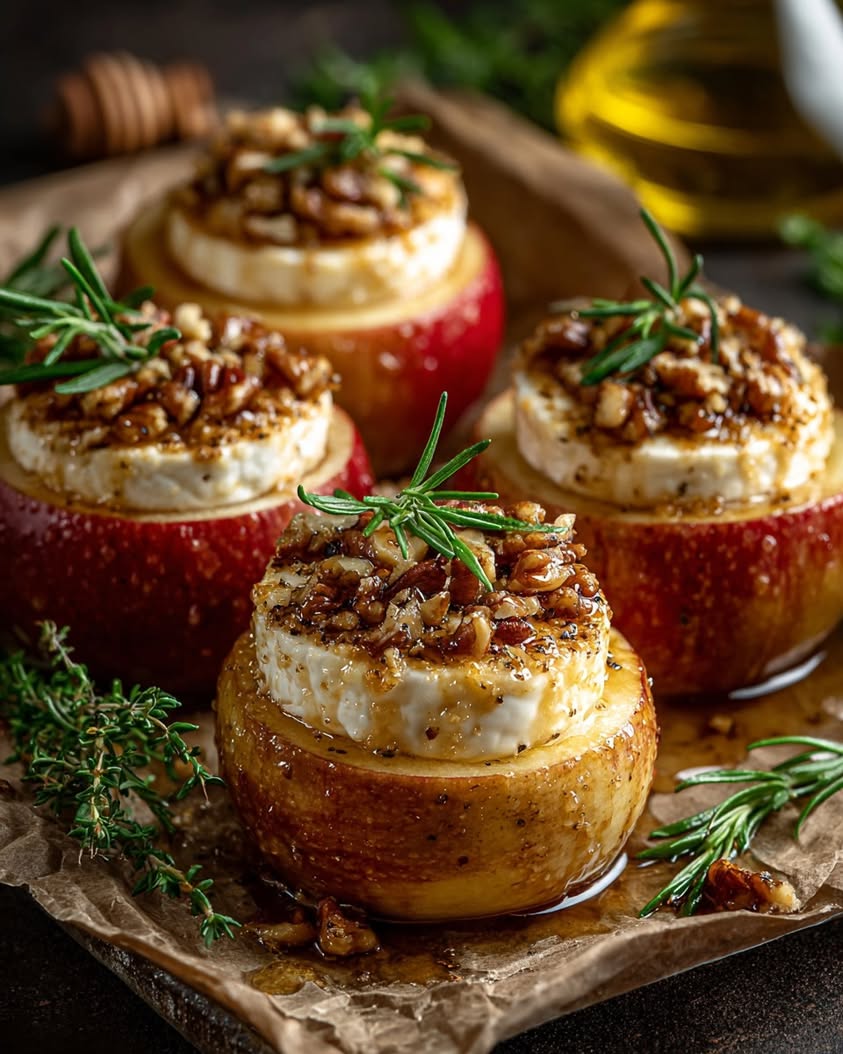
Honey-Roasted Apples with Brie & Pecan Crunch: The Ultimate Fall Appetizer
Imagine the cozy scent of cinnamon and warm apples filling your kitchen. Now picture that paired with creamy, melted brie and a sweet, nutty crunch. This recipe for Honey-Roasted Apples with Brie & Pecan Crunch is your new secret weapon for effortless entertaining. Ultimately, it transforms simple ingredients into a stunning centerpiece that tastes as incredible as it looks.
This dish masterfully balances sweet, savory, and tangy flavors in every single bite. The warm, soft apples caramelize beautifully under a drizzle of honey. Meanwhile, the brie becomes luxuriously gooey, and the toasted pecans add a necessary textural contrast. Consequently, it feels both rustic and elegant, perfect for everything from a casual family snack to a holiday party appetizer.
Best of all, this recipe requires minimal hands-on effort. You simply toss a few ingredients together and let the oven do the magic. In short, you get maximum flavor payoff with minimal kitchen stress. Whether you are a seasoned cook or a total beginner, this guide will help you create a perfect platter of Honey-Roasted Apples with Brie every single time.
Quick Recipe Highlights
- Flavor Profile: This dish offers a beautiful harmony. The natural sweetness of the honey-roasted apples plays against the rich, tangy creaminess of the brie. Finally, a hint of warm cinnamon and savory thyme ties everything together perfectly.
- Texture: Enjoy a delightful contrast in every mouthful. You get tender, juicy apples alongside velvety, melted cheese. The crunchy pecan topping then provides the perfect finish, preventing the dish from feeling one-dimensional.
- Aroma: As it bakes, your kitchen will fill with an irresistible fragrance. The scent of caramelizing apples and honey mingles with earthy thyme and warm, toasting nuts. It is essentially the smell of autumn in a baking dish.
- Visual Appeal: This dish presents beautifully on any table. The golden-brown apples and bubbly cheese look incredibly inviting. A final sprinkle of fresh herbs and pecans adds gorgeous color and texture, making it photo-ready.
- Skill Level Needed: This is a fantastic beginner-friendly recipe. It involves basic techniques like slicing, tossing, and baking. No advanced culinary skills are required, so anyone can achieve impressive, delicious results.
- Special Equipment: You only need a few standard kitchen tools. A good baking dish, a sharp knife for slicing, and a mixing bowl are essential. A small skillet is also helpful for toasting the pecans to maximize their flavor.
Recipe Overview
- Difficulty Level: We rate this recipe as easy for several important reasons. The steps are straightforward and logical, involving no complicated techniques. Additionally, the ingredient list is short and accessible. Most importantly, the oven does the majority of the work, allowing for a mostly hands-off cooking experience.
- Category: This versatile dish fits multiple categories beautifully. It shines as a stunning appetizer or a chic party snack. Alternatively, you can serve it as a unique side dish alongside roasted meats. For a special treat, try it as a decadent dessert with a scoop of vanilla ice cream.
- Cuisine: This recipe draws inspiration from modern American farmhouse cooking. It utilizes classic, wholesome ingredients in an elegant, simple preparation. While not tied to one specific tradition, it echoes the comforting, fruit-and-cheese pairings found in many European culinary styles, particularly French and English.
- Cost: This is a relatively affordable dish to prepare, especially when apples are in season. Brie and pecans are the primary cost drivers, but a little goes a long way. You can often find good deals on these items at warehouse clubs or during holiday sales. Overall, it delivers restaurant-quality appeal for a fraction of the price.
- Season: Fall is the absolute peak season for this recipe. That is when apples are at their freshest, sweetest, and most affordable. However, its warm, comforting flavors also make it wonderful throughout the winter holidays. You can certainly enjoy it year-round with great results.
- Occasion: This dish is incredibly versatile for entertaining. It is perfect for Thanksgiving appetizers, Christmas parties, or Friendsgiving gatherings. Furthermore, it makes an impressive addition to a brunch spread or a romantic date night at home. It is truly a crowd-pleaser for any event.
Why You’ll Love This Recipe
First and foremost, the taste and texture are absolutely unforgettable. Each component brings something special to the table. The apples become wonderfully soft and infused with honey and spice. The brie melts into a luxurious, creamy pool that complements the fruit perfectly. Then, the pecan crunch adds a necessary savory element and a satisfying bite. Every forkful is a perfect balance, making it impossible to stop eating.
Next, consider the sheer convenience of this dish. You only need about 15 minutes of active prep time. After that, you simply pop it in the oven and relax. This makes it ideal for busy hosts who want to spend time with guests, not stuck in the kitchen. Moreover, the ingredients are easy to find at any standard grocery store. You likely have many of them, like honey and cinnamon, in your pantry already.
From a nutritional standpoint, this appetizer offers some genuine benefits. Apples are a great source of fiber and vitamin C. Pecans provide healthy fats, protein, and important minerals like manganese. While brie is richer, it also offers calcium and protein. When enjoyed in moderation as part of a balanced diet, this dish is a more wholesome choice than many processed party snacks.
The social and entertaining value of this recipe is incredibly high. It is a guaranteed conversation starter that looks like you spent hours crafting. Guests love gathering around a warm, communal dish, and the interactive nature of scooping it onto crackers is fun. It creates a warm, welcoming atmosphere and makes everyone feel special. You will undoubtedly receive numerous recipe requests after serving it.
Finally, this dish is wonderfully cost-effective and accessible. You can easily adjust the recipe based on your budget or guest count. For instance, you can use a more affordable apple variety or toast the pecans yourself to save money. The recipe scales up or down without issue. Ultimately, it delivers a taste of luxury without the extravagant price tag, making elegant entertaining accessible to everyone.
Historical Background and Cultural Significance
The combination of fruit and cheese is a culinary practice with ancient roots across many cultures. Historically, preserving fruit through methods like drying or baking was essential for survival through winter. Pairing these preserved fruits with cheese, a valuable source of protein and fat, created a balanced, sustaining food. This practical pairing eventually evolved into the refined cheese boards and baked dishes we enjoy today. Our recipe for Honey-Roasted Apples with Brie is a direct descendant of this timeless tradition.
In terms of cultural importance, apples hold a special place in North American and European folklore and cuisine. They symbolize harvest, abundance, and knowledge. Similarly, cheese-making is a cherished craft in regions like France, where Brie originates. Bringing these two iconic ingredients together on one plate represents a fusion of agricultural heritage. It celebrates the bounty of the orchard and the dairy in a single, harmonious dish.
The recipe has evolved significantly from its simple origins. Originally, fruit might have been baked plain or with minimal sweeteners. The introduction of affordable honey and spices like cinnamon, once rare luxuries, transformed such dishes. The modern addition of a crunchy nut topping reflects contemporary tastes that value textural contrast. Today’s version, with its emphasis on presentation and balanced flavor, is a product of this long evolution toward more complex, chef-driven home cooking.
Regional variations of baked fruit and cheese abound. In the American South, you might find a similar dish with pecans and bourbon. In Normandy, France, apples are baked with Camembert, a cousin of Brie. Some Italian versions use pears and gorgonzola. Our specific recipe with honey, thyme, and pecans has a distinctly American twist, utilizing local ingredients like pecans. This adaptability shows the universal appeal of the sweet, savory, and creamy combination at its heart.
Ingredient Deep Dive
Apples: Choosing the right apple is crucial for success. You want a variety that holds its shape when baked but still becomes tender. Excellent choices include Honeycrisp, Fuji, or Braeburn. These types offer a balanced sweet-tart flavor and a firm flesh that won’t turn to mush. Avoid very soft apples like Red Delicious. When selecting, look for firm, unbruised fruit with a vibrant color. Store them in the refrigerator’s crisper drawer to maintain freshness for weeks.
Brie Cheese: Authentic Brie is a soft-ripened cheese from France, known for its edible, bloomy rind and creamy interior. For baking, a full wheel or a large wedge works best. The rind is entirely edible and helps contain the molten cheese. Look for Brie that feels slightly soft to the touch. You can use a less expensive domestic Brie with great results. If you are sensitive to stronger flavors, you can carefully trim off the top rind before baking, though it is not necessary.
Honey: Honey is not just a sweetener; it is a flavor agent. Its floral notes deepen during roasting. Use a good-quality, pure honey. A mild clover or wildflower honey works perfectly. For a more robust flavor, try buckwheat or orange blossom honey. Honey never spoils, but it can crystallize over time. To liquefy it again, simply place the jar in a bowl of warm water. Always measure honey in a liquid measuring cup sprayed with oil for easy release.
Pecans: Pecans are native to North America and add a buttery, rich crunch. Toasting them is a non-negotiable step; it unlocks their oils and intensifies their flavor dramatically. You can toast them in a dry skillet over medium heat for 5-7 minutes, watching closely to prevent burning. For storage, keep pecans in an airtight container in the freezer to prevent their natural oils from turning rancid. They will stay fresh for up to a year this way.
Fresh Thyme: Fresh thyme provides an earthy, aromatic counterpoint to the sweetness. Its subtle flavor infuses the dish without overpowering it. Strip the leaves from the woody stems by running your fingers down the stem opposite the growth direction. You can substitute with a teaspoon of dried thyme, but the flavor will be more muted. Fresh herbs like rosemary or sage can also work for a different, but equally delicious, herbal note.
Common Mistakes to Avoid
- Using the Wrong Apple: Choosing a mealy or overly soft apple variety is a common error. These apples will disintegrate into applesauce during baking. Instead, always select a firm, baking-friendly apple like Honeycrisp or Fuji to ensure you get tender yet distinct pieces.
- Skipping the Pecan Toast: Adding raw pecans to the topping is a missed opportunity. Raw nuts lack depth and can taste bland. Taking five minutes to toast them in a skillet transforms their flavor, adding a nutty richness that elevates the entire dish.
- Overcrowding the Baking Dish: Packing the apples in too tightly causes them to steam rather than roast. They need space for the hot air to circulate and promote caramelization. Use a dish large enough for a single layer with a little room between pieces.
- Not Tossing Apples Thoroughly: Drizzling the honey mixture over the apples in the dish often leads to uneven coating. Some pieces become too sweet, while others are bland. Always toss the apple slices in the mixture in a separate bowl to coat every piece evenly.
- Using Cold Brie: Placing a cold, hard wheel of brie straight from the fridge into the oven can lead to uneven melting. The outside may melt too quickly while the center stays firm. Let the brie sit at room temperature for 20-30 minutes before baking for perfectly gooey results.
- Overbaking the Dish: Baking for too long can cause the apples to become mushy and the brie to separate into an oily pool. The cheese should be melted and bubbly, and the apples should be fork-tender but still hold their shape. Stick to the recommended time.
- Forgetting to Rest: Serving the dish straight from the oven is tempting, but dangerous. The molten cheese and apple juices are extremely hot. Let it rest for 5-10 minutes; this allows the flavors to settle and makes it safe to eat.
- Using Stale Spices: Ground cinnamon loses its potency after about six months. Using old, stale spice will result in a flat, dusty flavor. For the best aroma and taste, make sure your cinnamon is fresh. Give it a sniff; it should smell vibrant and sweet.
Essential Techniques
Uniform Slicing: Cutting your apples into even slices is critical for consistent cooking. Uneven pieces mean some will be overcooked and mushy while others remain hard. Use a sharp chef’s knife and aim for slices about 1/2-inch thick. This size is substantial enough to hold up to baking but thin enough to become tender quickly. A consistent size ensures every piece is perfectly cooked at the same time.
Toasting Nuts: Toasting pecans is a simple technique with a huge impact. It drives off moisture and heats the natural oils, intensifying flavor and crunch. Use a dry skillet over medium heat. Add the pecans and stir frequently for 5-7 minutes until they become fragrant and slightly darker. Listen for a faint cracking sound. The moment you smell that rich, nutty aroma, they are done. Immediately transfer them to a plate to stop the cooking.
Even Coating: Achieving an even coat of honey and spices on the apples guarantees balanced flavor in every bite. Do this in a mixing bowl, not the baking dish. Add the apple slices, honey, cinnamon, and thyme. Then, use your hands or a large spoon to gently toss and fold until every slice glistens. This hands-on method is far more effective than drizzling.
Testing for Doneness: Knowing when your Honey-Roasted Apples with Brie are perfectly cooked relies on visual and tactile cues. The apples should be easily pierced with a fork but not falling apart. The brie should be completely soft to the touch, jiggly in the center, and bubbly around the edges. The honey will be bubbling and caramelized around the apples. If the pecans on top are getting too dark, you can loosely tent the dish with foil.
Pro Tips for Perfect Honey-Roasted Apples with Brie
First, add a splash of apple cider or bourbon to the honey mixture before tossing with the apples. This adds another layer of autumnal flavor and helps create a delicious sauce as it bakes. Just a tablespoon is enough to make a noticeable difference.
For an extra flavor boost, toast the pecans with a pinch of salt and a teaspoon of the recipe’s cinnamon. This seasons the nuts all the way through, ensuring every bit of the crunch is packed with taste.
If your brie wheel comes in a wooden box, save it. After baking, you can place the hot baking dish right inside the wooden box for a beautiful, rustic, and heat-safe presentation that will wow your guests.
For easier serving, score the top rind of the brie in a crosshatch pattern before baking. This creates natural portion lines and makes it simpler for guests to scoop the melted cheese onto their crackers or apple slices.
Let the baked dish rest for a full 10 minutes before serving. This allows the molten cheese to thicken slightly and the apples to absorb the juices, preventing a runny mess on your serving platter.
Prepare your serving crackers or bread in advance. Arrange them on a board around where the baking dish will go. This way, you can transfer the hot dish from oven to table and immediately have everything ready for guests to dig in.
Garnish with more than just the pecan crunch. A final drizzle of honey, a few fresh thyme leaves, or even a sprinkle of flaky sea salt right before serving elevates the visual appeal and adds a last burst of flavor.
If making ahead, prepare the apple mixture and toast the pecans separately. Store them in the fridge and at room temperature, respectively. Then, simply assemble and bake when ready to serve for the freshest taste and texture.
Variations and Adaptations
Regional Variations: You can easily adapt this recipe to reflect different regional flavors. For a Southern twist, use a tablespoon of bourbon in the honey glaze and add a pinch of smoked paprika to the pecans. A French-inspired version might use Camembert instead of Brie and add a sprinkle of herbes de Provence. For a Nordic feel, try using lingonberry jam swirled into the honey and almonds instead of pecans.
Seasonal Adaptations: While perfect for fall, this dish is adaptable year-round. In winter, use pears instead of apples and add a hint of cardamom. For spring, try fresh strawberries and rhubarb with a goat cheese round. Summer invites stone fruits like peaches or nectarines paired with a creamy burrata cheese. The basic technique remains the same.
Dietary Modifications: For a gluten-free option, ensure you serve it with gluten-free crackers or crostini. To make it dairy-free, substitute the brie with a high-quality vegan cashew-based cheese wheel that melts well. For a nut-free version, replace the pecans with toasted pumpkin seeds (pepitas) or a crunchy oat crumble topping.
Flavor Variations: Experiment with different sweeteners and spices. Maple syrup can replace honey for a deeper flavor. Add a pinch of nutmeg or allspice along with the cinnamon. For a savory edge, mix a teaspoon of Dijon mustard into the honey glaze. A dash of cayenne pepper can also add a subtle, warming heat that contrasts the sweetness.
Texture Modifications: If you prefer more texture, leave the apple skins on for added color and fiber. For a smoother, saucier result, peel the apples before slicing. You can also chop the toasted pecans more finely for a streusel-like topping, or leave them in larger halves for a more substantial crunch.
Presentation Alternatives: Instead of one large baking dish, prepare individual portions in small ramekins for a seated dinner party. You can also deconstruct the dish: serve the roasted apples in a bowl, the baked brie on a board, and the pecan crunch in a small jar, letting guests build their own bites.
Serving and Presentation Guide
Plating Techniques: Presentation is key for this stunning dish. Place the warm baking dish on a large wooden board or a decorative trivet to protect your table. Surround the dish with an array of serving vessels: a basket of assorted crackers, slices of a crusty baguette, and even crisp apple slices for a low-carb option. This creates an abundant, inviting centerpiece.
Garnishing Ideas: A final garnish adds freshness and professionalism. Sprinkle the reserved toasted pecans generously over the top. Add a few small sprigs of fresh thyme or rosemary. A light drizzle of extra honey just before serving makes it glisten. For a festive touch during the holidays, a few dried cranberries or pomegranate arils add beautiful color and a tart pop.
Traditional Accompaniments: Classic pairings include simple water crackers, which don’t compete with the flavors, or slices of a mild, crusty bread like a French baguette. For a sweet contrast, gingersnap cookies are a surprising and delicious vehicle for scooping up the cheese and apples.
Modern Serving Suggestions: Think beyond crackers. Serve with endive leaves for elegant, gluten-free cups. Offer pretzel crisps for a salty contrast. You can even spoon the warm mixture over a green salad with a vinaigrette dressing for a hearty lunch. Another modern idea is to use it as a topping for a gourmet grilled cheese sandwich.
Temperature Considerations: This dish is best served warm, when the cheese is at its peak gooeyness. However, it is also tasty at room temperature, making it suitable for a buffet where it might sit out for a while. Avoid serving it cold, as the cheese will solidify and lose its luxurious texture.
Portion Control Tips: A standard recipe serving 6 is perfect as an appetizer. If serving as part of a larger spread with many other items, it can easily stretch to 8-10 people. Provide small plates and spreaders or knives to help guests serve themselves appropriately without making a mess.
Wine and Beverage Pairing
Wine Pairings: The sweet and savory profile of Honey-Roasted Apples with Brie pairs beautifully with several wines. A slightly sweet white wine like a Riesling or Gewürztraminer complements the fruit and cuts through the cheese’s richness. For red lovers, a light Pinot Noir with its cherry notes works well. A dry Rosé or a sparkling wine like Prosecco or Cava also provides a refreshing contrast and cleanses the palate between bites.
Non-Alcoholic Alternatives: For a festive non-alcoholic option, sparkling apple cider is a natural match. A ginger beer or a craft ginger ale adds a spicy kick that plays nicely with the cinnamon. Iced herbal tea, like a cinnamon-spice or apple flavor, can also be delightful. Simply offering chilled sparkling water with a twist of lemon or apple slice is always a refreshing choice.
Coffee/Tea Pairings: If serving this as a dessert or at a brunch, consider warm beverage pairings. A medium-roast coffee with notes of caramel or nut pairs wonderfully. For tea, a spiced chai latte echoes the warm spices in the dish, or a black tea like Earl Grey provides a nice aromatic contrast. A simple cup of hot apple cider is the ultimate cozy companion.
Temperature Considerations: Serve white wines and sparkling options well-chilled. Red wines should be served slightly below room temperature. Non-alcoholic sparklers should also be ice-cold. Hot beverages like coffee or tea should be served piping hot to contrast the warm, but not scalding, temperature of the baked dish.
Serving Suggestions: Offer a variety of beverages to cater to different preferences. Set up a small drink station with a bottle of white wine, a bottle of red, a pitcher of sparkling cider, and a carafe of water. This allows guests to choose what they enjoy most and encourages them to try different pairings throughout the evening.
Storage and Shelf Life
Storage Methods: Store any leftovers in an airtight container in the refrigerator. It is best to keep the apples, cheese, and topping together rather than separating them. They will continue to meld flavors. Use a shallow container to allow for quick cooling and even refrigeration.
Temperature Requirements: This dish must be refrigerated due to the dairy content. Do not leave it at room temperature for more than two hours. To reheat, bring it back to a safe internal temperature of 165°F to ensure food safety.
Container Recommendations: Glass containers with locking lids are ideal as they won’t absorb odors and allow you to see the contents. If using the original baking dish, cover it tightly with plastic wrap and then aluminum foil to create a good seal.
Signs of Spoilage: Discard the leftovers if you notice any off smells, such as a sour or ammonia-like odor from the cheese. Visible mold growth (beyond the natural white mold of the brie rind) is a definite sign to throw it away. If the apples develop an excessively slimy texture, they have likely spoiled.
Reheating Instructions: Reheat gently to avoid separating the cheese. The best method is in a preheated 300°F oven for 10-15 minutes, covered with foil. You can also microwave single portions in 30-second intervals, stirring in between, but the texture of the cheese may become slightly grainy.
Freezing Guidelines: Freezing is not recommended for this completed dish. The texture of the apples will become mushy upon thawing, and the dairy in the brie may separate and become watery. It is best enjoyed fresh or refrigerated for short-term storage.
Make Ahead Strategies
Prep Timeline: You can prepare nearly all components 1-2 days in advance. Slice the apples and toss them with the lemon juice to prevent browning. Mix the honey, cinnamon, and thyme in a separate small container. Toast the pecans and let them cool completely. Store each component separately in the refrigerator (except the nuts, which stay at room temp).
Storage Between Steps: Keep the pre-sliced apples in a sealed bag or container in the fridge. The honey mixture can sit at room temperature. The toasted pecans should be stored in an airtight container in a cool, dark place. The brie wheel can remain in its wrapper in the fridge until ready to use.
Quality Impact Assessment: Prepping ahead has minimal negative impact and can even improve flavor as the apples marinate slightly in the lemon juice. The only caution is to not combine the wet honey mixture with the apples until just before baking, or they will release too much liquid and become soggy.
Assembly Tips: When ready to bake, simply drain any excess liquid from the apples, toss them with the pre-mixed honey glaze, and arrange in your dish. Place the brie on top, sprinkle with the pre-toasted pecans, and bake. This cuts your active prep time on the day of serving down to just 5 minutes.
Reheating Guidelines: If you fully bake the dish ahead of time and need to reheat it, do so gently. Cover with foil and warm in a 325°F oven until heated through, about 15-20 minutes. The pecans may soften, so you can add a handful of fresh toasted pecans on top after reheating for renewed crunch.
Fresh Element Additions: Always add a final garnish of something fresh after reheating or just before serving. A sprinkle of extra thyme leaves, a fresh drizzle of honey, or a few more reserved toasted pecans will make the dish look and taste freshly made.
Scaling Instructions
Halving the Recipe: Halving the recipe is simple for a smaller gathering. Use a smaller baking dish, like an 8×8 inch square or a small pie plate. Halve all ingredients precisely. The bake time may be slightly shorter, perhaps 20-22 minutes, so start checking for doneness a few minutes early. All other techniques remain the same.
Doubling or Tripling: To feed a crowd, you can easily double or triple the ingredients. The key is to use multiple baking dishes rather than one enormous one. This ensures even cooking and proper caramelization. If you must use one very large dish, increase the bake time by 5-10 minutes and rotate the dish halfway through. Stir the apples gently partway through to promote even browning.
Equipment Adjustments: When scaling up, ensure you have a large enough mixing bowl to toss all the apple slices evenly. You may need to toast the pecans in batches to avoid steaming them in the skillet. Having a second set of hands for assembly can make the process much quicker and more efficient.
Timing Modifications: For a doubled recipe in two separate dishes, they can likely bake on the same oven rack if there is good air circulation. If stacking on two racks, rotate the dishes top-to-bottom and front-to-back halfway through baking. The total time may be consistent with the original recipe, but always rely on visual doneness cues.
Storage Considerations: Leftovers from a scaled-up batch will be more plentiful. Plan to have enough airtight containers for refrigeration. Consider if your guests might want to take small portions home, so have some disposable containers ready. Remember, the dish is best fresh, so try to scale according to your expected number of guests.
Nutritional Deep Dive
Macro Breakdown: A serving of this dish provides a balance of macronutrients. The apples and honey contribute carbohydrates, primarily in the form of natural sugars and fiber. The brie and pecans are excellent sources of healthy fats and protein. This combination can provide sustained energy, as the fiber and fat help slow the absorption of sugars.
Micronutrient Analysis: This appetizer is a source of several important vitamins and minerals. Apples offer vitamin C and potassium. Brie provides calcium, vitamin B12, and phosphorus. Pecans are rich in manganese, copper, and thiamine. Together, they contribute to bone health, immune function, and energy metabolism.
Health Benefits: The fiber from the apples and pecans promotes digestive health and can help with satiety. The monounsaturated fats in pecans are heart-healthy. The calcium in brie supports strong bones. The antioxidants in apples and cinnamon have anti-inflammatory properties. Enjoyed in moderation, it is a nutrient-dense choice for an appetizer.
Dietary Considerations: This dish contains dairy (brie) and tree nuts (pecans), which are common allergens. It is naturally gluten-free if served with appropriate crackers. The honey makes it unsuitable for vegans or infants under one year old. The sodium content is relatively low, making it a good option for those watching salt intake.
Portion Analysis: As an appetizer, a serving is meant to be a few satisfying bites, not a full meal. Practicing portion control is easy with this dish because it is rich. Enjoy it as part of a varied spread. Using whole-grain crackers or apple slices for scooping can add more fiber and nutrients to each bite.
Weight Management Tips: To enjoy this dish while managing weight, focus on the portion size. Load your cracker with more of the apple and less of the cheese. Choose whole, natural crackers over buttery, processed ones. You can also reduce the amount of honey in the recipe by a quarter without sacrificing too much flavor. Remember, it is about balance, not deprivation.
Dietary Adaptations
Gluten-free: This dish is naturally gluten-free in its core form. The critical adaptation is in the serving accompaniment. Ensure all crackers, bread, or crostini you serve alongside are certified gluten-free. Many stores carry excellent gluten-free baguettes or cracker varieties made from seeds, rice, or almond flour.
Dairy-free: To make this dairy-free, substitute the brie with a high-quality vegan cheese alternative that melts well. Look for brands that make a specifically “melty” vegan wheel, often made from cashews or coconut oil. The flavor will be different but can still be delicious. Alternatively, you could omit the cheese and add extra toasted pecans for richness.
Vegan: For a vegan version, use a plant-based brie substitute as mentioned above. Replace the honey with pure maple syrup or agave nectar. Ensure all other ingredients, like the crackers for serving, are vegan-friendly (no butter or dairy). The result will be a sweet, crunchy, and creamy plant-based appetizer.
Low-carb/Keto: For a keto-friendly version, reduce the amount of apple significantly or replace it with lower-carb fruit like blackberries or raspberries, adding them in the last few minutes of baking. Use a sugar-free maple-flavored syrup instead of honey. Serve with keto crackers made from cheese or seeds. The pecans and brie are already excellent keto ingredients.
Paleo: A Paleo adaptation requires omitting the dairy. Use a dairy-free cheese alternative or simply focus on the roasted apples and pecans. Ensure your honey is raw and pure. Serve with plantain chips or sliced fresh fruit for dipping instead of grain-based crackers.
Low-FODMAP: For a Low-FODMAP version, use a firm, low-FODMAP apple variety like Pink Lady in a limited quantity (about 1/2 cup per serving). Replace honey with maple syrup, which is low-FODMAP in small servings. Use only the green parts of scallions instead of thyme if herbs are a trigger. Omit the pecans if nuts are problematic, or use a small amount of macadamia nuts.
Troubleshooting Guide
Apples Are Too Soggy: If your apples released too much liquid and became mushy, the likely causes are using a watery apple variety or over-mixing after adding the honey. Next time, choose a firmer apple and toss gently just to coat. If faced with excess liquid in the dish, you can carefully drain some off halfway through baking using a baster or spoon.
Brie Didn’t Melt Properly: If the brie is still firm in the center after baking, it was probably too cold when it went into the oven. It may also be a very thick wheel. Solution: ensure you bring the cheese to room temperature first. For a thick wheel, you can slice it horizontally to create two thinner rounds, which will melt more evenly and quickly.
Pecans Burned During Baking: If the pecan topping is getting too dark before the dish is done, the oven rack may be too high, or your oven runs hot. Tent the entire dish loosely with aluminum foil for the remainder of the baking time. Next time, add the pecans during the last 10 minutes of baking instead of at the beginning.
Dish Lacks Flavor: I’m Billy, a classically trained culinary school graduate from The Culinary Institute of America with over 12 years in the restaurant industry and over 19 years of cooking experience.