
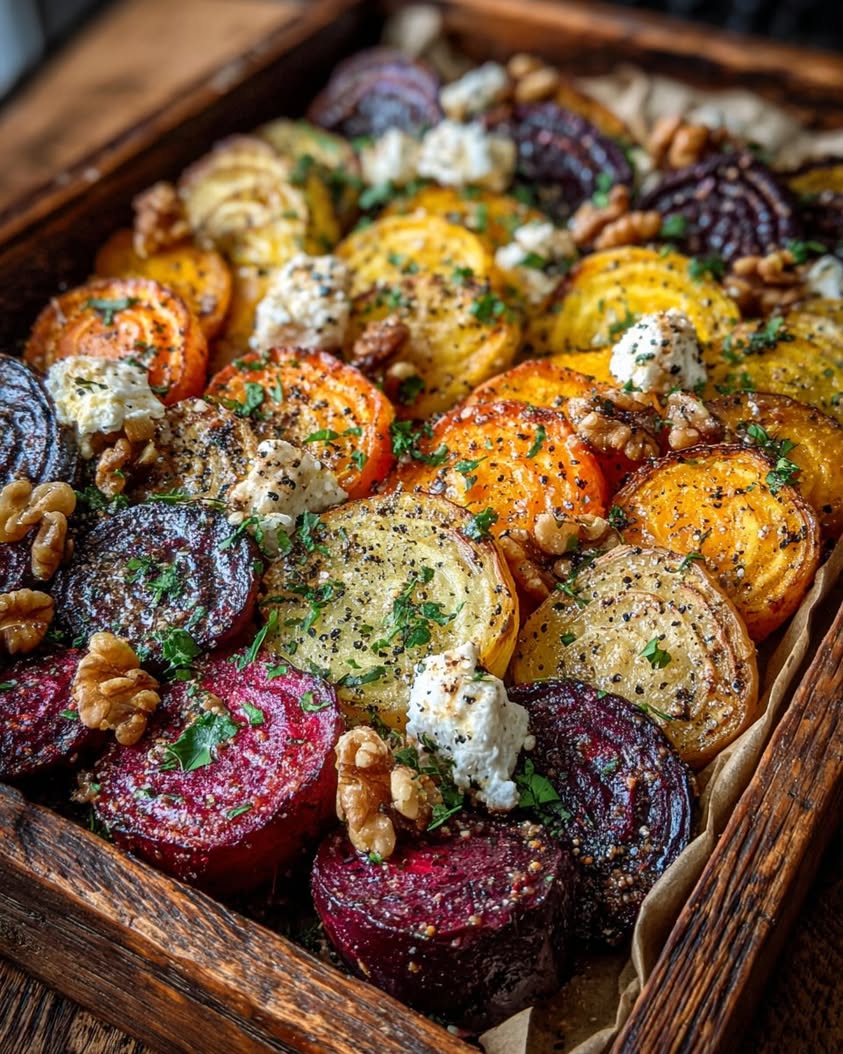
Beet & Sweet Potato Board with Goat Cheese & Maple Drizzle: The Ultimate Fall Entertaining Platter
Imagine a stunning centerpiece for your table that bursts with the vibrant colors and earthy flavors of autumn. This Roasted Beet Sweet Potato Platter is exactly that. It transforms humble root vegetables into a show-stopping, shareable feast. The combination of sweet, caramelized vegetables with tangy goat cheese and a silky maple drizzle creates a symphony of flavors. Ultimately, this dish is a celebration of seasonal produce at its finest.
This recipe is perfect for anyone seeking a beautiful, healthy, and surprisingly simple dish for entertaining. The process is mostly hands-off, involving roasting the vegetables to perfection. Meanwhile, you can arrange your board and whip up the quick maple drizzle. Consequently, you get a dish that looks like you spent hours, but is deceptively easy to prepare. The final presentation is rustic, elegant, and incredibly inviting.
Furthermore, this Roasted Beet Sweet Potato Platter is incredibly versatile. Serve it as a hearty vegetarian main course, a spectacular side dish for a holiday meal, or a unique appetizer for a party. The ingredients are accessible and affordable, yet they come together in a way that feels special and gourmet. Every bite offers a delightful contrast of textures and tastes, from the tender beets to the creamy cheese and the sweet, aromatic drizzle.
Quick Recipe Highlights
- Flavor Profile: This Roasted Beet Sweet Potato Platter masterfully balances earthy, sweet, and tangy notes. The natural sugars in the beets and sweet potatoes caramelize during roasting, creating a deep, rich sweetness. Meanwhile, the tangy goat cheese and the aromatic maple drizzle with thyme cut through that richness, resulting in a perfectly harmonious bite.
- Texture: You will experience a wonderful play of textures. The roasted beets and sweet potatoes are tender and slightly caramelized on the edges. Conversely, the goat cheese is luxuriously creamy and crumbly. Finally, toasted nuts or seeds add a crucial element of crunch, making every mouthful interesting and satisfying.
- Aroma: As the vegetables roast, your kitchen will fill with the warm, sweet scent of caramelizing roots and herbs. The maple drizzle, infused with fresh thyme and a hint of black pepper, adds a layer of woody, aromatic fragrance. This combination is unmistakably autumnal and incredibly appetizing.
- Visual Appeal: This platter is a true feast for the eyes. The deep ruby red of the beets contrasts stunningly with the vibrant orange of the sweet potatoes. Subsequently, the white goat cheese and green fresh herbs create a beautiful pop of color. Arranged on a wooden board, it looks abundant, rustic, and professionally crafted.
- Skill Level Needed: This is a beginner-friendly recipe. The core skills required are simple vegetable chopping and tray roasting. There is no complicated knife work or precise baking science involved. Therefore, even novice cooks can achieve impressive, restaurant-quality results with minimal stress.
- Special Equipment: You need only very basic kitchen tools. A good cutting board, a sharp knife, and a couple of baking sheets are essential. Parchment paper is highly recommended for easy cleanup. A small bowl for whisking the drizzle and a large wooden board or platter for serving complete the setup.
Recipe Overview
- Difficulty Level: We rate this Roasted Beet Sweet Potato Platter as “Easy.” The steps are straightforward and sequential. You simply chop, roast, and assemble. There is no intricate technique or timing-sensitive steps that could cause failure. The roasting process is forgiving, and the assembly is creative and flexible, allowing for personal touch.
- Category: This dish brilliantly crosses multiple categories. It functions perfectly as a vegetarian main course, a substantial side dish, or a generous appetizer platter. Its flexibility makes it a fantastic option for mixed-diet gatherings, holiday feasts, or casual weekend meals where sharing is the focus.
- Cuisine: While not tied to one specific tradition, this platter draws inspiration from modern American farm-to-table cuisine and Mediterranean mezze styles. The use of roasted vegetables, creamy cheese, and a sweet-accented drizzle is a hallmark of contemporary, vegetable-forward cooking that celebrates local, seasonal ingredients.
- Cost: This is a very cost-effective dish, especially during the fall and winter months when root vegetables are at their peak and most affordable. Beets, sweet potatoes, and onions are budget-friendly staples. Goat cheese and maple syrup are the “splurge” items, but a little goes a long way in terms of flavor impact.
- Season: This Roasted Beet Sweet Potato Platter is ideal for autumn and winter. These are the seasons when beets and sweet potatoes are harvested and at their sweetest. The warm, earthy flavors and hearty nature of the dish are particularly comforting during cooler weather, making it a seasonal staple.
- Occasion: It is supremely suited for entertaining. It is a stunning centerpiece for Thanksgiving, Friendsgiving, or Christmas gatherings. Additionally, it’s perfect for a casual dinner party, a potluck where you want to impress, or even a romantic at-home date night. Its visual appeal guarantees it will be the talk of the table.
Why You’ll Love This Recipe
First and foremost, the taste and texture appeal is undeniable. Each component of this Roasted Beet Sweet Potato Platter brings something unique to the table. You get the deep, earthy sweetness of roasted beets paired with the lighter, caramelized flavor of sweet potatoes. The creamy, tangy goat cheese provides a delightful contrast, while the maple-thyme drizzle ties everything together with its warm, aromatic sweetness. Finally, a sprinkle of crunchy nuts or seeds completes the sensory experience, making every single bite complex and satisfying.
Next, consider the sheer convenience and preparation benefits. This recipe is a lifesaver for hosts. Most of the work is passive roasting time, freeing you up to attend to other dishes or guests. The assembly is not fussy; it encourages a rustic, artful arrangement that doesn’t require precision. You can prepare components ahead of time, making day-of entertaining stress-free. Consequently, you can present a breathtaking dish without being stuck in the kitchen all day.
From a nutritional standpoint, this platter is a powerhouse. Beets are rich in fiber, folate, and immune-boosting vitamins. Sweet potatoes are loaded with beta-carotene, vitamin A, and complex carbohydrates for sustained energy. Goat cheese offers protein and calcium, often in a more digestible form for some people compared to cow’s milk cheese. Using olive oil and nuts adds heart-healthy fats. Altogether, it’s a meal that nourishes your body as much as it delights your palate.
The social and entertaining value cannot be overstated. A Roasted Beet Sweet Potato Platter is inherently shareable, encouraging conversation and interaction as guests serve themselves. It breaks the formality of a plated meal and creates a warm, communal dining experience. Its visual drama sparks immediate interest and compliments. It caters beautifully to vegetarians and can be easily adapted for other dietary needs, ensuring all your guests feel considered.
Finally, this dish is remarkably cost-effective and accessible. Root vegetables are among the most affordable produce items, especially in season. You can often find beets and sweet potatoes sold in bulk for even greater savings. The other ingredients—onion, olive oil, herbs—are common pantry staples. While pure maple syrup and good goat cheese are investment items, you use them sparingly to maximum effect. This means you can create a gourmet-looking, restaurant-quality dish on a very reasonable home kitchen budget.
Historical Background and Cultural Significance
The story of this dish begins with the ancient history of its core components. Beets and sweet potatoes have been cultivated for thousands of years on different continents. Beets are believed to have originated in the Mediterranean region, prized initially for their greens before the root became popular. Sweet potatoes have a long history in Central and South America, later spreading across the globe. The concept of roasting vegetables over fire is one of humanity’s oldest cooking methods, unlocking natural sugars and creating deep flavors.
Culturally, the practice of serving shared platters of food has roots across many traditions. From Mediterranean mezze spreads to Scandinavian smorgasbords, the idea of communal eating from a central board is a universal sign of hospitality and abundance. The modern “board” or “platter” trend, often seen with charcuterie, is a direct descendant of these traditions. This Roasted Beet Sweet Potato Platter fits perfectly into this lineage, updating it with a focus on vibrant, plant-based ingredients.
The evolution of this specific recipe is a testament to modern, vegetable-forward cuisine. As home cooks and chefs alike have moved towards celebrating seasonal produce, humble root vegetables have been elevated from simple side dishes to centerpiece status. The addition of a creamy cheese like goat cheese and a sweet, herb-infused drizzle reflects contemporary flavor pairing principles that balance sweet, savory, earthy, and tangy notes. It is a dish born from a desire to make vegetables the star.
Regional variations of this concept are endless. In the American South, you might find a similar platter with roasted sweet potatoes, pecans, and a bourbon-infused maple syrup. In the Mediterranean, it could feature roasted beets with whipped feta, walnuts, and a pomegranate molasses drizzle. In Northern Europe, roasted root vegetables might be paired with a dense rye bread and a dill-infused cream. The basic formula—roasted roots + creamy element + crunchy garnish + flavorful sauce—is a global template for delicious, satisfying food.
Ingredient Deep Dive
Let’s start with beets. These vibrant roots have a history dating back to ancient Roman times. Nutritionally, they are a fantastic source of folate, manganese, potassium, and vitamin C. They also contain unique compounds like betalains, which have antioxidant and anti-inflammatory properties. When selecting beets, look for firm, smooth bulbs with vibrant, fresh greens attached if possible. Store them unwashed in the refrigerator for up to two weeks. For a substitution, try using golden beets for a milder flavor and less mess, or carrots for a different sweet profile.
Next, sweet potatoes are a nutritional superstar. They are incredibly rich in beta-carotene, which your body converts to vitamin A, crucial for vision and immune health. They also provide a good amount of fiber, vitamin C, and manganese. Choose firm sweet potatoes without soft spots or cracks. Store them in a cool, dark, well-ventilated place—not the refrigerator, as cold temperatures can alter their texture and taste. As a substitute, butternut squash or regular potatoes would work, though the flavor profile will shift.
Goat cheese, or chèvre, has been produced for millennia, particularly in Mediterranean and Middle Eastern regions. It is often easier to digest for those sensitive to cow’s milk due to its different protein structure and lower lactose content. It provides protein, calcium, and healthy fats. Look for a log of soft, fresh goat cheese for easy crumbling. Store it tightly wrapped in the fridge. For a dairy-free version, a thick, tangy vegan cream cheese or a whipped tofu “feta” can be a good substitute. For a different dairy option, try feta or blue cheese for a stronger flavor.
Pure maple syrup is the boiled-down sap of the sugar maple tree, a tradition pioneered by Indigenous peoples of North America. It contains antioxidants and minerals like manganese and zinc, unlike refined sugar. Always opt for “pure maple syrup” over pancake syrup, which is primarily corn syrup and flavoring. Store it in the pantry after opening. For a vegan or sugar-free alternative, agave nectar or a date syrup can work, though the flavor will be different. Honey is a common substitute, but it is not vegan.
Fresh thyme is an aromatic herb with a long culinary history across Europe. It contains thymol, a compound with antioxidant properties. Its earthy, slightly minty flavor is perfect with roasted vegetables. Choose bunches with vibrant green leaves, not dry or brown. Store it in the refrigerator wrapped in a damp paper towel. If you only have dried thyme, use one-third the amount, as dried herbs are more concentrated. Rosemary or oregano could also work for a different herbal note.
Common Mistakes to Avoid
- Not using parchment paper: Roasting beets and sweet potatoes directly on a baking sheet can lead to stubborn, sugary stuck-on messes. Parchment paper guarantees easy cleanup and prevents burning. It is a simple step that saves significant scrubbing time later.
- Cutting vegetables unevenly: If your beet and sweet potato pieces are different sizes, they will cook unevenly. Smaller pieces will burn before larger ones are tender. Aim for uniform 1-inch cubes to ensure everything roasts perfectly at the same rate.
- Crowding the baking sheet: Piling all the vegetables onto one tray causes them to steam instead of roast. Steaming makes them soggy, not caramelized. For proper roasting, spread them in a single layer with space between pieces. Use two sheets if necessary.
- Underseasoning before roasting: Salt and pepper are not just final garnishes; they are essential during cooking. Seasoning the vegetables before they go in the oven draws out moisture and helps develop a flavorful, caramelized exterior. Do not skip this foundational step.
- Using imitation maple syrup: Pancake syrup or “maple-flavored” syrup lacks the depth, complexity, and natural sweetness of the real thing. It can make your drizzle taste artificial and overly sweet. Invest in pure maple syrup for the best flavor result.
- Adding the goat cheese while hot: Placing cold goat cheese directly onto the hot roasted vegetables can cause it to melt into an unappealing, greasy puddle. Let the vegetables cool for 10-15 minutes before assembling the platter to keep the cheese looking fresh and crumbly.
- Skipping the acid: The recipe may call for a splash of vinegar or lemon juice in the drizzle. This is crucial. The acid balances the sweetness of the maple and the richness of the cheese and oil, brightening the entire dish. Do not omit it.
- Forgetting the textural crunch: A platter of only soft components can feel monotonous. Toasted walnuts, pecans, pumpkin seeds, or even crispy chickpeas add a necessary contrasting texture that elevates the eating experience from good to exceptional.
Essential Techniques
Uniform Chopping: This is the first and most important technique for a successful Roasted Beet Sweet Potato Platter. Consistent size ensures even cooking. Use a sharp chef’s knife and aim for 1-inch cubes. For the beets, you may want to wear gloves to prevent staining. Take your time at this stage; precise cuts lead to perfectly roasted vegetables where every piece is tender at the same moment.
High-Heat Roasting: Roasting at a high temperature (around 400°F to 425°F) is non-negotiable. This high heat quickly caramelizes the natural sugars on the surface of the vegetables, creating those delicious browned edges and deep flavors. Conversely, a lower temperature will simply bake them, resulting in a softer, less flavorful texture. Do not be afraid of a little char; it adds character.
Making an Emulsion (The Drizzle): The maple drizzle is a simple vinaigrette-style emulsion. Whisking the maple syrup vigorously with olive oil and an acid (like vinegar) helps them combine into a smooth, cohesive sauce. If you just stir them gently, they will separate quickly. The goal is a slightly thickened drizzle that clings to the vegetables and cheese, not a thin, runny pool at the bottom of the board.
Artful Arrangement (Boarding): Arranging the platter is a technique in itself. Start by placing the larger items (roasted vegetable piles) first to anchor the board. Then, add the goat cheese in a few distinct clusters. Scatter your crunchy elements and fresh herbs in the gaps. Finally, drizzle the sauce in sweeping motions over everything. The key is to create height, variety, and intentional empty space for visual appeal.
Pro Tips for Perfect Beet & Sweet Potato Board
First, roast your beets on a separate tray from your sweet potatoes and onions if possible. Beets bleed their vibrant red color, which can stain the other vegetables. Keeping them separate preserves the beautiful distinct colors of each component on your final platter.
Second, toss the chopped vegetables in oil and seasoning in a large bowl, not on the tray. This ensures every single piece gets an even, light coating, which promotes uniform browning and prevents dry spots. It is a more efficient and effective method.
Third, let the roasted vegetables cool slightly before building your board. This prevents the goat cheese from melting on contact and keeps fresh herbs from wilting. A warm, not hot, temperature is ideal for serving and eating.
Fourth, toast your nuts or seeds. This simple step, done in a dry pan over medium heat for a few minutes, exponentially increases their flavor and crunch. It unlocks their natural oils and takes them from good to essential.
Fifth, use fresh herbs both in the drizzle and as a garnish. Adding thyme sprigs to the warm maple syrup infuses it with flavor. Then, scattering additional fresh thyme or parsley over the finished board adds a burst of color and a fresh aroma.
Sixth, season in layers. Season the vegetables before roasting, taste the maple drizzle and adjust, and finally, finish the assembled platter with a light flaky sea salt like Maldon. This builds a more complex and well-rounded seasoning profile.
Seventh, consider adding a small bowl of high-quality balsamic glaze or reduction on the side for guests who enjoy an extra tangy-sweet punch. It provides an interactive element and allows people to customize their bites.
Eighth, if preparing ahead, store the roasted vegetables, the drizzle, and the garnishes in separate containers in the fridge. Assemble the board just before serving to maintain optimal textures and a fresh, inviting appearance.
Variations and Adaptations
For regional variations, imagine a Southern-inspired version with roasted pecans, a sprinkle of smoked paprika on the sweet potatoes, and a drizzle infused with a teaspoon of bourbon. A Mediterranean twist could feature roasted beets with crumbled feta, Kalamata olives, toasted pine nuts, and a drizzle of olive oil and lemon juice with oregano.
Seasonal adaptations are simple and fun. In spring, incorporate roasted asparagus tips and radishes alongside the roots. For summer, add quick-pickled red onions and fresh corn kernels. In deep winter, include roasted parsnips or turnips for more earthy variety. The template is endlessly flexible based on what is fresh at the market.
Dietary modifications are straightforward. For a vegan Roasted Beet Sweet Potato Platter, replace the goat cheese with a cashew-based “cheese” spread or a dollop of seasoned hummus. Use agave nectar instead of honey if your maple substitute contains it. Ensure all other ingredients, like nuts, are plant-based.
Flavor variations can take this platter in new directions. Add warmth with a pinch of cinnamon or cayenne pepper to the maple drizzle. Incorporate umami by tossing the vegetables with a teaspoon of white miso paste thinned with oil before roasting. Use rosemary or sage instead of thyme for a different herbal profile.
Texture modifications can cater to different preferences. For extra creaminess, add dollops of whole-milk ricotta or labneh alongside the goat cheese. For more crunch, include crispy roasted chickpeas, seed crackers, or toasted baguette slices around the edge of the board. Contrast is key to an interesting platter.
Presentation alternatives abound. Instead of one large board, create individual small plates or “snack boards” for a seated dinner. Use a large, colorful ceramic platter instead of wood for a different aesthetic. You can even deconstruct the elements into a hearty roasted vegetable salad tossed with the cheese and drizzle.
Serving and Presentation Guide
Plating techniques for a board are all about creating visual interest. Start by placing your mounds of roasted beets and sweet potatoes in opposite corners or spaced apart on the board. This establishes color blocks. Next, add the goat cheese in two or three smaller clusters, using a fork to create craggy edges for a rustic look. Scatter your toasted nuts and fresh herbs in the remaining spaces to fill gaps and connect the elements.
Garnishing ideas go beyond just herbs. Consider edible flowers like nasturtiums or pansies for a special occasion. A sprinkle of pomegranate arils in the winter adds brilliant red jewels and a juicy pop. A light dusting of sumac or za’atar over the vegetables adds color and an exotic flavor note. Finishing with a high-quality flaky sea salt just before serving enhances both look and taste.
Traditional accompaniments for a platter like this include slices of crusty bread or warmed flatbreads for scooping. A small bowl of marinated olives or cornichons adds a briny contrast. For a more substantial meal, consider adding a bowl of lentil salad or a simple green salad dressed with a light vinaigrette on the side.
Modern serving suggestions might include offering small tasting plates and forks for easier sharing. You can also provide small spoons for the drizzle if it pools. For a cocktail party, serve the platter with endive leaves or cucumber rounds as low-carb “veggie spoons” for easy, elegant pickup.
Temperature considerations are important. This Roasted Beet Sweet Potato Platter is best served at room temperature or slightly warm. This allows the flavors to be at their most pronounced and the textures to be ideal. If the vegetables are fridge-cold, the flavors will be muted and the cheese will be too firm.
Portion control tips are simple when serving a board. As a main course for 6, this recipe is perfectly portioned. As an appetizer or side dish, it can serve 8-10 people comfortably. When planning for a party, estimate that people will take a few small scoops of each element, so a little goes a long way visually and nutritionally.
Wine and Beverage Pairing
Wine pairings for this dish should complement its earthy sweetness and tangy cheese. A crisp, dry rosé with good acidity cuts through the richness beautifully. A light-bodied Pinot Noir, with its red fruit and earthy notes, mirrors the flavors of the beets without overpowering them. For white wine lovers, an unoaked Chardonnay or a Grüner Veltliner offers a clean, mineral backbone that pairs well with the vegetables and goat cheese.
Non-alcoholic alternatives can be just as sophisticated. A sparkling water infused with cucumber and rosemary provides a refreshing, herbal cleanse between bites. A tart cherry juice spritzer (cherry juice mixed with club soda) echoes the earthy-sweet notes of the beets. For a warmer option, a lightly sweetened ginger tea complements the spices and warmth of the dish.
Coffee and tea pairings work surprisingly well post-meal. A medium-roast coffee with low acidity won’t clash with the sweet elements of the platter. For tea, consider an earthy Pu-erh tea, which can stand up to the robust flavors, or a soothing cup of peppermint tea to aid digestion after a hearty meal.
Temperature considerations for beverages are standard. Serve white wines, rosés, and non-alcoholic spritzers well-chilled. Red wines should be served slightly below room temperature, around 60-65°F. Non-alcoholic hot teas should be served piping hot to provide a comforting contrast to the room-temperature platter.
Serving suggestions include offering a couple of options to cater to different preferences. Place a bottle of rosé and a pitcher of a crafted non-alcoholic spritzer on the table alongside the platter. This allows guests to choose what they enjoy and encourages a relaxed, help-yourself atmosphere that matches the style of the food.
Storage and Shelf Life
Storage methods for leftovers are component-based. Store any uneaten roasted vegetables in an airtight container in the refrigerator for up to 4 days. Keep leftover goat cheese wrapped tightly in its original packaging or plastic wrap. Store any remaining maple drizzle in a small jar or container in the fridge. It is best to store these elements separately to maintain their individual textures.
Temperature requirements are straightforward: the refrigerator is essential for all components after assembly. Never leave the assembled platter at room temperature for more than two hours to prevent bacterial growth. If you are serving it over a longer period, keep it in a cool area and replenish from the fridge as needed.
Container recommendations include glass containers with tight-fitting lids for the vegetables, as they are less likely to retain odors. The maple drizzle can be stored in a small glass jar or even a leftover squeeze bottle for easy reuse. Always allow components to cool completely before sealing and refrigerating to avoid condensation.
Signs of spoilage to watch for include an off or sour smell from the vegetables or cheese, visible mold (especially on the cheese), or a slimy texture on the roasted veggies. The maple drizzle is a preservative due to its sugar content, but if it develops an odd smell or visible fermentation, discard it.
Reheating instructions apply only to the roasted vegetables. To restore their texture, reheat them in a 350°F oven for about 10-15 minutes until warmed through. Avoid the microwave, as it will make them soggy. The goat cheese and drizzle should be served cold or at room temperature; do not reheat them.
Freezing guidelines are not recommended for this assembled dish. Roasted vegetables can become mushy upon thawing, and goat cheese does not freeze well, becoming crumbly and grainy. The maple drizzle may separate. Therefore, it is best enjoyed fresh or refrigerated for short-term leftovers.
Make Ahead Strategies
Your prep timeline can be spread over two days for stress-free entertaining. Day 1: Wash, peel, and chop all the vegetables. Store them in separate airtight containers or bags in the fridge. Make the maple drizzle and store it in a jar. Toast your nuts. Day 2 (3 hours before serving): Roast the vegetables. Let them cool. 30 minutes before serving: Assemble the board on your platter.
Storage between steps is simple. Keep chopped, uncooked vegetables in the fridge for up to 24 hours. The prepared maple drizzle can be refrigerated for 2-3 days. Toasted nuts can be stored at room temperature in a sealed container. This staged approach breaks the work into manageable chunks.
Quality impact assessment is positive when making ahead. The flavors of the maple drizzle actually improve as the thyme infuses overnight. Pre-chopping vegetables has no negative effect. The only step that must be done close to serving is the final assembly to ensure the board looks fresh and the cheese maintains its perfect texture.
Assembly tips for a make-ahead board: Arrange all the cooled roasted vegetables on the board first. Place small bowls or ramekins where you want the goat cheese to go. Just before serving, remove the cheese from the fridge, crumble it into the designated spots, add the nuts and herbs, and give the maple drizzle a good shake before drizzling it over everything.
Reheating guidelines for pre-roasted veggies: If you roasted the vegetables a day ahead, re-crisp them on a baking sheet in a 400°F oven for 5-10 minutes to wake up the caramelized edges and warm them through. Let them cool for 10 minutes before assembling to avoid melting the cheese.
Fresh element additions are the final touch. Always add delicate fresh herbs, a final sprinkle of flaky salt, and any fresh garnishes like pomegranate seeds right before you present the board. This ensures they look vibrant and don’t wilt or bleed into other components.
Scaling Instructions
Halving the recipe is easy for a smaller gathering. Simply use half the amount of each ingredient. Use one baking sheet instead of two. The roasting time may be slightly reduced by 5-10 minutes, so start checking for tenderness early. All other instructions remain the same, resulting in a perfectly proportioned platter for 2-3 people.
Doubling or tripling the recipe is ideal for a large party. You will need multiple baking sheets and may need to roast in batches or use multiple oven racks. Rotate the trays halfway through cooking for even browning. When assembling, consider using two large boards or one very large serving platter to accommodate the volume without looking overcrowded.
Equipment adjustments for scaling up are important. If doubling, ensure you have enough large mixing bowls for tossing the vegetables. A half-sheet pan (18×13 inches) is more efficient than smaller quarter sheets. For a very large batch, you might use disposable aluminum pans for easy transport and cleanup.
Timing modifications when scaling: When roasting multiple trays at once, the total oven time may increase slightly due to reduced air circulation. Allow an extra 5-10 minutes and rely on the fork-tender test rather than a strict timer. Stagger putting trays in the oven if you have limited rack space.
Storage considerations for scaled recipes: If you have a large amount of leftovers from a doubled recipe, store the components in multiple smaller containers. This prevents you from having to reheat a huge batch every time you want leftovers, helping to maintain the quality of the uneaten portion.
Nutritional Deep Dive
The macro breakdown of this platter is well-balanced. It provides complex carbohydrates from the beets and sweet potatoes for sustained energy. The goat cheese and olive oil contribute healthy fats and protein, which promote satiety. The nuts add additional protein and fat. This combination helps stabilize blood sugar levels and keeps you feeling full and satisfied for hours after eating.
Micronutrient analysis reveals a wealth of vitamins and minerals. Beets are high in folate and manganese. Sweet potatoes are an exceptional source of vitamin A (as beta-carotene). Goat cheese provides calcium and phosphorus for bone health. Olive oil is rich in vitamin E and polyphenols. Together, they offer a broad spectrum of nutrients supporting vision, immunity, inflammation control, and heart health.
Health benefits are significant. The high fiber content from the vegetables supports digestive health. The antioxidants in the deeply colored vegetables and olive oil combat oxidative stress. The nitrate content in beets may help support healthy blood pressure. This dish is a prime example of how delicious food can also be powerfully medicinal and supportive of overall wellness.
Dietary considerations are mostly positive. This dish is naturally gluten-free. It is vegetarian. For those monitoring carbohydrates, the beets and sweet potatoes are carb-dense, so portion awareness is key. The dish is also relatively high in sodium if you are heavy-handed with the salt, so seasoning to your personal dietary needs is important.
Portion analysis shows that one serving as a main course provides a hearty, complete meal. As a side dish, a smaller portion complements a protein like roasted chicken or fish beautifully. Because the ingredients are nutrient-dense, you likely will feel satisfied with a reasonable portion size, which helps with natural portion control.
Weight management tips when enjoying this dish include being mindful of the amount of goat cheese and maple drizzle used, as these are the most calorie-concentrated components. Loading your plate with the vegetables first ensures you get plenty of volume and fiber for fewer calories. The satisfying nature of the dish can prevent overeating later.
Dietary Adaptations
For a gluten-free version, this Roasted Beet Sweet Potato Platter is already naturally gluten-free. Simply ensure that any packaged ingredients, like nuts or maple syrup, are certified gluten-free if you have celiac disease or a severe sensitivity. Serve with gluten-free crackers or bread if offering an accompaniment.
For a dairy-free adaptation, omit the goat cheese. Replace it with a dollop of thick, creamy hummus (like beet hummus for color!), a vegan cashew cheese spread, or slices of ripe avocado for creaminess. Check that your maple syrup is 100% pure and not processed with dairy equipment if needed.
For a vegan platter, combine the dairy-free adaptation above with a maple syrup that is confirmed vegan (some are processed with animal-derived char filters). Use agave nectar as a direct substitute if preferred. Ensure all garnishes, like nuts, are not honey-roasted.
For a low-carb or keto adaptation, reduce or omit the sweet potatoes and increase the volume of beets slightly (beets are lower in net carbs). Use only a very small amount of maple syrup in the drizzle, or replace it with a sugar-free maple-flavored syrup. Increase the goat cheese and nuts for fat and protein.
For a paleo version, omit the goat cheese (dairy is excluded). Replace it with a compliant option like mashed avocado or a dollop of coconut cream. Ensure all ingredients are whole, unprocessed foods. Use nuts that are paleo-approved, like walnuts or pecans.
For a Low-FODMAP adaptation, this requires careful modification. Use only the green tops of scallions instead of onion. Limit the serving size of beets and sweet potatoes to a FODMAP-safe portion (about ½ cup cooked each). Omit the goat cheese or use a hard, aged cheese like cheddar in small amounts, as it is lower in lactose.
Troubleshooting Guide
If your vegetables are soggy and not caramelized, the issue is likely overcrowding or insufficient oven temperature. Next time, ensure the pieces are in a single layer with space between them and that your oven is fully preheated. Roasting at a high heat is crucial for driving off moisture and creating those delicious browned edges, not steaming them.
If the flavor balance seems too sweet, you{“success”:true,”message”:”Recipe created successfully”,”post_id”:8880,”tasty_recipe_id”:8880,”shortcode”:” Print
Beet & Sweet Potato Board with Goat Cheese & Maple Drizzle
Description
A vibrant, shareable board featuring roasted beets and sweet potatoes, creamy goat cheese, and a sweet maple drizzle, perfect for a healthy appetizer or light meal.
Ingredients
For the Crust:
- 2 medium beets, peeled and cubed
- 2 medium sweet potatoes, peeled and cubed
- 2 tablespoons olive oil
- 1 teaspoon salt
- 1/2 teaspoon black pepper
- 1 teaspoon dried thyme
- 4 ounces goat cheese, crumbled
- 1/4 cup pure maple syrup
- 1 tablespoon balsamic vinegar
- 1/4 cup chopped walnuts, toasted
- Fresh parsley, for garnish
Instructions
1. Prepare the Crust:
- Preheat oven to 400°F (200°C). Toss cubed beets and sweet potatoes with olive oil, salt, pepper, and thyme on a baking sheet.
- Roast for 25-30 minutes, stirring halfway, until tender and lightly caramelized. Let cool slightly.
- Arrange roasted vegetables on a serving board. Scatter crumbled goat cheese and toasted walnuts over top.
- In a small bowl, whisk together maple syrup and balsamic vinegar. Drizzle over the board. Garnish with fresh parsley and serve warm or at room temperature.
Notes
You can customize the seasonings to taste.

I’m Billy, a classically trained culinary school graduate from The Culinary Institute of America with over 12 years in the restaurant industry and over 19 years of cooking experience.