
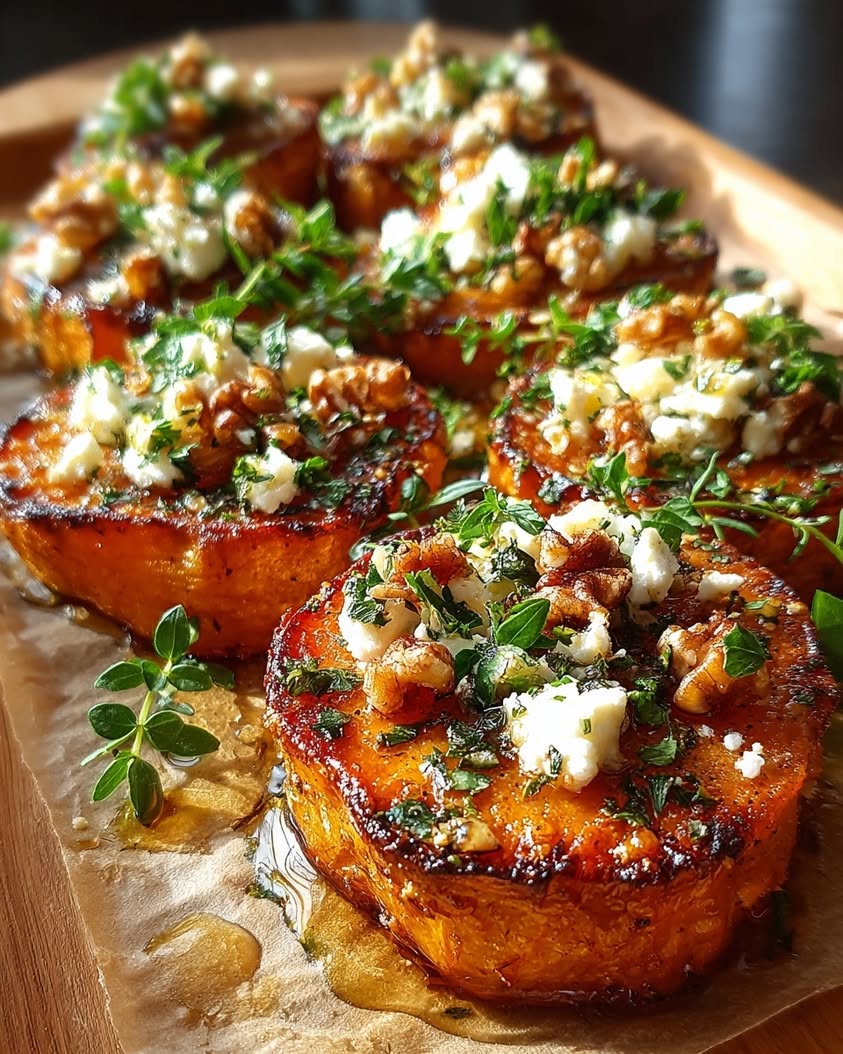
Honey Feta Roasted Sweet Potatoes: A Sweet and Savory Side Dish Sensation
Imagine a dish that perfectly balances the earthy sweetness of caramelized root vegetables with the salty tang of creamy cheese, all finished with a golden, sticky glaze. That is the magic of these Honey Feta Roasted Sweet Potatoes. This recipe transforms simple, humble ingredients into a show-stopping side dish that will steal the spotlight at any dinner table. Moreover, the process is incredibly straightforward, making it a reliable go-to for both busy weeknights and impressive holiday gatherings.
The beauty of this recipe lies in its harmonious contrast of flavors and textures. As the sweet potato rounds roast, their natural sugars concentrate and caramelize, creating tender, almost creamy centers with beautifully crisp edges. Subsequently, a drizzle of warm honey amplifies that natural sweetness, while a generous sprinkle of crumbled feta cheese adds a delightful salty counterpoint and a creamy, crumbly texture. Finally, a scattering of fresh herbs provides a bright, aromatic finish that ties the whole dish together beautifully.
Ultimately, these Honey Feta Roasted Sweet Potatoes offer a gourmet experience with minimal effort. They are a testament to how a few quality ingredients, treated with care, can create something truly special. This dish is not just food; it is a colorful, fragrant, and utterly delicious celebration of simple, wholesome cooking that everyone will love.
Quick Recipe Highlights
- Flavor Profile: This dish masterfully combines sweet and savory notes. The natural caramelized sweetness of the roasted sweet potatoes meets the rich, tangy saltiness of feta cheese. Meanwhile, the honey glaze adds a luxurious, floral sweetness that binds all the elements together.
- Texture: You get a wonderful textural play in every bite. Expect tender, soft interiors from the perfectly roasted sweet potato rounds contrasted with slightly crisp, caramelized edges. Additionally, the crumbled feta provides a creamy yet crumbly finish that is incredibly satisfying.
- Aroma: While roasting, your kitchen will fill with the warm, earthy scent of sweet potatoes and olive oil. Then, the final drizzle of honey releases a gentle, floral sweetness, and the fresh herbs contribute a final burst of garden-fresh fragrance that makes the dish irresistible.
- Visual Appeal: The presentation is stunning, featuring vibrant orange rounds edged in dark caramel brown. Consequently, the white crumbles of feta and green flecks of fresh herbs create a beautiful color contrast that looks as good as it tastes, making it perfect for photos.
- Skill Level Needed: This is a beginner-friendly recipe requiring only basic kitchen skills like slicing and tossing. Essentially, if you can use a knife and an oven, you can absolutely master these Honey Feta Roasted Sweet Potatoes with confidence.
- Special Equipment: You need only a sharp knife, a cutting board, a large baking sheet, and some parchment paper. Notably, a mandoline slicer can ensure uniform rounds for even cooking, but it is not at all necessary for success.
Recipe Overview
- Difficulty Level: We rate this recipe as “Easy” because it involves minimal prep and straightforward techniques. You simply slice, toss, roast, and garnish. There is no complicated sauce-making or precise temperature control needed, making it very accessible for cooks of all levels.
- Category: This dish fits beautifully into multiple categories. Primarily, it is a stellar vegetable side dish, but it can also serve as a hearty component in a grain bowl or a festive appetizer when arranged on a platter. It is incredibly versatile for meal planning.
- Cuisine: While not tied to one specific tradition, the combination draws inspiration from Mediterranean and Middle Eastern flavors, where sweet and savory pairings are common. The use of feta, olive oil, and honey is a classic trio in that region’s culinary palette.
- Cost: This is a very budget-friendly recipe. Sweet potatoes are inexpensive, especially in season, and a small amount of feta and honey goes a long way. You can expect to feed four people a generous side portion for just a few dollars, making it economical.
- Season: This recipe shines brightest in the fall and winter when sweet potatoes are at their peak of flavor and sweetness. However, it is truly a year-round winner because sweet potatoes are reliably available and roasting is a comforting cooking method any time.
- Occasion: These rounds are perfect for everything from a casual family dinner to Thanksgiving or a festive potluck. Their elegant appearance and crowd-pleasing flavor profile make them suitable for both everyday meals and special celebrations alike.
Why You’ll Love This Recipe
First and foremost, the taste is absolutely unforgettable. The combination of sweet, salty, creamy, and earthy hits all the right notes on your palate. Each component complements the others perfectly, creating a complex flavor profile that feels gourmet. Furthermore, the contrast between the caramelized edges and soft center of the sweet potato provides a satisfying mouthfeel that keeps you coming back for another bite. This dish proves that vegetables can be the most exciting part of the meal.
From a practical standpoint, the convenience is a major win. With only 10 minutes of hands-on prep, you can have this impressive side dish in the oven and freeing you up to prepare the rest of your meal. The ingredients are simple and easy to find at any grocery store. Moreover, the recipe is forgiving; slight variations in slice thickness or roasting time still yield delicious results. It is the kind of reliable recipe you will memorize and turn to again and again.
Nutritionally, these Honey Feta Roasted Sweet Potatoes are a powerhouse. Sweet potatoes are loaded with beta-carotene, fiber, and vitamins. Using olive oil adds heart-healthy fats, and feta provides a boost of calcium and protein. While the honey adds sweetness, you use it sparingly as a finishing glaze, so you control the sugar content. This makes the dish a nourishing choice that feels indulgent without being overly heavy or unhealthy.
For entertaining, this recipe is a true gem. It is visually stunning on a platter, sparking conversation and compliments. The recipe scales up effortlessly for a crowd, and you can prepare the sweet potato rounds ahead of time. Guests with various dietary preferences often enjoy it, and it pairs wonderfully with a wide range of mains, from roast chicken to grilled steak. It is a side dish that effortlessly elevates any gathering.
Finally, the cost-effectiveness and accessibility cannot be overstated. You create a restaurant-quality dish with humble, affordable ingredients. There is no need for expensive equipment or rare spices. This accessibility means anyone can recreate this beautiful, flavorful dish, making wholesome, delicious cooking achievable for every home cook and every budget.
Historical Background and Cultural Significance
The sweet potato itself has a rich history, originating in Central or South America over 5,000 years ago. Subsequently, Spanish and Portuguese explorers brought it to Europe and Asia, where it became a staple. Its natural sweetness and hardiness made it a valuable crop. While roasting vegetables is one of humanity’s oldest cooking methods, the specific combination with honey and cheese reflects a more modern, fusion-inspired approach to flavor pairing.
Culturally, the pairing of sweet and savory has deep roots, particularly in Mediterranean and Middle Eastern cuisines. For instance, Greek cuisine often combines honey with salty cheeses in pastries and desserts. Meanwhile, roasting vegetables with olive oil and herbs is a cornerstone of the Mediterranean diet. This recipe, therefore, feels like a natural and delicious convergence of these timeless culinary traditions, celebrating both ancient ingredients and contemporary taste preferences.
The evolution of this recipe likely stems from the modern home cook’s desire for simple, flavorful, and visually appealing vegetable dishes. As food presentation and “eating the rainbow” gained popularity, recipes showcasing vibrant vegetables like sweet potatoes became favorites. The addition of a cheese like feta, which is now widely available, and a high-quality honey transforms the basic roasted vegetable into something special, reflecting current trends towards bold, contrasting flavors on one plate.
Regional variations of this concept abound. In the American South, you might find roasted sweet potatoes with a brown sugar and pecan glaze. In North Africa, a sprinkle of cumin and paprika could be used. The version with honey and feta has a distinctly Mediterranean flair. This adaptability shows the sweet potato’s incredible versatility as a canvas for global flavors, allowing cooks to take a simple technique and infuse it with cultural personality.
Ingredient Deep Dive
Sweet Potatoes: Choose firm, smooth sweet potatoes without soft spots or cracks. For uniform roasting, try to select potatoes that are similar in size and diameter. You do not need to peel them; the skin adds fiber, texture, and helps the rounds hold their shape. Store uncooked sweet potatoes in a cool, dark, well-ventilated place—not the refrigerator, as cold temperatures can alter their taste and texture.
Olive Oil: A good quality extra-virgin olive oil is key here. It coats the potatoes, promotes caramelization, and adds its own fruity, peppery flavor. It is the foundation of the dish’s richness. If you need a substitute, a neutral oil like avocado oil works, but you will lose some flavor complexity. Always store olive oil in a cool, dark cupboard away from heat to prevent it from turning rancid.
Feta Cheese: Opt for a block of feta packed in brine for the best flavor and texture. It is creamier and less crumbly than pre-crumbled varieties, which often contain anti-caking agents. True Greek feta is made from sheep’s milk or a sheep/goat blend, offering a tangier taste. For a dairy-free version, a firm, salty vegan cheese or even chopped, salted nuts can provide a similar salty, textural contrast.
Honey: Honey is the magical glaze that brings everything together. Its flavor varies based on the flowers the bees visited; a wildflower or orange blossom honey works beautifully. For a vegan adaptation, maple syrup or agave nectar are excellent substitutes, though they will impart a slightly different flavor profile. Warm the honey slightly before drizzling so it flows easily and coats the hot potatoes evenly.
Fresh Herbs (like thyme or rosemary): Fresh herbs are non-negotiable for the final bright, aromatic lift. They cut through the richness and add a layer of freshness. Woody herbs like thyme and rosemary stand up well to roasting. If you only have dried herbs, use them sparingly (about 1/3 the amount) and add them with the oil before roasting, as they need heat to release their oils.
Common Mistakes to Avoid
- Overcrowding the Pan: Placing the sweet potato rounds too close together causes them to steam instead of roast. Consequently, you will get soggy potatoes instead of crispy, caramelized edges. Always use a large enough baking sheet and arrange them in a single layer with a little space between each round.
- Uneven Slicing: If your sweet potato rounds are different thicknesses, they will cook unevenly. Some pieces will burn while others remain undercooked. Aim for consistent 1/4 to 1/2-inch thick rounds using a sharp knife or a mandoline for the best results.
- Skipping the Parchment Paper: Roasting without parchment paper or a silicone mat often leads to sticking and a difficult cleanup. The natural sugars in the sweet potatoes and honey can caramelize and fuse to the pan. Lining your sheet is a simple step that guarantees easy release.
- Adding the Feta Too Early: If you add the feta cheese before or during roasting, it will melt into a greasy puddle and potentially burn. Always add the crumbled feta after the potatoes come out of the oven, allowing the residual heat to just slightly soften it without destroying its texture.
- Using Cold Honey: Drizzling thick, cold honey from the jar results in clumpy, uneven distribution. Briefly warm the honey in a microwave or in a jar of warm water to thin it slightly. This allows you to create a beautiful, even glaze over the entire dish.
- Underseasoning: Sweet potatoes need a generous amount of salt to balance their natural sweetness. Do not be shy with the salt and pepper before roasting. Seasoning at this stage ensures the flavor penetrates the vegetable, not just sits on the surface.
- Not Flipping the Rounds: For the most even caramelization, flip the sweet potato rounds halfway through the roasting time. This simple action ensures both sides get exposed to the direct heat of the pan, giving you a perfect golden-brown color all over.
- Using Pre-Crumbled Feta: Pre-crumbled feta is often drier, chalkier, and contains additives. For the best creamy, tangy burst of flavor, buy a block of feta in brine and crumble it yourself just before serving. The difference in quality and texture is significant.
Essential Techniques
Uniform Slicing: Consistent slicing is arguably the most important technique for this recipe. Uniform rounds ensure every piece roasts at the same rate, leading to a perfectly cooked batch. Use a sharp chef’s knife and take your time, or employ a mandoline slicer on a safe setting. The visual cue for success is a stack of rounds that are all nearly identical in thickness.
Dry Roasting Surface: Patting the sliced sweet potatoes completely dry with a clean kitchen towel is a small step with a big impact. Excess surface moisture creates steam, which prevents the Maillard reaction (caramelization) from occurring. You want the hot oven air to crisp the exterior, not steam it. The potatoes should feel dry to the touch before they are tossed in oil.
Even Oil Coating: Tossing the sweet potato rounds thoroughly in oil and seasonings is crucial. Every surface needs a thin, even coating to promote browning and prevent sticking. The best method is to use your hands in a large bowl, gently massaging the oil onto each round. The visual cue is a light, even sheen on all pieces without any pooling oil at the bottom of the bowl.
Hot Oven Roasting: A properly preheated, hot oven (around 400°F to 425°F) is non-negotiable. A cold oven will start the cooking process with steam, making the potatoes mushy. The high heat quickly sears the exterior, locking in moisture and creating those desirable caramelized edges. Always allow your oven to fully preheat before adding your baking sheet.
Pro Tips for Perfect Honey Feta Roasted Sweet Potatoes
First, for extra crispy edges, place the baking sheet in the oven as it preheats. Adding the oiled potatoes to a hot pan gives them an immediate sear. This technique jumpstarts the crisping process beautifully.
Second, experiment with infused oils or honeys. Toss the potatoes with a rosemary-infused olive oil, or finish with a hot honey drizzle. These small twists can create a whole new flavor profile with the same basic method.
Third, let the roasted sweet potatoes rest for a minute or two on the pan after adding the feta. The residual heat will gently warm and soften the cheese without causing it to melt completely, preserving that perfect crumbly texture.
Fourth, if you are doubling the recipe, use two baking sheets and rotate them top-to-bottom and front-to-back halfway through cooking. Ovens have hot spots, and this ensures even browning on both trays.
Fifth, add a sprinkle of flaky sea salt (like Maldon) after drizzling the honey. The large, delicate salt crystals provide an incredible burst of salinity and texture that elevates the dish from great to extraordinary.
Sixth, for a deeper flavor, toss the sweet potato rounds with a pinch of smoked paprika or cumin along with the salt and pepper before roasting. These warm spices complement the natural sweetness wonderfully.
Variations and Adaptations
For regional variations, take inspiration from global pantries. Add za’atar and sumac before roasting for a Middle Eastern twist, or toss with garam masala for an Indian-inspired version. A sprinkle of chili-lime seasoning after roasting can give it a Tex-Mex flair. The basic recipe is a perfect template for your favorite spice blends.
Seasonal adaptations are easy. In spring, garnish with fresh chives and lemon zest. For summer, use basil or oregano. Autumn calls for a sprinkle of toasted pecans or walnuts with the feta. In winter, a dash of ground cinnamon or nutmeg in the oil can enhance the cozy feeling.
Dietary modifications are straightforward. For vegan Honey Feta Roasted Sweet Potatoes, use maple syrup and a vegan feta alternative or seasoned chickpeas. For a dairy-free version, omit the cheese and use a balsamic glaze instead of honey. To make it nut-free, ensure any garnishes are seeds, like toasted pumpkin seeds.
Flavor variations can keep this recipe exciting. Swap the feta for goat cheese for a tangier profile, or use blue cheese for a stronger punch. Substitute the honey with pomegranate molasses for a tart, fruity glaze. Add sliced red onions or whole garlic cloves to the pan to roast alongside the potatoes for added depth.
Texture modifications involve changing the cut. Try sweet potato wedges or cubes for a different shape. For a crispier result, toss the rounds with a tablespoon of cornstarch along with the oil. For a softer, more caramelized result, cover the pan with foil for the first half of roasting, then uncover to crisp up.
Presentation alternatives include stacking the rounds on a platter for height, or arranging them flat and scattering the feta and herbs over top. Serve them individually on small plates as a starter, or pile them into a bowl with a bed of greens like arugula for a warm salad.
Serving and Presentation Guide
For elegant plating, arrange the Honey Feta Roasted Sweet Potatoes in a circular, slightly overlapping pattern on a large, neutral-colored platter or rustic wooden board. This creates visual impact and makes serving easy. Drizzle the honey in a zig-zag pattern across the top for a professional finish, rather than pouring it in one spot.
Garnishing is key to the final look. Beyond the crumbled feta and chopped herbs, consider edible flowers, microgreens, or a few whole herb sprigs for a natural touch. A final dusting of freshly cracked black pepper or a colorful sprinkle of paprika adds visual depth and hints at the flavors within.
Traditional accompaniments include roasted meats like chicken, pork tenderloin, or lamb. They also pair wonderfully with other Mediterranean sides like a simple Greek salad, lemony rice pilaf, or warm pita bread. The sweet and savory profile makes them incredibly versatile across different cuisines.
Modern serving suggestions lean into bowl meals and grazing tables. Add these rounds to a grain bowl with quinoa, spinach, and a lemon-tahini dressing. Alternatively, serve them at room temperature on a holiday appetizer spread alongside other dips and bites. They are excellent finger food for a party.
Temperature considerations are flexible. These potatoes are best served warm, when the feta is just softened and the honey is glossy. However, they are also delicious at room temperature, making them ideal for potlucks or picnics. Avoid serving them cold from the refrigerator, as the textures will become less appealing.
Portion control is simple. As a side dish, plan for about 1/2 to 3/4 of a medium sweet potato per person. If serving as an appetizer or part of a larger spread, one round per person or bite is a good guideline. The recipe scales linearly, so you can easily adjust amounts for your guest count.
Wine and Beverage Pairing
For wine pairings, the sweet and savory nature of the dish calls for something versatile. A slightly off-dry Riesling or Gewürztraminer complements the sweetness and handles the saltiness of the feta beautifully. Alternatively, a light-bodied, fruity Pinot Noir or a dry Rosé can bridge the gap between the earthy potatoes and the tangy cheese with elegance.
Non-alcoholic alternatives should also balance sweet and tart. Sparkling water with a squeeze of lemon or lime cleanses the palate. A tart cherry juice spritzer or a ginger beer mocktail can stand up to the robust flavors. Iced herbal tea, like mint or hibiscus, offers a refreshing counterpoint.
While not a typical coffee dish, if serving these for brunch, a medium-roast coffee with low acidity would pair nicely, as the roasted notes can echo the caramelization of the potatoes. A black tea with honey notes, like an Earl Grey, could also be a pleasant companion in the afternoon.
Temperature is crucial for beverages. Serve white wines and non-alcoholic spritzers well-chilled. Red wines should be slightly cooler than room temperature. The contrast between the warm, rich dish and a cool, refreshing drink enhances the overall dining experience significantly.
General serving suggestion: always offer water. The saltiness of the feta and the richness of the dish make guests thirsty. Providing still or sparkling water with the meal is essential for a comfortable and enjoyable pairing experience.
Storage and Shelf Life
Store leftover Honey Feta Roasted Sweet Potatoes in an airtight container in the refrigerator for up to 3 days. It is best to store them without additional garnishes. The feta will continue to soften and release moisture, and the honey will absorb, so the texture will change but they will remain tasty.
Refrigeration is mandatory due to the dairy content. Do not leave the dish at room temperature for more than two hours. The ideal container is a shallow glass or BPA-free plastic container, which allows for quick cooling and easy stacking in the fridge.
Signs of spoilage include an off or sour smell, visible mold (especially on the cheese), or an excessively slimy texture on the sweet potatoes. When in doubt, it is safest to discard the leftovers. The high sugar content can sometimes cause fermentation.
Reheating instructions are important for texture. Reheat leftovers in a 350°F oven or toaster oven on a baking sheet for about 10 minutes, until warmed through. This method helps re-crisp the edges. Avoid the microwave, as it will make the potatoes and feta soggy and unappealing.
Freezing is not recommended for this completed dish. The texture of the sweet potatoes becomes mushy upon thawing, and the dairy in the feta will separate and become grainy. It is best enjoyed fresh or refrigerated for a short period.
Make Ahead Strategies
You can prep the sweet potatoes up to a day in advance. Slice the rounds and store them submerged in cold water in an airtight container in the refrigerator. This prevents oxidation (browning). Before cooking, drain thoroughly and pat them completely dry—this step is crucial for proper roasting.
If you need to roast in advance, cook the sweet potato rounds (without toppings) and let them cool completely. Store them in the fridge for up to 24 hours. When ready to serve, re-crisp them on a baking sheet in a 400°F oven for 5-10 minutes before adding the feta, honey, and fresh herbs.
Assessing quality impact: Pre-roasting and reheating may result in slightly less crisp edges than serving immediately, but the flavor will still be excellent. The make-ahead advantage for entertaining often outweighs this minor textural difference. The key is the final re-crisp in a hot oven.
Assembly tips for parties: Roast the potatoes and keep them warm in a low oven (200°F) on a sheet pan. Have your crumbled feta, warmed honey, and chopped herbs ready in separate bowls. Assemble the platter just before guests arrive or just before serving to maintain optimal textures and a fresh, vibrant appearance.
For the freshest result, only add the cold, fresh elements—like the herbs and a final squeeze of lemon juice if using—right at the end. These components lose their brightness and can wilt if added too early, diminishing the final flavor and presentation of the dish.
Scaling Instructions
Halving the recipe is simple for smaller households. Use one large sweet potato, and simply reduce all other ingredients by half. Use a smaller baking sheet to maintain proper spacing. The cook time may decrease slightly, so start checking for doneness around the 18-minute mark.
Doubling or tripling for a crowd works perfectly. Use multiple baking sheets and rotate them in the oven as described in the pro tips. Ensure your oven can accommodate the sheets with good air circulation—do not stack them. You may need to roast in batches for the best results.
Equipment adjustments are necessary when scaling up. You will need additional large baking sheets. Consider using convection bake mode if your oven has it, as the fan helps with even cooking and browning when the oven is full. Have a very large bowl for tossing all the potatoes with oil.
Timing modifications are minimal. The roasting time may increase by a few minutes when the oven is very full, as the internal temperature can drop. Rely on visual cues—golden brown edges and tender flesh—more than a strict timer when cooking large batches.
Storage considerations for large batches: If making ahead, spread the roasted rounds on a baking sheet to cool completely before transferring to storage containers. This prevents condensation from making them soggy. For serving, you may need to use multiple platters or a very large serving dish.
Nutritional Deep Dive
This dish provides a good balance of macronutrients. The sweet potatoes are primarily complex carbohydrates and fiber, offering sustained energy. The olive oil contributes healthy monounsaturated fats, and the feta cheese adds protein and fat. The honey is a simple carbohydrate, used minimally as a flavor enhancer rather than a primary ingredient.
Micronutrient analysis reveals a wealth of vitamins. Sweet potatoes are famously rich in beta-carotene (converted to Vitamin A), which supports vision and immunity. They also provide Vitamin C, potassium, and manganese. Feta cheese offers calcium, phosphorus, and B vitamins. Together, they create a nutrient-dense side dish.
Specific health benefits include promoting gut health from the fiber in sweet potato skins, supporting bone health from the calcium in feta, and providing antioxidants from the colorful vegetable and olive oil. The combination of fat and fiber also helps slow the absorption of sugars, contributing to stable blood sugar levels.
Dietary considerations: This recipe is naturally gluten-free. For those monitoring sodium, you can reduce the salt before roasting and use a lighter hand with the feta. For diabetics, the portion of sweet potato and the amount of honey can be adjusted in consultation with a dietary plan, as the fiber helps manage glucose response.
Portion analysis for one serving (approximately 1/4 of the recipe) provides a satisfying side dish that complements a protein and another vegetable. It is substantial enough to be the main vegetable component of a meal without being overly heavy or calorie-dense, fitting well into a balanced diet.
For weight management, this dish is a great choice because it is high in volume and fiber, which promotes satiety. The healthy fats from olive oil and cheese also contribute to feeling full. Being mindful of the amount of oil and cheese used allows you to control the calorie density while still enjoying robust flavors.
Dietary Adaptations
Gluten-free: This recipe is naturally gluten-free. Simply ensure all packaged ingredients, like pre-crumbled feta, are certified gluten-free, as some anti-caking agents may contain gluten. This is an easy and safe side dish for those with celiac disease or gluten sensitivity.
Dairy-free: Omit the feta cheese. For a similar salty, creamy element, sprinkle with nutritional yeast or a dairy-free feta alternative made from tofu or almonds. You can also add chopped, toasted nuts like pistachios or almonds for crunch and richness.
Vegan: For vegan Honey Feta Roasted Sweet Potatoes, use maple syrup or agave nectar instead of honey. Replace the feta with a vegan cheese crumble or a mixture of mashed chickpeas with lemon juice and salt. Ensure the olive oil is your fat source.
Low-carb/Keto: This dish is not ideal for strict keto due to the sweet potato’s carb content. For a lower-carb version, try the same method with cubed zucchini or yellow squash, reducing the honey to a tiny drizzle or using a keto-friendly sweetener syrup.
Paleo: Omit the dairy-based feta cheese. Compliant toppings could include toasted coconut flakes, crushed macadamia nuts, or a drizzle of tahini. Use raw honey and ensure your olive oil is of high quality to fit within paleo guidelines.
Low-FODMAP: Sweet potato is low-FODMAP in servings of 1/2 cup (75g) per meal. Stick to a moderate portion. Omit the honey (high in fructose) and use maple syrup instead. Feta cheese is typically low in lactose and can be tolerated in small amounts by many.
Nut-free: This recipe is naturally nut-free. Just be cautious with garnishes—avoid using nut-based vegan cheeses or nut toppings. Seeds like pumpkin or sunflower seeds are a safe and delicious alternative for added crunch.
Troubleshooting Guide
Potatoes are soggy, not crispy: This is usually due to overcrowding the pan or not patting the slices dry. For a fix, spread them out more next time and ensure they are thoroughly dry before oiling. If they are already cooked, you can try broiling them for 1-2 minutes to crisp up the tops, watching carefully to avoid burning.
Potatoes are burning on the bottom: Your oven rack may be too low, or your baking sheet may be too dark (dark pans absorb more heat). Move the rack to the center position, use a lighter-colored pan, or double-pan by placing your sheet on top of another empty sheet to insulate the bottom.
Flavor is bland: Underseasoning is the culprit. Remember to season generously with salt and pepper before roasting. Additionally, make sure you are using a flavorful olive oil and a good quality honey. A final sprinkle of flaky salt and a squeeze of lemon juice after roasting can rescue a bland batch.
Feta melted into a mess: You added the cheese while the potatoes were too hot or put it under the broiler. The feta should only be added after the potatoes are out of the oven and have cooled for a minute. The residual heat is enough to soften it slightly without causing it to liquefy.
Honey clumped and didn’t drizzle: The honey was too cold. Always warm it slightly before using. If it’s already clumped on the dish, you can very briefly place the entire platter under a low broiler for 10-15 seconds to melt the honey, but watch it intently to prevent burning.
Uneven cooking: Inconsistent slice thickness is the most common cause. Use a mandoline or take more care with knife skills. Also, rotate your pan halfway through cooking to account for hot spots in your oven. Flipping each round ensures both sides get direct heat contact.
Recipe Success Stories
Community feedback on this recipe consistently highlights its reliability and crowd-pleasing nature. Many home cooks report that it has become their “secret weapon” for potlucks, always earning recipe requests. Parents love that it’s a vegetable dish their kids actually enjoy, thanks to the familiar sweetness. The simplicity is a recurring theme in reviews, with cooks appreciating that such an impressive result comes from minimal effort.
Variation successes are fun to hear about. One reader added crispy pancetta with the feta for a salty, meaty crunch. Another used butternut squash rounds for a fall variation. A creative cook made it with golden beets and goat cheese, following the same method. These adaptations show the recipe’s core technique is solid and adaptable to other root vegetables.
Adaptation stories for dietary needs are inspiring. Several vegan readers have shared their successful versions using maple syrup and almond-based feta, noting that the dish lost none of its appeal. A reader managing diabetes shared that she reduced the honey and added a sprinkle of cinnamon, finding it perfectly satisfying. These stories highlight the recipe’s flexibility.
Reader suggestions have improved the recipe over time. The tip to warm the honey came from a reader. Another suggested adding a tiny pinch of cayenne pepper with the salt for a subtle heat that plays wonderfully with the sweet and salty notes. The community’s collective experience continues to refine and celebrate this simple dish.
Photography tips from successful makers include shooting in natural light to capture the gloss of the honey and the texture of the feta. Many suggest garnishing with a few whole herb sprigs for a pop of green and shooting from overhead to showcase the beautiful circular pattern of the rounds. A dark, rustic background often makes the vibrant orange color pop.
Frequently Asked Questions
Can I use yams instead of sweet potatoes? In most U.S. grocery stores, what is labeled “yams” are actually a variety of sweet potato with darker skin and orange flesh, and they will work perfectly. True yams are starchier and less sweet, so stick with orange-fleshed sweet potatoes for the best flavor and texture in this recipe.
Do I have to peel the sweet potatoes? No, peeling is not necessary. The skin is edible, adds fiber, and helps the rounds hold their shape during roasting. Just give them a good scrub under running water to remove any dirt before slicing.
Can I make these ahead of time? Yes, you can roast the sweet potato rounds (without toppings) up to a day ahead. Store them in the fridge and re-crisp in a hot oven for 5-10 minutes before adding the feta, honey, and{“success”:true,”message”:”Recipe created successfully”,”post_id”:8931,”tasty_recipe_id”:8931,”shortcode”:” Print
Roasted Sweet Potato Rounds with Honey and Feta
Description
A simple yet elegant side dish featuring roasted sweet potato rounds drizzled with honey and topped with crumbled feta cheese.
Ingredients
For the Crust:
- 2 large sweet potatoes, sliced into 1/2-inch rounds
- 2 tablespoons olive oil
- 1 teaspoon smoked paprika
- 1/2 teaspoon garlic powder
- Salt and black pepper to taste
- 2 tablespoons honey
- 1/2 cup crumbled feta cheese
- Fresh thyme leaves for garnish
Instructions
1. Prepare the Crust:
- Preheat the oven to 400°F (200°C) and line a baking sheet with parchment paper.
- In a large bowl, toss the sweet potato rounds with olive oil, smoked paprika, garlic powder, salt, and pepper until evenly coated.
- Arrange the rounds in a single layer on the baking sheet and roast for 25-30 minutes, flipping halfway through, until tender and golden.
- Remove from the oven, drizzle with honey, and sprinkle with feta cheese. Return to the oven for 2-3 minutes to slightly melt the feta.
- Garnish with fresh thyme leaves and serve warm.
Notes
You can customize the seasonings to taste.

I’m Billy, a classically trained culinary school graduate from The Culinary Institute of America with over 12 years in the restaurant industry and over 19 years of cooking experience.