
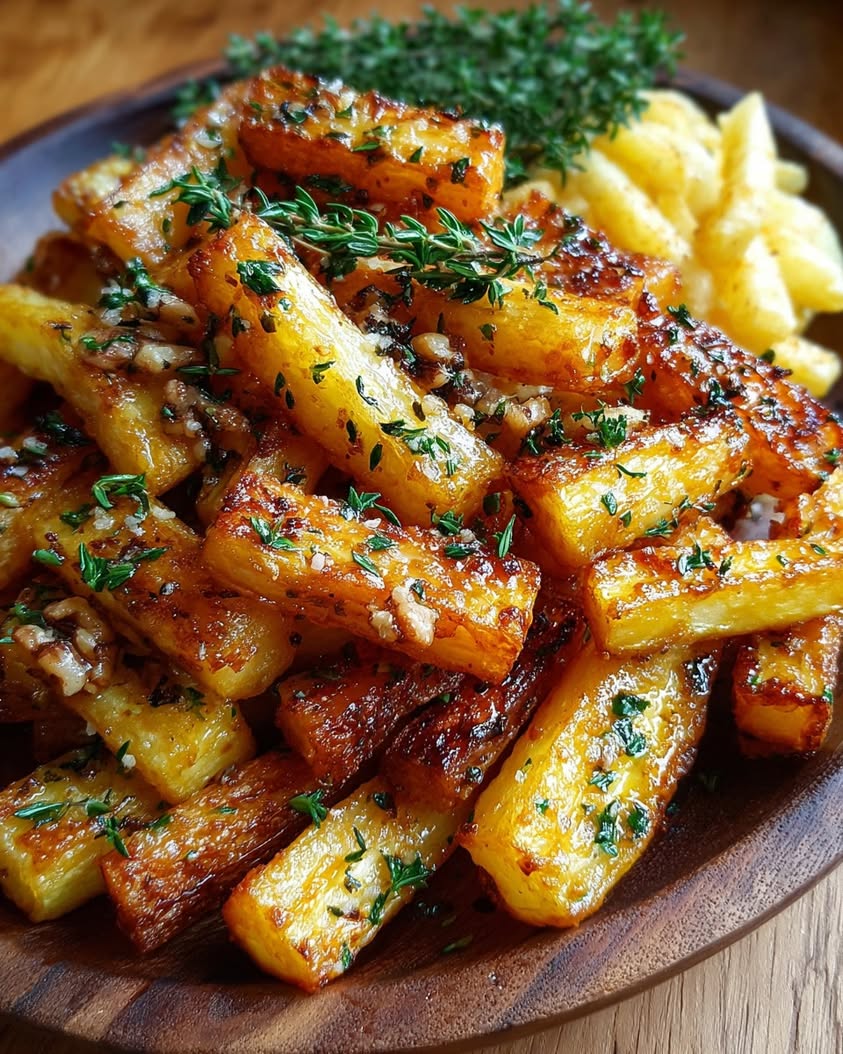
Maple Roasted Parsnips with Thyme: The Sweet and Savory Side Dish You Need
Imagine a side dish that transforms a humble root vegetable into a caramelized, glazed masterpiece. This recipe for Maple Roasted Parsnips with Thyme does exactly that. Consequently, it brings a perfect harmony of earthy sweetness and aromatic herbs to your table. Moreover, these parsnips emerge from the oven with crispy, golden-brown edges and a tender, almost creamy interior. The magic happens when pure maple syrup and fresh thyme create a simple yet profound glaze. Ultimately, this dish elevates any meal from ordinary to extraordinary with minimal effort.
Roasting is arguably the best way to cook parsnips. For instance, the high heat of your oven concentrates their natural sugars. Simultaneously, the maple syrup adds a layer of complex sweetness that is not cloying. The fresh thyme provides a savory, slightly floral counterpoint that balances everything beautifully. This recipe for Maple Roasted Parsnips with Thyme is incredibly versatile. Therefore, it pairs wonderfully with a holiday roast, a simple weeknight chicken, or even as part of a vegetarian grain bowl. Furthermore, its stunning presentation, with glistening, caramelized pieces, makes it a guaranteed crowd-pleaser.
Many people overlook the parsnip, but this recipe is here to change that. It highlights the vegetable’s unique potential. Specifically, the process of roasting with maple syrup unlocks a depth of flavor that boiling or steaming simply cannot achieve. The result is a side dish that feels both rustic and elegant. Whether you are a seasoned cook or a beginner, this guide will ensure your Maple Roasted Parsnips with Thyme turn out perfectly every single time.
Quick Recipe Highlights
- Flavor Profile: These Maple Roasted Parsnips with Thyme offer a beautiful balance. The natural, earthy sweetness of the parsnip is enhanced by the rich, caramel notes of pure maple syrup. Meanwhile, the fresh thyme adds an essential savory, herbal layer that prevents the dish from being too sweet.
- Texture: You achieve a fantastic textural contrast. The exterior becomes delightfully crispy and caramelized where the maple syrup has reduced and glazed the vegetables. Conversely, the interior remains tender, soft, and almost buttery in its consistency.
- Aroma: As these Maple Roasted Parsnips with Thyme cook, your kitchen will fill with an irresistible fragrance. Initially, you smell the sweet, woody scent of maple syrup warming. Then, the aromatic, slightly peppery notes of thyme mingle with the earthy, roasted vegetable smell.
- Visual Appeal: The finished dish is a feast for the eyes. The parsnips turn a gorgeous golden-brown with darker, sticky caramelized edges. Flecks of green thyme and a final sprinkle of flaky salt create a professional, appetizing look on the plate.
- Skill Level Needed: This is a beginner-friendly recipe. Basically, it requires only simple knife skills for peeling and cutting, followed by tossing ingredients on a sheet pan. There is no complicated technique, making it an excellent recipe for building kitchen confidence.
- Special Equipment: You need only standard kitchen tools. A good baking sheet, some parchment paper for easy cleanup, a sharp peeler, and a chef’s knife are sufficient. A large mixing bowl is helpful for coating the parsnips evenly before roasting.
Recipe Overview
- Difficulty Level: We classify these Maple Roasted Parsnips with Thyme as “Easy” for clear reasons. The steps are straightforward: prep, toss, and roast. There is no finicky timing or advanced culinary skill required. However, paying attention to cutting the parsnips evenly is the key to consistent cooking. This ensures every piece is perfectly done at the same time.
- Category: This dish fits perfectly into the vegetable side dish category. It is an ideal accompaniment to proteins like roast chicken, pork tenderloin, or baked fish. Additionally, it can be a star component in a vegetarian or vegan meal when served with grains and legumes.
- Cuisine: While parsnips are a staple in many European cuisines, this preparation with maple syrup has a strong North American influence. The use of maple, a quintessential Canadian and Northeastern U.S. ingredient, gives it a rustic, comforting feel. It blends classic roasting techniques with New World flavors beautifully.
- Cost: This is a very cost-effective recipe. Parsnips are typically an affordable root vegetable, especially in fall and winter. Pure maple syrup is the premium ingredient, but a small amount goes a long way. Overall, you can create an impressive side dish for four people for just a few dollars.
- Season: This recipe shines in the cooler months. Parsnips are at their sweetest and most flavorful after the first frost, making autumn and winter the prime seasons. The warm, comforting nature of roasted vegetables also makes it ideal for holiday meals and cozy dinners.
- Occasion: These Maple Roasted Parsnips with Thyme are incredibly versatile for any occasion. They are simple enough for a Tuesday family dinner yet elegant enough for Thanksgiving or Christmas. Their stunning appearance and universally appealing flavor make them suitable for casual potlucks and formal dinner parties alike.
Why You’ll Love This Recipe
First and foremost, the taste and texture are utterly irresistible. The caramelization process transforms the parsnips into something magical. Each bite offers a crisp exterior that gives way to a soft, sweet center. The maple syrup does not just add sweetness; it creates a complex, almost toffee-like glaze that clings to every piece. Meanwhile, the thyme cuts through the richness with its clean, aromatic flavor. This combination makes the dish deeply satisfying and far more interesting than plain roasted vegetables.
Convenience is another major benefit. From start to finish, these Maple Roasted Parsnips with Thyme take about 40 minutes, with most of that being hands-off oven time. The preparation is minimal: peel, chop, toss, and roast. Consequently, you can focus on preparing the main course or setting the table while the oven does the work. The recipe is also forgiving. Even if you roast them a few minutes longer, they often just become more caramelized and delicious.
Nutritionally, this dish is a powerhouse. Parsnips are an excellent source of dietary fiber, which aids digestion and promotes satiety. They are also rich in vitamins C and K, folate, and potassium. Using maple syrup as a sweetener provides minerals like manganese and zinc, unlike refined sugars. Roasting with a small amount of olive oil adds healthy fats. Therefore, you are serving a side dish that is as wholesome as it is delicious.
For entertaining, these Maple Roasted Parsnips with Thyme offer incredible value. They look stunning on a platter, suggesting you spent far more effort than you actually did. Their flavor profile appeals to both adults and children, making them a safe choice for diverse groups. You can easily double or triple the recipe for a crowd using multiple sheet pans. Furthermore, they hold well in a warm oven, so you do not need to stress about last-minute timing.
Finally, this recipe is wonderfully accessible and cost-effective. Parsnips are a budget-friendly vegetable, and the other ingredients are pantry staples for many. It teaches a fundamental cooking technique—roasting—that you can apply to countless other vegetables. Mastering this recipe gives you a reliable, impressive tool for your culinary repertoire. It proves that eating well does not require expensive ingredients or complicated methods.
Historical Background and Cultural Significance
The parsnip has a long and storied history, often overshadowed by its cousin, the carrot. Originally, this root vegetable was a staple in ancient Roman and Greek diets. Europeans cultivated it extensively throughout the Middle Ages. Interestingly, before the arrival of cane sugar in Europe, parsnips were often used as a sweetener in cakes and jams due to their high natural sugar content. Their popularity waned with the introduction of the potato from the New World, but they remained a cherished ingredient in Northern European and British cooking, especially for hearty stews and Sunday roasts.
In terms of cultural significance, parsnips hold a particular place in traditional British and Irish cuisine. They are a classic component of a Sunday roast dinner, often mashed or roasted alongside potatoes and carrots. In Ireland, they were historically associated with Halloween and used in a traditional cake called “barmbrack.” The vegetable’s ability to sweeten after a frost made it a valuable winter food source in colder climates. Its earthy, sweet flavor provided comfort and nutrition during long, lean months.
The evolution of this specific recipe, Maple Roasted Parsnips with Thyme, is a more modern fusion. Roasting vegetables as a technique gained widespread popularity in home kitchens in the late 20th century for its simplicity and flavor-enhancing results. The addition of maple syrup, a distinctly North American ingredient, represents a contemporary twist on an Old World vegetable. This combination bridges culinary traditions, using a New World sweetener to elevate a European root vegetable. It is a perfect example of how global pantries inspire modern home cooking.
Regional variations of roasted parsnips abound. In Britain, they might be roasted with honey and mustard. In Scandinavia, they could be paired with dill. The use of maple syrup firmly plants this version in North America, particularly Canada and the Northeastern United States where maple syrup production is iconic. Some modern variations include adding a sprinkle of chili flakes for heat, a dash of balsamic vinegar for acidity, or walnuts for crunch. The core technique, however, of roasting to caramelize the vegetable’s sugars, remains timeless and universal.
Ingredient Deep Dive
Let us start with the star: parsnips. These pale, carrot-shaped roots are a member of the Apiaceae family, related to carrots, parsley, and celery. Historically, they were a crucial starch source in Europe before potatoes arrived. Nutritionally, they are fantastic. They are rich in soluble fiber, particularly for gut health, and packed with vitamin C, folate, and potassium. When selecting parsnips, choose firm, small to medium-sized ones without soft spots or extensive hairy roots; larger parsnips can have a woody, bitter core. Store them unwashed in a plastic bag in your refrigerator’s crisper drawer for up to three weeks.
Pure maple syrup is the other key player. It is the boiled-down sap of the sugar maple tree, a process first developed by Indigenous peoples of North America. Unlike pancake syrup, which is corn syrup with flavoring, pure maple syrup contains antioxidants and minerals like manganese, riboflavin, and zinc. Always opt for “pure maple syrup” for the best flavor and health profile; grade A amber color is perfect for this recipe. Store it in the pantry before opening and in the refrigerator afterward to prevent fermentation. For a substitution in a pinch, you could use honey, but the flavor will be distinctly different.
Fresh thyme is the herbal hero. This woody, aromatic herb has been used since ancient times for culinary and medicinal purposes. It adds a subtle, earthy, and slightly minty flavor that complements the sweetness without overpowering it. Fresh thyme is essential here, as dried thyme lacks the bright, potent aroma. Look for vibrant green sprigs without black spots. To store, wrap the stems in a damp paper towel and place them in a plastic bag in the refrigerator. If you must substitute, fresh rosemary (used sparingly) can work, but it will create a more pungent dish.
The supporting cast is simple but important. Extra virgin olive oil helps conduct heat, promotes caramelization, and adds richness. Use a good-quality oil you enjoy. Kosher salt or sea salt is crucial for seasoning and enhancing all the other flavors. Freshly cracked black pepper adds a gentle warmth and complexity. Finally, a flaky sea salt like Maldon for finishing provides delightful bursts of salinity and a professional touch. Each ingredient, though simple, plays a specific role in building the layers of flavor in your Maple Roasted Parsnips with Thyme.
Common Mistakes to Avoid
- Cutting Pieces Unevenly: This is the most common error. If your parsnip pieces are different sizes, the smaller ones will burn before the larger ones cook through. Always aim for uniform ½-inch thick pieces, whether you choose sticks or rounds. Consistency is the key to even roasting.
- Using a Crowded Pan: Do not overcrowd the baking sheet. If the parsnips are piled on top of each other, they will steam instead of roast. You need space for hot air to circulate. Use a large sheet pan or even two if necessary to ensure each piece has contact with the pan.
- Neglecting to Preheat the Oven: Starting with a hot oven is non-negotiable. A cold oven will cause the parsnips to cook unevenly and become soggy as they release moisture before browning begins. Always preheat your oven fully for at least 15-20 minutes before adding the pan.
- Skimping on Oil: While you do not want to drown them, too little oil will prevent proper caramelization and can lead to sticking. The oil helps transfer heat and encourages the Maillard reaction, which creates that beautiful brown color and deep flavor. Ensure each piece is lightly but thoroughly coated.
- Forgetting to Season Adequately: Seasoning with salt before roasting is critical. Salt draws out a bit of moisture and seasons the vegetable from within. Do not just rely on the salty-sweet glaze; the parsnips themselves need to be well-seasoned for a balanced final dish.
- Stirring Too Frequently: Resist the urge to stir or shake the pan constantly. Let the parsnips sit undisturbed for at least the first 15-20 minutes. This allows the surfaces in contact with the hot pan to develop a proper sear and caramelization. Stirring too soon will interrupt this process.
- Using Imitation Maple Syrup: The flavor of artificial pancake syrup is cloying and chemical-tasting. It will not reduce and caramelize in the same way as pure maple syrup. Investing in the real thing is essential for the intended flavor profile of Maple Roasted Parsnips with Thyme.
- Adding Syrup Too Early: If you toss the parsnips with maple syrup before roasting, the sugars can burn in the high heat. The standard method is to roast the parsnips first until nearly tender, then add the syrup for the final glaze. This prevents burning and ensures a shiny, sticky coating.
Essential Techniques
Proper vegetable cutting is your first essential technique. For even cooking, you must create uniform pieces. Peel the parsnips thoroughly to remove the sometimes-tough outer skin. Then, slice them into consistent ½-inch thick rounds or 2-inch long batons. If a parsnip has a very large, woody core, you can optionally cut it out. This attention to detail ensures every piece roasts at the same rate, giving you a mix of perfectly tender and crispy pieces in every bite. The visual cue for success is seeing pieces of identical size and shape on your cutting board.
The art of roasting without steaming is next. The goal is dry heat caramelization, not moist steaming. To achieve this, always preheat your oven and use a heavy-duty, rimmed baking sheet. Do not line it with foil, which can promote steaming; parchment paper is better. Most importantly, spread the parsnips in a single layer with space between them. If they are touching, they release steam and become soggy. The success cue is hearing a sizzle when the pan goes in the oven and seeing space around each vegetable piece.
Mastering the glaze application is the final touch. Adding the maple syrup too early leads to burning. The correct technique is to roast the parsnips until they are fork-tender and starting to brown, about 20-25 minutes. Then, you drizzle the maple syrup and sprinkle the thyme over the hot parsnips. Toss everything quickly and return the pan to the oven for the final 5-10 minutes. This allows the syrup to thin out from the heat, coat each piece evenly, and reduce into a sticky glaze without scorching. The visual cue is a shiny, dark amber coating bubbling around the edges of the pan.
Pro Tips for Perfect Maple Roasted Parsnips with Thyme
For maximum caramelization, pat your peeled and cut parsnips completely dry with a clean kitchen towel before tossing them with oil. Any surface moisture will create steam and hinder browning.
Use a high-smoke-point oil like avocado oil if you plan to roast at a very high temperature (above 425°F), but extra virgin olive oil works perfectly at 400°F.
Add a teaspoon of Dijon mustard to the olive oil coating for a subtle, savory depth that complements the maple and thyme beautifully.
For an extra flavor dimension, toss a few whole, unpeeled garlic cloves onto the sheet pan with the parsnips. They will roast into sweet, spreadable cloves you can enjoy alongside.
Do not discard the thyme stems after you strip the leaves. Toss a couple of the bare stems onto the roasting pan; they will infuse the oil with flavor as they cook.
Finish the dish with a bright element. A squeeze of fresh lemon juice or a sprinkle of lemon zest after roasting cuts the sweetness and adds freshness.
For a textural contrast, sprinkle the finished parsnips with toasted chopped pecans, walnuts, or pumpkin seeds before serving.
If your parsnips are not browning to your liking, switch your oven to the broil setting for the final 1-2 minutes, watching carefully to prevent burning.
Variations and Adaptations
Consider regional variations to change the flavor profile. For a British twist, swap the maple syrup for an equal amount of honey and add a tablespoon of whole-grain mustard. For a Mediterranean version, use olive oil, omit the maple, and finish with lemon juice, oregano, and crumbled feta cheese. An Asian-inspired adaptation could use a glaze of soy sauce, sesame oil, and a touch of brown sugar, garnished with sesame seeds and sliced scallions.
Seasonal adaptations are easy and fun. In spring, use baby parsnips and add fresh asparagus tips to the pan for the last 10 minutes of cooking. For summer, make a warm parsnip salad by tossing the roasted pieces with fresh arugula, cherry tomatoes, and a light vinaigrette. In the heart of winter, add other root vegetables like carrots, sweet potatoes, and turnips to the mix for a colorful roasted medley.
Dietary modifications are straightforward. To make this recipe vegan, ensure your maple syrup is certified vegan (most are) and that is all. For a Whole30 or paleo version, confirm your maple syrup is 100% pure with no additives, though some strict interpretations may exclude it. A lower-sugar option can use a sugar-free maple-flavored syrup, though the caramelization will be less pronounced.
Experiment with flavor variations by changing the herbs and spices. Try rosemary instead of thyme for a more pungent aroma. Add warm spices like a pinch of cinnamon, nutmeg, or smoked paprika to the oil coating. For a spicy kick, include a quarter teaspoon of cayenne pepper or crushed red pepper flakes with the salt and pepper before roasting.
Texture modifications can add interest. For extra crispiness, toss the parsnips with a tablespoon of cornstarch or arrowroot powder along with the oil. This creates an ultra-crispy exterior. For a softer, more confit-style result, roast them at a slightly lower temperature (375°F) for a longer time, covered with foil for the first half of cooking.
Presentation alternatives can elevate the dish. Instead of tossing all the thyme in, reserve some fresh leaves for a vibrant green garnish. Serve the parsnips on a bed of creamy polenta or mashed cauliflower. Skewer the roasted pieces on small sticks or rosemary sprigs for a passed appetizer at a party.
Serving and Presentation Guide
Plating techniques matter for visual appeal. For a family-style presentation, pile the warm Maple Roasted Parsnips with Thyme high on a rustic wooden board or a white ceramic platter to let the colors pop. For individual plates, use a pair of tongs to create a neat, vertical stack or fan the pieces out in a line alongside the main protein. Always drizzle any remaining sticky glaze from the pan over the top just before serving.
Garnishing adds the final professional touch. A final sprinkle of flaky sea salt is essential for bursts of flavor. Fresh thyme leaves, either whole or lightly chopped, reinforce the herbal note and add color. Consider a microplane of lemon zest over the top for brightness. For richness, a few small dollops of creamy goat cheese or a crumble of tangy feta can be wonderful.
Traditional accompaniments include classic roast dinners. These parsnips are perfect alongside herb-roasted chicken, prime rib, pork loin, or baked ham. They also pair beautifully with other roasted vegetables like Brussels sprouts, carrots, and potatoes for a hearty vegetarian plate. Do not forget a side of gravy or a creamy sauce for dipping.
Modern serving suggestions are more versatile. Chop the roasted parsnips and add them to a fall harvest salad with mixed greens, apples, walnuts, and a cider vinaigrette. Use them as a topping for a autumnal pizza with caramelized onions and gorgonzola. Mash them partially and fold into savory pancakes or fritters. They can even be pureed into a silky soup.
Temperature considerations are simple. These parsnips are best served hot from the oven, when the glaze is still shiny and sticky. However, they are also delicious at room temperature, making them excellent for buffets or picnics. If you need to reheat, do so in a 350°F oven for about 10 minutes to re-crisp the exterior; avoid the microwave, which will make them soggy.
Portion control is easy to gauge. This recipe yields about four servings as a side dish, assuming each person gets a generous cup of roasted parsnips. If serving as part of a larger holiday spread with many other sides, it could stretch to six. For a main component in a vegetarian bowl, plan for it to serve two to three people.
Wine and Beverage Pairing
Wine pairings should complement the sweet and savory notes. An off-dry Riesling or Gewürztraminer is a classic choice, as their slight sweetness mirrors the maple and their acidity cuts through the richness. For red wine lovers, a lighter, fruit-forward Pinot Noir with low tannins works beautifully without overpowering the dish. An oak-aged Chardonnay with notes of vanilla and butter can also pair nicely with the caramelized flavors.
Non-alcoholic alternatives offer wonderful complexity. A sparkling apple cider provides effervescence and autumnal fruit flavors that enhance the parsnips’ sweetness. For a warmer option, try a ginger-turmeric tea, which adds a spicy counterpoint. A simple glass of chilled, dry hard cider (non-alcoholic if preferred) is also a perfect match for the earthy-sweet profile.
Coffee and tea pairings can work for a brunch setting. A medium-roast coffee with nutty or caramel notes will complement the roasted flavors. A black tea like Earl Grey, with its bergamot citrus notes, can provide a lovely contrast to the sweetness. Avoid overly bitter or dark roasts that might clash with the maple glaze.
Temperature considerations are key for beverages. Serve white wines and ciders well-chilled, around 45-50°F. Red wines should be served slightly cooler than room temperature, around 55-60°F, to keep them fresh. Non-alcoholic sparkling drinks should be icy cold to provide a refreshing contrast to the warm, roasted vegetables.
Serving suggestions include offering a choice. When entertaining, it is thoughtful to have both a wine and a non-alcoholic option available. You can even create a signature cocktail, like a maple bourbon sour, that echoes the recipe’s flavors. Always ensure water is on the table to cleanse the palate between bites of the sweet, sticky glaze.
Storage and Shelf Life
Proper storage methods are crucial for leftovers. Allow the Maple Roasted Parsnips with Thyme to cool completely to room temperature after your meal. Do not leave them out for more than two hours. Transfer the cooled parsnips to an airtight container. You can layer them with parchment paper if stacking is necessary to prevent sticking. Do not store them while still warm, as the condensation will create sogginess.
Temperature requirements are standard for cooked vegetables. Store the airtight container in the refrigerator. The ideal refrigerator temperature is at or below 40°F. In these conditions, your leftover roasted parsnips will maintain best quality for 3 to 4 days. They are not suitable for long-term room temperature storage after cooking due to their moisture and sugar content.
Container recommendations include glass or BPA-free plastic containers with tight-fitting lids. These prevent odor transfer and keep the parsnips from drying out. Alternatively, a bowl tightly covered with plastic wrap or a reusable silicone lid works well. Avoid storing them in the open roasting pan, even with foil over the top, as they will dry out and absorb refrigerator odors.
Recognizing signs of spoilage is important. Discard the parsnips if you notice an off or sour smell, a slimy texture on the surface, or visible mold growth. The natural sugars mean they can ferment slightly over time, so any alcoholic or unusual odor is a clear indicator they are past their prime. When in doubt, throw it out.
Reheating instructions are specific for texture. To restore crispiness, reheat in an oven or toaster oven at 375°F for 10-15 minutes, spread out on a sheet pan. You can also use an air fryer at 350°F for 5-8 minutes. Avoid the microwave, as it will steam them and make the exterior soft and chewy. Reheat only the amount you plan to eat immediately.
Freezing guidelines come with a caveat. You can freeze roasted parsnips for up to 2 months, but the texture will become softer upon thawing due to their high water content. To freeze, spread cooled parsnips on a parchment-lined baking sheet to flash-freeze, then transfer to a freezer bag. Thaw in the refrigerator overnight before reheating in the oven. They are best used in soups or purees after freezing.
Make Ahead Strategies
A smart prep timeline can save you stress. You can peel and cut the parsnips up to 24 hours in advance. Submerge them in a bowl of cold water and store them, covered, in the refrigerator. This prevents oxidation and browning. Drain and pat them very dry with towels before proceeding with the recipe. You can also strip the thyme leaves from their stems a day ahead and keep them wrapped in a damp paper towel in a bag.
Storage between steps is simple. If you pre-cut the vegetables, keep them in that water bath in the fridge. The oil, salt, and pepper mixture can be measured out and kept at room temperature. The maple syrup can be measured into a small container. Having everything ready means you can simply toss and roast when it is time to cook, cutting your active prep to just minutes.
Assessing quality impact is important. Pre-cutting the parsnips has minimal impact, especially if kept in water. Pre-mixing the oil and seasonings is fine. However, do not toss the parsnips with oil and salt until just before roasting, as the salt will draw out moisture and make them steam. Also, never apply the maple syrup ahead of time, as it will make the parsnips soggy and can cause burning.
Assembly tips for a dinner party are straightforward. About 45 minutes before you want to serve, preheat your oven. Drain and thoroughly dry your pre-cut parsnips. Toss them with oil, salt, and pepper on the sheet pan. Roast for 20-25 minutes. While they roast, you can finish other dishes. Then, add the maple and thyme, give them a final roast, and serve immediately. This workflow integrates seamlessly into a larger meal prep.
Reheating guidelines for make-ahead are similar to leftovers. If you fully cook the dish ahead, let it cool and refrigerate. Reheat in a 375°F oven for 10-15 minutes to re-crisp. For best results, consider roasting the parsnips without the maple glaze ahead of time. Store the parsnips, then reheat them in the oven for 10 minutes, add the glaze, and roast for the final 5-10 minutes to refresh the sticky coating.
Fresh element additions should always be last-minute. If you are making components ahead, add any fresh garnishes like extra thyme leaves, chopped parsley, or a squeeze of lemon juice only after the reheated dish comes out of the oven. This ensures vibrant color and the brightest flavor, making the dish taste freshly made.
Scaling Instructions
Halving the recipe is simple for smaller households. Use 1 pound of parsnips, 1 tablespoon of oil, ½ tablespoon of maple syrup, and scale down the salt, pepper, and thyme accordingly. The cook time may be slightly reduced by 3-5 minutes since there is less volume on the pan, so start checking for tenderness around the 18-minute mark. Use a standard sheet pan; a smaller pan may still work but watch for crowding.
Doubling or tripling the recipe for a crowd requires planning. For double (8 servings), use 2 large sheet pans. Do not try to fit 4 pounds of parsnips on one pan. Rotate the pans from top to bottom rack halfway through cooking to ensure even browning. You may need to add a few extra minutes to the cook time. For tripling, use three pans and consider roasting in batches if your oven cannot accommodate them all with proper air circulation.
Equipment adjustments are necessary when scaling up. Ensure you have enough large, rimmed baking sheets. Using parchment paper on each pan is highly recommended for easy cleanup and preventing sticking when tossing with the sticky maple glaze. Have a very large mixing bowl ready if you are coating all the parsnips with oil at once before dividing them between pans.
Timing modifications are minimal but important. When doubling or tripling, the initial roasting time before adding the maple syrup may need to be extended by 5-10 minutes because the oven is more crowded and steamy. Rely on the fork-tender test rather than the clock. The final glazing time after adding syrup may also need an extra 2-3 minutes for the syrup to reduce properly on the crowded pans.
Storage considerations change with scale. If you make a large batch for leftovers, allow the parsnips to cool completely on the sheet pans before transferring to storage containers. This prevents condensation and sogginess. You may need multiple containers. Label them with the date. A large batch is perfect for meal prep, providing ready-made sides for several days.
Nutritional Deep Dive
A macro breakdown for one serving (approximately one-quarter of the recipe) is favorable. You can expect around 150-180 calories, primarily from the healthy carbohydrates in the parsnips and maple syrup. The dish contains about 2-3 grams of protein and 5-7 grams of fat, mostly from the olive oil. The majority of the carbs are complex, thanks to the parsnip’s fiber, with a smaller amount of simple sugars from the maple syrup. This balance provides sustained energy.
The micronutrient analysis is impressive. Parsnips are an excellent source of vitamin C, supporting immune function, and vitamin K, crucial for bone health and blood clotting. They provide folate, important for cell growth, and potassium, which helps regulate blood pressure. Maple syrup contributes manganese, essential for metabolism and bone development, and zinc, which supports the immune system. The olive oil adds vitamin E, a powerful antioxidant.
Specific health benefits are worth noting. The high fiber content promotes digestive health and helps maintain stable blood sugar levels by slowing glucose absorption. The antioxidants in both parsnips (like falcarinol) and maple syrup help combat oxidative stress and inflammation in the body. The monounsaturated fats in olive oil are heart-healthy. Together, these components make the dish a nutritious choice that supports overall wellness.
Dietary considerations are generally positive. This recipe is naturally gluten-free and dairy-free. It is vegetarian and can be vegan if you confirm your maple syrup source. For those monitoring carbohydrate intake, it is a moderate-carb side dish. The glycemic load is moderated by the fiber in the parsnips. Individuals with diabetes should account for the maple syrup’s sugars in their meal plan and may choose to use a smaller amount.
Portion analysis shows it is a satisfying side. A one-cup serving is substantial enough to feel like a generous portion of vegetables without being overly heavy. The combination of fiber, healthy fats, and complex carbohydrates promotes satiety, helping to prevent overeating. It fits well into a balanced plate model, occupying the “vegetable” section alongside a lean protein and a whole grain.
Weight management tips include being mindful of the maple syrup quantity. While it is a natural sweetener, it is still a source of calories and sugar. You can reduce the maple syrup by half and still achieve a lovely glaze, especially if your parsnips are very fresh and sweet. Also, ensure you are measuring the olive oil with a spoon rather than pouring freely to control added fat calories without sacrificing the necessary coating for roasting.
Dietary Adaptations
For a gluten-free adaptation, this recipe is already perfect. All ingredients—parsnips, olive oil, maple syrup, thyme, salt, and pepper—are naturally gluten-free. Simply ensure that any pre-packaged ingredients like maple syrup are processed in a gluten-free facility if you have celiac disease or a severe sensitivity. There is no need for substitutions here.
A dairy-free version requires no changes at all. The standard recipe contains no dairy products. It relies on olive oil for fat and moisture. This makes it an excellent side dish for those with lactose intolerance or a dairy allergy. You can confidently serve it without modification.
To make this recipe vegan, you are already 99% there. The only potential concern is the maple syrup. Most pure maple syrup is vegan, as it is simply tree sap. However, some strict vegans avoid products that use animal-derived filters (like some sugar processes). Check with your syrup brand if this is a concern. Otherwise, the recipe is inherently plant-based and vegan-friendly.
For a{“success”:true,”message”:”Recipe created successfully”,”post_id”:8937,”tasty_recipe_id”:8937,”shortcode”:” Print
Maple Roasted Parsnips with Thyme
Description
A simple, sweet, and savory side dish where parsnips are roasted until caramelized with maple syrup and fresh thyme.
Ingredients
For the Crust:
- 1.5 pounds parsnips, peeled and cut into 1-inch pieces
- 2 tablespoons olive oil
- 3 tablespoons pure maple syrup
- 1 tablespoon fresh thyme leaves
- 1/2 teaspoon salt
- 1/4 teaspoon black pepper
Instructions
1. Prepare the Crust:
- Preheat oven to 400°F (200°C). Line a baking sheet with parchment paper.
- In a large bowl, toss parsnips with olive oil, maple syrup, thyme, salt, and pepper until evenly coated.
- Spread parsnips in a single layer on the baking sheet. Roast for 25-30 minutes, stirring halfway, until tender and golden brown.
Notes
You can customize the seasonings to taste.

I’m Billy, a classically trained culinary school graduate from The Culinary Institute of America with over 12 years in the restaurant industry and over 19 years of cooking experience.