
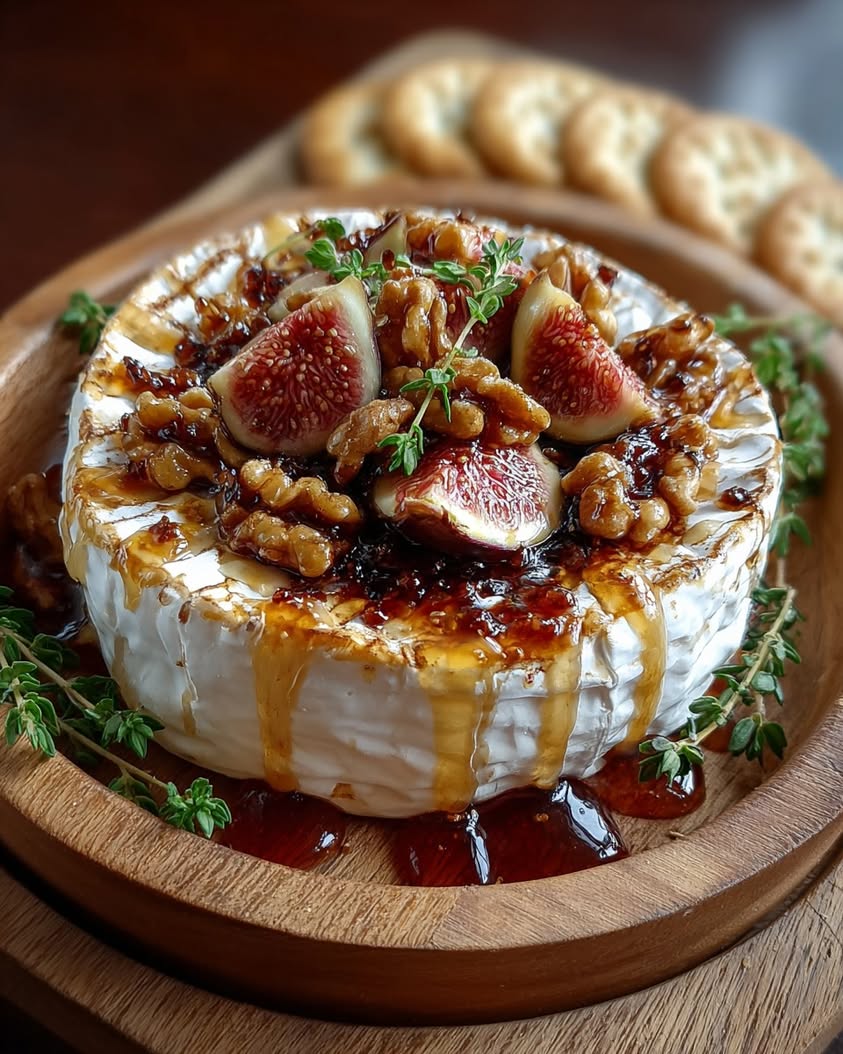
Baked Camembert with Fig Jam, Walnuts & Hot Honey: The Ultimate Crowd-Pleasing Appetizer
Imagine a dish that arrives at the table bubbling, gooey, and fragrant. This Baked Camembert with Fig Jam, Walnuts & Hot Honey is that dish. It transforms a simple wheel of cheese into a spectacular centerpiece. The warm, molten interior pairs perfectly with sweet fig preserves and crunchy toasted walnuts. Finally, a drizzle of spicy honey ties everything together with a kick. This recipe is your secret weapon for effortless entertaining.
Furthermore, this Baked Camembert with Fig Jam recipe delivers maximum flavor with minimal effort. It feels luxurious and special. However, it requires almost no culinary skill to execute perfectly. The combination of creamy, sweet, nutty, and spicy elements creates a complex taste experience. Guests will think you spent hours in the kitchen. In reality, you simply assembled a few quality ingredients and let the oven do the work. This is the beauty of a great baked cheese appetizer.
Ultimately, this dish is about creating a moment of shared joy. The act of dipping crusty bread into a communal pot of melted cheese is inherently social. The addition of fig jam and hot honey elevates it from simple to sublime. This Baked Camembert with Fig Jam is perfect for holiday gatherings, date nights, or a cozy treat. It promises to be the star of any appetizer spread. Let’s explore how to make this unforgettable dish.
Quick Recipe Highlights
- Flavor Profile: This Baked Camembert with Fig Jam offers a masterful balance. The rich, earthy cheese contrasts with the sweet, fruity fig preserves. Meanwhile, the hot honey introduces a gentle, warming spice that lingers pleasantly.
- Texture: Experience a luxurious contrast in every bite. The cheese becomes impossibly smooth and dippable. Then, you encounter the satisfying crunch of toasted walnuts and the chew of the bread.
- Aroma: As it bakes, the nutty, fungal scent of melting Camembert fills the kitchen. This aroma mingles with the caramelized sweetness of the fig jam. The final scent of warm honey and nuts is utterly irresistible.
- Visual Appeal: The presentation is rustic and inviting. The golden-brown cheese wheel, topped with jewel-toned jam and nuts, looks stunning. It’s a feast for the eyes before the first bite.
- Skill Level Needed: This is a beginner-friendly recipe. The primary skills are simple assembly and monitoring the oven. No advanced techniques are required for perfect results.
- Special Equipment: You only need a small baking dish or the cheese’s wooden box. A sharp knife for scoring and a spoon for drizzling are the only other tools.
Recipe Overview
- Difficulty Level: This Baked Camembert with Fig Jam recipe is rated easy for good reason. The steps are straightforward: score, top, bake, and garnish. There is no intricate knife work or precise temperature control needed. Success relies on quality ingredients and timing.
- Category: This dish fits perfectly into the appetizer or snack category. It also works wonderfully as part of a cheese board or a light meal. Some people even serve it as a decadent dessert with fruit.
- Cuisine: While Camembert hails from Normandy, France, this preparation is modern fusion. It combines French cheese with global pantry staples like hot honey. The result is a contemporary take on a classic baked brie or Camembert.
- Cost: Making this Baked Camembert with Fig Jam is moderately priced. The main cost is the cheese itself. Fig jam, walnuts, and honey are relatively inexpensive staples. Overall, it’s a cost-effective way to serve an impressive dish.
- Season: This recipe shines in the fall and winter. The warm, comforting elements are ideal for cooler weather. However, it’s truly a versatile dish for any season or occasion.
- Occasion: It’s perfect for holiday parties, game day, book club gatherings, or romantic evenings. Any event that calls for a shareable, conversation-starting appetizer is ideal.
Why You’ll Love This Recipe
First, the taste and texture are utterly addictive. This Baked Camembert with Fig Jam delivers a symphony of flavors in one dish. The creamy, funky cheese melts into a velvety pool. Sweet fig jam cuts through the richness beautifully. Toasted walnuts add a necessary crunch for contrast. Finally, the hot honey brings a subtle heat that awakens all the other flavors. Each component complements the others perfectly. Consequently, every dip of bread offers a new combination of sweet, savory, creamy, and crunchy.
Next, consider the sheer convenience. This recipe requires only ten minutes of active prep time. You simply score the cheese, add toppings, and bake. There’s no fussy technique or hard-to-find ingredients. Moreover, cleanup is a breeze, especially if you bake the cheese in its own box. This makes it a last-minute lifesaver when guests arrive unexpectedly. You can achieve gourmet results with minimal kitchen time. Therefore, it’s a fantastic recipe for both novice cooks and seasoned entertainers.
Additionally, this Baked Camembert with Fig Jam offers some nutritional advantages. Walnuts provide healthy fats, protein, and omega-3s. Honey contains antioxidants and natural sugars. Cheese offers calcium and protein. While indulgent, using whole ingredients means you avoid processed additives. Pairing it with whole-grain bread or apple slices adds fiber. Ultimately, it’s a satisfying treat that feels nourishing as well as delicious.
Furthermore, the social and entertaining value is immense. A bubbling dish of baked cheese is a natural centerpiece. It encourages conversation and interaction as everyone gathers to dip. This shared experience creates a warm, communal atmosphere. It’s more engaging than individual plates of food. For hosts, it’s a relaxing option because most work is done before guests arrive. You can socialize while the oven finishes the dish. This makes entertaining less stressful and more enjoyable.
Finally, this dish is cost-effective and accessible. Compared to ordering a similar appetizer at a restaurant, making it at home saves money. The ingredients are readily available at most grocery stores. You can also easily adapt it based on what you have. For instance, use apricot jam instead of fig or pecans instead of walnuts. This flexibility makes it a reliable staple in your entertaining repertoire. The impressive presentation belies its simple and affordable nature.
Historical Background and Cultural Significance
The story of Camembert begins in rural Normandy, France, in the late 18th century. According to legend, a priest from Brie shared cheesemaking secrets with a local farmer, Marie Harel. She then adapted the technique using local Norman milk. The result was a softer, creamier cheese with a distinctive white mold rind. Originally, Camembert was a fresh cheese consumed quickly. Later, the development of the wooden box allowed for safe transport. This innovation helped Camembert gain fame beyond its region.
Baking cheese is a tradition found in many cultures, from Swiss raclette to Greek saganaki. The concept of heating cheese until molten taps into a universal love for warm, creamy comfort food. In France, baked Camembert or “Camembert rôti” became a popular home preparation. It was a simple way to enhance the cheese’s texture and flavor. The practice likely evolved as an easy, festive dish for family gatherings. It transformed a staple ingredient into a special occasion treat.
The evolution of the baked Camembert recipe mirrors global food trends. Initially, it might be baked plain or with a sprig of thyme. As gourmet ingredients became more accessible, home cooks began adding toppings. The addition of sweet preserves like fig jam creates a classic sweet-and-savory pairing. The recent popularity of spicy honey added a modern twist. This recipe represents a fusion of traditional French technique with contemporary flavor combinations. It shows how classic dishes can adapt and remain relevant.
Regional variations of baked cheese appetizers are endless. In the Alps, raclette or fondue uses different cheeses but the same communal principle. In the Mediterranean, baked feta with honey and oregano is a beloved dish. This Baked Camembert with Fig Jam sits comfortably within this global tradition. Some variations include topping the cheese with garlic and rosemary or cranberry sauce. The core idea remains: heat cheese until gooey and serve with dippers. This simplicity is the key to its enduring, cross-cultural appeal.
Ingredient Deep Dive
Camembert cheese is the star. This French soft-ripened cheese is made from cow’s milk and has a bloomy white rind. The rind is edible and adds a slightly mushroomy flavor. When baked, the interior transforms into a luxurious, molten dip. Look for a cheese that feels slightly soft at room temperature. Avoid any with an ammonia smell. For best results, use a full, round wheel about 250 grams. If you cannot find Camembert, a small Brie wheel is a perfect substitute. Store it in the refrigerator until ready to use.
Fig jam provides the essential sweet counterpoint. Figs are one of the oldest cultivated fruits, symbolizing abundance. The jam is made by cooking figs with sugar until broken down and spreadable. It adds a deep, caramel-like sweetness and small seeds for texture. Choose a high-quality jam with a high fruit content. Alternatively, you can use fresh figs sliced and briefly cooked with a touch of honey. Other fruit preserves like cherry, apricot, or onion marmalade also work well. This component balances the saltiness of the cheese beautifully.
Walnuts contribute crucial crunch and nutty depth. Walnuts are rich in omega-3 fatty acids and antioxidants. Toasting them is a non-negotiable step; it intensifies their flavor and improves texture. Simply place them in a dry pan over medium heat for 3-5 minutes, shaking often. Watch carefully as they can burn quickly. Once toasted, chop them roughly for easy sprinkling. For substitutions, pecans, hazelnuts, or almonds would be delicious. The nuts prevent the dish from being one-note in texture.
Hot honey is the modern magic. It is simply honey infused with chili peppers. The gentle heat cuts through the richness and enhances all other flavors. You can buy prepared hot honey or make your own. To make it, gently warm honey with dried chili flakes or a fresh chili slice. Let it steep until the desired spice level is reached. The honey should be warm enough to drizzle easily for the final garnish. This ingredient adds a trendy, spicy-sweet finish that makes the dish memorable.
Common Mistakes to Avoid
- Not bringing the cheese to room temperature first. Baking a cold cheese straight from the fridge leads to an uneven melt. The outside may overcook while the center remains firm. Always let the Camembert sit out for about 20-30 minutes before baking.
- Forgetting to score the top of the rind. Scoring helps the heat penetrate evenly and allows the toppings to seep in. Without scoring, the cheese might burst unpredictably. Use a sharp knife to make a shallow crosshatch or star pattern.
- Overbaking the cheese. The goal is a molten interior, not a separated, oily pool. Bake just until the cheese is visibly soft and wobbly when nudged. Overbaking ruins the creamy texture and can make the rind tough.
- Using raw walnuts. Raw nuts can be bland and slightly bitter. Toasting them unlocks their essential oils and deep, nutty flavor. This simple step adds a layer of complexity to the final dish.
- Drizzling the hot honey before baking. The delicate flavors in honey can burn in the high oven heat. Always add the hot honey as a final garnish after the cheese comes out. This preserves its spicy kick and floral notes.
- Serving without proper dippers. The choice of dipper is crucial. Avoid soft bread that will tear; use sturdy, crusty baguette slices, crackers, or firm apple slices. Provide enough variety for different preferences.
- Choosing a baking dish that’s too large. The cheese should fit snugly in its dish or box. If the dish is too big, melted cheese will spread thinly and solidify quickly. Use a small, oven-safe dish just slightly larger than the cheese wheel.
- Neglecting to check if the wooden box is oven-safe. Some Camembert boxes are lined with a thin paper or plastic layer. Always check the box instructions. If in doubt, transfer the cheese to a small ceramic ramekin for baking.
Essential Techniques
Scoring the cheese rind is your first key technique. Use a sharp paring knife to make shallow cuts about 1/4-inch deep. A crosshatch pattern works well, or simply score a circle around the top. This process serves two vital purposes. First, it allows steam to escape, preventing a messy blowout. Second, it creates channels for the fig jam to seep into the cheese. Be careful not to cut all the way through to the bottom. Mastering this ensures even melting and flavor infusion.
Toasting nuts is a fundamental skill with broad applications. Place raw walnut pieces in a single layer in a dry skillet. Turn the heat to medium. Shake the pan frequently for even toasting. Listen for a faint crackling sound and watch for a deepened color and fragrant smell. This usually takes 3-5 minutes. Immediately transfer them to a plate to stop the cooking. This technique intensifies flavor and adds a satisfying crunch. Burnt nuts are bitter, so constant attention is required.
Knowing the visual cues for perfectly baked Camembert is crucial. Place the scored and topped cheese in a preheated oven. Bake until the top is golden in spots and the cheese visibly wobbles when you gently shake the dish. The rind may puff up slightly. The internal temperature should be around 130°F (55°C) for optimal creaminess. If the cheese is bubbling vigorously or oil is separating, it is overdone. Removing it at the right moment guarantees that iconic, dippable texture.
Pro Tips for Perfect Baked Camembert with Fig Jam
Always use a full wheel of Camembert for the best presentation and texture. Mini wedges will dry out too quickly. A 250-gram wheel is the ideal size for four people. Let the cheese sit out before baking to ensure even melting from edge to center. This simple step prevents a cold, firm core.
Add a splash of white wine or brandy before baking for an extra flavor dimension. Pour about a tablespoon into the scoring cuts. The alcohol will cook off, leaving behind a wonderful aromatic complexity. This trick mimics more elaborate baked cheese recipes.
If your honey is too thick to drizzle, warm it gently. Place the honey jar in a bowl of warm water for a few minutes. Alternatively, microwave it in a heatproof container for 5-10 seconds. Warm honey flows beautifully and blends seamlessly with the other ingredients.
Prepare all your dippers in advance. Slice the baguette, wash the apple slices, and arrange crackers on a board. Once the Baked Camembert with Fig Jam comes out of the oven, it’s ready to serve immediately. Having everything prepared avoids a last-minute scramble.
For a more savory version, add a sprig of fresh rosemary or thyme under the fig jam. The herbal notes pair wonderfully with the cheese and fruit. You can also scatter a pinch of flaky sea salt over the top after baking for a salty crunch.
If making hot honey from scratch, use a mild chili like ancho for flavor or a hotter one like arbol for spice. Control the heat level by the steeping time. Start with a small amount of chili; you can always add more heat later.
Variations and Adaptations
Explore regional variations by changing the cheese or toppings. In Greece, you might bake feta with tomatoes and olives. For a Spanish twist, use Manchego and top with quince paste and Marcona almonds. A British-inspired version could involve a Stilton and pear chutney. The method remains constant, but the flavors travel. This adaptability makes baked cheese a global comfort food.
Consider seasonal adaptations throughout the year. In spring, top the Baked Camembert with fresh pea shoots and lemon zest. Summer calls for fresh berries and basil. Autumn is perfect for this fig jam and walnut version. For winter holidays, use cranberry-orange relish and pistachios. Matching the toppings to the season’s bounty keeps the dish feeling fresh and appropriate.
For dietary modifications, several paths exist. To make it gluten-free, serve with gluten-free crackers or vegetable crudités. For a vegan version, seek out a high-quality vegan Camembert-style cheese. Use maple syrup instead of honey to keep it plant-based. While the classic recipe contains dairy, these swaps allow more people to enjoy the experience.
Experiment with flavor variations by changing the jam and nut combination. Try apricot jam with almonds, blackberry jam with pecans, or onion marmalade with hazelnuts. Each pairing creates a completely different profile. You can also add minced garlic or a sprinkle of smoked paprika before baking for a savory kick.
Serving and Presentation Guide
Plating is key for visual impact. Place the baked cheese, still in its warm dish, on a large wooden board or decorative platter. Arrange the bread slices, crackers, and fruit slices around it. This creates an abundant, inviting spread. The cheese dish becomes the centerpiece. Ensure you have enough small plates, napkins, and spreaders or knives for everyone.
Garnishing adds the final touch of elegance. After drizzling with hot honey, sprinkle the toasted walnuts over the top. You can also add a few fresh thyme leaves or edible flowers for color. A final pinch of flaky sea salt enhances both flavor and appearance. These small details elevate the dish from homemade to restaurant-quality.
Traditional accompaniments include a crusty baguette, but don’t stop there. Offer a variety of dippers like sliced green apples, pear slices, or endive leaves. Walnut or raisin crackers add another layer of flavor. Providing different textures and flavors allows guests to customize each bite.
Consider modern serving suggestions for a twist. Serve individual mini Camembert wheels in ramekins for a seated dinner party. Alternatively, scoop the melted cheese into small glasses layered with the jam and nuts for an amuse-bouche. For a casual party, you can even pre-scoop the cheese onto toasts and garnish them.
Wine and Beverage Pairing
Wine pairing is delightful with this rich dish. A crisp, acidic white wine cuts through the fat beautifully. Try a French Sancerre, Pinot Gris, or a dry Riesling. For red wine lovers, a light-bodied, low-tannin red like Pinot Noir or Beaujolais works well. The fruitiness complements the fig jam without overpowering the cheese. Sparkling wine or Champagne is always a celebratory choice.
For non-alcoholic alternatives, consider a tart sparkling cider. The apple notes pair wonderfully with cheese. A ginger beer provides a spicy kick that mirrors the hot honey. Iced herbal tea, like peach or mint, offers a refreshing contrast. Even a simple club soda with lemon cleanses the palate between rich bites.
If serving as a dessert course, pair it with a sweet fortified wine. A tawny Port or a Sauternes creates a luxurious end to a meal. The sweetness of the wine harmonizes with the fig jam and honey. Serve these in small quantities to savor alongside the cheese.
Storage and Shelf Life
Storage of leftovers is straightforward but limited. Transfer any uneaten baked cheese to an airtight container. Refrigerate it for up to 2 days. The texture will become firm and less appealing, but it is still safe to eat. It will not regain its molten glory upon reheating.
Reheating instructions are simple but cautious. Place the leftover cheese in a small oven-safe dish. Reheat in a 300°F (150°C) oven until just warmed through. Microwave reheating is not recommended, as it can cause the cheese to become rubbery and separate. Manage your expectations, as reheated cheese is never as good as fresh.
Freezing is not recommended for this Baked Camembert with Fig Jam. The dairy and emulsion can break down dramatically upon thawing. The texture becomes grainy and unpleasant. This is a dish best enjoyed immediately after baking. Plan your portions accordingly to avoid waste.
Make Ahead Strategies
You can execute significant prep ahead of time. Score the cheese and place it back in its box or in the baking dish. Cover it tightly with plastic wrap and refrigerate. Toast the walnuts and store them in an airtight container at room temperature. Measure out the fig jam and have it ready. Slice all your bread and store it in a bag. These steps cut your active prep time to just minutes before baking.
For the best quality, add the fig jam topping just before baking. If the jam sits on the scored cheese in the fridge for hours, it can make the rind soggy. Keep the components separate until you are ready to assemble and bake. This ensures perfect texture and visual appeal.
If serving for a party, time the baking so the Baked Camembert with Fig Jam comes out of the oven as guests arrive. The aroma will welcome them, and they can enjoy it at its peak. Have your garnishes (hot honey, walnuts) measured and ready to add the moment it’s out of the oven.
Scaling Instructions
Halving the recipe is simple for a smaller gathering. Use a 125-gram mini Camembert wheel. Reduce the other toppings proportionally: use about 1.5 tablespoons of fig jam and a small handful of walnuts. The baking time may reduce by a few minutes, so watch closely for the wobble.
Doubling or tripling for a crowd is easy. Bake multiple cheese wheels in separate dishes. Do not try to bake one giant cheese or pile them in one dish, as they won’t cook evenly. Arrange the baking dishes on the same oven rack for consistent heat. You may need to add a few minutes to the baking time.
Consider equipment adjustments when scaling. Ensure you have enough small baking dishes or oven-safe boxes. You’ll also need more serving boards and dippers. The beauty of this recipe is that each wheel is its own serving vessel, making scaling very practical.
Nutritional Deep Dive
This dish is an indulgent appetizer, rich in fats and calories. A typical serving provides a good amount of calcium and protein from the cheese. Walnuts contribute heart-healthy monounsaturated fats, omega-3s, and vitamin E. Fig jam offers natural sugars and a small amount of fiber. Honey contains antioxidants and simple carbohydrates for quick energy.
For dietary considerations, note that this recipe contains dairy, nuts, and gluten (if served with bread). The cheese is high in saturated fat and sodium, so those monitoring intake should enjoy in moderation. Pairing it with apple slices instead of bread increases the fiber and vitamin content while reducing carbs.
Portion control is your friend. While delicious, this is meant to be a shared starter, not a main course. A quarter of a cheese wheel per person, with plenty of dippers, is a satisfying serving. This approach allows you to enjoy the flavors without overindulging.
Dietary Adaptations
For a gluten-free version, ensure all dippers are gluten-free. Serve with gluten-free crackers, corn tortilla chips, or vegetable sticks. The cheese and toppings themselves are naturally gluten-free, making this an easy adaptation.
A dairy-free or vegan adaptation requires a plant-based cheese. Look for a melty, Camembert-style vegan cheese made from cashews or almonds. Use a vegan fruit spread and agave or maple syrup instead of honey. The assembly and baking process remains identical.
For a lower-carb or keto approach, focus on the cheese and toppings. The fig jam is high in sugar, so substitute it with a low-sugar berry compote or a few fresh berries. Serve with low-carb dippers like cucumber slices, bell pepper strips, or flaxseed crackers.
Troubleshooting Guide
If the cheese isn’t melting in the center, it was likely too cold or under-baked. Next time, ensure proper room-temp resting. If it’s currently in the oven, bake for a few more minutes, checking frequently. A cold center is better than an overbaked, oily mess.
If the cheese bursts through the side, the top wasn’t scored deeply enough. The steam needs an escape route. Don’t worry; it will still taste great. Simply spoon the escaped cheese back over the top and continue with your garnishes.
If the honey crystallizes or is too thick, gently warm it. Place the honey container in a bowl of hot water for a few minutes. Stir until it returns to a liquid state. Never microwave honey in a plastic container, as it can melt or leach chemicals.
If the walnuts burn while toasting, you must start over. Burnt nuts impart a bitter flavor that can ruin the dish. Toast over medium heat and shake the pan constantly for even cooking. They continue to cook slightly after being removed from the heat.
Recipe Success Stories
Readers consistently report that this Baked Camembert with Fig Jam is a hit at their gatherings. Many note that the hot honey was the unexpected star, with guests asking for the recipe. One home cook shared that she now makes it for every holiday, and it has become a non-negotiable family tradition.
Creative variations have been a joy to hear about. One person used pepper jelly and candied pecans for a Southern twist. Another used leftover cranberry sauce after Thanksgiving to brilliant effect. These adaptations show the recipe’s fantastic flexibility and inspire others to experiment.
Photography tips from enthusiasts emphasize natural light. Shoot the cheese right as it comes out of the oven, when it’s still bubbling. Get a close-up of the spoon pulling up the gooey cheese strand. A top-down shot of the full board with all the dippers is always popular on social media.
Frequently Asked Questions
Can I make Baked Camembert with Fig Jam ahead of time? You can prep components ahead, but bake it just before serving. Score the cheese, toast the nuts, and slice bread in advance. Assemble and bake when ready to eat for the best texture.
What can I use instead of fig jam? Apricot preserves, cherry jam, onion marmalade, or even a savory chutney work wonderfully. The goal is a sweet or sweet-savory element to contrast the rich cheese.
Can I bake Camembert in its wooden box? Often, yes. Check the box for an oven-safe symbol. Many are designed for baking. If unsure or if it has a paper lining, transfer the cheese to a small ceramic ramekin.
My cheese is leaking oil. What did I do wrong? This means it’s slightly overbaked. The fats have separated. It will still taste fine. Next time, bake for a minute or two less and look for a gentle wobble, not vigorous bubbles.
Is the white rind edible? Absolutely. The bloomy white rind on Camembert is a edible mold (Penicillium camemberti). It is safe to eat and adds a distinct, mushroom-like flavor. You can eat it with the melted interior.
Can I use Brie instead of Camembert? Yes, Brie is an excellent substitute. The flavors are similar, though Brie is often milder and creamier. Follow the same recipe instructions for a delicious baked Brie.
How do I make my own hot honey? Gently warm 1/2 cup honey with 1/2 to 1 teaspoon of red chili flakes in a small saucepan. Let it simmer for 2-3 minutes, then remove from heat and let steep for 30 minutes. Strain if desired.
What are the best dippers besides bread? Try sliced apples, pears, pretzels, crackers, carrot sticks, or endive leaves. A variety ensures there’s something for everyone and balances the richness.
How do I know when the cheese is done baking? The cheese should be soft to the touch and visibly wobble when you shake the dish. The top will be golden, and the edges may be bubbling slightly. This usually takes 12-15 minutes.
Can I reheat leftovers? You can, but the texture will be different. Reheat gently in a low oven (300°F). It will be more melted and less firm, but still tasty on a sandwich or toast.
Additional Resources
If you love this Baked Camembert with Fig Jam, explore other baked cheese recipes. Baked Brie with caramelized onions or baked goat cheese with marinara are fantastic savory options. For a sweet take, try baking Brie with brown sugar and pecans. Each offers a similar comforting experience with different flavor profiles.
Improve your cheese board skills with our guide to selecting and pairing cheeses. Learn about different milk types, aging processes, and complementary accompaniments. A great cheese board is about balance, texture, and visual appeal, much like this baked dish.
For more recipes using hot honey, check out our suggestions. Drizzle it over pizza, fried chicken, roasted carrots, or even vanilla ice cream. This versatile condiment adds a sweet heat that enhances both savory and sweet dishes.
{“success”:true,”message”:”Recipe created successfully”,”post_id”:8967,”tasty_recipe_id”:8967,”shortcode”:” Print
Baked Camembert with Fig Jam, Walnuts & Hot Honey
Description
A warm, gooey baked Camembert topped with sweet fig jam, crunchy walnuts, and a spicy-sweet hot honey drizzle. Perfect for sharing as an appetizer or cozy snack.
Ingredients
For the Crust:
- 1 whole Camembert cheese (about 8 oz) in its wooden box
- 1/4 cup fig jam
- 1/4 cup walnuts, roughly chopped
- 2 tablespoons honey
- 1/2 teaspoon red pepper flakes
- 1 sprig fresh rosemary
- Crusty bread or crackers, for serving
Instructions
1. Prepare the Crust:
- Preheat oven to 350°F (175°C). Remove Camembert from packaging, place back in its wooden box (or a small oven-safe dish), and score the top in a crisscross pattern.
- Spread the fig jam evenly over the top of the cheese. Sprinkle chopped walnuts on top.
- In a small bowl, mix honey and red pepper flakes. Drizzle half of the hot honey over the Camembert.
- Bake for 15-20 minutes, until cheese is melted and bubbly. Remove from oven and drizzle with remaining hot honey. Garnish with rosemary.
- Serve immediately with crusty bread or crackers for dipping.
Notes
You can customize the seasonings to taste.

I’m Billy, a classically trained culinary school graduate from The Culinary Institute of America with over 12 years in the restaurant industry and over 19 years of cooking experience.