
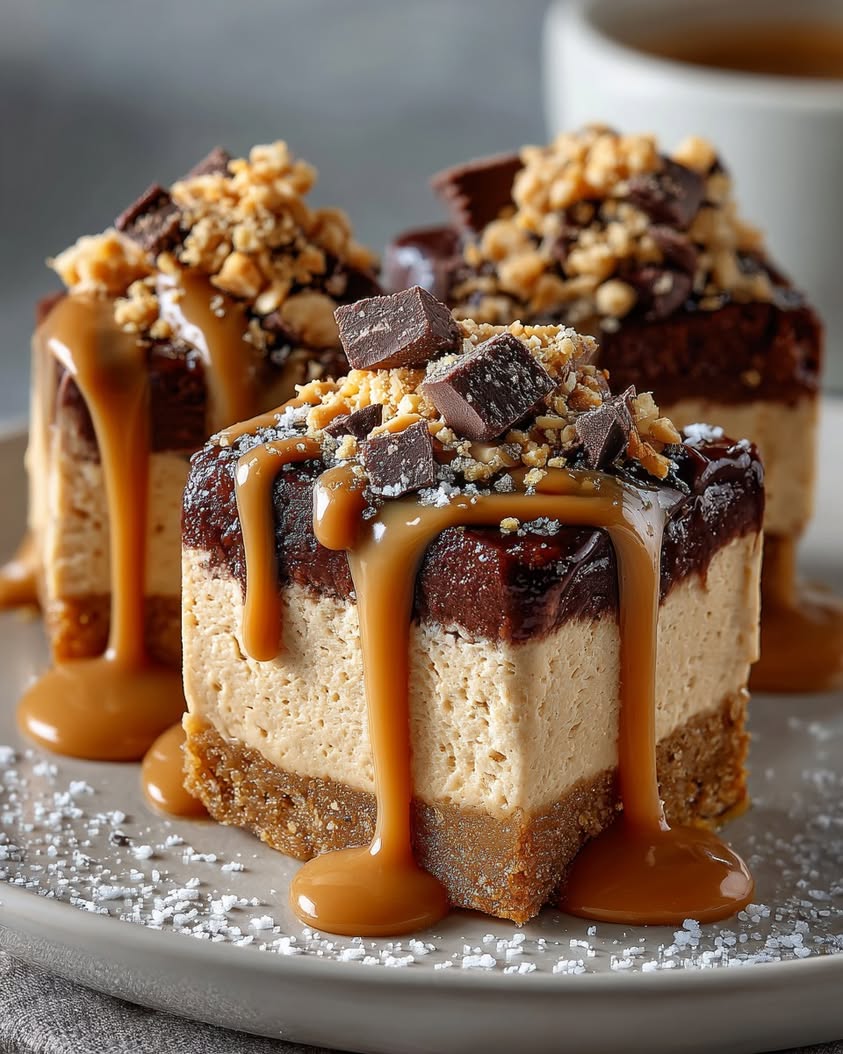
No-Bake High-Protein Cottage Cheese & Peanut Butter Fudge Bites: Your New Favorite Healthy Snack
Are you searching for a snack that satisfies your sweet tooth without derailing your health goals? Look no further than this incredible No-Bake Protein Fudge Bite Recipe. These little bites pack a powerful punch of flavor and nutrition, combining creamy peanut butter with the high-protein secret ingredient: cottage cheese. Ultimately, you get a rich, fudgy treat that feels indulgent but is secretly good for you.
Imagine a snack that requires zero oven time, minimal cleanup, and comes together in about fifteen minutes. This recipe delivers exactly that. The process is wonderfully simple. You just blend, mix, and chill. Consequently, you can have a batch of these protein-packed fudge bites ready before your next craving even hits. They are the perfect solution for busy afternoons, post-workout fuel, or a late-night treat.
The magic of this No-Bake Protein Fudge Bite Recipe lies in its brilliant texture and balanced taste. Each bite offers a dense, chewy consistency reminiscent of classic fudge, but with a delightful protein boost. The peanut butter provides a familiar, comforting nuttiness, while the cottage cheese adds a subtle tang and incredible creaminess without being detectable. Furthermore, a touch of maple syrup or honey brings just the right amount of natural sweetness to tie everything together beautifully.
Quick Recipe Highlights
- Flavor Profile: This No-Bake Protein Fudge Bite Recipe masterfully balances rich, roasted peanut butter notes with a hint of natural sweetness. The cottage cheese adds a very mild tang that perfectly complements the nutty flavor, creating a complex taste that is far from one-dimensional.
- Texture: Expect a dense, fudgy, and satisfyingly chewy bite. The mixture firms up beautifully in the fridge, offering a substantial mouthfeel that is both creamy and firm. It melts slowly on the tongue, providing a truly indulgent experience.
- Aroma: As you mix the ingredients, the warm, comforting scent of peanut butter will fill your kitchen. This simple aroma is a classic signal of a delicious treat in the making, promising a wholesome and flavorful snack.
- Visual Appeal: These bites have a rustic, homemade charm. Their deep beige color from the peanut butter is inviting, and a optional sprinkle of sea salt or crushed peanuts on top adds lovely visual texture and a hint of gourmet flair.
- Skill Level Needed: Absolutely beginner-friendly. This recipe requires no special culinary skills. If you can measure ingredients and use a food processor or blender, you can successfully make these healthy protein bites.
- Special Equipment: A food processor or high-powered blender is essential for creating the ultra-smooth cottage cheese base. Additionally, you will need a small baking dish or container for setting the fudge, and parchment paper for easy removal.
Recipe Overview
- Difficulty Level: We rate this recipe as “Easy” for several compelling reasons. First, there is no cooking or baking involved, eliminating common pitfalls like over-baking. Second, the ingredient list is short and the steps are sequential and simple. Finally, the margin for error is very small, making it a foolproof choice for novice cooks.
- Category: These bites perfectly straddle multiple categories. They are an ideal healthy snack, a brilliant post-workout recovery food due to their protein content, and a clever no-bake dessert. They also fit wonderfully into meal prep routines for grab-and-go convenience throughout the week.
- Cuisine: While not tied to a specific traditional cuisine, this recipe is a modern creation born from contemporary health and wellness trends. It draws inspiration from classic American peanut butter fudge but innovates by incorporating high-protein dairy for a nutritional upgrade, representing a fusion of comfort food and functional eating.
- Cost: This is an incredibly cost-effective recipe. Cottage cheese and peanut butter are pantry staples that offer great value per serving. The sweetener can be maple syrup, honey, or a budget-friendly alternative like agave. Overall, you can make a dozen high-quality snacks for a fraction of the cost of store-bought protein bars or bites.
- Season: These no-bake protein fudge bites are truly a year-round treat. They are refreshing and require no oven during hot summer months. Conversely, in winter, their rich, satisfying nature provides comforting energy. They are especially perfect for holiday seasons when you need a healthier option amidst richer foods.
- Occasion: Their versatility makes them suitable for countless occasions. Pack them for hikes, serve them at book club meetings, offer them as a healthy after-school snack for kids, or keep them in the fridge for personal daily treats. They are also excellent for potlucks where guests appreciate healthier choices.
Why You’ll Love This Recipe
You will adore the taste and texture of this No-Bake Protein Fudge Bite Recipe. Firstly, they deliver the deep, satisfying flavor of peanut butter fudge you crave. Each bite is intensely peanut buttery, rich, and just sweet enough. The texture is the real star, however. It is remarkably similar to traditional fudge—dense, smooth, and chewy—providing that indulgent mouthfeel without any guilt. This perfect combination makes it easy to forget you are eating a protein-packed, healthy snack.
The convenience factor of this recipe is another major win. Since there is no baking involved, you avoid heating up your kitchen and dealing with precise oven temperatures. The entire process from start to finish takes about fifteen minutes of active time. After a quick blend and mix, you simply let the fridge do the rest of the work. Consequently, this is the ultimate last-minute treat or easy weekly meal prep project. Cleanup is equally simple, often requiring just one food processor bowl and a spatula.
Nutritionally, these bites are a powerhouse. The primary protein sources, cottage cheese and peanut butter, provide a complete amino acid profile to support muscle repair and keep you full. Cottage cheese is also rich in calcium and casein protein, which digests slowly. Meanwhile, natural peanut butter offers healthy fats and fiber. This macro balance helps stabilize blood sugar levels, preventing the energy crashes associated with sugary snacks. Therefore, these bites are not just a treat but a functional food that fuels your body.
For social and entertaining value, these protein fudge bites are a fantastic offering. They are a conversation starter when guests learn the secret ingredient is cottage cheese. You can present them on a nice platter for parties, picnics, or office gatherings. They cater to a wide audience, appealing to fitness enthusiasts, health-conscious friends, and anyone who loves peanut butter. Bringing a homemade, healthy option to events is always appreciated and often inspires others to try making them too.
Finally, the cost-effectiveness and accessibility of this recipe are unbeatable. The ingredients are common, affordable, and available at any standard grocery store. You likely have most of them in your pantry and fridge already. Compared to expensive store-bought protein bars or specialty health snacks, making a batch of these at home saves significant money. Additionally, you have complete control over the quality of ingredients, allowing you to choose organic peanut butter, local honey, or your preferred protein powder brand.
Historical Background and Cultural Significance
The origin story of this No-Bake Protein Fudge Bite Recipe is rooted in the modern health and fitness movement. While peanut butter fudge has deep traditions in American home cooking, dating back to the early 20th century with the popularization of peanut butter and sweetened condensed milk, this version represents a contemporary evolution. The innovation of adding cottage cheese for protein emerged from home cooks and nutritionists seeking to “healthify” classic desserts. This practice of modifying traditional recipes for nutritional benefit has become a significant trend in the 21st century’s culinary landscape.
Culturally, this recipe reflects a growing societal focus on wellness and functional eating. It sits at the intersection of several food trends: high-protein snacking, no-bake desserts for convenience, and the “clean eating” movement that emphasizes whole, recognizable ingredients. The recipe honors the cultural comfort of peanut butter fudge, a treat often associated with holidays, family gatherings, and nostalgia, while updating it to align with current nutritional understanding. It is a symbol of how traditional food culture can adapt without losing its soul.
The evolution of the recipe follows the broader availability of kitchen tools like high-powered blenders and food processors. Historically, achieving a perfectly smooth cottage cheese base would have been difficult without modern appliances. This technological advancement allowed the texture to become seamless and fudge-like, making the “secret” ingredient undetectable. Furthermore, the rise of the internet and food blogging accelerated the sharing and refinement of such recipes, with each cook adding their own twist, from different sweeteners to various mix-ins, creating a whole genre of healthy no-bake bites.
Regional variations of this concept are plentiful, showcasing its adaptability. In different areas, cooks might use local nut butters like almond or sunflower seed butter instead of peanut butter. Some might incorporate regional sweeteners like pure maple syrup in the Northeast or dates in Middle Eastern-inspired versions. The protein base can also vary, with some using Greek yogurt, silken tofu, or white beans. This flexibility demonstrates the recipe’s core principle: creating a nutritious, no-bake treat using accessible, wholesome ingredients, a concept that resonates across many culinary traditions.
Ingredient Deep Dive
Cottage Cheese: Cottage cheese is a fresh cheese curd product with a mild flavor and distinctive lumpy texture, although blending transforms it completely. Culturally, it has been a dietary staple in Eastern Europe for centuries and gained popularity in America as a health and diet food in the mid-1900s. Nutritionally, it is a superstar, offering a massive amount of casein protein which digests slowly, promoting satiety and muscle repair. It is also an excellent source of calcium, B vitamins, and selenium. For this recipe, choose a small-curd, 4% milkfat version for the creamiest results, or a low-fat version if you prefer. Ensure it is very cold before blending. Store it in the coldest part of your fridge and use it by the date on the container.
Natural Peanut Butter: Peanut butter, invented as we know it in the late 19th century, is a defining American food. For this No-Bake Protein Fudge Bite Recipe, natural peanut butter (with just peanuts and salt) is crucial. It provides healthy monounsaturated fats, plant-based protein, fiber, and essential vitamins like Vitamin E and B6. The oil separation in natural peanut butter is normal; just stir it well before using. Avoid commercial brands with added sugars and hydrogenated oils, as they can alter the texture and nutritional profile. For substitutions, any natural nut or seed butter like almond, cashew, or sunflower butter works beautifully, each imparting a unique flavor.
Pure Maple Syrup or Honey: These natural liquid sweeteners do more than just add sweetness. Maple syrup, a North American tradition from Indigenous practices, contains antioxidants and minerals like manganese and zinc. Honey, one of the world’s oldest sweeteners, has antimicrobial properties and trace enzymes. In this recipe, they act as both a sweetener and a binding agent, helping the mixture set with the proper fudgy texture. The choice between them is purely based on flavor preference: maple offers a woody, caramel note, while honey provides floral sweetness. For a vegan version, use maple syrup. Agave nectar is another suitable liquid sweetener alternative.
Vanilla Extract & Salt: These are the flavor enhancers that elevate the recipe from good to great. Pure vanilla extract, derived from vanilla orchids, adds a warm, aromatic depth that complements the nutty peanut butter perfectly. A pinch of salt, whether fine sea salt in the mix or flaky Maldon salt on top, is non-negotiable. It intensifies all the other flavors, balances the sweetness, and cuts through the richness, making the peanut butter taste even more pronounced. Always use pure vanilla extract rather than imitation for the best flavor. The salt can be adjusted to taste, but do not omit it.
Common Mistakes to Avoid
- Using the Wrong Cottage Cheese Texture: Avoid using large-curd cottage cheese without blending it first. The curds will not break down sufficiently, leaving a grainy texture in your fudge bites. Always start by processing the cottage cheese alone until it is completely smooth and creamy, resembling a thick yogurt or sour cream. This step is the foundation for the perfect fudge-like mouthfeel.
- Not Stirring Natural Peanut Butter: Forgetting to thoroughly stir natural peanut butter before measuring is a common error. The oil separates and sits on top, so if you scoop from the top, you get too much oil, and from the bottom, you get dry paste. This imbalance can make your mixture too greasy or too stiff. Always stir the entire jar until homogenous before using any in your recipe.
- Overlooking the Sweetener’s Role: Do not drastically reduce the amount of liquid sweetener. While you can adjust it slightly to taste, the maple syrup or honey is not just for sweetness; it is a key binder that helps the mixture firm up in the fridge. Using too little can result in crumbly bites that do not hold their shape well.
- Skipping the Chilling Time: Impatience is the enemy here. Trying to slice or roll the mixture before it is fully set will lead to a sticky mess. The mixture needs adequate time in the refrigerator, at least 2-3 hours, for the fats to solidify and the structure to set. For best results, let it chill overnight for perfectly firm, sliceable fudge.
- Using a Weak Blender: Attempting this recipe with a low-powered blender or mini food processor can be frustrating. The cottage cheese needs to be pulverized into total smoothness. A weak appliance may leave tiny curds behind, affecting the final texture. If your blender struggles, blend the cottage cheese for a full 1-2 minutes, scraping down the sides frequently.
- Forgetting to Line the Pan: Pressing the mixture directly into an unlined dish is a recipe for frustration. Without parchment paper, you will struggle to remove the set fudge block cleanly. Always line your pan or container with parchment paper, leaving some overhang on two sides. This creates a “sling” that allows you to lift the entire block out effortlessly for easy cutting.
- Not Tasting the Mixture: Before you press the mixture into the pan, taste it. This is your only chance to adjust the seasoning. You might want a touch more salt to enhance the peanut flavor or a bit more sweetener. Remember, flavors mute slightly once chilled, so the mixture should taste a little stronger than you want the final product to be.
- Storing at Room Temperature: These bites are dairy-based and must be stored in the refrigerator. Leaving them on the counter for extended periods will cause them to soften too much and can pose a food safety risk. Always keep them in a sealed container in the fridge, where they will maintain their perfect texture for up to a week.
Essential Techniques
Blending Cottage Cheese to Smooth Perfection: This is the single most important technique for this No-Bake Protein Fudge Bite Recipe. The goal is to eliminate every trace of curd, creating a silky, homogeneous base. Why is it important? Any remaining graininess will be detectable in the final fudge, ruining the luxurious texture. To master it, use a powerful food processor or blender. Process the cold cottage cheese alone for 60-90 seconds, stopping to scrape down the sides several times. The visual cue for success is a consistency that looks like very thick, spreadable cream cheese or Greek yogurt, with absolutely no lumps. A common pitfall is not blending long enough due to impatience.
Properly Folding and Combining Ingredients: After achieving a smooth cottage cheese base, you must incorporate the other ingredients evenly without overworking the mixture. Why is it important? Over-processing after adding the peanut butter can sometimes cause the oils to separate slightly, affecting the set. The technique is to add the peanut butter, sweetener, vanilla, and salt to the processor and pulse just until combined, maybe 5-7 pulses. Alternatively, you can transfer the smooth cottage cheese to a bowl and stir in the other ingredients by hand with a spatula until no streaks remain. The visual cue is a uniform, thick, slightly sticky batter with a consistent color. The pitfall to avoid is running the processor for minutes on end once everything is combined.
Pro Tips for Perfect No-Bake Protein Fudge Bites
First, ensure all your ingredients are cold, especially the cottage cheese. This helps the mixture begin to firm up faster and makes the blending process smoother. Second, for ultra-smooth blending, scrape down the sides of your food processor bowl at least twice during the initial cottage cheese pureeing stage. Third, if your mixture seems too soft after combining, you can add a tablespoon of almond flour or protein powder to help absorb excess moisture and firm it up. Fourth, press the mixture firmly and evenly into your lined pan. Use the bottom of a flat glass or measuring cup to create a perfectly smooth, compact top layer, which makes for neater slices.
Fifth, for clean cuts, use a sharp knife that you run under hot water and wipe dry before each slice. This prevents the sticky fudge from clinging to the blade. Sixth, customize your bites with mix-ins after the base is combined. Consider folding in a handful of mini dark chocolate chips, chopped peanuts, or even a sprinkle of cinnamon. Seventh, for a professional finish, after slicing, sprinkle a tiny amount of flaky sea salt on top of each bite. It enhances flavor and looks beautiful. Eighth, store the bites layered between parchment paper in an airtight container to prevent them from sticking together.
Variations and Adaptations
For delightful flavor variations, the possibilities are endless. Incorporate two tablespoons of unsweetened cocoa powder or melted dark chocolate for a chocolate peanut butter cup effect. Add a quarter teaspoon of cinnamon or pumpkin pie spice for a warm, autumnal twist. For a “cookie dough” version, mix in a handful of sugar-free chocolate chips after blending. You can also replace half of the peanut butter with another nut butter like almond or cashew for a different flavor profile. A tablespoon of instant coffee granules will create a mocha-inspired bite that is perfect with an afternoon cup of coffee.
Dietary modifications are straightforward for this adaptable No-Bake Protein Fudge Bite Recipe. For a vegan version, use a plant-based cottage cheese alternative (like blended soft tofu or a store-bought vegan “cottage” style cheese) and maple syrup as the sweetener. To make it gluten-free, simply ensure your add-ins like protein powder are certified gluten-free; the base recipe naturally contains no gluten. For a lower-sugar option, replace the maple syrup with a sugar-free syrup that measures like sugar, such as monk fruit syrup. To boost the protein content even further, blend in a scoop of your favorite vanilla or unflavored protein powder, adding a splash of milk if the mixture becomes too thick.
Texture modifications can tailor the bites to your preference. For a crunchier texture, fold in chopped roasted peanuts, crushed rice cakes, or cacao nibs after blending. For a smoother, even denser fudge, add a tablespoon of coconut flour to the mixture; it will absorb moisture and create a firmer set. If you prefer a softer, truffle-like consistency, simply reduce the chilling time to about one hour and roll the mixture into balls instead of slicing a block. For a layered presentation, press half the plain mixture into a pan, drizzle with melted chocolate, then top with the remaining mixture and chill.
Serving and Presentation Guide
Plating techniques can elevate these simple bites into an elegant offering. Arrange them on a simple white or slate platter for contrast. Alternatively, place each bite in a mini paper cupcake liner for easy handling and a festive look. For a more rustic presentation, serve them stacked casually on a small wooden board. If you have rolled them into balls, you can dust them lightly with cocoa powder or crushed freeze-dried berry powder for a pop of color and flavor. Always use a clean, dry utensil to transfer the bites to the serving dish to avoid smudging.
Garnishing ideas are simple but effective. A light drizzle of melted dark chocolate or a thin peanut butter glaze adds visual appeal and extra flavor. A single flake of sea salt or a tiny piece of crushed peanut placed on top of each bite before chilling acts as a beautiful marker. For a holiday touch, sprinkle with festive sprinkles or edible glitter after pressing into the pan. Fresh mint leaves can provide a surprising and colorful garnish when serving on a platter. Remember, garnishes should be applied just before serving if they are prone to melting or wilting.
Traditional accompaniments for rich, fudgy treats like these often include a glass of cold milk or a hot cup of coffee. For a more complete snack plate, serve them alongside fresh fruit like apple slices, banana chips, or berries. The tartness of the fruit cuts through the richness beautifully. Modern serving suggestions might include crumbling a bite over a bowl of Greek yogurt or oatmeal for a protein-packed breakfast. They also pair wonderfully with a small shot of espresso as an afternoon pick-me-up. For parties, consider creating a “fudge bite bar” with small bowls of various toppings like melted chocolate for dipping, crushed nuts, or shredded coconut.
Wine and Beverage Pairing
Wine pairings for these rich, peanut buttery bites should focus on sweetness and body to complement the flavor. A late-harvest Riesling with its honeyed apricot notes and bright acidity beautifully cuts through the density and cleanses the palate. Alternatively, a creamy Oloroso Sherry offers nutty flavors that mirror the peanut butter, creating a harmonious match. For red wine lovers, a fruit-forward, low-tannin wine like a Lambrusco or a Brachetto d’Acqui provides effervescence and berry sweetness that contrasts nicely with the salty-sweet fudge. The key is to choose a wine that is at least as sweet as the dessert to avoid a bitter taste.
Non-alcoholic alternatives provide wonderful pairing opportunities. A glass of cold, creamy oat milk or almond milk is a classic and comforting choice. For a more sophisticated option, try a chilled chai tea latte; the spices in the chai complement the warm notes of the vanilla and peanut butter. Sparkling water with a twist of orange or lime peel can refresh the palate between bites. A smoothie made with banana, cocoa, and peanut butter itself would create a thematic and delicious duo. Iced coffee, especially with a hint of vanilla, is another excellent companion, as the bitterness of the coffee balances the sweetness of the fudge.
Coffee and tea pairings are particularly suited for this No-Bake Protein Fudge Bite Recipe. A medium-roast coffee with chocolate or nutty undertones will enhance similar flavors in the bite. For tea, a strong black breakfast tea like English Breakfast or Assam stands up well to the rich fudge. Herbal teas offer creative matches; rooibos tea with its natural sweetness and slight nuttiness is a perfect fit. Serving temperature is crucial: serve hot beverages hot and iced beverages well-chilled to provide a pleasing temperature contrast to the cool, firm fudge bite. Always offer beverages in clean cups to appreciate the full aroma and flavor.
Storage and Shelf Life
Storage methods are simple but important for maintaining quality. Always store the bites in a single layer in an airtight container. If you need to stack them, place a sheet of parchment paper between layers to prevent sticking. The ideal container is a glass or hard plastic food storage box with a tight-sealing lid. Avoid using soft plastic bags where the bites can get squashed. For maximum freshness, press a piece of parchment paper directly onto the surface of the fudge block before sealing the container if you have not yet sliced it. This prevents condensation from forming on the surface.
Temperature requirements are non-negotiable. These bites must be stored in the refrigerator at all times. The dairy content makes them perishable. They will hold their perfect fudgy texture best at a consistent refrigerator temperature of 40°F (4°C) or below. Do not leave the container out on the counter for more than 30-60 minutes while serving. Signs of spoilage include an off or sour smell, significant softening or weeping of liquid, or the development of any mold. When in doubt, throw it out. Properly stored, they will maintain optimal taste and texture for 5-7 days.
Freezing guidelines allow you to make larger batches for long-term storage. To freeze, place the fully set and sliced bites on a parchment-lined baking sheet and flash-freeze for 1-2 hours until solid. Then, transfer the frozen bites to a heavy-duty freezer bag or airtight freezer container, removing as much air as possible. They can be frozen for up to 2-3 months. To thaw, transfer the desired number of bites to the refrigerator for several hours or overnight. Avoid thawing at room temperature, as this can make them too soft and affect texture. Once thawed, do not refreeze.
Make Ahead Strategies
Prep timeline for this recipe is incredibly flexible, making it ideal for advance preparation. You can prepare the entire mixture and press it into the pan up to 3 days before you need to serve it. Simply cover the pan tightly with plastic wrap or the parchment overhang and store it in the refrigerator. Slice it into bites on the day you plan to serve them for the freshest appearance. For parties or weekly meal prep, this is a huge time-saver. The flavor actually improves slightly after 24 hours, as the ingredients have more time to meld together.
Storage between steps is minimal, as the recipe is essentially one continuous process. However, if you need to pause, the only safe stopping point is after you have blended the cottage cheese smooth. You can store this smooth cottage cheese puree in a sealed container in the fridge for up to a day before proceeding with the rest of the recipe. Do not pause after adding the peanut butter and sweetener but before chilling, as the mixture is perishable and should be refrigerated promptly. The quality impact of making ahead is negligible; the bites taste just as good, if not better, after a day in the fridge.
Assembly tips for make-ahead success focus on final presentation. If making for an event, prepare and slice the bites as directed. On the day of serving, you can “refresh” them by arranging them on your serving platter and giving them a quick, light drizzle of melted peanut butter or chocolate. You could also roll the edges in crushed peanuts just before serving for added texture. For meal prep, portion the sliced bites directly into small reusable containers for grab-and-go snacks. Adding any fresh element, like a berry garnish, should always be done right before eating to prevent sogginess.
Scaling Instructions
Halving the recipe is straightforward if you want a smaller batch. Simply divide all ingredient quantities by two. Use a smaller container for setting, like a loaf pan or even a small Tupperware. The prep time remains roughly the same, but the chilling time may be slightly reduced because the thinner block will set faster. Check for firmness after about 90 minutes. Storage considerations are the same, though a smaller batch will likely be consumed more quickly. This is perfect for testing the recipe or for single-person households.
Doubling or tripling the recipe is excellent for parties, gifts, or large-family meal prep. Multiply all ingredients consistently. The main equipment adjustment needed is a larger food processor bowl, or you may need to blend the cottage cheese in batches. For a triple batch, you might blend one and a half cups of cottage cheese at a time. You will also need a larger pan for setting, such as a 9×13 inch dish. The active prep time increases slightly due to more measuring and potentially batch blending, but the chilling time will increase significantly. A much thicker block may need 4-6 hours, or preferably overnight, to set completely through the center.
Nutritional Deep Dive
Macro breakdown for one bite (assuming 12 servings) is impressive. You can expect approximately 8-10 grams of high-quality protein, primarily from the cottage cheese and peanut butter. This protein comes from both fast-digesting whey and slow-digesting casein, providing sustained amino acid release. Healthy fats from the peanut butter contribute 6-8 grams, mostly monounsaturated fats which support heart health. Net carbohydrates are relatively low, around 5-7 grams per bite, coming mainly from the natural sugars in the maple syrup and the dairy. This balance makes the bites exceptionally satiating and blood-sugar friendly.
Micronutrient analysis reveals additional benefits. Cottage cheese is a significant source of calcium, crucial for bone health, and phosphorus. It also provides B vitamins, particularly B12, which supports energy metabolism. Peanut butter contributes Vitamin E, a powerful antioxidant, and minerals like magnesium and potassium. The trace minerals in pure maple syrup, such as manganese and zinc, add to the nutritional profile. While these are treats, they deliver a meaningful dose of essential nutrients not found in empty-calorie snacks, making them a nutrient-dense choice for satisfying a sweet craving.
Health benefits extend beyond basic nutrition. The high protein and fat content promotes significant satiety, helping to control overall calorie intake and reduce mindless snacking. The slow-digesting casein protein can aid in overnight muscle recovery if eaten as an evening snack. The absence of refined sugars and processed oils supports stable energy levels and may reduce inflammation. For those managing weight, these bites provide portion-controlled indulgence that fits into a balanced diet. They are also a great way to incorporate more protein into vegetarian or flexitarian eating patterns.
Dietary Adaptations
For a gluten-free adaptation, this No-Bake Protein Fudge Bite Recipe is naturally gluten-free as written. The only potential source of gluten would be in add-ins like certain protein powders or cookie mix-ins. Simply ensure any added ingredients are certified gluten-free. Use a clean workspace and utensils to avoid cross-contamination if that is a concern. The base of cottage cheese, peanut butter, and maple syrup contains no gluten grains, making it a safe and delicious option for those with celiac disease or gluten sensitivity.
Creating a dairy-free and vegan version requires thoughtful substitutions. Replace the cottage cheese with an equal amount of extra-firm silken tofu (blended until completely smooth) or a store-bought vegan cream cheese alternative. For the protein, the tofu provides a good amount, or you can add a plant-based protein powder. Use a vegan nut butter and ensure your sweetener is maple syrup, not honey. The texture will be slightly different but still deliciously fudgy. Chill thoroughly, as the setting power may vary slightly with different bases. This adaptation makes the recipe accessible to those following plant-based diets.
For a keto or low-carb adaptation, significant modifications are needed. Replace the cottage cheese with full-fat cream cheese, which is lower in carbs. Use a natural, no-sugar-added peanut butter. The major change is swapping the maple syrup for a keto-friendly liquid sweetener like monk fruit syrup or erythritol-based syrup, using an amount that matches the sweetness level you desire. You may also need to add a tablespoon of coconut flour or almond flour to absorb excess moisture from the cream cheese. The net carbs per bite can be reduced to 2-3 grams with these changes, fitting into a strict ketogenic macro plan.
Troubleshooting Guide
If your mixture is too soft or won’t set, the issue is often insufficient chilling time, too much liquid sweetener, or a low-fat cottage cheese that released more whey. First, ensure you chill it for a minimum of 3 hours, preferably overnight. If it’s still soft, you can try pressing the mixture into a shallower pan to expose more surface area to the cold, or even freeze it for 30 minutes to firm up quickly. For future batches, consider reducing the sweetener by a tablespoon or using a 4% milkfat cottage cheese for a firmer set due to its higher fat content.
If the bites are too crumbly and dry, the opposite problem has occurred. This usually means not enough binding agent (sweetener) or over-measuring dry ingredients like protein powder if added. To salvage a crumbly batch, you can press the mixture back into the food processor, add an extra tablespoon of peanut butter or maple syrup, and pulse to combine. Then re-press and chill. To prevent this, ensure you are using liquid sweetener and measuring your peanut butter after stirring it well. The mixture should be quite sticky and hold together when pressed before chilling.
If the flavor is bland or not peanut-buttery enough, you likely need more salt or a higher quality peanut butter. Salt is essential for making the peanut flavor “pop.” Try adding an extra pinch of fine sea salt to the mixture. Also, ensure you are using a natural peanut butter with roasted peanuts as the first ingredient; some brands are blander than others. A splash of extra vanilla extract can also enhance the overall flavor profile. Remember to taste the mixture before chilling and adjust the seasoning then, as flavors mute when cold.
Recipe Success Stories
Community feedback on this No-Bake Protein Fudge Bite Recipe has been overwhelmingly positive. Many readers report that these bites have become a staple in their weekly meal prep, helping them avoid unhealthy vending machine snacks at work. One common success story involves parents who have successfully “hidden” the cottage cheese from picky kids, who devour the bites thinking they are just peanut butter treats. Fitness enthusiasts love them as a post-workout recovery option that feels like a dessert, not a chore. The simplicity of the recipe is consistently praised, with many noting it was the first “healthy” treat they felt confident making.
Variation successes shared by readers are inspiring. One person created a “birthday{“success”:true,”message”:”Recipe created successfully”,”post_id”:9156,”tasty_recipe_id”:9156,”shortcode”:”“}

I’m Billy, a classically trained culinary school graduate from The Culinary Institute of America with over 12 years in the restaurant industry and over 19 years of cooking experience.