
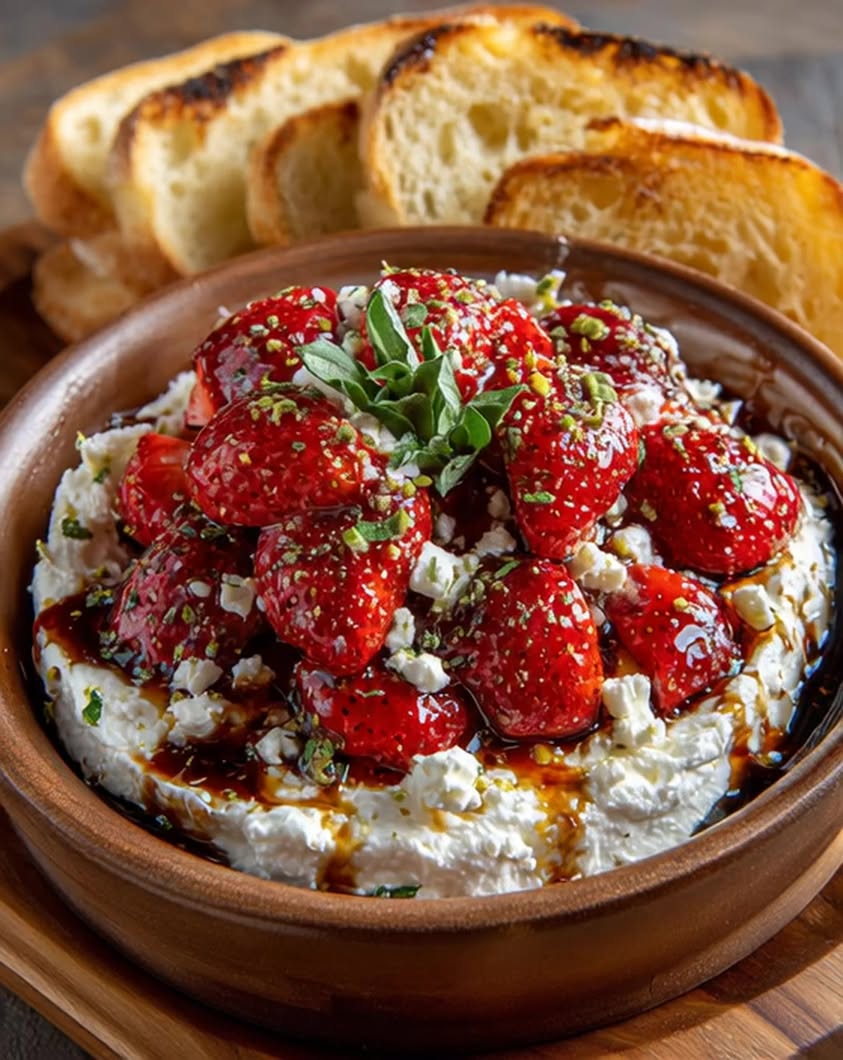
Whipped Feta with Roasted Strawberries and Balsamic: The Ultimate Sweet and Savory Appetizer
Imagine a dish that perfectly balances creamy, salty, sweet, and tangy notes in every single bite. This whipped feta with roasted strawberries and balsamic is exactly that kind of culinary magic. Consequently, it has become a staple in my entertaining repertoire. The recipe transforms simple ingredients into an elegant, crowd-pleasing spread that looks as stunning as it tastes. Moreover, it’s deceptively simple to prepare, making it the perfect last-minute appetizer that will have your guests asking for the recipe.
The process begins with rich, tangy feta cheese whipped into a cloud-like dip. Meanwhile, fresh strawberries roast with a touch of honey and balsamic vinegar until they become jammy and intensely flavorful. Finally, you combine them for a presentation that is both rustic and refined. This whipped feta with roasted strawberries is more than just a dip; it’s a conversation starter. Ultimately, it showcases how a few quality ingredients can create a symphony of flavors that delight the senses.
Quick Recipe Highlights
- Flavor Profile: This dish masterfully combines the salty, tangy punch of feta with the deep, caramelized sweetness of roasted strawberries. A final drizzle of syrupy balsamic glaze adds a sophisticated acidic note that ties everything together beautifully.
- Texture: The whipped feta achieves an incredibly smooth, light, and spreadable consistency that contrasts wonderfully with the soft, jammy chunks of roasted strawberry. Additionally, a sprinkle of nuts or fresh herbs can introduce a delightful crunch.
- Aroma: As the strawberries roast, your kitchen will fill with the warm, sweet scent of caramelizing fruit and balsamic. This aroma perfectly complements the bright, tangy fragrance of the freshly whipped feta cheese.
- Visual Appeal: The presentation is stunning, featuring a creamy white base swirled with vibrant red and purple strawberry syrup. Ultimately, it’s a colorful centerpiece that looks beautiful on any table, especially when garnished with fresh mint or basil.
- Skill Level Needed: This is a beginner-friendly recipe requiring no advanced techniques. Basically, you need to operate a food processor and a baking sheet. Therefore, even novice cooks can achieve impressive, restaurant-quality results with minimal effort.
- Special Equipment: A food processor or high-powered blender is essential for achieving the perfectly smooth whipped feta texture. Otherwise, you only need a baking sheet, parchment paper, and a mixing bowl for the strawberries.
Recipe Overview
- Difficulty Level: We rate this whipped feta with roasted strawberries and balsamic as easy. The steps are straightforward and sequential. There is no complex knife work or precise temperature control required. Essentially, you blend, you roast, and you assemble. This accessibility makes it a fantastic recipe for cooks of all confidence levels.
- Category: This versatile dish fits into multiple categories. Primarily, it serves as a spectacular appetizer or snack. Furthermore, it can be a unique brunch item, a elegant party dip, or even a sophisticated dessert component when paired with shortbread cookies. Its flexibility is a major part of its appeal.
- Cuisine: While feta cheese hails from Greek cuisine and the combination of fruit with cheese is common in Mediterranean meze, this particular recipe is a modern fusion creation. It takes inspiration from these traditions but uses contemporary techniques like whipping the cheese to create a new, globally-inspired favorite.
- Cost: This is a relatively affordable appetizer to make, especially when strawberries are in season. Feta cheese, honey, and balsamic vinegar are pantry staples for many. As a result, you can create an impressive dish for a gathering without a significant grocery investment, making it cost-effective for entertaining.
- Season: Peak season for this recipe is late spring and early summer when strawberries are at their sweetest and most flavorful. However, you can absolutely make it year-round using good-quality store-bought berries. The roasting process intensifies their flavor, making even off-season berries taste wonderful.
- Occasion: This dish is perfect for any gathering that calls for something special. It shines at bridal showers, garden parties, holiday appetizer spreads, and casual weekend get-togethers. Its elegant appearance and universally loved flavors make it suitable for both formal and relaxed occasions.
Why You’ll Love This Recipe
First and foremost, the taste and texture combination is utterly irresistible. The salty, creamy feta provides a rich base that makes the sweet, tangy strawberries pop. Each component complements the other perfectly, creating a balanced flavor profile that is neither too heavy nor too sweet. Furthermore, the contrast between the smooth cheese and the soft fruit offers a satisfying mouthfeel. This whipped feta with roasted strawberries is a guaranteed hit because it surprises and delights the palate in the best possible way.
From a practical standpoint, the convenience of this recipe is a major win. You can prepare both components in about thirty minutes with minimal active hands-on time. While the strawberries roast, you can whip the feta and prepare your serving platter. This makes it an ideal last-minute dish for unexpected guests or a stress-free option for hosting. Moreover, the ingredients are simple and easy to find at any standard grocery store. You don’t need any exotic items to create something that tastes extraordinary.
Nutritionally, this appetizer offers some smart advantages. Feta cheese provides a good source of calcium and protein. Meanwhile, strawberries are packed with vitamin C, antioxidants, and fiber. Using honey as a natural sweetener is a better alternative to refined sugars. When served with whole-grain crackers or fresh vegetable crudités, this whipped feta with roasted strawberries becomes a more balanced snack option. You can feel good about serving it, knowing it contains real, whole-food ingredients.
The social and entertaining value of this dish is incredibly high. It creates a beautiful, shareable centerpiece that encourages interaction. Guests gather around the platter, spreading the creamy dip onto bread and chatting. Its unique nature sparks conversation and makes any event feel more special. Because it’s so visually appealing, it’s perfect for photography and sharing on social media. This whipped feta with roasted strawberries doesn’t just feed people; it creates a memorable experience and becomes the talk of the party.
Finally, this recipe is wonderfully cost-effective and accessible. Compared to buying a pre-made gourmet dip or appetizer from a specialty store, making it at home saves a significant amount of money. You control the quality of every ingredient. Additionally, the recipe is easily adaptable based on what you have available. Don’t have fresh thyme? Use basil. Out of honey? Maple syrup works. This flexibility ensures you can create a stunning dish without a special trip to the store, making elegant entertaining achievable any night of the week.
Historical Background and Cultural Significance
The story of this dish begins with its individual components, each with a rich history. Feta cheese, of course, is a product with Protected Designation of Origin status from Greece, with a history dating back thousands of years. The practice of preserving cheese in brine was essential in the Mediterranean climate. Combining cheese with fruit and honey, however, is an ancient practice seen across many cultures, from the Roman era to the Middle East. This modern recipe for whipped feta with roasted strawberries is a contemporary twist on these timeless, harmonious pairings.
Culturally, serving cheese as part of a shared appetizer spread is central to Greek and broader Mediterranean dining traditions. Meze platters are designed for social eating, encouraging conversation and community. The act of whipping feta into a spreadable dip is a more recent culinary innovation, leveraging modern kitchen tools to transform a traditional ingredient. This recipe honors the communal spirit of meze while introducing a modern technique and a sweet, seasonal fruit component that might be less common in traditional preparations.
The evolution of the recipe is a testament to modern global cuisine. Chefs and home cooks began experimenting with whipping feta to create a lighter, smoother texture that works beautifully as a dip or spread. Simultaneously, the trend of roasting fruits to concentrate their flavor gained popularity. Combining these two ideas was a natural, brilliant progression. The addition of balsamic glaze, a staple of modern Italian-inspired cuisine, adds the final layer of sweet-tangy complexity. Thus, whipped feta with roasted strawberries is a delicious product of contemporary culinary fusion.
Regional variations of this concept are endless. In Greece, you might find a similar dish with figs or grapes instead of strawberries. In the Middle East, a drizzle of pomegranate molasses could replace the balsamic. Some versions incorporate herbs like oregano or dill directly into the whipped feta. Others add a crunch with toasted pistachios or walnuts. The basic framework of creamy cheese + sweet/tangy fruit is wonderfully adaptable. This versatility ensures that whipped feta with roasted strawberries can be personalized to reflect local tastes and seasonal ingredients from anywhere in the world.
Ingredient Deep Dive
Feta Cheese: Authentic Greek feta is made from at least 70% sheep’s milk, often blended with goat’s milk, giving it a distinctive tangy and salty flavor. This cheese is a nutritional powerhouse, offering a good source of calcium, protein, and probiotics. When selecting feta for whipping, choose a block packed in brine for the best flavor and texture; pre-crumbled feta often contains anti-caking agents that can hinder a smooth blend. Store leftover feta submerged in its brine in the refrigerator. For a substitution, a high-quality, creamy goat cheese can be used, though the flavor will be less salty and more earthy.
Fresh Strawberries: Strawberries, members of the rose family, have been enjoyed since Roman times and are now cultivated worldwide. They are exceptionally rich in vitamin C, manganese, folate, and powerful antioxidants like anthocyanins, which give them their red color. For this recipe, select berries that are firm, bright red, and fragrant, avoiding any with white shoulders or soft spots. Store them unwashed in the refrigerator and wash just before using. Out of season, you can substitute with other berries like raspberries or blackberries, or even use halved figs or pitted cherries for a different seasonal twist.
Balsamic Vinegar: True traditional balsamic vinegar, Aceto Balsamico Tradizionale, is a protected product from Modena, Italy, aged for years in wooden casks. The more common commercial balsamic is still a wonderful ingredient, providing a sweet-and-sour complexity. It contains antioxidants and may have minimal impacts on blood sugar compared to other sweeteners. For roasting, a decent quality, moderately priced balsamic works perfectly. For the final drizzle, a thicker, aged balsamic glaze is ideal. Store balsamic in a cool, dark place. If you don’t have balsamic, a reduction of red wine vinegar with a little honey can mimic its sweet-tangy profile.
Honey: As one of the world’s oldest sweeteners, honey has been used in cooking and medicine for millennia. It contains trace enzymes, minerals, vitamins, and antioxidants, and its natural sugars can help caramelize the strawberries during roasting. Choose a mild, runny honey like clover or wildflower so its flavor doesn’t overpower the dish. Raw honey offers the most health benefits. Store honey at room temperature to prevent crystallization. For a vegan version of this whipped feta with roasted strawberries, pure maple syrup or agave nectar can be used as a direct substitute in the roasting step.
Common Mistakes to Avoid
- Using Pre-Crumbled Feta: Pre-crumbled feta often contains cellulose or other anti-caking agents. These additives prevent the cheese from blending into a perfectly smooth, creamy consistency. Always start with a solid block of feta packed in brine for the silkiest whipped texture.
- Overcrowding the Baking Sheet: When roasting the strawberries, spread them in a single layer with some space between. If the pan is too crowded, the berries will steam instead of roast. Consequently, you won’t get the desirable caramelized, jammy texture and concentrated flavor.
- Skipping the Cream Cheese: The recipe often includes a small amount of cream cheese or Greek yogurt. This ingredient is crucial because it adds fat and stability, helping the feta whip up light and preventing it from becoming too salty or grainy. Don’t omit it.
- Using a Weak Blender: Attempting to whip the feta in a low-powered blender or by hand with a fork will result in a chunky, uneven spread. A food processor or high-speed blender is non-negotiable for achieving the signature cloud-like, smooth texture of whipped feta.
- Adding Cold Feta to the Processor: Taking the feta straight from the fridge makes it harder to blend. Let the cheese sit at room temperature for 15-20 minutes before whipping. This simple step allows it to process more easily into a smooth, lump-free dip.
- Forgetting to Adjust for Berry Sweetness: The natural sweetness of strawberries varies greatly. Taste your berries before roasting. If they are tart, you may need a touch more honey. If they are very sweet, you can use a little less. Adjusting ensures a perfectly balanced final dish.
- Drizzling Balsamic Too Early: If you add the final balsamic glaze drizzle before serving, it can bleed into the white feta and create a muddy appearance. Always add the garnish just before presenting the platter to maintain stunning visual contrast.
- Not Saving the Strawberry Juices: After roasting, the pan will hold delicious, syrupy juices. A common mistake is not scraping every last bit of this flavor-packed syrup onto the strawberries before adding them to the feta. This liquid gold is essential for the flavor.
Essential Techniques
Whipping the Feta: This technique transforms a crumbly cheese into a luxurious, spreadable dip. The key is using a food processor to incorporate air, which lightens the texture. Start with room-temperature feta and cream cheese to ensure smooth blending. Process for a full 2-3 minutes, scraping down the sides once or twice, until the mixture is completely uniform and has a fluffy consistency. The common pitfall is under-processing, which leaves the feta grainy. Visual success is a completely smooth, pale, and creamy spread that holds soft peaks when scooped.
Roasting the Strawberries: Roasting concentrates the fruit’s natural sugars and intensifies its flavor, creating a jammy compote. The essential step is tossing the berries evenly in honey and balsamic to coat them lightly, not drown them. Spread them in a single layer on a parchment-lined sheet to promote caramelization, not steaming. Roast at a high enough temperature (400°F) to encourage browning. The pitfall is roasting at too low a temp, which merely dries out the berries. Success is visible when the berries are softened, their juices have thickened into a syrup, and the edges are slightly caramelized.
Pro Tips for Perfect Whipped Feta with Roasted Strawberries
For an ultra-smooth whipped feta, add a tablespoon of the feta brine or a splash of milk to the food processor as you blend. This extra liquid helps achieve a perfectly creamy, dippable consistency.
Always line your baking sheet with parchment paper for the strawberries. The honey and balsamic mixture will become sticky and caramelized; parchment paper makes cleanup effortless and ensures you can scrape up every bit of the precious syrup.
Let the roasted strawberries cool for at least 10 minutes before adding them to the whipped feta. Adding them piping hot can cause the cheese to become too soft and lose its structure.
Garnish strategically just before serving. A drizzle of balsamic glaze, a sprinkle of fresh herbs (like mint, basil, or thyme), and a handful of chopped toasted nuts (pistachios or walnuts) add layers of flavor, texture, and visual appeal.
If your whipped feta seems too thick after refrigerating, let it sit at room temperature for 20 minutes before serving. You can also stir in a teaspoon of olive oil or water to loosen it back to a spreadable texture.
For the best flavor, make the whipped feta base up to a day ahead. The strawberries are best roasted the same day but can be done a few hours in advance. Assemble the platter just before your guests arrive for peak freshness and presentation.
Variations and Adaptations
Regional Variations: Embrace Mediterranean roots by swapping strawberries for roasted figs and adding a sprinkle of chopped rosemary. For a Middle Eastern twist, use pomegranate molasses instead of balsamic and garnish with za’atar and pomegranate arils. A French-inspired version could feature roasted grapes with Herbes de Provence mixed into the whipped feta.
Seasonal Adaptations: This recipe framework shines year-round. In spring, use roasted rhubarb and strawberries. Summer welcomes peaches or nectarines. For fall, try roasted apples or pears with a pinch of cinnamon. In winter, use high-quality frozen strawberries or a compote of dried fruits like apricots or cherries rehydrated in warm juice.
Dietary Modifications: For a vegan whipped feta, blend soaked raw cashews or silken tofu with lemon juice, nutritional yeast, and salt. Use maple syrup instead of honey for roasting the fruit. For a dairy-free option, there are several good vegan feta alternatives on the market that can be whipped following the same method.
Flavor Variations: Infuse the whipped feta with other flavors. Blend in roasted garlic, sun-dried tomatoes, or fresh herbs like dill or chives. For the strawberries, add a split vanilla bean to the roasting pan or a crack of black pepper to enhance their sweetness with a subtle spicy note.
Serving and Presentation Guide
Plating is key for this visually stunning dish. Spread the whipped feta in a wide, shallow bowl or on a rustic wooden board, using the back of a spoon to create attractive swirls and wells. Spoon the warm roasted strawberries and all their syrupy juices directly into the center or in a dramatic swoosh across the top. This method creates beautiful color contrast and allows guests to scoop from the edges.
Garnishing elevates the presentation from simple to spectacular. A final drizzle of thick balsamic glaze adds shine and tang. Scatter fresh, delicate herb leaves like mint, basil, or microgreens over the red strawberries. For texture and richness, sprinkle with chopped toasted pistachios, walnuts, or pine nuts. A flaky sea salt finish can heighten all the flavors.
For accompaniments, offer a variety of vessels for scooping. Warm, sliced baguette is a classic choice. For a healthier option, provide an array of fresh vegetable crudités like endive leaves, cucumber rounds, and bell pepper strips. Crackers, pita chips, and crisp flatbreads also work wonderfully. Providing multiple options caters to different dietary preferences and adds to the shareable, interactive nature of the appetizer.
Wine and Beverage Pairing
The sweet, salty, and tangy profile of this dish pairs beautifully with a range of wines. A slightly sweet or off-dry white wine, like a Riesling or Gewürztraminer, complements the fruitiness and counters the saltiness of the feta. A light-bodied, fruity red with low tannins, such as a Beaujolais or Pinot Noir, also works well. For a sparkling option, Prosecco or Cava offers a refreshing contrast that cleanses the palate between bites.
For non-alcoholic pairings, consider beverages that balance sweetness and acidity. Sparkling water with a twist of lemon or lime is always refreshing. A homemade strawberry-basil infused water mirrors the dish’s flavors. Iced herbal tea, like mint or hibiscus, provides a lovely aromatic complement. Even a tart lemonade can stand up to the rich, creamy cheese beautifully.
Storage and Shelf Life
Store the whipped feta and roasted strawberries separately in airtight containers in the refrigerator. The whipped feta will keep well for up to 4-5 days. The roasted strawberries are best used within 3 days. The cheese may firm up when cold; let it sit at room temperature for 20-30 minutes before serving and give it a quick stir to restore its creamy texture. The strawberry juices may separate slightly; just stir them back together.
Signs of spoilage include an off smell (sour or unpleasant), visible mold, or a significant change in texture to an unpleasantly slimy consistency. The whipped feta with roasted strawberries is best enjoyed fresh but does not freeze well, as the texture of both the cheese and the fruit will become watery and grainy upon thawing.
Make Ahead Strategies
This recipe is excellent for making ahead, which reduces day-of party stress. You can prepare the whipped feta base up to two days in advance. Simply store it in an airtight container in the fridge. The roasted strawberries can be made up to one day ahead; cool them completely before storing separately in the fridge. When ready to serve, let the feta come to room temperature for optimal spreadability. Gently reheat the strawberries in the microwave or a small saucepan just until they lose their chill, then assemble your platter. Add all garnishes fresh at the last minute.
Scaling Instructions
This recipe scales beautifully for different crowd sizes. To halve it, simply divide all ingredient quantities by two. Use a smaller baking sheet for the strawberries. To double or triple, use multiple baking sheets to avoid overcrowding the strawberries, and roast them in batches if necessary. You may need to process the feta in batches if your food processor is small. The prep time remains largely the same, but roasting time may increase slightly if you are roasting multiple trays. Storage considerations remain the same; keep components separate until assembly for the best texture.
Nutritional Deep Dive
This appetizer offers a interesting nutritional profile. The feta cheese provides a concentrated source of calcium, essential for bone health, and protein, which promotes satiety. It also contains beneficial probiotics. The strawberries contribute a significant amount of vitamin C, a powerful antioxidant that supports immune function, and dietary fiber, which aids digestion. The honey offers natural sugars for energy. When served with whole-grain crackers and vegetables, this dish can be part of a balanced snack. For portion control, a serving is typically about 1/4 cup of the dip with accompaniments, providing a satisfying taste without overindulgence.
Dietary Adaptations
Gluten-Free: This whipped feta with roasted strawberries is naturally gluten-free. Simply ensure that any crackers, bread, or dippers you serve alongside are certified gluten-free. Many store-bought crackers and all fresh vegetables are safe choices.
Dairy-Free/Vegan: Create a vegan “whipped feta” by blending 1.5 cups of soaked raw cashews with 3 tablespoons of lemon juice, 2 tablespoons of nutritional yeast, 1/2 teaspoon of salt, and 2-3 tablespoons of water until smooth. Use maple syrup instead of honey for roasting the strawberries.
Low-Carb/Keto: The strawberries and honey contain natural sugars, so for a stricter low-carb version, use a sugar-free sweetener like monk fruit or erythritol in place of honey and reduce the amount of strawberries slightly. Serve the dip with keto-friendly dippers like cucumber slices, bell pepper strips, or flaxseed crackers.
Troubleshooting Guide
Whipped Feta is Grainy: Your cheese was likely too cold or under-processed. Next time, ensure the feta is at room temperature. Process for a full 2-3 minutes. If it’s still grainy, add a tablespoon of olive oil, cream, or even a splash of the feta brine while processing to help smooth it out.
Strawberries are Watery, Not Jammy: This happens from overcrowding the pan or roasting at too low a temperature. Ensure the berries are in a single layer with space. Roast at 400°F (200°C). If they release too much juice, you can simmer the juices in a small saucepan after roasting to reduce them into a syrup.
Dish is Too Salty: Feta varies in saltiness. If your dip is too salty, balance it by adding more cream cheese or a dollop of plain Greek yogurt to the food processor and blending again. The sweetness of the roasted strawberries will also help counter the salt on the palate.
Recipe Success Stories
Readers and home cooks love sharing their adaptations of this whipped feta with roasted strawberries. One community member reported using it as a filling for a savory galette with spectacular results. Another successfully made it vegan for a dinner party, and guests couldn’t believe it was dairy-free. Many have found it to be the perfect solution for using up slightly soft strawberries, transforming them into something extraordinary. A common suggestion is to double the recipe for larger gatherings, as it disappears quickly. For photography, natural light and a simple, textured backdrop make the vibrant colors of the strawberries and creamy feta truly pop.
Frequently Asked Questions
Can I use a different cheese? Yes, but the flavor will change. A creamy goat cheese (chèvre) is the closest substitute and whips beautifully. Ricotta can be used but will yield a milder, less tangy result. Avoid hard cheeses.
Can I make this without a food processor? It’s challenging. A high-powered blender can work. Hand-mixing will not achieve the smooth, whipped texture; it will remain crumbly. For best results, use a processor.
Can I use frozen strawberries? Yes, but thaw and drain them very well first. Pat them dry with paper towels to remove excess moisture, or they will make the dish too watery during roasting.
How long can it sit out during a party? For food safety, do not leave the assembled dish at room temperature for more than 2 hours. You can keep the feta chilled and the strawberries warm in a slow cooker on low, assembling small batches as needed.
Is the cream cheese necessary? Highly recommended. It adds fat and stability, creating a smoother, richer, and less salty final product. Full-fat Greek yogurt is a possible substitute in a pinch.
Can I use balsamic glaze instead of vinegar for roasting? You can, but glaze is thicker and sweeter. Use a bit less honey if using glaze, as it may cause the strawberries to caramelize and potentially burn more quickly.
What are the best dippers besides bread? Fresh vegetables like endive, cucumber, and radishes are excellent. Also try pretzel crisps, apple slices, pear slices, or sturdy crackers like water crackers or seedy crisps.
My feta won’t get smooth. What can I do? Ensure all ingredients are at room temperature. Add a liquid like a tablespoon of olive oil, milk, or feta brine while processing. Blend for longer than you think is necessary.
Additional Resources
If you loved this whipped feta with roasted strawberries, explore other easy, elegant appetizers on the site. A whipped goat cheese with hot honey is another fantastic sweet-and-savory option. For more strawberry recipes, check out our balsamic strawberry crostini or strawberry spinach salad. To master your knife skills for prepping vegetables as dippers, our basic knife skills guide is a great place to start. For entertaining tips, see our guide to building the perfect cheese board, which can easily incorporate this whipped feta dip as a stunning centerpiece.
{“success”:true,”message”:”Recipe created successfully”,”post_id”:9250,”tasty_recipe_id”:9250,”shortcode”:”“}

I’m Billy, a classically trained culinary school graduate from The Culinary Institute of America with over 12 years in the restaurant industry and over 19 years of cooking experience.