
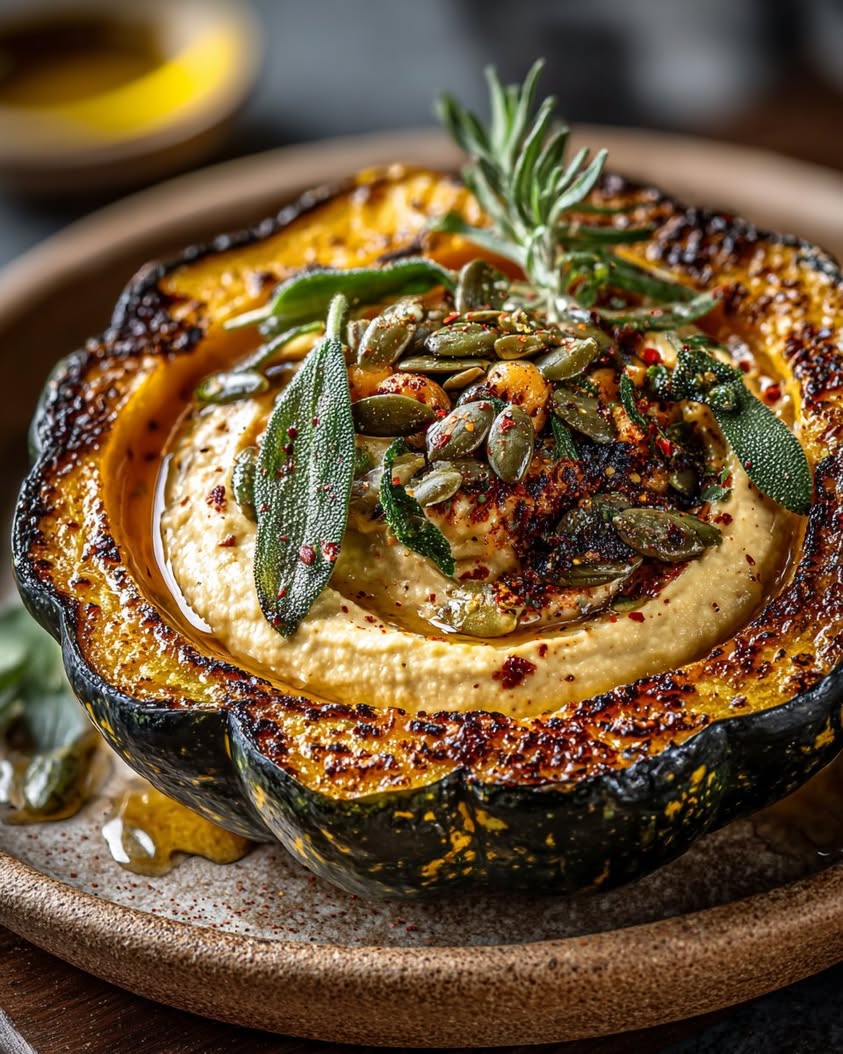
Acorn Squash Hummus with Sage: A Creamy Fall Dip for Your Next Gathering
This roasted acorn squash hummus recipe is a seasonal twist on a classic dip. It transforms the humble chickpea spread into a vibrant, autumnal centerpiece. The process begins with roasting acorn squash until it becomes deeply caramelized and tender. Then, you blend it with creamy tahini, garlic, and warm spices. The result is a stunningly flavorful dip that will become your new favorite fall appetizer.
Imagine the sweet, nutty flavor of roasted squash combined with the earthy depth of chickpeas. This acorn squash hummus recipe delivers a uniquely smooth and velvety texture. Importantly, it is far more interesting than your standard store-bought hummus. The addition of fragrant sage creates an aromatic herbal note that perfectly complements the squash. Consequently, this dip feels both comforting and elegantly sophisticated.
This recipe is perfect for holiday parties, game day snacks, or a simple weeknight treat. It is naturally vegan and gluten-free, making it an inclusive option for diverse gatherings. Moreover, it is packed with vitamins and fiber from the squash and chickpeas. You will love how this roasted acorn squash hummus fills your kitchen with the warm scent of fall. Ultimately, it is a simple way to eat seasonally and impress your guests.
Quick Recipe Highlights
- Flavor Profile: This roasted acorn squash hummus recipe offers a beautiful balance. You get the natural sweetness of caramelized squash, the nuttiness of tahini, and the warmth of cumin and smoked paprika. The fried sage adds a final touch of earthy, aromatic complexity.
- Texture: The texture is exceptionally creamy and luxurious. Roasting the squash first concentrates its sugars and softens its flesh, allowing it to blend into a perfectly smooth puree. The chickpeas provide a familiar, velvety hummus base that holds its shape on a cracker or vegetable.
- Aroma: As it roasts, the acorn squash fills your kitchen with a sweet, comforting scent. Then, the garlic and spices toast, releasing their warm, inviting fragrances. Finally, frying the sage leaves creates a brief, intense herbal aroma that signals the dish is ready.
- Visual Appeal: The color is a gorgeous, warm orange-gold that screams autumn. A drizzle of olive oil and the placement of crispy sage leaves and pumpkin seeds on top creates a beautiful, restaurant-worthy presentation. It looks stunning on a rustic wooden board surrounded by dippers.
- Skill Level Needed: This is a beginner-friendly recipe. The primary skills required are safely cutting a squash, roasting vegetables, and operating a food processor. There are no advanced techniques, making it accessible for cooks of all levels.
- Special Equipment: You will need a sharp chef’s knife, a sturdy cutting board, a baking sheet, and a food processor or high-speed blender. A small skillet is also helpful for quickly frying the sage garnish.
Recipe Overview
- Difficulty Level: This roasted acorn squash hummus recipe is rated easy. The steps are straightforward: roast, blend, and garnish. The most challenging part is safely cutting the hard squash, but a sharp knife and careful technique make it simple. There is no fussy timing or complex cooking methods involved.
- Category: This dish falls squarely into the appetizer and snack category. It is perfect for dipping. Additionally, it can be used as a flavorful spread on sandwiches or wraps. You can even thin it with a bit more lemon juice or water to create a creamy pasta sauce or salad dressing.
- Cuisine: While hummus has its roots in Middle Eastern cuisine, this version is a modern, seasonal fusion. It takes the traditional chickpea and tahini base and incorporates a quintessential North American fall vegetable. The use of sage also nods to Western European and American holiday herb traditions.
- Cost: This is a very cost-effective recipe, especially during the fall squash season. Acorn squash, chickpeas, and basic pantry spices are inexpensive. Tahini and good olive oil are the primary investments, but they are used in small amounts and last for many other recipes.
- Season: This recipe is ideal for autumn and winter when acorn squash is at its peak of flavor and affordability. The warm spices and rich texture are inherently comforting during cooler weather. However, you can certainly enjoy it year-round if you find good squash.
- Occasion: It is incredibly versatile for occasions. Serve it at a casual Halloween party, an elegant Thanksgiving appetizer spread, or a cozy family movie night. It travels well for potlucks and can be made ahead, reducing host stress.
Why You’ll Love This Recipe
First, the taste and texture are truly exceptional. This roasted acorn squash hummus recipe masterfully blends sweet and savory elements. The caramelized squash adds a depth of flavor that plain hummus lacks. Meanwhile, the creamy, dreamy texture is utterly addictive on a crisp cracker or piece of pita bread. Every bite delivers a complex harmony of earthy chickpeas, rich tahini, and warm autumn spices.
Next, consider the convenience and preparation benefits. You can roast the squash ahead of time, making final assembly a breeze. The recipe uses mostly pantry staples, so you likely have many ingredients on hand. Furthermore, it requires minimal active cooking time; the oven does most of the work. This makes it an ideal choice for busy hosts who want to serve something impressive without last-minute fuss.
From a nutritional standpoint, this dip is a powerhouse. Acorn squash is loaded with vitamins A and C, potassium, and fiber. Chickpeas contribute plant-based protein and more fiber, promoting satiety and digestive health. Using olive oil and tahini provides heart-healthy fats. Consequently, this is a snack you can feel genuinely good about eating, unlike many other creamy dips.
The social and entertaining value is immense. A beautiful bowl of this vibrant hummus acts as a natural centerpiece. It encourages gathering and sharing, sparking conversation about its unique flavor. It is also a safe choice for mixed-diet groups, being vegan, gluten-free, and nut-free. You will find that guests consistently ask for the recipe, making you the star of the party.
Finally, it is remarkably cost-effective and accessible. Seasonal squash is very affordable. A single batch yields a generous amount, stretching your entertaining budget. You can easily customize the garnishes with what you have available. Ultimately, this roasted acorn squash hummus delivers gourmet flavor and presentation without a gourmet price tag.
Historical Background and Cultural Significance
Hummus, meaning “chickpea” in Arabic, has a history spanning centuries across the Middle East. Its exact origin is debated, with claims from Egypt to Lebanon. Traditionally, it is a simple paste of chickpeas, tahini, lemon, and garlic. This roasted acorn squash hummus recipe represents a modern, global evolution of that ancient staple. It reflects how contemporary cooks adapt classic dishes to incorporate local, seasonal ingredients.
The cultural importance of hummus cannot be overstated. In its traditional regions, it is a daily food, a symbol of hospitality, and a shared cultural treasure. Introducing a vegetable like acorn squash showcases the adaptability of the core formula. This fusion respects the essence of hummus while celebrating New World produce. It is a delicious example of how food traditions migrate and merge.
The evolution of the hummus recipe in Western kitchens has been fascinating. Initially, it was found in specialty stores. Then, it exploded in popularity as a healthy snack. Now, creative variations are the norm, from beet hummus to edamame hummus. This acorn squash version fits perfectly into that innovative trend. It uses a roasting technique to deepen flavor, a method common in Western vegetable preparation.
Regional variations of hummus are endless. In the Levant, it is often topped with spiced meat or whole chickpeas. In Greece, it might include more garlic or yogurt. Our version takes inspiration from North American fall harvest traditions. The sage garnish, for instance, connects to Thanksgiving and holiday herb use. This recipe is a testament to hummus’s incredible versatility and its welcome into global culinary fusion.
Ingredient Deep Dive
Acorn Squash: This winter squash is native to North and Central America and has been cultivated for thousands of years. Its sweet, slightly nutty flesh is rich in vitamins A, C, and B6, along with magnesium and potassium. When selecting squash, choose one that feels heavy for its size with a deep green rind and a patch of orange; avoid any with soft spots or cracks. Store whole squash in a cool, dark place for up to a month. For a substitution, you can use an equal weight of butternut squash or sweet potato, though the flavor profile will shift slightly.
Chickpeas (Garbanzo Beans): A cornerstone of Middle Eastern, Mediterranean, and Indian cuisines for millennia, chickpeas are one of the earliest cultivated legumes. They are an excellent source of plant-based protein, fiber, folate, and iron. For this recipe, canned chickpeas are perfectly convenient; just be sure to rinse them well to remove excess sodium. Dried chickpeas, soaked and cooked until very tender, will yield a slightly superior texture and flavor. Store dried chickpeas in your pantry indefinitely and canned chickpeas in your cupboard. There is no perfect substitute for chickpeas in hummus, as they define the dish.
Tahini: This paste made from toasted sesame seeds is essential to authentic hummus flavor. It has roots across the Eastern Mediterranean and Middle East. Tahini provides healthy fats, calcium, and copper. When shopping, look for pure sesame seed paste with no added oils or sugars; stir the jar well before using as it separates. A good tahini should taste nutty, not bitter. Store it in the refrigerator after opening. In a pinch, you could use a natural, unsweetened creamy almond butter, but the flavor will be distinctly different.
Fresh Sage: Sage has a long history of culinary and medicinal use in Europe and North America. Its earthy, slightly peppery flavor is iconic in fall and holiday cooking. Sage contains antioxidants and compounds with anti-inflammatory properties. Choose bunches with vibrant, firm green leaves without any wilting or yellowing. To store, wrap the stems in a damp paper towel and place in a plastic bag in the refrigerator. If you lack fresh sage, you can use 1/2 teaspoon of dried rubbed sage in the hummus, but you will miss the crispy garnish.
Common Mistakes to Avoid
- Underseasoning the Squash Before Roasting: Skipping salt and oil on the squash before it goes in the oven is a major error. Seasoning before roasting draws out moisture and allows the flavors to penetrate deeply. Without this step, the squash can taste bland and watery, diluting the final flavor of your hummus.
- Not Roasting the Squash Until Fully Tender and Caramelized: Pulling the squash out too early is a common rush. You need those deep, browned edges for maximum sweetness and complexity. If the squash is still firm, it will not blend smoothly and will lack the rich flavor this roasted acorn squash hummus recipe promises.
- Using Cold Ingredients: Adding ice-cold chickpeas or lemon juice straight from the fridge can shock the tahini and make the emulsion less creamy. Let your canned ingredients come to room temperature for a bit, or use warm roasted squash to help everything blend into a silkier texture.
- Skipping the Aquafaba (Chickpea Water): Draining your canned chickpeas directly into the sink wastes a powerful tool. Aquafaba, the starchy liquid in the can, is a fantastic natural thickener and emulsifier. Save it and add it tablespoon by tablespoon while blending to achieve the perfect, creamy consistency.
- Overprocessing the Hummus: Blending for too long can actually warm up the ingredients and make the hummus gummy or pasty. Pulse and blend in short bursts, scraping down the sides, until just smooth. The goal is a creamy puree, not a whipped foam.
- Adding Too Much Liquid Too Fast: This is the easiest way to turn hummus from a dip into a soup. Always add your liquids (lemon juice, aquafaba, olive oil) slowly while the processor is running. You can always add more, but you cannot take it out.
- Forgetting to Taste and Adjust: Blending everything and calling it done is a mistake. The flavors need to meld. Always taste your hummus after blending. You will likely need more salt, another squeeze of lemon for brightness, or a dash more cumin. Adjust to your personal preference.
- Garnishing with Raw Sage: While fresh sage is aromatic, its flavor is quite strong and slightly bitter when raw. Taking the extra minute to quickly fry the sage leaves in olive oil transforms them. They become crispy, fragrant, and their flavor mellows beautifully, making them an integral part of the dish, not just a decoration.
Essential Techniques
Roasting the Squash: This technique is the foundation of flavor for this recipe. Roasting concentrates the squash’s natural sugars through caramelization, creating a deep, sweet, nutty base. To master it, cut the squash evenly so pieces cook at the same rate, toss them thoroughly in oil and salt, and spread them in a single layer on the baking sheet. A common pitfall is overcrowding the pan, which steams the squash instead of roasting it. You will know it is done when the edges are browned and a fork slides into the flesh with no resistance.
Emulsifying the Hummus: Creating a smooth, creamy emulsion is what separates great hummus from grainy hummus. The key is to process the tahini and lemon juice first into a smooth paste before adding other ingredients. This initial step helps stabilize the emulsion. Adding ice cubes or reserved aquafaba slowly while the processor runs incorporates air and breaks down the chickpeas completely. The pitfall is impatience; blending for a full two to three minutes is often necessary. Success is visible in a velvety, almost whipped consistency that holds its shape.
Frying Sage Leaves: This simple technique elevates the garnish from decorative to delicious. Frying in hot oil for mere seconds crisps the leaves and mellows their intense flavor, releasing aromatic compounds. The importance lies in temperature control; the oil should be hot enough that a leaf sizzles immediately but not so hot that it burns in one second. Use a small skillet and watch closely. The visual cue for success is leaves that turn a darker green, become rigid, and stop sizzling—this happens quickly, usually in under 10 seconds.
Pro Tips for Perfect Acorn Squash Hummus
For the smoothest texture, peel your chickpeas. Pinching the skin off each chickpea is a tedious but game-changing step. It removes the tough outer membrane, resulting in an unbelievably silky hummus.
Toast your spices. Before adding the cumin and smoked paprika to the food processor, warm them in a dry skillet for 30 seconds. This simple act wakes up their essential oils and intensifies their flavor dramatically.
Use a high-quality, extra-virgin olive oil for both the hummus and the garnish. Since it is a prominent flavor, a fruity, peppery oil will make a noticeable difference in the final taste of your dip.
Let the hummus rest before serving. Cover it and let it sit at room temperature for 30 minutes after blending. This allows the flavors to fully meld and harmonize, resulting in a more cohesive and delicious dip.
When frying the sage, use the same olive oil you will drizzle on top. This infuses the oil with the sage’s flavor, creating a doubly aromatic finishing oil for your roasted acorn squash hummus recipe.
For a beautiful presentation, use the back of a spoon to create swirls on the surface of the hummus in your serving bowl. This creates little wells that perfectly hold the garnishes and olive oil.
If your hummus is too thick, thin it with aquafaba, not water. The aquafaba adds creaminess without diluting flavor, whereas water can make the dip taste washed out.
Always reserve a few whole chickpeas and a small piece of roasted squash for garnish. Placing them on top visually signals the key ingredients to your guests and adds textural interest.
Variations and Adaptations
For regional variations, consider adding a North African twist by blending in a tablespoon of harissa paste for heat and smokiness. A Greek-inspired version could include a handful of crumbled feta cheese blended in and a garnish of Kalamata olives. To lean into Middle Eastern roots, top with a spoonful of zhoug (a spicy cilantro sauce) or a drizzle of pomegranate molasses.
Seasonal adaptations are easy with this versatile base. In winter, swap the acorn squash for roasted sweet potato or pumpkin. For a spring version, use roasted carrots and fresh dill. In summer, try roasted red peppers and basil for a brighter, lighter take on the concept of a vegetable hummus.
Dietary modifications are straightforward. The recipe is naturally vegan and gluten-free. For a nut-free version, ensure your tahini is processed in a dedicated facility or substitute with sunflower seed butter. To reduce fat, you can slightly decrease the tahini and olive oil, compensating with extra aquafaba for creaminess.
Flavor variations can take this dip in many directions. Add a tablespoon of maple syrup to the squash before roasting for extra sweetness. Blend in a chipotle pepper in adobo for a smoky kick. Incorporate a quarter cup of toasted walnuts or pecans into the food processor for a richer, nuttier depth.
Texture modifications allow you to customize the mouthfeel. For a super rustic, chunky hummus, pulse the ingredients instead of blending continuously. For an ultra-smooth, restaurant-style dip, pass the blended hummus through a fine-mesh sieve—a labor of love with stunning results.
Presentation alternatives can refresh the look. Instead of a bowl, serve the hummus inside a hollowed-out roasted acorn squash shell for a dramatic edible vessel. Pipe it onto endive leaves or cucumber rounds for elegant, single-bite canapés. Or, spread it in a shallow dish and create a “hummus board” with various toppings in separate sections for a DIY experience.
Serving and Presentation Guide
Plating techniques start with choosing the right bowl. A wide, shallow bowl or a rustic wooden board offers more surface area for garnishes. Use the back of a spoon to create decorative swirls or a well in the center. This functional design not only looks professional but also pools the finishing oil and holds garnishes in place, preventing them from rolling off.
Garnishing ideas go beyond the suggested sage and pumpkin seeds. Consider a dusting of sumac for tartness, a sprinkle of za’atar for herbal complexity, or a few pomegranate arils for juicy bursts of color and flavor. Toasted pine nuts, chopped pistachios, or a drizzle of chili crisp oil can add different dimensions of texture and heat.
Traditional accompaniments include warm pita bread, either torn or cut into wedges. For a lighter option, offer a platter of fresh, crisp vegetables like carrot sticks, bell pepper strips, cucumber rounds, and radish slices. Don’t forget crunchy options like lavash crackers, pita chips, or even sturdy apple slices for a sweet-and-savory combination.
Modern serving suggestions position this hummus as more than just a dip. Use it as a flavorful spread on turkey or veggie sandwiches. Thin it with a little vegetable broth to make a creamy soup or pasta sauce. Serve it alongside grilled chicken or fish as a vegetable-based condiment that replaces heavier sauces.
Temperature considerations are important. This roasted acorn squash hummus recipe is best served at room temperature. If made ahead and refrigerated, let it sit out for at least 30 minutes before serving to allow the flavors to wake up and the texture to soften. Cold hummus can taste dense and muted.
Portion control tips are helpful for planning. This recipe yields about 3 cups, which comfortably serves 6-8 people as part of an appetizer spread with other items. If it is the sole dip, plan for about 1/3 to 1/2 cup per person. It can easily be doubled for a larger crowd.
Wine and Beverage Pairing
Wine pairings should complement the earthy, sweet, and creamy elements. A crisp, unoaked white wine like a Sauvignon Blanc or Pinot Grigio cuts through the richness with its acidity. For a red option, choose a light-bodied, low-tannin wine such as a Pinot Noir or Beaujolais; their fruity notes will harmonize with the squash without overpowering it. An off-dry Riesling is also a fantastic match, as its slight sweetness mirrors the squash and its acidity balances the tahini.
Non-alcoholic alternatives can be just as sophisticated. A sparkling apple cider echoes the fall theme beautifully. For a herbal pairing, try a sage-infused iced tea or a lemon-ginger kombucha, which complements the dip’s flavors and aids digestion. A simple, crisp club soda with a twist of lemon also works well to cleanse the palate between bites.
While not a typical coffee dish, if serving this hummus as part of a brunch spread, a medium-roast coffee with low acidity would pair nicely. The roasted notes in the coffee can mirror the roasted squash and spices. A black tea, like an Earl Grey, offers a bergamot citrus note that would brighten the rich, creamy mouthfeel of the hummus.
Temperature considerations are key for beverages. White wines and non-alcoholic sparklers should be well-chilled. Red wines should be served slightly cooler than room temperature, around 60-65°F. Iced teas and kombuchas should be cold but not ice-cold, which can numb the palate to the hummus’s subtle flavors.
Serving suggestions include offering a variety of options to cater to all guests. Set up a small beverage station with a bottle of white wine, a bottle of red, a carafe of infused water, and a sparkling non-alcoholic option. This allows everyone to choose their perfect pairing for this versatile roasted acorn squash hummus.
Storage and Shelf Life
Storage methods are simple but important for maintaining quality. Transfer any leftover hummus to an airtight container. Press a piece of plastic wrap directly onto the surface of the hummus before sealing the lid. This creates a barrier that minimizes oxidation and prevents a dry, discolored skin from forming on top.
Temperature requirements are straightforward. This hummus must be stored in the refrigerator. The combination of cooked vegetables and legumes is perishable and should not be left at room temperature for more than two hours. Always refrigerate promptly after serving to ensure food safety and preserve freshness.
Container recommendations include glass jars with tight-fitting lids or BPA-free plastic containers. Glass is ideal as it does not absorb odors and allows you to see the contents. Ensure the container is the right size; too much empty space can lead to faster drying and flavor loss.
Signs of spoilage are usually obvious. Look for any visible mold, which may appear as fuzzy spots. An off or sour smell is a clear indicator it has gone bad. If the texture becomes excessively watery or slimy, or if the color changes dramatically, it is best to discard it. When in doubt, throw it out.
Reheating instructions are generally not needed, as this dip is best served cool or at room temperature. If you have used it as a pasta sauce and need to reheat leftovers, do so gently in a saucepan over low heat, stirring frequently and adding a splash of water or broth to loosen it up. Do not microwave it, as this can make the texture gummy.
Freezing guidelines are useful for longer-term storage. This hummus freezes reasonably well for up to 2-3 months. Freeze it in an airtight container, leaving some headspace for expansion. Thaw overnight in the refrigerator. The texture may be slightly less creamy after thawing; stir vigorously or give it a quick blend to restore smoothness. Note that the crispy sage garnish cannot be frozen; always add fresh garnishes after thawing.
Make Ahead Strategies
Prep timeline can stretch over two days for maximum convenience. Day 1: Roast the acorn squash, let it cool, and store it in an airtight container in the refrigerator. You can also rinse and drain the chickpeas at this time. Day 2 (day of serving): Blend all ingredients, transfer to your serving bowl, garnish, and bring to room temperature. This splits the work and makes party day much less stressful.
Storage between steps is safe and effective. Cooked, cooled squash will keep in the fridge for 3-4 days before blending. The crispy sage garnish is best made the day of serving to maintain its crisp texture, but you can fry the leaves up to a few hours ahead and store them loosely covered at room temperature.
Quality impact assessment shows that making the full hummus a day ahead is actually beneficial. The flavors have more time to meld and develop depth. The primary concern is texture; it will thicken in the fridge. Simply let it come to room temperature and stir in a tablespoon of warm water or lemon juice to refresh the consistency before serving.
Assembly tips for make-ahead success are key. Do not add the final garnishes (fried sage, pumpkin seeds, olive oil drizzle) until just before serving. This keeps the sage crispy and the seeds crunchy. You can prepare all garnish components in separate small containers so final assembly is just a quick, beautiful sprinkle.
Reheating guidelines are minimal since this is a cold dish. If made ahead and refrigerated, the only “reheating” needed is bringing it to room temperature. Take it out of the fridge at least 30 minutes, but preferably 60 minutes, before your guests arrive. This simple step makes a world of difference in flavor and texture.
Fresh element additions are the final touch. Even if you made the hummus base two days ago, a last-minute squeeze of fresh lemon juice over the top can brighten all the flavors. A final drizzle of high-quality olive oil just before presenting adds a glossy, fresh finish that says “made with care.”
Scaling Instructions
Halving the recipe is simple for smaller households. Use half of a medium acorn squash (roast the other half for another use), one 15-ounce can of chickpeas (using half the aquafaba), and halve all other ingredients. The blending time may be slightly shorter in a large food processor, as a smaller volume of ingredients might not engage the blade as effectively. You may need to stop and scrape down the sides more frequently.
Doubling or tripling the recipe is excellent for large parties. Use multiple baking sheets to roast the squash, ensuring the pieces are still in a single layer and not overcrowded. You will likely need to blend the hummus in batches unless you have a very large commercial food processor. Combine all batches in a large bowl and stir thoroughly to ensure even seasoning throughout the entire quantity.
Equipment adjustments become necessary when scaling. For a double batch, a standard 11-cup food processor will likely handle it. For tripling, blending in two batches is safest. If you only have a blender, you must work in smaller batches to avoid overloading the motor and achieving an uneven texture. A large stand mixer with a paddle attachment can be used to combine pre-blended batches for final mixing.
Timing modifications are minimal for scaling up. Roasting time for the squash may increase slightly if you have multiple trays in the oven, as this can affect air circulation. It is best to roast on separate racks and rotate the trays halfway through. Blending time per batch remains the same, but your total active time will increase with each batch you process.
Storage considerations are important for large batches. If making a huge quantity for an event, divide the hummus into several smaller containers for refrigeration. This cools the food faster and more safely than one giant container. It also allows you to bring out fresh bowls as needed, keeping the rest chilled until serving time.
Nutritional Deep Dive
Macro breakdown for a 1/2-cup serving is favorable. You get a good balance of complex carbohydrates from the squash and chickpeas, plant-based protein from the chickpeas and tahini, and healthy fats primarily from the olive oil and tahini. This combination provides sustained energy, promotes satiety, and supports stable blood sugar levels, making it a satisfying snack or appetizer.
Micronutrient analysis reveals a wealth of vitamins and minerals. Acorn squash is exceptionally high in vitamin C and a great source of potassium and magnesium. Chickpeas contribute significant iron, folate, and phosphorus. Tahini adds calcium and copper. Together, these nutrients support immune function, bone health, energy production, and oxygen transport in the blood.
Health benefits are extensive due to the whole-food, plant-based ingredients. The high fiber content promotes digestive health and feeds beneficial gut bacteria. The antioxidants in squash and olive oil combat inflammation. The healthy fats support heart health and nutrient absorption. Consuming this roasted acorn squash hummus recipe is a delicious way to nourish your body with anti-inflammatory, nutrient-dense foods.
Dietary considerations are largely positive. This recipe is naturally vegan, vegetarian, gluten-free, and nut-free (check tahini processing). It is also soy-free. For those on specific plans, it is Whole30-compliant if you omit the maple syrup (if used) and ensure your tahini has no additives. It aligns well with Mediterranean, plant-based, and anti-inflammatory dietary patterns.
Portion analysis shows that a standard serving of about 1/2 cup is satisfying without being excessive. This portion provides a meaningful amount of fiber and protein to help curb hunger. When served with vegetable dippers, you increase the volume and nutrients of your snack without significantly increasing calories, supporting a balanced approach to eating.
Weight management tips relate to its high fiber and protein content, which help you feel full. Using it as a dip for vegetables instead of chips or crackers further increases nutrient density. Being mindful of the amount of olive oil and tahini used can adjust the calorie content if needed, though these fats are important for flavor and satiety.
Dietary Adaptations
Gluten-free: This roasted acorn squash hummus recipe is naturally gluten-free as written. The primary concern is cross-contamination from your tahini brand or the serving accompaniments. Always ensure your tahini is certified gluten-free if necessary, and serve with gluten-free crackers, vegetables, or certified gluten-free pita bread.
Dairy-free: The recipe contains no dairy ingredients. It is inherently dairy-free, making it a safe and creamy option for those avoiding lactose or casein. This makes it an excellent choice for vegan spreads or for parties where dairy allergies are a concern.
Vegan: This recipe is perfectly vegan. It uses no animal products whatsoever. The creaminess comes entirely from plant-based sources: tahini, olive oil, and the blended vegetables and legumes. It is a crowd-pleasing option that fits seamlessly into a plant-based lifestyle.
Low-carb/Keto: Traditional hummus is challenging for strict keto due to the carb content of chickpeas. For a lower-carb version, significantly increase the ratio of roasted squash to chickpeas, or use all squash and a small amount of cauliflower. Be aware that tahini and squash still contain carbs, so portion control is key for keto.
Paleo: Standard hummus is not Paleo because of the legumes (chickpeas). For a Paleo adaptation, omit the chickpeas entirely. Use 2 cups of roasted acorn squash puree, increase the tahini to 1/3 cup, and add 1/4 cup of olive oil. You may need a touch more lemon juice and salt to balance the flavors.
Low-FODMAP: Chickpeas are high in FODMAPs (specifically GOS). For a Low-FODMAP version, you must omit the chickpeas. Substitute with an equal amount of roasted squash puree and consider adding 1/4 cup of canned, drained white beans (which are lower in FODMAPs in small servings) for a similar texture, or simply make a squash and tahini spread.
Other specific diets: For Whole30, ensure your tahini contains only sesame seeds (no added oils or sugars) and omit any sweetener like maple syrup. For a low-fat version, reduce the olive oil and tahini by half, replacing the creaminess with extra aquafaba or water, though flavor will be less rich.
Troubleshooting Guide
Texture issues often stem from liquid balance. If your hummus is too thick and pasty, it likely needs more liquid. With the processor running, slowly add reserved aquafaba or warm water, one tablespoon at a time, until it reaches the desired creaminess. If it is too thin and runny, you added too much liquid too fast. To fix this, blend in an additional 1/4 cup of drained chickpeas or a spoonful of tahini to thicken the mixture back up.
Flavor balance problems are common. If the hummus tastes bland, it almost always needs more salt. Acid is the next lever to pull; add more lemon juice, one teaspoon at a time. If it lacks depth, you may have underseasoned the squash before roasting, or your spices could be old. A pinch of smoked paprika or cumin added at the blending stage can help. If it tastes bitter, your tahini may be the culprit; try a different brand next time.
Temperature problems usually relate to serving. If the hummus is too cold from the fridge and tastes dense, let it sit at room temperature. If it became too warm during blending and turned gummy, chill it thoroughly for an hour, then stir vigorously. The gumminess from over-processing may not fully reverse, but chilling will firm it up. For future batches, blend in shorter pulses and use cold ingredients.
Equipment challenges can arise. If using a weak blender, you may get a grainy texture. The solution is to blend longer, stopping frequently to scrape down the sides and prevent motor burnout. Adding an ice cube or two can help the blades grip the mixture{“success”:true,”message”:”Recipe created successfully”,”post_id”:9159,”tasty_recipe_id”:9159,”shortcode”:”“}

I’m Billy, a classically trained culinary school graduate from The Culinary Institute of America with over 12 years in the restaurant industry and over 19 years of cooking experience.