
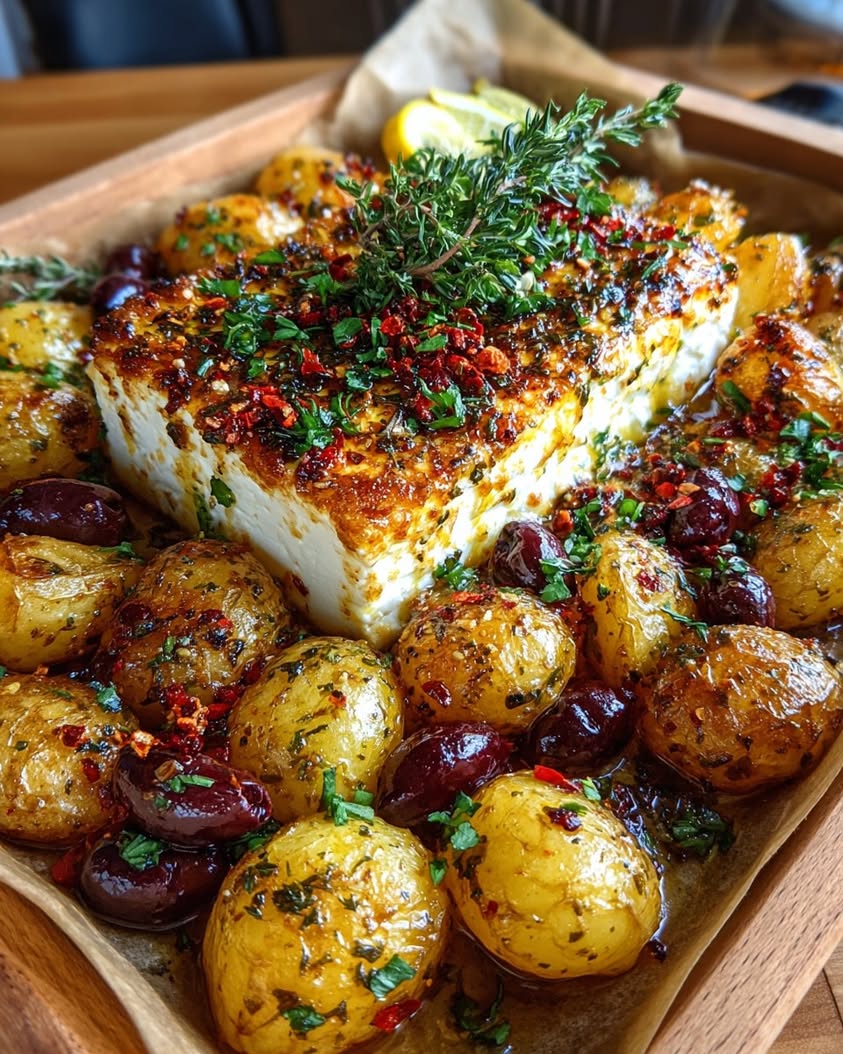
Creamy Baked Feta Potatoes Recipe: The Ultimate Comfort Food Side Dish
Imagine a dish where creamy, tangy feta cheese melts into a luscious sauce, perfectly coating tender, golden potatoes. This Creamy Baked Feta Potatoes Recipe delivers exactly that. It is a simple yet spectacular side dish that transforms humble ingredients into something truly memorable. The aroma of garlic and herbs filling your kitchen promises a meal that is both comforting and elegant. Ultimately, this recipe proves that minimal effort can yield maximum flavor.
This baked feta potatoes dish has taken the internet by storm, and for good reason. It combines the viral trend of baked feta pasta with the timeless appeal of roasted potatoes. The result is a harmonious blend of textures and tastes. Each bite offers the soft, yielding flesh of a potato enveloped in a rich, salty, and herbaceous cheese sauce. It is the kind of food that makes everyone at the table ask for seconds. Furthermore, it pairs beautifully with almost any protein, from roasted chicken to grilled fish.
Preparing this Creamy Baked Feta Potatoes Recipe requires little more than chopping and roasting. You simply toss the potatoes with oil and seasonings, nestle a block of feta among them, and let the oven work its magic. As it bakes, the feta softens into a spreadable, creamy consistency. Then, you gently mash it with a fork to create an instant sauce that clings to every potato wedge. This process is not just easy; it is incredibly satisfying to witness. Consequently, you get a restaurant-quality side dish with home-cooked simplicity.
Quick Recipe Highlights
- Flavor Profile: This dish features a bold, tangy saltiness from the baked feta, balanced by the earthy sweetness of roasted potatoes. Garlic and aromatic herbs like oregano and thyme add a Mediterranean depth. The final squeeze of lemon juice brightens the entire plate, creating a perfectly balanced flavor profile.
- Texture: You achieve a wonderful contrast between the crispy, golden edges of the potato wedges and their fluffy, tender interiors. The feta transforms into a luxuriously creamy and slightly grainy sauce that coats each piece. This combination of crispy, soft, and creamy textures makes every mouthful interesting.
- Aroma: While baking, the scent of roasting garlic and dried herbs will permeate your home. The tangy, salty note of the melting feta becomes more pronounced as it cooks. Finally, the fresh, zesty aroma of lemon zest adds a final burst of fragrance before serving.
- Visual Appeal: The presentation is rustic and inviting, with golden-brown potato wedges glistening in a creamy white sauce. Vibrant green herbs and specks of black pepper provide beautiful contrast. Served in a ceramic baking dish, it looks both hearty and elegant straight from the oven.
- Skill Level Needed: This is a beginner-friendly recipe requiring no advanced techniques. The primary skills are basic knife work for chopping potatoes and the ability to monitor oven roasting. Anyone comfortable following simple instructions can master this dish on the first try.
- Special Equipment: You only need a sharp knife, a sturdy cutting board, and a large baking dish or sheet pan. A mixing bowl for tossing the potatoes is helpful but not strictly necessary. No special gadgets or appliances are required, making this recipe highly accessible.
Recipe Overview
- Difficulty Level: We rate this Creamy Baked Feta Potatoes Recipe as “Easy” because it involves straightforward preparation. The steps are simple: chop, season, and bake. There is no intricate sauce-making or precise temperature control needed. Success is almost guaranteed with minimal culinary experience.
- Category: This dish falls squarely into the side dish category, perfect for complementing a main protein. It can also serve as a hearty vegetarian main when paired with a crisp salad. Its versatility allows it to shine at casual weeknight dinners or more formal holiday meals.
- Cuisine: The recipe draws strong inspiration from Mediterranean and Greek cuisines, featuring hallmark ingredients like feta, olive oil, oregano, and lemon. However, its preparation is modern and influenced by contemporary internet food trends. It is a fusion of traditional flavors with a viral, simplified cooking method.
- Cost: This is a very budget-friendly recipe. Potatoes and basic dried herbs are inexpensive pantry staples. The primary cost comes from the block of feta cheese and good-quality olive oil. Overall, it delivers impressive flavor and presentation for a very low cost per serving.
- Season: This baked feta potatoes dish is truly a year-round favorite. It provides cozy, carb-heavy comfort in the fall and winter. Conversely, the bright lemon and herbs make it feel fresh and suitable for spring and summer gatherings. It is a versatile side for any season.
- Occasion: It is perfect for busy weeknights when you need a hands-off, reliable side. Simultaneously, it is impressive enough for dinner parties, potlucks, or holiday feasts like Easter or Thanksgiving. Its crowd-pleasing nature makes it suitable for almost any eating occasion.
Why You’ll Love This Recipe
First and foremost, the taste and texture of this Creamy Baked Feta Potatoes Recipe are utterly irresistible. The salty, tangy punch of the melted feta cheese creates a deeply savory sauce that soaks into the potatoes. Each forkful delivers a creamy, crispy, and fluffy experience all at once. The herbal notes from the oregano and thyme add a fragrant complexity that elevates the entire dish. This combination is so moreish that you will find it hard to stop eating. Ultimately, it satisfies that craving for rich, comforting food without being overly heavy.
Secondly, the convenience factor of this baked feta potatoes dish is a major win. You essentially do all the work upfront with a bit of chopping and tossing. After that, the oven takes over, allowing you to prepare the rest of your meal or simply relax. The “one-pan” nature of the recipe means minimal cleanup, which is always a bonus. Moreover, the ingredient list is short and composed of items you likely already have or can easily find. This simplicity makes it a go-to recipe for stressful days when you need a guaranteed delicious outcome with little effort.
From a nutritional standpoint, this recipe offers some genuine benefits. Potatoes are an excellent source of vitamin C, potassium, and fiber, especially when you leave the skins on. Feta cheese provides a good dose of calcium and protein, though it is wise to be mindful of its sodium content. Using olive oil, a heart-healthy fat, as the cooking medium adds beneficial monounsaturated fats. You can easily adjust the oil quantity to suit your dietary needs. Therefore, while indulgent, this dish can be part of a balanced diet when enjoyed in moderation.
Furthermore, this Creamy Baked Feta Potatoes Recipe has tremendous social and entertaining value. It is a spectacular side dish that will impress guests without causing the cook any stress. The dramatic presentation of the whole baked block of feta creates a talking point at the table. It is easy to double or triple the recipe to feed a crowd, making it perfect for potlucks and family gatherings. Everyone, from kids to adults, tends to love the familiar yet elevated flavors. Consequently, it is a reliable recipe to have in your repertoire for any social cooking scenario.
Finally, the cost-effectiveness and accessibility of this dish cannot be overstated. Potatoes are one of the most affordable vegetables available year-round. A block of feta is relatively inexpensive compared to many other specialty cheeses. You do not need any fancy equipment or hard-to-find ingredients. This accessibility means anyone can create a restaurant-worthy side dish on a tight budget. The high yield and satisfying nature of the recipe also make it an economical choice for feeding families. In short, it delivers maximum flavor and satisfaction for minimal financial investment.
Historical Background and Cultural Significance
The origin story of this specific Creamy Baked Feta Potatoes Recipe is quite modern, springing from the viral “baked feta pasta” trend that took hold on TikTok and Instagram around 2021. However, its roots dig much deeper into Mediterranean culinary traditions. The practice of baking cheese is ancient, with Greek saganaki being a famous example. Combining cheese with potatoes is a global comfort food theme, seen in dishes like Greek patates fourno. This recipe is essentially a clever fusion, applying a viral cooking technique to a classic, hearty pairing of potatoes and feta.
Culturally, feta cheese holds immense importance in Greece, where it has Protected Designation of Origin (PDO) status. This means true feta can only come from specific regions in Greece, made primarily from sheep’s milk, sometimes with added goat’s milk. Potatoes, while not native to the Mediterranean, were incorporated into the local diet after their introduction from the Americas. They became a staple due to their hardiness and ability to grow in varied conditions. Therefore, this dish represents a blending of a protected, traditional ingredient with a adopted New World vegetable, all prepared in a contemporary style.
The evolution of the recipe from baked feta pasta to baked feta potatoes was a natural and intuitive progression. Food enthusiasts and home cooks began experimenting with the core technique—baking a block of feta with tomatoes and olive oil—and applying it to other mediums. Potatoes were a logical choice because they roast beautifully in the same timeframe and temperature as the feta. Additionally, potatoes act as the perfect vehicle for the creamy cheese sauce, perhaps even better than pasta. This evolution showcases how internet food trends can inspire creative adaptations that often improve upon the original concept.
Regional variations of this concept are already emerging. In the Eastern Mediterranean, one might add spices like sumac or za’atar to the potatoes. A French-inspired version could use herbes de Provence and swap feta for a baked goat cheese. Some cooks add cherry tomatoes to the pan for a burst of acidity and color, directly referencing the pasta original. Others incorporate sliced onions, bell peppers, or Kalamata olives for added complexity. This adaptability is a testament to the solid foundation of the recipe. It provides a simple template that welcomes personalization based on local tastes and pantry contents.
Ingredient Deep Dive
Potatoes are the sturdy foundation of this Creamy Baked Feta Potatoes Recipe. Culturally, they have become a global staple, but they originated in the Andes Mountains of South America. Nutritionally, they are an excellent source of vitamin C, potassium, and vitamin B6, especially when the skin is left on for extra fiber. For this recipe, select waxy varieties like Yukon Gold or red potatoes, as they hold their shape well and have a creamy texture. Store them in a cool, dark, and well-ventilated place, but not in the refrigerator, as cold temperatures can convert their starch to sugar. If needed, you can substitute with sweet potatoes for a different flavor profile, though cooking time may vary.
Feta Cheese is the star ingredient that creates the iconic creamy sauce. Historically, feta is one of the oldest cheeses in the world, with mentions in Homer’s Odyssey. Its briny, tangy flavor comes from being cured and stored in a saltwater brine. From a nutritional standpoint, feta is a good source of calcium, phosphorus, and protein, but it is also high in sodium. Always choose a block of feta packed in brine for the best flavor and texture; pre-crumbled feta contains anti-caking agents and will not melt as nicely. Store leftover feta submerged in its brine in the refrigerator. For a dairy-free version, a firm, brined vegan cheese alternative can work, though the flavor will differ.
Extra Virgin Olive Oil is crucial for flavor and cooking. It has been a cornerstone of Mediterranean diets for millennia, symbolizing health and prosperity. It is rich in monounsaturated fats and antioxidants, which have documented heart-healthy benefits. For roasting, a good-quality, moderately priced extra virgin olive oil is perfect—its fruity, peppery notes will enhance the dish. Avoid using “light” olive oil, as it lacks flavor. Store your olive oil in a cool, dark cupboard away from the stove to prevent rancidity. If you must substitute, another neutral high-heat oil like avocado oil will work, but you will lose the distinctive Mediterranean taste.
Garlic provides the essential aromatic base. Its use dates back thousands of years, both as food and medicine. It contains allicin, a compound with potential immune-boosting and anti-inflammatory properties. For this baked feta potatoes dish, fresh garlic cloves are minced to distribute their pungent flavor throughout the oil and potatoes. Select firm, plump heads of garlic with tight, papery skin. Store at room temperature in a dry place. Do not use jarred pre-minced garlic, as it can have a bitter flavor when roasted. If you are out of fresh garlic, a scant quarter teaspoon of garlic powder can be substituted, but add it with the dried herbs.
Dried Oregano and Thyme are the classic herbal notes. These herbs are synonymous with Greek and Mediterranean cooking, often found in mixtures like “Greek Seasoning.” They are rich in antioxidants and can aid digestion. Dried herbs are preferable to fresh here because their concentrated flavor stands up to the long roasting time. Crush the dried oregano between your fingers as you add it to release its essential oils. Store dried herbs in a sealed container away from light and heat, and replace them annually for best flavor. If you only have fresh herbs, add them in the last five minutes of cooking to prevent burning.
Common Mistakes to Avoid
- Using Pre-Crumbled Feta: This is the most common error. Pre-crumbled feta contains cellulose or other anti-caking agents that prevent it from melting into a smooth, creamy sauce. Always start with a solid block of feta packed in brine for the proper texture.
- Cutting the Potatoes Too Small: If you dice the potatoes into small cubes, they may overcook and become mushy before the feta has properly softened and browned. Aim for hearty, 1.5-inch wedges or chunks to ensure both components finish cooking perfectly together.
- Skipping the Tossing Step: Do not just drizzle oil over the potatoes in the pan. Tossing them vigorously in a bowl ensures every surface is coated with oil and seasoning. This step is crucial for achieving evenly crispy, golden-brown potatoes and preventing sticking.
- Crowding the Pan: If the potato wedges are piled on top of each other, they will steam instead of roast. Arrange them in a single layer with some space between pieces. This allows hot air to circulate, creating the desirable crispy exterior.
- Forgetting to Season the Potatoes Generously: Potatoes need a good amount of salt. Season them well during the initial toss, as the feta sauce is salty but will not season the potato interiors. Underseasoned potatoes will taste bland against the flavorful sauce.
- Using a Dark-Colored Pan Unadjusted: Dark baking sheets conduct heat more aggressively and can cause the bottoms to burn. If using a dark pan, consider reducing the oven temperature by 25 degrees Fahrenheit and checking for doneness a few minutes earlier.
- Not Letting the Feta Rest After Baking: Immediately after removing the dish from the oven, let it sit for 5 minutes. This allows the molten feta to cool slightly, making it easier to mash into a creamy consistency without being too runny.
- Over-Mashing the Feta: The goal is to create a chunky, creamy sauce, not a completely smooth purée. Use a fork to gently mash and stir the feta, leaving some delightful larger crumbles for texture variation.
Essential Techniques
Cutting Potatoes into Even Wedges is fundamental for consistent cooking. The goal is to create pieces with a similar mass so they roast at the same rate. First, slice a potato in half lengthwise. Then, place the cut side down and slice each half lengthwise again to create quarters. For larger potatoes, you may cut each quarter in half once more. Uniform pieces ensure that some wedges are not burnt while others remain undercooked. A common pitfall is making the wedges too thin at one end, which leads to burning. Aim for wedges that are roughly 1.5 inches at their thickest point for perfect results.
Tossing Potatoes in Oil and Seasoning is more than just mixing. This technique ensures every molecule of potato gets coated, which promotes even browning and prevents sticking. Use a large bowl that gives the potatoes plenty of room to move. Add the oil and seasonings, then use your hands or a large spoon to toss and turn the wedges vigorously for a full minute. The visual cue for success is a glossy, even sheen on every piece. If you see dry, matte spots on the potatoes, they need more tossing. This step is your best defense against soggy, unevenly seasoned potatoes.
The Roasting Process itself is a key technique. Roasting at a high temperature (400°F/200°C) is crucial. It causes the exterior of the potatoes to caramelize and crisp quickly while the interior steams and becomes tender. Do not open the oven door frequently, as this causes temperature fluctuations that can lead to steaming instead of roasting. The potatoes should be arranged in a single layer with space between them. The visual cues for doneness are golden-brown edges and a fork-tender interior. Mastering this dry-heat cooking method is essential for achieving the perfect texture contrast in this baked feta potatoes dish.
Creating the Creamy Feta Sauce is the final, simple technique. Once baked, the feta block should be soft, slightly golden on top, and easily pierced with a fork. Let the dish rest for five minutes so the cheese is not scalding hot. Then, use a fork to gently break up the cheese and stir it into the surrounding olive oil and potato juices. Do not over-mix; you want a rustic, creamy sauce with some small lumps of cheese remaining. The sauce will naturally thicken as it cools slightly. This gentle mashing technique transforms separate ingredients into a cohesive, luxurious dish.
Pro Tips for Perfect Creamy Baked Feta Potatoes
For extra crispy potatoes, soak the cut wedges in cold water for 30 minutes before drying and seasoning. This removes excess surface starch, which is the secret to a super-crispy exterior. Always pat them completely dry with a clean kitchen towel after soaking.
Add a teaspoon of smoked paprika or a pinch of red pepper flakes to the seasoning mix. This introduces a subtle warmth and complexity that beautifully complements the tangy feta. It is a simple way to customize the flavor profile to your liking.
Use the leftover feta brine! After you remove the block from its package, save the salty, flavorful brine. You can use a tablespoon or two to thin out a dressing for a side salad, ensuring no part of this delicious ingredient goes to waste.
Place the block of feta in the center of the pan and arrange the potatoes around it. This placement allows the feta to receive direct heat from all sides, promoting even melting and browning. It also lets the potatoes roast properly in the surrounding space.
If your potatoes are not browning to your liking, switch the oven to broil for the final 2-3 minutes. Watch closely to prevent burning. This quick blast of high heat can add fantastic color and extra crispiness to the potato edges.
For a richer sauce, after mashing the feta, stir in a splash of heavy cream or a dollop of Greek yogurt. This creates an even creamier, more decadent texture that clings luxuriously to the potatoes. Adjust seasoning after adding the dairy.
Let the finished dish rest for 5-10 minutes before serving. This allows the creamy feta sauce to thicken slightly and the flavors to meld together more completely. The potatoes will also be at a perfect, safe eating temperature.
Variations and Adaptations
For regional variations, explore different global flavor palettes. A Spanish twist could include chorizo slices and smoked paprika roasted with the potatoes. An Italian version might feature rosemary, garlic confit, and a finish of grated Parmesan. For a Middle Eastern flair, toss the potatoes with za’atar and sumac before baking, and garnish with pomegranate seeds and fresh mint. These adaptations show how the basic template of the Creamy Baked Feta Potatoes Recipe can travel across culinary borders while maintaining its comforting core.
Seasonal adaptations keep this dish exciting all year. In spring, add asparagus spears and fresh peas to the pan during the last 10 minutes of cooking. Summer calls for cherry tomatoes and zucchini slices. For autumn, incorporate cubed butternut squash and sage. In winter, hearty roots like parsnips or carrots make excellent additions. Adjusting the vegetables not only adds color and nutrition but also celebrates produce at its peak. This flexibility makes the baked feta potatoes a perennial favorite in any kitchen.
Dietary modifications are straightforward for this forgiving recipe. For a vegan baked feta potatoes dish, use a firm, brined vegan feta alternative and ensure your seasonings are vegan-friendly. To make it gluten-free, simply verify that your dried herbs and other additives contain no gluten—they almost always are. For a lower-carb option, replace half the potatoes with cauliflower florets; they roast beautifully and soak up the feta sauce wonderfully. Each modification allows more people to enjoy this delightful dish without sacrificing its essential character.
Flavor variations can be achieved with simple seasoning swaps. Instead of oregano and thyme, try herbes de Provence for a French profile or dill and lemon zest for a Scandinavian touch. For a spicy kick, coat the potatoes in harissa paste mixed with the olive oil. A smoky version can use chipotle powder instead of paprika. Experimenting with different acids is also rewarding—try a splash of white balsamic vinegar instead of lemon juice. These small changes can create a completely new eating experience from the same reliable method.
Texture modifications cater to personal preference. For ultra-crispy potatoes, parboil the wedges for 5 minutes before drying, roughing up the edges in a colander, and then roasting. If you prefer a smoother, more integrated sauce, use a hand blender to purée the baked feta with a bit of milk or broth before mixing with the potatoes. Adding a handful of toasted pine nuts or walnuts just before serving introduces a delightful crunch. Each textural tweak adds a new dimension to the Creamy Baked Feta Potatoes Recipe.
Presentation alternatives can elevate the dish for special occasions. Instead of serving family-style from the baking dish, plate individual portions with a ring mold for a restaurant look. Garnish with microgreens, edible flowers, or crispy fried herbs. For a rustic feel, transfer everything to a warm, shallow serving platter and drizzle with high-quality finishing oil. You can also deconstruct it by serving the roasted potatoes on one platter and the whipped baked feta sauce in a bowl for dipping. Presentation creativity makes the familiar feel new and exciting.
Serving and Presentation Guide
Plating techniques for this Creamy Baked Feta Potatoes Recipe can range from casual to elegant. For family dinners, serve it directly from the baking dish for a rustic, inviting presentation. For a more composed look, use a large, shallow serving platter. Arrange the potato wedges neatly and spoon the creamy feta sauce over the top, allowing some to pool at the bottom. Alternatively, place the potatoes in a bowl, pour the sauce over, and gently toss just before bringing to the table. This ensures every piece is perfectly coated and maximizes the visual appeal of the glossy sauce.
Garnishing ideas add the final touch of color and freshness. A generous sprinkle of freshly chopped parsley, dill, or chives provides a vibrant green contrast against the white and gold dish. Lemon zest, grated over the top, adds bright yellow specks and intensifies the citrus aroma. A crack of black pepper or a dusting of paprika not only adds flavor but also visual depth. For a luxurious touch, a drizzle of truffle oil or a scattering of toasted breadcrumbs (panko) right before serving introduces new textures and flavors. Garnishes should complement, not overwhelm, the main ingredients.
Traditional accompaniments lean into the Mediterranean roots of the dish. Serve alongside grilled lamb chops, chicken souvlaki, or baked fish like salmon or branzino. A simple Greek salad with tomatoes, cucumber, red onion, and olives provides a fresh, acidic counterpoint. Warm pita bread or crusty baguette is perfect for scooping up every last bit of the creamy sauce. These pairings create a balanced, thematic meal that feels cohesive and thoughtfully planned.
Modern serving suggestions offer more flexibility. This baked feta potatoes dish works wonderfully as a hearty vegetarian main when paired with a large, protein-packed salad featuring lentils or chickpeas. For brunch, top it with a fried or poached egg, letting the yolk create an additional sauce. It can even be a flavorful base for a grain bowl, layered with quinoa, roasted vegetables, and a lemony tahini dressing. Its versatility allows it to fit into contemporary eating styles, from casual grazing to planned plating.
Temperature considerations are key for the best experience. This dish is truly at its peak when served warm, straight from the oven after its brief rest. The feta sauce will be at its creamiest, and the potatoes at their crispiest. If you must hold it, keep it in a warm oven (around 200°F/95°C) for no more than 20 minutes. Be aware that the sauce will thicken as it cools. Reheating is possible but may soften the potatoes’ crispy edges. Serving it at the ideal temperature ensures the texture contrast that defines the recipe.
Portion control tips are helpful because this dish is so moreish. As a side, plan for about ¼ to ⅓ of the recipe per person, depending on what else is being served. If serving as a main for vegetarians, allocate half the recipe per person. Using a smaller plate can help manage portions visually. Remember that the dish is rich due to the cheese and oil, so a little goes a long way in terms of satisfaction. Listening to your hunger cues is the best guide, as the deliciousness can easily lead to overeating.
Wine and Beverage Pairing
Wine pairings for this Creamy Baked Feta Potatoes Recipe should balance the dish’s richness, saltiness, and tang. A crisp, acidic white wine like Assyrtiko from Greece is a classic and perfect match—its lemon and mineral notes cut through the fat and complement the lemon in the dish. A Sauvignon Blanc, particularly from New Zealand, with its grassy and citrusy profile, also works beautifully. For red wine lovers, choose a light-bodied, low-tannin red like a Beaujolais or a Greek Xinomavro. The key is to avoid heavily oaked or high-tannin wines that would clash with the salty feta.
Non-alcoholic alternatives can be just as thoughtful. A sparkling lemonade or limeade mirrors the citrus notes in the recipe and provides a refreshing palate cleanser. For something warmer, a mint tea offers a clean, herbal finish that complements the oregano and thyme. A tart cherry juice or pomegranate spritzer can stand up to the bold flavors with its own fruity acidity. The goal is to choose a beverage with enough character to not be overwhelmed by the savory, tangy dish.
Coffee and tea pairings are more suited if serving this dish for a brunch or lunch. A medium-roast coffee with low acidity can be a surprisingly good match, especially if the potatoes are served with eggs. An herbal tea, such as lemon verbena or chamomile, would be light and complementary after the meal. Avoid strong, bitter black teas or intensely dark roasts of coffee, as they might compete too aggressively with the food’s flavors. The beverage should act as a soothing complement rather than a dominant force.
Temperature considerations for beverages are straightforward. White wines and non-alcoholic spritzers should be served well-chilled, between 45-50°F (7-10°C). Red wines should be slightly cooler than room temperature, around 60-65°F (15-18°C). Non-alcoholic still drinks like juices are best over ice. Serving beverages at their ideal temperature ensures they perform their role in the pairing—refreshing the palate and enhancing the meal.
Serving suggestions for beverages include offering a choice to guests. Place a bottle of chilled white wine and a pitcher of a non-alcoholic spritzer on the table. Provide clear glassware to show off the colors of the drinks. If serving iced tea or lemonade, use a glass with a rim that can accommodate a lemon wedge or a sprig of mint. Thoughtful presentation of the drinks makes the entire meal feel more special and cohesive, turning a simple dinner into an occasion.
Storage and Shelf Life
Storage methods for leftover Creamy Baked Feta Potatoes are important for food safety and quality. Allow the dish to cool completely to room temperature within two hours of cooking. Then, transfer it to an airtight container. Do not leave it sitting in the baking dish at room temperature. For best texture, store the potatoes and sauce together rather than separating them. This helps prevent the potatoes from drying out. Proper storage is the first step to enjoying your leftovers safely.
Temperature requirements are non-negotiable. Leftover baked feta potatoes must be refrigerated promptly. Store the airtight container in the coldest part of your refrigerator, typically the back of a shelf, not in the door. The ideal refrigerator temperature is at or below 40°F (4°C). At this temperature, the leftovers will be safe to eat for 3 to 4 days. Never store this potato dish at room temperature for extended periods, as the dairy and moist environment can promote rapid bacterial growth.
Container recommendations focus on maintaining quality. Glass containers with tight-sealing lids are ideal because they do not absorb odors and allow you to see the contents. Alternatively, use a shallow container to promote rapid and even cooling. If you must use a plastic container, ensure it is BPA-free and designed for food storage. Avoid storing in the original metal or ceramic baking dish, as it takes too long to cool in the refrigerator and can leave a metallic taste. The right container makes a significant difference in shelf life.
Signs of spoilage are easy to identify. First, trust your nose—any sour, off, or unpleasant odor is a clear indicator to discard the food. Visually, look for any mold growth, which may appear as fuzzy spots in various colors. The texture of the sauce may become unpleasantly slimy or separated. If the potatoes develop an overly soft, mushy, or discolored appearance, they are past their prime. When in doubt, it is always safer to throw it out.
Reheating instructions aim to restore texture as much as possible. The best method is in the oven or toaster oven. Preheat to 350°F (175°C), spread the potatoes in a single layer on a baking sheet, and heat for 10-15 minutes until warmed through. This will help re-crisp the potatoes. The microwave is convenient but will make the potatoes soft and the sauce may separate; if using, cover with a damp paper towel and heat in short intervals, stirring in between. Always ensure leftovers are piping hot (165°F/74°C) throughout before consuming.
Freezing guidelines are not generally recommended for this dish. Potatoes tend to become grainy and watery when frozen and thawed. The dairy-based feta sauce is likely to separate and become gritty upon reheating. The overall texture will suffer significantly. This Creamy Baked Feta Potatoes Recipe is best enjoyed fresh or refrigerated for a few days. If you must freeze, expect a major loss in quality and plan to use the thawed product in a soup or mash where texture is less critical.
Make Ahead Strategies
The prep timeline for this dish can be stretched to make dinner easier. You can cut the potato wedges up to a day in advance. After cutting, submerge them completely in a bowl of cold water and store them, covered, in the refrigerator. This prevents browning and can even improve crispiness. The garlic can be minced ahead of time and stored in a small covered container in the fridge. Measure out your dried herbs and salt into a small bowl. Having everything prepped means you can simply drain and dry the potatoes, toss everything together, and bake when ready.
Storage between steps is simple with the right approach. The water-soaked potatoes should stay submerged and refrigerated. Do not store cut, dry potatoes in the fridge, as they will oxidize and turn gray. Keep pre-measured dry ingredients at room temperature. The block of feta can be taken out of its brine, patted dry, and kept wrapped in parchment paper in the fridge until needed. Keeping components separate until the last minute preserves their individual qualities and ensures the best final result for your baked feta potatoes.
Quality impact assessment is important when making components ahead. Pre-cutting potatoes and storing them in water can actually improve texture by leaching out excess starch, leading to crispier results. However, pre-mincing garlic can lead to a slight loss of pungency over 24 hours. Dried herbs lose no potency when measured early. The feta cheese is fine pre-portioned. Overall, the make-ahead steps have a neutral to positive impact on the final dish, making this a fantastic recipe for planning ahead without sacrificing quality.
Assembly tips for make-ahead cooking are straightforward. When ready to cook, drain the potatoes in a colander and then spread them out on a clean kitchen towel. Pat them very dry—this is crucial for browning. Then, proceed with the recipe as written, tossing the dry potatoes with oil and your pre-measured seasonings. Because your ingredients are prepped, assembly takes just minutes. This efficiency is perfect for weeknights or when you have guests arriving and want to minimize time in the kitchen.
Reheating guidelines for a fully made-ahead dish differ from leftovers. If you bake the entire dish ahead of time, let it cool and refrigerate it. To reheat, bring it to room temperature for 30 minutes, then cover with foil and warm in a 325°F (160°C) oven for 20-25 minutes. Remove the foil, stir gently, and broil for 2-3 minutes to re-crisp the top. This method helps restore some of the original texture better than a microwave ever could.
Fresh element additions are key when making ahead. If you have prepared the entire dish in advance, plan to add certain elements after reheating. Fresh lemon juice and zest should always be added just before serving to preserve their bright flavor and aroma. Similarly, any fresh herb garnishes like parsley or dill should be sprinkled on at{“success”:true,”message”:”Recipe created successfully”,”post_id”:9307,”tasty_recipe_id”:9307,”shortcode”:”“}

I’m Billy, a classically trained culinary school graduate from The Culinary Institute of America with over 12 years in the restaurant industry and over 19 years of cooking experience.