
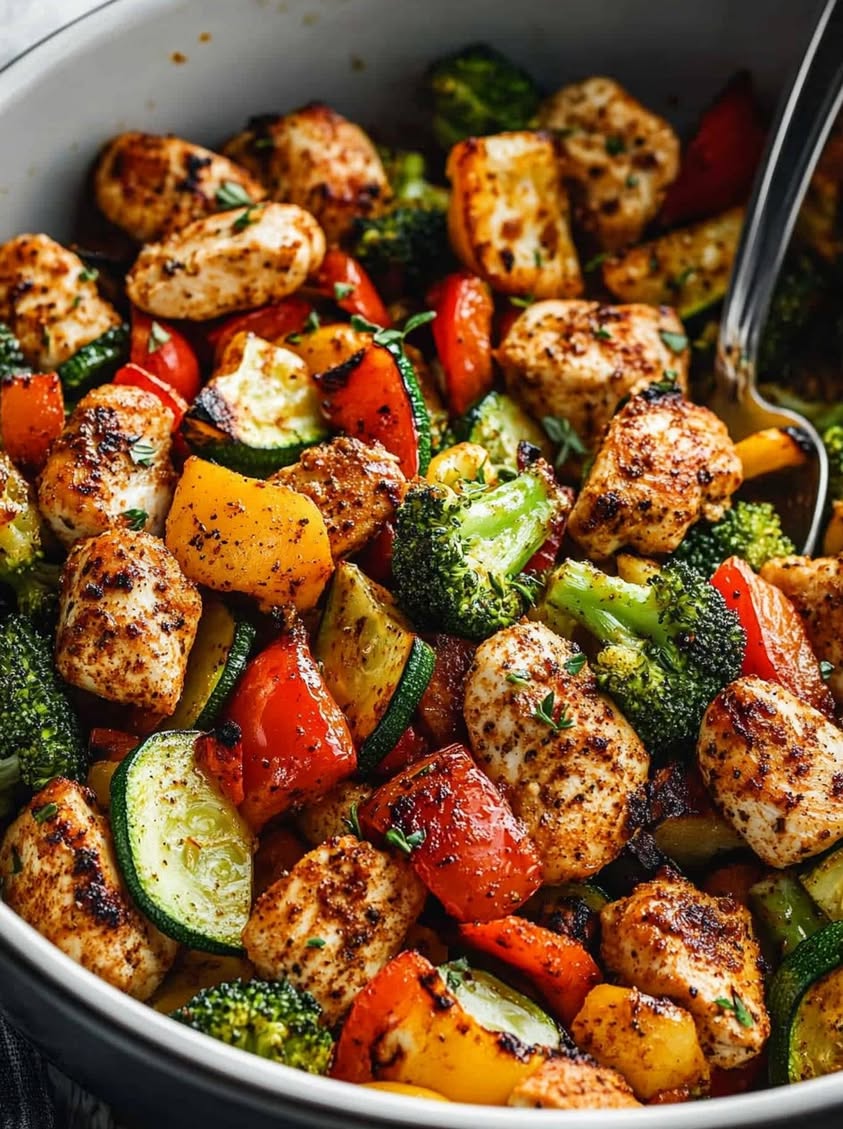
Bold Cajun Air Fryer Chicken with Roasted Garden Vegetables Recipe: A Flavorful One-Pan Feast
Imagine a weeknight dinner that explodes with flavor yet requires minimal cleanup. This Bold Cajun Air Fryer Chicken with Roasted Garden Vegetables recipe delivers exactly that. It transforms simple chicken breasts and fresh vegetables into a vibrant, satisfying meal. The air fryer works its magic, creating juicy, perfectly cooked chicken with a beautifully spiced crust. Simultaneously, it roasts the vegetables to tender-crisp perfection. The result is a complete, healthy dinner that feels indulgent.
The heart of this dish is the bold Cajun seasoning blend. It coats the chicken with a symphony of paprika, garlic, onion, and herbs. Moreover, the heat level is completely customizable. You can dial it up with extra cayenne or keep it family-friendly. The vegetables soak up those incredible spices, too. Consequently, every bite is a harmonious mix of savory, smoky, and slightly spicy notes. This recipe proves that eating well doesn’t mean sacrificing flavor or time.
Finally, the visual appeal is undeniable. The chicken emerges with a deep, reddish-brown crust. The zucchini, bell peppers, and red onion become caramelized and bright. Altogether, it’s a colorful plate that promises a delicious experience. This Bold Cajun Air Fryer Chicken with Roasted Garden Vegetables is your ticket to a stress-free, flavor-packed dinner any night of the week.
Quick Recipe Highlights
- Flavor Profile: This dish features a robust, smoky flavor from paprika and garlic, balanced by earthy herbs and a customizable kick of heat. The natural sweetness of the roasted vegetables perfectly complements the savory, spiced chicken.
- Texture: You get wonderfully juicy and tender chicken breast with a slightly crisp, seasoned exterior. The vegetables roast to a delightful tender-crisp texture, with soft interiors and lightly caramelized edges.
- Aroma: As it cooks, your kitchen will fill with the warm, inviting scents of smoked paprika, garlic, and roasting vegetables. It’s an aromatic promise of the hearty meal to come.
- Visual Appeal: The plate is a feast for the eyes with the deep, spice-rubbed chicken against the vibrant colors of green zucchini, red and yellow bell peppers, and purple-tinged red onion.
- Skill Level Needed: This is a beginner-friendly recipe. If you can chop vegetables and operate an air fryer, you can absolutely master this dish. The process is straightforward and forgiving.
- Special Equipment: The only essential tool is a good air fryer, either basket or oven style. You’ll also need basic kitchen gear: a cutting board, knife, mixing bowls, and measuring spoons.
Recipe Overview
- Difficulty Level: We rate this recipe as easy. The steps are simple: chop, season, and air fry. There’s no complicated technique or precise timing required. The air fryer does most of the work, making it nearly foolproof for cooks of any level.
- Category: This is a fantastic main course for lunch or dinner. It’s a complete protein-and-vegetable meal in one. Additionally, it fits beautifully into meal prep routines for healthy grab-and-go lunches throughout the week.
- Cuisine: The dish is rooted in the vibrant flavors of Cajun and Creole cooking from Louisiana. It uses the holy trinity base (bell peppers, onion, celery essence in the seasoning) and classic Cajun spices, adapted for a modern, convenient cooking method.
- Cost: This is a very budget-friendly meal. Chicken breasts and in-season vegetables are typically affordable. The spice blend uses pantry staples, making the cost per serving quite low, especially compared to takeout.
- Season: This recipe shines year-round. It’s perfect for summer with abundant garden vegetables. Conversely, it brings a taste of warmth and spice to colder fall and winter months, making it a versatile seasonal choice.
- Occasion: It’s ideal for busy weeknights, casual family dinners, or easy weekend lunches. Furthermore, it’s impressive enough for informal gatherings. You can easily double the recipe to feed a crowd without extra hassle.
Why You’ll Love This Recipe
First and foremost, the taste and texture combination is utterly satisfying. The Cajun seasoning creates a flavor-packed crust on the chicken that locks in moisture. Each bite delivers juicy, tender meat with a savory, smoky, and aromatic punch. The vegetables aren’t just a side; they become stars in their own right. Roasting them in the same bold spices means they are bursting with flavor, offering a sweet and savory contrast that makes the entire plate exciting to eat. You won’t find any bland, boring chicken here.
Next, consider the sheer convenience. This entire meal cooks in one appliance, the air fryer. That means you avoid heating up your whole kitchen with the oven. You also skip the mess of multiple pans splattering on the stovetop. The prep is quick, involving simple chopping and tossing. From start to finish, you can have a restaurant-quality meal on the table in about 40 minutes. For busy individuals and families, this efficiency is a game-changer, making healthy home cooking a realistic daily goal.
From a nutritional standpoint, this recipe is a powerhouse. It’s high in lean protein from the chicken, which is essential for muscle repair and keeping you full. The variety of garden vegetables provides a broad spectrum of vitamins, minerals, and dietary fiber. Cooking with an air fryer also uses significantly less oil than traditional frying methods. Therefore, you enjoy a meal that feels indulgent but is actually aligned with health-conscious goals. It’s a balanced plate that supports wellness without compromise.
This dish also holds tremendous social and entertaining value. It presents beautifully, making it look like you spent far more time than you actually did. The bold colors and aromas are instantly appealing to guests. Because it’s so easy to scale up, you can prepare it for a group without being stuck in the kitchen. Simply cook in batches or use a larger air fryer oven. It’s a crowd-pleaser that accommodates various tastes, especially since you can adjust the spice level to suit your audience.
Finally, the cost-effectiveness and accessibility are major wins. The ingredients are common and affordable, found in any standard grocery store. You likely have many of the spices in your pantry already. Compared to ordering similar food from a restaurant or buying pre-made meals, this homemade version saves a substantial amount of money. It also allows you to control the quality of ingredients, opting for organic produce or higher-welfare chicken if you choose. This recipe democratizes delicious, healthy eating.
Historical Background and Cultural Significance
The story of this dish begins in the rich cultural melting pot of Louisiana. Cajun cuisine originated from the French-speaking Acadians who were exiled from Canada and settled in the Louisiana bayous. They adapted their rustic French cooking techniques to local ingredients, creating a distinctive, hearty style of food. The iconic Cajun spice blend, or “Cajun seasoning,” is a cornerstone of this cuisine. It typically includes paprika, garlic powder, onion powder, black pepper, white pepper, cayenne pepper, oregano, and thyme. This blend was a practical way to preserve and flavor the abundant game, seafood, and vegetables of the region.
Culturally, Cajun food is about community, resourcefulness, and big, shared flavors. It’s often associated with large gatherings, festivals, and family meals where food is central to celebration and connection. Dishes like gumbo, jambalaya, and étouffée are legendary. Our Bold Cajun Air Fryer Chicken with Roasted Garden Vegetables recipe draws direct inspiration from these traditions. It captures the essential spirit of Cajun cooking—bold seasoning, the use of the “holy trinity” of vegetables (onions, bell peppers, celery), and a focus on creating deeply satisfying, one-pot meals that bring people together.
The evolution of this specific recipe is a testament to modern kitchen technology meeting traditional flavors. Historically, this combination might have been cooked in a heavy cast-iron skillet over an open fire or in a Dutch oven. The air fryer, a contemporary appliance, offers a new method to achieve a similar result: crispy, well-seasoned protein and perfectly roasted vegetables with minimal added fat. This evolution makes authentic-tasting Cajun flavors accessible to home cooks on a tight schedule, preserving the culinary heritage while adapting to contemporary lifestyles.
Regional variations of spiced, roasted meat and vegetables exist worldwide. However, the specific flavor profile of this dish is uniquely tied to Southern Louisiana. Different regions might use a berbere spice blend in Ethiopia, jerk seasoning in Jamaica, or tandoori masala in India for similar cooking applications. The beauty of this recipe lies in its adaptability. While rooted in Cajun tradition, you can see how the technique of air-frying seasoned protein and vegetables is a global concept. This makes the Bold Cajun Air Fryer Chicken a fantastic introduction to world flavors, starting with the vibrant taste of the American South.
Ingredient Deep Dive
Boneless, Skinless Chicken Breasts: Chicken breast is a versatile, lean canvas for bold flavors. Culturally, it’s a staple protein across the United States due to its mild taste and quick cooking time. Nutritionally, it’s an excellent source of high-quality protein, niacin, vitamin B6, and selenium. For best results, select breasts that are similar in size and thickness to ensure even cooking. You can also pound them gently to an even thickness. Store raw chicken in the coldest part of your refrigerator and use within 1-2 days, or freeze for longer storage. For substitution, chicken thighs offer more fat and flavor, while firm tofu or large portobello mushrooms can work for a plant-based version.
Cajun Seasoning: This blend is the soul of the dish. Its history is deeply woven into Acadian survival and adaptation in Louisiana. A good blend balances heat, sweetness, earthiness, and savoriness. Nutritionally, spices like paprika are rich in antioxidants and capsaicin (from cayenne) may boost metabolism. When selecting, read labels to avoid blends with excessive salt or anti-caking agents. For the freshest flavor, consider making your own by combining paprika, garlic powder, onion powder, oregano, thyme, black pepper, and cayenne. Store any spice blend in a cool, dark place to preserve its potency. For a different twist, you could substitute a blackened seasoning or a homemade jerk seasoning blend.
Bell Peppers and Zucchini: These vegetables represent the garden-fresh component and add crucial color, texture, and nutrients. Bell peppers, especially red and yellow, are sweeter than green and packed with vitamins A and C. Zucchini is a summer squash low in calories and high in water and fiber. When selecting, choose peppers that are firm with taut skin and zucchini that are medium-sized and firm, not rubbery. Store them unwashed in the vegetable crisper drawer. For variations, try other sturdy vegetables like broccoli florets, cauliflower, asparagus, or halved Brussels sprouts. The key is to cut them to a size that will cook at a similar rate to the chicken.
Red Onion: Red onion adds a sharp, slightly sweet pungency and beautiful color. Onions are foundational in cuisines worldwide and are part of the “holy trinity” in Cajun cooking. They provide flavonoids and sulfur-containing compounds with potential health benefits. Choose onions that are firm with dry, papery skins and no soft spots. Store in a cool, dry, well-ventilated place away from potatoes. If you don’t have red onion, yellow or white onion works perfectly. The roasting process mellows their sharpness and brings out their natural sweetness, making them a delightful component of the vegetable mix.
Common Mistakes to Avoid
- Overcrowding the Air Fryer Basket: This is the most common error. If you pack the food in too tightly, the hot air cannot circulate properly. Consequently, the chicken and vegetables will steam instead of roast, leading to soggy results. Always cook in a single layer, even if it means doing two batches.
- Using Unevenly Sized Chicken Pieces: If your chicken breasts vary greatly in thickness, they will cook unevenly. The thinner pieces will dry out before the thicker ones are done. To fix this, pound the thicker ends gently with a meat mallet or rolling pin to create a uniform thickness before seasoning.
- Skipping the Oil on the Vegetables: A light coating of oil is essential for roasting. It helps the spices adhere, promotes caramelization, and prevents the vegetables from drying out. Don’t drown them, but ensure each piece has a fine, glossy coating for the best texture and flavor.
- Not Preheating the Air Fryer: While some recipes say it’s optional, preheating ensures immediate, intense heat. This helps sear the chicken’s exterior and starts the roasting process on the vegetables right away. For consistently crispy results, let your air fryer preheat for 3-5 minutes.
- Forgetting to Shake or Toss: During cooking, it’s important to pause and shake the basket or toss the vegetables. This ensures all sides get exposed to the hot air for even browning and cooking. Typically, do this once halfway through the cooking time for the vegetables.
- Overcooking the Chicken: Chicken breast can go from juicy to dry quickly. Use a meat thermometer for precision. Remove the chicken when its internal temperature reaches 165°F at the thickest part. It will continue to cook slightly from residual heat after removal.
- Using a Wet Seasoning Rub: If your chicken is wet from being washed or thawed, pat it thoroughly dry with paper towels before applying the Cajun seasoning and oil. A wet surface will create steam and prevent the dry spices from forming a nice crust.
- Neglecting to Season Generously: Cajun food is known for its bold flavor. Don’t be shy with the seasoning blend on both the chicken and the vegetables. Taste a vegetable piece before cooking to check the seasoning level, remembering flavors mellow slightly when roasted.
Essential Techniques
Patting Chicken Dry: This simple step is critical for success. Surface moisture is the enemy of browning and crisping. When you pat boneless, skinless chicken breasts dry with paper towels, you remove this barrier. Consequently, the oil and spices can adhere directly to the meat’s surface. This direct contact allows the air fryer’s heat to efficiently create a flavorful, slightly crisp crust instead of steaming the exterior. Always take this extra 30 seconds for significantly better results.
Even Vegetable Cutting: Cutting your vegetables into uniform sizes is a fundamental technique for even cooking. If you have huge chunks of zucchini next to tiny dice of pepper, the smaller pieces will burn before the larger ones are tender. Aim for pieces that are roughly the same size and thickness, about 1 to 1.5-inch chunks. This ensures that all the vegetables roast at the same rate, giving you a perfect mix of tender interiors and caramelized edges in every bite.
Layering in the Air Fryer: Proper arrangement maximizes your air fryer’s efficiency. For this recipe, place the chicken breasts in the center of the basket where the heating element is most direct. Then, arrange the vegetables around the chicken in a single layer. This setup allows the intense heat to focus on the denser protein while the vegetables roast evenly around it. If your basket is small, cook the chicken first, keep it warm, and then cook the vegetables separately for the best texture.
Pro Tips for Perfect Bold Cajun Air Fryer Chicken
First, let your seasoned chicken rest for 5-10 minutes after applying the oil and spice rub. This allows the flavors to penetrate the surface slightly and helps the coating adhere better during cooking.
For extra crispy vegetables, toss them in a separate bowl with oil and seasoning before adding to the basket. This ensures every piece is evenly coated, leading to superior caramelization.
If your air fryer tends to run hot or you’re using a very powerful model, consider reducing the temperature by 25°F. Check for doneness a few minutes early to prevent overcooking.
Add a squeeze of fresh lemon juice over the entire dish just before serving. The bright acidity cuts through the richness of the spices and elevates all the flavors beautifully.
For a deeper flavor, use smoked paprika in your Cajun seasoning blend. It adds an authentic, woody smokiness that mimics traditional grill or cast-iron cooking.
If cooking for a crowd, keep the first batch of chicken warm in a 200°F oven while the second batch cooks. This ensures everything is hot and ready to serve together.
Don’t discard any leftover seasoned oil from the vegetable mixing bowl. Instead, drizzle it over the chicken after cooking for an extra burst of flavor.
Invest in a good instant-read meat thermometer. It takes the guesswork out of cooking chicken and guarantees perfect, juicy results every single time.
Variations and Adaptations
Regional Variations: Travel the world from your air fryer. For a Caribbean twist, swap Cajun seasoning for a jerk marinade. For a Mediterranean version, use a blend of oregano, lemon zest, garlic, and rosemary. An Indian-inspired adaptation could use a tandoori or tikka masala paste rubbed on the chicken with cauliflower and potatoes as the vegetables.
Seasonal Adaptations: Embrace what’s fresh. In fall, use cubed sweet potatoes, Brussels sprouts, and apples. In winter, try parsnips, carrots, and turnips. Spring welcomes asparagus and new potatoes. Summer is perfect for the classic bell peppers, zucchini, and cherry tomatoes. Adjust cooking times slightly for denser root vegetables.
Dietary Modifications: For a keto or low-carb version, increase the volume of non-starchy vegetables like broccoli, cauliflower, and mushrooms. For a Paleo approach, ensure your Cajun seasoning is free from additives and sugars. The recipe is naturally gluten-free and dairy-free as written.
Flavor Variations: Change the profile easily. Add a tablespoon of honey or maple syrup to the oil for a sweet-heat glaze. Mix in a teaspoon of grated ginger or lime zest with the spices for an Asian-fusion flair. Stir a tablespoon of tomato paste into the oil for a richer, umami-packed coating.
Texture Modifications: Love extra crunch? Add a handful of raw, chopped pecans or almonds to the vegetables for the last 3-4 minutes of cooking. For a crispier chicken crust, lightly spray the seasoned chicken with avocado oil spray right before it goes into the air fryer.
Presentation Alternatives: Instead of serving as whole pieces, slice the cooked chicken and fan it over a bed of the roasted vegetables. Alternatively, chop everything and serve it over a bed of quinoa, rice, or leafy greens as a hearty salad. Stuff the mixture into warm pita bread or tortillas for a flavorful wrap.
Serving and Presentation Guide
Plating is key to making this home-cooked meal feel special. For a restaurant-style presentation, slice the chicken breast on a diagonal and fan it out on one side of the plate. Then, artfully spoon the roasted garden vegetables next to it, allowing their vibrant colors to show. Drizzle any accumulated juices from the air fryer basket over the top for added moisture and flavor.
Garnishing adds the final touch. A sprinkle of fresh chopped parsley or cilantro adds color and freshness. Thinly sliced green onions or a few microgreens also work beautifully. For a creamy contrast, add a dollop of cool sour cream, Greek yogurt, or a drizzle of ranch dressing on the side.
Traditional accompaniments might include a side of dirty rice, red beans and rice, or a simple slice of cornbread to soak up the delicious spices. A crisp, green salad with a light vinaigrette balances the meal’s heartiness perfectly.
For modern serving, consider deconstructing the dish. Place a base of cauliflower rice or zucchini noodles on a plate, top with the chopped vegetables and sliced chicken, and finish with your chosen garnish. This keeps the meal light and low-carb while maintaining all the fantastic flavors.
Temperature is crucial. Serve the dish immediately after cooking while the chicken is juicy and the vegetables are hot and crisp-tender. If you need to hold it, tent the platter loosely with foil to retain heat without making the chicken skin soggy.
Portion control is easy with this balanced meal. One chicken breast and a generous cup of vegetables typically make a perfect serving. For larger appetites, simply increase the vegetable portion, as they are low in calories but high in volume and nutrients.
Wine and Beverage Pairing
Choosing the right wine enhances this flavorful dish. A medium-bodied red wine with low tannins works wonderfully. A Zinfandel or Grenache has enough fruitiness to complement the spice without overpowering it. For white wine lovers, an off-dry Riesling or a Viognier is excellent. Their slight sweetness and floral notes beautifully counterbalance the heat and smokiness of the Cajun spices.
Non-alcoholic alternatives are just as important. A sparkling lemonade or ginger beer provides a sweet and fizzy contrast that cleanses the palate. Iced tea, either sweetened or unsweetened with a lemon wedge, is a classic Southern pairing that always works. For a more complex option, try a chilled hibiscus tea or a cucumber-mint infused water.
While not traditional pairings for this dish, a cup of strong, black coffee after the meal can be delightful, especially if the dinner has a pronounced spicy kick. Similarly, a herbal tea like peppermint or chamomile can aid digestion after a robust meal.
Always consider serving temperature. White wines and non-alcoholic sparklers should be well-chilled. Red wines are best served slightly below room temperature. Iced beverages should have plenty of ice to stay cold throughout the meal, as the spices can make you thirstier.
Presentation of beverages matters too. Serve wine in appropriate glassware. For non-alcoholic options, use tall glasses with garnishes like citrus slices, fresh herbs, or berries to make the drink feel special and integrated with the meal’s vibrant theme.
Storage and Shelf Life
Proper storage is essential for food safety and quality. Allow the cooked chicken and vegetables to cool completely to room temperature before storing, but do not leave them out for more than two hours. Then, transfer the leftovers to an airtight container. You can store them together or separately based on your preference for reheating.
Refrigerate the leftovers promptly. The ideal storage temperature is at or below 40°F. Stored properly in a shallow, airtight container, the Bold Cajun Air Fryer Chicken and vegetables will maintain good quality for 3 to 4 days.
For containers, glass meal-prep containers are excellent as they don’t absorb odors and are microwave-safe. If using plastic, ensure it is BPA-free and designed for food storage. Dividing the meal into single-serving portions makes reheating for lunches quick and easy.
Recognize signs of spoilage. Discard the food if you notice an off or sour smell, a slimy texture on the chicken or vegetables, or any mold growth. When in doubt, it’s always safer to throw it out.
Reheating instructions are simple. The best method to retain texture is to reheat in the air fryer at 350°F for 3-5 minutes until hot throughout. The microwave is faster but can make the vegetables soft; use a medium power setting and cover with a damp paper towel. You can also reheat gently in a skillet on the stovetop with a splash of water or broth to prevent drying.
Freezing is possible but with caveats. The chicken freezes reasonably well for up to 2-3 months. The vegetables, however, will become very soft and watery upon thawing due to their high water content. If you must freeze, store in a freezer-safe bag, remove as much air as possible, and thaw overnight in the refrigerator before reheating.
Make Ahead Strategies
Strategic prep can make this recipe even faster on a busy night. You can easily prepare components 1-2 days in advance. Chop all your vegetables and store them in a sealed container or zip-top bag in the refrigerator. This is the most time-consuming step, so having it done is a huge win.
You can also season the chicken ahead of time. Pat the chicken breasts dry, rub them with oil and the Cajun seasoning, and place them in a separate airtight container in the fridge. This not only saves time but also allows the flavors to penetrate the meat more deeply, potentially improving the final taste.
Understand the quality impact. Pre-chopped vegetables may release a little moisture but will roast just fine. Pre-seasoned chicken may look slightly darker due to the salt drawing out moisture, but this won’t affect cooking. The overall flavor and texture of the finished dish will be nearly identical to a fully fresh preparation.
For assembly, simply take your prepped containers from the fridge when ready to cook. There’s no need to bring anything to room temperature. Proceed directly to arranging them in the preheated air fryer basket as directed in the recipe. You may need to add 1-2 minutes to the cook time if the ingredients are very cold from the fridge.
Reheating a fully cooked make-ahead meal is straightforward. Follow the storage and reheating guidelines above. The air fryer is the best tool to recrisp the chicken and vegetables without making them soggy.
Consider adding fresh elements after reheating. A final squeeze of lemon juice, a sprinkle of fresh herbs, or a drizzle of extra virgin olive oil just before serving can brighten up the dish and make it taste freshly made, even if it was prepared days earlier.
Scaling Instructions
Halving the recipe is simple for smaller households. Use two chicken breast halves and roughly halve the vegetable quantities. The cooking time may reduce slightly, so start checking for doneness about 5 minutes earlier. All other steps and temperatures remain the same.
Doubling or tripling the recipe for a crowd requires a bit more planning. You will almost certainly need to cook in multiple batches to avoid overcrowding the air fryer basket. Cook all the chicken first, keeping it warm in a low oven (200°F) covered with foil. Then, cook the vegetables in batches. Alternatively, if you have a large air fryer oven, you may be able to fit a double batch by using both racks and rotating them halfway through cooking.
Equipment adjustments are crucial when scaling. For larger batches, a sheet pan in a conventional oven at 425°F is an excellent alternative. Spread everything in a single layer and roast, flipping halfway, until the chicken reaches 165°F and vegetables are tender. The flavor will be similar, though the texture from the air fryer is unique.
Timing modifications are minimal when scaling up or down. The air fryer’s cook time is primarily dependent on the thickness of the chicken and size of vegetable pieces, not the total volume. However, when cooking multiple batches, the air fryer basket will already be hot, so subsequent batches may cook a minute or two faster.
Storage considerations change with scale. If you’ve made a large batch for meal prep, divide it into single-serving containers immediately after cooling. This prevents the food from spending too much time in the “danger zone” temperature range and makes reheating throughout the week effortless.
Nutritional Deep Dive
This meal offers a strong macro-nutrient profile. A typical serving provides approximately 30-35 grams of high-quality protein from the chicken, essential for muscle maintenance and satiety. The carbohydrates come primarily from the vegetables, offering around 15-20 grams of complex carbs and dietary fiber, which aids digestion and provides sustained energy. The fat content is low, around 8-12 grams per serving, mostly from the heart-healthy olive oil used for coating.
The micronutrient analysis is impressive. Bell peppers are exceptionally high in Vitamin C and Vitamin A. Zucchini provides potassium and manganese. Red onions offer quercetin, an antioxidant. The chicken contributes B vitamins, particularly B6 and niacin, which are vital for energy metabolism. The spice blend, featuring paprika and garlic, adds various antioxidants and anti-inflammatory compounds.
Overall health benefits are significant. This is a high-protein, high-fiber, nutrient-dense meal that supports weight management by keeping you full. The cooking method minimizes added fats. The spices may offer metabolic and anti-inflammatory benefits. It’s a heart-healthy choice that aligns with guidelines for balanced eating, promoting stable blood sugar and providing a wide array of essential vitamins and minerals.
For specific dietary considerations, the recipe is naturally gluten-free and dairy-free. It is also low in sugar, as the only sugars present are the natural ones found in the vegetables. Those on a low-FODMAP diet may need to modify by using only the green parts of green onions instead of red onion and ensuring the Cajun seasoning doesn’t contain garlic or onion powder.
Portion analysis shows this is a volumous meal. You get a large plate of food for a moderate calorie count, which is ideal for feeling satisfied. The vegetables add bulk and water content, contributing to fullness without excessive calories.
For weight management, this recipe is a perfect staple. The high protein and fiber content are key for controlling hunger. To make it even more weight-loss friendly, you can increase the vegetable portion slightly and use a spray oil to coat instead of tossing in liquid oil, further reducing the fat and calorie count without sacrificing flavor.
Dietary Adaptations
Gluten-Free: This recipe is naturally gluten-free as written. Always double-check your Cajun seasoning blend label, as some pre-mixed brands may include wheat-based additives or be processed in facilities with gluten. Opt for certified gluten-free spices or make your own blend from individual spices.
Dairy-Free: The standard recipe contains no dairy. Any garnishes like sour cream or yogurt should be avoided or substituted with dairy-free alternatives such as coconut yogurt or vegan sour cream to maintain this adaptation.
Vegan: Replace the chicken breasts with extra-firm tofu, pressed and cut into slabs, or large portobello mushroom caps. Increase the vegetable quantities. Marinate the tofu or mushrooms in the oil and spice blend for at least 30 minutes before air frying. Cooking time may be slightly less, so check for firmness and browning.
Low-Carb & Keto: This recipe is already excellent for low-carb diets. To make it strictly keto, increase the fat content slightly by drizzling the finished dish with a high-quality olive oil or avocado oil. Focus on low-carb vegetables like bell peppers, zucchini, and mushrooms, and avoid higher-carb options like carrots or sweet potatoes.
Paleo: Ensure your Cajun seasoning contains no artificial additives, sugar, or dairy. Use avocado oil or coconut oil instead of olive oil if preferred. The recipe is otherwise Paleo-compliant, emphasizing whole, unprocessed foods.
Low-FODMAP: Replace the red onion with the green tops of green onions (scallions) only. Use a garlic-infused oil instead of plain oil and garlic powder to impart flavor without the high-FODMAP garlic fructans. Check that your Cajun seasoning is free from onion and garlic powder, or make your own blend without them.
Nut-Free: The recipe is naturally nut-free. Be cautious with store-bought seasoning blends, as some may be processed in facilities that handle nuts. If adding nuts for crunch as a variation, obviously omit them for this adaptation.
Troubleshooting Guide
Chicken is Dry: This usually means overcooking. Next time, use a meat thermometer and remove the chicken at 160-162°F, as carryover cooking will bring it to 165°F. Also, ensure your chicken breasts are of even thickness. If they are very large, consider butterflying them to create a more uniform piece that cooks quickly and evenly.
Vegetables are Soggy: Sogginess results from overcrowding or under-seasoning with oil. Make sure the vegetables are in a single layer with space between them. Ensure they are thoroughly dried after washing and adequately coated in oil, which helps water evaporate and promotes roasting instead of steaming.
Spices are Burning: If you see smoke or smell burning spices, your air fryer temperature may be too high, or the spices may be applied too thickly on dry areas. Try lowering the temperature by 25°F. Also, ensure the spice rub is mixed with oil to create a paste, which is less likely to burn than dry powder directly on the food.
Food is Cooking Unevenly: This is common in air fryers with weaker fans or heating elements. The solution is to pause halfway through cooking and shake the basket vigorously. For chicken, you may need to flip it. If some vegetables are browning too fast, move them to the center of the basket where the heat is often less intense.
Lack of Flavor: If the final dish tastes bland, you likely underseasoned. Cajun food is bold. Don’t be afraid to season generously. Before cooking, taste a piece of oiled and seasoned vegetable; it should taste well-seasoned. Remember, you can always add a pinch of flaky salt and an extra sprinkle of seasoning after cooking.
Substitution Didn’t Work: If you substituted a vegetable that turned out poorly (e.g., watery tomatoes), note that not all veggies roast at the same rate. Stick to sturdy, low-moisture vegetables for best results. If using a chicken substitute like tofu, press it thoroughly to remove water and consider a cornstarch dusting for better browning.
Recipe Success Stories
The community response to this Bold Cajun Air Fryer Chicken recipe has been overwhelmingly positive. Many home cooks report it has become a weekly staple in their rotation. One reader shared, “My picky teenager asked for seconds! I never thought I’d see the{“success”:true,”message”:”Recipe created successfully”,”post_id”:8498,”tasty_recipe_id”:8498,”shortcode”:” Print
Bold Cajun-Spiced Air Fryer Chicken with Roasted Garden Vegetables
Description
A zesty, one-pan air fryer meal featuring juicy chicken thighs coated in a homemade Cajun spice blend, paired with colorful roasted vegetables for a healthy, flavorful dinner.
Ingredients
For the Crust:
- 4 boneless, skinless chicken thighs
- 1 red bell pepper, sliced
- 1 yellow bell pepper, sliced
- 1 medium zucchini, sliced
- 1 small red onion, chopped
- 2 tablespoons olive oil
- 1 tablespoon paprika
- 1 teaspoon garlic powder
- 1 teaspoon onion powder
- 1/2 teaspoon cayenne pepper
- 1/2 teaspoon dried oregano
- 1/2 teaspoon dried thyme
- Salt and black pepper to taste
- Fresh parsley for garnish (optional)
Instructions
1. Prepare the Crust:
- Preheat the air fryer to 400°F (200°C).
- In a small bowl, mix paprika, garlic powder, onion powder, cayenne pepper, oregano, thyme, salt, and black pepper to create the Cajun spice blend.
- Pat the chicken thighs dry, then rub them evenly with 1 tablespoon of olive oil and the Cajun spice blend.
- In a large bowl, toss the bell peppers, zucchini, and red onion with the remaining 1 tablespoon of olive oil and a pinch of salt.
- Place the seasoned chicken thighs in the air fryer basket, arranging them in a single layer. Air fry for 10 minutes.
- Flip the chicken thighs, add the vegetables around them in the basket, and air fry for another 15-20 minutes, or until the chicken is cooked through (internal temperature of 165°F) and vegetables are tender and slightly charred.
- Garnish with fresh parsley if desired, and serve immediately.
Notes
You can customize the seasonings to taste.

I’m Billy, a classically trained culinary school graduate from The Culinary Institute of America with over 12 years in the restaurant industry and over 19 years of cooking experience.