
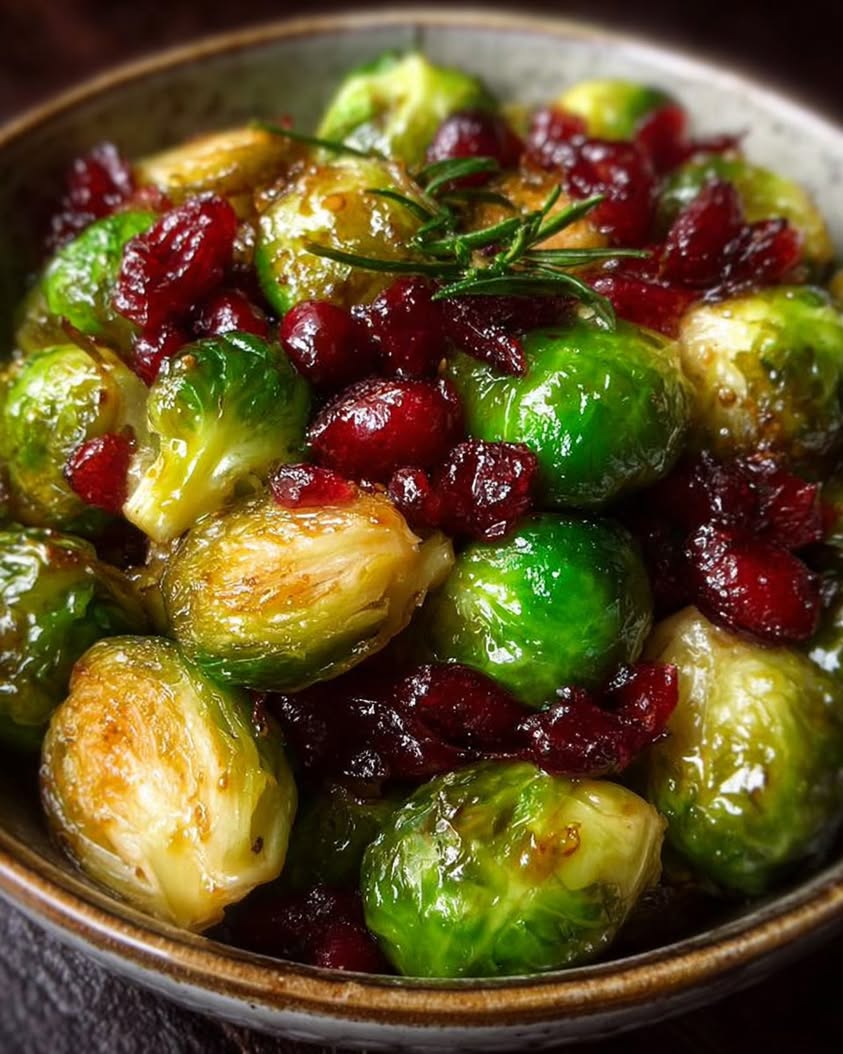
Sweet and Tangy Brussels Sprouts with Cranberry-Orange Glaze: A Festive Side Dish
Imagine a side dish that steals the show at your holiday table. This recipe for Sweet and Tangy Brussels Sprouts with Cranberry-Orange Glaze transforms the humble sprout into a vibrant, flavor-packed masterpiece. The combination of caramelized sprouts with a glossy, jewel-toned glaze is simply irresistible. Consequently, this dish brings a perfect harmony of savory, sweet, and tart notes to your plate. It is a guaranteed crowd-pleaser that will have everyone asking for seconds.
Moreover, these Sweet and Tangy Brussels Sprouts with Cranberry-Orange Glaze are surprisingly simple to prepare. The process involves roasting the sprouts to crispy perfection and simmering a quick, homemade glaze. The result is a dish that looks and tastes gourmet without requiring professional skills. Ultimately, this recipe proves that healthy vegetables can be the most exciting part of any meal. It is a brilliant way to elevate your weeknight dinner or your festive holiday spread.
Furthermore, the aroma that fills your kitchen while making this dish is absolutely intoxicating. The scent of roasting Brussels sprouts mingles with the bright, citrusy notes of orange and the warm spice of cinnamon. This sensory experience builds anticipation for the delicious meal to come. Therefore, cooking becomes part of the joy. This recipe for Sweet and Tangy Brussels Sprouts with Cranberry-Orange Glaze engages all your senses from start to finish.
Quick Recipe Highlights
- Flavor Profile: This dish masterfully balances earthy, savory Brussels sprouts with a bright, sweet, and tangy cranberry-orange glaze. The natural bitterness of the sprouts is tamed by caramelization, while the glaze adds a festive pop of fruit and spice. Finally, a touch of balsamic vinegar provides a subtle, sophisticated depth that ties everything together.
- Texture: You get the best of both worlds: crispy, slightly charred outer leaves and a tender, almost creamy interior on each sprout. The glaze clings to the sprouts, adding a sticky, glossy coating that is delightful to bite into. Additionally, optional toasted pecans or walnuts can introduce a wonderful crunchy contrast to the dish.
- Aroma: As the sprouts roast, they release a nutty, caramelized fragrance. Simultaneously, the simmering glaze fills the air with the bright, zesty scent of fresh orange and the warm, comforting spice of cinnamon. This combination creates an unmistakably festive and inviting kitchen aroma.
- Visual Appeal: The dish is a feast for the eyes with its deep green roasted sprouts glistening under a rich, ruby-red glaze. The vibrant colors look stunning on a white platter, making it a perfect centerpiece for a holiday table. Garnished with orange zest and fresh herbs, it is as beautiful as it is delicious.
- Skill Level Needed: This is a beginner-friendly recipe that requires basic kitchen skills like chopping, roasting, and simmering. There are no complicated techniques, making it accessible for novice cooks. However, the impressive final result will make you look like a seasoned chef.
- Special Equipment: You only need a few standard kitchen tools: a large baking sheet, parchment paper for easy cleanup, a medium saucepan, and a whisk. A good chef’s knife for trimming the sprouts is helpful but not specialized. No fancy appliances are required.
Recipe Overview
- Difficulty Level: We rate this recipe as “Easy” because it breaks down into two very straightforward steps: roasting vegetables and making a simple stovetop glaze. The techniques are fundamental, and the ingredient list is short and common. Furthermore, the recipe is forgiving; slight variations in roasting time or glaze thickness still yield a fantastic dish. Anyone comfortable with using an oven can achieve great results.
- Category: This dish falls squarely into the “Side Dish” category, perfect for complementing a main protein like roast turkey, ham, or chicken. It can also be a standout component of a vegetarian or vegan feast. Given its robust flavors, it pairs wonderfully with other holiday classics like mashed potatoes and stuffing.
- Cuisine: While Brussels sprouts have European origins, this particular preparation with a cranberry-orange glaze is a modern American creation, especially popular for Thanksgiving and Christmas. It draws inspiration from classic sweet and sour flavor profiles and incorporates iconic North American holiday ingredients like cranberries and maple syrup.
- Cost: This is a very cost-effective dish, especially when cranberries are in season during the fall and winter. Brussels sprouts are typically affordable, and the glaze ingredients are pantry staples or inexpensive fresh produce. You can create an impressive, restaurant-quality side for a fraction of the cost of dining out.
- Season: This recipe is ideal for the autumn and winter months when Brussels sprouts are at their peak sweetness and fresh cranberries are abundant. The warm, comforting flavors are perfectly suited to cooler weather and holiday gatherings. That said, using frozen cranberries allows you to enjoy this dish year-round.
- Occasion: It is the quintessential holiday side dish for Thanksgiving, Christmas, or Easter dinners. Beyond holidays, it’s excellent for potlucks, dinner parties, or even as a special weeknight treat to brighten up a regular meal. Its elegance and flavor make it suitable for any celebratory meal.
Why You’ll Love This Recipe
First and foremost, the taste and texture are utterly captivating. The Sweet and Tangy Brussels Sprouts with Cranberry-Orange Glaze offer a symphony of flavors in every bite. You experience the savory, caramelized depth of the roasted sprouts, immediately followed by the bright, fruity tang of the cranberry and orange. This contrast is not just delicious; it is genuinely exciting and elevates a simple vegetable to a new level. The sticky glaze ensures each sprout is perfectly coated, delivering consistent flavor.
Next, consider the sheer convenience and preparation benefits. This recipe comes together in under 40 minutes with minimal hands-on work. While the sprouts roast in the oven, you can quickly whip up the glaze on the stovetop. Consequently, you free up time to focus on other parts of your meal. The cleanup is also easy, especially if you use parchment paper on your baking sheet. This efficiency makes it a stress-free choice for busy hosts.
Additionally, the nutritional advantages are significant. Brussels sprouts are a powerhouse vegetable, packed with fiber, vitamins C and K, and antioxidants. By roasting them, you preserve more nutrients than boiling, and you use healthy fats like olive oil. The glaze, made with real fruit and natural sweeteners, avoids the processed sugars found in many canned sauces. Therefore, you are serving a side dish that is as wholesome as it is indulgent.
Furthermore, the social and entertaining value of this dish is immense. A platter of these glistening, colorful sprouts is a guaranteed conversation starter. It shows care and creativity, impressing guests with your culinary skills. Because it caters to various diets (especially with easy modifications), it is a versatile option for diverse groups. Serving this Sweet and Tangy Brussels Sprouts with Cranberry-Orange Glaze makes any meal feel like a special occasion.
Finally, the cost-effectiveness and accessibility are major wins. You create a stunning dish with inexpensive, seasonal ingredients. Compared to pre-made sides or restaurant dishes, this homemade version saves money without compromising on quality or flavor. The ingredients are easy to find at any standard grocery store. Ultimately, this recipe proves that eating well does not have to be complicated or expensive.
Historical Background and Cultural Significance
The story of Brussels sprouts begins in ancient Rome, but they were cultivated extensively in Belgium during the 16th century, hence their name. Originally, they were a practical, cold-weather crop prized for their hardiness and nutritional value. For centuries, they were often simply boiled, a preparation that unfortunately earned them a reputation for being bland and mushy. This historical context makes their modern renaissance all the more remarkable.
In American culinary culture, Brussels sprouts underwent a dramatic transformation in the late 20th and early 21st centuries. The advent of roasting and caramelizing techniques revealed their true potential, unlocking a nutty, sweet flavor. Consequently, they shed their negative image and became a trendy, sought-after vegetable on restaurant menus and home tables alike. This shift represents a broader trend of rediscovering and elevating traditional vegetables.
The evolution of the specific cranberry-orange glaze pairing is a testament to American holiday innovation. Cranberries, native to North America, have been a Thanksgiving staple for centuries. Creative cooks began looking beyond the traditional cranberry sauce, seeking new ways to incorporate its tart, vibrant flavor into other dishes. Pairing it with the citrusy brightness of orange and the earthy depth of roasted Brussels sprouts was a natural and brilliant progression. This recipe is a modern classic born from tradition.
Regional variations of this concept abound. In the Pacific Northwest, cooks might use hazelnuts instead of pecans. Some Southern variations incorporate a splash of bourbon into the glaze. A Mediterranean twist could use pomegranate molasses instead of cranberry. This adaptability shows how the core idea—sweet-tart fruit with savory greens—is a universally appealing combination. The Sweet and Tangy Brussels Sprouts with Cranberry-Orange Glaze is a flexible template for culinary creativity.
Ingredient Deep Dive
Let’s start with Brussels sprouts. These miniature cabbages are members of the brassica family, related to kale and broccoli. They are incredibly nutrient-dense, offering high levels of Vitamin K for bone health, Vitamin C for immunity, and fiber for digestion. When selecting them, look for firm, bright green heads that feel heavy for their size; avoid any with yellowing leaves or a strong odor. Store them unwashed in a plastic bag in your refrigerator’s crisper drawer for up to a week. For a substitution, broccoli florets or cauliflower can be roasted using the same method, though the cooking time may vary slightly.
Fresh cranberries are the star of the glaze. These native North American berries are harvested in the fall and are famous for their intense tartness and vibrant red color. They are packed with antioxidants and proanthocyanidins, which are linked to urinary tract health. Choose berries that are plump, shiny, and deep red in color; they should bounce when dropped. Fresh cranberries freeze beautifully; simply transfer them from the bag to a freezer-safe container. If fresh are unavailable, frozen cranberries work perfectly in this glaze—no need to thaw. In a pinch, high-quality cranberry sauce can be loosened with orange juice and used as a shortcut glaze.
Fresh orange juice and zest provide the essential “tangy” component. The zest contains potent aromatic oils that deliver a powerful citrus fragrance, while the juice adds liquid and a balanced acidity. Oranges are an excellent source of vitamin C and flavonoids. For the best flavor, buy organic oranges if you plan to use the zest, or scrub conventional oranges thoroughly. Always zest the orange before juicing it—it’s much easier. Juice the orange yourself for the brightest flavor; bottled juice often lacks freshness. As a substitute, clementine or tangerine juice can be used, though the flavor will be milder.
Pure maple syrup is our chosen natural sweetener. It balances the cranberries’ sharp tartness and promotes a beautiful, glossy reduction in the glaze. Maple syrup contains minerals like manganese and zinc and has a lower glycemic index than refined sugar. Always opt for “pure maple syrup,” not pancake syrup, which is made with corn syrup and artificial flavors. Grade A Amber or Dark Color has a robust flavor perfect for this recipe. For a vegan alternative, agave nectar works well. Honey can also be used, but note it will impart its own distinct floral flavor.
Common Mistakes to Avoid
- Overcrowding the Pan: Placing too many sprouts on the baking sheet causes them to steam instead of roast. Consequently, you will miss out on the essential crispy, caramelized edges. Always use a large enough pan and spread the sprouts in a single layer with some space between them.
- Not Trimming Properly: Failing to trim the dry stem end and remove any loose or yellowed outer leaves can lead to uneven cooking and unpleasant textures. Take a moment to properly prep each sprout; it makes a significant difference in the final result.
- Underseasoning the Sprouts: Seasoning only the glaze is a common error. The sprouts themselves need a generous coating of oil, salt, and pepper before roasting. This builds layers of flavor from the inside out, ensuring the vegetable is tasty even before the glaze touches it.
- Boiling the Glaze Instead of Simmering: Cooking the glaze over too high heat can cause it to boil violently, reducing it too quickly and potentially burning the sugars. A gentle simmer allows the cranberries to pop slowly and the flavors to meld perfectly without risk of scorching.
- Adding the Glaze Too Early: Pouring the glaze over the sprouts before they are done roasting can cause the sugars to burn in the high oven heat. Always toss the sprouts with the glaze after they have achieved your desired level of caramelization, either in the last few minutes of cooking or after removing them from the oven.
- Neglecting to Taste and Adjust: Not tasting the glaze before serving is a missed opportunity. After simmering, always taste and adjust the balance. You might need a pinch more salt to enhance all the flavors, a squeeze of lemon for extra brightness, or another drizzle of maple syrup if the cranberries are particularly tart.
- Using a Dull Knife: Slicing Brussels sprouts in half with a dull knife can crush them rather than cut them cleanly. Use a sharp chef’s knife for a clean cut that helps the halves roast evenly and retain their shape.
- Skipping the Resting Time: Serving the sprouts immediately after tossing with the glaze can result in a soupy plate as the residual heat continues to release moisture. Letting them sit for 5 minutes allows the glaze to thicken slightly and cling beautifully to each sprout.
Essential Techniques
Dry Roasting for Caramelization: This is the most critical technique for perfect Sweet and Tangy Brussels Sprouts with Cranberry-Orange Glaze. Patting the halved sprouts completely dry before tossing them with oil is essential. Any surface moisture will create steam, preventing the Maillard reaction—the chemical process that creates browning and complex, nutty flavors. The key is high heat (400-425°F), ample space on the pan, and resisting the urge to stir too often. Let them develop a deep, golden-brown char on the cut side before turning. The visual cue for success is sprouts with crispy, almost blistered leaves and a tender-crisp interior.
Reduction Simmering for the Glaze: Creating the perfect cranberry-orange glaze relies on the technique of reduction. Combining the liquids (juice, syrup, vinegar) and cranberries and bringing them to a simmer allows water to evaporate. This process concentrates the flavors and thickens the mixture into a syrupy consistency that will coat the back of a spoon. A gentle, steady simmer is vital; a rolling boil can cause the sugars to crystallize or burn. The glaze is ready when it has thickened noticeably and the cranberries have burst, creating a chunky yet cohesive sauce. Stirring occasionally prevents sticking and ensures even reduction.
Pro Tips for Perfect Sweet and Tangy Brussels Sprouts with Cranberry-Orange Glaze
- For extra crispiness, place your baking sheet in the oven as it preheats. Adding the oiled sprouts to a hot pan gives them an immediate sear, promoting fantastic browning from the very start of the cooking process.
- Cut very large sprouts into quarters instead of halves. This ensures the centers cook through at the same rate as the outer leaves get crispy, preventing a raw, hard core in an otherwise perfectly cooked sprout.
- Add a savory depth to the glaze by stirring in a teaspoon of Dijon mustard or a tablespoon of minced shallot sautéed in a bit of butter before adding the other glaze ingredients. This adds a sophisticated layer of flavor that complements the sweetness.
- If your glaze becomes too thick after cooling, simply loosen it with a tablespoon or two of warm water, vegetable broth, or additional orange juice. Whisk it in until you reach a perfect, pourable consistency.
- For a beautiful presentation, reserve a few whole cranberries and some orange zest before making the glaze. Use them as a fresh, colorful garnish on top of the finished dish along with any chopped nuts or herbs.
- To make this recipe ahead, roast the sprouts and make the glaze separately. Store them in different containers in the fridge. Reheat the sprouts in the oven to recrisp, warm the glaze gently on the stovetop, and combine just before serving.
- Don’t discard the loose leaves that fall off while trimming! Toss them with oil and salt and roast them on the same pan. They become delicious, crispy “Brussels sprout chips” that make a fantastic cook’s snack or an extra garnish.
- Always taste a cranberry before starting. Their tartness can vary from batch to batch. If they are exceptionally sour, be prepared to add a touch more maple syrup to the glaze to achieve the ideal sweet-tangy balance.
Variations and Adaptations
For regional variations, consider your local ingredients. In the South, add crumbled cooked bacon or a splash of bourbon to the glaze. A West Coast version might include toasted hazelnuts and a hint of rosemary. A Mediterranean adaptation could swap cranberries for chopped dried figs or apricots and use pomegranate juice instead of orange.
Seasonal adaptations are easy. In spring, use a lemon-thyme glaze with fresh peas. For summer, try a balsamic strawberry reduction. When cranberries are out of season, frozen work perfectly, or use high-quality cranberry juice as the glaze base, reducing it with orange zest until syrupy.
Dietary modifications are straightforward. For a vegan Sweet and Tangy Brussels Sprouts with Cranberry-Orange Glaze, ensure your maple syrup is vegan (most are) and use a plant-based butter alternative if needed. For a gluten-free version, this recipe is naturally compliant—just check labels on premade broths or vinegar if used.
Flavor variations can personalize the dish. Add warmth with a pinch of red pepper flakes or a dash of cayenne to the glaze. Incorporate earthy notes with a teaspoon of chopped fresh thyme or rosemary. For umami depth, finish the dish with a sprinkle of grated Parmesan cheese or nutritional yeast.
Texture modifications cater to different preferences. For a smoother glaze, simply blend the cooked cranberry mixture until smooth after it has cooled slightly. For added crunch, toss in toasted pecans, walnuts, or pumpkin seeds just before serving. For a creamier element, drizzle the finished dish with a little tahini or yogurt sauce.
Presentation alternatives can elevate your plating. Serve the glazed sprouts in a hollowed-out roasted acorn squash for individual portions. Skewer halved sprouts with other glazed vegetables for a festive kabob. Alternatively, chop the roasted sprouts more finely and serve the glazed mixture as a warm bruschetta topping on crostini.
Serving and Presentation Guide
Plating techniques matter for this stunning dish. Transfer your Sweet and Tangy Brussels Sprouts with Cranberry-Orange Glaze to a wide, shallow bowl or a white platter to let the colors pop. Avoid piling them high in a deep dish, which can make them steam and lose their crispness. Instead, spread them out attractively, ensuring each sprout is visible and coated in the glossy glaze.
Garnishing adds the final touch of elegance. A sprinkle of fresh orange zest provides vibrant color and aroma. Fresh herbs like chopped parsley, thyme, or chives add a green contrast. For texture and richness, a scattering of toasted, chopped nuts like pecans or pistachios is perfect. A final tiny drizzle of reduced balsamic vinegar can create beautiful visual streaks.
Traditional accompaniments include holiday roast meats like turkey, ham, or prime rib. They also pair wonderfully with other classic sides such as creamy mashed potatoes, savory stuffing, or sweet potato casserole. The bright, tangy sprouts cut through the richness of these heavier dishes beautifully.
Modern serving suggestions are versatile. Serve them atop a bowl of creamy polenta or farro for a vegetarian main course. Add them to a grain bowl with quinoa, roasted chickpeas, and a lemony tahini dressing. They also make an incredible pizza topping with goat cheese and caramelized onions after the pizza comes out of the oven.
Temperature considerations are key. These sprouts are best served warm, not piping hot. Allowing them to cool for 5-10 minutes after tossing with the glaze lets the flavors settle and the sauce thicken. They can be served at room temperature for a buffet, but avoid serving them cold, as the glaze will congeal.
Portion control tips are helpful for planning. This recipe yields about six side-dish servings. As a general guide, plan for roughly ½ pound of raw Brussels sprouts per person for a generous side portion. If serving as part of a large holiday spread with many other sides, you can stretch it to 8 servings.
Wine and Beverage Pairing
Wine pairings should complement the dish’s sweet, tart, and savory notes. A slightly off-dry Riesling or Gewürztraminer is a fantastic choice, as their inherent sweetness and floral aromas harmonize with the fruit glaze. For red wine lovers, a light-bodied, low-tannin Pinot Noir or Beaujolais works well; their red fruit flavors echo the cranberry without overpowering the vegetable. An oak-aged Chardonnay can also pair nicely, offering buttery notes that contrast with the tanginess.
Non-alcoholic alternatives are just as thoughtful. Sparkling apple cider or a cranberry-spiced seltzer mirrors the festive, fruity elements. A warm mug of mulled apple juice with cinnamon and orange slices creates a cozy flavor bridge. For a more sophisticated option, try a virgin cocktail with muddled cranberries, orange juice, and ginger beer.
Coffee and tea pairings can work for a brunch or late-autumn meal. A medium-roast coffee with notes of citrus or berry will complement the glaze without clashing. For tea, a hibiscus tea (which is naturally tart and red) enhances the cranberry flavor, or a spiced chai tea aligns beautifully with the warm cinnamon notes in the dish.
Temperature considerations for beverages are straightforward. Chilled white wines, sparkling drinks, and iced teas provide a refreshing contrast to the warm, roasted dish. Room temperature red wines and warm teas or ciders offer a comforting, cohesive experience. Match the beverage temperature to the mood and weather of your meal.
Serving suggestions ensure the best experience. Always serve wine in appropriate glassware to appreciate its aroma. For non-alcoholic options, consider a beautiful pitcher or carafe for sharing. Adding a few frozen cranberries or an orange twist to water or seltzer elevates the presentation and ties the whole table together.
Storage and Shelf Life
Storage methods are simple but important. Allow any leftover Sweet and Tangy Brussels Sprouts with Cranberry-Orange Glaze to cool completely to room temperature before storing. Transfer them to an airtight container. Do not leave them sitting out for more than two hours to prevent bacterial growth.
Temperature requirements are strict for food safety. Store the container in the refrigerator at 40°F or below. The sprouts and glaze will keep for up to 3-4 days when properly refrigerated. The glaze may thicken considerably when cold, which is normal.
Container recommendations include glass meal-prep containers or sturdy BPA-free plastic. Avoid storing in the original roasting pan covered with foil, as this does not provide an adequate seal. If possible, store the sprouts and any excess glaze separately to better preserve the sprouts’ texture.
Signs of spoilage are easy to spot. Discard the sprouts if you notice an off, sour smell (different from their natural cruciferous aroma), visible mold growth, or an excessively slimy texture. When in doubt, it is always safer to throw it out.
Reheating instructions are crucial for restoring texture. The best method is to reheat in an oven or toaster oven at 375°F for 10-15 minutes until warmed through. This helps recrisp the sprouts. You can also reheat in a skillet over medium heat with a tiny splash of water or broth to steam-revive them. Avoid the microwave, as it will make them soggy.
Freezing guidelines are not generally recommended for this specific dish. The high water content in the Brussels sprouts causes them to become mushy and watery upon thawing. The glaze may also separate. For best quality, enjoy this recipe fresh or refrigerated for a few days.
Make Ahead Strategies
Prep timeline can ease holiday stress. You can fully prepare this dish 1-2 days in advance. Simply roast the sprouts and make the glaze separately. Store them in different airtight containers in the refrigerator. This prevents the sprouts from becoming soggy under the glaze.
Storage between steps is straightforward. Let both components cool completely before covering and refrigerating. The roasted sprouts can be kept in a container lined with a paper towel to absorb any excess moisture. The glaze will thicken in the fridge; this is expected.
Quality impact assessment is positive. The flavors often meld and improve after a day in the fridge. The only potential downside is a loss of crispiness on the sprouts, but the reheating method can largely solve this. The make-ahead approach is a fantastic trade-off for convenience on a busy cooking day.
Assembly tips for serving day are key. Reheat the sprouts on a baking sheet in a 375°F oven for 10-12 minutes to refresh their crispness. Gently warm the glaze in a small saucepan over low heat, adding a spoonful of water or orange juice if it’s too thick. Toss the hot sprouts with the warm glaze just before serving.
Reheating guidelines must be followed for texture. Always use dry heat (oven, air fryer, skillet) for the sprouts, not a microwave. Warm the glaze separately on the stovetop. Combining them while both are hot ensures the glaze coats evenly and the dish tastes freshly made.
Fresh element additions after reheating make a difference. After you’ve tossed the reheated components, add a fresh garnish. Sprinkle on newly toasted nuts, a fresh grating of orange zest, or chopped herbs. This adds a layer of texture and brightness that makes the dish feel just-prepared.
Scaling Instructions
Halving the recipe is easy for smaller households. Simply divide all ingredient quantities by two. Use a standard sheet pan—the smaller volume will mean even better roasting as the sprouts will have plenty of space. Cooking time may reduce by 5-7 minutes, so start checking for doneness earlier.
Doubling or tripling for a crowd requires planning. Double or triple the ingredients. Do NOT crowd two batches’ worth of sprouts onto one pan; you must use multiple baking sheets and roast in batches or on multiple oven racks. Rotate the pans top-to-bottom and front-to-back halfway through cooking for even browning. You may need to increase the glaze simmering time slightly as the larger volume will take longer to reduce.
Equipment adjustments are necessary when scaling up. Ensure you have enough large baking sheets. If roasting in batches, keep the first batch warm in a 200°F oven while the second batch cooks. Use a larger saucepan for making a bigger batch of glaze to prevent boil-overs.
Timing modifications are minimal. The roasting time per batch remains roughly the same (20-25 mins). The main time addition comes from preparing more sprouts and potentially roasting in consecutive batches. Factor this extra time into your meal planning when cooking for a large group.
Storage considerations for large batches are similar. Store any leftovers in several smaller containers rather than one gigantic one. This cools the food faster for safety and makes it easier to reheat only what you need later, preventing repeated warming and cooling of the entire batch.
Nutritional Deep Dive
Macro breakdown for a serving is favorable. This dish is primarily a carbohydrate source from the Brussels sprouts, cranberries, and maple syrup, but it also provides a moderate amount of healthy fats from the olive oil and a small amount of plant-based protein from the sprouts. The fiber content is significant, aiding in satiety and digestion. It is not a high-protein dish, so pair it with a protein source for a balanced meal.
Micronutrient analysis reveals a powerhouse of vitamins. Brussels sprouts are exceptionally high in Vitamin K (important for blood clotting and bone health) and Vitamin C (a potent antioxidant). They also provide folate, potassium, and Vitamin A. Cranberries add more Vitamin C and a unique array of phytonutrients like proanthocyanidins, known for supporting urinary tract health.
Health benefits are extensive. The combination of high fiber, antioxidants, and anti-inflammatory compounds supports heart health, digestive health, and immune function. The low calorie density of the vegetables means you can eat a satisfying portion without excessive calories. The use of natural sweeteners is a healthier alternative to refined sugars.
Dietary considerations are mostly positive. This dish is naturally vegetarian, dairy-free, and can easily be made vegan and gluten-free. It is not suitable for a strict low-carb or keto diet due to the cranberries and maple syrup. Those on blood thinners should be mindful of the high Vitamin K content and consult their doctor regarding consistent intake.
Portion analysis shows it’s a nutrient-dense side. A standard serving (about 1/6 of the recipe) provides a substantial amount of your daily recommended vegetable intake. The glaze adds flavor and sweetness with a modest amount of added sugar, especially compared to many processed sauces or condiments.
Weight management tips involve mindful serving. While healthy, the glaze does contain natural sugars. If you are closely monitoring sugar intake, you can reduce the maple syrup by a tablespoon and rely more on the natural sweetness of the roasted sprouts and the tartness of the cranberries. The high fiber content helps you feel full and satisfied.
Dietary Adaptations
For a gluten-free version, this recipe is naturally compliant as written. Simply double-check that any packaged ingredients like broth (if used) or vinegar are certified gluten-free, which they almost always are. This makes the Sweet and Tangy Brussels Sprouts with Cranberry-Orange Glaze a safe and delicious option for those with celiac disease or gluten sensitivity.
For a dairy-free version, the standard recipe is already perfect. No dairy products are used in the core recipe. If you choose to add a garnish like cheese, simply omit it or use a plant-based Parmesan alternative. Ensure any butter used for sautéing shallots (if following a pro tip) is a plant-based butter stick.
For a vegan adaptation, the primary recipe is nearly there. Confirm your maple syrup is vegan (most are, but some artisanal brands use animal-derived fining agents). That’s typically the only ingredient that might need verification. The dish then becomes a completely plant-based, vibrant side perfect for any vegan holiday table.
For a low-carb or keto adaptation, significant modifications are needed. Replace the cranberries with a lower-carb berry like raspberries or blackberries, though the color will be different. Substitute the maple syrup with a keto-friendly sweetener like monk fruit or erythritol that measures like sugar. Be aware that Brussels sprouts themselves are moderately high in carbs for a strict keto diet, so portion size becomes very important.
For a Paleo adaptation, this recipe is an excellent fit with one check. Ensure your maple syrup is 100% pure and that any vinegar used is apple cider vinegar. Avoid any processed ingredients. The dish aligns with Paleo principles of using whole foods, healthy fats, and natural sweeteners.
For a Low-FODMAP adaptation, Brussels sprouts can be problematic in large servings due to their oligosaccharides. A Monash University-approved serving is about 2 sprouts (60g) per meal. You would need to drastically reduce the quantity in this recipe per person or substitute with low-FODMAP vegetables like bell peppers or carrots. Use maple syrup (FODMAP friendly in moderate amounts) and omit the orange juice (use the zest only for flavor).
Troubleshooting Guide
Texture Issues (Soggy Sprouts): If your sprouts are steaming and becoming soggy, the cause is almost always overcrowding on the pan. The solution is to spread them out in a single layer with space. Also, ensure they are thoroughly dried before oiling and that your oven temperature is accurate—use an oven thermometer. For already-cooked soggy sprouts, you can try spreading them back on a pan and broiling for 2-3 minutes to recrisp the edges.
Flavor Balance (Too Tart or Too Sweet): If your glaze is mouth-puckeringly tart, balance it by stirring in an extra tablespoon of maple syrup and a pinch of salt. If it’s too sweet, add a squeeze of fresh lemon juice or a teaspoon of balsamic vinegar to introduce acidity. Always adjust at the end of cooking and remember that the savory sprouts will balance the sweetness on the plate.
Temperature Problems (Undercooked Centers): If the outsides are browning but the centers are still hard, the sprouts are likely too large or your oven temperature is too high, causing the outside to cook too fast before heat penetrates. Cut larger sprouts into quarters. You can also lower the oven temperature to 375°F and extend the cooking time, covering the pan with foil if the tops are getting too dark.
Equipment Challenges (Glaze Sticking/Burning): If your glaze is sticking or burning on the stovetop, your heat is too high. Immediately remove the pan from the heat and transfer the glaze to a clean saucepan. Continue cooking over the lowest possible simmer. Using a heavy-bottomed saucepan distributes heat more evenly and prevents hot spots that cause burning.
Ingredient Substitutions (Missing an Item): No fresh cranberries? Use frozen—they work identically. No maple syrup? Honey or agave nectar can substitute in equal measure. No fresh orange? Use 1/3 cup of high-quality orange juice{“success”:true,”message”:”Recipe created successfully”,”post_id”:7634,”tasty_recipe_id”:7634,”shortcode”:” Print
Brussels Sprouts with Cranberry-Orange Glaze
Description
A festive side dish featuring roasted Brussels sprouts tossed in a sweet and tangy cranberry-orange glaze, perfect for holiday meals or cozy dinners.
Ingredients
For the Crust:
- 1 lb Brussels sprouts, trimmed and halved
- 2 tbsp olive oil
- 1/2 tsp salt
- 1/4 tsp black pepper
- 1/2 cup fresh cranberries
- 1/4 cup orange juice
- 2 tbsp maple syrup
- 1 tbsp balsamic vinegar
- 1 tsp orange zest
- 1/4 cup chopped pecans (optional)
Instructions
1. Prepare the Crust:
- Preheat oven to 400°F (200°C). Toss Brussels sprouts with olive oil, salt, and pepper, then spread on a baking sheet. Roast for 20-25 minutes until tender and browned.
- In a small saucepan, combine cranberries, orange juice, maple syrup, and balsamic vinegar. Bring to a simmer over medium heat, stirring occasionally, until cranberries burst and sauce thickens (about 8-10 minutes). Stir in orange zest.
- Transfer roasted Brussels sprouts to a bowl, pour the cranberry-orange glaze over them, and toss to coat evenly. Garnish with chopped pecans if desired, and serve warm.
Notes
You can customize the seasonings to taste.

I’m Billy, a classically trained culinary school graduate from The Culinary Institute of America with over 12 years in the restaurant industry and over 19 years of cooking experience.