
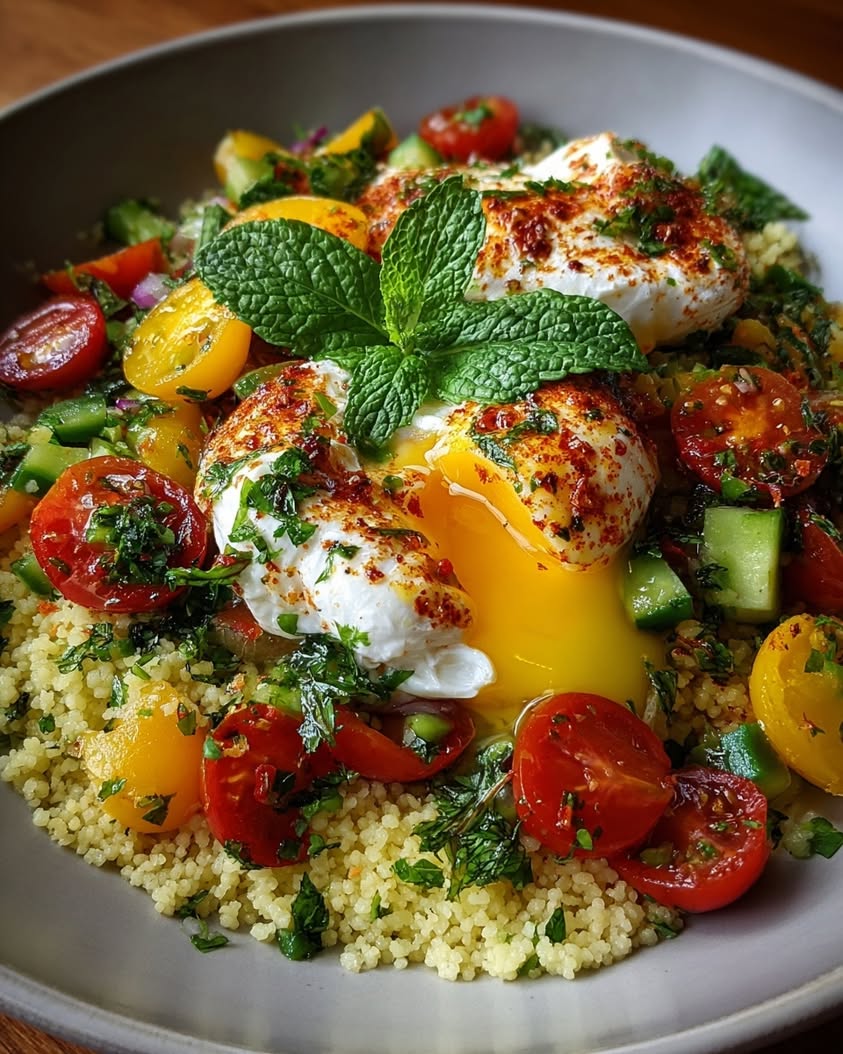
Burrata & Herb Couscous Hosting Salad: The Ultimate Showstopper Side Dish
Imagine a dish that effortlessly bridges the gap between casual lunch and elegant dinner party fare. This creamy Burrata & Herb Couscous Hosting Salad is precisely that culinary masterpiece. Moreover, it combines fluffy pearl couscous with the luxurious, creamy texture of fresh burrata cheese. The result is a salad that feels indulgent yet refreshingly light. Ultimately, it’s a versatile centerpiece guaranteed to impress any guest.
The magic of this Burrata & Herb Couscous Hosting Salad lies in its beautiful contrasts. You get the delicate chew of pearl couscous paired with the rich, oozing center of burrata. Fresh, vibrant herbs and a bright lemon vinaigrette cut through the richness perfectly. Consequently, every bite is a harmonious blend of creamy, tangy, and herby flavors. This dish is not just a salad; it’s a complete sensory experience.
Furthermore, this recipe is designed with the home cook in mind. It requires minimal hands-on time and uses straightforward techniques. Whether you’re prepping for a weeknight family meal or a weekend gathering, this salad delivers maximum flavor with minimal fuss. In essence, it’s the perfect answer to the question of what to make when you want something special without spending hours in the kitchen.
Quick Recipe Highlights
- Flavor Profile: This salad boasts a sophisticated balance. The mild, milky flavor of burrata is elevated by a zesty lemon-herb dressing. Additionally, the couscous acts as a neutral canvas that soaks up all the vibrant flavors.
- Texture: The texture profile is wonderfully complex. You experience the pleasing chew of al dente pearl couscous contrasted with the impossibly creamy, soft burrata. Finally, crisp cucumber and toasted pine nuts add delightful crunch.
- Aroma: The aroma is instantly inviting. Freshly chopped basil, mint, and parsley release their essential oils. Meanwhile, the scent of toasted pine nuts and bright lemon zest fills the kitchen.
- Visual Appeal: This salad is a feast for the eyes. The white and yellow hues of burrata and couscous are stunning against the green herbs and red cherry tomatoes. Therefore, it looks as beautiful on the table as it tastes.
- Skill Level Needed: This is a beginner-friendly recipe. Basic skills like boiling couscous, whisking a dressing, and chopping herbs are all you need. Importantly, the assembly is intuitive and forgiving.
- Special Equipment: No special tools are required. A medium pot, a mixing bowl, a whisk, and a good knife are sufficient. A microplane for zesting lemon is helpful but not essential.
Recipe Overview
- Difficulty Level: This Burrata & Herb Couscous Hosting Salad is rated easy. The steps are sequential and simple: cook the couscous, make the dressing, chop the veggies, and assemble. There are no advanced techniques or precise temperatures to monitor.
- Category: This dish fits multiple categories beautifully. It works as a substantial main course salad for a light lunch. Alternatively, it serves as a stunning side dish for grilled proteins like chicken or fish. It’s also a fantastic potluck or picnic offering.
- Cuisine: While not strictly traditional to one region, the salad draws inspiration from Mediterranean and Italian cuisines. The use of burrata, olive oil, fresh herbs, and lemon is classic to these food cultures. It’s a modern, fusion-style dish celebrating fresh, high-quality ingredients.
- Cost: The cost is moderate, largely depending on the price of burrata. Pearl couscous, herbs, and vegetables are generally affordable. Using high-quality extra virgin olive oil is a worthwhile investment that significantly impacts the final flavor.
- Season: This salad is perfect for late spring through early fall. This is when fresh basil, mint, and ripe cherry tomatoes are at their peak. However, it can be made year-round with greenhouse herbs and vegetables.
- Occasion: It’s ideal for al fresco dining, bridal showers, or casual dinner parties. The “hosting” in the name is earned; it’s a reliable, crowd-pleasing recipe that looks professional. It turns any meal into a special occasion.
Why You’ll Love This Recipe
First and foremost, the taste and texture are utterly irresistible. The creamy Burrata & Herb Couscous Hosting Salad delivers a luxurious mouthfeel that feels decadent. Each forkful combines the cool, soft cheese with the hearty couscous and the crisp vegetables. The lemon dressing ties everything together with a bright, acidic punch that prevents the dish from feeling heavy. Ultimately, it’s a salad that satisfies deeply without weighing you down.
From a convenience standpoint, this recipe is a true winner. The entire Burrata & Herb Couscous Hosting Salad comes together in about twenty-five minutes. Most of that time is passive while the couscous cooks. You can easily chop herbs and whisk the dressing during that downtime. Consequently, you have an impressive dish ready in the time it takes to order delivery.
Nutritionally, this salad offers a well-rounded profile. Pearl couscous provides complex carbohydrates for sustained energy. Burrata offers protein and calcium, while the olive oil and pine nuts contribute healthy fats. The array of fresh herbs and vegetables packs vitamins, minerals, and antioxidants. Therefore, it’s a meal that nourishes your body as much as it delights your palate.
The social and entertaining value of this dish cannot be overstated. Presenting a beautiful platter of this Burrata & Herb Couscous Hosting Salad instantly elevates a gathering. It encourages sharing and conversation. Guests are always impressed by the visual drama of the whole burrata ball nestled in the salad. It’s a guaranteed conversation starter that makes you look like a culinary pro.
Finally, this recipe is cost-effective and accessible. While burrata can be a splurge, the other ingredients are pantry staples or inexpensive fresh produce. You can easily adapt it based on what’s available or on sale. For instance, swap pine nuts for slivered almonds or use a different herb mix. This flexibility makes the creamy Burrata Couscous Salad a practical choice for any budget.
Historical Background and Cultural Significance
The story of this salad is a modern tale of ingredient fusion. Burrata cheese itself has a rich history, originating in the Puglia region of Italy in the early 20th century. Cheesemakers created it as a way to use up scraps of mozzarella, enriching them with cream. Couscous, conversely, has ancient North African and Middle Eastern roots as a staple grain. This recipe beautifully marries these two distinct culinary traditions into a contemporary dish.
Culturally, both main components carry significant weight. Burrata represents the Italian art of “cucina povera” or poor cooking, transforming simple ingredients into something sublime. Couscous is central to social and family life across the Maghreb, often served communally from a large platter. This Burrata & Herb Couscous Hosting Salad honors both philosophies: making something special from humble parts and creating a dish meant for sharing.
The evolution of this specific recipe follows modern food trends. As global ingredients became more accessible, home cooks and chefs began experimenting with cross-cultural pairings. The creamy texture of burrata found a perfect partner in the neutral, absorbent quality of pearl couscous. The addition of a bright, herbal dressing is a distinctly Californian or modern Mediterranean touch. Thus, the salad is a product of today’s interconnected food world.
Regional variations of this concept are endless. In the south of France, one might find a similar salad with goat cheese and French herbs like tarragon. A Greek version could feature feta cheese, oregano, and kalamata olives. The beauty of the basic framework—grain + creamy cheese + fresh herbs + acid—allows for infinite adaptation. This particular Burrata & Herb Couscous Hosting Salad is just one delicious iteration of a globally inspired idea.
Ingredient Deep Dive
Pearl Couscous, also known as Israeli couscous, is the hearty base of this salad. Historically, it was developed in Israel in the 1950s as a rice substitute. It’s made from semolina wheat and toasted, giving it a nutty flavor and chewy texture. Nutritionally, it provides complex carbs, protein, and some B vitamins. For the best results, always toast it dry in the pot before adding water to enhance its flavor. Store dry couscous in a cool, dark pantry for up to a year.
Burrata is the star that makes this salad extraordinary. Meaning “buttered” in Italian, it consists of a mozzarella pouch filled with stracciatella (cream and soft cheese shreds). It originated on the Bianchini farm in Puglia circa 1920. It’s rich in protein, calcium, and fat. Select burrata that feels heavy for its size and is stored in liquid; use it within a day or two of purchase for peak creaminess. Unfortunately, there’s no perfect substitute, but fresh mozzarella with a drizzle of cream can mimic the texture.
Fresh Herbs (Basil, Mint, Parsley) are the flavor engine. Basil, sacred in many cultures, symbolizes love in Italy. Mint has been used medicinally for millennia. Parsley was revered by the ancient Greeks. Together, they provide vitamins A, C, and K, plus antioxidants. Choose vibrant, perky bunches without black spots. Store them stem-down in a glass of water in the fridge, loosely covered with a bag. For substitutions, try dill, cilantro, or chives based on your preference.
Extra Virgin Olive Oil forms the backbone of the dressing. This “first cold press” oil has been a Mediterranean staple for thousands of years. It’s rich in heart-healthy monounsaturated fats and antioxidants. Always choose a bottle labeled “extra virgin” for its superior flavor and quality. Store it in a dark, cool place away from the stove. A good, fruity olive oil is non-negotiable here; its flavor shines through directly.
Lemon Juice and Zest provide the essential acidic balance. Citrus has been used since ancient times to preserve and brighten foods. Lemon juice is packed with vitamin C and aids in iron absorption. For the best flavor, use fresh lemons and zest them before juicing. The zest contains potent essential oils that carry the true lemon aroma. Store whole lemons at room temperature for a week or in the fridge for longer.
Common Mistakes to Avoid
- Overcooking the Couscous: This results in a mushy, gummy texture that ruins the salad’s mouthfeel. Always follow package directions and taste for a tender but chewy bite. Remember, it will soften slightly as it cools and absorbs the dressing.
- Using Warm Couscous: Adding dressing to hot couscous causes it to absorb too much oil and become soggy. You must let the couscous cool to at least room temperature. This step ensures each grain stays distinct and the salad remains light.
- Skimping on Herb Freshness: Wilted or dried herbs lack the vibrant flavor and color this salad needs. Always use the freshest herbs possible. Their bright, aromatic quality is a defining characteristic of the dish.
- Not Toasting the Pine Nuts: Raw pine nuts can taste bland and slightly bitter. Taking two minutes to toast them in a dry pan unlocks a deep, nutty flavor. Watch them closely, as they burn easily.
- Dressing the Salad Too Early: If you dress the entire salad hours ahead, the herbs will wilt and the couscous may become pasty. For best results, combine the couscous, veggies, and dressing, then add the burrata and fresh herbs just before serving.
- Choosing Low-Quality Olive Oil: The dressing is simple, so each ingredient’s quality is paramount. A bland or rancid olive oil will make the whole salad taste off. Invest in a good bottle you enjoy tasting on its own.
- Breaking the Burrata Too Soon: The visual appeal of the whole burrata ball is part of the experience. Gently place it on top of the assembled salad and let guests break into it themselves. This preserves its creamy center until the last moment.
- Forgetting to Season in Layers: Season the cooking water for the couscous. Season the dressing. Taste and season the final assembly. Seasoning in stages builds a more complex and balanced flavor profile throughout the Burrata & Herb Couscous Hosting Salad.
Essential Techniques
Toasting Pearl Couscous is a simple but transformative step. Before adding water, cook the dry couscous in the pot with a little olive oil for 2-3 minutes. This technique enhances its nutty flavor and helps each grain stay separate after cooking. The visual cue for success is a light golden color and a fragrant, toasty aroma. A common pitfall is walking away and letting it burn, so stir constantly over medium heat.
Properly Cooking Couscous to Al Dente is crucial. Use the pilaf method: after toasting, add boiling water or broth, cover, and simmer. The key is to use the correct liquid-to-grain ratio, usually found on the package. The couscous is done when it’s tender but still has a slight bite in the center. Overcooking turns it to mush. After cooking, fluff it with a fork to separate the grains and allow steam to escape, preventing clumping.
Emulsifying the Lemon Vinaigrette ensures a cohesive dressing. Slowly drizzle the extra virgin olive oil into the lemon juice and zest while whisking vigorously. This action breaks the oil into tiny droplets suspended in the acid, creating a temporary emulsion. A stable, slightly thickened dressing coats the salad ingredients evenly. If you just dump and stir, the oil and lemon will separate quickly, leading to unevenly dressed bites.
Chiffonading Fresh Herbs maximizes their flavor and appearance. Stack basil or mint leaves, roll them tightly into a cigar shape, and slice thinly perpendicular to the roll. This technique creates beautiful, delicate ribbons that distribute evenly and release more aroma than roughly chopped leaves. It’s a professional touch that elevates the presentation of your Burrata & Herb Couscous Hosting Salad instantly.
Pro Tips for Perfect Burrata & Herb Couscous Hosting Salad
Use vegetable or chicken broth instead of water to cook the couscous. This simple swap infuses the grains with savory depth from the inside out. The couscous becomes a flavorful component rather than just a neutral base.
Let the burrata come to room temperature before serving. Taking it out of the fridge 20-30 minutes ahead allows its creamy center to soften perfectly. Cold burrata is too firm and mutes its luxurious texture.
Add a teaspoon of honey or maple syrup to the dressing. A tiny bit of sweetness balances the sharp lemon and rounds out the flavor profile beautifully. It’s a secret weapon for a more complex dressing.
Reserve some fresh herbs and pine nuts for garnish. Sprinkling these on top just before serving adds a pop of fresh color and texture. It signals that the salad is freshly made and carefully composed.
If your cherry tomatoes aren’t super sweet, roast them briefly. Halve them, toss with oil, and roast at 400°F for 10 minutes. This concentrates their flavor and adds another layer of taste to the salad.
Massage the kale (if using) with a pinch of salt and a drop of oil. This breaks down the tough fibers, making it tender and easier to eat. It’s a great way to incorporate heartier greens.
Serve the salad on a large, shallow platter rather than in a deep bowl. This showcases all the beautiful ingredients and makes it easier for guests to serve themselves. Presentation is key for a hosting salad.
Variations and Adaptations
For regional variations, consider a Greek twist. Substitute the burrata with a block of creamy feta. Add chopped kalamata olives, diced cucumber, and fresh oregano. A French-inspired version could use goat cheese, tarragon, and blanched haricots verts. The basic formula adapts effortlessly to different culinary traditions.
Seasonal adaptations keep this salad exciting year-round. In winter, use roasted squash or sweet potato instead of tomatoes. Incorporate hardy herbs like rosemary and thyme. For autumn, add roasted apples and walnuts with a cider vinegar dressing. The creamy Burrata Couscous Salad is a wonderful template for seasonal produce.
Dietary modifications are straightforward. For a vegan version, replace burrata with a vegan mozzarella or a rich avocado cream. Use gluten-free couscous or quinoa for a gluten-free adaptation. To reduce carbs, increase the ratio of non-starchy vegetables like bell peppers and zucchini relative to the couscous.
Flavor variations can take this salad in new directions. Add a tablespoon of pesto to the dressing for a deeper herbal punch. Incorporate sun-dried tomatoes or artichoke hearts for a briny, umami kick. A pinch of red pepper flakes or a dash of smoked paprika can add a subtle heat or smokiness.
Texture modifications cater to personal preference. For more crunch, add toasted walnuts or pumpkin seeds. For creaminess, fold in diced avocado at the last minute. To make it more substantial, add grilled chicken, shrimp, or chickpeas directly into the mix.
Presentation alternatives can change the dish’s feel. Serve individual portions in wide bowls with a small ball of burrata on each. Alternatively, deconstruct it: serve the couscous salad in a bowl with the whole burrata and a pile of grilled bread on the side for DIY assembly.
Serving and Presentation Guide
Plating techniques matter for visual impact. Spread the dressed couscous mixture in an even layer on a large, white platter. Create a slight well in the center to nestle the whole burrata ball. This framing draws the eye directly to the star ingredient. Scatter the cherry tomatoes and cucumbers around strategically for bursts of color.
Garnishing is the final touch of elegance. Drizzle a little extra virgin olive oil over the burrata and around the platter. Sprinkle the reserved fresh herbs and toasted pine nuts over everything. Add a final grind of black pepper and a flaky sea salt like Maldon directly on the burrata. These finishing elements add gloss, texture, and professional flair.
Traditional accompaniments keep the meal balanced. This Burrata & Herb Couscous Hosting Salad pairs wonderfully with simply grilled proteins. Think lemon-herb chicken, garlic shrimp, or a piece of seared salmon. A crusty baguette is essential for soaking up any leftover creamy dressing and burrata on the plate.
Modern serving suggestions embrace flexibility. For a casual lunch, it’s a complete meal on its own. For a dinner party, serve it as a shared appetizer course before the main. You can also present it as part of a mezze or grazing table with other small dishes like olives, hummus, and cured meats.
Temperature considerations are key. The salad should be served cool or at room temperature. The couscous should not be cold from the fridge, as it hardens the fats. Let the assembled salad (minus burrata and final herbs) sit out for 15 minutes before serving to take the chill off.
Portion control is easy with this dish. As a main course, this recipe serves two generously or four as a lighter meal. As a side dish, it can comfortably serve four to six people. If doubling for a crowd, consider presenting it on two platters to avoid a overcrowded, messy appearance.
Wine and Beverage Pairing
Wine pairings should complement the salad’s creamy and acidic elements. A crisp, high-acid white wine like Sauvignon Blanc or Pinot Grigio cuts through the richness of the burrata beautifully. The citrus notes in these wines mirror the lemon in the dressing. For a rosé option, choose a dry Provençal style with herbal notes that echo the fresh basil and mint.
Non-alcoholic alternatives can be just as sophisticated. A sparkling lemonade or limeade provides the necessary acidity and sweetness. An herbal iced tea, like mint or basil tea, subtly complements the salad’s flavors. For a more complex option, try a non-alcoholic sparkling wine or a shrub-based soda.
While not typical for a salad, a light coffee or tea could work post-meal. A citrusy Ethiopian coffee or a floral herbal tea like chamomile would be pleasant after the fresh, clean flavors of the meal. These are best considered as after-dinner pairings rather than accompaniments.
Temperature is paramount for beverages. All drinks should be well-chilled. White wine and rosé should be served at 45-50°F. Non-alcoholic sparkling drinks should be ice-cold. This contrast between the cool drink and the room-temperature salad is refreshing and palate-cleansing.
Serving suggestions include offering a choice. When hosting, set out a bottle of white wine and a pitcher of a crafted non-alcoholic option. This ensures all guests have a delightful pairing. Always provide plenty of ice and clean glassware to enhance the drinking experience.
Storage and Shelf Life
Storage methods depend on the component. The dressed couscous base (without burrata or delicate herbs) can be stored in an airtight container in the refrigerator for up to 3 days. Store the burrata in its original liquid in the fridge. Keep fresh herbs in a glass of water covered with a plastic bag.
Temperature requirements are standard refrigerator cold (below 40°F) for all components. However, for serving, everything should come closer to room temperature as described earlier. Never leave the assembled salad with dairy out for more than two hours.
Container recommendations are simple. Use glass containers for the couscous to prevent staining and odor absorption. Keep the burrata in its tub or transfer it to a small bowl covered with its liquid and plastic wrap. This prevents it from drying out.
Signs of spoilage are easy to spot. The couscous will develop a sour smell or visible mold. Burrata will smell strongly sour or ammonia-like, and its liquid will become cloudy. Fresh herbs will wilt, turn black, or slime. When in doubt, throw it out.
Reheating instructions apply only to the couscous if desired. Gently reheat it in a microwave with a splash of water, covered, stirring occasionally. Do not reheat the burrata or the fully assembled salad, as the cheese will melt and the herbs will cook.
Freezing is not recommended for this salad. The couscous becomes mushy upon thawing. The burrata’s texture is completely destroyed by freezing. The fresh vegetables and herbs will wilt and become watery. This is a dish best enjoyed fresh.
Make Ahead Strategies
A smart prep timeline reduces day-of stress. The day before, cook and cool the couscous. Toast the pine nuts. Wash and dry the herbs and vegetables (but don’t chop the herbs). Make the lemon vinaigrette and store it separately. This leaves only quick assembly for serving time.
Storage between steps is crucial for quality. Store the cooled couscous in its container. Keep the dressing in a jar in the fridge. Store pre-chopped veggies in a separate container. This compartmentalization prevents sogginess and maintains individual ingredient textures.
Assessing quality impact is important. The couscous may absorb some dressing overnight, so you might need to refresh it with a squeeze of lemon and a drizzle of oil. The herbs will lose vibranency if chopped too early, so always chop them just before serving.
Assembly tips for make-ahead success. An hour before serving, combine the couscous, chopped veggies, and most of the dressing in the serving platter. Let it sit to allow flavors to meld. Right before serving, stir in the fresh herbs, top with the burrata, and drizzle with the remaining dressing and oil.
Reheating guidelines are minimal. If the couscous is too cold, let the assembled platter (minus burrata and herbs) sit at room temperature for 30 minutes. You can also very gently microwave the couscous base for 30 seconds to take the deep chill off, then stir well.
Fresh element additions are non-negotiable. The burrata, the final herb garnish, and a last drizzle of oil must be added at the last possible moment. This preserves the visual drama and the perfect textures that define the Burrata & Herb Couscous Hosting Salad.
Scaling Instructions
Halving the recipe is straightforward for smaller households. Simply divide all ingredient quantities by two. Use a smaller pot for the couscous. The cooking time remains the same, but the volume will be less. This is perfect for a romantic dinner for two.
Doubling or tripling for a crowd requires slight adjustments. Use a larger, wider pot to cook the couscous in batches to ensure even cooking. You may need to increase dressing quantities slightly, as a large volume of couscous can absorb more. Taste and adjust seasoning carefully.
Equipment adjustments are necessary when scaling up. You’ll need a very large mixing bowl and an oversized serving platter or a couple of large platters. Consider using multiple burrata balls (one per platter) for better presentation and easier serving.
Timing modifications are minimal when scaling. The couscous cooking time per batch remains constant. The dressing and chopping time will increase linearly with the volume. Factor in extra time for assembling a larger quantity neatly on platters.
Storage considerations change with scale. If making a huge batch, store components in multiple smaller containers rather than one giant one. This prevents the bottom from getting crushed and allows for easier refrigeration. It also lets you refresh only what you need if serving over multiple days.
Nutritional Deep Dive
The macro breakdown of this salad offers balance. A serving provides complex carbohydrates from the couscous for energy. The burrata and olive oil contribute healthy fats and protein, promoting satiety. The fresh vegetables add minimal calories but significant volume and fiber. This combination helps regulate blood sugar and keeps you full longer.
Micronutrient analysis reveals a wealth of vitamins and minerals. The herbs and greens are rich in Vitamins A, C, and K. Burrata provides calcium and phosphorus for bone health. Olive oil is a source of Vitamin E, a powerful antioxidant. Lemon juice adds a boost of Vitamin C, enhancing iron absorption from the greens.
Health benefits are linked to its Mediterranean-inspired profile. The monounsaturated fats from olive oil support heart health. The antioxidants in herbs and vegetables combat inflammation. The fiber from whole-food ingredients aids digestion. This Burrata & Herb Couscous Hosting Salad is a delicious way to eat for wellness.
Dietary considerations are important to note. The recipe contains gluten (from couscous) and dairy (from burrata). It is vegetarian but not vegan. For those monitoring sodium, you can control the amount of added salt. The dish is naturally nut-free if you omit the pine nuts or use a seed substitute.
Portion analysis shows it can be a complete meal or a side. As a main, a serving is quite satisfying due to the fat and protein from the cheese. As a side, it complements a lean protein without overloading on carbs. Being mindful of the portion of couscous and oil is key for calorie control.
Weight management tips focus on simple tweaks. You can slightly reduce the amount of olive oil in the dressing. Increase the ratio of non-starchy vegetables like cucumbers and tomatoes to couscous. These small changes lower the calorie density while maintaining flavor and satisfaction.
Dietary Adaptations
For a gluten-free adaptation, replace pearl couscous with a certified gluten-free grain. Quinoa, gluten-free orzo, or sorghum work beautifully. Cook according to package directions and use the same toasting technique if applicable. Ensure all other ingredients, like broth, are certified gluten-free.
A dairy-free version requires replacing the burrata. The best substitute is a vegan mozzarella-style cheese that melts well. Alternatively, use creamy avocado slices or a dollop of vegan cashew cream for richness. The texture will be different but still delicious.
To make this salad vegan, combine the dairy-free adaptation with other checks. Use a vegan cheese or avocado. Ensure the sweetener in the dressing is maple syrup, not honey. The result is a plant-based dish that’s still creamy and satisfying.
A low-carb or keto adaptation means significantly reducing the couscous. Replace it with cauliflower rice or chopped hearts of palm. Increase the amount of high-fat ingredients like olive oil, avocado, and extra pine nuts. The flavor profile remains, but the carb count plummets.
For a Paleo version, omit the couscous and dairy entirely. Use a base of spiralized zucchini or roasted sweet potato cubes. Replace burrata with avocado or a compliant coconut-based cheese alternative. Focus on the herbs, vegetables, and olive oil for flavor.
A Low-FODMAP adaptation requires careful selection. Use gluten-free couscous made from corn or quinoa (in limited amounts). Omit garlic from the dressing if included. Replace cherry tomatoes with a safe serving of another vegetable like bell pepper. Ensure the burrata is 100% lactose-free, as some may contain traces.
Troubleshooting Guide
If the salad tastes bland, the issue is likely underseasoning. Remember to salt the couscous water and the dressing. Taste the final mixture before adding the burrata and adjust with salt, lemon juice, or a pinch of sugar. Often, blandness just needs a boost of acid or salt to make flavors pop.
Soggy couscous is usually caused by overdressing or adding dressing while hot. If it’s already soggy, you can’t reverse it, but you can salvage it. Spread it on a baking sheet to dry slightly, or mix in more uncooked couscous to absorb excess moisture. Next time, ensure the grain is completely cool before dressing.
If the burrata is too firm and not creamy, it was likely too cold or poor quality. For future reference, always let it sit out before serving. If it’s currently firm, you can try slicing it and letting it sit on the warm couscous for a few minutes to soften slightly, though this isn’t ideal.
Herbs wilting quickly after mixing is a timing issue. They should be the very last thing added before serving. If you need to hold the salad, keep the herbs separate in a damp paper towel in the fridge and fold them in at the last second. Wilting is accelerated by acid and salt.
Dressing separation is common with simple vinaigrettes. If it separates in the jar, simply shake or whisk it again vigorously right before using. To prevent this for a future meal, add a small teaspoon of Dijon mustard or honey to the dressing; these are emulsifiers that help bind oil and acid.
If you’re out of a key ingredient, don’t panic. No pine nuts? Use slivered almonds or sunflower seeds. No fresh lemon? Use a good quality white wine vinegar. No pearl couscous? Regular small couscous, orzo, or farro can work with adjusted cooking times. The salad is adaptable.
Recipe Success Stories
Community feedback on this Burrata & Herb Couscous Hosting Salad has been overwhelmingly positive. Many home cooks report it becoming their go-to “impress” dish for new guests or potlucks. A common theme is how surprised people are that something so elegant is so simple to prepare. Several readers have mentioned receiving recipe requests every time they serve it.
Variation successes from readers are inspiring. One person added grilled peaches in the summer for a sweet contrast. Another used roasted beets and goat cheese for a stunning fall version. A family made it with quinoa and added their home-grown cherry tomatoes, calling it a perfect summer dinner. These adaptations show the recipe’s fantastic versatility.
Adaptation stories for dietary needs are particularly heartening. A reader with gluten intolerance used sorghum and said it was a hit. Another, hosting a vegan friend, used a cashew-based burrata and reported that no one missed the dairy. These stories highlight how the recipe framework can be inclusive for various eating styles.
Reader suggestions have improved the recipe over time. The tip to add a touch of honey to the dressing came from a comment. Another suggestion was to briefly marinate the onions in the lemon juice to mellow their bite. Incorporating these community-driven tips makes the shared culinary experience richer.
Photography tips from successful makers emphasize natural light. Shooting the salad on a rustic wooden table near a window captures its texture and freshness. The key is to get a shot of the burrata just as a knife cuts into it, revealing the creamy center. A simple, uncluttered background lets the vibrant colors of the salad shine.
Frequently Asked Questions
Can I use regular small couscous instead of pearl couscous? Yes, but the texture will be different. Cook regular couscous by pouring boiling water over it and letting it steam. The salad will be less chewy and more fine-textured. Adjust the quantity as small couscous expands more.
Where can I find burrata cheese? Most well-stocked grocery stores now carry burrata in the specialty cheese section, often near the fresh mozzarella. Italian markets or high-end stores like Whole Foods are reliable sources. Look for it in a tub of liquid.
How do I know if the burrata is fresh? Check the packaging{“success”:true,”message”:”Recipe created successfully”,”post_id”:8829,”tasty_recipe_id”:8829,”shortcode”:” Print
Burrata & Herb Couscous Harvest Salad
Description
A vibrant, Mediterranean-inspired salad featuring creamy burrata cheese, fluffy herb-infused couscous, and fresh seasonal vegetables, perfect for a light lunch or elegant side dish.
Ingredients
For the Crust:
- 1 cup pearl couscous
- 1 1/2 cups vegetable broth
- 8 oz burrata cheese
- 1 cup cherry tomatoes, halved
- 1/2 English cucumber, diced
- 1/4 cup red onion, thinly sliced
- 1/4 cup fresh basil, chopped
- 2 tbsp fresh parsley, chopped
- 2 tbsp extra virgin olive oil
- 1 tbsp lemon juice
- Salt and black pepper to taste
Instructions
1. Prepare the Crust:
- Cook the pearl couscous in vegetable broth according to package instructions until tender, then fluff with a fork and let cool.
- In a large bowl, combine the cooled couscous, cherry tomatoes, cucumber, red onion, basil, and parsley.
- Drizzle with olive oil and lemon juice, then season with salt and pepper. Toss gently to combine.
- Transfer the salad to a serving platter, tear the burrata into pieces, and arrange it over the top. Serve immediately.
Notes
You can customize the seasonings to taste.

I’m Billy, a classically trained culinary school graduate from The Culinary Institute of America with over 12 years in the restaurant industry and over 19 years of cooking experience.