
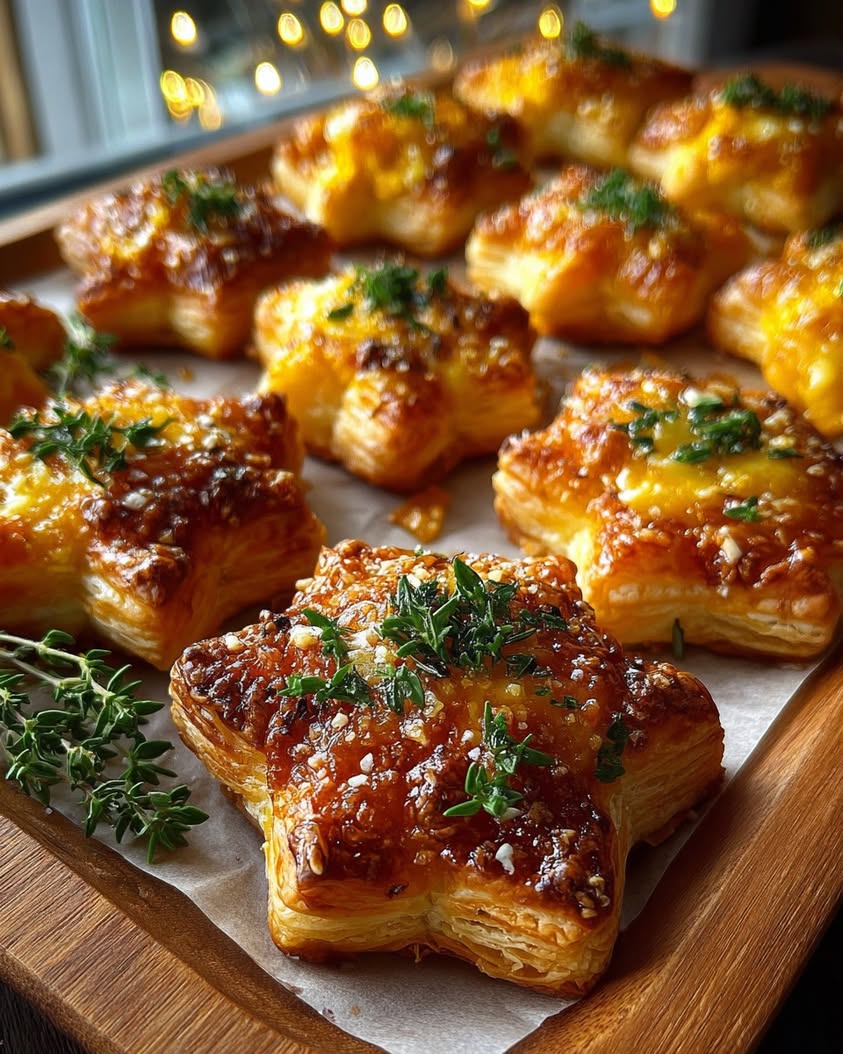
Butternut Squash and Brie Puff Pastry Stars Recipe: An Impressive Holiday Appetizer
Imagine a bite that perfectly captures the cozy essence of the holiday season. This Butternut Squash and Brie Puff Pastry Stars recipe delivers exactly that. Moreover, it combines sweet roasted squash with creamy, melted brie, all wrapped in a flaky, golden pastry. Consequently, these festive appetizers are as beautiful as they are delicious. They look intricate, but the process is wonderfully simple, making them a fantastic choice for any home cook wanting to impress.
The magic of this dish lies in its harmonious balance of flavors and textures. For instance, the natural sweetness of the butternut squash caramelizes slightly in the oven, creating a rich, deep flavor. Simultaneously, the brie cheese becomes luxuriously gooey, providing a savory counterpoint that is simply irresistible. Ultimately, when you take a bite, you experience a delightful crunch from the puff pastry, followed by the warm, comforting filling. This recipe is a guaranteed crowd-pleaser for any gathering.
Furthermore, these puff pastry stars are incredibly versatile. You can serve them as a stunning starter for a formal dinner party or as a standout item on a holiday buffet table. They are finger food at its most elegant. The best part is that you can prepare many components ahead of time, which significantly reduces stress on the day of your event. Let us dive into how to create these edible masterpieces that will have everyone asking for the recipe.
Quick Recipe Highlights
- Flavor Profile: This recipe features a beautiful sweet and savory combination. The roasted butternut squash offers a caramelized, earthy sweetness, while the brie provides a rich, creamy, and slightly tangy flavor. A hint of fresh thyme ties everything together with an aromatic, herbal note.
- Texture: You will enjoy a fantastic textural contrast. The puff pastry bakes into dozens of crisp, shatteringly flaky layers. Inside, the filling is soft and luscious, with the squash offering a tender bite and the brie melting into a velvety sauce.
- Aroma: As these stars bake, your kitchen will fill with an incredible fragrance. You will smell the buttery notes of the pastry, the sweet, nutty scent of roasting squash, and the warm, inviting aroma of melting cheese and thyme.
- Visual Appeal: The star shape is instantly festive and eye-catching. The golden-brown pastry shines, and the peek of orange squash and creamy brie through the center is visually enticing. They look professional and are perfect for photography.
- Skill Level Needed: This is an accessible recipe for most skill levels. It uses store-bought puff pastry, which is a fantastic shortcut. The primary skills needed are simple knife work for cubing squash and the patience to let the pastry chill properly.
- Special Equipment: You only need a few basic tools: a baking sheet, parchment paper, a sharp knife, a cutting board, and a rolling pin. A pastry brush is helpful for the egg wash but not strictly necessary.
Recipe Overview
- Difficulty Level: We rate this recipe as easy. The steps are straightforward and logical. Using pre-made puff pastry eliminates the most challenging part of pastry-making. The assembly is simple and even fun, making it a great project to do with helpers in the kitchen.
- Category: This dish falls squarely into the appetizer or hors d’oeuvre category. It is designed as a bite-sized treat to start a meal or accompany drinks. However, you could easily serve two or three stars per person as a light lunch alongside a fresh salad.
- Cuisine: While puff pastry has French origins and brie is a classic French cheese, this recipe is a modern fusion. It takes those elegant elements and combines them with the rustic, autumnal comfort of roasted butternut squash, creating a dish that feels both sophisticated and homey.
- Cost: This is a moderately priced appetizer. The main costs are the puff pastry and the wedge of brie. Butternut squash is very affordable, especially in season. Overall, you can create an impressive platter for a party without breaking the bank.
- Season: This recipe is perfect for fall and winter. Butternut squash is at its peak sweetness during these cooler months. The warm, rich flavors are ideal for holiday parties, Thanksgiving, Christmas gatherings, and cozy nights in.
- Occasion: These stars are perfect for any festive occasion. Think Christmas Eve, Thanksgiving appetizers, New Year’s Eve parties, or even a fancy game-day spread. They bring a touch of elegance to potlucks and are always a hit at office parties.
Why You’ll Love This Recipe
First and foremost, the taste is absolutely divine. The combination of sweet, roasted butternut squash and rich, melted brie is a match made in culinary heaven. Each bite delivers a complex flavor profile that is both comforting and sophisticated. The fresh thyme adds a subtle, earthy layer that prevents the richness from becoming overwhelming. Consequently, your guests will savor every single bite and likely go back for seconds and thirds.
Another major benefit is the sheer convenience. By starting with store-bought puff pastry, you save hours of labor without sacrificing any of the impressive, flaky results. The assembly process is almost like a fun craft project. Additionally, you can roast the squash and even cut out the pastry shapes a day in advance. Therefore, on the day of your event, you simply need to assemble, brush with egg wash, and bake. This makes entertaining stress-free.
From a nutritional perspective, this appetizer offers more than just empty calories. Butternut squash is a powerhouse of vitamins, particularly vitamin A in the form of beta-carotene, which is great for eye health and immunity. It also provides a good amount of fiber. While brie is a rich cheese, using a moderate amount per star allows you to enjoy its creamy luxury in a balanced way. You are serving a treat with some hidden benefits.
The social and entertaining value of this dish cannot be overstated. These puff pastry stars are true conversation starters. Their beautiful appearance immediately elevates any table setting. They are easy for guests to eat with their hands or a small plate, facilitating mingling. Serving a homemade, visually stunning appetizer makes your guests feel special and well-cared-for, which is the ultimate goal of any host.
Finally, this recipe is cost-effective and accessible. The ingredients are easy to find at any standard grocery store. You do not need any rare or expensive components. Butternut squash is one of the most affordable winter vegetables. A single sheet of puff pastry and a small wedge of brie can yield a dozen impressive appetizers, making it a very efficient way to feed a crowd with style.
Historical Background and Cultural Significance
Puff pastry, or “pâte feuilletée,” has a rich history dating back centuries, with its origins often credited to French pastry chefs. The technique of laminating dough with butter to create hundreds of flaky layers was a hallmark of haute cuisine. Initially, it was a time-consuming process reserved for professional kitchens and the wealthy. Over time, however, the invention of reliable commercial production made puff pastry accessible to home cooks worldwide, democratizing elegant baking.
Butternut squash, on the other hand, is a New World vegetable. It is a cultivar of the species Cucurbita moschata and was domesticated thousands of years ago in Mesoamerica. Unlike puff pastry, its history is rooted in sustenance and survival. Indigenous peoples across the Americas cultivated various squash for their nutritious flesh and storability. The sweet, orange-fleshed butternut we know today was developed in the mid-20th century in the United States.
The cultural significance of this recipe lies in its fusion of these two distinct histories. It marries the refined, European technique of puff pastry with the humble, nourishing New World squash. This blend is emblematic of modern American cooking, which often creatively combines traditions. The addition of brie, a cheese with protected origin status in France, adds another layer of classic European luxury to the dish.
The evolution of this specific recipe is a testament to contemporary entertaining trends. Home cooks constantly seek impressive yet manageable dishes for holidays. The star shape taps directly into the visual language of Christmas and winter celebrations. This recipe represents how traditional ingredients and techniques are constantly being adapted and reinvented to suit modern tastes, time constraints, and the desire for beautiful, shareable food.
Ingredient Deep Dive
Butternut squash is the sweet, hearty foundation of this dish. Cultivated for millennia, it was a staple for Native American tribes and early colonists due to its long shelf life. Nutritionally, it is packed with beta-carotene (which converts to Vitamin A), Vitamin C, potassium, and fiber. When selecting one, choose a squash that feels heavy for its size with a firm, matte skin and no soft spots. Store it in a cool, dark place for months. For a quicker alternative, you can use pre-cubed fresh or frozen butternut squash.
Brie cheese brings the luxurious, creamy element. Originating from the Île-de-France region, it is one of the world’s most famous soft-ripened cheeses. It offers protein, calcium, and vitamin B12. For baking, choose a ripe but not oozing brie; it should yield slightly to pressure. Avoid pre-sliced brie, as it often has a rindless coating that does not melt as well. Store brie in the refrigerator in its original wrapper. For substitutions, Camembert is the closest match, or for a stronger flavor, try a creamy blue cheese.
Puff pastry is the architectural wonder that holds it all together. This laminated dough creates steam pockets during baking, resulting in its characteristic flakiness. While homemade is a project, high-quality store-bought puff pastry (often found in the freezer section) is an excellent and reliable shortcut. Look for brands that use real butter for the best flavor. Always thaw it slowly in the refrigerator overnight for easiest handling. For a gluten-free version, several brands now offer gluten-free puff pastry sheets.
Fresh thyme is the aromatic hero that ties the flavors together. This ancient herb has been used for culinary and medicinal purposes since Egyptian times. It contains thymol, a compound with antioxidant properties. For the best flavor, use fresh sprigs and strip the leaves from the woody stems. If you only have dried thyme, use about one-third the amount, as dried herbs are more potent. You can store fresh thyme in the refrigerator wrapped in a damp paper towel for up to two weeks.
Common Mistakes to Avoid
- Using soggy squash: If your roasted squash cubes are too wet, they will steam the pastry from the inside, making the bottom layer soggy. Always roast the squash until it is tender and slightly caramelized, which evaporates excess moisture.
- Overfilling the stars: It is tempting to add more filling, but overstuffing will cause the pastry to leak and prevent the layers from puffing properly. Use a moderate teaspoon of squash and a small cube of brie for the best structural integrity.
- Not chilling the assembled stars: Skipping the 15-minute chill before baking is a critical error. Chilling resolidifies the butter in the pastry, which is essential for achieving maximum flakiness and preventing the stars from spreading too much in the oven.
- Using a warm baking sheet: Placing your pastry on a warm baking sheet will melt the butter before it even enters the oven. Always use a cool sheet lined with parchment paper to ensure a cold start for the pastry.
- Neglecting the egg wash: The egg wash is not just for color; it helps seal the pastry edges and gives the stars a beautiful, professional-looking golden sheen. A plain egg yolk or whole egg beaten with a splash of water or milk works perfectly.
- Baking at the wrong temperature: Puff pastry needs a high initial heat (400°F is ideal) to create the steam that lifts the layers. Baking at too low a temperature will result in a dense, greasy pastry instead of a light, flaky one.
- Cutting with a dull knife: A dull knife will drag and compress the layers of the pastry instead of cutting cleanly through them. This can seal the edges and inhibit rising. Use a very sharp knife or a pizza cutter for clean cuts.
- Peeking too often: Resist the urge to open the oven door frequently during the first 15 minutes of baking. The rush of cold air can cause the pastry to collapse, preventing it from achieving its full, glorious height.
Essential Techniques
Roasting the squash correctly is fundamental for flavor and texture. The goal is to cook out excess moisture and concentrate the squash’s natural sugars through caramelization. Toss the cubed squash evenly in oil and spread it in a single layer on a baking sheet. Crowding will cause it to steam. Roast at a high temperature (around 400°F) until the edges are golden brown and the cubes are fork-tender. This step builds the deep, sweet flavor base for your filling.
Working with puff pastry requires a light touch and patience. Always thaw frozen pastry slowly in the refrigerator. Rolling it out on a lightly floured surface helps prevent sticking, but avoid using too much flour, which can make the pastry tough. When cutting your star shapes, use a firm, decisive press straight down—do not saw back and forth. After cutting, transfer the stars to the parchment-lined baking sheet before filling to avoid distorting their shape.
Applying the egg wash is a simple but crucial technique for appearance and texture. Beat one egg (or just the yolk for a deeper color) with a teaspoon of water or milk until smooth. Using a pastry brush, apply a thin, even coat to the visible pastry surfaces. Avoid letting the egg wash pool in the crevices or drip down the sides onto the baking sheet, as this can cause sticking. A good egg wash guarantees a shiny, golden-brown finish.
Knowing when the stars are perfectly baked relies on visual cues. The pastry should be puffed and have many distinct, flaky layers. The color should be a deep, golden brown all over, not pale or blonde. The cheese will be visibly melted and bubbly in the center. If the edges are browning too quickly before the center is done, you can loosely tent the stars with foil for the last few minutes of baking.
Pro Tips for Perfect Butternut Squash and Brie Puff Pastry Stars
For extra flavor, toss your cubed butternut squash with a drizzle of maple syrup or honey before roasting. This enhances the caramelization and adds a subtle, complex sweetness that pairs beautifully with the savory brie.
Chill your rolling pin and knife in the freezer for 10 minutes before working with the puff pastry. This helps keep the butter cold, which is the secret to achieving the flakiest possible layers in the baked pastry.
If your brie is very soft and difficult to cube, pop it into the freezer for 15-20 minutes. This will firm it up just enough to make clean, easy cuts without it sticking to your knife.
Create a “glue” for the top pastry layer by brushing a tiny amount of egg wash around the edge of the bottom star before placing the top on. This helps seal the two layers together more effectively.
Add a sprinkle of everything bagel seasoning, flaky sea salt, or chopped nuts like pecans or walnuts on top of the egg wash before baking. This adds a wonderful crunch and an extra layer of flavor.
Let the baked stars rest on the baking sheet for 5 minutes before transferring them to a serving platter. This allows the cheese to set slightly, preventing messy, runny spills when guests pick them up.
For a beautiful presentation, serve the stars on a bed of fresh rosemary sprigs or kale leaves. This adds a festive green element to your platter and makes the golden stars pop visually.
If you have any leftover roasted squash, puree it with broth and cream for a quick butternut squash soup. This is a fantastic way to ensure no part of your ingredients goes to waste.
Variations and Adaptations
For regional variations, consider incorporating local flavors. In the American South, add a teaspoon of chopped candied pecans to each star. For a Mediterranean twist, substitute the brie with feta cheese and add a pinch of dried oregano. An Italian-inspired version could use ricotta mixed with the squash and a drizzle of balsamic glaze after baking.
Seasonal adaptations are easy and fun. In spring, use roasted asparagus tips and goat cheese. For summer, try a version with roasted corn, cherry tomatoes, and a pepper jack cheese. In the heart of winter, swap the squash for roasted sweet potato or caramelized onion and apple for a different sweet-savory profile.
Dietary modifications are straightforward. For a gluten-free appetizer, use a certified gluten-free puff pastry. To make it dairy-free, substitute the brie with a high-quality vegan melty cheese alternative and use olive oil instead of butter for brushing. For a vegan version, combine both swaps and use a plant-based milk in the egg wash.
Experiment with flavor variations by changing the herb. Rosemary or sage would be wonderful autumnal substitutes for thyme. For a hint of warmth, add a tiny pinch of nutmeg or cinnamon to the roasted squash. A light sprinkle of crispy fried shallots or bacon bits on top after baking adds a salty, umami crunch.
Texture modifications can cater to different preferences. For a crunchier star, brush with egg wash and sprinkle with sesame or poppy seeds before baking. For a softer, more tender bite, use phyllo dough instead of puff pastry, brushing each layer with melted butter.
Presentation alternatives let you match the theme of any event. Instead of stars, use round cookie cutters for simple circles, or heart shapes for a Valentine’s Day party. You can also make one large star or wreath shape on a baking sheet for a dramatic centerpiece, then slice it after baking.
Serving and Presentation Guide
Plating techniques matter for visual impact. Arrange the stars in a circular pattern on a large, plain platter or a wooden board, slightly overlapping them for a bountiful look. Alternatively, space them out individually on small appetizer plates for a more formal, composed presentation. Use negative space on the platter to make the stars the undeniable focal point.
Garnishing adds the final professional touch. A tiny fresh thyme leaf or a small rosemary sprig placed in the center of each star while still warm looks beautiful. A light drizzle of reduced balsamic glaze or honey over the platter just before serving adds shine and a flavor accent. A dusting of powdered sugar is unexpected but delightful for a brunch version.
Traditional accompaniments include simple, fresh elements that cut through the richness. A small side salad of bitter greens like arugula or frisée with a lemony vinaigrette is perfect. For a chutney or relish, a cranberry-orange compote or fig jam served in a bowl alongside the platter allows guests to add a sweet-tart contrast.
Modern serving suggestions embrace simplicity and convenience. Serve them directly on a beautiful piece of slate or marble. Offer small cocktail napkins or decorative food picks to make them easy for guests to handle. For a sit-down dinner, place one star atop a small smear of pumpkin puree or apple butter on each guest’s salad plate.
Temperature considerations are key. These stars are best served warm, when the cheese is still soft and gooey and the pastry is crisp. If they have cooled, you can re-crisp them in a 350°F oven for 5-7 minutes. Avoid the microwave, as it will make the pastry soggy.
Portion control is simple. Plan for 2-3 stars per person as part of a larger appetizer spread. If serving as a pre-dinner bite with drinks, one or two per guest is sufficient. For a cocktail party where these are the main food item, plan for 4-5 pieces per person.
Wine and Beverage Pairing
Wine pairings should complement the sweet, creamy, and savory notes. A crisp, unoaked Chardonnay or a French Chablis has the acidity to cut through the richness of the brie. A medium-bodied Pinot Noir with its red fruit notes pairs beautifully with the earthiness of the squash. For a festive sparkler, a dry Prosecco or Cava cleanses the palate beautifully between bites.
Non-alcoholic alternatives can be just as sophisticated. A sparkling apple cider mirrors the autumnal flavors. A ginger beer or spicy ginger ale provides a zesty contrast to the creamy cheese. For a warm option, a thyme-infused honey lemon tea or a mug of mulled apple cider would be cozy and complementary.
Coffee and tea pairings work well, especially for a brunch or afternoon gathering. A medium-roast coffee with nutty or chocolatey notes will not overpower the dish. A black tea like Earl Grey, with its bergamot citrus, or a smoky Lapsang Souchong can create an interesting flavor dialogue with the savory elements.
Temperature considerations for beverages are straightforward. Serve white wines and sparkling options well-chilled. Red wines should be served slightly below room temperature. Non-alcoholic sparkling drinks should be ice-cold. Warm teas and ciders should be served piping hot to contrast the warm, but not scalding, appetizer.
Serving suggestions include offering a variety. Set up a small beverage station with a bottle of white, a bottle of red, and a carafe of a signature non-alcoholic drink. Provide clear glassware to show off the colors of the drinks. Always ensure plenty of water is available to cleanse palates as well.
Storage and Shelf Life
Storage methods for leftovers are simple but important. First, allow any uneaten stars to cool completely to room temperature. Then, transfer them to an airtight container, separating layers with parchment paper to prevent sticking. You can store them in the refrigerator for up to 2 days.
Temperature requirements are specific. Never leave these stars at room temperature for more than two hours due to the dairy content. Always refrigerate leftovers promptly. For longer storage, freezing is the best option, which we will cover next.
Container recommendations include shallow airtight containers or heavy-duty freezer bags with the air pressed out. For the refrigerator, a glass container is ideal. For the freezer, a rigid plastic container will protect the shapes from being crushed.
Signs of spoilage are easy to spot. Discard any stars if you notice an off or sour smell, significant moisture in the container (indicating the pastry has become soggy and may harbor mold), or if the cheese develops an unusual texture or color.
Reheating instructions are crucial for restoring texture. To reheat, place the stars on a parchment-lined baking sheet in a preheated 350°F oven for 8-10 minutes, or until heated through and the pastry is crisp again. Avoid the microwave, as it will turn the flaky pastry rubbery and soggy.
Freezing guidelines allow you to make these ahead for months. Freeze the unbaked, assembled stars on a baking sheet until solid, then transfer to a freezer bag. You can bake them directly from frozen, adding 3-5 minutes to the baking time. Baked stars can also be frozen and reheated in the oven, though the pastry may not be quite as flaky.
Make Ahead Strategies
Your prep timeline can be spread over two days for ultimate convenience. On Day 1, roast the butternut squash cubes and let them cool completely. Then, store them in an airtight container in the refrigerator. You can also cut out all your puff pastry star shapes, layer them between parchment paper, and keep them sealed in the refrigerator.
Storage between steps is easy with proper planning. Keep the roasted squash and the cut pastry shapes in separate containers in the fridge. The cold squash will not harm the pastry. Keep the brie whole and refrigerated until you are ready to cube and assemble.
Quality impact assessment shows that these make-ahead steps have minimal negative effect. The roasted squash may soften slightly but its flavor deepens. The cut pastry may rise slightly less if chilled for more than a day, but the difference is negligible for most. The key is keeping everything cold.
Assembly tips for a make-ahead plan: Assemble the stars completely—bottom layer, filling, top layer, egg wash—and place them on the baking sheet. Then, instead of baking, cover the entire sheet tightly with plastic wrap and refrigerate for up to 12 hours, or freeze as described above.
Reheating guidelines for pre-assembled stars are simple. If refrigerated, bake as directed, though you may need an extra minute or two if the stars are very cold from the fridge. If baking from frozen, do not thaw; bake at 400°F for 20-25 minutes until deeply golden.
Fresh element additions should be done just before serving. Any fresh herb garnish or drizzles (like honey or balsamic) should be applied after the stars come out of the oven and have rested for a minute. This ensures the herbs look vibrant and the drizzles maintain their distinct flavor and appearance.
Scaling Instructions
Halving the recipe is straightforward if you are cooking for a smaller group. Use half a sheet of puff pastry (most packages come with two sheets). Roast half a small butternut squash and use a 4-ounce wedge of brie. All other ingredient quantities can be halved proportionally. The baking time may be slightly shorter, so start checking for doneness at 15 minutes.
Doubling or tripling the recipe is perfect for large parties. Simply multiply all ingredients by your desired factor. The key is to work in batches when rolling and cutting the pastry to keep it cold. Use multiple baking sheets and rotate them in the oven halfway through baking for even cooking. You may need to bake in consecutive batches.
Equipment adjustments are necessary when scaling up. Ensure you have enough baking sheets and oven space. If baking multiple sheets at once, use the upper and lower racks and swap their positions halfway through. Consider using a convection oven setting if available, as it circulates air for more even baking on multiple racks.
Timing modifications are minor. When baking multiple sheets, the total oven time will be longer, but the per-batch time remains roughly the same. Factor in the time to reload the oven between batches. When roasting a large batch of squash, it may take a few extra minutes in the oven if the pan is crowded.
Storage considerations change with volume. A large batch of leftovers will take up more refrigerator space. Use several shallow containers instead of one deep one to promote faster cooling and prevent sogginess. For freezing, clearly label bags with the date and quantity.
Nutritional Deep Dive
The macro breakdown per star is a balance of carbohydrates, fat, and protein. The puff pastry contributes most of the carbohydrates and fats, providing energy. The butternut squash adds complex carbohydrates and fiber. The brie offers a mix of saturated fat and protein, along with calcium. This combination makes it a satisfying, energy-dense appetizer that is best enjoyed in moderation as part of a varied diet.
Micronutrient analysis reveals some valuable vitamins and minerals. Butternut squash is exceptionally high in Vitamin A (as beta-carotene), crucial for vision and immune function. It also provides Vitamin C, potassium, and magnesium. Brie contributes B vitamins, particularly B12, and is a good source of phosphorus and selenium. The egg wash adds a small amount of protein and choline.
Health benefits are linked primarily to the squash. The antioxidants in butternut squash, like beta-carotene, help combat oxidative stress in the body. The fiber aids digestion and promotes satiety. While the pastry and cheese are indulgent, enjoying them alongside a nutrient-dense vegetable creates a more balanced treat than a purely starch-and-fat-based appetizer.
Dietary considerations are important for some individuals. This recipe contains gluten (pastry), dairy (brie, egg wash), and egg. We will cover specific adaptations in the next section. For those without restrictions, it is a fine occasional food. The saturated fat content from the butter and cheese means it is not an everyday health food, but a celebratory one.
Portion analysis is key to enjoyment. One star is a perfect single-serving appetizer bite. Consuming 2-3 stars provides a substantial snack. Being mindful of portion size allows you to enjoy the rich flavors and textures without overindulging. Pairing it with a large, fresh salad can help balance the meal.
Weight management tips include being conscious of the calorie density. If you are watching your intake, you can still enjoy these by planning for them. Consider it your appetizer and choose lighter options for your main course. You can also make mini-stars using a smaller cookie cutter for portion control while still enjoying the full experience.
Dietary Adaptations
For a gluten-free version, seek out a high-quality gluten-free puff pastry. Brands like Schär and GeeFree offer good options. Ensure your baking powder and other ingredients are certified gluten-free. The texture of the pastry may be slightly different, but the result will still be delicious and flaky.
A dairy-free adaptation requires two swaps. Replace the brie with a vegan cheese that melts well, such as those from Miyoko’s Creamery or Violife. For the egg wash, use a plant-based milk (like almond or oat) mixed with a touch of maple syrup or agave to promote browning. You can also use a vegan butter to brush the pastry.
Creating a vegan version combines the gluten-free and dairy-free changes, assuming the gluten-free pastry is also vegan (check for butter content). Use vegan puff pastry, dairy-free cheese, and a plant-based milk wash. Ensure the sugar used is vegan. The roasted squash and herbs remain the flavorful, plant-based core of the dish.
For a low-carb or keto adaptation, the main challenge is the puff pastry. You can use a fathead dough or a keto-friendly pastry recipe made with almond flour and mozzarella. The butternut squash is higher in carbs, so substitute it with a smaller amount of roasted pumpkin or mashed cauliflower. Keep the brie, as it is keto-friendly.
A Paleo adaptation also focuses on the pastry. Use a grain-free, paleo-friendly pastry dough made with tapioca flour, almond flour, and coconut oil or ghee. Substitute the brie with a paleo-compliant cheese alternative made from nuts, or simply omit it and add more herbs and a sprinkle of nutritional yeast for a cheesy flavor.
For a Low-FODMAP version, butternut squash is low-FODMAP in servings of 1/3 cup (75g) per sitting. Ensure each star contains less than this amount. Omit the garlic if your recipe includes it. Brie cheese is generally considered low-FODMAP in moderate servings. Check that your puff pastry does not contain high-FODMAP ingredients like honey or wheat-based additives.
Troubleshooting Guide
If your pastry did not puff, the butter likely melted before baking. Causes include dough that was too warm, over-handling, or a warm baking sheet. Next time, ensure everything is cold. If it is already baked, you cannot fix it, but it will still taste good—just denser.
If the filling leaked out, you may have overfilled the stars or not sealed the edges well enough. Another cause is cutting through the pastry with a dull knife, which does not create a clean seal. For future batches, use less filling, ensure a clean cut, and chill before baking to set the butter seal.
If the bottom is soggy, the squash was likely too wet, or the stars were placed on a hot baking sheet. To rescue future batches, roast the squash until very tender and dry, and always use a cool, parchment-lined sheet. If currently soggy, you can try rebaking on a fresh sheet for a few minutes.
If the cheese oozed out and burned, the brie cube was likely too large or placed too close to the edge. Use a smaller cube and center it on the squash. If the edges are burning before the pastry is done, tent the stars loosely with foil for the last few minutes of baking.
If the stars lost their shape and spread, the pastry became too warm during assembly. The butter softened, causing the layers to slump. Always work quickly and return the tray to the fridge to chill if the pastry feels soft. Using a sharp cutter and not dragging it also helps.
If the flavor is bland, you may need more seasoning. Season the squash generously with salt and pepper before roasting. The brie provides saltiness, but the squash needs its own seasoning. A pinch of salt in the egg wash or a flaky salt garnish after baking can also boost flavor.
Recipe Success Stories
Community feedback on this recipe has been overwhelmingly positive. Many home cooks report that these stars were the star of their holiday party, with guests requesting the recipe. A common theme is surprise at how easy they were to make compared to how impressive they looked. Several readers have mentioned that even their picky eaters, who claimed not to like squash, devoured them.
Variation successes have been shared widely. One reader made a version with roasted apples and cheddar for a Thanksgiving appetizer. Another used sweet potato and goat cheese for a baby shower, cutting them into tiny star shapes. A creative cook made a savory-sweet version by adding a dot of fig jam under the brie, which was a huge hit.
Adaptation stories include dietary wins. A parent successfully made a gluten-free, dairy-free version for their child’s school party, ensuring everyone could enjoy a festive treat. Another reader scaled the recipe up to make 100 mini stars for a wedding cocktail hour, freezing them in batches and baking the day-of with great success.
Reader suggestions have improved the recipe over time. One tip was to add a tiny sprinkle of brown sugar to the squash before roasting for deeper caramelization. Another suggested using a pizza cutter for faster, cleaner star cutting. A third recommended brushing the finished stars with a little melted butter as soon as they come out of the oven for extra shine.
Photography{“success”:true,”message”:”Recipe created successfully”,”post_id”:7872,”tasty_recipe_id”:7872,”shortcode”:” Print
Butternut Squash & Brie Puff Pastry Stars
Description
A festive and savory appetizer featuring roasted butternut squash, creamy brie, and flaky puff pastry, cut into star shapes for a beautiful presentation.
Ingredients
For the Crust:
- 1 sheet frozen puff pastry, thawed
- 1 cup butternut squash, peeled and diced into small cubes
- 1 tablespoon olive oil
- 1/2 teaspoon dried thyme
- Salt and black pepper to taste
- 4 ounces brie cheese, rind removed and cut into small pieces
- 1 tablespoon honey
- Fresh rosemary sprigs for garnish (optional)
Instructions
1. Prepare the Crust:
- Preheat oven to 400°F (200°C). Toss butternut squash cubes with olive oil, thyme, salt, and pepper. Spread on a baking sheet and roast for 15-20 minutes until tender and lightly browned.
- Roll out puff pastry on a lightly floured surface. Use a star-shaped cookie cutter to cut out pastry stars and place them on a parchment-lined baking sheet.
- Top each pastry star with a few pieces of roasted butternut squash and a piece of brie cheese.
- Bake in the preheated oven for 12-15 minutes, until the pastry is puffed and golden brown.
- Remove from oven, drizzle lightly with honey, and garnish with fresh rosemary if desired. Serve warm.
Notes
You can customize the seasonings to taste.

I’m Billy, a classically trained culinary school graduate from The Culinary Institute of America with over 12 years in the restaurant industry and over 19 years of cooking experience.