
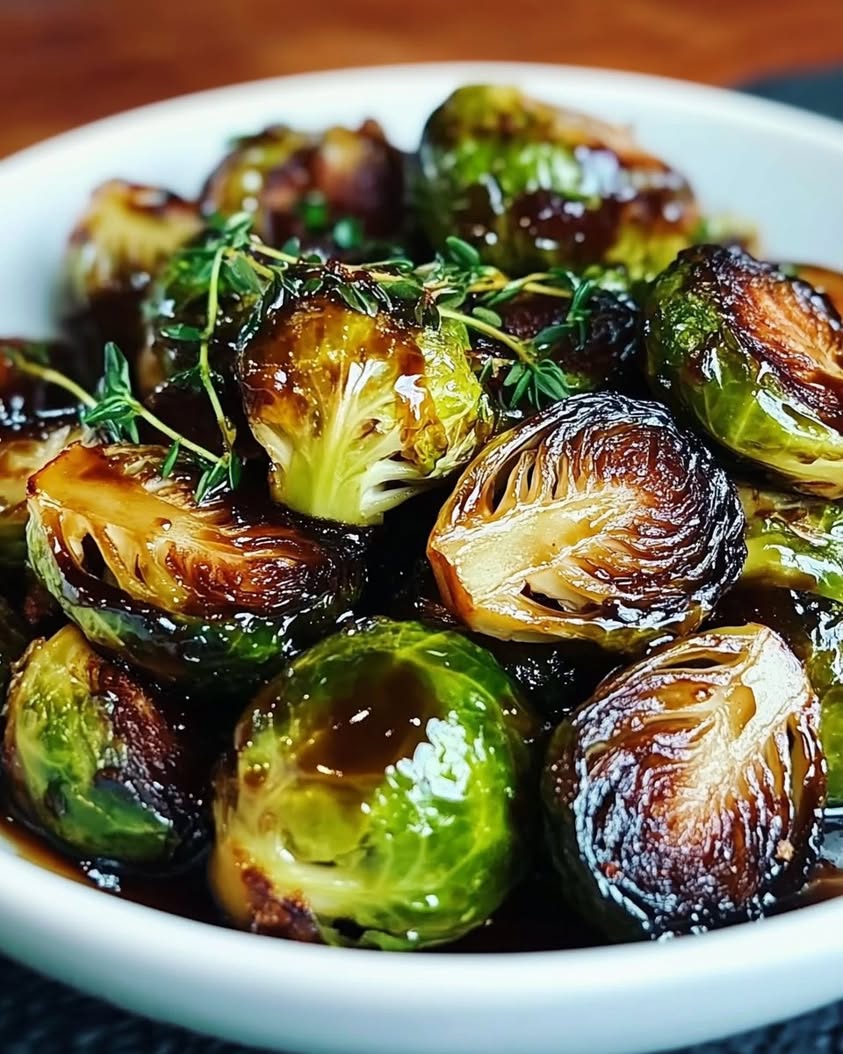
Honey Balsamic Glazed Caramelized Brussels Sprouts Recipe: The Ultimate Sweet and Savory Side
This Honey Balsamic Glazed Caramelized Brussels Sprouts Recipe will completely transform your opinion of this humble vegetable. Moreover, it masterfully balances deep savory notes with a glossy, sweet-tart finish. The result is a side dish that steals the spotlight at any dinner table. Consequently, even the most ardent sprout skeptics will be reaching for seconds.
Imagine tender, caramelized sprouts with crispy, golden-brown edges. Then, picture them coated in a sticky glaze that perfectly marries the richness of balsamic vinegar with the floral sweetness of honey. Ultimately, this dish delivers a complex flavor profile that feels both rustic and elegant. Whether you are preparing a weeknight meal or a holiday feast, this recipe proves incredibly versatile. Furthermore, it requires minimal hands-on time for maximum culinary impact.
The magic of this Honey Balsamic Glazed Caramelized Brussels Sprouts Recipe lies in its simplicity. Additionally, it uses pantry staples to create something truly extraordinary. The high-heat roasting technique unlocks natural sugars, creating a nutty, caramelized foundation. Subsequently, the reduction of honey and balsamic vinegar creates a luxurious glaze that clings to every crevice. This dish is a celebration of texture and taste, offering a delightful contrast in every single bite.
Quick Recipe Highlights
- Flavor Profile: This Honey Balsamic Glazed Caramelized Brussels Sprouts Recipe delivers a perfect sweet and savory balance. The deep umami from caramelization meets the tangy acidity of balsamic and the mellow sweetness of honey. Finally, a hint of garlic and optional red pepper flakes add a subtle, warming complexity.
- Texture: Expect a fantastic contrast between the crispy, almost charred outer leaves and the tender, soft interior of each sprout. The glaze adds a sticky, glossy coating that provides a slight chew. This interplay of textures makes the dish incredibly satisfying and far from one-dimensional.
- Aroma: As the sprouts roast, your kitchen will fill with a nutty, toasty scent. Then, when you add the honey balsamic glaze, it transforms into an aromatic blend of sweet vinegar and caramelized sugar. The fragrance is deeply inviting and promises a rich, flavorful experience.
- Visual Appeal: The finished dish boasts a beautiful, dark caramel color with glistening highlights. The glaze gives the sprouts a professional, lacquered look. Served on a platter, often garnished with something bright like pomegranate seeds, they become a stunning centerpiece.
- Skill Level Needed: This is a beginner-friendly recipe that teaches fundamental techniques. You need basic knife skills for trimming and halving the sprouts. Furthermore, understanding oven temperature control and simple reduction techniques is beneficial but easy to master.
- Special Equipment: A large, heavy-duty baking sheet is essential for proper caramelization. Parchment paper or a silicone mat prevents sticking and simplifies cleanup. A small saucepan is needed for reducing the honey balsamic glaze to the perfect syrupy consistency.
Recipe Overview
- Difficulty Level: This Honey Balsamic Glazed Caramelized Brussels Sprouts Recipe is rated easy. The steps are straightforward and sequential. Primarily, success depends on even cutting and not overcrowding the pan. Therefore, it is an excellent recipe for building confidence in the kitchen.
- Category: This dish fits perfectly into the vegetable side dish category. It also works wonderfully as part of a mezze platter or a hearty salad topping. For a more substantial meal, consider it a component of a grain bowl alongside quinoa or farro.
- Cuisine: While Brussels sprouts have European roots, this preparation leans into modern American cuisine. The use of a sweet glaze is a contemporary twist on classic roasted vegetables. Consequently, it reflects a global pantry approach, combining ingredients from different traditions.
- Cost: This is a very cost-effective recipe, especially when sprouts are in season. Honey, balsamic vinegar, olive oil, and basic seasonings are pantry staples. Overall, you can create an impressive side dish for four people for just a few dollars.
- Season: Fall and winter are the peak seasons for Brussels sprouts, making this a perfect cold-weather recipe. However, you can find them year-round in most grocery stores. The hearty, warming flavors are particularly comforting during the holiday season from Thanksgiving through Christmas.
- Occasion: This recipe is incredibly versatile for any occasion. It is simple enough for a Tuesday night but special enough for Thanksgiving dinner. Furthermore, it makes an excellent potluck contribution because it travels well and appeals to a wide range of palates.
Why You’ll Love This Recipe
First and foremost, the taste and texture of this Honey Balsamic Glazed Caramelized Brussels Sprouts Recipe are utterly irresistible. The caramelization process develops a profound, nutty sweetness that forms the base flavor. Then, the glaze introduces a layer of sticky, tangy complexity that clings to every bite. The contrast between the crispy outer leaves and the tender core creates a mouthfeel that is endlessly enjoyable. Ultimately, this dish converts vegetable skeptics by showcasing how delicious and sophisticated sprouts can be.
From a convenience standpoint, this recipe is a true winner. The prep work is minimal, involving mostly trimming and halving the sprouts. After that, the oven does the majority of the work, allowing you to focus on other meal components. The glaze comes together in just minutes on the stovetop. Therefore, you can achieve restaurant-quality results with very little active cooking time, making it a perfect choice for busy weeknights.
Nutritionally, this dish packs a powerful punch. Brussels sprouts are a cruciferous vegetable loaded with vitamins C and K, fiber, and antioxidants. The cooking method, roasting, helps retain more nutrients compared to boiling. While the glaze adds sugar, using a quality honey also provides trace enzymes and minerals. When enjoyed as part of a balanced meal, this side dish contributes significantly to your daily vegetable intake and overall health.
For entertaining, this Honey Balsamic Glazed Caramelized Brussels Sprouts Recipe is a guaranteed crowd-pleaser. Its beautiful presentation makes it look like you spent hours in the kitchen. The flavors are universally appealing, bridging the gap between simple and gourmet. You can easily double or triple the recipe to feed a large group. Consequently, it earns compliments every time and often becomes the most requested side dish for family gatherings.
Finally, the cost-effectiveness and accessibility of this recipe are major benefits. Brussels sprouts are an affordable vegetable, especially in season. The other ingredients are common pantry items you likely already have on hand. This means you can create a stunning, flavorful side dish without a special trip to the store or a large budget. It demonstrates that eating well does not require expensive or hard-to-find ingredients.
Historical Background and Cultural Significance
The story of the Brussels sprout begins in ancient Rome, but its modern cultivation is tied to Brussels, Belgium, from which it gets its name. By the 13th century, they were a popular crop in the region that is now Belgium. They were later introduced to other parts of Europe and eventually to North America. Originally, these small cabbages were a staple of cool-weather European cuisine, often simply boiled or steamed. Their journey from a basic peasant food to a gourmet ingredient is a fascinating tale of culinary evolution.
Culturally, Brussels sprouts held a place as a traditional winter vegetable across Northern Europe. In Britain, they became synonymous with Christmas dinner, though often prepared in ways that muted their flavor. For many years, their reputation in the United States suffered from overcooking, leading to a strong, sulfurous taste and mushy texture. This negative perception created a generational divide, with many adults recalling childhood trauma from poorly prepared sprouts. However, this very reputation set the stage for a dramatic and delicious comeback.
The evolution of this specific recipe, the Honey Balsamic Glazed Caramelized Brussels Sprouts Recipe, is a product of modern culinary trends. The shift towards roasting vegetables, which began gaining popularity in the late 20th century, was a game-changer. Roasting at high heat caramelizes natural sugars, eliminating bitterness and creating nutty, sweet notes. The addition of a glaze featuring balsamic vinegar and honey reflects a contemporary desire for bold, balanced flavors that elevate simple ingredients. This preparation method is a direct response to the old boiled-sprout paradigm, offering a complete flavor and texture rehabilitation.
Regional variations on glazed sprouts are now abundant. In the American South, you might find a version with a bourbon or maple syrup glaze. Mediterranean interpretations could include lemon and olives instead of balsamic. Some chefs add Asian-inspired flavors like soy sauce, ginger, and sesame oil. The core concept of pairing the vegetable’s natural earthiness with a sweet and acidic component remains constant. This Honey Balsamic Glazed Caramelized Brussels Sprouts Recipe sits at the center of this delicious renaissance, honoring the vegetable’s history while embracing modern taste.
Ingredient Deep Dive
Brussels Sprouts: These miniature cabbages are members of the illustrious Brassica family, sharing lineage with kale and broccoli. Cultivated for centuries in Europe, they are packed with nutrients like vitamin K for bone health, vitamin C for immunity, and fiber for digestion. When selecting sprouts, look for firm, bright green heads that are similar in size for even cooking; avoid any that are yellowing or have loose leaves. Store them unwashed in an open plastic bag in your refrigerator’s crisper drawer. For a variation, you can substitute broccolini or even cauliflower florets, though the cooking time may need adjustment.
Balsamic Vinegar: True traditional balsamic vinegar, or Aceto Balsamico Tradizionale, is a protected product aged for years in wooden casks in Modena, Italy. For cooking, a good quality “condimento” grade or a moderately priced supermarket balsamic works perfectly. It adds a complex sweetness and acidity that cuts through the richness of the roasted sprouts. When reducing it with honey, it thickens into a luxurious syrup. Store balsamic vinegar in a cool, dark place. If you need a substitute, a mix of red wine vinegar and a teaspoon of sugar can mimic the sweet-tart profile in a pinch.
Honey: As one of humanity’s oldest sweeteners, honey carries the flavor of the flowers from which bees collected nectar. In this glaze, it provides a mellow, floral sweetness that balances the sharpness of the vinegar. Raw honey also contains trace enzymes and antioxidants. Choose a mild, liquid honey like clover or wildflower for the best results; a strongly flavored honey like buckwheat can overpower the dish. Honey has an indefinite shelf life when stored properly. For a vegan adaptation, pure maple syrup or agave nectar are excellent substitutes, though they will impart their own distinct flavor notes.
Olive Oil: Extra virgin olive oil is the foundation of flavor and the medium for caramelization in this recipe. Its fruity, peppery notes form the base layer of the dish’s flavor profile. Furthermore, it helps conduct heat evenly, ensuring the sprouts roast instead of steam. Always choose a cold-pressed extra virgin olive oil for its superior taste and health benefits, rich in monounsaturated fats. Store it away from heat and light to prevent rancidity. While another high-heat oil like avocado oil can be used, olive oil contributes significantly to the overall Mediterranean-inspired character of the dish.
Garlic: A culinary cornerstone for thousands of years, garlic adds an essential pungent, savory depth. When roasted, its flavor mellows and sweetens, infusing the oil and coating the sprouts. From a health perspective, garlic contains allicin, a compound with noted anti-inflammatory properties. Select firm, plump heads without green sprouts emerging. Store at room temperature in a dry, dark place. For a milder flavor, you can use roasted garlic paste. If you are out of fresh garlic, a quarter teaspoon of garlic powder added with the oil is a suitable, though less aromatic, alternative.
Common Mistakes to Avoid
- Overcrowding the Pan: This is the most critical error. Crowding causes the sprouts to steam instead of roast, resulting in a soggy, mushy texture. Always ensure the sprouts are in a single layer with a little space between them. Using two pans is better than cramming them all onto one.
- Not Trimming Properly: Failing to trim the dry stem end and remove any loose or yellow outer leaves can lead to uneven cooking and unpleasant textures. Take the extra minute to properly prep each sprout. Additionally, cutting them in half creates a flat surface for optimal caramelization.
- Using Old or Poor-Quality Balsamic: A very cheap, overly acidic balsamic vinegar will not reduce to a sweet, syrupy glaze and can make the dish taste harsh. Invest in a decent bottle labeled “Modena” for cooking. The glaze’s quality directly dictates the final flavor of the entire recipe.
- Neglecting to Preheat the Oven: Starting with a hot oven is non-negotiable for proper caramelization. If the oven isn’t hot enough, the sprouts will begin to cook through before they have a chance to brown. Always allow your oven to fully preheat to the specified temperature before adding the sheet pan.
- Skipping the Toss Midway: Not stirring or flipping the sprouts halfway through the roasting time means one side will burn while the other remains pale. This simple step ensures even browning and cooking on all sides. Use a thin spatula to gently turn them for the best results.
- Adding the Glaze Too Early: Pouring the honey balsamic glaze over the sprouts at the beginning of roasting will cause it to burn in the high heat, creating a bitter, blackened coating. The glaze should always be added in the final minutes of cooking or immediately after the sprouts come out of the oven.
- Underseasoning: Salt is crucial for bringing out the natural flavors of the vegetable and balancing the sweetness of the glaze. Season generously with kosher salt and black pepper before roasting. Taste and adjust the seasoning again after glazing, as the flavors will have developed.
- Not Letting the Glaze Reduce Enough: If the honey and balsamic mixture is too thin, it will pool at the bottom of the dish instead of clinging to the sprouts. Simmer it until it thickens slightly and can coat the back of a spoon. It will continue to thicken as it cools on the hot sprouts.
Essential Techniques
Caramelization: This is the Maillard reaction, a chemical process between amino acids and sugars that creates complex, savory flavors and beautiful brown color. It is essential for transforming the sprouts’ natural bitterness into a nutty sweetness. To master it, ensure your oven is fully preheated and your baking sheet is not overcrowded. A common pitfall is moving the sprouts too often; let them sit undisturbed for at least 10-15 minutes to develop a proper sear. Visual cues for success are deep golden-brown spots and crispy, slightly charred edges on the flat, cut sides of the sprouts.
Reduction: This technique involves simmering a liquid to evaporate water, thereby concentrating its flavors and thickening its consistency. For the honey balsamic glaze, reduction melds the two ingredients into a single, cohesive syrup with intensified sweetness and tartness. To do it correctly, use a small saucepan over medium heat and watch for a steady, gentle bubble. The primary pitfall is boiling too vigorously, which can scorch the sugars. A successful reduction is complete when the mixture has thickened enough to coat the back of a spoon and leaves a clear trail when you run your finger through it.
Even Cutting: Consistently halving the Brussels sprouts is a foundational prep technique that ensures uniform cooking. Pieces of the same size will caramelize and become tender at the same rate. To do this, trim the stem end just enough to remove the dry part without causing the leaves to fall apart, then slice cleanly through the core. The mistake is cutting them into wildly different sizes, leading to some burnt pieces and others undercooked. The goal is to have mostly uniform halves, which creates a pleasing presentation and predictable texture in every bite.
Pro Tips for Perfect Honey Balsamic Glazed Caramelized Brussels Sprouts
- For extra crispiness, soak the trimmed and halved sprouts in cold water for 10 minutes, then pat them extremely dry before tossing with oil. The moisture on the surface is the enemy of browning.
- Preheat your baking sheet in the oven for 5-10 minutes before adding the oiled sprouts. This gives them an immediate sear upon contact, jumpstarting the caramelization process.
- If you have very large sprouts, consider cutting them into quarters instead of halves. This increases the surface area for browning and ensures the core cooks through without the outside burning.
- Add a tablespoon of butter to the honey balsamic glaze during the last minute of reduction. This creates a richer, glossier finish and helps the sauce emulsify beautifully.
- For a flavor boost, toss the roasted sprouts with the glaze and a final sprinkle of flaky sea salt (like Maldon) and a crack of black pepper just before serving. The salt crystals provide delightful bursts of flavor.
- If your sprouts are browning too quickly on the outside but are still hard inside, lower the oven temperature by 25 degrees and continue roasting. Covering them loosely with foil can also prevent excessive browning.
- For a beautiful garnish that adds texture and color, sprinkle the finished dish with toasted nuts (like pecans or walnuts), fresh pomegranate arils, or a dusting of grated Parmesan cheese.
- Let the glazed sprouts rest for 5 minutes after tossing before serving. This allows the glaze to set slightly and adhere to the vegetables, rather than sliding off onto the plate.
Variations and Adaptations
Regional Variations: Explore global flavors by adapting the glaze. For an Asian twist, substitute the balsamic with soy sauce and rice vinegar, and the honey with maple syrup, adding a teaspoon of grated ginger. A Southern-inspired version might use a reduction of bourbon and maple syrup. Mediterranean styles could feature a glaze of lemon juice, olive oil, and chopped olives, finished with fresh oregano.
Seasonal Adaptations: In spring, incorporate fresh peas and mint into the dish after roasting. Summer versions can include charred corn and cherry tomatoes tossed with the glazed sprouts. During the fall, add roasted cubes of sweet potato or butternut squash to the pan. For a winter holiday feast, stud the finished dish with vibrant pomegranate seeds and toasted pecans for a festive look and crunch.
Dietary Modifications: For a vegan Honey Balsamic Glazed Caramelized Brussels Sprouts Recipe, simply replace the honey with an equal amount of pure maple syrup or agave nectar. To make it Whole30 or paleo, ensure your balsamic vinegar contains no sulfites or added sugar and use compliant sweeteners like date paste. A low-FODMAP adaptation requires using garlic-infused oil instead of fresh garlic and ensuring the honey portion is within personal tolerance limits.
Flavor Variations: Infuse the olive oil with herbs like rosemary or thyme before tossing with the sprouts. Add a pinch of smoked paprika or red pepper flakes to the oil for a smoky or spicy kick. For a richer, umami-packed version, add a teaspoon of white miso paste to the glaze as it reduces. A splash of orange juice in the glaze can brighten the entire profile with citrus notes.
Texture Modifications: For maximum crispiness, separate many of the outer leaves from the sprouts before roasting; they will become deliciously crispy chips. Alternatively, shred the sprouts on a mandoline for a shredded, hash-like texture that cooks quickly and gets crispy edges throughout. Adding crispy elements like bacon crumbles or toasted breadcrumbs after glazing introduces a contrasting crunch.
Presentation Alternatives: Instead of a family-style platter, serve individual portions in small bowls or on slate boards. Skewer three or four glazed sprout halves on small wooden skewers for a passed appetizer. For a salad, let the glazed sprouts cool slightly and toss them with mixed greens, a light vinaigrette, and goat cheese. Incorporate them into a warm grain bowl with farro, lentils, and a soft-boiled egg.
Serving and Presentation Guide
Plating Techniques: For a family-style presentation, use a wide, shallow bowl or a rustic wooden board to showcase the glazed sprouts. Pile them high to create visual height and allow the glossy glaze to catch the light. Alternatively, for individual plates, use a ring mold to create a neat cylinder of sprouts in the center of the plate, then carefully remove the mold. Always place the cut-side of many sprouts facing up to highlight the beautiful caramelization.
Garnishing Ideas: A final garnish adds freshness, color, and texture. A sprinkle of chopped fresh herbs like parsley, chives, or thyme provides a green contrast. For sweetness and pop, use pomegranate arils or dried cranberries. For richness and salt, add crumbled goat cheese, feta, or shaved Parmesan. Toasted nuts like sliced almonds, pecans, or pine nuts contribute essential crunch. A final drizzle of high-quality olive oil or a balsamic reduction adds a professional finish.
Traditional Accompaniments: This side dish is a classic partner for roasted or grilled proteins. It pairs wonderfully with holiday mains like roast turkey, honey-glazed ham, or prime rib. For everyday meals, serve it alongside pan-seared chicken breasts, pork chops, or a simple seared salmon fillet. The sweet and savory notes complement the richness of these proteins perfectly.
Modern Serving Suggestions: Think beyond the standard protein-and-two-sides plate. Toss the warm, glazed sprouts into a farro or quinoa salad with a lemony vinaigrette. Use them as a topping for a gourmet pizza with goat cheese and red onion. Layer them in a sandwich or wrap with roasted turkey and a swipe of garlic aioli. They can even be chopped and folded into mashed potatoes for a flavorful twist on a classic.
Temperature Considerations: This Honey Balsamic Glazed Caramelized Brussels Sprouts Recipe is best served warm, immediately after glazing, when the texture contrast is at its peak. However, it is also delicious at room temperature, making it excellent for buffets or potlucks. If you must reheat, do so in a 350°F oven for 5-10 minutes to re-crisp rather than in the microwave, which will make them soggy.
Portion Control Tips: As a standard side dish, plan for about ½ pound of raw sprouts per person. When serving as part of a larger spread with multiple sides, ¼ pound per person is sufficient. Remember that the vegetable reduces slightly during roasting. If doubling the recipe for a crowd, use two baking sheets and rotate them between oven racks halfway through cooking to ensure even results.
Wine and Beverage Pairing
Wine Pairings: The sweet and savory profile of this dish calls for wines with good acidity and some fruitiness to complement the glaze. A dry Riesling or Gewürztraminer has the acidity to cut through the richness and floral notes that echo the honey. For red wine lovers, a lighter-bodied Pinot Noir with its red fruit flavors and low tannins won’t overpower the vegetables. An off-dry Rosé can also be a delightful match, bridging the gap between the dish’s multiple flavor components.
Non-Alcoholic Alternatives: Sparkling water with a twist of lemon or lime cleanses the palate between bites. For something sweeter, a tart cherry juice or pomegranate juice spritzer mirrors the fruity acidity in the balsamic. A chilled, unsweetened hibiscus tea (agua de jamaica) offers a beautiful ruby color and tangy flavor that pairs wonderfully. Even a simple apple cider, served warm or cold, can complement the autumnal notes of the dish.
Coffee and Tea Pairings: While not a typical pairing for vegetables, certain teas can work. A smoky Lapsang Souchong tea can accentuate the caramelized, roasted notes of the sprouts. A green tea with citrus notes, like Moroccan mint green tea, can provide a refreshing contrast. After a meal featuring this dish, a cup of black coffee with mild acidity can be a satisfying finish, as its bitterness contrasts the residual sweetness of the glaze.
Temperature Considerations: Serve white wines and non-alcoholic spritzers well-chilled, between 45-50°F. Red wines like Pinot Noir should be served slightly cooler than room temperature, around 55°F, to keep their fruit flavors bright. Warm beverages like cider or tea should be served hot to provide a comforting contrast to the room-temperature or warm vegetables.
Serving Suggestions: Always offer water alongside any paired beverage to cleanse the palate. When serving wine, pour modest amounts to allow guests to experience how the pairing evolves with each bite of the food. For non-alcoholic options, consider serving them in elegant glassware to make the experience feel just as special as a wine pairing.
Storage and Shelf Life
Storage Methods: Allow leftover Honey Balsamic Glazed Caramelized Brussels Sprouts to cool completely to room temperature before storing. Transfer them to an airtight container. Do not leave them at room temperature for more than two hours to prevent bacterial growth. For best texture, store the sprouts separately from any wet accompaniments or garnishes you may have added.
Temperature Requirements: Refrigerate leftovers promptly. The ideal refrigerator temperature is at or below 40°F (4°C). Store the container on a shelf rather than in the door, where temperatures fluctuate more. Properly stored, the sprouts will maintain quality for 3 to 4 days.
Container Recommendations: Glass containers with tight-sealing lids are ideal as they won’t absorb odors or stains from the glaze. Alternatively, use BPA-free plastic containers or a bowl tightly covered with plastic wrap. If using a bowl, press the plastic wrap directly onto the surface of the sprouts to minimize air exposure, which can accelerate spoilage and sogginess.
Signs of Spoilage: Discard the sprouts if you notice an off, sour, or unpleasant odor—this is the most reliable indicator. Visible mold growth, of any color, means they must be thrown away. If the texture becomes excessively slimy or mushy beyond the normal softness of leftovers, it’s best to err on the side of caution and compost them.
Reheating Instructions: To restore crispiness, avoid the microwave. Instead, reheat in a 375°F oven or toaster oven. Spread the sprouts in a single layer on a baking sheet and heat for 5-10 minutes, until warmed through. You can also re-crisp them in an air fryer at 375°F for 3-5 minutes. Stir once during reheating for even warmth.
Freezing Guidelines: Freezing is not recommended for this recipe. The high water content in the sprouts causes ice crystals to form, which ruptures cell walls. Upon thawing and reheating, they will become very mushy and watery. The glaze may also separate. For best quality, enjoy this dish fresh or refrigerated for a few days.
Make Ahead Strategies
Prep Timeline: You can significantly speed up dinner preparation by completing several steps in advance. Up to two days ahead, wash, trim, and halve the Brussels sprouts. Dry them thoroughly, then store them in a sealed zip-top bag or container with a paper towel to absorb moisture in the refrigerator. The honey balsamic glaze can also be made 3-4 days ahead and stored in a jar in the fridge.
Storage Between Steps: Keep the pre-cut sprouts in the refrigerator until you are ready to roast. Bring the pre-made glaze to room temperature or gently reheat it on the stovetop or in the microwave until it returns to a pourable consistency. Keeping the components separate until the final assembly is key to preserving the ideal texture of the finished dish.
Quality Impact Assessment: Pre-cutting the sprouts may cause the cut edges to dry out slightly and oxidize (turn a little gray), but this does not affect flavor or safety. The glaze may thicken considerably when chilled; reheating will restore its perfect coating consistency. The overall flavor of the dish is not negatively impacted by this make-ahead approach, and the time saved is substantial.
Assembly Tips: On the day of serving, simply toss the pre-cut sprouts with oil, salt, and pepper, then roast as directed. While the sprouts are in the oven, gently warm the pre-made glaze. When the sprouts are perfectly caramelized, toss them with the warm glaze in a large bowl and serve immediately. This streamlined process makes hosting stress-free.
Reheating Guidelines: If you must roast the sprouts entirely ahead of time, let them cool completely after the initial roast (without glaze). Store them in the fridge. To serve, spread them on a baking sheet and reheat in a 400°F oven for 5-7 minutes to re-crisp, then toss with the warmed glaze. This is less ideal than making the components ahead but still works.
Fresh Element Additions: Any fresh garnishes like herbs, nuts, or cheese should always be added just before serving, even if the main components were prepared ahead. This ensures the garnishes retain their texture, color, and vibrant flavor, providing the perfect finishing touch to your make-ahead masterpiece.
Scaling Instructions
Halving the Recipe: To serve two people, simply divide all ingredient quantities by two. Use a standard-sized baking sheet; the smaller volume of sprouts will have even more room to caramelize beautifully, which is a benefit. The cook time may decrease by 3-5 minutes, so start checking for doneness around the 18-minute mark. The glaze reduction will happen more quickly due to the smaller volume, so watch it closely to prevent burning.
Doubling or Tripling: For a crowd, multiply all ingredients proportionally. The critical adjustment is to use multiple baking sheets. Do not pile all the sprouts onto one sheet, as they will steam. Instead, divide them between two or three sheets, ensuring a single layer on each. You will need to roast them in batches or use multiple oven racks, rotating the sheets top-to-bottom and front-to-back halfway through cooking. The glaze can be made in a larger saucepan.
Equipment Adjustments: When scaling up, ensure you have enough large, rimmed baking sheets. If roasting in batches, have a large heatproof bowl ready to hold the first batch while the second cooks; you can keep it warm in a low oven. For very large batches, consider using a roasting pan, but spread the sprouts out as much as possible. A larger saucepan or small pot will be needed for making a bigger quantity of glaze.
Timing Modifications: When cooking multiple sheets at once, the total oven time may increase slightly due to reduced air circulation. Allow an extra 5-10 minutes and rely on visual cues (golden-brown caramelization) rather than strict timer adherence. If roasting in batches, the second batch often cooks slightly faster because the baking sheet is already hot, so reduce the time by 2-3 minutes and check early.
Storage Considerations: Leftovers from a scaled-up recipe will be more abundant. Plan your storage accordingly with several airtight containers. Remember that the quality is best within 3-4 days. If you are making this for a potluck where leftovers might sit out, it’s better to slightly undercook the sprouts so they don’t become mushy by the end of the event.
Nutritional Deep Dive
Macro Breakdown: A serving of this Honey Balsamic Glazed Caramelized Brussels Sprouts Recipe is primarily composed of carbohydrates, with a significant portion coming from dietary fiber. The olive oil contributes healthy monounsaturated fats, which are beneficial for heart health. The glaze adds simple sugars from the honey, but since it’s a coating rather than a soak, the amount per serving is moderate. The dish is naturally low in protein, making it an ideal side to pair with a protein-rich main course for a balanced meal.
Micronutrient Analysis: Brussels sprouts are a micronutrient powerhouse. They are an excellent source of vitamin K, essential for blood clotting and bone metabolism, and vitamin C, a potent antioxidant that supports immune function. They also provide folate, manganese, and vitamin A. The garlic contributes manganese and vitamin B6, while the olive oil adds vitamin E. Using a quality honey can provide trace amounts of minerals like iron, zinc, and potassium.
Health Benefits: The combination of fiber, antioxidants, and healthy fats in this dish supports overall wellness. The fiber promotes digestive health and satiety. The antioxidants in the sprouts and garlic help combat oxidative stress and inflammation in the body. The monounsaturated fats in olive oil are linked to improved cholesterol levels and reduced risk of heart disease. Furthermore, the cooking method, roasting, preserves more of the heat-sensitive vitamin{“success”:true,”message”:”Recipe created successfully”,”post_id”:8300,”tasty_recipe_id”:8300,”shortcode”:” Print
Caramelized Brussels Sprouts Glazed with Honey and Balsamic
Description
A sweet and tangy side dish featuring crispy, caramelized Brussels sprouts tossed in a honey-balsamic glaze.
Ingredients
For the Crust:
- 1 lb Brussels sprouts, trimmed and halved
- 2 tbsp olive oil
- 1/4 cup balsamic vinegar
- 2 tbsp honey
- 2 cloves garlic, minced
- 1/2 tsp salt
- 1/4 tsp black pepper
- 2 tbsp chopped walnuts (optional)
Instructions
1. Prepare the Crust:
- Preheat oven to 400°F (200°C). Toss Brussels sprouts with olive oil, salt, and pepper on a baking sheet.
- Roast for 20-25 minutes, stirring halfway, until sprouts are tender and caramelized.
- In a small saucepan, combine balsamic vinegar, honey, and garlic. Simmer over medium heat for 5-7 minutes until thickened.
- Toss roasted Brussels sprouts with the glaze and optional walnuts. Serve warm.
Notes
You can customize the seasonings to taste.

I’m Billy, a classically trained culinary school graduate from The Culinary Institute of America with over 12 years in the restaurant industry and over 19 years of cooking experience.