
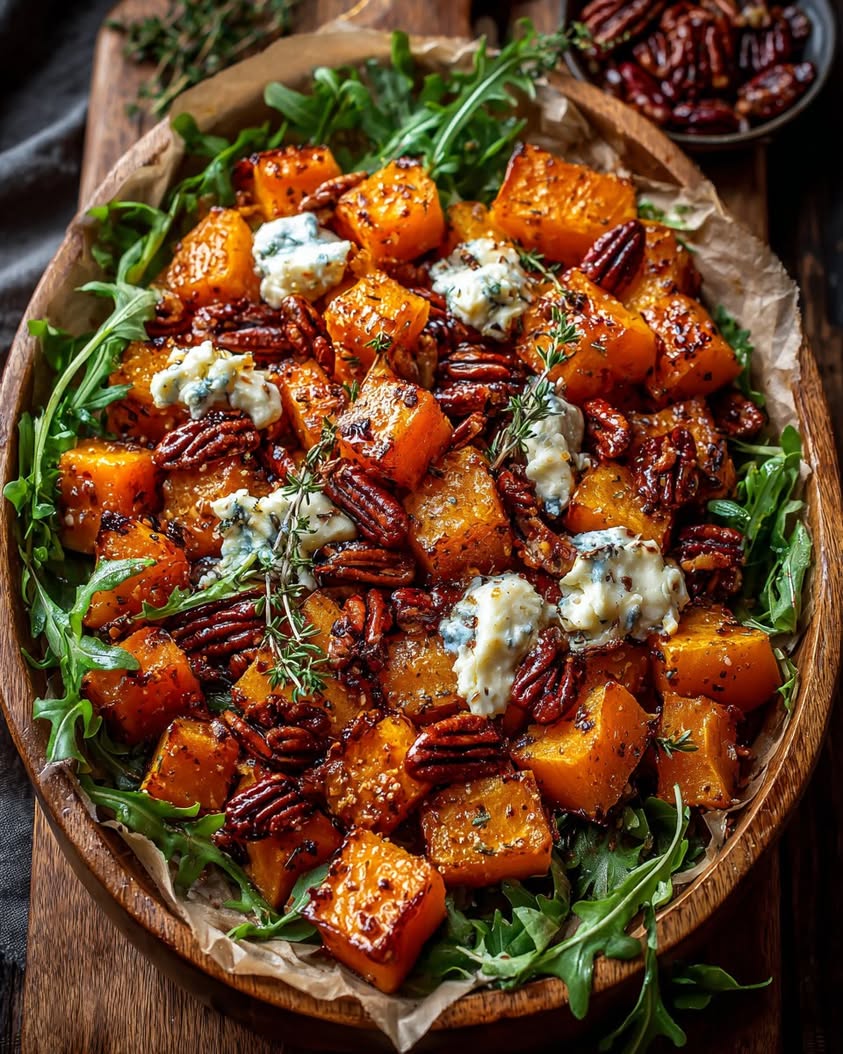
Caramelized Butternut Squash Brie Delight: The Ultimate Fall Appetizer
Imagine a dish that captures the very essence of autumn in a single, stunning bite. This Caramelized Butternut Squash Brie Delight does exactly that. It transforms humble, sweet squash into glistening, golden-brown cubes, then pairs them with the luxurious creaminess of melted brie. Finally, it adds a crown of crunchy, spicy-sweet pecans. The result is a symphony of textures and flavors that feels both rustic and incredibly elegant. Ultimately, it’s a guaranteed showstopper for any gathering.
Furthermore, this recipe is a masterclass in balancing flavors. The natural sweetness of the butternut squash deepens into a rich, almost nutty caramelization. Meanwhile, the brie provides a tangy, velvety counterpoint that melts beautifully over the warm squash. The hot honey pecans introduce a thrilling element of heat and crunch, tying the whole dish together with a sticky, aromatic glaze. Consequently, every forkful offers a complex and deeply satisfying experience that will have your guests asking for the recipe.
Best of all, this Caramelized Butternut Squash Brie Delight is deceptively simple to prepare. It uses straightforward techniques to achieve restaurant-quality results. Whether you’re hosting a holiday party, a cozy Friendsgiving, or simply want to elevate your weeknight dinner, this dish delivers maximum impact with minimal fuss. Let’s dive into how you can create this unforgettable fall appetizer in your own kitchen.
Quick Recipe Highlights
- Flavor Profile: This dish masterfully combines sweet, savory, spicy, and tangy notes. The caramelized squash offers a deep, sugary base, while the brie contributes a mild, fungal tang. Finally, the hot honey pecans deliver a spicy kick and aromatic sweetness that elevates every component.
- Texture: You’ll experience a wonderful contrast between the tender, almost creamy interior of the squash, its sticky-crisp caramelized edges, the gooey, melted brie, and the satisfying crunch of the candied pecans. This variety makes each bite exciting and dynamic.
- Aroma: As it roasts, the kitchen fills with the warm, sweet scent of caramelizing squash and cinnamon. Then, the finishing touch of hot honey toasting the pecans releases a tantalizing fragrance of spice, honey, and toasted nuts that is utterly irresistible.
- Visual Appeal: The presentation is gorgeous, featuring vibrant orange squash cubes, oozing white and golden brie, and glossy, amber-colored pecans. It’s a visually stunning dish that looks abundant and celebratory on any table.
- Skill Level Needed: This is an accessible recipe for most home cooks. It requires basic knife skills for cubing squash, the ability to toss ingredients on a sheet pan, and attention to roasting times. No advanced techniques are necessary for success.
- Special Equipment: You only need a sturdy baking sheet, a good chef’s knife, and a cutting board. Parchment paper is highly recommended for easy cleanup and to prevent the honey from sticking to the pan during the final step with the pecans.
Recipe Overview
- Difficulty Level: We rate this recipe as “Easy” because it involves fundamental cooking methods like chopping and roasting. The steps are sequential and simple. However, achieving perfect caramelization requires monitoring the oven, which is the only slightly attentive part of the process. Overall, it’s very forgiving and hard to mess up.
- Category: This dish shines brightest as a shareable appetizer or a stunning side dish. It can also anchor a vegetarian meal when served over a bed of peppery arugula or alongside a hearty grain like farro or quinoa. Its versatility is one of its greatest strengths.
- Cuisine: While not tied to a single tradition, it draws inspiration from modern American fall harvest cooking. It uses classic autumn produce and combines them with cheese and nuts in a way that feels both rustic and contemporary. The use of hot honey adds a trendy, artisanal twist.
- Cost: This is a moderately priced dish. Butternut squash is very affordable in season. Brie cheese and pecans are the premium ingredients, but a little goes a long way. You can expect to spend about $15-$20 for the entire recipe, which serves 4-6 as an appetizer.
- Season: This is the quintessential fall and winter recipe. Butternut squash is at its peak sweetness from September through February. The warm, comforting flavors are perfectly suited to cooler weather and holiday celebrations, making it a seasonal staple.
- Occasion: It’s perfect for holiday entertaining (Thanksgiving, Christmas), potlucks, dinner parties, or even a fancy weekend snack. Its impressive presentation makes it special, while its make-ahead potential makes it practical for busy hosts.
Why You’ll Love This Recipe
First and foremost, the taste and texture are absolutely phenomenal. This Caramelized Butternut Squash Brie Delight hits every note on the flavor spectrum. You get the profound sweetness of the roasted squash, which is balanced by the earthy, tangy creaminess of the brie. Then, the spicy-sweet crunch of the pecans cuts through the richness. The contrast between the soft squash, melty cheese, and crunchy nuts creates a party in your mouth. Every single bite is a complex and deeply satisfying experience that feels both indulgent and wholesome.
Next, consider the sheer convenience and preparation benefits. Despite its impressive appearance, this dish is surprisingly simple to assemble. The active prep time is minimal—mostly just cubing the squash. After that, the oven does the majority of the work. You can even roast the squash ahead of time and simply reheat it before adding the brie and pecans. This makes it an ideal recipe for entertaining, as you won’t be stuck in the kitchen while your guests arrive. It’s the definition of a high-reward, low-stress dish.
Additionally, this recipe offers notable nutritional advantages. Butternut squash is a powerhouse of vitamins A and C, along with fiber and potassium. Using healthy fats like olive oil and nutrient-dense pecans adds good fats and protein. While brie is a richer element, it provides calcium and protein. Compared to many other cheesy appetizers, this one incorporates a significant amount of wholesome vegetables. You can feel good about serving it, knowing it delivers both decadent flavor and real nutritional value.
Moreover, the social and entertaining value is through the roof. This Caramelized Butternut Squash Brie Delight is a guaranteed conversation starter. It looks beautiful on a buffet or as a centerpiece on a cheese board. It encourages sharing and communal eating, which fosters a warm, convivial atmosphere. Guests are always impressed by the combination of flavors and the professional presentation. It signals that you’ve put thought and care into the meal, making everyone feel special and well-hosted.
Finally, it is cost-effective and accessible. The main ingredient, butternut squash, is one of the most affordable vegetables in the fall. A single squash yields a lot for this recipe. While brie and pecans are pricier, you don’t need huge quantities to make an impact. The entire dish comes together for less than the cost of a store-bought cheese platter, yet it tastes infinitely more special. The ingredients are also easy to find at any standard grocery store, with no obscure or hard-to-source items required.
Historical Background and Cultural Significance
The story of this dish is really a story of three key ingredients coming together through modern culinary innovation. Butternut squash, a New World native cultivated for thousands of years by Indigenous peoples, has long been a staple of autumnal cooking in North America. Its natural sweetness and hearty flesh made it perfect for roasting and pureeing. Brie cheese, with its origins in the French region of Île-de-France, represents centuries of European cheesemaking tradition. Its creamy, approachable flavor made it a global favorite. Hot honey, a more recent trend, blends the ancient practice of beekeeping with a contemporary love for spicy-sweet flavors.
Cultural importance emerges from how this recipe celebrates the harvest. In many cultures, autumn is a time for gathering, gratitude, and sharing the bounty. Dishes that feature squash, nuts, and rich cheeses are common across harvest festival tables from North America to Europe. This Caramelized Butternut Squash Brie Delight fits perfectly into that tradition. It takes the abundance of the season and presents it in a shareable, celebratory format. It connects us to the cyclical nature of food and the joy of eating what is fresh and local.
The evolution of the recipe is a testament to contemporary food trends. Roasted vegetable dishes have surged in popularity for their depth of flavor. Meanwhile, the “board” trend—charcuterie boards, cheese boards, snack boards—has made communal, dippable, shareable foods a centerpiece of entertaining. This recipe sits at the intersection of these trends. It has the sophisticated flavor profile of a restaurant small plate but the comfortable, shareable ethos of home cooking. The addition of hot honey specifically nods to the modern palate’s appreciation for balancing heat with sweetness.
Regional variations are easy to imagine and encourage personalization. In the American South, you might see pecans swapped for candied peanuts or a bourbon-infused honey. In a Mediterranean version, the brie could be replaced with goat cheese or feta, and the pecans with pistachios or walnuts, finished with a drizzle of pomegranate molasses. A Nordic take might use a firmer, aged cheese and garnish with fresh dill. The basic formula—sweet roasted squash, creamy cheese, crunchy nut—is a canvas. Consequently, this Caramelized Butternut Squash Brie Delight invites cooks to incorporate their own local ingredients and cultural flavors.
Ingredient Deep Dive
Butternut Squash: This winter squash is a cultivar of Cucurbita moschata and is native to the Americas. It was a vital food source for Indigenous communities long before European colonization. Nutritionally, it’s incredibly rich in beta-carotene (which the body converts to Vitamin A), Vitamin C, fiber, and potassium. When selecting, choose a squash that feels heavy for its size with a firm, matte skin and no soft spots. Store it in a cool, dark place for up to a month. For a substitution, sweet potato or acorn squash would work beautifully, though roasting times may vary slightly.
Brie Cheese: Hailing from France, Brie is a soft, cow’s-milk cheese named after the French region from which it originated. Its edible white rind is a bloom of Penicillium candidum mold, which contributes to its creamy texture and mild, earthy flavor. It provides a good source of calcium, protein, and fat. Choose a wheel that feels slightly soft when gently pressed in the center. For best flavor, let it sit at room temperature for about 30 minutes before serving. If you need a substitute, Camembert is the closest in flavor and texture, while a creamy goat cheese or triple-creme like Saint André would offer a different but delicious profile.
Pecans: Pecans are the only major tree nut indigenous to North America, with a history of use by Native Americans stretching back over 8,000 years. They are packed with healthy monounsaturated fats, antioxidants, and minerals like manganese. For the best flavor, always buy raw pecans and toast them yourself. Look for plump, uniform pieces without any signs of shriveling or rancidity. Store them in an airtight container in the freezer to maintain freshness for months. Walnuts or almonds can be used as a substitute, but they will offer a different flavor profile.
Hot Honey: This is a modern condiment that infuses honey with chili peppers. It combines the natural sweetness and floral notes of honey with a slow-building, pleasant heat. You can buy prepared versions from brands like Mike’s Hot Honey or easily make your own by gently warming honey with dried chili flakes. The heat level can be adjusted to your preference. From a culinary perspective, it acts as both a sweetener and a spice, adding complexity and gloss to the pecans in this recipe. For a substitute, combine regular honey with a pinch of cayenne pepper or red pepper flakes.
Common Mistakes to Avoid
- Unevenly Cubed Squash: Cutting the squash into different sizes is a common error. Consequently, smaller pieces will burn before larger ones caramelize. Aim for uniform 1-inch cubes to ensure even cooking and consistent texture throughout the dish.
- Crowding the Pan: If you dump all the squash onto one pan without space, it will steam instead of roast. You need space between the pieces for hot air to circulate and create those desirable caramelized edges. Use two pans if necessary.
- Underseasoning the Squash: Don’t be shy with the salt and pepper before roasting. Seasoning before cooking is crucial as it draws out moisture and flavors the squash from within. Taste a piece after roasting and adjust with flaky salt if needed.
- Using Cold Brie: Adding a cold, hard wheel of brie straight from the fridge will not allow it to melt properly. Let the brie sit at room temperature while the squash roasts so it becomes soft and spreadable.
- Burning the Honey Pecans: The honey can go from perfectly glazed to burnt very quickly in the oven’s residual heat. Watch them closely in the final 2-3 minutes, and remove the pan the moment they are fragrant and glossy.
- Skipping the Fresh Herb Garnish: The recipe suggests thyme or rosemary. These fresh herbs are not just decoration; they add a necessary pop of bright, aromatic flavor that cuts through the richness. Don’t omit them.
- Using Pre-Chopped Pecans: Pre-chopped nuts often have a drier texture and less flavor. For the best crunch and fresh nutty taste, buy pecan halves and chop them yourself just before toasting.
- Not Preheating the Oven: A properly preheated oven is non-negotiable for good caramelization. If the oven isn’t hot enough when the squash goes in, it will cook through without developing those beautiful browned, sweet edges.
Essential Techniques
How to Cube Butternut Squash: This technique is important for both safety and even cooking. First, use a sharp chef’s knife to slice off the top and bottom. Stand the squash upright on its flat bottom and carefully cut it in half lengthwise. Scoop out the seeds and stringy pulp with a spoon. Then, lay each half flat-side down and cut it into long planks. Finally, cut the planks crosswise into uniform cubes. Mastering this ensures your squash roasts evenly and is easy to eat. A common pitfall is trying to cut through the tough skin without a stable base.
The Art of Caramelization: Caramelization is the browning of natural sugars through heat. For perfect caramelized butternut squash, high heat (400°F or above) and space on the pan are key. Toss the squash in oil to coat every surface, as this facilitates heat transfer. Don’t stir too often; let the pieces sit in contact with the hot pan to develop a crust. The visual cue for success is golden-brown edges and a slightly shrunken, tender interior. This technique transforms the squash’s flavor from simply sweet to deep, complex, and nutty.
Toasting Nuts with Honey: This technique combines dry-heat toasting with a candy-like glaze. Toast the pecans first to awaken their oils, then carefully toss with hot honey. The residual heat of the pan and the hot honey will cook the mixture further. The goal is a glossy, sticky coating without burning the sugar in the honey. Stir constantly off the heat to coat evenly and separate the nuts. The cue for success is a fragrant, toasty smell and nuts that appear shiny and separate easily when stirred.
Pro Tips for Perfect Caramelized Butternut Squash Brie Delight
For the deepest flavor, toss your squash cubes with a tablespoon of maple syrup along with the olive oil, salt, and pepper before roasting. The natural sugars will enhance the caramelization process beautifully.
Use a microplane to zest a little orange over the finished dish just before serving. The bright citrus note cuts through the richness and complements the squash’s sweetness in a surprising way.
If your brie wheel is very thick, consider slicing it horizontally into two thinner rounds. This creates more surface area for melting and ensures every bite gets a perfect ratio of cheese to squash.
For an extra layer of savory depth, sprinkle a tiny pinch of smoked paprika or a few crumbles of cooked, chopped bacon over the assembled dish before adding the hot honey pecans.
Let the roasted squash cool on the pan for 5 minutes before adding the brie. This prevents the cheese from melting so rapidly that it becomes greasy instead of creamy.
To make this dish ahead, roast the squash and prepare the honey pecans separately. Store them in airtight containers. Reheat the squash briefly, then assemble with room-temp brie and the pecans just before serving.
For easier serving, especially at a party, transfer the hot roasted squash to a warm serving platter or board before topping with the brie and pecans. This prevents guests from having to scrape bits off a hot baking sheet.
If you’re sensitive to spice, make a “cool zone” on your platter by adding the hot honey pecans to only one side. This allows everyone to enjoy the dish at their preferred heat level.
Variations and Adaptations
Regional Variations: Give this dish a Southern twist by using bourbon-barrel-aged maple syrup in the glaze and adding crumbled candied bacon. For a Mediterranean flair, swap the brie for creamy goat cheese, use walnuts instead of pecans, and finish with a drizzle of reduced balsamic vinegar and fresh oregano.
Seasonal Adaptations: In winter, add roasted chestnuts or pomegranate arils for a festive touch. For a spring version, use delicata squash (which doesn’t need peeling) and top with fresh peas and mint. In summer, try it with caramelized peaches or nectarines alongside the squash.
Dietary Modifications: For a vegan Caramelized Butternut Squash Brie Delight, use a high-quality vegan brie alternative and maple syrup instead of honey. To make it nut-free, replace the pecans with roasted pumpkin seeds (pepitas) tossed in the hot honey seasoning.
Flavor Variations: Infuse the olive oil with garlic and rosemary before tossing the squash. Add a teaspoon of curry powder or ras el hanout to the squash before roasting for a warm, spiced profile. For an herby note, mix chopped fresh sage into the squash in the last 5 minutes of roasting.
Texture Modifications: For extra crunch, add a final sprinkle of panko breadcrumbs toasted in butter. For a smoother, more dip-like consistency, mash half of the roasted squash and spread it on the platter as a base before adding the cheese and whole squash cubes.
Presentation Alternatives: Serve individual portions in small ramekins or on toasted baguette slices. Alternatively, pile the warm squash and melted brie onto a large board surrounded by crackers, apple slices, and cured meats for an epic fall cheese board centerpiece.
Serving and Presentation Guide
Plating Techniques: For family style, transfer the hot roasted squash directly to a warm, shallow serving bowl or a rustic wooden board. Arrange the brie wheel or pieces artfully on top while everything is still warm. For individual appetizer plates, use a ring mold to create a neat stack of squash, place a wedge of brie alongside, and sprinkle pecans around the plate.
Garnishing Ideas: Fresh herb sprigs (thyme, rosemary) are essential. Add color and freshness with microgreens, arugula, or flat-leaf parsley. For sweetness and pop, scatter a handful of pomegranate seeds or dried cranberries over the top. A final drizzle of high-quality extra virgin olive oil or reduced balsamic adds a professional finish.
Traditional Accompaniments: This dish is perfect with a basket of sliced, toasted baguette or crusty artisanal bread for scooping. It also pairs wonderfully with crisp apple slices, pear slices, or seeded crackers. For a fuller spread, include other fall items like fig jam, marcona almonds, and slices of prosciutto.
Modern Serving Suggestions: Serve it as a topping for a fall salad—spoon it over a bed of bitter greens dressed with a simple vinaigrette. Use it as a luxurious filling for a grilled cheese sandwich. Or, serve it in mini phyllo cups for elegant, bite-sized party appetizers.
Temperature Considerations: This dish is best served warm, when the brie is soft and slightly oozy and the squash is tender. However, it is also delicious at room temperature, making it ideal for a buffet. Avoid serving it cold, as the cheese will harden and the flavors will be muted.
Portion Control Tips: As a standalone appetizer for 4-6 people, one medium squash and one 8-ounce brie wheel is perfect. If it’s part of a larger spread with other dips and cheeses, this recipe can comfortably serve 8-10 people. Provide plenty of bread or crackers to help guests scoop manageable portions.
Wine and Beverage Pairing
Wine Pairings: The sweet, creamy, and spicy elements of this dish call for wines with good acidity and some sweetness. A slightly off-dry Riesling or Gewürztraminer is a classic and perfect match—their acidity cuts the richness and their fruit complements the squash. A medium-bodied Pinot Noir with its red fruit and earthy notes also works beautifully. For a bold choice, try a sparkling cider or a dry rosé with enough body to stand up to the flavors.
Non-Alcoholic Alternatives: Sparkling apple cider is the quintessential fall pairing, offering sweet bubbles that cleanse the palate. A ginger beer or spicy ginger ale mimics the heat from the honey and provides a refreshing contrast. For a warmer option, a chai tea latte or a simple cup of hot mulled cider echoes the warm spices in the dish.
Coffee/Tea Pairings: After enjoying this as part of a meal, a cup of medium-roast coffee with notes of caramel or nut would be a delightful finish. For tea, choose a smoky Lapsang Souchong to complement the caramelized notes, or a spiced chai to harmonize with the warming flavors.
Temperature Considerations: Serve white wines and sparkling ciders well-chilled (45-50°F). Red wines like Pinot Noir should be served slightly cooler than room temperature, around 55°F. Non-alcoholic sparklers should be ice cold, while warm beverages like tea or cider should be served piping hot to contrast the warm, but not scalding, dish.
Serving Suggestions: Always offer a variety of beverages to cater to different preferences. Set up a small drink station with a bottle of Riesling, a carafe of sparkling cider, and a pot of hot tea. Provide appropriate glassware—wine glasses, flutes for cider, and mugs for hot drinks—to enhance the overall experience.
Storage and Shelf Life
Storage Methods: Store leftover components separately for best quality. Place cooled roasted squash in an airtight container in the refrigerator. Keep any unused brie wrapped in its original paper or wax paper, then in a loose plastic bag. Store honey pecans in a separate airtight container at room temperature to maintain their crunch.
Temperature Requirements: The assembled dish is best eaten immediately. For leftovers, refrigerate any combined squash and brie within 2 hours. The ideal refrigerator temperature is below 40°F. Do not freeze the assembled dish, as the texture of the brie and squash will become unpleasantly watery upon thawing.
Container Recommendations: Use glass or BPA-free plastic containers with tight-fitting lids for the squash. For the pecans, a mason jar or a zip-top bag works perfectly. Avoid storing the pecans in the fridge, as the humidity can make them lose their crunch.
Signs of Spoilage: Discard the squash if it develops an off smell, becomes slimy, or shows signs of mold. Brie is still safe to eat if the rind develops some harmless blue or grey mold (just cut it off), but discard if the paste inside becomes overly ammoniated, discolored, or develops an unpleasant odor.
Reheating Instructions: To reheat squash without the brie, spread it on a baking sheet and warm in a 350°F oven for 10-15 minutes until hot. You can also reheat single portions in the microwave for 60-90 seconds. Add fresh brie and pecans after reheating for the best texture.
Freezing Guidelines: You can successfully freeze the roasted butternut squash cubes alone. Spread them on a parchment-lined sheet to freeze solid, then transfer to a freezer bag. They will keep for 2-3 months. Thaw in the refrigerator before reheating. Do not freeze the brie or the honey-glazed pecans.
Make Ahead Strategies
Prep Timeline: You can prep this dish over two days. Day 1: Cube the butternut squash, toss it with oil and seasonings, and store it in a container in the fridge. Toast the pecans and make the hot honey glaze, storing them separately at room temp. Day 2 (2 hours before serving): Roast the pre-cut squash. Just before guests arrive, assemble with room-temp brie and the pecans.
Storage Between Steps: Keep the uncooked, seasoned squash cubes in the fridge for up to 24 hours. The acid from the lemon juice in the dressing (if using) can slightly alter the texture if stored longer. The toasted, honey-glazed pecans will stay perfectly crisp in an airtight container at room temperature for 3-4 days.
Quality Impact Assessment: Pre-cutting the squash has minimal impact on quality. Pre-toasting the pecans actually improves their flavor. The only element that must be done at the last minute is the final assembly with the brie to ensure it’s at the perfect melty, creamy consistency.
Assembly Tips: For a stress-free party, have all your components ready: squash roasted and kept warm, brie at room temp, pecans in a bowl, and garnishes chopped. When it’s time to serve, simply transfer the squash to a platter, add the brie, sprinkle with pecans and herbs. The whole process takes 2 minutes.
Reheating Guidelines: If you’ve roasted the squash ahead and it’s cold, reheat it on a sheet pan at 375°F for 8-10 minutes until warmed through. Do not microwave the assembled dish, as it will make the brie separate and become oily.
Fresh Element Additions: Always add the fresh herb garnish and a final sprinkle of flaky salt at the very last second before serving. This ensures the herbs look vibrant and taste fresh, and the salt provides a bright finishing note that can get lost if added too early.
Scaling Instructions
Halving the Recipe: Halving this Caramelized Butternut Squash Brie Delight is simple for a smaller meal. Use half a medium squash, a 4-ounce brie round, and reduce all other ingredients by half. Use a standard quarter sheet pan for roasting to maintain proper spacing for the squash. Cooking time may be reduced by 5-7 minutes, so start checking for doneness early.
Doubling or Tripling: For a crowd, double or triple the ingredients. The key is to use multiple baking sheets and roast in batches or on multiple oven racks, rotating the pans halfway through. Do not attempt to pile all the squash onto one pan. You may need to buy two smaller brie wheels rather than one massive one for even melting and presentation.
Equipment Adjustments: Scaling up requires more sheet pans and potentially larger serving platters. If roasting multiple pans at once, ensure your oven has good air circulation. Consider using convection mode if available, which promotes even browning and may reduce cooking time slightly. Have a large, warm bowl ready to combine squash from different batches.
Timing Modifications: When doubling, the prep time for cubing squash increases linearly. The roast time may increase slightly if the oven is very full, as it can lower the ambient temperature. Add an extra 5-10 minutes to the roasting time and rely on visual cues (golden brown edges) rather than the timer alone.
Storage Considerations: Leftovers will be more abundant when scaling up. Plan your storage containers accordingly. It’s best to store components separately even for large batches to maintain the integrity of the pecans’ crunch and the squash’s texture for any potential next-day use.
Nutritional Deep Dive
Macro Breakdown: A serving of this Caramelized Butternut Squash Brie Delight provides a balance of macronutrients. The squash and honey contribute healthy carbohydrates and natural sugars for energy. The brie and olive oil provide fats, including some saturated fat from the cheese and heart-healthy monounsaturated fat from the oil. The pecans add more healthy fats and a modest amount of plant-based protein.
Micronutrient Analysis: This dish is exceptionally rich in Vitamin A (from the beta-carotene in the squash), crucial for vision and immune health. It also provides a good dose of Vitamin C, potassium, and manganese. The pecans contribute important minerals like zinc and magnesium. The brie offers calcium and phosphorus for bone health.
Health Benefits: The combination of fiber from the squash and healthy fats promotes satiety and stable blood sugar. The antioxidants in the squash and pecans help combat inflammation. While rich, this dish is made from whole, recognizable ingredients without processed additives, making it a healthier choice than many other creamy appetizers.
Dietary Considerations: It is naturally gluten-free. For those monitoring sodium, you can control the amount of added salt. The dish contains dairy (brie) and tree nuts (pecans), which are common allergens. The honey makes it unsuitable for a strict vegan diet or for children under 1 year old.
Portion Analysis: As an appetizer shared among 4-6 people, the portion is reasonable. A typical serving might include about 1 cup of squash, a 1-ounce wedge of brie, and a tablespoon of pecans. This provides a satisfying taste experience without being overly heavy, especially when balanced with other elements of a meal.
Weight Management Tips: To lighten the dish slightly, you can reduce the olive oil by 1 tablespoon when roasting the squash (it will still caramelize). Use a lighter hand with the honey on the pecans. Increase the ratio of squash to cheese on your own plate to prioritize the high-fiber, low-calorie-density vegetable.
Dietary Adaptations
Gluten-free: This recipe is naturally gluten-free as written. Simply ensure that any crackers or bread you serve alongside are certified gluten-free. Double-check that your hot honey brand doesn’t use any gluten-containing additives (most do not).
Dairy-free: Substitute the brie with a high-quality vegan brie or a soft, creamy vegan cheese spread. Many nut-based or coconut-based alternatives melt reasonably well. Alternatively, skip the cheese and add extra pecans and a drizzle of tahini sauce for creaminess.
Vegan: For a fully vegan Caramelized Butternut Squash Brie Delight, use the dairy-free cheese substitute above and replace the honey with maple syrup or agave nectar to make the “hot honey” glaze for the pecans. Use a vegan butter or oil to toast the nuts.
Low-carb/Keto: Reduce the amount of butternut squash significantly, as it is higher in carbs. Replace most of the squash with lower-carb vegetables like cubed zucchini or bell peppers. Use a full-fat brie and increase the pecans. Replace the honey with a keto-friendly sweetener that can be heated, like monk fruit or allulose syrup.
Paleo: Omit the brie, as dairy is not Paleo. Focus on the squash and pecans. You could add chunks of cooked, seasoned chicken or turkey sausage to make it a complete meal. Use raw honey for the glaze, as it is considered Paleo-friendly in moderation.
Low-FODMAP: Butternut squash is low-FODMAP in servings of 1/2 cup (75g) per sitting. Stick to a small portion. Omit the honey (high in fructose) and use maple syrup instead. Ensure the brie is a hard, aged variety if tolerated, as softer cheeses can be higher in lactose.
Troubleshooting Guide
Squash is Soggy, Not Caramelized: This usually means the pan was overcrowded or the oven wasn’t hot enough. Next time, ensure pieces are spaced out and your oven is fully preheated. For now, you can try broiling the cooked squash for 2-3 minutes to add some color and crisp up the edges, watching closely to prevent burning.
Brie Didn’t Melt, It Just Sweated Oil: This happens if the brie was too cold or the squash wasn’t hot enough when assembled.{“success”:true,”message”:”Recipe created successfully”,”post_id”:9042,”tasty_recipe_id”:9042,”shortcode”:”“}

I’m Billy, a classically trained culinary school graduate from The Culinary Institute of America with over 12 years in the restaurant industry and over 19 years of cooking experience.