
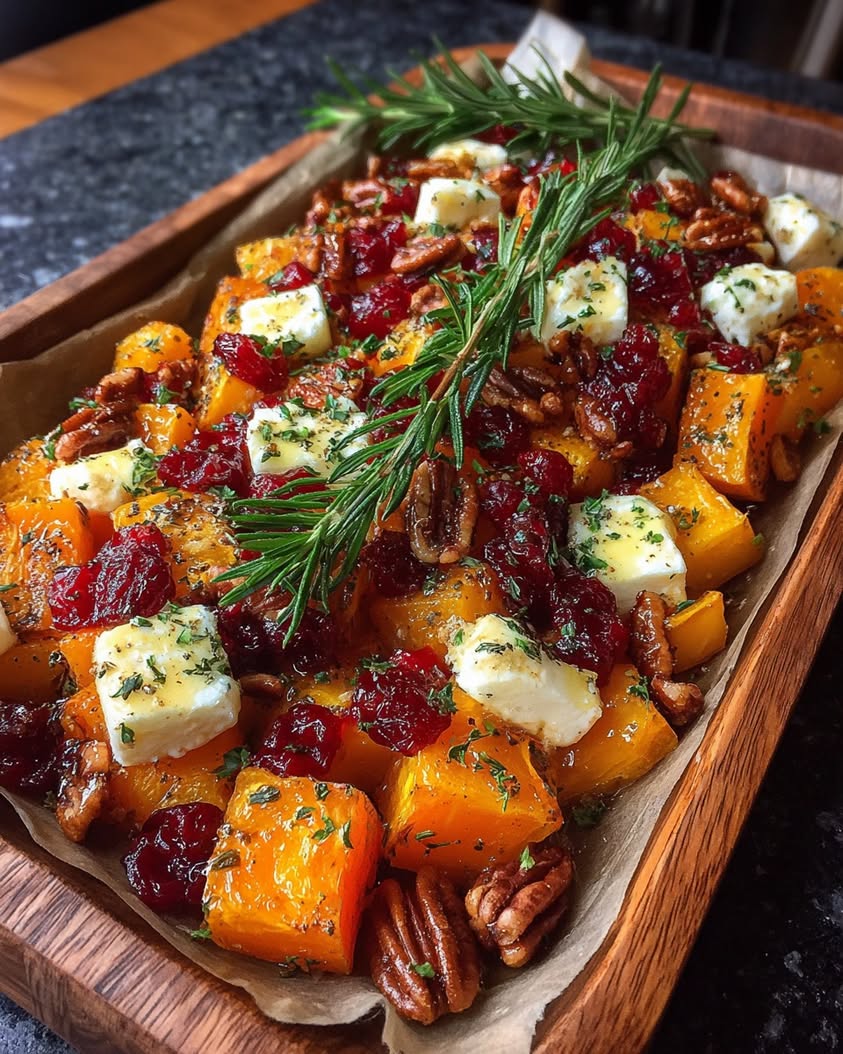
Caramelized Butternut Squash with Brie and Cranberry Glaze: A Festive Fall Showstopper
Welcome the cozy flavors of autumn with this stunning Caramelized Butternut Squash with Brie and Cranberry Glaze. This recipe transforms simple, seasonal ingredients into an unforgettable side dish or vegetarian main that will steal the spotlight at any holiday table. Imagine tender, sweet squash with beautifully browned edges, topped with melted, creamy brie, crunchy pecans, and a vibrant, tangy-sweet cranberry honey glaze. Ultimately, this dish is a celebration of texture and taste that feels both elegant and comforting.
Furthermore, this Caramelized Butternut Squash with Brie and Cranberry Glaze is surprisingly simple to prepare. The process highlights the natural sugars in the squash, creating a deep, rich caramelization that pairs perfectly with the luxurious brie. Meanwhile, the quick cranberry honey glaze adds a pop of festive color and a bright, tart contrast that cuts through the richness. Consequently, every bite delivers a harmonious balance that will have your guests asking for the recipe.
Quick Recipe Highlights
- Flavor Profile: This Caramelized Butternut Squash with Brie and Cranberry Glaze masterfully balances sweet, savory, tangy, and creamy notes. The natural sweetness of the roasted squash meets the rich, funky brie, while the cranberry glaze provides a necessary tart punch.
- Texture: You will experience a wonderful contrast of soft, melt-in-your-mouth squash, gooey melted cheese, and the satisfying crunch of toasted pecans. This combination creates a truly dynamic and enjoyable mouthfeel in every forkful.
- Aroma: As it roasts, the kitchen fills with the warm, nutty scent of caramelizing squash and toasting pecans. Then, the final drizzle of the warm cranberry honey glaze releases a sweet-tart fragrance that is unmistakably festive.
- Visual Appeal: The dish is a feast for the eyes with vibrant orange squash, golden-brown cheese, deep red glaze, and toasted pecans. It presents beautifully on a platter, making it ideal for holiday dinners and special occasions.
- Skill Level Needed: This is an accessible recipe for most home cooks. The techniques involve simple roasting and making a quick stovetop glaze. Therefore, even beginners can achieve impressive, restaurant-quality results with minimal stress.
- Special Equipment: You only need a good baking sheet, a sharp knife for cutting squash, and a small saucepan. A silicone baking mat or parchment paper is highly recommended for easy cleanup and to prevent sticking.
Recipe Overview
- Difficulty Level: We rate this Caramelized Butternut Squash with Brie and Cranberry Glaze as easy. The steps are straightforward: chop, roast, and glaze. However, the key to success lies in patient roasting for proper caramelization and careful timing when adding the brie to prevent burning.
- Category: This versatile dish shines as a spectacular holiday side or a satisfying vegetarian main course. It also works wonderfully as a warm salad topping or a fancy appetizer when served on crostini.
- Cuisine: While not tied to one tradition, this recipe draws inspiration from modern American fall and holiday cooking. It utilizes classic autumn harvest ingredients in a contemporary, elegant way that feels both rustic and refined.
- Cost: This is a moderately priced dish, leveraging seasonal produce. Butternut squash is very affordable in the fall. Brie and pecans are the primary cost drivers, but a little goes a long way, making the overall cost per serving quite reasonable for a special meal.
- Season: This recipe is perfect for fall and winter, specifically from October through December. That is when butternut squash is at its peak sweetness and cranberries are freshly harvested, offering the best flavor and value.
- Occasion: It is ideal for Thanksgiving, Christmas, Friendsgiving, or any autumn dinner party. Moreover, it makes a fantastic centerpiece for a vegetarian holiday feast or a luxurious side for a roasted meat main course.
Why You’ll Love This Recipe
First, the taste and texture are absolutely divine. This Caramelized Butternut Squash with Brie and Cranberry Glaze delivers a complex flavor profile that feels gourmet. The squash becomes intensely sweet and almost candy-like at the edges, which contrasts beautifully with the salty, creamy brie. Then, the tart cranberry glaze and buttery pecans tie everything together. Every element has a purpose, creating a dish that is far greater than the sum of its parts.
Next, consider the convenience and preparation benefits. Despite its impressive appearance, this dish is remarkably hands-off. After you cube the squash and toss it with oil, the oven does most of the work. You can prepare the simple cranberry honey glaze on the stovetop in just minutes while the squash roasts. This efficient workflow means you can focus on other parts of your meal without being chained to the stove.
Additionally, this Caramelized Butternut Squash with Brie and Cranberry Glaze offers notable nutritional advantages. Butternut squash is packed with vitamin A, vitamin C, and fiber. Pecans provide healthy fats, protein, and minerals. Using honey as a natural sweetener in the glaze is a better alternative to refined sugars. While brie is indulgent, it also offers calcium and protein. Therefore, you are serving a dish that is as nourishing as it is delicious.
Furthermore, the social and entertaining value is incredibly high. This recipe is a guaranteed conversation starter. Its stunning visual appeal and sophisticated flavor combination will impress your guests and make any meal feel special. It caters beautifully to vegetarian friends and family during the holidays, ensuring everyone has a spectacular centerpiece to enjoy. It is a dish that people remember and request year after year.
Finally, it is cost-effective and accessible. The main ingredient, butternut squash, is one of the most affordable vegetables in the autumn months. You can often find bags of fresh cranberries and pecan halves on sale during the holiday season. While a good wedge of brie is an investment, a little adds immense luxury. Overall, you create a show-stopping dish without the show-stopping price tag of many holiday recipes.
Historical Background and Cultural Significance
The story of this Caramelized Butternut Squash with Brie and Cranberry Glaze is a modern tale of fusion cooking. Butternut squash itself is a relatively recent cultivar, developed in the 1940s in Massachusetts. Its popularity soared due to its sweet, dense flesh and easy-to-peel shape. Meanwhile, brie cheese has centuries of history in the Île-de-France region of France, prized for its creamy texture and mild, earthy flavor. Combining these New World and Old World ingredients is a celebration of global pantry access.
Culturally, this dish taps deeply into North American autumn and holiday traditions. Squash has been a vital staple for Indigenous peoples across the continent for thousands of years. Cranberries are one of the few native fruits of North America, used by Native Americans for food, medicine, and dye. Incorporating these ingredients into a holiday side dish honors their historical significance while updating them for contemporary palates and presentation.
The evolution of this recipe follows the trend of elevating vegetable sides to centerpiece status. In recent decades, as vegetarianism and vegetable-forward dining have grown, cooks have sought ways to make plant-based dishes feel celebratory. The technique of high-heat roasting to caramelize vegetables became a restaurant staple before trickling into home kitchens. Adding a luxurious element like melted brie and a glossy fruit glaze is a natural progression, transforming humble squash into a dish worthy of any feast.
Regional variations of this concept abound. In the South, you might find a similar dish with pecans and a bourbon-infused glaze. In the Pacific Northwest, hazelnuts could replace pecans. Some versions might use goat cheese instead of brie for a tangier profile, or maple syrup instead of honey in the glaze. The core concept of sweet roasted squash paired with cheese, nuts, and a fruit component is wonderfully adaptable, allowing it to reflect local tastes and available ingredients.
Ingredient Deep Dive
Let us start with the star: butternut squash. This winter squash is a hybrid, known for its bell-like shape and sweet, nutty orange flesh. It is incredibly rich in beta-carotene, which the body converts to vitamin A, essential for vision and immune health. When selecting squash, look for one that feels heavy for its size with a firm, matte skin free of soft spots. Store it in a cool, dark place for months; once cut, wrap it tightly and refrigerate for up to five days. For a substitution, sweet potato or acorn squash would work well, though cooking times may vary slightly.
Next, consider the brie cheese. This soft, surface-ripened cheese is named after the French region from which it originated. Its edible white rind is a mold called Penicillium camemberti, which contributes to its distinctive flavor. Brie provides calcium, protein, and fat, which helps balance the dish’s sweetness. Always choose a brie that is ripe but not oozing; it should give slightly when pressed. For storage, keep it in the coldest part of your refrigerator, tightly wrapped. If you need a substitute, Camembert is very similar, or for a stronger flavor, try a creamy blue cheese like Cambozola.
Now, examine the cranberry honey glaze. Fresh cranberries are native to North America and are packed with vitamin C and antioxidants. Their natural tartness is a perfect counterpoint to rich dishes. Honey, one of humanity’s oldest sweeteners, contains trace enzymes and antioxidants. For the best glaze, use fresh cranberries when in season; they should be firm and brightly colored. Frozen cranberries work perfectly as a substitute. For the honey, a mild, liquid variety like clover or wildflower is ideal. You could substitute pure maple syrup for a different flavor profile.
Finally, the pecans. These nuts are also native to North America, specifically the southern United States and Mexico. They are an excellent source of healthy monounsaturated fats, magnesium, and zinc. Toasting them is non-negotiable, as it unlocks their rich, buttery flavor and improves texture. Look for pecan halves that are uniform in color without dark spots. Store them in an airtight container in the freezer to prevent their oils from turning rancid. For a nut-free version, roasted pumpkin seeds (pepitas) make a fantastic crunchy alternative with a similar seasonal vibe.
Common Mistakes to Avoid
- Cutting Squash Unevenly: Inconsistent cube sizes lead to uneven cooking. Some pieces will burn while others remain undercooked. Always aim for 1-inch cubes for uniform roasting and caramelization.
- Skipping the Toasting Step for Pecans: Raw pecans lack depth of flavor and can be soft. Toasting them separately enhances their nuttiness and adds a crucial crunchy texture that elevates the entire dish.
- Overcrowding the Baking Sheet: If the squash cubes are piled on top of each other, they will steam instead of roast. Use a large sheet pan and spread the squash in a single layer to ensure proper caramelization.
- Adding the Brie Too Early: Placing the brie on the squash at the beginning of roasting will cause it to melt completely and potentially burn. Add it only during the last few minutes of cooking just to warm and soften it.
- Not Reducing the Glaze Enough: A runny glaze will soak into the squash and make the dish soggy. Simmer the cranberry mixture until it thickens to a syrup-like consistency that will coat the back of a spoon.
- Using Pre-Shredded or Pre-Cubed Squash: These are often uneven, dry, or treated with preservatives. The flavor and texture are far superior when you buy a whole squash and cube it yourself just before cooking.
- Forgetting to Season the Squash: Salt is essential for bringing out the natural sweetness of the squash. Do not rely on the saltiness of the brie alone; season the squash before it goes into the oven.
- Using a Dull Knife: Butternut squash has tough skin. A sharp chef’s knife is crucial for safety and control when cutting it. A dull knife is more likely to slip and cause injury.
Essential Techniques
First, master the art of cutting butternut squash. This technique is important for safety and even cooking. Start by slicing off the top and bottom to create stable flat ends. Then, use a sharp peeler or your knife to remove the tough skin. Cut the squash in half at the neck, separating the bulbous bottom. Slice the neck into planks, then cubes. For the bulb, scoop out the seeds and pulp, then cube the flesh. The key is to create uniform pieces so they roast at the same rate.
Next, understand high-heat roasting for caramelization. This process is vital for developing deep, sweet flavors. The high oven temperature causes the natural sugars in the squash to brown and concentrate. To succeed, ensure your oven is fully preheated and use a light coating of oil to promote browning. Do not stir the squash too frequently; letting it sit undisturbed on the hot pan allows a proper crust to form. The visual cue for success is golden-brown edges and tender flesh that easily pierces with a fork.
Furthermore, practice making a simple fruit reduction glaze. This technique transforms tart cranberries and honey into a glossy, flavorful sauce. The goal is to cook the cranberries until they burst and release their pectin, which helps thicken the mixture. Simmer gently to allow the liquid to reduce and concentrate without burning. The success cue is a thickened syrup that coats a spoon and leaves a clear trail when you run your finger through it. This glaze should be pourable but not watery.
Finally, learn the timing for adding delicate ingredients. Adding the brie and toasted pecans at the correct moment preserves their texture. Toast the pecans separately in a dry pan or the oven until fragrant. Add them at the very end to maintain their crunch. For the brie, place it on the hot squash just long enough to warm through and become slightly molten, about 3-5 minutes. Adding it too early turns it into an oily, separated mess. Watch carefully for the cheese to soften but not completely melt into a puddle.
Pro Tips for Perfect Caramelized Butternut Squash with Brie and Cranberry Glaze
For extra flavor, toss the squash cubes with a tablespoon of maple syrup along with the oil before roasting. This promotes even deeper caramelization and a richer color.
Use a microplane to zest a little orange into the cranberry glaze as it cooks. The citrus oil adds a wonderful bright note that complements the tart cranberries beautifully.
If your brie is very cold and firm, let it sit at room temperature for 15 minutes before slicing. This makes it easier to cut into neat pieces that will melt evenly.
For a more savory element, sprinkle a tiny pinch of flaky sea salt over the finished dish just before serving. The salt crystals provide a delightful crunch and enhance all the other flavors.
To save time on the day of your event, cube the squash the night before. Store the cubes in an airtight container in the refrigerator, then simply toss with oil and roast when ready.
For easier cleanup, line your baking sheet with parchment paper or a silicone baking mat. This prevents the caramelized squash sugars from sticking and makes washing up a breeze.
If you prefer a smoother glaze, simply press the cooked cranberry mixture through a fine-mesh sieve after reducing it. This removes the skins for a silky, seedless sauce.
Toast extra pecans and keep them on hand. They make a great garnish for salads, oatmeal, or yogurt, adding a nutritious crunch to your breakfast or lunch.
Variations and Adaptations
Consider regional variations to tailor the dish. In the South, add a splash of bourbon to the cranberry glaze and use candied pecans. For a French twist, substitute walnuts for pecans and add a sprinkle of fresh thyme over the brie. A Pacific Northwest version might feature hazelnuts and a drizzle of local blackberry syrup instead of the cranberry glaze. These small changes can connect the dish to local culinary traditions and available ingredients.
Seasonal adaptations are also simple. In late summer, try this with caramelized peaches and a balsamic glaze instead of cranberries. For a winter holiday, pomegranate arils make a stunning and tart garnish in place of the cooked glaze. In spring, asparagus tips and a lemon-herb oil could create a lighter version. The core technique of roasting squash and pairing it with cheese and a contrasting element is wonderfully flexible throughout the year.
For dietary modifications, this recipe is easily adaptable. Make it vegan by using a high-quality plant-based brie alternative and maple syrup instead of honey. For a nut-free version, substitute toasted pumpkin seeds or sunflower seeds for the pecans. To reduce fat, use a smaller amount of a strongly flavored cheese like feta or goat cheese, which provides big impact with less volume. A gluten-free diet requires no changes, as the recipe is naturally free of gluten-containing ingredients.
Experiment with flavor and texture modifications. Add warmth with a pinch of cayenne pepper or cinnamon to the squash before roasting. For an herby note, toss the roasted squash with fresh chopped sage or rosemary. For added texture, sprinkle crispy fried shallots or onions on top just before serving. Try using different cheeses like a creamy goat cheese, sharp cheddar, or even gorgonzola for a bold blue cheese flavor. Each variation creates a new and exciting dish.
Serving and Presentation Guide
First, consider your plating technique. For a family-style presentation, transfer the entire contents of the baking sheet to a large, warm platter. Drizzle the glaze artistically over the top and let the brie pieces nestle among the squash. For individual servings, use a ring mold to create a neat stack of squash on each plate, top with a piece of brie, and spoon the glaze around the base. Garnish with extra pecans and perhaps a few fresh cranberries or herbs for color.
Garnishing ideas can elevate the visual appeal. Beyond extra pecans, consider a sprinkle of pomegranate arils for a jewel-like effect. Fresh microgreens or delicate parsley leaves add a touch of green. A final drizzle of high-quality balsamic reduction in a zigzag pattern looks professional. For a festive touch during the holidays, a few small, fresh rosemary sprigs can mimic miniature Christmas trees on the platter.
Traditional accompaniments for this dish are hearty and seasonal. It pairs magnificently with a simple roast turkey, chicken, or pork loin. For a vegetarian feast, serve it alongside wild rice pilaf, sautéed kale with garlic, and mushroom gravy. It also works beautifully as part of a holiday buffet with other vegetable sides like green bean casserole and mashed potatoes. The sweet and savory profile complements a wide range of classic holiday flavors.
Modern serving suggestions might include deconstructing the elements. Serve the caramelized squash on a bed of peppery arugula for a warm salad, topped with the brie and glaze. Alternatively, spoon it over creamy polenta or whipped ricotta toast for a luxurious brunch or lunch option. For an appetizer, place a piece of warm squash and a small slice of brie on a crostini and drizzle with the glaze for a perfect bite-sized hors d’oeuvre.
Wine and Beverage Pairing
Choosing the right wine enhances this dish beautifully. A medium-bodied white wine with good acidity, like a Chardonnay (unoaked or lightly oaked), complements the creamy brie and cuts through the richness. The buttery notes in the wine mirror the caramelized squash. Alternatively, a Pinot Noir is an excellent red choice. Its bright red fruit flavors and low tannins pair well with the earthiness of the squash and the tart cranberry glaze without overwhelming the dish.
For non-alcoholic alternatives, consider options with complexity. A sparkling apple cider provides effervescence and autumnal flavor that matches the season. A tart cranberry spritzer made with club soda and a splash of cranberry juice echoes the glaze. Warm mulled apple juice with cinnamon and orange peel is a cozy, aromatic choice that complements the warm spices often associated with squash dishes. Iced herbal tea, like hibiscus or peppermint, can also provide a refreshing counterpoint.
If considering coffee or tea pairings, opt for lighter roasts and flavors. A medium-roast coffee with nutty or chocolatey notes can be a pleasant after-dinner companion. For tea, a smoky Lapsang Souchong highlights the caramelized elements, while a spiced chai tea harmonizes with the warm, sweet flavors of the dish. Serve these beverages after the meal rather than during, as their strong flavors are better suited to dessert or a digestif role.
Storage and Shelf Life
Proper storage is key to maintaining quality. Store any leftovers in an airtight container in the refrigerator for up to 3 days. It is best to store the components separately if possible: keep the roasted squash, the glaze, and the toasted pecans in their own containers. The brie does not reheat well, so if you have leftovers with cheese already added, expect the cheese to solidify and become oily when reheated.
Reheating instructions require care to prevent sogginess. Reheat the squash separately in a 350°F oven on a baking sheet until warmed through, about 10-15 minutes. This helps re-crisp the edges. Warm the glaze gently in a small saucepan or microwave. Assemble the dish fresh by combining the hot squash, adding a little fresh brie to melt on top, then drizzling with warm glaze and sprinkling with pecans. Avoid microwaving the assembled dish, as it will make the squash mushy and the cheese unpleasant.
Freezing is not recommended for the fully assembled dish due to the dairy and the high water content of the squash, which becomes very mushy upon thawing. However, you can freeze the plain roasted squash cubes successfully. Spread them on a baking sheet to freeze individually, then transfer to a freezer bag for up to 3 months. Thaw in the refrigerator before reheating in the oven. The cranberry glaze can also be frozen in an ice cube tray for easy portioning.
Make Ahead Strategies
A smart prep timeline reduces day-of stress. Up to two days ahead, cube the butternut squash and store it in an airtight container in the refrigerator. You can also toast the pecans and store them at room temperature. One day ahead, prepare the cranberry honey glaze and refrigerate it. On the day of serving, simply roast the squash, warm the glaze, and assemble. This staggered approach makes the final preparation quick and easy.
Understand the quality impact of prepping components. Pre-cutting the squash may lead to slight moisture loss but does not significantly affect flavor or roasting time. The toasted pecans will stay crunchy for several days if stored properly in an airtight container. The cranberry glaze reheats beautifully and may even thicken slightly more upon cooling and reheating, which is desirable. The only element that must be done at the last minute is adding the brie to the hot squash.
For assembly tips, have all your components ready and warm. Use a warm platter to prevent the dish from cooling too quickly. Add the brie to the hot squash right out of the oven and let it sit for a few minutes to soften. Drizzle the warm glaze over everything just before serving to maintain its glossy appearance. Finally, sprinkle the toasted pecans on top so they retain their crunch. This order ensures every element is at its best when it reaches the table.
Scaling Instructions
Halving the recipe is straightforward for smaller gatherings. Simply divide all ingredient quantities by two. Use a standard baking sheet; the reduced volume will help the squash caramelize even better due to less crowding. Cooking time may be slightly shorter, so start checking for doneness around the 20-minute mark. The glaze will also reduce more quickly in a smaller saucepan, so watch it closely to prevent over-thickening.
Doubling or tripling the recipe for a crowd requires planning. You must use multiple baking sheets and rotate them in the oven halfway through cooking to ensure even browning. Do not overcrowd the sheets. For the glaze, use a wider, heavy-bottomed saucepan to allow for faster evaporation, or make it in batches. Consider keeping the assembled dish warm in a low oven (200°F) on a warming platter if you need to prepare multiple batches. The brie should still be added just before serving each batch.
Equipment adjustments are necessary when scaling. For large batches, a commercial-sized sheet pan or roasting pan can be helpful. You may also need a larger whisk and saucepan for the increased volume of glaze. Timing modifications are crucial; while prep time increases linearly, roasting time may increase slightly as the oven deals with more moisture. Always rely on visual and textural cues (golden-brown, tender squash) rather than strict timer settings when scaling recipes.
Nutritional Deep Dive
This dish offers a favorable macro breakdown. Butternut squash provides complex carbohydrates and fiber, offering sustained energy. The pecans and brie contribute healthy fats and protein, which promote satiety. The honey in the glaze adds simple sugars, but in a modest amount that is balanced by the tart cranberries and fiber-rich squash. Overall, it is a nutrient-dense dish that fits well into a balanced diet, especially when served as part of a larger meal with lean protein and other vegetables.
The micronutrient profile is impressive. Butternut squash is exceptionally high in vitamin A (as beta-carotene), vital for eye health and immune function. It also provides vitamin C, potassium, and magnesium. Pecans are a great source of zinc and manganese. Cranberries are renowned for their vitamin C and antioxidant content, particularly proanthocyanidins, which support urinary tract health. Brie cheese contributes calcium and vitamin B12. Together, they create a dish rich in essential vitamins and minerals.
For dietary considerations, this recipe is naturally gluten-free. It is vegetarian but not vegan due to the honey and cheese. For those monitoring sodium, the primary source is the salt used to season the squash and the natural sodium in the cheese; you can control this by using less added salt and opting for a lower-sodium cheese. The dish contains common allergens: dairy (brie) and tree nuts (pecans). Always inform guests of these ingredients.
Dietary Adaptations
For a gluten-free version, no changes are needed. The recipe is naturally free of gluten-containing ingredients. However, always check labels on pre-packaged items like cranberries or honey to ensure no cross-contamination if serving someone with celiac disease or severe sensitivity. This makes the Caramelized Butternut Squash with Brie and Cranberry Glaze an excellent, safe choice for gluten-free holiday tables.
To make it dairy-free and vegan, substitute the brie with a high-quality vegan cheese that melts well, such as those made from cashews or coconut oil. Replace the honey with pure maple syrup or agave nectar. Ensure the vegan cheese is added at the last minute just like traditional brie. The result will be a plant-based dish that still delivers creamy, tangy, and rich flavors alongside the sweet squash and tart glaze.
For a low-carb or keto adaptation, reduce the amount of butternut squash significantly, as it is higher in carbs. Increase the proportion of pecans and consider adding other low-carb vegetables like Brussels sprouts halves. Use a sugar-free sweetener like monk fruit or erythritol in the glaze instead of honey, and ensure the cranberries are used sparingly as they contain natural sugars. The brie is perfectly keto-friendly.
For a Paleo version, omit the brie cheese entirely, as dairy is not Paleo-compliant. Increase the pecans for fat and crunch. Use only honey as the sweetener in the glaze. The dish then becomes a delicious combination of roasted squash, toasted nuts, and fruit glaze—a simple, wholesome combination that aligns with Paleo dietary principles focusing on whole, unprocessed foods.
Troubleshooting Guide
If your squash is soggy instead of caramelized, the issue is likely overcrowding or insufficient oven heat. Ensure the cubes are in a single layer with space between them. Also, verify your oven temperature with an independent thermometer. Roasting at a high heat (400°F or above) is crucial for driving off moisture and encouraging browning. Next time, pat the cubed squash dry with a towel before tossing with oil to remove excess surface moisture.
If the flavor balance seems off, assess each component. Is it too sweet? Add a squeeze of lemon juice to the glaze or a pinch of black pepper over the finished dish. Not savory enough? You may have under-salted the squash before roasting. A sprinkle of flaky salt at the end can fix this. If the brie tastes bland, ensure you are using a ripe, flavorful cheese, not an under-ripe or processed variety. The quality of each ingredient directly impacts the final taste.
For temperature problems, such as a dish that cools too quickly, always warm your serving platter. You can do this by filling it with hot water for a minute, then drying it thoroughly. Assemble the dish at the last possible moment. If you must hold it, place the assembled platter in a turned-off oven with the light on, which provides just enough residual warmth without continuing to cook the ingredients.
Recipe Success Stories
Community feedback on this Caramelized Butternut Squash with Brie and Cranberry Glaze has been overwhelmingly positive. Many home cooks report it becoming an instant tradition for their Thanksgiving table. One reader shared that her normally picky nephew asked for seconds, while another said it was the first dish to disappear at her holiday potluck. The combination of familiar, comforting flavors presented in an elegant way seems to resonate with cooks and eaters of all ages.
Variation successes are fun to hear about. A reader from Vermont used maple syrup and added crumbled cooked bacon for a sweet-salty twist. Another, catering to vegan guests, used Miyoko’s vegan cheese and said her dairy-free friends were thrilled to have such a luxurious option. A home cook with a nut allergy successfully substituted roasted pumpkin seeds and received rave reviews. These stories highlight the recipe’s wonderful adaptability to different tastes and needs.
Photography tips from successful makers include using natural light near a window and a simple, neutral-colored plate or rustic wooden board to let the vibrant colors of the dish pop. Shooting from overhead captures the beautiful arrangement of the squash, melted brie, and drizzled glaze. A few fresh herb sprigs or whole cranberries scattered around the platter add life to the photo. Many have found that this dish is so visually appealing that it almost photographs itself.
Frequently Asked Questions
Can I use pre-cubed butternut squash from the store? You can, but I do not recommend it for the best results. Pre-cubed squash is often uneven, drier, and may be treated with preservatives. The flavor and texture are superior when you cube a fresh squash yourself just before roasting.
What can I use instead of brie cheese? Excellent substitutes include Camembert, a creamy goat cheese, or even a mild blue cheese like Cambozola. For a non-dairy version, use a high-quality vegan melting cheese. The key is a cheese that becomes soft and creamy when warmed.
Can I make this dish ahead of time? You can prepare components ahead. Cube the squash and refrigerate for 2 days. Make the glaze and toast the pecans up to 3 days ahead. However, assemble and bake the final dish just before serving for the best texture, especially for the cheese.
Is it possible to make the glaze less tart? Absolutely. You can increase the amount of honey in the glaze to taste. Start with the recipe amount, then add more by the tablespoon after the cranberries have burst until it reaches your preferred sweetness level.
My squash isn’t browning. What did I do wrong? The most common causes are overcrowding the pan (which causes steaming) or an oven that isn’t hot enough. Ensure the squash is in a single layer with space and verify your oven temperature with a thermometer. Do not stir too often.
Can I use frozen cranberries? Yes, frozen cranberries work perfectly in the glaze. There is no need to thaw them; add them directly to the saucepan. The cooking time may be a minute or two longer as they thaw and release their juices.
How do I cut a butternut squash safely? Use a sharp, heavy chef’s knife. First, slice off the top and bottom to create stable ends. Peel it with a sturdy vegetable peeler. Cut it in half at the neck, then cube each section separately, scooping seeds from the bulbous end.
What main dish does this pair best with? It is a fantastic side for roast turkey, chicken, pork tenderloin, or ham. For a vegetarian feast, it pairs beautifully with a wild rice and mushroom stuffed acorn squash or a hearty lentil loaf.
Can I roast the squash and pecans together? I do not recommend it. Pecans toast much faster than squash roasts and will burn if left in the oven for the full time. Toast the pecans separately in a dry skillet or on a sheet pan for 5-7 minutes, watching closely.
How do I reheat leftovers without making them soggy? Reheat the squash on a baking sheet in a 350°F oven until warm. This helps re-crisp the edges. Warm the glaze separately. Add fresh brie to the hot squash to melt, then drizzle with glaze. Avoid the microwave for the assembled dish.
Additional Resources
For related recipes, explore other festive vegetable sides like a Harvest Salad with Maple Vinaigrette, Roasted Brussels Sprouts with Pancetta, or a Sweet Potato Casserole with Pec{“success”:true,”message”:”Recipe created successfully”,”post_id”:8053,”tasty_recipe_id”:8053,”shortcode”:” Print
Caramelized Butternut Squash with Brie, Pecans, and Cranberry-Honey Glaze
Description
A sweet and savory fall dish featuring tender roasted butternut squash, creamy brie, crunchy pecans, and a tangy cranberry-honey glaze.
Ingredients
For the Crust:
- 1 medium butternut squash, peeled and cubed
- 2 tablespoons olive oil
- 1 tablespoon maple syrup
- 1 teaspoon ground cinnamon
- Salt and black pepper to taste
- 4 ounces brie cheese, sliced
- 1/2 cup pecans, roughly chopped
- 1/4 cup dried cranberries
- 2 tablespoons honey
- 1 tablespoon balsamic vinegar
- Fresh thyme for garnish
Instructions
1. Prepare the Crust:
- Preheat oven to 400°F (200°C). Toss butternut squash cubes with olive oil, maple syrup, cinnamon, salt, and pepper on a baking sheet.
- Roast for 25-30 minutes until caramelized and tender, stirring halfway through.
- In a small saucepan, combine cranberries, honey, and balsamic vinegar. Simmer over low heat for 5 minutes until slightly thickened.
- Arrange roasted squash on a serving platter, top with brie slices and pecans. Drizzle with cranberry-honey glaze and garnish with fresh thyme.
Notes
You can customize the seasonings to taste.

I’m Billy, a classically trained culinary school graduate from The Culinary Institute of America with over 12 years in the restaurant industry and over 19 years of cooking experience.