
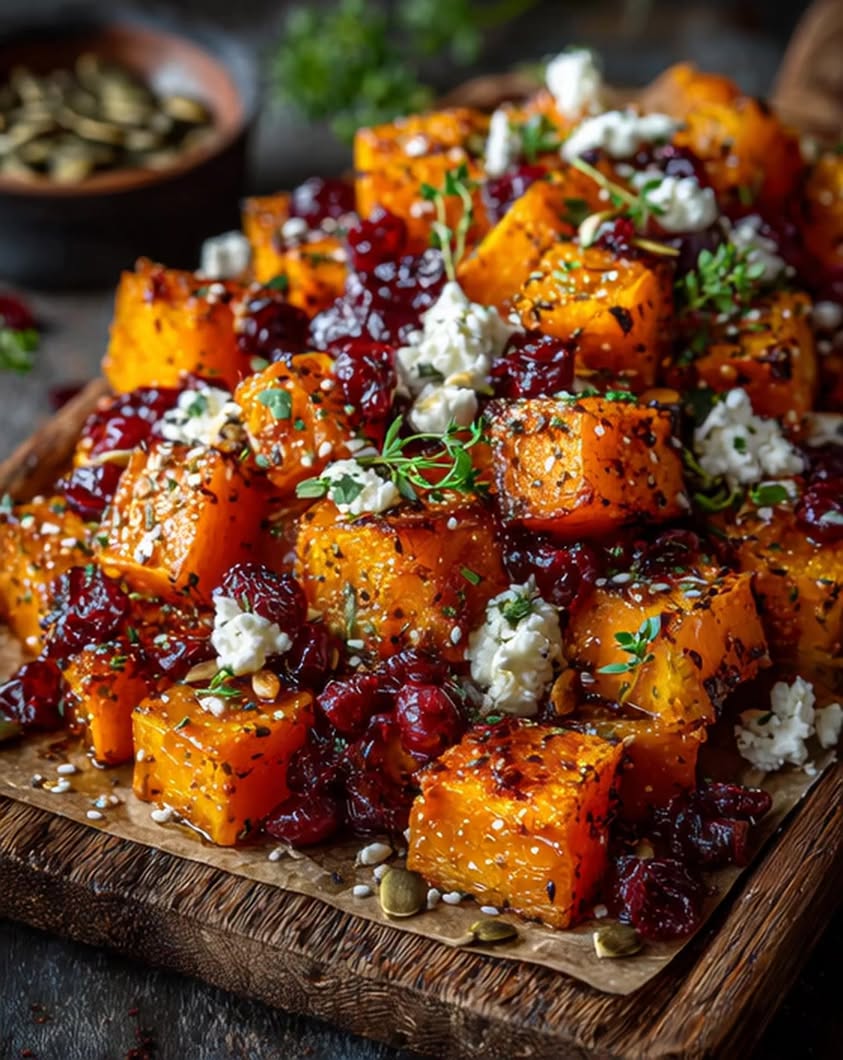
Caramelized Butternut Squash with Tangy Feta and Cranberry Drizzle: The Perfect Fall Side Dish
This stunning recipe for Caramelized Butternut Squash with Tangy Feta and Cranberry Drizzle is your new secret weapon for holiday dinners and cozy weeknight meals. Imagine sweet, tender squash with deep, caramelized edges, perfectly balanced by creamy, salty feta cheese. Finally, a vibrant cranberry drizzle adds a pop of tart sweetness that ties everything together beautifully. This dish is a celebration of autumn flavors on a single plate.
Moreover, this Caramelized Butternut Squash with Feta is incredibly versatile. You can serve it as a show-stopping vegetarian main, a elegant side dish for roasted turkey or chicken, or even as part of a festive salad. The combination of warm, cool, sweet, and savory elements creates a complex flavor profile that feels gourmet. Importantly, it comes together with simple techniques and accessible ingredients, proving that impressive food doesn’t require complicated steps.
The visual appeal is undeniable. The deep orange of the squash, the snowy white feta crumbles, and the jewel-toned crimson drizzle create a festive palette that looks as good as it tastes. This Caramelized Butternut Squash with Feta recipe is designed to be both comforting and sophisticated, making it a guaranteed crowd-pleaser for any gathering or a special treat for a quiet dinner at home.
Quick Recipe Highlights
- Flavor Profile: This dish masterfully combines the natural sweetness of caramelized squash with the sharp, salty tang of feta cheese. The cranberry drizzle introduces a necessary acidic brightness, cutting through the richness and creating a perfectly balanced bite that is neither too sweet nor too savory.
- Texture: You get a wonderful contrast between the soft, almost creamy interior of the roasted squash and the crisp, caramelized exterior. The crumbled feta adds a delightful creamy yet granular texture, while the drizzle is smooth and glossy, coating each piece evenly.
- Aroma: As it roasts, the squash fills your kitchen with a warm, sweet, and nutty fragrance. Combined with the herbal notes of thyme and the sharp scent of the feta, the aroma is deeply inviting and quintessentially autumnal.
- Visual Appeal: The color contrast is spectacular. The golden-brown caramelized squash cubes provide a warm base, dramatically offset by bright white feta crumbles and a stunning, deep red cranberry sauce drizzle that makes the entire plate look like a festive work of art.
- Skill Level Needed: This is a beginner-friendly recipe. The primary skills are simple knife work for cubing squash and the patience to let the squash roast undisturbed to achieve proper caramelization. There are no advanced techniques required, making it accessible for cooks of all levels.
- Special Equipment: You only need a good baking sheet, parchment paper for easy cleanup, and a small saucepan for the drizzle. A sharp chef’s knife and a sturdy cutting board are the only other essentials, meaning you likely have everything you need already in your kitchen.
Recipe Overview
- Difficulty Level: We rate this Caramelized Butternut Squash with Feta as “Easy.” The steps are straightforward: chop, season, roast, and drizzle. The most challenging part is safely cutting the squash, which can be mitigated by purchasing pre-cubed squash. The roasting process is largely hands-off, requiring only an occasional tray rotation for even cooking.
- Category: This recipe fits beautifully into multiple categories. Primarily, it’s a stellar vegetable side dish for holiday feasts. Additionally, it can be the centerpiece of a vegetarian meal when served over a bed of grains like farro or quinoa. It also works wonderfully as part of a composed salad or a hearty bowl.
- Cuisine: While not tied to one specific tradition, the dish draws inspiration from Mediterranean and modern American farm-to-table cuisine. The use of feta cheese nods to Greek flavors, and the focus on roasting seasonal vegetables is a cornerstone of rustic, flavor-driven cooking popular worldwide.
- Cost: This is a cost-effective dish, especially in the fall and winter when squash is in season and inexpensive. Butternut squash offers a high yield for its price. Feta and cranberries are pantry-stable items that can be used in many other recipes, making this a budget-friendly way to create an elegant plate.
- Season: This Caramelized Butternut Squash with Feta is the ultimate fall and winter recipe. Butternut squash is at its peak sweetness during these cooler months. Furthermore, the warm, roasted flavors and festive cranberry element make it particularly suited for Thanksgiving, Christmas, and cozy Sunday dinners throughout the season.
- Occasion: It’s perfect for holiday dinners, potlucks, and dinner parties where you want to impress. Simultaneously, it’s simple enough for a weeknight when you’re craving something special. It transitions effortlessly from a casual family meal to an elegant dinner party centerpiece.
Why You’ll Love This Recipe
First and foremost, the taste and texture are utterly addictive. The process of roasting transforms the squash’s sugars, creating deep, complex caramelized notes that are simply irresistible. When paired with the briny, creamy punch of feta, each bite becomes a delightful surprise. The cranberry drizzle isn’t just a garnish; it’s an essential component that lifts the entire dish, preventing it from being too one-dimensional. This interplay of sweet, salty, tangy, and creamy is what makes this Caramelized Butternut Squash with Feta so memorable and crave-worthy.
Convenience is another major win. Once the squash is cubed and on the sheet pan, your active work is mostly done. The oven does the heavy lifting, allowing you to prepare the rest of your meal or simply relax. The cranberry drizzle comes together in minutes on the stovetop. This makes the recipe deceptively easy for its impressive outcome. You get a restaurant-quality dish without the stress or complicated timing often associated with fancy sides.
From a nutritional standpoint, this dish is a powerhouse. Butternut squash is loaded with Vitamin A, antioxidants, and fiber. Using olive oil adds heart-healthy fats. Feta cheese provides protein and calcium, albeit with a strong flavor so a little goes a long way. You’re serving a vegetable-centric dish that feels indulgent but is fundamentally nourishing. It’s a perfect example of how healthy eating can be decadent and satisfying.
For entertaining, this Caramelized Butternut Squash with Feta is a dream. It can be served warm or at room temperature, giving you flexibility in your dinner party timeline. The presentation is gorgeous, making it a focal point on any buffet or dinner table. It’s a conversation starter that appeals to vegetarians and meat-eaters alike. Guests will be impressed by the beautiful colors and sophisticated flavor combination, never guessing how simple it was to prepare.
Finally, it’s incredibly cost-effective and accessible. Butternut squash is an affordable vegetable, especially in season. The other ingredients—olive oil, salt, pepper, thyme—are kitchen staples. Feta and cranberries are relatively inexpensive and available in any supermarket. This recipe demonstrates that you don’t need expensive or exotic ingredients to create something truly special and delicious. It turns humble, seasonal produce into a celebratory dish.
Historical Background and Cultural Significance
The story of this dish begins with its central ingredient: the butternut squash. A relatively modern cultivar, butternut squash was developed in the 1940s in Stow, Massachusetts. Breeders aimed to create a squash with a thinner neck and fewer seeds, making it easier to prepare than its larger, more cumbersome cousins like the pumpkin. Its subsequent popularity revolutionized winter cooking, providing a sweet, versatile, and manageable vegetable for home kitchens. The technique of caramelizing vegetables through roasting, however, is ancient, rooted in the fundamental human discovery of using dry heat to concentrate flavors.
Culturally, the combination speaks to a fusion of traditions. Feta cheese, with its Protected Designation of Origin status from Greece, brings a millennia-old dairy tradition to the plate. The practice of preserving seasonal fruit, like cranberries, into sauces and condiments is common across Northern European and Native American foodways, especially as a tart accompaniment to rich and savory foods. This recipe for Caramelized Butternut Squash with Feta sits at a delicious crossroads, blending Old World preservation techniques with New World produce.
The evolution of this specific recipe is a testament to modern, global home cooking. As food media and travel expanded our palates, home cooks began experimenting with bold flavor pairings beyond their traditional cuisines. The idea of pairing sweet roasted vegetables with salty cheese became popularized through Mediterranean and Middle Eastern influences. Meanwhile, the American tradition of cranberry sauce at Thanksgiving naturally found its way into other seasonal dishes. This recipe is a product of that creative, cross-cultural experimentation in the contemporary kitchen.
Regional variations of this concept abound. In the American South, you might find roasted squash with pecans and a bourbon glaze. In the Mediterranean, roasted pumpkin or squash is often paired with honey, yogurt, and spices like cumin or cinnamon. A French twist might include herbs de Provence and goat cheese. Our version with the tangy cranberry drizzle and feta offers a balanced, festive take that highlights the best of seasonal North American ingredients with a Greek accent, creating a uniquely delicious and modern dish.
Ingredient Deep Dive
Butternut Squash is the star. This winter squash, a member of the Cucurbitaceae family, is prized for its sweet, nutty flavor and smooth texture. Historically, squash has been a staple in the Americas for thousands of years. Nutritionally, it’s a superstar, packed with beta-carotene (which converts to Vitamin A), Vitamin C, fiber, and potassium. When selecting, choose a squash that feels heavy for its size with a firm, matte skin and no soft spots. Store it in a cool, dark place for months. For a quicker prep, look for pre-cubed squash in the produce section.
Feta Cheese brings the tang. Traditionally made from sheep’s milk or a sheep-goat blend in Greece, feta is a brined curd cheese with a crumbly texture and sharp, salty flavor. Its history dates back to antiquity. It provides protein, calcium, and beneficial fats. For this Caramelized Butternut Squash with Feta, opt for a block of feta in brine rather than pre-crumbled, as it tends to be creamier and less dry. Store it submerged in its brine in the refrigerator. For a dairy-free version, a firm, salty almond or tofu-based “feta” can work.
Fresh Cranberries are the acidic counterpoint. Native to North America, cranberries were used by Indigenous peoples for food, dye, and medicine. They are incredibly high in Vitamin C and unique antioxidants called proanthocyanidins. Choose berries that are firm, shiny, and bright red; discard any soft or brown ones. They freeze beautifully for year-round use. The simple drizzle of cranberry sauce cooked with a touch of maple syrup and orange juice provides a vibrant, tart-sweet flavor that cuts the richness of the squash and cheese perfectly.
Maple Syrup and Olive Oil form the flavor foundation. Pure maple syrup, the reduced sap of sugar maple trees, adds a complex, woodsy sweetness that enhances the squash’s natural sugars. Meanwhile, a good quality extra virgin olive oil helps conduct heat, promotes caramelization, and adds its own fruity, peppery notes. Together, they create the glossy, flavorful coating that makes the squash cubes so irresistible. For substitutions, honey can replace maple syrup, and another high-heat oil like avocado oil can be used, though you’ll lose the olive oil’s distinct flavor.
Common Mistakes to Avoid
- Cutting Squash Unevenly: Inconsistent cube sizes lead to uneven cooking. Smaller pieces will burn before larger ones caramelize. Aim for uniform 1-inch cubes to ensure everything finishes at the same time.
- Crowding the Pan: Dumping all the squash onto one pan without space is a major error. The pieces will steam instead of roast, resulting in a soggy texture. Use two pans if necessary to give each piece room to breathe.
- Underseasoning: Butternut squash needs ample seasoning. Don’t be shy with the salt and pepper before roasting. Seasoning at the end doesn’t penetrate the flesh the same way.
- Neglecting to Toss: Not tossing the squash in the oil and syrup mixture evenly will leave some pieces dry and others greasy. Use a large bowl to coat every piece thoroughly before spreading on the pan.
- Overcooking the Cranberry Drizzle: Cooking the cranberry sauce too long makes it overly thick and jam-like. You want a pourable, glossy drizzle. Remove it from the heat when the berries have just burst and the sauce can coat the back of a spoon.
- Adding Feta Too Early: Sprinkling the feta before serving is crucial. If added before or during roasting, it will melt into an unappealing, greasy mess. The cool, crumbly texture is part of the dish’s charm.
- Using a Dull Knife: Butternut squash is tough. A dull knife is dangerous and makes the prep work frustrating. Use a sharp, heavy chef’s knife and a stable cutting board for safety and ease.
- Skipping the Parchment Paper: The maple syrup can cause serious sticking and create a difficult cleanup. Lining your sheet pan with parchment paper is a non-negotiable step for success.
Essential Techniques
Proper Cubing of Squash: This is the foundational technique. First, slice off the top and bottom to create stable ends. Then, using a sharp knife and firm pressure, carefully cut the squash in half where the neck meets the bulb. Peel each section with a sturdy vegetable peeler. Scoop out the seeds from the bulb. Finally, cut the flesh into consistent 1-inch cubes. This uniformity is critical for even caramelization and prevents some pieces from being undercooked while others burn.
High-Heat Roasting for Caramelization: Caramelization is a chemical process where sugars brown, creating deep, complex flavors. To achieve it, your oven must be fully preheated to 400°F (200°C). The high heat quickly sears the exterior of the squash, locking in moisture while creating those desirable browned edges. Avoid opening the oven door frequently, as this causes temperature fluctuations that can hinder the process. Roast until the edges are dark golden brown and the cubes are fork-tender.
Creating a Balanced Fruit Drizzle: The goal is a sauce that is tart, slightly sweet, and pourable. Combine fresh cranberries, a liquid sweetener like maple syrup, and an acidic component like orange juice in a saucepan. Cook over medium heat until the cranberries pop and release their pectin, which naturally thickens the sauce. The key is to stop cooking once it reaches a syrupy consistency that will drizzle nicely. Overcooking makes it too thick, like jam, which won’t flow over the dish.
Pro Tips for Perfect Caramelized Butternut Squash with Feta
For the sweetest flavor, choose a butternut squash that has a long, thick neck and a small bulb, as the neck contains the densest, sweetest flesh with no seed cavity to deal with.
After cubing the squash, take an extra minute to pat the pieces dry with a paper towel. Removing excess surface moisture helps them roast and caramelize instead of steam.
Use your hands to toss the squash with the oil and syrup in a bowl. This ensures every single cube gets an even, thin coating, which is essential for uniform browning and flavor.
Halfway through the roasting time, use a thin metal spatula to flip and stir the squash cubes. This exposes all sides to the hot pan surface for maximum caramelization.
Let the roasted squash rest for 5 minutes on the pan after taking it out of the oven. This allows the exterior to crisp up slightly and makes it easier to handle.
For the cranberry drizzle, add a tiny pinch of salt. This simple trick enhances all the other flavors—sweet, tart, and fruity—making the sauce taste more rounded and complex.
Crumble the feta with your fingers for irregular, interesting pieces. Pre-crumbled feta is often coated in anti-caking agents and can be drier and less flavorful than a block you crumble yourself.
Assemble the dish just before serving. Drizzle the cranberry sauce over the warm squash and feta at the table for the most dramatic visual impact and to keep the feta from warming too much.
Variations and Adaptations
For regional twists, consider a Southern version with roasted pecans and a drizzle of hot honey. A Mediterranean adaptation could include toasted pine nuts, chopped fresh mint, and a sprinkle of sumac. For a French-inspired take, swap the feta for creamy goat cheese (chèvre) and the thyme for herbes de Provence.
Seasonal adaptations are easy. In spring, try this method with cubed sweet potatoes or carrots. In summer, roasted zucchini or eggplant with basil and lemon zest would follow a similar formula. The cranberry drizzle can be swapped for a quick blueberry or blackberry sauce when those berries are in peak season.
Dietary modifications are straightforward. For a vegan Caramelized Butternut Squash, use a plant-based feta alternative and agave syrup instead of honey if used. To make it nut-free, ensure no cross-contamination and skip nut-based cheese alternatives. For a lower-sugar version, reduce the maple syrup in the roast by half and rely on the squash’s natural sweetness.
Flavor variations can personalize the dish. Add warmth with a sprinkle of smoked paprika or cayenne pepper before roasting. Incorporate depth with a tablespoon of balsamic vinegar in the cranberry drizzle. For an herbal note, toss the roasted squash with fresh chopped rosemary or sage along with the thyme.
Texture modifications can add interest. Sprinkle with toasted pepitas (pumpkin seeds) or walnuts for crunch. Add a layer of creamy richness by serving the squash on a smear of Greek yogurt or labneh. For a heartier meal, mix the finished dish with cooked wild rice or farro.
Presentation alternatives can elevate it further. Serve individual portions in small, shallow bowls. Layer the squash and feta on a platter with arugula for a warm salad. Skewer the caramelized squash cubes with feta crumbles in between for a festive, finger-food appetizer.
Serving and Presentation Guide
Plating techniques matter. For a family-style presentation, use a large, shallow serving platter or a rustic wooden board. Pile the warm Caramelized Butternut Squash in the center, creating some height. Scatter the feta crumbles generously over and around the squash, allowing some to tumble onto the platter. Finally, drizzle the cranberry sauce in zig-zags or concentric circles from a spoon or a squeeze bottle for control.
Garnishing adds the final touch. Beyond the feta and drizzle, a sprinkle of fresh thyme leaves or finely chopped flat-leaf parsley adds a burst of green color and fresh flavor. For a festive touch around the holidays, a few whole fresh cranberries or a twist of orange zest on top looks beautiful.
Traditional accompaniments include roast turkey, baked ham, or herb-roasted chicken. It also pairs wonderfully with pork chops or a simple seared salmon fillet. For a vegetarian feast, it can be the main event alongside other roasted vegetables, a grain pilaf, and a green salad.
Modern serving suggestions are versatile. Toss it with baby spinach or arugula while still warm to create a hearty salad—the heat will slightly wilt the greens. Use it as a topping for a fall-inspired pizza with a white sauce. Or, serve it alongside a bowl of creamy soup for a complete and comforting meal.
Temperature considerations are flexible. This dish is best served warm, with the squash just out of the oven and the feta still cool. However, it is also excellent at room temperature, making it ideal for buffets or potlucks. Avoid serving it cold from the refrigerator, as the squash can become dense and the flavors muted.
Portion control is simple. As a side dish, plan for about 1 to 1.5 cups of the finished recipe per person. As a vegetarian main course, aim for 2 cups per serving, and be sure to include a protein-rich element like lentils or quinoa on the side to make it a balanced meal.
Wine and Beverage Pairing
Wine pairings should complement the sweet, savory, and tangy notes. A crisp, unoaked white wine like a Sauvignon Blanc or Pinot Grigio cuts through the richness with its acidity. Alternatively, a light-bodied red with low tannins, such as a Pinot Noir or Beaujolais, works beautifully with the earthy squash and tart cranberry. For a festive sparkler, a dry Prosecco or Cava offers cleansing bubbles that refresh the palate between bites.
Non-alcoholic alternatives can be just as sophisticated. A sparkling apple cider mirrors the autumnal theme. A tart cranberry spritzer made with club soda and a splash of cranberry juice complements the drizzle. For a warmer option, a ginger-lemon tea or a mulled apple cider (without alcohol) highlights the warm spices that often accompany squash dishes.
Coffee and tea pairings are excellent for a brunch setting. A medium-roast coffee with notes of caramel or nut will echo the flavors in the squash. A black tea like Earl Grey, with its citrusy bergamot notes, can play nicely with the cranberry. For an herbal option, a rooibos tea is naturally sweet and caffeine-free.
Temperature is key for beverages. Serve white wines and spritzers well-chilled. Red wines should be served slightly below room temperature. Non-alcoholic ciders and teas can be served either hot or cold, depending on the meal context and weather.
Serving suggestions include offering a choice. For a dinner party, consider setting out both a white and a red wine option to cater to different preferences. Always provide a appealing non-alcoholic option in an equally elegant carafe or bottle, so all guests feel considered.
Storage and Shelf Life
Storage methods depend on the component. Store leftover Caramelized Butternut Squash (without feta or drizzle) in an airtight container in the refrigerator for up to 4 days. Store the cranberry drizzle separately in its own container for up to a week. Keep the feta crumbled in a separate container, submerged in a bit of milk or water to prevent drying out, for up to 5 days.
Temperature requirements are standard refrigerator temperatures, at or below 40°F (4°C). Do not leave the assembled dish at room temperature for more than 2 hours, as the dairy and moist squash can become a breeding ground for bacteria.
Container recommendations are simple: glass or BPA-free plastic containers with tight-fitting lids. For the cranberry drizzle, a small mason jar is perfect. For the squash, a shallow container helps it cool quickly and prevents sogginess.
Signs of spoilage include an off or sour smell, visible mold (especially on the cheese or drizzle), or a slimy texture on the squash. When in doubt, throw it out. The cranberry sauce’s high acidity acts as a natural preservative, giving it a longer shelf life than the other components.
Reheating instructions are specific. Reheat the squash only, either in a 350°F (175°C) oven for about 10-15 minutes until warmed through, or in a skillet over medium heat to help re-crisp the edges. Avoid the microwave, as it will make the squash mushy. Add the cold feta and drizzle after reheating.
Freezing guidelines apply only to the roasted squash. Let it cool completely, then spread it on a parchment-lined baking sheet to freeze individually before transferring to a freezer bag. This prevents a solid block. It will keep for 2-3 months. Thaw in the refrigerator and reheat in the oven. The cranberry drizzle can also be frozen. Do not freeze the assembled dish with feta, as the cheese’s texture will be ruined.
Make Ahead Strategies
A prep timeline can save stress. You can cube the butternut squash 1-2 days in advance. Store the raw cubes in an airtight container or zip-top bag in the refrigerator. The cranberry drizzle can be made up to 5 days ahead and stored in the fridge. The feta can be crumbled a day ahead and kept covered in the fridge.
Storage between steps is simple. Keep prepped ingredients in separate, labeled containers. This modular approach lets you build the dish fresh just before serving, ensuring the best possible textures—crisp squash, cool feta, and glossy drizzle.
Quality impact assessment is important. Pre-roasting the squash and reheating it will cause some loss of the crisp caramelized edges, but the flavor will still be excellent. For the best texture, roast the squash the day you plan to serve it. The cranberry drizzle actually benefits from sitting, as the flavors meld and deepen.
Assembly tips for make-ahead: If you must assemble entirely ahead, keep the components separate until the last possible moment. Combine the squash and feta no more than an hour before serving, and add the drizzle right at the table to maintain its vibrant color and prevent the feta from staining.
Reheating guidelines for pre-roasted squash are crucial. Spread it in a single layer on a parchment-lined sheet pan and warm in a 375°F (190°C) oven for 8-12 minutes. This will help restore some crispness better than a microwave. Always add the cold elements after reheating.
Fresh element additions are your friend. Even if you prepped everything else, adding a final garnish of freshly chopped herbs or a last-minute crumble of feta just before serving makes the dish look and taste freshly made.
Scaling Instructions
Halving the recipe is straightforward for a smaller household. Simply divide all ingredient quantities by two. Use one standard baking sheet. The cook time may be slightly reduced by 5-10 minutes, so start checking for doneness early. The cranberry drizzle can still be made in the full batch and used on other dishes, or halve those ingredients as well.
Doubling or tripling for a crowd requires planning. You will need multiple baking sheets. Do not overcrowd the pans—use as many as needed to keep the squash in a single layer. Rotate the pans between oven racks halfway through cooking to ensure even browning. The cranberry drizzle scales easily in a larger saucepan.
Equipment adjustments are necessary when scaling up. Ensure your oven can accommodate multiple sheet pans with adequate air circulation. You may need to roast in batches, keeping the first batches warm in a 200°F (95°C) oven while the others cook. Have a very large bowl for tossing all the squash with seasoning.
Timing modifications are minimal when doubling, as the oven does the work simultaneously on multiple pans. However, if roasting in batches, the total active time will increase. For tripling, consider if your oven space allows it or if you need to use two ovens or batch cook.
Storage considerations change with scale. Leftovers will increase proportionally. Have plenty of airtight containers ready. Remember that the quality is best fresh, so for large gatherings, try to scale as accurately as possible to minimize excessive leftovers of the assembled dish.
Nutritional Deep Dive
Macro breakdown per serving is favorable. This Caramelized Butternut Squash with Feta is primarily a carbohydrate-rich dish from the squash, providing sustained energy. The olive oil and feta contribute healthy fats. The feta also adds a modest amount of protein. The maple syrup and cranberries add natural sugars, but the fiber in the squash helps modulate blood sugar response.
Micronutrient analysis reveals a wealth of vitamins. Butternut squash is exceptionally high in Vitamin A (as beta-carotene), crucial for vision and immune health. It also provides Vitamin C, potassium, and magnesium. Cranberries add more Vitamin C and unique antioxidants. Feta cheese contributes calcium and phosphorus for bone health.
Health benefits are significant. The antioxidants in squash and cranberries combat inflammation. The fiber promotes digestive health and satiety. The monounsaturated fats in olive oil are heart-healthy. Together, these ingredients support a balanced diet that is rich in color and phytonutrients.
Dietary considerations include being naturally gluten-free. It is vegetarian but not vegan due to the cheese. The dish contains dairy. For those watching sodium, you can reduce the amount of feta or choose a lower-sodium variety, as feta is a salty cheese.
Portion analysis shows that a standard serving as a side dish is a satisfying way to increase vegetable intake. As a main, complement it with a protein source like lentils or chickpeas to create a nutritionally complete meal that covers all essential macros and keeps you full for hours.
Weight management tips include being mindful of the oil and maple syrup quantities if you are tracking calories. You can reduce both by 25% without massively impacting flavor. The high fiber and water content of the squash promotes fullness, helping to control overall calorie intake at a meal.
Dietary Adaptations
Gluten-free: This recipe is naturally gluten-free. Simply ensure that all packaged ingredients, like maple syrup, are certified gluten-free if you have celiac disease or a severe sensitivity, as cross-contamination can sometimes occur in processing facilities.
Dairy-free/Vegan: To make vegan Caramelized Butternut Squash, omit the feta or use a high-quality plant-based feta alternative made from almonds or tofu. Replace the honey (if used) with maple syrup or agave. The rest of the recipe is already plant-based.
Low-carb/Keto: Butternut squash is relatively high in carbs, so it’s not suitable for strict keto. For a lower-carb version, substitute the squash with cubed pumpkin (which has fewer net carbs) or even small amounts of cubed turnip. Use a sugar-free maple-flavored syrup and reduce the amount of cranberries in the drizzle.
Paleo: Omit the feta cheese, as dairy is not Paleo. The dish made with just the squash and a cranberry drizzle sweetened with maple syrup or honey is Paleo-compliant. You could add toasted nuts or seeds for crunch and healthy fat in place of the cheese.
Low-FODMAP: Butternut squash is low-FODMAP in servings of 1/2 cup (75g) per meal. To adapt, strictly measure a 1/2 cup serving of roasted squash per person. Omit the maple syrup (use a small amount of brown sugar if needed, as maple syrup is high in oligosaccharides). The cranberry drizzle should be made without orange juice (use water) and limited to a small spoonful.
Nut-free: The base recipe is nut-free. If using a vegan feta alternative, ensure it is not made from nuts (e.g., use a tofu-based one). Always check labels on pre-packaged ingredients to confirm they are processed in a nut-free facility if you have a severe allergy.
Troubleshooting Guide
Squash is Soggy, Not Caramelized: This is almost always due to overcrowding the pan or insufficient oven temperature. Ensure pieces are in a single layer with space between them. Verify your oven temperature with an oven thermometer. Also, pat the squash dry before seasoning to remove excess moisture that creates steam.
Squash is Burning on Bottom: Your oven rack may be too low, or your baking sheet may be too dark (dark pans absorb more heat). Move the rack to the center position. Consider using a light-colored aluminum sheet pan. Lining with parchment paper also provides a slight buffer against direct heat.
Cranberry Drizzle is Too Thick/Jammy: You cooked it too long. Next time, remove it from the heat as soon as the berries have popped and the liquid is syrupy. It will continue to thicken as it cools. To fix, whisk in a teaspoon of warm water or orange juice at a time until it reaches a drizzling consistency.
Dish Tastes Bland: Underseasoning is the culprit. Butternut squash needs generous seasoning. Season the squash cubes well with salt and pepper before roasting. Also, taste your feta—if it’s mild, you may need a bit more. A final flake of sea salt over the finished dish can wake up all the flavors.
Feta Melts into a Mess: You added it while the squash was too hot or put the assembled dish under a warmer. Always let the squash cool for 5 minutes after roasting before adding the cheese. Assemble the dish just before serving to maintain the cheese’s distinct texture.
Recipe Success Stories
Community feedback on this Caramelized Butternut Squash with Feta has been overwhelmingly positive. Many home cooks report it becoming their new “signature” Thanksgiving side, often requested by family year after year. Several have mentioned that even picky eaters and vegetable-skeptical kids enjoy it because of the sweet caramelization. The balance of flavors consistently receives praise for feeling gourmet without being intimidating.
Variation successes are fun to hear. One reader added crumbled cooked bacon on top for a savory crunch, which was a hit at a brunch potluck. Another roasted the squash with a sprinkle of garam masala for an Indian-inspired twist and served it with cilantro. A creative cook used the leftovers in a morning hash with fried eggs, proving its versatility beyond dinner.
Adaptation stories for dietary needs are inspiring. A vegan follower used a homemade almond feta and said it was “unbelievably good.” Someone following a low-FODMAP{“success”:true,”message”:”Recipe created successfully”,”post_id”:9304,”tasty_recipe_id”:9304,”shortcode”:”“}

I’m Billy, a classically trained culinary school graduate from The Culinary Institute of America with over 12 years in the restaurant industry and over 19 years of cooking experience.