
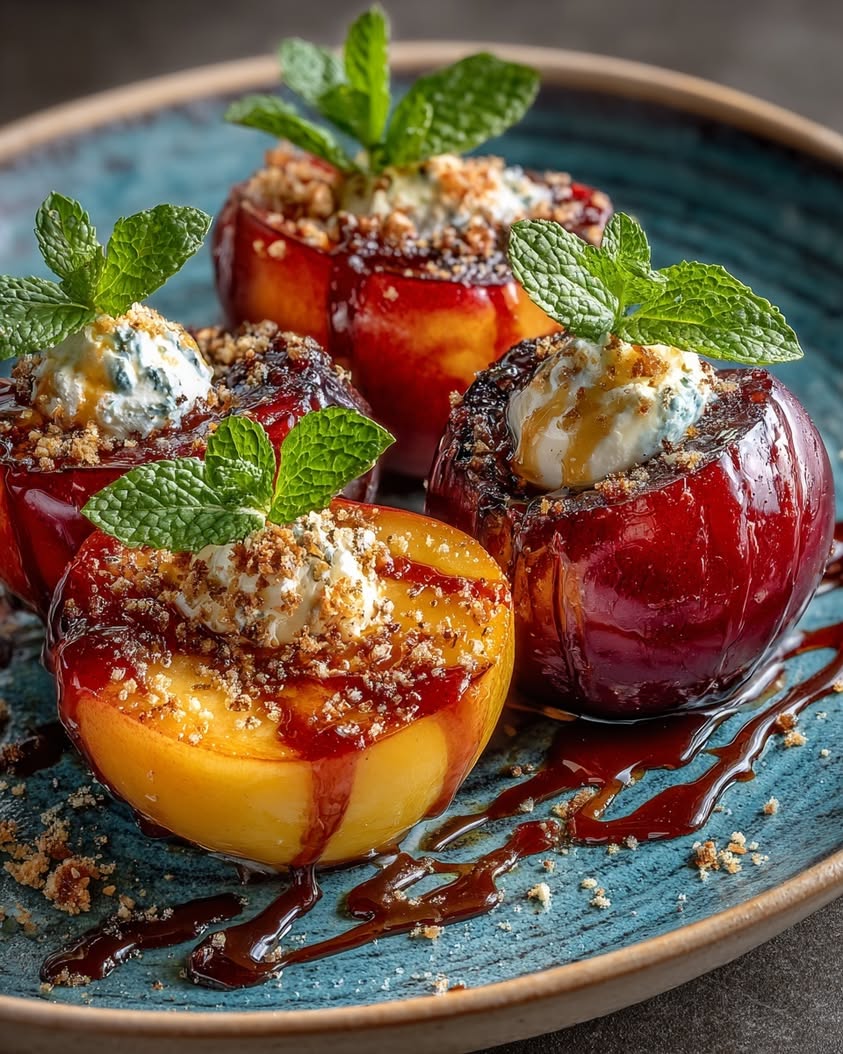
Caramelized Stone Fruit with Ricotta & Almond Crunch: A Simple Summer Dessert Masterpiece
Imagine the sweet, jammy flavor of summer fruit transformed by a hot pan into a sticky, caramelized delight. Now picture that warm fruit spooned over a cloud of creamy, cool ricotta and topped with a shattering, buttery almond crunch. This is the magic of Caramelized Stone Fruit with Ricotta & Almond Crunch. Ultimately, this dessert captures the essence of the season in a bowl, balancing simplicity with stunning, restaurant-worthy results.
This Caramelized Stone Fruit Ricotta Almond Dessert is a celebration of peak produce. It requires minimal effort for maximum flavor impact. Furthermore, it’s incredibly versatile, allowing you to use whatever ripe, beautiful stone fruits you find at the market. The process of caramelizing the fruit deepens its natural sugars, creating a complex sauce that mingles perfectly with the mild ricotta. Meanwhile, the homemade almond crunch provides a necessary textural contrast that makes every bite exciting.
Perfect for a weeknight treat or an elegant dinner party finale, this recipe demystifies gourmet dessert. You don’t need special skills or equipment, just good ingredients and a willingness to embrace the transformative power of heat. The resulting dish is warm, comforting, and refreshing all at once. Consequently, it’s destined to become your go-to summer dessert for any occasion.
Quick Recipe Highlights
- Flavor Profile: This dessert delivers a beautiful harmony of sweet and complex notes. The caramelized stone fruit develops deep, jammy flavors with hints of toffee, while the ricotta offers a mild, milky balance. Additionally, the almond crunch introduces a nutty, buttery richness that ties everything together.
- Texture: The texture contrast is the star here. You get soft, yielding fruit, luxuriously creamy ricotta, and a shattering, crispy almond topping. Each component plays a crucial role, creating a satisfying mouthfeel that is neither too heavy nor too light.
- Aroma: As the fruit cooks, your kitchen will fill with the irresistible scent of bubbling sugar and warm summer fruit. The toasted almonds add a warm, nutty fragrance that makes the dish smell as incredible as it tastes.
- Visual Appeal: This dessert is a feast for the eyes. The glossy, golden-brown caramelized fruit looks stunning against the white ricotta, and the amber-colored almond crunch adds a rustic, elegant finish. It’s naturally beautiful with minimal plating effort.
- Skill Level Needed: This is a beginner-friendly recipe. The techniques are straightforward: slicing fruit, making a simple stovetop caramel, and toasting nuts with sugar. No baking or advanced pastry skills are required, making it accessible for all home cooks.
- Special Equipment: You only need basic kitchen tools. A good non-stick or cast-iron skillet is ideal for caramelizing, a small saucepan for the almond crunch, and a baking sheet for cooling. No fancy gadgets are necessary.
Recipe Overview
- Difficulty Level: We rate this Caramelized Stone Fruit Ricotta Almond Dessert as “Easy.” The steps are simple and sequential. You prepare the almond crunch first, then caramelize the fruit, and finally assemble. There’s no tricky timing or precision required, and the recipe is forgiving of minor variations.
- Category: This dish falls squarely into the dessert category, but it’s light enough to serve as a sweet breakfast or brunch option. It’s also perfect for a snack or a light, fruit-forward end to a rich meal.
- Cuisine: While not tied to one specific tradition, this recipe draws inspiration from Italian (ricotta), French (caramel), and American farmhouse cooking. It’s a modern, fusion-style dish that highlights quality ingredients in a simple, elegant preparation.
- Cost: This is a cost-effective dessert, especially when stone fruits are in season. Ricotta is an affordable cheese, and almonds are a pantry staple. You can create an impressive dessert for four people for roughly the price of a single restaurant dessert.
- Season: This recipe is ideal for late spring through early fall, when stone fruits like peaches, nectarines, plums, and apricots are at their peak of flavor and sweetness. Using in-season fruit is crucial for the best results.
- Occasion: It’s wonderfully versatile. Serve it for a casual family dinner, a summer barbecue, a romantic date night at home, or even a fancy potluck. Its elegant appearance belies its simple preparation.
Why You’ll Love This Recipe
First and foremost, the taste and texture of this Caramelized Stone Fruit Ricotta Almond Dessert are utterly captivating. The warm, syrupy fruit melts into the cool, creamy ricotta, creating a luxurious pool of flavor. Then, the almond crunch shatters with each bite, adding a salty-sweet contrast that prevents the dish from being one-note. Every spoonful offers a perfect balance, making it deeply satisfying without being overly rich or heavy. It’s a dessert that feels both indulgent and somehow wholesome.
From a convenience standpoint, this recipe is a dream. It comes together in about thirty minutes with minimal active cooking time. You can easily prepare components ahead of time for stress-free entertaining. Moreover, it uses one pan for the fruit and one pot for the crunch, meaning cleanup is a breeze. For busy home cooks who want to impress, this efficiency is a major win. You spend less time in the kitchen and more time enjoying the company of your guests.
Nutritionally, this dessert has some hidden advantages. Stone fruits are packed with vitamins, antioxidants, and fiber. Ricotta provides a good source of protein and calcium. By using the fruit’s natural sugars and a controlled amount of added sugar for caramelization, you avoid the empty calories of many traditional desserts. Consequently, you can enjoy a genuinely delicious treat that also offers some nutritional benefits, which is a rare and wonderful combination.
For social gatherings, this Caramelized Stone Fruit Ricotta Almond Dessert is a true crowd-pleaser. Its visual appeal instantly elevates any table setting. You can assemble it family-style in a large bowl or create individual portions for a more polished look. It’s a fantastic conversation starter, and guests are always amazed that you made something that looks so professional. It demonstrates care and culinary flair without requiring exhausting effort.
Finally, its cost-effectiveness and accessibility make it a staple. You don’t need expensive, hard-to-find ingredients. The recipe is adaptable based on what’s available and affordable at your market. If peaches are expensive, use plums. If you have hazelnuts instead of almonds, use those. This flexibility ensures you can make a stunning dessert any time without breaking the bank. It’s gourmet cooking on a sensible budget.
Historical Background and Cultural Significance
The concept of cooking fruit with sugar is ancient and spans countless cultures. However, the specific combination of caramelized fruit with dairy and nuts has roots in several European peasant traditions. For instance, in Italy, fresh ricotta has long been served with honey and nuts as a simple *dolce*. In France, *compotes* and fruit cooked in butter and sugar are classics. This recipe is a modern fusion of these ideas, taking the rustic, honest approach of farmhouse cooking and refining it for the contemporary palate. It’s less about a single origin story and more about the universal human desire to enhance nature’s sweetness.
Culturally, dishes like this celebrate the harvest. Stone fruits have a relatively short, glorious season, and preserving their flavor through cooking is a time-honored practice. Before modern refrigeration, caramelizing or stewing fruit was a way to extend its life and intensify its taste. Serving it with fresh cheese and foraged or farmed nuts created a complete, satisfying dish that provided energy and nutrition. Today, we make it for pleasure, but it connects us to a long history of seasonal, resourceful eating.
The evolution of this recipe mirrors trends in modern cuisine. There’s a strong movement towards vegetable-forward and fruit-based desserts that feel lighter and highlight ingredient quality. The Caramelized Stone Fruit Ricotta Almond Dessert fits perfectly into this trend. It forgoes heavy crusts and dense cakes in favor of letting the fruit itself be the star. The addition of the almond crunch shows how contemporary chefs and home cooks value texture as much as flavor, creating a more dynamic eating experience.
Regional variations of this concept are endless. In the American South, you might find peaches caramelized with bourbon and served over biscuits. In the Middle East, apricots might be cooked with rose water and served with a clotted cream like *kaymak* and pistachios. The Mediterranean version might feature figs and honey with yogurt. Our version is a blueprint. It encourages you to explore these global ideas by swapping the fruit, spice, cheese, or nut to reflect your own tastes or heritage, making the recipe a personal canvas.
Ingredient Deep Dive
Stone Fruit (Peaches, Nectarines, Plums, Apricots): Stone fruits belong to the genus *Prunus* and have been cultivated for thousands of years, originating in Asia and spreading via ancient trade routes. They are nutritional powerhouses, rich in vitamins A and C, potassium, and dietary fiber. Their antioxidants, like anthocyanins in plums, combat inflammation. For this recipe, select fruit that is fragrant and yields slightly to gentle pressure at the stem end. Avoid rock-hard or mushy fruit. Store unripe fruit at room temperature and refrigerate only when fully ripe. For substitutions, pears or firm apples work in a pinch, though the cooking time may vary slightly.
Whole Milk Ricotta Cheese: Ricotta, meaning “recooked” in Italian, is a fresh cheese made from the whey leftover from other cheese production. It’s a brilliant source of high-quality protein and calcium while being lower in fat than many hard cheeses. Its mild, slightly sweet flavor makes it a perfect backdrop for bold ingredients. For the best texture and taste in your Caramelized Stone Fruit Ricotta Almond Dessert, seek out whole-milk ricotta from the dairy section, not the shelf-stable tubs. The quality difference is noticeable. If needed, full-fat Greek yogurt, mascarpone (for a richer option), or a dairy-free coconut yogurt can stand in.
Almonds: Almonds are one of the world’s oldest cultivated nuts, revered in Mediterranean and Middle Eastern cultures. They are packed with healthy monounsaturated fats, vitamin E, magnesium, and plant-based protein. Toasting unlocks their deep, nutty flavor and makes them easier to chop. For the almond crunch, sliced or slivered almonds work best for even cooking and texture. Store almonds in an airtight container in a cool, dark place or the freezer to prevent their oils from turning rancid. For variations, try pecans, walnuts, or hazelnuts for a different flavor profile.
Butter & Sugar: Butter, with its milk solids, is crucial for developing the rich, toffee-like flavor in both the fruit caramel and the nut crunch. It provides depth that oil cannot. Sugar, of course, is the agent of caramelization, undergoing a complex chemical transformation (the Maillard reaction) when heated to create new, delicious flavor compounds. Using granulated sugar is standard, but brown sugar can add a molasses note. For a dairy-free version, a high-quality plant-based butter works well. The sugar is non-negotiable for proper caramelization, though the amount can be slightly adjusted to taste.
Common Mistakes to Avoid
- Using Underripe Fruit: Hard, underripe fruit lacks natural sugars and will not caramelize properly. It will remain firm and tart. Always choose fruit that is ripe and fragrant for the best flavor and texture in your Caramelized Stone Fruit dessert.
- Crowding the Pan: Adding too much fruit to the skillet at once steams it instead of searing it. This prevents proper caramelization and leads to soggy, watery fruit. Cook in batches if necessary to ensure each piece gets direct contact with the hot pan.
- Stirring the Fruit Constantly: Patience is key. Let the fruit sit undisturbed for a minute or two to allow the sugar to melt and form a proper caramel crust. Constant stirring will prevent this browning and result in a pale, stewed texture.
- Burning the Almond Crunch: Almonds and sugar can go from golden to burnt in seconds. Use medium-low heat and stir constantly. The moment the sugar melts and coats the almonds in an amber color, immediately pour them onto the baking sheet to stop the cooking.
- Using Low-Fat Ricotta: Low-fat or skim ricotta often has additives like gums to stabilize it, resulting in a grainy, less creamy texture. Whole milk ricotta is essential for the luxurious, smooth mouthfeel that complements the warm fruit.
- Skipping the Salt: A pinch of salt is not optional. It heightens all the other flavors, balancing the sweetness of the fruit and the richness of the nuts and cheese. Without it, the dessert can taste flat and one-dimensional.
- Assembling Too Early: If you spoon the hot caramelized fruit directly over the ricotta and let it sit, the ricotta will become warm and loose. For the best contrast, let the fruit cool for just a few minutes, or serve the components separately and let guests assemble their own bowls.
- Not Tasting as You Go: Fruit sweetness varies. After caramelizing, taste the fruit and sauce. You might want to add a squeeze of lemon juice to brighten it or a tiny extra pinch of salt. Adjusting to your palate ensures a perfect result every time.
Essential Techniques
Caramelizing Fruit: This technique transforms raw fruit into a jammy, complex topping. The key is to allow the natural and added sugars to cook in the butter until they break down and brown. Do not move the fruit for the first minute or two to let a crust form. Then, gently toss. The visual cue for success is a glossy, deep golden-brown syrup coating the fruit pieces. The common pitfall is rushing this process over too high heat, which burns the sugar before the fruit softens.
Making Nut Crunch (Praline): This is a simple dry caramel method. You cook sugar and butter directly with the nuts until the sugar melts and coats them. Constant stirring over medium-low heat is non-negotiable to prevent hot spots and burning. The technique is mastered when you see the sugar turn from sandy grains to a clear liquid, then to a light amber color that coats each nut. Immediately pour and spread it thin to cool. The pitfall is walking away, even for a moment, as the transition from perfect to burnt is incredibly fast.
Preparing Ricotta: For the creamiest texture, always stir your ricotta well before serving. Straight from the container, it can be slightly grainy or watery. Stirring smooths it out and incorporates any separated liquid. For an even silkier texture, you can whip it briefly with a fork or whisk. This technique ensures the ricotta acts as a lush, velvety bed for the other components rather than a lumpy afterthought.
Pro Tips for Perfect Caramelized Stone Fruit Dessert
For an extra layer of flavor, add a split vanilla bean or a teaspoon of vanilla extract to the butter as the fruit cooks. The floral notes pair beautifully with stone fruit.
If your fruit is very juicy, you can toss the slices with a teaspoon of cornstarch before adding them to the pan. This will help thicken the juices into a luscious sauce.
Let the almond crunch cool completely on the baking sheet before breaking it into pieces. If you try to break it while warm, it will bend and be chewy instead of shatteringly crisp.
For a beautiful presentation, use a ring mold or a small bowl to create a neat round of ricotta on each plate. Gently lift the mold and spoon the warm fruit and crunch around it.
A drizzle of high-quality honey or a balsamic glaze over the assembled dessert just before serving adds a professional touch and another dimension of sweetness and acidity.
If you prefer a colder element, you can lightly whip the ricotta with a touch of cream or mascarpone and chill it for an hour before serving. The contrast with the warm fruit will be even more pronounced.
Don’t discard the pits from peaches or plums! You can simmer them in the sauce for a minute or two while the fruit cooks to impart a subtle, almost almond-like flavor, then remove them before serving.
Variations and Adaptations
For regional variations, think about flavor profiles from around the world. Add a pinch of cardamom and use pistachios for a Middle Eastern twist. Incorporate a tablespoon of bourbon or dark rum into the caramelizing butter for a Southern take. Swap the almonds for pine nuts and add a sprinkle of fresh rosemary for an Italian-inspired version.
Seasonal adaptations are easy. In fall, use pears or apples with cinnamon and walnuts. In winter, caramelize citrus segments like oranges or grapefruit with a touch of star anise. The basic technique remains the same, allowing you to enjoy a version of this dessert year-round.
Dietary modifications are straightforward. For a vegan Caramelized Stone Fruit dessert, use plant-based butter and a thick, creamy coconut yogurt or a cashew-based “ricotta.” For a gluten-free version, the recipe is naturally compliant as written. To reduce sugar, you can slightly decrease the amount used for caramelizing, relying more on the fruit’s natural sweetness.
Flavor variations can come from infusions. Steep the butter with thyme, lavender, or lemon zest before adding the fruit. Add a splash of orange liqueur or amaretto to the pan after caramelizing. A sprinkle of flaky sea salt or cracked black pepper over the finished dish can also create an exciting, sophisticated flavor contrast.
Serving and Presentation Guide
Plating is simple but impactful. For individual servings, spoon a generous dollop of ricotta into the center of a shallow bowl or plate. Use the back of your spoon to make a slight well. Arrange the warm caramelized stone fruit and sauce over and around the ricotta. Finally, crumble the almond crunch generously over the top, allowing some pieces to fall onto the plate for visual interest.
Garnishing adds the final touch. Fresh herbs like mint, basil, or lemon balm provide color and a fresh aroma. Edible flowers make the dish exceptionally elegant for a special occasion. A light dusting of powdered sugar or cinnamon can also be beautiful, though it may obscure the natural colors of the fruit.
For traditional accompaniments, a simple, buttery shortbread cookie or biscotti served on the side is perfect for scooping. In a more casual setting, this dessert is sublime spooned over toasted pound cake or even a warm waffle for a decadent brunch.
Consider temperature for the best experience. The ricotta should be cool (straight from the fridge is fine), and the fruit should be warm, not scalding hot. This contrast is a key part of the dessert’s appeal. If preparing ahead, reheat the fruit gently just before serving.
Wine and Beverage Pairing
Wine pairings should complement the fruit’s sweetness and the dessert’s creamy texture. A late-harvest Riesling or a Moscato d’Asti, with their bright acidity and slight effervescence, are classic and delightful choices. For a richer option, a cream sherry or a tawny port mirrors the nutty, caramel notes beautifully. Avoid heavy, dry reds or oaky whites that would clash with the dessert’s delicate flavors.
Non-alcoholic alternatives are just as important. Sparkling water with a slice of peach or lemon cleanses the palate. A chilled, lightly sweetened hibiscus or peach iced tea echoes the fruit flavors. For a creamy treat, a cold glass of almond milk or a chai latte makes a cozy pairing.
If serving this Caramelized Stone Fruit Ricotta Almond Dessert after a dinner party, consider offering a digestif. A small glass of amaretto, Frangelico, or even a bourbon with ice can be a wonderful way to extend the evening and continue the flavor conversation started by the almond crunch and caramel.
Storage and Shelf Life
Store components separately for the best quality. The cooled caramelized fruit can be kept in an airtight container in the refrigerator for up to 3 days. The almond crunch should be stored at room temperature in a tightly sealed container to maintain its crispness, where it will keep for up to a week. Prepared ricotta should be covered and refrigerated.
Signs of spoilage are straightforward. If the fruit develops an off smell, visible mold, or an excessively watery and separated appearance, discard it. The almond crunch will lose its snap and become chewy if exposed to humidity, but it is still safe to eat. Ricotta should be discarded if it smells sour or develops an unusual texture.
Reheating instructions are simple. Gently warm the fruit in a saucepan over low heat or in the microwave in short bursts, stirring frequently. Do not reheat the almond crunch or ricotta. Assemble just before serving with the reheated fruit.
Make Ahead Strategies
This dessert is ideal for make-ahead entertaining. You can prepare the almond crunch up to 3 days in advance. Similarly, wash, pit, and slice the fruit a day ahead, storing it in the fridge. The ricotta can be stirred and kept covered in its container.
For the best quality, caramelize the fruit no more than 2 hours before serving. You can let it cool to room temperature after cooking. Then, gently reheat it just before assembling the dessert. This ensures the fruit is warm and the sauce is fluid, while the ricotta and crunch remain perfectly textured.
If you must assemble fully ahead, do so no more than 30 minutes before serving and keep the assembled dishes at cool room temperature. Any longer and the crunch will begin to soften from the fruit’s moisture, and the ricotta will warm up.
Scaling Instructions
This recipe scales beautifully. To halve it, simply use half of each ingredient. Use a smaller skillet for the fruit. The cook times will remain roughly the same, as surface area and volume decrease proportionally.
For doubling or tripling, cook the almond crunch in batches to ensure even toasting. For the fruit, it’s best to caramelize in two separate batches in your largest skillet to avoid overcrowding. You can keep the first batch warm in a low oven while you cook the second.
The only equipment adjustment for larger batches is ensuring you have a large enough baking sheet for the almond crunch, or use two sheets. Timing for the fruit remains per batch, so factor that into your planning if serving a crowd.
Nutritional Deep Dive
This dessert offers a favorable macro breakdown. The ricotta provides a solid source of protein and fat, which helps with satiety. The fruit contributes carbohydrates primarily in the form of natural sugars and fiber. The almonds add healthy fats, more protein, and a small amount of fiber. It’s a balanced treat compared to desserts based solely on refined flour and sugar.
Micronutrient analysis reveals benefits. Stone fruits are rich in Vitamin C for immunity and potassium for heart health. Almonds are an excellent source of Vitamin E, a powerful antioxidant. Ricotta contributes calcium and phosphorus for bone health. Together, they create a dessert that supports overall wellness when enjoyed in moderation.
For weight management, portion control is your friend. This recipe is designed for satisfying but reasonable servings. The protein and fat content help curb sugar cravings and prevent a rapid blood sugar spike. Enjoying it as an occasional treat within a balanced diet is a perfectly healthy choice.
Dietary Adaptations
Gluten-Free: This recipe is naturally gluten-free. Simply ensure all packaged ingredients (like vanilla extract) are certified gluten-free if you have celiac disease or a severe sensitivity.
Dairy-Free/Vegan: Use a high-quality plant-based butter for caramelizing. Substitute the ricotta with a thick, unsweetened coconut yogurt, a cashew cream cheese blend, or a store-bought vegan ricotta. Check that your sugar is vegan (some refined white sugar uses bone char).
Low-Carb/Keto: This adaptation is challenging due to the fruit’s natural sugars. For a strict version, use low-carb berries like blackberries or raspberries and caramelize them with a keto-friendly sweetener like allulose or erythritol that caramelizes well. Use full-fat ricotta and increase the almond portion for fat.
Paleo: Omit the ricotta or replace it with a coconut milk-based alternative. Use ghee or coconut oil instead of butter, and ensure your sweetener is paleo-approved, like coconut sugar or raw honey, though note honey will change the flavor profile.
Troubleshooting Guide
Fruit is Too Soggy: This happens from overcrowding or using overripe, overly juicy fruit. Next time, cook in batches and consider the cornstarch trick. For now, you can carefully remove the fruit with a slotted spoon and reduce the liquid in the pan over higher heat until it thickens into a syrup, then pour it back over.
Sauce is Too Thin/Watery: Similar to above, the juices haven’t reduced enough. Simmer the fruit and liquid over medium heat, stirring gently, until the sauce reduces and coats the back of a spoon. Let it cool slightly; it will thicken further.
Almond Crunch is Sticky or Chewy: It was not cooked long enough for the sugar to fully harden, or it was stored in a humid environment. Unfortunately, you can’t fix it once cooled. Crumble it and use it as a topping for yogurt or oatmeal, and make a new batch for the dessert, cooking a bit longer and cooling in a dry place.
Dessert Tastes Too Sweet: Balance is key. Stir a squeeze of fresh lemon juice into the caramelized fruit to cut the sweetness. A flaky sea salt garnish on the finished dish will also help immensely. Next time, reduce the added sugar by a tablespoon.
Frequently Asked Questions
Can I use frozen fruit? Yes, but thaw and drain it very well first. Frozen fruit releases a lot of water, which will prevent proper caramelization. Pat it dry thoroughly with paper towels before cooking.
What’s the best way to pit stone fruit? For freestone varieties, cut around the seam, twist the halves apart, and lift out the pit. For clingstone, cut slices off the fruit around the pit. A small paring knife is your best tool.
Can I make the almond crunch with other nuts? Absolutely. Pecans, walnuts, hazelnuts, and pine nuts all work wonderfully. Adjust the cooking time slightly as different nuts toast at different rates.
My sugar crystallized when making the crunch. What happened? This often occurs if sugar crystals form on the side of the pan and fall in. To prevent, brush down the sides of the pan with a wet pastry brush as the sugar melts. If it happens, you can add a tiny splash of lemon juice or water and continue stirring to re-melt.
Is there a way to make this less messy? Using a non-stick skillet helps. For the crunch, lining your baking sheet with a silicone mat or parchment paper makes cleanup effortless and prevents sticking.
Can I serve this for breakfast? Definitely. It’s a fantastic, protein-rich breakfast or brunch option. The components are wholesome and satisfying to start the day.
How do I know when the fruit is properly caramelized? Look for a deep, golden-brown color on the edges of the fruit pieces and the formation of a thick, syrupy sauce in the bottom of the pan. The fruit should be tender but not mushy.
Can I use honey or maple syrup instead of sugar? You can, but they burn at a lower temperature. Use very low heat and watch carefully. They will create a different, though delicious, flavor and a stickier texture.
What can I do with leftovers? Mix leftover fruit and crumbled crunch into oatmeal or yogurt. Layer it in a parfait. Or, spoon it over ice cream for an instant sundae.
My ricotta seems watery. How can I fix it? Place it in a fine-mesh strainer lined with cheesecloth over a bowl for 15-30 minutes to drain excess liquid. Stir it afterward for a thicker consistency.
Additional Resources
If you loved this Caramelized Stone Fruit Ricotta Almond Dessert, explore other fruit-forward desserts on our site. Our recipe for a Summer Berry Galette or a Grilled Peach and Burrata Salad uses similar principles of highlighting seasonal produce with simple techniques.
For mastering foundational skills, check out our detailed guides on “How to Make Perfect Caramel Every Time” and “Toasting Nuts: A Complete Guide.” These techniques will elevate not just this dessert but countless other recipes in your repertoire.
When stone fruit season ends, bookmark our guide to “Winter Fruit Desserts” featuring pears, persimmons, and citrus. The method of caramelizing fruit is a year-round skill that adapts to whatever nature provides.
{“success”:true,”message”:”Recipe created successfully”,”post_id”:8772,”tasty_recipe_id”:8772,”shortcode”:” Print
Caramelized Stone Fruit with Ricotta & Almond Crunch
Description
A simple, elegant dessert featuring juicy stone fruit caramelized in honey and butter, served over creamy ricotta and topped with a crunchy almond and oat mixture.
Ingredients
For the Crust:
- 4 ripe stone fruits (such as peaches, plums, or nectarines), pitted and sliced
- 2 tablespoons unsalted butter
- 3 tablespoons honey, divided
- 1 teaspoon vanilla extract
- 1/4 teaspoon ground cinnamon
- Pinch of salt
- 1 cup whole-milk ricotta cheese
- 1/2 cup rolled oats
- 1/4 cup sliced almonds
- 1 tablespoon brown sugar
- Fresh mint leaves, for garnish (optional)
Instructions
1. Prepare the Crust:
- In a medium bowl, toss the sliced stone fruit with 1 tablespoon of honey, vanilla extract, cinnamon, and salt until evenly coated.
- Heat a large skillet over medium heat. Add the butter and let it melt. Place the fruit slices in the skillet in a single layer and cook for 3-4 minutes per side, until caramelized and tender. Remove from heat and set aside.
- In a small dry skillet over medium heat, toast the rolled oats and sliced almonds for 3-4 minutes, stirring frequently, until golden and fragrant. Stir in the brown sugar and cook for another minute until the sugar melts slightly. Remove from heat and let cool to form a crunchy topping.
- Divide the ricotta among serving plates or bowls, spreading it into an even layer. Drizzle the remaining 2 tablespoons of honey over the ricotta.
- Arrange the caramelized stone fruit over the ricotta. Sprinkle generously with the almond-oat crunch. Garnish with fresh mint leaves if desired, and serve immediately.
Notes
You can customize the seasonings to taste.

I’m Billy, a classically trained culinary school graduate from The Culinary Institute of America with over 12 years in the restaurant industry and over 19 years of cooking experience.