
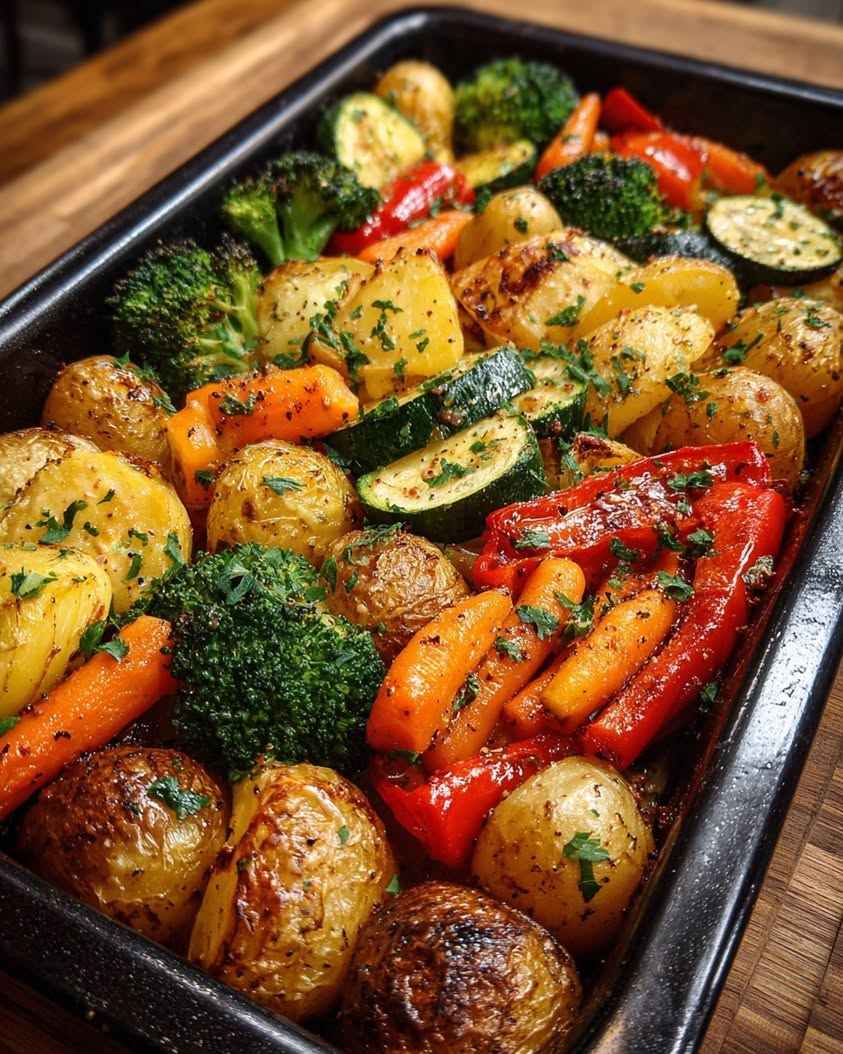
Cheesy Marry Me Roasted Vegetable Medley: A Proposal-Worthy Side Dish
Imagine a dish so delicious and comforting it could inspire a lifelong commitment. This Cheesy Marry Me Roasted Vegetable Medley earns its name honestly. It combines vibrant, caramelized vegetables with a decadent, creamy cheese sauce for a truly unforgettable side dish. The result is a symphony of textures and flavors that will have everyone at the table asking for seconds and maybe even a proposal.
This recipe transforms simple, wholesome ingredients into a show-stopping centerpiece for any meal. Roasting concentrates the natural sugars in the vegetables, creating a sweet, deep flavor. Meanwhile, a rich cheese sauce blankets everything in gooey, savory perfection. Consequently, this dish feels both indulgent and nourishing, making it perfect for special occasions and cozy weeknights alike.
Furthermore, the beauty of this Cheesy Marry Me Roasted Vegetable Medley lies in its versatility. You can adapt it with seasonal produce or your favorite cheese blends. Ultimately, it is a reliable, crowd-pleasing recipe that promises to become a staple in your culinary repertoire. Let us dive into how to create this masterpiece.
Quick Recipe Highlights
- Flavor Profile: This dish offers a beautiful balance of sweet, savory, and umami notes. The roasted vegetables develop a natural caramelized sweetness that perfectly contrasts the sharp, salty, and creamy cheese sauce. Herbs like thyme add an aromatic, earthy layer that ties everything together harmoniously.
- Texture: You get a wonderful contrast of textures in every bite. The roasted vegetables are tender yet retain a slight bite, while the cheese sauce is luxuriously smooth and velvety. The optional breadcrumb topping, if added, provides a delightful crispy crunch against the creamy base.
- Aroma: As it roasts and bakes, the kitchen fills with an irresistible fragrance. First, you will smell the earthy, sweet scent of roasting vegetables and garlic. Then, the nutty, pungent aroma of melting Parmesan and Gruyère cheese takes over, creating a mouthwatering anticipation.
- Visual Appeal: This medley is a feast for the eyes with its vibrant colors. The deep orange of sweet potatoes, the green of broccoli, and the red of bell peppers peek through a golden-brown cheese blanket. It is a rustic yet elegant dish that looks stunning on any dinner table.
- Skill Level Needed: This is a beginner-friendly recipe. The techniques involve simple chopping, tossing, and roasting. Making the cheese sauce requires basic stirring but no advanced skills. Therefore, even novice cooks can achieve impressive results with this guide.
- Special Equipment: You need only standard kitchen tools. A large baking sheet, a medium saucepan, and a whisk are essential. Parchment paper is highly recommended for easy cleanup. A good chef’s knife will make prepping the vegetables quick and safe.
Recipe Overview
- Difficulty Level: We rate this recipe as easy because it uses fundamental cooking methods. The steps are sequential and straightforward. There is no complex knife work or tricky techniques involved. Simply chop, roast, make a sauce, combine, and bake.
- Category: This dish falls squarely into the side dish category. It is perfect alongside roasted chicken, grilled steak, or baked fish. Additionally, it can serve as a hearty vegetarian main course when paired with a grain like quinoa or crusty bread.
- Cuisine: While not tied to one specific tradition, it draws inspiration from American comfort food and French culinary techniques. The use of a Mornay-style cheese sauce has French roots. The method of roasting vegetables to intensify flavor is a universal, modern cooking approach.
- Cost: This is a cost-effective dish, especially when using in-season vegetables. The cheese is the primary splurge, but a little goes a long way in flavor. Overall, you can feed a family or a group of guests for a fraction of the cost of a restaurant meal.
- Season: This recipe shines in the fall and winter with hearty vegetables like sweet potato and broccoli. However, you can adapt it beautifully for spring with asparagus and summer with zucchini. It truly is a year-round versatile dish.
- Occasion: It is ideal for holiday dinners, potlucks, and date nights at home. Its “Marry Me” name makes it especially fun for anniversaries or engagement dinners. Nevertheless, it is also simple enough for a comforting Sunday family supper.
Why You’ll Love This Recipe
First and foremost, the taste and texture are utterly irresistible. The roasting process unlocks a deep, caramelized sweetness from the vegetables that you simply cannot achieve through boiling or steaming. This natural sweetness creates a perfect flavor bridge to the rich, savory cheese sauce. Each forkful delivers a complex harmony of flavors that is both sophisticated and deeply comforting. The creamy sauce clings to every nook and cranny of the tender vegetables, ensuring a delicious experience in every single bite. Ultimately, this Cheesy Marry Me Roasted Vegetable Medley satisfies cravings for something both healthy and indulgent.
Secondly, the convenience factor is a major win. After the initial chopping, the oven does most of the work. You can prepare the cheese sauce while the vegetables roast, making efficient use of your time. The recipe uses one sheet pan and one saucepan, minimizing the mess. Furthermore, the ingredients are easy to find at any grocery store. You likely have many of them in your kitchen already. This makes it a fantastic “what do I make with what I have” recipe for busy weeknights.
Nutritionally, this dish packs a powerful punch. It is loaded with vitamins, minerals, and fiber from an array of colorful vegetables. Using a blend of real cheeses provides protein and calcium. You control the amount of salt and fat, unlike pre-made casseroles. For instance, you can use low-fat milk in the sauce or adjust the cheese quantity to suit your dietary goals. Therefore, you can feel good about serving this delicious medley to your family.
For entertaining, this Cheesy Marry Me Roasted Vegetable Medley is a superstar. It is visually impressive and feeds a crowd without stress. You can prepare it ahead of time and simply bake it before guests arrive. The name itself is a conversation starter and adds a playful, romantic element to any meal. It pairs wonderfully with a wide variety of main courses, from elegant beef tenderloin to simple roasted chicken. Consequently, it takes the guesswork out of planning a cohesive menu.
Finally, it is incredibly cost-effective and accessible. You can make substitutions based on what is on sale or in season without compromising the final result. A small amount of flavorful cheese like Parmesan stretches far when combined with a béchamel base. This recipe teaches foundational skills like making a roux and roasting vegetables, which are valuable for any home cook. In short, it delivers restaurant-quality taste on a home kitchen budget.
Historical Background and Cultural Significance
The concept of combining vegetables with cheese sauce has ancient roots. Early recorded recipes for cooked vegetables with cheese appear in Roman cookbooks, where they were often enriched with fermented fish sauce. However, the modern iteration, especially the “Marry Me” naming trend, is a distinctly 21st-century phenomenon. It ties into the internet’s love for hyperbole and dishes so good they inspire grand gestures. The name suggests a level of deliciousness that is literally life-changing, playing into modern food culture’s emphasis on ultimate comfort and shareable moments.
Culturally, the dish sits at the intersection of several traditions. The technique of roasting vegetables to concentrate flavor became widely popular in home kitchens with the advent of reliable home ovens. The cheese sauce, specifically a Mornay, is a classic French mother sauce adaptation. In American cuisine, the casserole or baked vegetable dish became a mid-century staple, often featuring canned soups. This recipe represents an evolution towards fresher, from-scratch ingredients while maintaining that comforting, creamy texture people love.
The recipe has evolved significantly from its likely predecessors. Early baked vegetable dishes relied heavily on canned cream soups as a sauce base for convenience. Contemporary versions, like this Cheesy Marry Me Roasted Vegetable Medley, emphasize a from-scratch béchamel sauce for superior flavor and texture control. The vegetable selection has also expanded, moving beyond just broccoli or cauliflower to include a rainbow of colorful, nutrient-dense options. This reflects a broader societal shift towards valuing both health and artisanal cooking methods.
Regional variations are endless and part of the fun. In the American South, you might find a version with a sharp cheddar cheese sauce and a buttery cracker topping. A Mediterranean adaptation could include feta cheese, olives, and oregano. In seasonally-driven communities, the vegetable mix changes monthly to showcase the freshest local produce. This adaptability is key to the recipe’s enduring popularity. It provides a familiar framework—creamy, cheesy, baked vegetables—that welcomes personalization and local ingredients.
Ingredient Deep Dive
Sweet Potatoes: These vibrant tubers are native to Central and South America and have been cultivated for thousands of years. They are packed with beta-carotene, which converts to vitamin A, crucial for vision and immunity. When selecting, choose firm sweet potatoes with smooth, unbruised skin. Store them in a cool, dark, well-ventilated place—not the refrigerator. For a substitution, try butternut squash or regular potatoes, though the flavor and color will differ.
Broccoli: This cruciferous vegetable originated from wild cabbage cultivated in the Roman Empire. It is a nutritional powerhouse, rich in vitamins C and K, fiber, and compounds with potential cancer-fighting properties. Look for broccoli with tight, dark green florets and firm stalks. Avoid any with yellowing. Store it unwashed in a loose plastic bag in the refrigerator’s crisper drawer. Cauliflower or broccolini make excellent substitutes if needed.
Bell Peppers: Christopher Columbus brought peppers from the Americas to Europe, sparking their global spread. They are an exceptional source of vitamin C, even more than oranges. Choose peppers that feel heavy for their size with glossy, taut skin and fresh green stems. Red, yellow, and orange peppers are sweeter than green ones. Store them in the refrigerator’s crisper. Zucchini or sliced mushrooms can work as a substitute for a different texture.
Parmesan Cheese: True Parmigiano-Reggiano comes from a specific region of Italy and is aged for over 12 months, developing complex umami flavors. It is rich in protein and calcium. Always buy a block and grate it yourself; pre-grated cheese contains anti-caking agents that hinder melting. Wrap the block tightly in parchment and foil, then refrigerate. For a substitute, try Pecorino Romano for a saltier punch or a well-aged Asiago.
Gruyère Cheese: This classic Swiss melting cheese from the canton of Fribourg has a nutty, slightly sweet flavor. It melts beautifully without becoming greasy, making it ideal for sauces. It provides protein, calcium, and phosphorus. Look for authentic Gruyère with the AOP seal. Store it wrapped in wax or parchment paper in the cheese drawer. Emmental, Comté, or a good-quality Swiss cheese are the best substitutes.
Common Mistakes to Avoid
- Overcrowding the Baking Sheet: This is the most common error. If the vegetables are piled on top of each other, they will steam instead of roast. You need space for hot air to circulate and create caramelization. Always use a large enough pan or roast in batches for the best texture and flavor.
- Not Preheating the Oven: Starting with a cold oven drastically changes the cooking process. The vegetables will begin to stew in their own juices before browning begins. Always ensure your oven is fully preheated to the specified temperature before adding your sheet pan for proper roasting.
- Using Pre-Grated Cheese: Pre-shredded cheese is coated with cellulose or starch to prevent clumping. These additives prevent the cheese from melting into a smooth, creamy sauce. Your sauce can become grainy or gummy. For a velvety sauce, always grate your cheese from a block just before using it.
- Underseasoning the Vegetables Before Roasting: Seasoning at the end is not the same. Salt draws out moisture and helps develop flavor from the inside out. Toss your vegetables generously with salt, pepper, and oil before they go in the oven. This foundational seasoning is critical for a well-balanced dish.
- Adding Raw Garlic to the Roasting Pan: Whole or minced garlic cloves will burn and turn bitter in the high heat of the roasting oven. Instead, add minced garlic to the vegetables during the last 5-10 minutes of roasting, or infuse it into the oil first. This protects its delicate flavor.
- Rushing the Roux: The flour and butter mixture (roux) needs to cook for a minute or two to remove the raw flour taste. If you add the milk too quickly, your sauce will taste pasty. Cook the roux until it is fragrant and looks like wet sand before slowly whisking in the milk.
- Adding Cold Milk to a Hot Roux: This almost guarantees lumps. The temperature shock causes the flour to seize up. Always use warm or at least room-temperature milk when making a béchamel sauce. Warm it gently in a separate pan or in the microwave before incorporating.
- Overbaking After Adding Cheese Sauce: The final bake is just to heat everything through and get a light golden top. If you leave it in too long, the sauce can break, becoming oily and separating. Bake just until bubbly and lightly browned, usually 10-15 minutes.
Essential Techniques
Uniform Vegetable Cutting: This technique is crucial for even cooking. If your pieces are different sizes, some will be mushy while others are still hard. Aim for bite-sized pieces that are roughly the same dimension. For example, cut sweet potatoes into ½-inch cubes and broccoli florets to a similar size. This ensures everything finishes roasting at the same time, giving you a perfect texture throughout the medley.
Dry Roasting for Caramelization: Proper roasting requires dry heat and space. After tossing the vegetables in oil, spread them in a single layer with space between each piece. This allows moisture to evaporate quickly and the surface to reach the high temperature needed for the Maillard reaction—the chemical process that creates browning and complex flavor. Avoid stirring too often; let them sit and develop those delicious browned edges.
Making a Smooth Béchamel (White Sauce): This is the foundation of your cheese sauce. Start with an equal parts butter and flour roux, cooked until blonde. Then, add warm milk gradually while whisking constantly. This gradual incorporation prevents lumps. Cook the sauce until it thickens enough to coat the back of a spoon. This base must be smooth before you add the cheese, as lumps will not dissolve later.
Tempering Cheese into a Hot Sauce: To prevent cheese from clumping or becoming stringy, remove the béchamel from the heat before stirring in the grated cheese. The residual heat is enough to melt it smoothly. Add the cheese in handfuls, stirring until fully incorporated before adding the next. This gentle method preserves the cheese’s creamy texture and emulsifies the fats properly into the sauce.
Pro Tips for Perfect Cheesy Marry Me Roasted Vegetable Medley
- For extra flavor, toss the vegetables with a tablespoon of balsamic vinegar or a squeeze of lemon juice along with the oil. The acidity will brighten the final dish and balance the richness of the cheese.
- Let the roasted vegetables cool for five minutes before combining with the cheese sauce. This prevents the hot vegetables from breaking the sauce, which can happen if they are too hot when mixed.
- If your cheese sauce seems too thick after adding the cheese, thin it with a splash of warm milk or vegetable broth. The consistency should be pourable but still coat a spoon thickly.
- For a gourmet touch, finish the baked medley with a drizzle of high-quality olive oil, a sprinkle of fresh herbs like chopped chives or parsley, or a pinch of red pepper flakes for heat.
- Use the convection roast setting on your oven if you have it. The fan circulates hot air, promoting faster and more even browning on the vegetables without steaming them.
- To ensure doneness, pierce a piece of sweet potato with a fork. It should go in with little resistance. The broccoli should be tender-crisp, not mushy, when the roasting step is complete.
- If preparing ahead, store the roasted vegetables and cheese sauce separately in the refrigerator. Combine and bake just before serving for the best fresh texture and appearance.
Variations and Adaptations
Regional Variations: Give the dish an Italian twist by using a blend of mozzarella and fontina cheese, and adding sun-dried tomatoes and fresh basil. For a Southwest version, use pepper jack cheese, add black beans and corn to the vegetables, and season with chili powder and cumin. A French-inspired take might use Comté cheese and add sliced leeks and herbes de Provence to the vegetable mix.
Seasonal Adaptations: In spring, use asparagus, peas, and new potatoes. For summer, opt for zucchini, yellow squash, cherry tomatoes, and eggplant. Autumn is perfect for this recipe’s base of sweet potato, broccoli, and cauliflower. In winter, incorporate hardy roots like parsnips, turnips, and Brussels sprouts. Adjust roasting times slightly based on the density of the vegetables you choose.
Dietary Modifications: For a gluten-free version, use a cornstarch slurry (1 tbsp cornstarch mixed with 1 tbsp cold water) instead of flour to thicken the sauce. For dairy-free, create a cheese sauce using nutritional yeast, soaked cashews, and plant-based milk. To make it vegan, follow the dairy-free sauce tip and use a vegan Parmesan alternative.
Flavor Variations: Infuse the oil with rosemary or smoked paprika before tossing the vegetables. Add a tablespoon of Dijon mustard or a dash of Worcestershire sauce to the cheese sauce for depth. Stir in a couple of tablespoons of pesto after the cheese has melted for an herbal, garlicky punch. For a smoky note, use a smoked Gouda in place of half the Gruyère.
Serving and Presentation Guide
Plating is simple but impactful. Transfer the hot medley to a warm, shallow serving bowl or dish. Use a large spoon to gently mound it, allowing the colorful vegetables to peek through the cheesy surface. Avoid over-stirring on the way to the table to maintain defined pieces. For individual servings, use a ring mold on the plate for a elegant, restaurant-style presentation, then carefully lift the mold away.
Garnishing adds the final touch of freshness and color. A sprinkle of finely chopped fresh parsley, chives, or thyme brightens the rich dish. A light dusting of paprika or cracked black pepper adds visual contrast. For a textural garnish, top with toasted pine nuts, walnuts, or homemade garlicky breadcrumbs just before serving to keep them crisp.
Traditional accompaniments include simple proteins that do not compete with the medley’s flavor. Herb-roasted chicken, pan-seared pork chops, or baked salmon are perfect partners. For a vegetarian feast, serve it alongside a hearty lentil loaf or stuffed portobello mushrooms. It also complements holiday mains like roast turkey or glazed ham beautifully.
Wine and Beverage Pairing
Wine pairings should complement the dish’s richness and cut through the cheese. A crisp, acidic white wine like Sauvignon Blanc or Pinot Grigio works wonderfully. Their citrus notes cleanse the palate. For red wine lovers, a light-bodied, low-tannin red like Pinot Noir or Beaujolais will not overpower the vegetables. An off-dry Riesling can also beautifully balance the savory cheese with a hint of sweetness.
Non-alcoholic alternatives are just as important. Sparkling water with a twist of lemon or lime provides a refreshing palate cleanser. For a more crafted option, try a ginger beer mocktail or a tart cranberry spritzer. Iced herbal tea, like mint or lemon verbena, offers a soothing complement. Apple cider, served warm or cold, echoes the autumnal sweetness of the roasted vegetables.
Storage and Shelf Life
Store leftovers in an airtight container in the refrigerator for up to 3-4 days. The quality is best within the first 2 days. Reheat gently in the microwave at 50% power, stirring occasionally, or in a covered oven-safe dish at 350°F until warmed through. You may need to add a tablespoon of milk or broth when reheating to loosen the sauce, as it thickens when chilled.
Freezing is possible but may affect texture. The vegetables can become slightly softer upon thawing. Freeze in a single layer on a baking sheet first, then transfer the frozen chunks to a freezer bag for up to 2 months. Thaw overnight in the refrigerator before reheating. Note that the cheese sauce may separate slightly; a vigorous stir during reheating can help re-emulsify it.
Make Ahead Strategies
You can fully prepare this dish 24 hours in advance. Roast the vegetables and let them cool completely. Prepare the cheese sauce, cover the surface directly with plastic wrap to prevent a skin, and cool. Store both components separately in the refrigerator. About 30 minutes before baking, take them out to lose the chill. Combine in your baking dish and bake as directed, adding 5-10 minutes to the bake time since you are starting from cold.
For partial prep, chop all vegetables the day before. Store them in separate airtight containers or bags in the fridge. Grate your cheeses ahead of time and refrigerate. This way, when you are ready to cook, you can simply toss, roast, and make the sauce, cutting your active prep time in half. This strategy is perfect for stress-free holiday meal preparation.
Scaling Instructions
To halve the recipe, simply divide all ingredient quantities by two. Use a standard quarter sheet pan or a smaller baking dish for roasting. The cooking times may be slightly shorter, so start checking the vegetables at the 20-minute mark. The sauce will come together faster in a smaller saucepan. This yields a perfect amount for 2-3 people with minimal leftovers.
To double or triple for a crowd, multiply the ingredients accordingly. You will need to roast the vegetables in batches or on multiple oven racks, rotating the pans halfway through for even cooking. Use a large Dutch oven or stockpot to make a bigger batch of cheese sauce. A 9×13-inch casserole dish or large oval baker is ideal for the final assembly and bake. Increase the final bake time by 5-10 minutes to ensure the center is hot and bubbly.
Nutritional Deep Dive
This Cheesy Marry Me Roasted Vegetable Medley offers a balanced macronutrient profile. It provides complex carbohydrates and fiber from the variety of vegetables, which support sustained energy and digestive health. The cheese and milk contribute protein and fat, essential for satiety and nutrient absorption. Using olive oil adds heart-healthy monounsaturated fats. The exact breakdown per serving will vary based on specific ingredients, but it is a nutrient-dense choice compared to starch-heavy casseroles.
Micronutrient content is impressive due to the colorful vegetable selection. Sweet potatoes are rich in vitamin A (as beta-carotene) and vitamin C. Broccoli provides vitamins C and K, folate, and potassium. Bell peppers are an excellent source of vitamin C. The cheeses contribute calcium and phosphorus for bone health. Together, they create a dish that supports immune function, vision, and overall cellular health.
Dietary Adaptations
For a gluten-free version, replace the all-purpose flour in the roux with a gluten-free 1:1 baking flour blend or use a cornstarch slurry as a thickener. Ensure all other ingredients, like pre-shredded cheese, are certified gluten-free, as some contain wheat-based anti-caking agents.
To make it dairy-free and vegan, create a cheese sauce using soaked raw cashews blended with nutritional yeast, plant-based milk, lemon juice, and a pinch of turmeric for color. Use vegan butter or olive oil for the roux. Choose a hearty vegetable mix and roast with olive oil. The result will be creamy and flavorful without any animal products.
For a lower-carb or keto adaptation, focus on low-carb vegetables like broccoli, cauliflower, bell peppers, and zucchini. Omit the sweet potato or use a small amount of radish, which mimics potato texture when roasted. Thicken the sauce with a bit of cream cheese and heavy cream instead of a flour-based roux, and use full-fat cheeses.
Troubleshooting Guide
Sauce is Grainy or Gummy: This usually stems from using pre-grated cheese or overheating the sauce. Next time, grate cheese from a block and remove the béchamel from the heat before stirring it in. If it happens, try blending the sauce with an immersion blender to smooth it out, or whisk in a little extra warm milk or cream.
Vegetables are Soggy, Not Browned: The pan was overcrowded, or the oven wasn’t hot enough. Ensure vegetables are dry before oiling, spread them in one layer, and verify your oven temperature with a thermometer. For a quick fix, you can broil the roasted veggies for 2-3 minutes to add color before mixing with the sauce.
Dish is Too Greasy: This can happen if the cheese sauce breaks, often from overheating. Using a blend of cheeses that melt well (like Gruyère and Parmesan) helps. If the sauce looks oily, whisk in a spoonful of the hot sauce into a teaspoon of cornstarch mixed with water, then whisk that back into the main sauce over low heat to re-bind it.
Recipe Success Stories
Readers love the adaptability of this recipe. One home cook reported using it for her Thanksgiving dinner, substituting Brussels sprouts and butternut squash, and receiving more compliments than on the turkey. Another shared that it became her go-to “special date night at home” dish, and the playful name always makes her partner smile. Many appreciate that it is a reliable way to get kids to eat a wider variety of vegetables because the cheese sauce is so inviting.
Community feedback often highlights the make-ahead potential. A busy parent mentioned preparing the components on Sunday for easy Wednesday dinners. Several readers have successfully doubled the recipe for large potlucks, where it is always the first dish to disappear. Photographers note that the vibrant colors make it incredibly photogenic—natural light and a simple white plate or rustic baking dish showcase it best.
Frequently Asked Questions
Q: Can I use frozen vegetables?
A: Fresh vegetables are highly recommended for the best texture and caramelization. Frozen vegetables release too much water when roasting, leading to a steamed, soggy result. If you must use frozen, thaw and pat them extremely dry first, but expect a different texture.
Q: What can I use instead of Gruyère cheese?
A: Excellent substitutes include Swiss, Emmental, Fontina, or even a sharp white cheddar. The key is to use a good melting cheese that complements the Parmesan. Avoid hard, non-melting cheeses like aged Pecorino as the sole cheese.
Q: How do I know when the vegetables are perfectly roasted?
A: They should be tender when pierced with a fork and have browned, caramelized edges. The sweet potatoes will be soft, and the broccoli will be tender-crisp with some darkened tips. Color is your best indicator.
Q: Can I make this recipe completely ahead and freeze it?
A: You can assemble and freeze it before the final bake. Thaw overnight in the refrigerator, then bake as directed, adding extra time as needed. Note that the vegetable texture may soften slightly upon thawing and reheating.
Q: My cheese sauce is too thick. How can I fix it?
A: Simply whisk in additional warm milk, one tablespoon at a time, until you reach your desired consistency. Do this off the heat to avoid overcooking the sauce further.
Q: Is there a way to lighten up this recipe?
A> Yes. Use 2% milk for the sauce, reduce the total cheese by 25%, and increase the proportion of vegetables. You can also use a lighter drizzle of oil on the veggies. The flavor will still be excellent.
Q: What main protein pairs best with this side?
A> It pairs beautifully with simple proteins like roasted chicken, grilled salmon, seared scallops, or pork tenderloin. The medley is rich, so a lean, simply seasoned protein creates a balanced meal.
Q: Can I add meat to this dish?
A> Absolutely. Diced cooked ham, crispy pancetta, or shredded rotisserie chicken can be stirred in with the cheese sauce before baking. For a heartier meal, browned Italian sausage or ground turkey are also delicious additions.
Additional Resources
If you loved this Cheesy Marry Me Roasted Vegetable Medley, explore other sheet-pan dinners for easy cleanup. A Sheet Pan Lemon Herb Salmon with Asparagus is a fantastic complete meal. For more cheesy vegetable goodness, a classic Cauliflower Gratin or Scalloped Potatoes are timeless options. To practice your sauce-making skills, our guide to the Five French Mother Sauces is an invaluable resource for any cook looking to elevate their kitchen game.
For seasonal inspiration, check our guides to “Fall Harvest Recipes” or “Spring Vegetable Sides.” Investing in a good quality, heavy-duty half-sheet pan and a reliable box grater will make recipes like this even easier. Remember, the foundation of great cooking is mastering techniques like roasting and sauce-making—this recipe helps you do both in one delicious dish.
{“success”:true,”message”:”Recipe created successfully”,”post_id”:7700,”tasty_recipe_id”:7700,”shortcode”:” Print
Cheesy Marry Me Roasted Vegetable Medley
Description
A vibrant, oven-roasted mix of seasonal vegetables tossed in herbs and olive oil, then topped with melted mozzarella and Parmesan for a rich, comforting dish that’s sure to impress.
Ingredients
For the Crust:
- 2 cups broccoli florets
- 2 cups cauliflower florets
- 1 large bell pepper, sliced
- 1 zucchini, sliced
- 1 red onion, sliced
- 3 tablespoons olive oil
- 2 cloves garlic, minced
- 1 teaspoon dried oregano
- 1 teaspoon dried thyme
- Salt and black pepper to taste
- 1 cup shredded mozzarella cheese
- 1/2 cup grated Parmesan cheese
- Fresh parsley for garnish
Instructions
1. Prepare the Crust:
- Preheat the oven to 400°F (200°C) and line a baking sheet with parchment paper.
- In a large bowl, combine broccoli, cauliflower, bell pepper, zucchini, and red onion. Drizzle with olive oil, add minced garlic, oregano, thyme, salt, and pepper. Toss until evenly coated.
- Spread the vegetables in a single layer on the baking sheet. Roast for 20-25 minutes, stirring halfway, until tender and slightly charred.
- Remove from oven and sprinkle mozzarella and Parmesan over the vegetables. Return to the oven for 5-7 minutes, until cheese is melted and bubbly.
- Garnish with fresh parsley and serve warm as a side or main dish.
Notes
You can customize the seasonings to taste.

I’m Billy, a classically trained culinary school graduate from The Culinary Institute of America with over 12 years in the restaurant industry and over 19 years of cooking experience.