
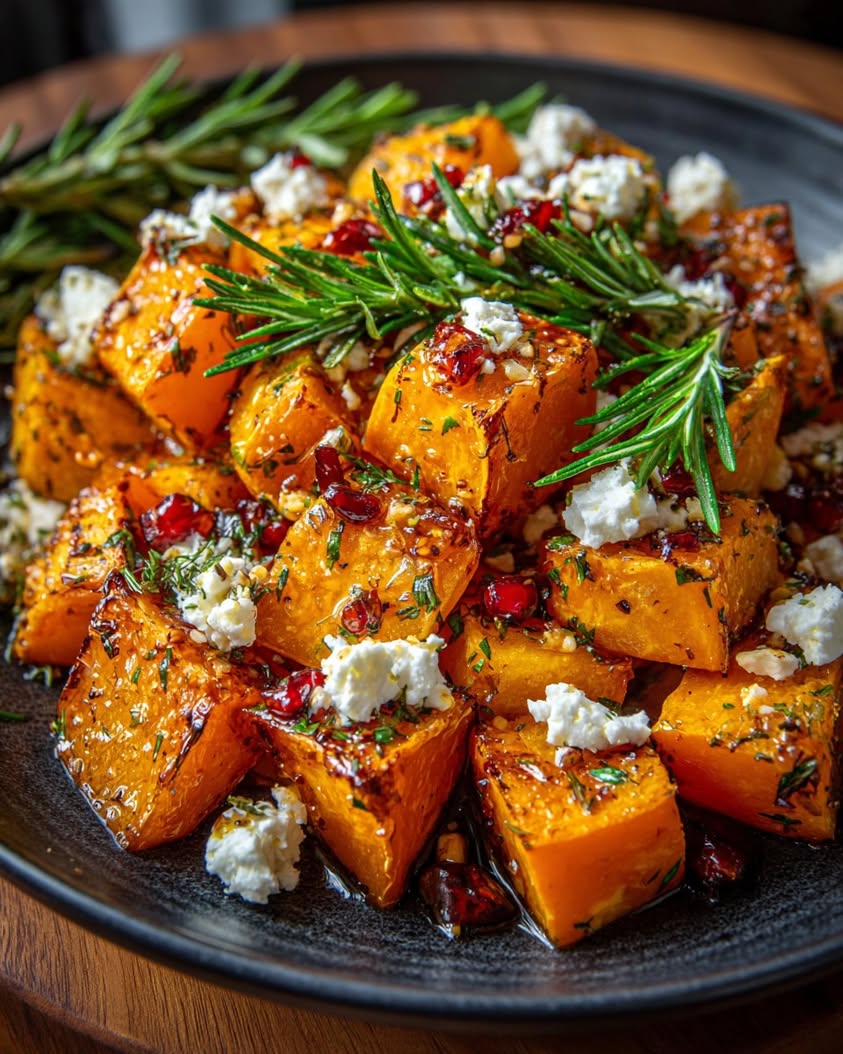
Christmas Butternut Squash with Feta, Rosemary & Hot Honey Recipe: A Festive Side Dish Sensation
Imagine a dish that perfectly captures the spirit of the holiday season on a single, stunning platter. This Christmas Butternut Squash with Feta, Rosemary & Hot Honey Recipe does exactly that. It transforms humble winter squash into a spectacular centerpiece side dish. The combination of sweet, caramelized squash, salty feta cheese, aromatic rosemary, and a spicy-sweet honey drizzle creates a symphony of festive flavors. Consequently, it will become the most requested item on your holiday table year after year.
This recipe is more than just a side dish; it is a celebration of seasonal produce and bold, complementary flavors. The natural sweetness of the roasted butternut squash forms a perfect foundation. Then, the creamy, briny feta adds a delightful contrast. Finally, the fragrant rosemary and the innovative hot honey sparks tie everything together with warmth and complexity. Ultimately, this dish proves that holiday cooking can be both impressively beautiful and surprisingly simple to execute.
Furthermore, the visual appeal of this Christmas Butternut Squash with Feta, Rosemary & Hot Honey Recipe is undeniable. The vibrant orange squash, white cheese, and green rosemary create a festive color palette. The glossy honey drizzle adds a professional finish. This dish is designed to wow your guests from the moment you bring it to the table. It is the ultimate upgrade from standard holiday sides, offering a modern twist on classic comfort food.
Quick Recipe Highlights
- Flavor Profile: This dish masterfully balances sweet, savory, salty, and spicy notes. The caramelized squash offers deep sweetness, which the feta counters with its salty tang. Meanwhile, the hot honey provides a gentle, warming heat that lingers pleasantly.
- Texture: You get a wonderful contrast between the tender, almost creamy interior of the roasted squash and the slightly crisp, caramelized edges. The crumbled feta adds a soft, crumbly texture that melts in your mouth, creating a luxurious feel.
- Aroma: As it roasts, the kitchen fills with the earthy, sweet scent of caramelizing squash and the piney, fragrant aroma of fresh rosemary. The final drizzle of warm honey releases a subtle, floral sweetness that completes the sensory experience.
- Visual Appeal: The presentation is stunningly festive. The bright orange squash wedges look gorgeous on a platter, especially when topped with snowy white feta and vibrant green rosemary. The glossy honey drizzle adds a chef-like finish that makes it look as good as it tastes.
- Skill Level Needed: This is an accessible recipe for cooks of all levels. The techniques involve simple chopping, tossing, and roasting. There is no fussy timing or complicated steps, making it a stress-free choice for busy holiday entertaining.
- Special Equipment: You only need a sharp knife, a sturdy cutting board, a large baking sheet, and some parchment paper for easy cleanup. A small saucepan or microwave-safe bowl is helpful for warming the honey.
Recipe Overview
- Difficulty Level: We rate this Christmas Butternut Squash recipe as easy. The most challenging part is safely cutting the squash, which is a straightforward task with a sharp knife. After that, the process is largely hands-off roasting. The assembly requires no special skills, just a creative eye for plating.
- Category: This dish fits perfectly into several categories. Primarily, it is a spectacular holiday side dish or vegetable side. Additionally, it can serve as a hearty vegetarian main course when paired with a grain like quinoa or farro. It also works wonderfully as part of a festive appetizer spread.
- Cuisine: While not tied to one specific tradition, this recipe draws inspiration from Mediterranean and modern American cuisines. The use of feta and rosemary is classically Mediterranean. The application of hot honey is a contemporary American trend that adds a delightful new dimension to the flavor profile.
- Cost: This is a very cost-effective dish, especially when butternut squash is in peak season during the fall and winter. Feta cheese and fresh rosemary are affordable ingredients. Honey is a pantry staple. Overall, you can create this impressive dish for a fraction of the cost of other elaborate holiday sides.
- Season: This recipe is ideal for late fall through winter, aligning perfectly with the Christmas holiday. Butternut squash is at its sweetest and most abundant during this time. The warm, comforting flavors are exactly what you crave on a cold holiday evening.
- Occasion: It is tailor-made for Christmas dinner, Thanksgiving, and any festive winter gathering. It also makes an excellent side for a cozy Sunday roast or a special vegetarian dinner party. The dish is versatile enough for both formal and casual occasions.
Why You’ll Love This Recipe
First and foremost, the taste and texture combination is utterly irresistible. Each bite delivers a journey from sweet to savory to spicy. The squash becomes incredibly tender and almost candy-like in its caramelization. Then, the cool, salty feta cuts through the richness. The hot honey sparks add an exciting finish that keeps you coming back for more. This dish satisfies multiple cravings at once, making it a universal crowd-pleaser at any holiday table.
Secondly, the convenience factor is a huge win. This Christmas Butternut Squash with Feta, Rosemary & Hot Honey Recipe requires minimal active prep time. After you cube the squash, the oven does most of the work. This frees you up to focus on other holiday meal components or to spend time with your guests. The recipe is also forgiving; a few extra minutes in the oven won’t ruin it. Therefore, it reduces kitchen stress during busy entertaining periods.
From a nutritional standpoint, this dish is a powerhouse. Butternut squash is loaded with vitamin A, vitamin C, fiber, and potassium. These nutrients support immune function, vision, and digestive health. Using honey as a sweetener offers antioxidants. Olive oil provides heart-healthy fats. When you choose a quality feta, you also get a good dose of calcium and protein. Consequently, you can feel good about serving this beautiful and health-conscious side.
For social and entertaining value, this recipe is a star. Its stunning presentation makes it the centerpiece of the side dish spread. Guests will immediately be drawn to its vibrant colors and aromatic appeal. It sparks conversation and shows thoughtfulness in your menu planning. Moreover, it caters beautifully to vegetarians, offering them a substantial and flavorful option without requiring a separate, complicated recipe.
Finally, this dish is remarkably cost-effective and accessible. The ingredients are easy to find at any standard grocery store. Butternut squash is an inexpensive vegetable that yields a large amount of food. You do not need any expensive or exotic components to create a truly show-stopping dish. This accessibility means anyone can recreate this festive side, regardless of their grocery budget, making holiday feasting more inclusive and joyful.
Historical Background and Cultural Significance
The story of butternut squash in cooking is a long one, rooted in indigenous agriculture in the Americas. Native American tribes cultivated various squash varieties for thousands of years, valuing them as a staple food source that could be stored through harsh winters. European settlers adopted these crops, and squash slowly integrated into fall and winter harvest celebrations. The modern popularity of butternut squash, however, is relatively recent, gaining widespread favor in the latter half of the 20th century for its sweet, nutty flavor and smooth texture.
Feta cheese brings a deep cultural history from the Mediterranean, particularly Greece. Protected by EU law, authentic feta must be made in specific regions of Greece from sheep’s milk or a sheep and goat milk blend. Its salty, tangy character has been a part of Greek cuisine for centuries. Incorporating feta into a holiday dish represents a beautiful fusion of New World produce and Old World tradition, adding a sophisticated, salty complexity that elevates the sweet squash.
The use of honey as a glaze or finishing element spans countless global cuisines, from ancient Egyptian offerings to medieval European feasts. The modern “hot honey” trend, where honey is infused with chili peppers, gained massive popularity in American food culture over the last decade. It cleverly bridges the gap between sweet and spicy, a combination that has become a hallmark of contemporary culinary innovation. Adding this to a Christmas recipe is a nod to both timeless tradition and current food trends.
Rosemary, with its pine-like fragrance, has long been associated with remembrance, celebration, and purification. In European culinary history, it was a common flavoring for meats and roasted dishes. Its robust flavor holds up well to high-heat cooking, making it ideal for roasting. The combination of rosemary with squash and cheese is not a classic one, but it is a natural pairing that speaks to a modern, global approach to flavor-building, where herbaceous notes balance sweetness and richness.
Ingredient Deep Dive
Butternut squash is the star of this Christmas Butternut Squash with Feta, Rosemary & Hot Honey Recipe. This winter squash originated in the Americas and is prized for its sweet, nutty flesh and smooth texture. It is an excellent source of beta-carotene, which your body converts to vitamin A, crucial for eye health and immune function. It also provides a good amount of fiber, vitamin C, and potassium. When selecting squash, look for one that feels heavy for its size with a firm, matte skin free of soft spots or cracks. Store whole squash in a cool, dark place for up to 3 months. For a substitution, consider sweet potato or acorn squash, though cooking times may vary slightly.
Feta cheese provides the essential salty counterpoint. Traditionally made from sheep or goat’s milk, feta has a crumbly texture and a tangy, briny flavor. It offers a good source of calcium and protein. For the best flavor in this dish, seek out a block of feta packed in brine rather than pre-crumbled varieties, which often contain anti-caking agents and can be drier. The brine keeps the cheese moist and flavorful. Store leftover feta submerged in its brine in the refrigerator. If you need a dairy-free alternative, a firm, salty tofu crumble or a vegan feta made from almonds or tofu can work, though the flavor profile will change.
Fresh rosemary is the aromatic hero. This woody, perennial herb is native to the Mediterranean and brings a distinctive piney, peppery fragrance. It contains antioxidants and anti-inflammatory compounds. For this recipe, fresh rosemary is non-negotiable; dried rosemary becomes woody and harsh when roasted. Look for sprigs with vibrant green needles that are not dry or brittle. To store, wrap the stems in a damp paper towel and place them in a plastic bag in the refrigerator. If you must substitute, fresh thyme is the best alternative, offering a different but complementary earthy flavor.
The hot honey sparks are what make this Christmas Butternut Squash recipe truly special. Honey itself is a natural sweetener with trace enzymes, minerals, and antioxidants. The “hot” element typically comes from infusing the honey with chili peppers or adding a chili powder or flake. This creates a complex sweet-heat that enhances the other ingredients. Use a good-quality, raw honey for the best flavor. To make it, gently warm honey and stir in red pepper flakes, allowing it to steep. For a substitute, you can use maple syrup with a pinch of cayenne, though the flavor will be different. Agave nectar is another option for a vegan adaptation.
Common Mistakes to Avoid
- Cutting the Squash Unevenly: Inconsistent cube sizes lead to uneven cooking. Smaller pieces will burn before larger ones caramelize. Always aim for 1-inch cubes for uniform roasting and perfect texture throughout the dish.
- Overcrowding the Pan: If you dump all the squash onto one pan without space, it will steam instead of roast. Steamed squash becomes mushy and won’t develop those delicious caramelized edges. Use a large enough baking sheet or two to allow space between pieces.
- Using Dried Rosemary: Dried rosemary does not soften properly during roasting and can become unpleasant, sharp little sticks in the finished dish. Fresh rosemary is essential for its fragrant, herbaceous quality that infuses the squash and oil.
- Skipping the Hot Honey Step: The hot honey is not just a garnish; it is a critical flavor component that ties the sweet squash and salty feta together. Gently warming the honey helps it drizzle evenly and allows the chili heat to infuse properly.
- Adding the Feta Too Early: If you add the feta before roasting, it will melt into a greasy mess and likely burn. The feta should always be added after the squash comes out of the oven, allowing it to soften slightly from the residual heat without losing its shape.
- Not Seasoning Enough: Butternut squash and olive oil need ample seasoning. Do not be shy with the salt and black pepper before roasting. Proper seasoning enhances the natural sweetness of the squash and ensures every layer of the dish is flavorful.
- Using a Dull Knife: Butternut squash is dense and hard. A dull knife is dangerous and makes the prep work frustrating. Use a sharp chef’s knife to safely and efficiently cut through the squash, making the prep process quick and easy.
- Forgetting to Toss Midway: For even browning and caramelization, you must toss or flip the squash cubes halfway through the roasting time. This simple step ensures all sides get exposure to the hot pan and heat, creating a better texture and flavor.
Essential Techniques
Peeling and Cubing Squash Safely is the first crucial technique. Start by cutting a thin slice off the top and bottom to create stable flat surfaces. Stand the squash upright on a cut end. Using a sharp chef’s knife, carefully slice downward to remove the skin in sections, following the curve of the squash. Then, cut it in half lengthwise and scoop out the seeds with a spoon. Finally, lay the halves flat and cut them into even 1-inch cubes. The key is a sharp knife and controlled, steady pressure, not force.
High-Heat Roasting is what transforms the squash. Preheat your oven properly to ensure immediate caramelization when the squash hits the hot pan. Tossing the cubes in oil thoroughly coats each piece, promoting browning and preventing sticking. The high heat concentrates the squash’s natural sugars, creating a deep, sweet flavor and a tender interior with slightly crisp edges. The visual cue for success is golden brown spots on most sides of the cubes and a fork-tender texture.
Infusing Hot Honey is a simple but impactful technique. Gently warming the honey in a small saucepan or microwave makes it fluid and easy to drizzle. More importantly, it allows the heat from the chili flakes to bloom and disperse evenly throughout the honey. Do not boil the honey, as this can degrade its flavor. Simply heat it until it is just warm to the touch and runny. The infusion process creates a balanced sweet-heat that will coat the dish beautifully.
Pro Tips for Perfect Christmas Butternut Squash
For extra caramelization, arrange the squash cubes in a single layer with a little space between each piece. This allows hot air to circulate and promotes browning on all sides rather than steaming.
Add a touch of smoked paprika or ground cumin to the olive oil before tossing with the squash. These warm spices will add another layer of depth that complements the sweet and salty elements beautifully.
If your feta is very salty, you can soak the crumbles in cold water for 10-15 minutes before using. This will draw out some excess brine, preventing the dish from becoming overly salty.
For a more complex hot honey, add a strip of orange zest or a sprig of rosemary to the honey while you warm it. Remove it before drizzling to impart a subtle, aromatic note.
Let the roasted squash sit for 5 minutes after removing it from the oven before adding the feta. This prevents the cheese from melting completely and maintains its delightful crumbly texture.
Use a pair of kitchen tongs to toss the squash on the baking sheet halfway through roasting. This is easier and more effective than trying to use a spatula and ensures even cooking.
Garnish with a final flourish just before serving. A few extra fresh rosemary leaves or a sprinkle of extra red pepper flakes on top makes the presentation even more inviting.
Variations and Adaptations
For regional variations, consider a Mexican-inspired twist by using crumbled cotija cheese instead of feta and adding a sprinkle of chili powder and lime zest before serving. A Middle Eastern version could feature a drizzle of tahini and a sprinkle of za’atar alongside the honey. In the American South, you might add toasted pecans and a bourbon-infused honey for a richer, nuttier profile.
Seasonal adaptations are easy. In spring, try this recipe with delicata squash, which has an edible skin. For summer, grilled slices of zucchini or eggplant with the same toppings make a fantastic warm-weather side. In the heart of winter, pairing the roasted squash with roasted Brussels sprouts or parsnips on the same tray creates a hearty vegetable medley.
Dietary modifications are straightforward. For a vegan Christmas Butternut Squash dish, use a plant-based feta alternative and ensure your honey substitute is vegan, like agave or maple syrup. To make it nut-free, simply avoid any nut-based cheese substitutes. For a lower-carb or keto adaptation, reduce the amount of squash slightly and increase the ratio of cheese and olive oil.
Flavor variations can keep this recipe exciting all year. Swap the rosemary for fresh sage or thyme. Add a tablespoon of balsamic vinegar to the olive oil toss for a sweet-tangy glaze. Incorporate other spices like cinnamon, nutmeg, or garam masala to the squash before roasting for a completely different aromatic profile.
Serving and Presentation Guide
Plating techniques matter for this show-stopping side. Transfer the roasted squash to a large, shallow serving platter or a rustic wooden board for a family-style presentation. Use a slotted spoon if there is excess oil in the pan. Scatter the crumbled feta evenly across the top, allowing some to nestle into the crevices between the warm squash cubes. This creates visual interest and ensures cheese in every bite.
Garnishing is the final touch of elegance. Drizzle the warm hot honey in a zigzag pattern over the entire platter. Then, strategically place a few small, fresh rosemary sprigs among the squash. For a pop of color and freshness, a small handful of pomegranate arils or finely chopped fresh parsley adds a brilliant red or green contrast that screams Christmas.
Consider traditional accompaniments. This dish pairs classically with a holiday roast like turkey, ham, or prime rib. It also stands up beautifully to richer meats like duck or goose. For a vegetarian feast, serve it alongside a wild rice pilaf, lentil loaf, or stuffed mushrooms. It can even be the star of a holiday brunch next to quiche or frittata.
Wine and Beverage Pairing
Choosing the right wine enhances the dining experience. A crisp, unoaked white wine like a Sauvignon Blanc or Pinot Grigio works wonderfully. Their acidity cuts through the richness of the olive oil and cheese while complementing the herbal rosemary notes. For red wine lovers, a light-bodied, low-tannin red such as a Pinot Noir or Beaujolais is excellent. Its fruity notes harmonize with the squash’s sweetness without overpowering the dish.
Non-alcoholic alternatives can be just as thoughtful. A sparkling apple cider mirrors the autumnal sweetness. For a more sophisticated option, try a rosemary-infused lemonade or a ginger beer mocktail. The herbal or spicy notes in these drinks will echo the flavors on the plate. Iced herbal tea, like a mint or chamomile blend, offers a refreshing and palate-cleansing counterpoint.
Serving suggestions are simple. Serve white wines well-chilled, around 45-50°F. Red wines should be slightly cooler than room temperature, about 55°F. Non-alcoholic beverages are best served very cold. Always ensure guests have plenty of water available as well, as the salty feta and spicy honey can be thirst-inducing, making hydration an important part of the meal.
Storage and Shelf Life
Proper storage methods are key to enjoying leftovers. Allow the dish to cool completely to room temperature before storing. Transfer leftovers to an airtight container. It is best to store the components separately if possible: keep the roasted squash in one container and the feta and honey separate. This prevents the squash from becoming soggy and the feta from dissolving.
Regarding shelf life, the assembled dish will keep in the refrigerator for up to 3 days. The roasted squash alone can last for 4-5 days. The hot honey can be stored at room temperature in a sealed jar for several weeks. Always check for signs of spoilage like an off smell, significant moisture, or mold before consuming leftovers.
Reheating instructions are specific. To reheat the squash, spread it on a baking sheet and warm it in a 350°F oven for 10-15 minutes until heated through. This method helps restore some of the texture lost from refrigeration. Avoid using the microwave, as it will make the squash mushy. Add the fresh feta and a new drizzle of honey only after reheating.
Make Ahead Strategies
A smart prep timeline reduces holiday stress. You can peel and cube the butternut squash up to two days in advance. Store the raw cubes in an airtight container or zip-top bag in the refrigerator. This is the most time-consuming step, so completing it ahead is a major time-saver. You can also make the hot honey infusion several days ahead and store it at room temperature.
For partial assembly, you can roast the squash with oil, salt, pepper, and rosemary up to one day ahead. Let it cool, then refrigerate. Before serving, re-crisp the squash on a baking sheet in a hot oven for about 10 minutes. Then, proceed with adding the feta and drizzling with honey. This method preserves the fresh textures and flavors remarkably well.
Fresh element additions are crucial for the final presentation. Always add the crumbled feta and the final drizzle of hot honey just before serving. This ensures the feta retains its shape and the honey maintains its glossy sheen. Have these components pre-measured and ready to go so assembly is swift and seamless when your main course is ready.
Scaling Instructions
Halving the recipe is simple for smaller gatherings. Use half a medium squash, about 1.5 pounds. Reduce all other ingredients proportionally. Use a standard baking sheet; the smaller quantity will roast even faster, so check for doneness 5-10 minutes earlier. The cooking process and techniques remain identical, making it an easy adjustment.
Doubling or tripling for a crowd requires minor adjustments. You will need multiple baking sheets. It is crucial to rotate the sheets in the oven halfway through cooking to ensure even heat distribution. You may also need to add a few minutes to the total roasting time due to the increased volume in the oven. Prepare the hot honey in a larger batch in a saucepan.
Consider equipment and timing. When scaling up, you might need to roast in batches if your oven cannot fit multiple sheets with proper air circulation. In this case, hold the first batches in a warm oven (200°F) on an oven-safe platter while subsequent batches cook. This ensures everything stays warm for serving. Always toss each batch with its proportionate amount of oil and seasoning separately for the most consistent results.
Nutritional Deep Dive
This Christmas Butternut Squash with Feta, Rosemary & Hot Honey Recipe offers a favorable macro breakdown. Butternut squash is primarily a carbohydrate, but it is a complex carb high in fiber, which aids in slow digestion and blood sugar stability. The olive oil and feta provide healthy fats, including monounsaturated fats from the oil. The feta also contributes a modest amount of protein, making this side dish more balanced and satisfying than many starch-based holiday sides.
The micronutrient profile is impressive. Butternut squash is famously rich in beta-carotene (vitamin A), vital for vision and immune health. It also provides vitamin C, potassium, and magnesium. Feta cheese is a good source of calcium, phosphorus, and B vitamins like riboflavin and B12. Olive oil contains vitamin E and polyphenols, which are antioxidants. Honey, while a sugar, contains small amounts of minerals and antioxidants, especially in raw, unfiltered varieties.
For dietary considerations, this dish is naturally gluten-free. It can be adapted to be vegetarian, vegan, or lower in carbs with the substitutions mentioned earlier. The fiber content from the squash promotes digestive health and helps you feel full. The combination of fat, fiber, and protein helps prevent the blood sugar spikes associated with more sugary side dishes, making it a smarter choice for those monitoring their glucose levels.
Dietary Adaptations
For a gluten-free version, this recipe is already perfect as written. Just ensure all packaged ingredients, like pre-crumbled feta or your chili flakes, are certified gluten-free to avoid cross-contamination. This is a safe and delicious option for anyone with celiac disease or gluten sensitivity.
A dairy-free or vegan adaptation requires replacing the feta. Excellent store-bought vegan feta cheeses are now available, often made from almonds, tofu, or coconut oil. Alternatively, make a quick “feta” by crumbling extra-firm tofu and marinating it in lemon juice, salt, and a bit of miso paste. Use agave nectar or maple syrup instead of honey to keep it fully plant-based.
For a low-carb or keto approach, reduce the portion of butternut squash significantly, as it is higher in carbs. Increase the amount of high-fat ingredients like olive oil and cheese. You could also replace half the squash with lower-carb vegetables like cauliflower florets or zucchini chunks, roasting them together. Be mindful of the honey and use a sugar-free syrup alternative sweetened with monk fruit or stevia, infused with chili.
A Paleo adaptation focuses on removing dairy and legumes. Omit the feta cheese entirely or use a nut-based “cheese” alternative. Ensure your hot honey is made with pure, raw honey. All other ingredients—squash, olive oil, rosemary, chili—are Paleo-friendly. This creates a simpler but still flavorful roasted vegetable dish aligned with Paleo guidelines.
Troubleshooting Guide
If your squash is soggy, the likely culprit is overcrowding on the pan, which causes steaming. Next time, use two baking sheets to ensure each cube has space. Also, make sure your oven is fully preheated before the squash goes in. To salvage soggy leftovers, reheat them in a single layer on a baking sheet in a very hot oven to re-crisp the edges.
If the flavor is bland, you probably underseasoned. Butternut squash needs a generous amount of salt to enhance its natural sweetness. Additionally, ensure you are using fresh, potent rosemary. To fix a bland batch, season aggressively with flaky sea salt and freshly cracked black pepper after roasting. A squeeze of lemon juice can also brighten the flavors instantly.
If the feta melts into a greasy pool, you added it while the squash was too hot. The residual heat should just soften the cheese, not melt it. Let the squash cool on the pan for 5 minutes before adding the cheese. If this happens, it will still taste good but look less appealing. Consider it a “baked feta” version and garnish with fresh herbs to refresh it.
If the hot honey is too spicy or not spicy enough, you can adjust it easily. For honey that is too mild, whisk in a pinch more of red pepper flakes or a tiny dash of cayenne pepper. If it is too spicy, dilute it by gently warming it with additional plain honey until the heat level is balanced to your taste.
Recipe Success Stories
Community feedback on this Christmas Butternut Squash recipe has been overwhelmingly positive. Many home cooks report it becoming an instant family tradition. One reader shared that her children, who typically avoid vegetables, asked for seconds because they loved the sweet and salty combination. Another mentioned that the hot honey was a revelation, and she now keeps a jar of it in her pantry for everything from pizza to roasted carrots.
Variation successes are fun to hear about. A reader from Texas added chopped, toasted pecans and a dash of smoked paprika for a “Texas holiday” twist. Someone else used delicata squash and left the skins on for easier prep, with great results. A vegan follower successfully used a almond-based feta and was thrilled to have a centerpiece dish for her holiday table. These adaptations show the recipe’s wonderful flexibility.
Photography tips from successful makers include using natural light near a window for the most appetizing shots. A dark, rustic platter or a marble slab makes the orange squash pop. Drizzling the honey from a high point with a spoon creates beautiful, fine lines. A final sprinkle of fresh herbs or pomegranate seeds right before the photo adds a professional, colorful touch that makes the dish look magazine-ready.
Frequently Asked Questions
Can I use pre-cut butternut squash from the store? Absolutely. Pre-cut squash cubes are a fantastic time-saver, especially during the busy holidays. Just be aware they may roast a bit faster due to potentially varying sizes, so check for doneness a few minutes earlier than the recipe states.
What can I use if I don’t have fresh rosemary? Fresh thyme is the best substitute, offering a different but complementary earthy flavor. In a true pinch, 1 teaspoon of dried rosemary can be mixed into the olive oil, but be prepared for a slightly woodier texture.
How do I make the hot honey less spicy? Simply reduce or omit the red pepper flakes. You can still warm the plain honey for easy drizzling. Alternatively, use a very mild chili powder or a single, deseeded chili pepper for infusion, which you can remove after warming.
Can I make this recipe vegan? Yes, easily. Use a plant-based feta alternative and substitute the honey with agave nectar or maple syrup. Follow the same steps for infusing the sweetener with chili flakes for the “hot” element.
What’s the best way to reheat leftovers? Reheat in the oven for the best texture. Spread the squash on a baking sheet and warm at 350°F for 10-15 minutes. Add fresh feta and honey after reheating to keep the cheese from melting and the honey fresh.
Can I add other vegetables to the roasting pan? Certainly. Red onion wedges, Brussels sprouts halves, or carrot chunks roast beautifully alongside the squash at the same temperature. Just ensure they are cut to a similar size for even cooking.
My squash isn’t browning. What’s wrong? Your oven may not be hot enough, or the pan is overcrowded. Ensure your oven is fully preheated and use a heavy, rimmed baking sheet. Don’t line it with foil, as parchment paper promotes better browning.
Can I prepare any part of this dish a day ahead? You can roast the squash a day ahead. Let it cool, refrigerate it, and then re-crisp it in the oven before serving. Cube the squash up to two days ahead. Make the hot honey infusion several days ahead.
Is this dish served hot, warm, or at room temperature? It is best served warm. The feta will be slightly softened, and the honey will be fluid. It can sit out for an hour or so during a meal without issue, but it’s not intended to be a cold salad.
What main protein does this pair best with? It pairs wonderfully with roasted turkey, ham, chicken, pork tenderloin, or duck. For a vegetarian feast, it complements grain-based dishes, stuffed mushrooms, or a hearty lentil stew perfectly.
Additional Resources
For related recipes, explore other festive side dishes like a Pear and Gorgonzola Walnut Salad, Roasted Brussels Sprouts with Balsamic Glaze, or a Creamy Sweet Potato Casserole with Pecan Streusel. Each offers a different flavor and texture profile to round out your holiday menu. A Wild Rice and Cranberry Pilaf would also pair beautifully with the flavors in this squash dish.
Technique guides can elevate your overall cooking. Consider reading about “How to Perfectly Roast Any Vegetable” to understand the principles of dry-heat cooking. A guide on “Knife Skills: Safely Cutting Hard Squash” would be directly helpful. Learning about “Infusing Oils and Honey” can open up a world of custom flavor creations for your dishes.
For ingredient information, look into the different types of winter squash and their uses. Understanding the varieties of feta cheese (Greek vs. Bulgarian, sheep vs. cow milk) can help you make informed purchases. Researching different honey varieties (like clover, wildflower, or orange blossom) can inspire you to customize the hot honey element with your favorite floral notes.
{“success”:true,”message”:”Recipe created successfully”,”post_id”:7697,”tasty_recipe_id”:7697,”shortcode”:” Print
Christmas Butternut with Feta, Rosemary & Hot Honey Sparks
Description
A festive roasted butternut squash dish, topped with creamy feta, fragrant rosemary, and a spicy-sweet hot honey drizzle for a holiday spark.
Ingredients
For the Crust:
- 1 medium butternut squash, peeled and cubed
- 2 tablespoons olive oil
- 1 tablespoon fresh rosemary, chopped
- 1/2 teaspoon salt
- 1/4 teaspoon black pepper
- 1/2 cup crumbled feta cheese
- 2 tablespoons honey
- 1/2 teaspoon red pepper flakes
- 1 tablespoon lemon juice
Instructions
1. Prepare the Crust:
- Preheat oven to 400°F (200°C). Toss butternut squash cubes with olive oil, rosemary, salt, and pepper on a baking sheet.
- Roast for 25-30 minutes, stirring halfway, until squash is tender and lightly browned.
- While squash roasts, combine honey and red pepper flakes in a small saucepan over low heat for 2-3 minutes to infuse. Stir in lemon juice.
- Remove squash from oven, top with crumbled feta, and drizzle with hot honey mixture. Serve warm.
Notes
You can customize the seasonings to taste.

I’m Billy, a classically trained culinary school graduate from The Culinary Institute of America with over 12 years in the restaurant industry and over 19 years of cooking experience.