
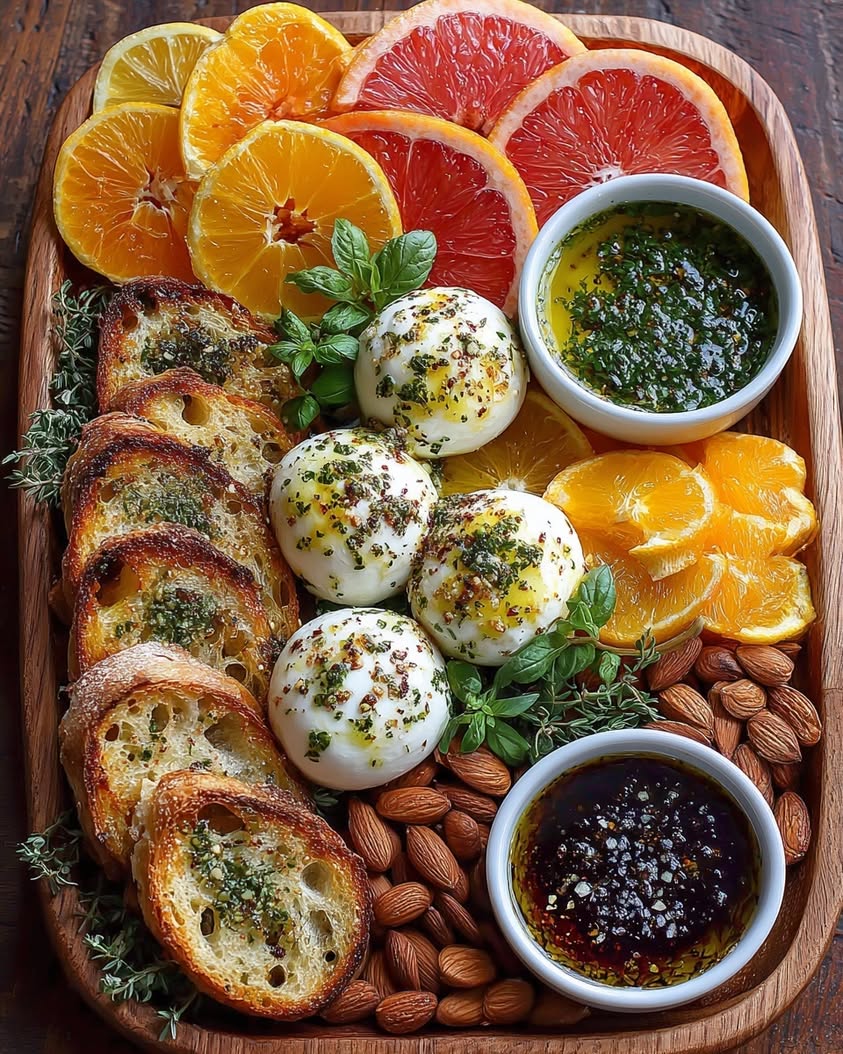
Citrus & Burrata Grazing Board Recipe: The Ultimate Centerpiece for Entertaining
Imagine a stunning platter that captures the essence of a sun-drenched Mediterranean garden. This Citrus & Burrata Grazing Board recipe does exactly that, transforming simple, fresh ingredients into a breathtaking centerpiece. Moreover, it combines the creamy luxury of burrata with the vibrant zest of citrus, creating a symphony of flavors and textures. Ultimately, this board is not just food; it is an experience designed to wow your guests and elevate any gathering from ordinary to extraordinary.
The magic of this Citrus Burrata Grazing Board Recipe lies in its beautiful balance. For instance, sweet honeyed almonds provide a delightful crunch against the pillowy soft cheese. Meanwhile, a fragrant herb oil pour ties every element together with a glossy, aromatic finish. Consequently, each bite offers a new combination, encouraging guests to explore and create their own perfect flavor pairings. This recipe is your secret weapon for effortless, impressive entertaining that feels both gourmet and approachable.
Furthermore, this grazing board celebrates the best of seasonal produce. Bright segments of orange and grapefruit cut through the richness, while fresh herbs add pops of color and fragrance. Importantly, the assembly requires no cooking skill, just an eye for beautiful arrangement. Whether you are hosting a festive brunch, a casual appetizer hour, or a sophisticated dinner party starter, this Citrus & Burrata Grazing Board promises to be the star of the show. Let us build a masterpiece together.
Quick Recipe Highlights
- Flavor Profile: This Citrus Burrata Grazing Board Recipe delivers a masterful balance. You will experience the bright, tangy punch of fresh citrus perfectly contrasting the rich, milky creaminess of burrata. Additionally, the sweet-and-savory honeyed almonds and the fragrant, grassy herb oil create complex layers that dance on the palate.
- Texture: Expect a delightful textural journey. The board features the luxurious, soft pull of fresh burrata cheese against the juicy burst of citrus segments. Meanwhile, the crunchy, caramelized almonds provide a satisfying snap, and the crisp crostini or crackers offer a sturdy base for every delicious combination.
- Aroma: The aroma is instantly inviting. As you prepare the board, the scent of toasting almonds with honey will fill your kitchen. Subsequently, the fresh citrus zest and chopped herbs release their essential oils, creating a fresh, uplifting, and herbaceous fragrance that promises a refreshing eating experience.
- Visual Appeal: This board is a true feast for the eyes. Think of a canvas painted with white creamy burrata, vibrant orange and pink citrus segments, deep green herbs, and golden-brown nuts. The visual contrast is stunning, making it incredibly photogenic and sure to draw everyone to the table.
- Skill Level Needed: Absolutely no advanced culinary skills are required. This Citrus & Burrata Grazing Board is an assembly project, not a cooking challenge. Basically, if you can slice fruit, toast nuts, and arrange items beautifully on a board, you can successfully create this impressive appetizer.
- Special Equipment: You need only a few basic kitchen tools. A good cutting board, a sharp knife, a small baking sheet for toasting nuts, and a mixing bowl for the herb oil are essential. Of course, the star is a large, beautiful wooden board or platter for the grand presentation.
Recipe Overview
- Difficulty Level: We rate this Citrus Burrata Grazing Board Recipe as easy for several reasons. First, there is no complex cooking technique involved. Second, the most technical step is making a simple infused oil, which simply requires mixing. Finally, assembly is intuitive and forgiving, allowing for personal creativity without risk of failure.
- Category: This recipe falls perfectly into the appetizer and entertaining category. It serves as a spectacular starter for a multi-course meal. Alternatively, it can be the main attraction for a light lunch or a cocktail party spread. It is versatile enough to anchor any casual or festive gathering.
- Cuisine: The inspiration draws heavily from the sun-soaked flavors of the Mediterranean and Italian culinary traditions. Burrata cheese originates from Southern Italy, while the use of fresh citrus, olive oil, and herbs is classic to the region. This board is a modern, shareable interpretation of those timeless flavors.
- Cost: Creating this board can be moderately priced, depending on your ingredient choices. Burrata is often the most significant cost. However, you can balance this with seasonal citrus and pantry staples. Importantly, the visual impact and yield for 6-8 people offer excellent value for a special occasion centerpiece.
- Season: This Citrus & Burrata Grazing Board shines brightest in the late fall through spring months. This is when citrus like blood oranges and grapefruits are at their peak sweetness and beauty. Nevertheless, you can adapt it year-round with available citrus varieties and fresh herbs.
- Occasion: It is ideal for a multitude of events. Think holiday parties, bridal or baby showers, weekend brunches with friends, or even a romantic at-home date night. Its customizable nature and stunning presentation make it suitable for both casual and formal entertaining.
Why You’ll Love This Recipe
First and foremost, the taste and texture appeal is undeniable. Each component of this Citrus Burrata Grazing Board Recipe plays a crucial role. The cold, creamy burrata provides a luxurious base that mellows the sharp citrus tang. Then, the honeyed almonds introduce a warm, caramelized sweetness and essential crunch. Finally, the herb oil adds a unifying, savory note that elevates every bite. This combination ensures no single flavor overpowers another, instead creating a harmonious and sophisticated profile that keeps you coming back for more.
Next, consider the sheer convenience and preparation benefits. Unlike a complicated baked dish, you can prepare almost every element of this board ahead of time. You can toast the almonds, mix the herb oil, and segment the citrus hours in advance. Consequently, when your guests arrive, you simply arrange everything beautifully on your platter. This make-ahead strategy transforms entertaining from a stressful juggling act into a relaxed, enjoyable experience. You get to be a host who is present, not stuck in the kitchen.
Furthermore, this Citrus & Burrata Grazing Board offers notable nutritional advantages. It is packed with whole, fresh ingredients. Citrus fruits are famously rich in immune-boosting vitamin C and fiber. Meanwhile, high-quality olive oil in the herb pour provides heart-healthy monounsaturated fats. The almonds contribute protein, vitamin E, and healthy fats. Even the burrata offers a good source of calcium and protein. Therefore, you are serving a dish that feels indulgent but is fundamentally nourishing.
Additionally, the social and entertaining value is through the roof. A grazing board is inherently interactive and communal. It encourages conversation as guests point out their favorite combinations and recommend pairings to each other. It breaks the ice and becomes a focal point for the party. Presenting this stunning Citrus Burrata Grazing Board instantly sets a tone of generosity and care. It shows your guests that you went the extra mile to create something beautiful and delicious just for them.
Finally, let us talk about cost-effectiveness and accessibility. While burrata might be a splurge, the other components are often pantry staples or affordable seasonal produce. You can easily scale the recipe up or down based on your guest count and budget. Moreover, you have full control over the accompaniments; choose artisanal crackers or a simple baguette based on your preference. This flexibility makes the Citrus & Burrata Grazing Board an accessible luxury, perfect for creating a memorable experience without requiring a chef’s budget or expertise.
Historical Background and Cultural Significance
The concept of a grazing board, or charcuterie board, has deep roots in European culinary tradition. Specifically, the Italian “antipasto” platter is a direct ancestor. Traditionally, antipasto means “before the meal” and features an assortment of cured meats, cheeses, and marinated vegetables. Our Citrus Burrata Grazing Board Recipe is a modern, produce-forward twist on this classic idea. It swaps the focus from preserved meats to the brilliance of fresh cheese and fruit, reflecting contemporary tastes that prioritize brightness and freshness.
Burrata cheese itself carries significant cultural importance. It originated in the early 20th century in the Apulia region of Southern Italy, a area renowned for its dairy production. Cheesemakers created burrata as a way to use up the leftover stracciatella (cream and cheese shreds) by enveloping it in a pouch of fresh mozzarella. This resourceful invention resulted in a uniquely luxurious texture. Using burrata as the star pays homage to this Italian ingenuity and transforms a simple board into a celebration of artisan cheese-making.
The evolution of the recipe from traditional antipasto to a citrus-centric board mirrors broader food trends. In recent years, there has been a massive shift towards plant-forward and visually-driven “food as art” presentations, fueled largely by social media. The Citrus & Burrata Grazing Board sits at this intersection. It takes the communal, shareable format of the old world and infuses it with a modern aesthetic and a focus on vibrant, seasonal produce. It is a recipe born for the age of Instagram, yet deeply rooted in timeless culinary principles.
Regional variations of this concept are endless. In California, you might find a board featuring avocado and Meyer lemon. A Spanish version could include Manchego cheese and Marcona almonds. The beauty of the grazing board format is its adaptability. Our specific recipe highlights the winter citrus bounty, but the framework allows for infinite interpretation based on local ingredients and cultural preferences. This versatility ensures the Citrus Burrata Grazing Board Recipe can travel and adapt, becoming a global symbol of relaxed, stylish entertaining.
Ingredient Deep Dive
Let us start with the star: Burrata Cheese. Hailing from Italy’s Apulia region, burrata is a relatively young cheese with a rich history of resourcefulness. Its name comes from the Italian word “burro,” meaning butter, which hints at its incredibly rich, creamy interior. Nutritionally, it provides calcium, protein, and fats. When selecting burrata, always check for a sell-by date and choose the freshest available. It should feel soft and supple in its packaging. Store it in its liquid in the refrigerator and consume within a day or two of purchase for peak creaminess. If you cannot find burrata, a high-quality fresh mozzarella ball is the best substitute, though you will miss the luscious center.
Fresh Citrus is the vibrant heart of this board. Citrus fruits have a storied history, tracing back to Southeast Asia and spreading via trade routes to the Mediterranean, where they flourished. They are powerhouses of vitamin C, flavonoids, and fiber. For this Citrus & Burrata Grazing Board, seek out firm, heavy fruits with smooth, brightly colored skin. A mix of varieties like navel oranges, blood oranges, and grapefruit creates visual and flavor depth. Store citrus at cool room temperature for short-term use or in the refrigerator crisper drawer for longer storage. To segment them, use a sharp knife to remove the peel and pith, then cut between the membranes for beautiful, pith-free “supremes.”
Honeyed Almonds provide the essential crunch and sweetness. Almonds have been cultivated for thousands of years in the Middle East and Mediterranean. They are an excellent source of vitamin E, magnesium, and healthy fats. For this recipe, use whole raw almonds for the best texture. The toasting process deepens their flavor, and coating them in honey creates a sticky, caramelized glaze that hardens as it cools. Store leftover honeyed almonds in an airtight container at room temperature. They make a fantastic snack on their own. For a nut-free version, you could use toasted pumpkin seeds (pepitas) tossed with a bit of honey and salt.
The Herb Oil Pour is the unifying, aromatic element. Using a high-quality extra virgin olive oil is non-negotiable here. Olive oil has a central place in Mediterranean history, used for everything from cooking to ceremonial anointing. It is rich in monounsaturated fats and antioxidants. Choose a oil with a fruity, peppery flavor profile. Combine it with fresh, soft herbs like parsley, basil, or chives. The oil gently infuses with the herb flavor, creating a simple sauce that ties the creamy, sweet, and tart elements together. Store any leftover herb oil in the refrigerator for up to a week and use it on salads, grilled vegetables, or bread.
Common Mistakes to Avoid
- Using Warm or Room Temperature Burrata: Burrata’s texture is best when cool and fresh from the refrigerator. If you let it sit out too long before serving, it can become overly soft and lose its delightful contrast with the cool, firm cream inside. Always add it to the board just before serving.
- Over-Toasting the Almonds: Almonds can go from perfectly golden to burnt very quickly. Watch them closely in the oven and stir frequently. The honey will also bubble and caramelize; remove them from the heat as soon as they are fragrant and glossy to prevent a bitter taste.
- Skipping the Citrus Segmenting (Supreming) Step: Simply slicing citrus with the membrane and pith left on makes for a messy, chewy eating experience. Taking the extra few minutes to supreme your citrus ensures each piece is tender, juicy, and beautiful, elevating the entire board’s quality.
- Arranging Everything Too Tightly: A grazing board should feel abundant but not cluttered. Leave some negative space on the board and group items in small clusters. This makes it visually appealing and also gives guests space to easily pick up items without making a mess.
- Forgetting to Season the Components: Even simple elements need seasoning. Lightly salt the burrata after placing it on the board. Season the herb oil with salt and pepper. A tiny pinch of flaky sea salt on the honeyed almonds after they cool can enhance their flavor dramatically.
- Using Dull Herbs for the Oil: Wilting or brown herbs will make your oil taste muddy, not fresh. Use only the brightest, crispest herbs you can find. Chop them just before mixing to preserve their color and volatile oils, which carry the flavor and aroma.
- Neglecting the “Vehicle” for Eating: Do not forget to include plenty of crostini, crackers, or sliced baguette. Guests need a way to scoop up the burrata and citrus. Provide a few different textures, like a crispy cracker and a chewy bread, for variety.
- Pre-Assembling the Entire Board Hours Ahead: While components can be prepped, the full assembly should happen close to serving time. This prevents the crackers from getting soggy from the citrus juices and keeps the herbs on the oil from wilting.
Essential Techniques
Supreming Citrus is the key technique for beautiful, edible citrus segments. This method removes the bitter pith and tough membrane, leaving only the tender flesh. First, slice off the top and bottom of the fruit so it sits flat. Then, using a sharp knife, cut downward following the fruit’s curve to remove the peel and white pith entirely. Finally, hold the fruit over a bowl to catch juice, and slice along the membrane walls to release each clean segment. The visual cue for success is a pile of glistening, pith-free segments that look almost jewel-like. This elevates the eating experience from casual to refined.
Toasting Nuts with Honey requires careful heat management. Spread raw almonds in a single layer on a parchment-lined baking sheet. Toast in a preheated oven at 350°F (175°C) for 5-7 minutes, just until fragrant. Meanwhile, warm honey slightly so it is fluid. Toss the warm nuts with the honey and a pinch of salt immediately after toasting; the residual heat helps the coating adhere. Spread them back on the parchment to cool and harden. The common pitfall is leaving them in the oven too long after adding honey, which can cause burning. Success yields dry-to-the-touch, glossy nuts with a satisfying snap.
Creating a Simple Herb Oil is about infusion, not cooking. Finely chop fresh, dry herbs. Place them in a small bowl and cover with room-temperature, high-quality extra virgin olive oil. Let this mixture sit for at least 15-20 minutes to allow the flavors to meld. Do not apply heat, as it can cook the herbs and turn the oil bitter. The technique’s importance lies in creating a flavorful, loose sauce that dresses the board components subtly. The visual cue is a vibrant green oil with herbs suspended in it. Whisk in a pinch of salt and black pepper just before pouring for a perfect finish.
Pro Tips for Perfect Citrus & Burrata Grazing Board
Choose a board with a slight lip or rim. This contains the herb oil pour and any stray citrus juices, preventing a mess on your tablecloth.
Bring the burrata to cool room temperature for about 10 minutes before serving. This slight warming allows its creamy center to become luxuriously soft without making the exterior mozzarella sack too warm.
Add a few unexpected savory elements. Consider scattering a handful of briny olives or a few slices of prosciutto on the board to provide a salty counterpoint to the sweet and creamy elements.
Use the citrus juice you collect from supreming. Drizzle a little over the burrata or mix it into the herb oil for an extra layer of bright, tangy flavor.
Garnish with edible flowers. A few pansies, nasturtiums, or borage flowers scattered over the board add an incredible “wow” factor and are completely edible.
Provide small spoons or cheese knives. This makes it easy for guests to portion out the creamy burrata without struggling with a cracker.
Think about color contrast. Place the bright orange segments near the white burrata and the deep green herbs near the pink grapefruit to make all the colors pop visually.
If making ahead, store components separately. Keep citrus segments, nuts, and herb oil in their own containers in the fridge, then assemble on the board 30 minutes before guests arrive.
Variations and Adaptations
For regional variations, imagine a California-inspired board. Swap in creamy avocado slices and use Meyer lemons for their sweeter, floral citrus note. Incorporate some crumbled goat cheese alongside the burrata and use toasted walnuts instead of almonds. Alternatively, a Middle Eastern twist could feature labneh (strained yogurt) balls rolled in za’atar, alongside pomegranate arils and pistachios, with a drizzle of date syrup instead of honey on the nuts.
Seasonal adaptations are simple and effective. In summer, replace some citrus with ripe stone fruits like peaches or nectarines and fresh berries. Use basil exclusively in the herb oil. For fall, incorporate roasted figs, persimmons, and a sprinkle of pomegranate seeds, adding a touch of thyme or rosemary to the oil for warmth. The Citrus Burrata Grazing Board Recipe framework is wonderfully flexible to the calendar’s bounty.
Dietary modifications are straightforward. For a vegan version, substitute the burrata with a high-quality vegan mozzarella or a thick, seasoned cashew cheese. Use maple syrup instead of honey for the almonds. To make it gluten-free, ensure all accompanying bread and crackers are certified gluten-free. For a nut-free board, replace the almonds with toasted sunflower or pumpkin seeds using the same honey technique.
Flavor variations can personalize your board immensely. Add a spicy element by incorporating a pinch of chili flakes into the herb oil or using chili-infused honey for the almonds. For an herbal-forward board, mix multiple herbs like tarragon, dill, and chervil into the oil. A sweet-and-savory boost can come from adding a small dish of high-quality fruit preserves or mostarda (Italian fruit mustard) to the platter.
Serving and Presentation Guide
Start your plating by placing the burrata ball(s) slightly off-center on the board. Gently tear open the top with your fingers or a knife to reveal the creamy stracciatella inside; this creates visual intrigue and invites guests to dive in. Arrange the citrus segments in cascading groups around the cheese, letting some overlap for a natural, abundant look. Scatter the honeyed almonds in small clusters in the open spaces.
For garnishing, do not just mix the chopped herbs into the oil. Reserve a small handful of whole or roughly torn herb leaves (like basil or mint) to scatter directly over the citrus and cheese after you pour the oil. This adds fresh color and texture. A final flourish of flaky sea salt (like Maldon) over the burrata and a few cracks of black pepper elevate the flavors instantly.
Traditional accompaniments include a variety of breads. Offer a mix of textures: thinly sliced, toasted baguette (crostini), plain water crackers, and perhaps a few slices of a hearty seeded bread. For a modern touch, include grissini (breadsticks) or lavash crackers. Place small bowls or ramekins on the board if you add extras like olives, jam, or honey for drizzling.
Temperature considerations are key. The board components should be cool, not ice-cold (except the burrata, which can go from fridge to board). Let the citrus sit out for 15 minutes after segmenting to take the chill off. The honeyed almonds should be completely cooled to room temperature so they are crunchy. The herb oil should also be at room temperature for easy pouring and optimal flavor.
Wine and Beverage Pairing
Wine pairings for this Citrus & Burrata Grazing Board should complement its brightness and richness without overpowering it. A crisp, dry white wine like a Sauvignon Blanc or Pinot Grigio works beautifully, as their acidity mirrors the citrus. For a more interesting choice, try a sparkling wine like Prosecco or Cava; the bubbles cut through the creaminess of the cheese delightfully. If you prefer red, opt for a light, low-tannin option like a chilled Beaujolais or Pinot Noir, served slightly cool.
Non-alcoholic alternatives can be just as sophisticated. A sparkling water infused with citrus slices and herbs mirrors the board’s flavors. Craft non-alcoholic aperitifs, like those from brands like Seedlip, offer complex botanical notes that pair well. A simple, high-quality lemonade or a grapefruit spritzer (grapefruit juice with soda water) would be refreshing and thematic choices for any guest.
While not traditional coffee pairings, if serving this board for a brunch, consider light roast coffees or floral teas. A citrusy Ethiopian Yirgacheffe coffee or a jasmine green tea can echo the bright notes on the board. The key is to avoid anything too heavy or bitter that would clash with the fresh, delicate flavors of the cheese and fruit.
Temperature and serving suggestions are simple. Serve white and sparkling wines well-chilled, around 45-50°F. Light reds should be slightly cooler than room temperature, about 55°F. For non-alcoholic options, keep them icy cold. Provide plenty of glassware and encourage guests to sip and graze, as the interplay of flavors between the food and drink is part of the fun.
Storage and Shelf Life
Unfortunately, a fully assembled Citrus Burrata Grazing Board does not store well as a unit. The crackers become soggy, the herbs wilt, and the presentation is ruined. Therefore, you must store all components separately. Place any leftover burrata in an airtight container with any remaining liquid or a splash of milk to keep it moist; consume within 24 hours. Store citrus segments in a sealed container in the refrigerator for 2-3 days.
The honeyed almonds will keep beautifully at room temperature in an airtight container for up to a week. They may lose a bit of their initial crunch after a few days but will remain tasty. The herb oil should be stored in a jar or sealed container in the refrigerator for up to 5 days. The oil may solidify slightly when cold; simply let it sit at room temperature for 15 minutes before using again.
Signs of spoilage to watch for include the burrata developing a sour smell, a slimy texture, or an off-color. Citrus segments will become mushy and overly soft. The herb oil may smell rancid (like crayons or old nuts) if the olive oil has oxidized. If any component shows mold or an unpleasant odor, discard it immediately. Do not attempt to reassemble a board with leftover components that have been sitting out for more than 2 hours at room temperature due to food safety concerns.
Make Ahead Strategies
You can prep almost this entire Citrus & Burrata Grazing Board Recipe a day in advance, which is its greatest entertaining asset. The day before, segment all your citrus, collecting the juice in a separate container. Store the segments in a sealed container in the fridge. Toast and coat your almonds; let them cool completely and store them in an airtight container at room temperature. Mix your herb oil and refrigerate it.
On the day of your event, simply take the citrus and herb oil out of the refrigerator about 30 minutes before assembly to take the chill off. Keep the burrata in the fridge until the last possible moment. This timeline ensures every component is at its ideal temperature and texture. The quality impact is minimal if you follow these steps; the citrus may release a little more juice, but that can be used in the oil or drizzled over the cheese.
Assembly should be the final step. Arrange your board with crackers and any dry components first. Add the citrus segments and nuts. Then, place the cool burrata on the board and tear it open. Finally, whisk the herb oil (which may have settled) and pour it generously over the burrata and citrus. Garnish with any reserved fresh herbs and serve immediately. This last-minute assembly guarantees a fresh, vibrant, and visually perfect presentation every single time.
Scaling Instructions
Halving this Citrus & Burrata Grazing Board Recipe is simple for a more intimate gathering. Use one ball of burrata, one to two citrus fruits, and half the amounts for almonds and herb oil. The assembly process remains identical. The key equipment adjustment is simply using a smaller board or platter. Timing does not change, as prep steps like toasting nuts are the same regardless of quantity.
Doubling or tripling the recipe for a large party is equally straightforward. Multiply all ingredient quantities accordingly. For equipment, you will need a much larger board or consider creating two separate boards to avoid overcrowding. You may need to toast the almonds in multiple batches to ensure even cooking. The assembly time will increase slightly as you have more items to arrange, but the component prep time scales linearly.
Important storage considerations when scaling up: ensure you have enough refrigerator space for all your prepped citrus segments and herb oil. If making multiple boards, assemble them in stages just before guests arrive to keep everything fresh. Do not try to build a giant board hours ahead, as the quality will degrade. Scaling this recipe is highly forgiving, making it perfect for events of any size.
Nutritional Deep Dive
A serving of this Citrus & Burrata Grazing Board offers a interesting macro breakdown. The burrata and olive oil provide healthy fats, which are essential for nutrient absorption and satiety. The almonds contribute additional fat along with plant-based protein. The citrus and any accompanying bread provide carbohydrates, primarily in the form of natural sugars and fiber. This balance makes it a satisfying snack or starter that will not cause a rapid blood sugar spike.
The micronutrient profile is impressive. Citrus is famously rich in Vitamin C, a powerful antioxidant crucial for immune function and skin health. Almonds are an excellent source of Vitamin E, another antioxidant, and magnesium, which supports muscle and nerve function. Olive oil contains polyphenols with anti-inflammatory properties. Burrata provides calcium for bone health and protein for muscle maintenance. Together, they create a nutrient-dense offering.
From a dietary consideration standpoint, this board is naturally gluten-free if served with gluten-free crackers. It is vegetarian and can be adapted to be vegan. The fats are primarily unsaturated (from nuts and olive oil), which are heart-healthier than saturated fats. For those watching portions, be mindful of the calorie density of the cheese, nuts, and oil; a little goes a long way in terms of flavor and satisfaction. Enjoying it as part of a balanced meal is key.
Dietary Adaptations
For a gluten-free Citrus Burrata Grazing Board, the core recipe is already compliant. The critical step is ensuring all bread and cracker accompaniments are certified gluten-free. Many excellent options made from seeds, rice, or corn are available. Double-check that any pre-made crackers or breadsticks do not contain wheat, barley, or rye.
A dairy-free or vegan adaptation requires replacing the burrata. Excellent vegan mozzarella cheeses made from cashews or coconut oil are available in many stores. Alternatively, a thick, seasoned cashew cheese or a scoop of creamy vegan ricotta can stand in. Use maple syrup or agave instead of honey to coat the almonds, as honey is an animal product.
For a low-carb or keto version, focus on the cheese, nuts, and oil. Increase the amount of burrata and almonds. Be selective with citrus, using just a few segments of lower-carb options like grapefruit, or replace it entirely with low-carb berries like raspberries or blackberries. Serve the board with keto-friendly crackers made from cheese or seeds, or simply provide endive leaves and cucumber slices for scooping.
Other specific diets like Paleo would follow similar guidelines to keto, avoiding grains and legumes. For a Low-FODMAP version, ensure the serving size of almonds is within the Monash University recommended limit (about 10 nuts). Use only the green parts of scallions in the herb oil instead of garlic, and choose a garlic-infused olive oil (where the fructans are not soluble in oil) for flavor if needed.
Troubleshooting Guide
If your burrata seems too firm or cold, you likely served it straight from the fridge. Let it sit on the counter in its package for 10-15 minutes before assembling the board. This slight warming allows the glorious creamy center to soften to the perfect, spreadable consistency. If it is already on the board, give it a few minutes; the room temperature will gently warm it.
If your honeyed almonds are sticky or chewy, they did not cool completely in a single layer. The honey needs to harden. Next time, spread them immediately on parchment paper and do not let them touch. If they are already made, you can re-spread them on a sheet and place them in the refrigerator for 10 minutes to help set the honey coating.
If your herb oil tastes bitter, the likely culprit is either over-chopping the herbs (which bruises them) or using old, wilted herbs. Always use a sharp knife for a clean cut and the freshest herbs possible. Another cause could be using a low-quality or old olive oil that has turned rancid. Taste your oil before mixing it with the herbs.
If your citrus segments are leaking too much juice on the board, you may have cut them too far in advance or handled them roughly. To mitigate, assemble the board at the last minute and place the segments on a small, decorative plate or in a shallow bowl on the board itself to contain the juices, which are delicious and can be spooned over the cheese.
Recipe Success Stories
Community feedback on this Citrus Burrata Grazing Board Recipe has been overwhelmingly positive. Many home entertainers report that it has become their “signature dish” for holiday parties, consistently receiving compliments and requests for the recipe. One reader shared that she used it for a baby shower and the mother-to-be requested it again for her first birthday party, calling it “the most beautiful food” she had ever seen.
Variation successes are fun to hear about. A reader from Florida substituted Key lime segments and mango for the citrus, adding a tropical twist that was perfect for a summer pool party. Another used smoked almonds instead of honeyed for a savory profile and added thin slices of fennel, which paired beautifully with the orange segments. These adaptations show the recipe’s fantastic flexibility.
Reader suggestions have also improved the recipe. Several suggested adding a dot of hot honey on the board for those who want a sweet-spicy kick. Others recommended including a small bowl of coarse sea salt for guests to sprinkle to their taste. One creative host even served the herb oil in a small glass pitcher with a spout, making it easy and elegant to pour at the table. Incorporating these ideas makes the experience even more interactive and personalized.
Frequently Asked Questions
Can I make this board entirely ahead of time? You can prep all components ahead, but assemble just before serving. Store citrus, nuts, and oil separately in the fridge. Assemble the board 20-30 minutes before guests arrive to keep crackers crisp and herbs fresh.
What can I use instead of burrata? Fresh mozzarella balls (bocconcini) are the closest substitute, though you will miss the creamy center. For a different take, try a log of creamy goat cheese or a wheel of baked brie, adjusting other elements to complement.
How do I prevent the crackers from getting soggy? Place them in a separate bowl next to the board or on a corner of the board away from juicy items. You can also add them last, right before serving, after the juicy components are already arranged.
Is it okay to use bottled citrus juice? For the herb oil, fresh juice is fine, but for segments, you must use fresh fruit. The visual appeal and texture of fresh citrus supremes are fundamental to the board’s success and cannot be replicated with bottled juice.
Can I use dried herbs for the oil? It is not recommended. Dried herbs will not provide the same bright, fresh flavor or vibrant color. They can also make the oil feel gritty. If you must, use only a teaspoon of very high-quality dried herbs and let the oil infuse longer.
How far in advance can I honey the almonds? You can make the honeyed almonds up to one week in advance. Store them in an airtight container at room temperature. Their crunch may soften slightly after a few days but they will still be delicious.
What’s the best way to transport this board? Transport components separately in coolers and containers. Bring your board, platter, and serving tools separately. Assemble on-site{“success”:true,”message”:”Recipe created successfully”,”post_id”:8654,”tasty_recipe_id”:8654,”shortcode”:” Print
Citrus & Burrata Grazing Board with Honeyed Almonds & Herb Oil Pour
Description
A vibrant, shareable grazing board featuring creamy burrata, fresh citrus segments, crunchy honeyed almonds, and a fragrant herb oil pour for drizzling.
Ingredients
For the Crust:
- 1 large burrata cheese
- 2 oranges (such as navel or blood oranges)
- 1 grapefruit
- 1 cup raw almonds
- 2 tablespoons honey
- 1/4 cup extra-virgin olive oil
- 2 tablespoons fresh basil, chopped
- 2 tablespoons fresh mint, chopped
- 1 teaspoon lemon zest
- Salt and black pepper to taste
- Crusty bread or crackers for serving
Instructions
1. Prepare the Crust:
- Place the burrata in the center of a large wooden board or platter.
- Peel and segment the oranges and grapefruit, arranging them around the burrata.
- In a small skillet over medium heat, toast the almonds for 3-4 minutes until fragrant. Drizzle with honey, stir to coat, and cook for another 1-2 minutes until sticky. Spread on parchment to cool, then scatter over the board.
- In a small bowl, whisk together olive oil, basil, mint, lemon zest, salt, and pepper to make the herb oil pour. Drizzle over the burrata and citrus just before serving.
- Serve immediately with crusty bread or crackers on the side.
Notes
You can customize the seasonings to taste.

I’m Billy, a classically trained culinary school graduate from The Culinary Institute of America with over 12 years in the restaurant industry and over 19 years of cooking experience.