
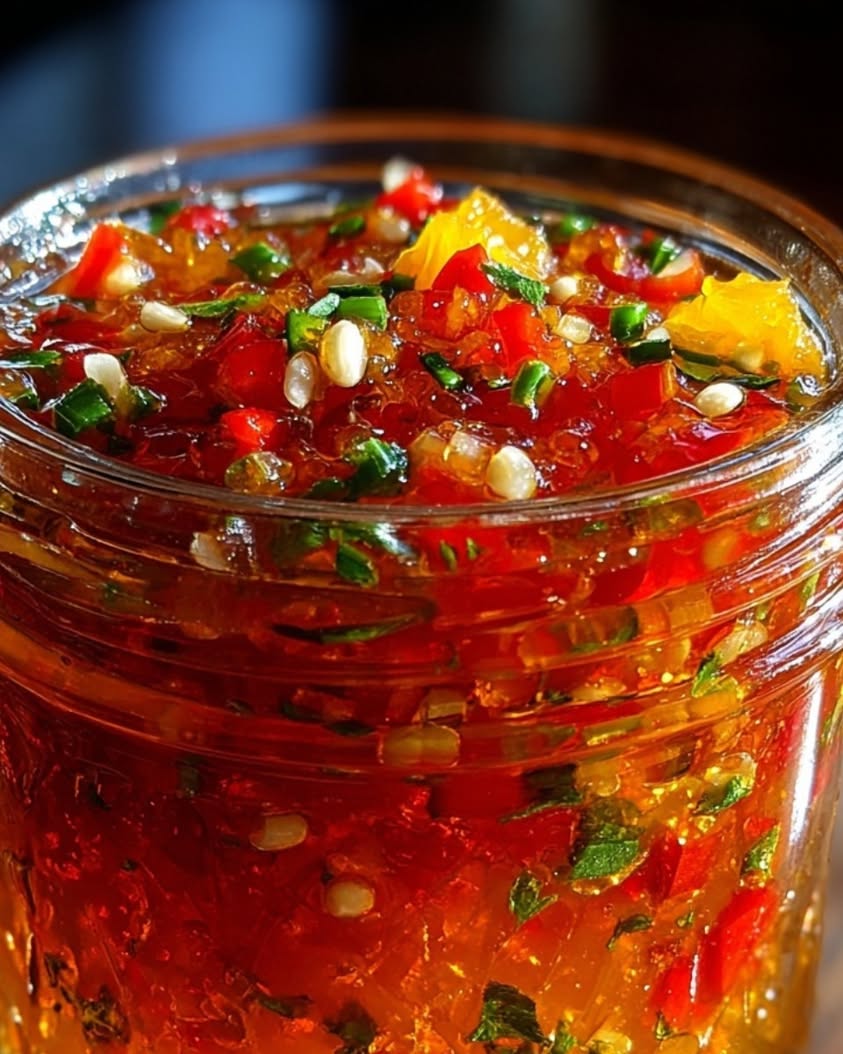
Citrus Inferno Pepper Jelly: A Sweet and Spicy Homemade Condiment
Imagine a condiment that bursts with bright, sunny citrus and finishes with a slow, warming heat. This Citrus Inferno Pepper Jelly delivers exactly that unforgettable experience. Furthermore, it transforms simple meals into gourmet delights with just a spoonful. Crafting this homemade pepper jelly connects you to a tradition of preserving, while also allowing for creative flavor play. The result is a jewel-toned preserve you will proudly gift or display in your pantry.
The beauty of this Citrus Inferno Pepper Jelly recipe lies in its perfect balance. Initially, sweet notes of orange and grapefruit greet your palate. Then, a complex heat from a blend of peppers builds gradually. Consequently, this condiment avoids being overwhelmingly spicy or cloyingly sweet. Instead, it offers a sophisticated flavor profile that enhances everything from creamy cheeses to grilled meats. Ultimately, mastering this recipe provides a versatile staple for your culinary repertoire.
Creating your own pepper jelly might seem daunting, but the process is surprisingly straightforward. With fresh ingredients and careful attention to detail, you will achieve a beautifully set, glossy jelly. This guide walks you through every step, from selecting the perfect peppers to mastering the gel point. By the end, you will possess not only several jars of delicious Citrus Inferno Pepper Jelly but also the confidence to make more homemade preserves.
Quick Recipe Highlights
- Flavor Profile: This jelly features a front note of sweet, tangy citrus from fresh orange and grapefruit juices, which perfectly balances a back-end heat from jalapeño and habanero peppers. The flavor is complex, vibrant, and incredibly moreish.
- Texture: Expect a perfectly set, clear, and glossy jelly with tiny, tender pieces of pepper suspended throughout. It should coat a spoon smoothly and have a luxurious, spreadable consistency that is neither too firm nor too runny.
- Aroma: As it cooks, your kitchen will fill with the bright, zesty scent of citrus mingling with the earthy, pungent aroma of fresh peppers. The finished jelly has an inviting, sweet-and-spicy fragrance.
- Visual Appeal: The jelly boasts a stunning, translucent ruby-red or deep amber hue, making it a beautiful addition to any cheese board or gift basket. The specks of red and green pepper add visual interest and texture.
- Skill Level Needed: This is a moderate-level recipe due to the precision required for safe canning and achieving the correct gel set. However, with clear instructions and attention to detail, even ambitious beginners can succeed.
- Special Equipment: You will need basic canning tools: a large, heavy-bottomed pot, a water bath canner or very deep stockpot, canning jars with new lids and bands, a jar lifter, and a candy or digital thermometer for best results.
Recipe Overview
- Difficulty Level: We rate this Citrus Inferno Pepper Jelly as moderate. While the cooking process is simple, achieving a proper gel and following safe water bath canning procedures requires focus. Precise measurement of pectin and acid, along with monitoring temperature, are key skills for success.
- Category: This recipe falls squarely into the category of homemade preserves, condiments, and pantry staples. It is a versatile topping, glaze, and spread that transcends any single meal category.
- Cuisine: Pepper jelly has strong roots in Southern U.S. cuisine, often associated with hospitality and gift-giving. This version incorporates vibrant citrus, drawing inspiration from sun-drenched regions like Florida and California, creating a fusion of Southern and coastal flavors.
- Cost: Making this Citrus Inferno Pepper Jelly at home is very cost-effective, especially when citrus is in season. The primary costs are fresh produce, sugar, and pectin. Compared to high-end artisan jellies, homemade batches offer significant savings and yield multiple jars.
- Season: This recipe shines in late winter and early spring when citrus fruits are at their peak of sweetness and flavor. However, you can make it year-round using quality store-bought juice, though fresh-squeezed always delivers superior taste.
- Occasion: This jelly is perfect for holiday gift-giving, potlucks, or elevating a casual gathering. It turns a simple block of cream cheese into an impressive appetizer and makes a thoughtful, handmade present for food-loving friends.
Why You’ll Love This Recipe
First and foremost, the taste and texture of this Citrus Inferno Pepper Jelly are utterly captivating. The initial sweet-tart burst of citrus seamlessly transitions into a warm, lingering heat that dances on the tongue. This contrast makes every bite interesting. Moreover, the glossy, jewel-like appearance and perfect gel set provide a satisfying mouthfeel that is both luxurious and light. Consequently, it becomes an addictive condiment you will want to put on everything from morning toast to evening appetizers.
From a convenience standpoint, this homemade pepper jelly recipe is a game-changer. Once you prepare a batch, you have a gourmet condiment ready in minutes for countless meals. A jar lasts for months when properly canned, providing instant flavor upgrades. Additionally, you control the ingredients completely, avoiding artificial preservatives and excessive sugar found in many store-bought versions. Therefore, you enjoy a purer, more vibrant product tailored exactly to your preferred spice level.
Nutritionally, while it is a sweet preserve, this jelly lets you incorporate the benefits of citrus and peppers. Citrus provides vitamin C and antioxidants, while capsaicin from the peppers may offer metabolism-boosting properties. Using it as a flavorful glaze or dip encourages you to eat more whole foods like grilled chicken or fresh vegetables. In other words, a small amount of this intensely flavored jelly can help enhance plainer, healthier dishes without adding excessive calories.
The social and entertaining value of this Citrus Inferno Pepper Jelly cannot be overstated. It instantly elevates any gathering. Simply pour it over a block of cream cheese and serve with crackers for a crowd-pleasing appetizer. It also makes a stunning and personal homemade gift. People truly appreciate the effort and love that goes into a handmade food item, making this jelly a tool for connection and celebration throughout the year.
Finally, this recipe is remarkably cost-effective and accessible. The ingredients are simple and often inexpensive, especially in season. Compared to buying small jars of specialty pepper jelly, making your own yields a much larger quantity for a fraction of the price. The process also demystifies home canning, empowering you to preserve other seasonal bounty. Ultimately, this Citrus Inferno Pepper Jelly is an investment in your culinary skills and your pantry’s flavor potential.
Historical Background and Cultural Significance
The origin of pepper jelly is somewhat murry, but it holds a firm place in the culinary traditions of the American South. Most food historians agree it likely evolved from other fruit preserves and chutneys, with cooks seeking to use abundant garden peppers in a sweet application. The addition of pectin to create a clear, set jelly was a natural progression. This condiment represents a beautiful example of resourcefulness, transforming a potentially pungent vegetable into a sweet, spreadable delicacy.
Culturally, pepper jelly became a staple of Southern hospitality. It frequently appeared on tables as an appetizer, famously paired with cream cheese and crackers. This combination offered a perfect balance of cool, rich cheese and sweet, spicy jelly, requiring minimal effort from the hostess. Consequently, the jelly symbolized warmth, welcome, and gracious living. It also became a popular item at church fundraisers and community fairs, cementing its status as a beloved regional food.
The evolution of the recipe shows how global influences shaped this Southern classic. Early versions were likely quite simple, using bell peppers for mild flavor. As palates changed and ingredients became more available, cooks began incorporating hotter peppers like jalapeños. The introduction of citrus, as in this Citrus Inferno Pepper Jelly, reflects a more modern, fusion approach. This innovation adds a layer of brightness and acidity that complements the heat, showcasing how traditional recipes adapt and improve over time.
Regional variations of pepper jelly are fascinating. In Texas, you might find versions with smoky chipotle peppers. In Florida, key lime or grapefruit juice might replace some of the citrus. Some areas prefer a vinegar-forward profile, while others emphasize pure fruit sweetness. This Citrus Inferno Pepper Jelly recipe sits comfortably within this tradition of variation, encouraging you to adjust the citrus blend or heat level to match your local tastes and available produce.
Ingredient Deep Dive
Fresh Citrus Juice (Orange & Grapefruit): Citrus is the soul of this jelly, providing the essential sweet-tart base. Oranges contribute reliable sweetness and a familiar flavor, while grapefruit adds a sophisticated, slightly bitter complexity that cuts through the sugar. Historically, citrus preservation has been crucial in sunny climates. Nutritionally, they are powerhouses of Vitamin C and flavonoids. Always select heavy, firm fruit for the most juice. For the best flavor, juice them yourself just before cooking; avoid bottled juice with preservatives. If needed, you can substitute with other citrus like tangerine or blood orange for a unique twist.
Jalapeño and Habanero Peppers: These peppers create the “inferno” in this Citrus Inferno Pepper Jelly. Jalapeños provide a grassy, medium heat that is widely palatable, while habaneros contribute a fruity, intense heat that builds slowly. Capsaicin, the compound that makes peppers hot, has been studied for its potential metabolic and anti-inflammatory properties. When selecting, look for firm, glossy peppers. Remember, the heat primarily resides in the ribs and seeds; remove them for a milder jelly, or include them for maximum fire. Always wear gloves when handling hot peppers, especially habaneros. For a different flavor, you could use serranos for a sharper heat or Scotch bonnets for a more tropical note.
Apple Cider Vinegar: Vinegar is non-negotiable in safe canning. It provides the necessary acidity to prevent the growth of harmful bacteria like botulism. Apple cider vinegar, specifically, adds a mild, fruity tang that complements the citrus and peppers better than harsh white vinegar. Its history in preservation dates back centuries. Beyond safety, the acid brightens all the other flavors in the jelly. Use a good-quality, unfiltered vinegar with the “mother” for the best flavor profile. Do not reduce the amount specified, as it compromises safety. In a pinch, white wine vinegar or lemon juice can work, but they will slightly alter the final taste.
Granulated Sugar & Liquid Pectin: Sugar is a preservative as much as a sweetener in canning. It draws moisture out of microbial cells, inhibiting spoilage and helping achieve a clear set. Liquid pectin, derived from citrus peels, is the gelling agent that gives the jelly its signature texture. It requires a specific balance of sugar and acid to activate properly. Using the exact measurements in the recipe is crucial for success. You cannot use a sugar substitute designed for regular cooking with standard pectin; you must use a specific product for low-sugar preserves. The interaction of these two ingredients under heat is the alchemy that turns flavorful liquid into beautiful, spreadable jelly.
Common Mistakes to Avoid
- Not Wearing Gloves When Handling Peppers: Capsaicin oils can burn your skin and, more dangerously, transfer to your eyes. Always use disposable gloves when seeding and chopping hot peppers to avoid painful irritation.
- Altering the Acid or Sugar Ratios: Canning recipes are scientifically tested for safety. Reducing vinegar, lemon juice, or sugar can raise the pH, creating an environment where dangerous bacteria can survive. Follow the recipe measurements exactly.
- Using Bottled Citrus Juice: Fresh-squeezed juice provides superior flavor and consistent acidity. Bottled juices often contain preservatives and varying acid levels, which can affect both taste and the jelly’s ability to set properly.
- Not Testing the Gel Point: Relying solely on cooking time is unreliable. Always use the spoon or plate test: place a dollop of jelly on a chilled plate; if it wrinkles when pushed, it’s ready. Alternatively, use a candy thermometer to reach 220°F (104°C).
- Overcrowding the Canner: Placing too many jars in the water bath can prevent even heat distribution, leading to unsafe processing. Ensure jars are not touching each other or the sides of the pot, and use a proper rack to keep them off the bottom.
- Forgetting to Sterilize Jars: Even if you process the filled jars, starting with sterilized jars is a critical step for shelf-stable preservation. You can sterilize them in boiling water for 10 minutes or in a dishwasher on a hot cycle.
- Skimming Foam Off After Adding Pectin: Foam forms naturally from the fruit’s pectin and sugar. Skim it off vigorously with a spoon before adding the liquid pectin. Adding pectin creates more foam that is difficult to remove, leading to cloudy jelly.
- Not Adjusting for Altitude: Water boils at a lower temperature at higher altitudes, which affects processing time. If you live above 1,000 feet, you must increase the processing time according to standard canning guidelines to ensure safety.
Essential Techniques
Preparing and Seeding Peppers Safely: This technique is vital for controlling heat and ensuring consistent texture. First, always wear gloves. Slice peppers in half lengthwise. Then, use a small spoon or paring knife to scrape out the white ribs and seed clusters. The ribs hold the most capsaicin. For a milder Citrus Inferno Pepper Jelly, remove all ribs and seeds. For more heat, leave some in. Finally, dice the peppers uniformly so they cook evenly and suspend nicely in the jelly. Proper prep prevents unexpected bursts of extreme heat and ensures a professional-looking final product.
Juicing Citrus for Maximum Yield and Flavor: Start with room-temperature fruit, as it juices more easily. Roll each fruit firmly on the countertop with the palm of your hand to break down the internal membranes. Cut in half across the equator, not from stem to blossom end. Use a manual or electric juicer, pressing firmly to extract every drop. For an extra boost of flavor and natural pectin, consider finely zesting one of the citrus fruits before juicing and adding the zest to the pot. Avoid the bitter white pith. Fresh juice is non-negotiable for the vibrant flavor that defines this jelly.
Mastering the Gel Test: Achieving the perfect set is the hallmark of a great jelly. The frozen spoon test is reliable: place a metal spoon in the freezer before you start cooking. When you think the jelly is ready, dip the cold spoon into the mixture, lift it out, and let the jelly drip off. If two drops form, run together, and “sheet” off the spoon, it’s set. The cold plate test is another method: put a few drops on a chilled plate, wait a moment, then push it with your finger. If the surface wrinkles, it’s done. Using a candy thermometer to reach 220°F (104°C) at sea level provides a scientific backup to these visual tests.
Water Bath Canning for Preservation: This technique uses boiling water to create a vacuum seal, making the jelly shelf-stable. After filling hot, sterilized jars with hot jelly, wipe the rims clean to ensure a perfect seal. Place a new, warmed lid on top and screw on the band fingertip-tight—not overly tight. Using a jar lifter, lower the jars onto a rack in a boiling water bath canner, ensuring they are covered by at least 1-2 inches of water. Process for the time specified, then let them rest in the pot for 5 minutes before removing to cool. The iconic “ping” sound indicates a successful seal as the lids contract.
Pro Tips for Perfect Citrus Inferno Pepper Jelly
For a crystal-clear jelly, let the chopped pepper and citrus juice mixture sit for several hours or overnight in the refrigerator before straining. This slow maceration extracts maximum flavor and pectin without cloudiness from fine pulp.
Always warm your canning jars before filling them with hot jelly to prevent thermal shock and breakage. You can keep them in a low oven or in the hot water of your canner until ready to use.
If you’re unsure about the spice level, make a tiny test batch first. Simmer a tablespoon of the juice with a pinch of sugar and a piece of pepper, then let it cool to taste. Adjust the pepper quantities in the main batch accordingly.
Add a teaspoon of high-quality butter to the pot when you add the sugar. This old-fashioned trick significantly reduces foaming, making it easier to skim and resulting in clearer jelly.
Label your jars immediately after they cool with the date and batch details (e.g., “Extra Hot” or “with Grapefruit”). This helps you remember your creations and track shelf life, which is typically up to 18 months for optimal quality.
When measuring sticky liquid pectin, first spray your measuring cup with a little cooking spray. The pectin will slide out completely, ensuring you get the full, accurate amount needed for a proper set.
For a stunning layered appetizer, soften a block of cream cheese, mix in some finely chopped green onions or cilantro, then reshape it into a log or mound. Pour the warm jelly over the top just before serving for a beautiful, flavorful presentation.
Variations and Adaptations
Regional Variations: Embrace local flavors by swapping the citrus. In Florida, use key lime juice for a tart, unique twist. In California, try a Meyer lemon and blood orange blend for complex sweetness. For a Southwestern flair, replace one jalapeño with a smoked chipotle pepper in adobo sauce, finely minced, to introduce a deep, smoky heat that pairs wonderfully with the citrus.
Seasonal Adaptations: While winter citrus is ideal, summer offers options too. Try a version with a base of peach or mango nectar instead of some citrus juice, adding diced fresh peaches and peppers. In the fall, incorporate a touch of apple cider and a cinnamon stick during the simmer for a warm, spiced holiday pepper jelly.
Dietary Modifications: For a lower-sugar version, you must use a pectin specifically formulated for low- or no-sugar recipes, like Pomona’s Pectin. Follow the package instructions precisely, as the method differs from standard pectin. This allows you to use alternative sweeteners like honey, agave, or stevia blends without compromising the set or safety.
Flavor Variations: Infuse additional layers of flavor by adding 2-3 sprigs of fresh rosemary or thyme to the pot while simmering the juice and peppers; remove before adding pectin. For a tropical note, add a tablespoon of finely grated fresh ginger. A splash of bourbon or dark rum added just before the pectin can create a sophisticated, adult-oriented condiment.
Texture Modifications: If you prefer a more rustic, chutney-like consistency, simply do not strain the pepper mixture after simmering. For an ultra-smooth jelly, strain through a double layer of cheesecloth or a very fine-mesh sieve, pressing gently. You can also blend a portion of the cooked peppers with an immersion blender before adding sugar for a thicker, more integrated texture.
Presentation Alternatives: Skip the water bath canning for immediate use. Pour the hot jelly into decorative, sterilized jars or swing-top bottles, let cool, and store in the refrigerator for up to 3 months. This is perfect for gift-giving when you know the recipient will use it quickly. You can also pour the jelly into silicone molds to create small, individual portions perfect for cheese boards.
Serving and Presentation Guide
Plating Techniques: For the classic appetizer, place a whole block or a formed round of cream cheese on a serving plate. Pour the room-temperature or slightly warmed Citrus Inferno Pepper Jelly generously over the top, allowing it to cascade down the sides. Surround with an array of crackers, crisp baguette slices, and sturdy vegetable crudités like endive leaves or bell pepper strips for dipping. The contrast of the white cheese and vibrant red jelly is visually striking.
Garnishing Ideas: Elevate the presentation with simple garnishes. A sprinkle of finely chopped fresh cilantro, chives, or the green part of a scallion adds color and a fresh flavor note. For a festive touch, add a few edible flowers or a twist of citrus zest on the side of the plate. If serving as a glaze on meat, garnish the platter with fresh citrus slices or whole, small hot peppers for a dramatic effect.
Traditional Accompaniments: Beyond cream cheese and crackers, this jelly pairs divinely with other soft, mild cheeses like goat cheese, brie, or fresh mozzarella. Serve it alongside savory biscuits, cornbread, or buttery scones. In the South, it’s also common to find pepper jelly as a condiment for biscuits and gravy or as a glaze on meatloaf, honoring its home-style roots.
Modern Serving Suggestions: Think beyond the cheese board. Use it as a glaze for grilled shrimp, salmon, or chicken during the last few minutes of cooking. Swirl it into yogurt or sour cream for a quick, flavorful dip. Add a spoonful to vinaigrettes for a sweet-spicy salad dressing. It also makes an incredible sandwich spread, especially with roasted turkey, brie, and arugula on sourdough.
Temperature Considerations: The serving temperature affects the experience. Chilled jelly has a firmer texture and more restrained flavor, perfect for spreading. Allowing it to come to room temperature before serving softens it slightly and amplifies the aromatic notes. Gently warming it makes it pourable and ideal for glazing or drizzling, releasing its full bouquet of citrus and spice.
Portion Control Tips: A little of this intensely flavored Citrus Inferno Pepper Jelly goes a long way. When serving as an appetizer, plan for about 2 tablespoons of jelly per 4-ounce block of cream cheese for a group of 6-8 people. As a glaze, use roughly 1/4 cup for a pound of protein. This helps prevent waste and ensures the condiment complements rather than overwhelms the dish.
Wine and Beverage Pairing
Wine Pairings: The sweet, spicy, and acidic profile of this jelly calls for wines with good acidity and a touch of sweetness to harmonize. A slightly off-dry Riesling or Gewürztraminer is a classic and perfect match—their floral notes and stone fruit flavors complement the citrus, while their sweetness tames the heat. For a red option, choose a fruity, low-tannin wine like a Beaujolais or a Zinfandel, which can stand up to the spice without clashing. A dry rosé with bright berry notes also works beautifully, especially for summer gatherings.
Non-Alcoholic Alternatives: Sparkling beverages are excellent for cutting through the richness and spice. A ginger beer or ginger ale provides a spicy-sweet synergy. Sparkling water with a squeeze of lime or a splash of citrus bitters offers a refreshing, palate-cleansing contrast. For a more substantial drink, try a tart lemonade or a freshly squeezed grapefruit soda; their acidity mirrors the jelly’s and balances the sweetness.
Coffee/Tea Pairings: While not a typical pairing for the jelly itself, consider these for a brunch where the jelly is featured. A bright, citrusy coffee from Ethiopia or Costa Rica can echo the jelly’s notes. For tea, a robust black tea like Earl Grey (with its citrus bergamot oil) creates a lovely thematic link, or a green tea with lemongrass can provide a clean, refreshing follow-up to the spicy-sweet flavors.
Temperature Considerations: Serve white and sparkling wines well-chilled, between 45-50°F. Red wines should be slightly cooler than room temperature, around 55-60°F, to keep their fruitiness vibrant against the jelly’s heat. Non-alcoholic sparklers and mixers should be ice-cold to maximize their refreshing quality, which is crucial when enjoying spicy foods.
Serving Suggestions: Offer a variety of beverages to let guests discover their own favorite pairing. Set up a small drink station with bottles of off-dry Riesling, sparkling water, and ginger beer. Provide citrus slices and fresh herbs as garnishes. This encourages interaction and allows everyone to customize their drink to match their personal heat tolerance and the specific dish they’ve created with the Citrus Inferno Pepper Jelly.
Storage and Shelf Life
Storage Methods: For jars processed in a water bath canner with sealed lids, store in a cool, dark, dry pantry. A basement or cupboard away from the stove or dishwasher is ideal. The seal is secure if the lid is concave and does not flex when pressed. For unprocessed jelly or opened jars, always refrigerate. Use clean utensils every time you dip into the jar to prevent introducing bacteria that could cause spoilage.
Temperature Requirements: Properly canned, sealed jars are shelf-stable at room temperature (50-70°F is optimal). Avoid freezing canned jars, as expansion can break the glass. Refrigerated jelly should be kept at 40°F or below. Do not store jars near heat sources, in direct sunlight, or in a humid environment, as these conditions can degrade quality and compromise seals over time.
Container Recommendations: Always use proper canning jars (Mason, Ball, Kerr) with two-part lids for processing. The glass is designed to withstand thermal shock. For refrigerator storage, you can use any clean, airtight glass jar. Avoid using decorative jars with non-standard lids for canning, as they may not seal safely. When gifting, you can transfer processed jelly to fancy jars, but advise the recipient to keep it refrigerated and use it quickly.
Signs of Spoilage: Before opening, check for a broken seal (a lid that pops up and down). After opening, look for any unusual mold growth (often fuzzy and colored), off odors (sour, fermented, or yeasty), or significant changes in texture or color. Bubbling or cloudiness in an unopened jar is a warning sign. If you see any of these, discard the entire contents without tasting.
Reheating Instructions: There’s typically no need to reheat the entire jar. If you want a pourable consistency for glazing, simply spoon the needed amount into a small saucepan and warm gently over low heat, adding a teaspoon of water if too thick. Alternatively, microwave a small amount in a microwave-safe dish in 10-second intervals, stirring between each.
Freezing Guidelines: Freezing is not recommended for properly canned jelly, but you can freeze unprepared batches. Prepare the jelly up to the point of adding the pectin and sugar, then cool the pepper-citrus base completely. Pour it into freezer-safe containers, leaving headspace, and freeze for up to 6 months. Thaw in the refrigerator, then proceed with adding sugar and pectin and cooking as directed for fresh jelly.
Make Ahead Strategies
Prep Timeline: You can break this recipe into stages over two days. Day 1: Juice all citrus, finely dice the peppers, and combine them with the vinegar in your cooking pot. Cover and refrigerate overnight. This maceration step deepens the flavor. Day 2: Strain the mixture (if desired), add sugar, bring to a boil, and complete the recipe with pectin and canning. This makes the active cooking day much more manageable.
Storage Between Steps: The chopped pepper and citrus juice mixture can safely refrigerate for up to 24 hours before cooking. Do not add the sugar until you are ready to cook, as sugar can draw out moisture and alter textures. Keep the mixture tightly covered. All other ingredients—pectin, sugar, sterilized jars—should be measured and prepared at room temperature when you begin the cooking process.
Quality Impact Assessment: The overnight maceration of peppers in citrus juice actually improves the final product by allowing flavors to meld and more natural pectin to release, potentially leading to a better set. Preparing your workspace and equipment ahead of time (washing jars, setting up the canner) ensures a smooth, stress-free cooking process, which always results in a better culinary outcome.
Assembly Tips: On canning day, set up a complete workstation: a ladle, funnel, jar lifter, clean towels, and a bowl of hot, soapy water for wiping rims. Have your warmed jars, new lids, and bands ready on a towel next to the stove. This “mise en place” is critical because once the jelly reaches its gel point, you need to work quickly to fill jars before it begins to set in the pot.
Reheating Guidelines: This strategy does not involve reheating finished jelly. The make-ahead plan focuses on prepping the raw ingredients. The actual cooking of the jelly with sugar and pectin is a one-time, continuous process that should not be interrupted or reheated, as it will affect the pectin’s ability to set properly.
Fresh Element Additions: If you want to add a burst of fresh flavor after canning, consider a post-processing infusion. After the jars have sealed and cooled, you could add a small, sterilized sprig of rosemary or a strip of citrus zest to each jar for visual appeal. Note that this is for appearance and mild flavoring in refrigerated, quick-use jars, not for long-term shelf-stable storage.
Scaling Instructions
Halving the Recipe: Halving this Citrus Inferno Pepper Jelly recipe is straightforward for a smaller yield. Precisely halve all ingredients, including the pectin. The cooking time may be slightly shorter, so rely on the gel tests (thermometer, spoon, or plate) rather than the clock. Use a smaller pot to ensure the mixture reaches a full, rolling boil quickly. Processing time in the water bath remains the same. This is perfect for testing the recipe or making a batch for immediate refrigerator use.
Doubling or Tripling: You can double the recipe reliably, but caution is advised beyond that. Use a very large, heavy-bottomed stockpot (at least 8-quart for a double batch) to prevent boil-overs. The cooking time will increase as it takes longer for the larger volume to reach the gel point. Stir constantly and vigilantly to prevent scorching. Do not triple the recipe in one pot; instead, make multiple single or double batches sequentially for consistent results and proper gelling.
Equipment Adjustments: Scaling up requires proportional equipment. More jars mean ensuring your water bath canner can hold them all with proper spacing. You may need to process in batches. Have extra lids and bands on hand. A wider canning funnel and a larger ladle will make filling many jars more efficient. For large batches, a candy thermometer is essential to accurately monitor the gel point amidst the greater volume.
Timing Modifications: While active prep time scales linearly, cooking time does not. A double batch may take 5-10 minutes longer to reach 220°F. The water bath processing time, however, does not change—it remains the same minutes per jar regardless of how many jars are in the pot, as long as they are properly spaced. Always start your processing timer once the water returns to a full, rolling boil.
Storage Considerations: Scaling up means you’ll have more jars to store. Ensure you have adequate pantry space that is cool and dark. Clearly label all jars with the batch date. Consider gifting extras to friends and family. Remember, the shelf life begins once the jars are processed, so a large batch made in January will be perfect for holiday gifts the following December.
Nutritional Deep Dive
Macro Breakdown: As a sweet preserve, this Citrus Inferno Pepper Jelly is primarily a source of carbohydrates from sugar and fruit juices. A typical tablespoon serving contains negligible fat and protein. The calorie content is similar to other fruit jellies. However, its intense flavor means you often use less than you might of a milder condiment, which can help with portion control. It’s a condiment meant to enhance other nutrient-dense foods, not serve as a primary food source.
Micronutrient Analysis: The fresh citrus juice contributes valuable vitamin C, an antioxidant important for immune function and skin health. Peppers provide vitamins A (from beta-carotene) and C, along with small amounts of vitamin B6 and potassium. The capsaicin in hot peppers is a bioactive compound studied for its potential pain-relieving and metabolism-boosting properties. While the amounts per serving are modest, they contribute to the overall nutritional profile of a meal when the jelly is used as a flavor enhancer.
Health Benefits: Using this flavorful jelly can indirectly support healthier eating habits. Its sweet-spicy profile makes plain grilled chicken, fish, or tofu more appealing, encouraging lean protein consumption. A small dollop can replace heavier, fat-based sauces or glazes. The capsaicin may offer a slight thermogenic effect. Furthermore, the satisfaction derived from enjoying a homemade, preservative-free product contributes to a mindful and positive relationship with food.
Dietary Considerations: This standard recipe is naturally gluten-free and dairy-free. It is vegan as it contains no animal products. However{“success”:true,”message”:”Recipe created successfully”,”post_id”:7727,”tasty_recipe_id”:7727,”shortcode”:” Print
Citrus Inferno Pepper Jelly
Description
A fiery and tangy jelly made with a blend of citrus fruits and spicy peppers, perfect for glazing meats, spreading on crackers, or adding a kick to cheese boards.
Ingredients
For the Crust:
- 2 cups finely chopped mixed hot peppers (e.g., jalapeño, habanero)
- 1 cup fresh orange juice
- 1/2 cup fresh lime juice
- 1/4 cup fresh lemon juice
- 4 cups granulated sugar
- 1 cup apple cider vinegar
- 1 pouch (3 oz) liquid pectin
- 1 teaspoon salt
- 1 tablespoon grated orange zest
Instructions
1. Prepare the Crust:
- Combine chopped peppers, citrus juices, sugar, vinegar, and salt in a large pot. Bring to a boil over medium-high heat, stirring until sugar dissolves.
- Stir in liquid pectin and orange zest. Return to a rolling boil and cook for 1 minute, stirring constantly.
- Remove from heat and skim off any foam. Ladle hot jelly into sterilized jars, leaving 1/4-inch headspace. Seal and process in a water bath for 10 minutes if canning, or let cool and refrigerate for immediate use.
Notes
You can customize the seasonings to taste.

I’m Billy, a classically trained culinary school graduate from The Culinary Institute of America with over 12 years in the restaurant industry and over 19 years of cooking experience.