
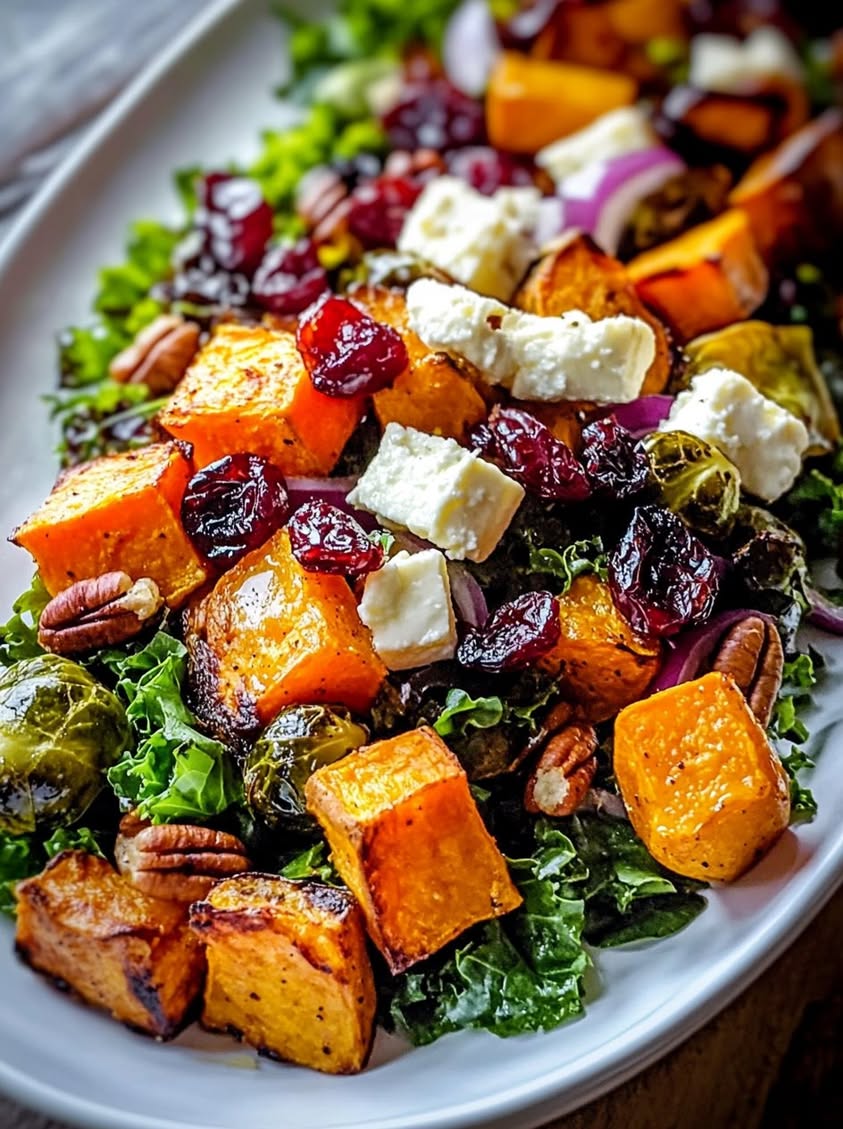
Cozy Roasted Winter Vegetables with Greens and Maple Dijon Dressing: A Warm and Wholesome Harvest Bowl
When the air turns crisp and you crave something nourishing and warm, this recipe for Cozy Roasted Winter Vegetables with Greens and Maple Dijon Dressing is your perfect answer. This dish masterfully combines the earthy, caramelized sweetness of seasonal roots with the bright freshness of tender greens. Ultimately, it creates a satisfying meal that feels both indulgent and incredibly good for you. The magic truly happens in the oven, where simple vegetables transform into deeply flavorful, tender-crisp morsels.
Furthermore, the real star of this show is the sweet maple Dijon dressing. This dressing perfectly balances tangy, sweet, and savory notes, tying the warm roasted vegetables and cool greens together in harmony. Consequently, every bite offers a delightful contrast of temperatures and textures. This Cozy Roasted Winter Vegetables with Greens and Maple Dijon Dressing is more than a side dish; it’s a vibrant, complete meal that celebrates the best produce of the colder months.
Additionally, this recipe is wonderfully adaptable. You can use whatever hearty vegetables you have on hand. Therefore, it’s an excellent way to clean out the crisper drawer. Whether you need a quick weeknight dinner or an impressive component for a holiday table, this versatile bowl delivers. It’s a testament to how simple ingredients, treated with care, can create something truly spectacular and comforting.
Quick Recipe Highlights
- Flavor Profile: This Cozy Roasted Winter Vegetables with Greens and Maple Dijon Dressing delivers a complex symphony of sweet, savory, and tangy notes. The natural sugars in the vegetables caramelize during roasting, creating a deep, earthy sweetness. Meanwhile, the dressing adds a bright, punchy contrast with its maple syrup warmth and Dijon mustard sharpness.
- Texture: You will experience a wonderful play of textures in every forkful. The roasted vegetables offer a tender interior with slightly crisp, caramelized edges. In contrast, the fresh greens provide a delicate, cool crunch. Finally, optional additions like nuts or seeds introduce a satisfying element of crunch.
- Aroma: As the vegetables roast, your kitchen will fill with an irresistible, comforting scent. Expect warm, sweet notes from the caramelizing squash and carrots, balanced by the earthy, herbal fragrance of rosemary and thyme. The dressing contributes a final aromatic lift with the tang of vinegar and the warmth of maple.
- Visual Appeal: This dish is a feast for the eyes, boasting a vibrant palette of deep oranges, rich purples, and creamy whites from the vegetables. The bed of green greens creates a beautiful backdrop, making the colorful roasted pieces pop. Drizzled with the glossy dressing, the final presentation is rustic, hearty, and incredibly inviting.
- Skill Level Needed: This recipe is perfect for cooks of all levels, especially beginners. The techniques involved—chopping vegetables, whisking a dressing, and using an oven—are fundamental. There’s no fussy timing or advanced skills required. Simply follow the straightforward steps for a guaranteed delicious result.
- Special Equipment: You need only basic kitchen tools. A large baking sheet is essential for roasting the vegetables without crowding. Additionally, a good chef’s knife and cutting board make prep work easy. For the dressing, a small bowl and whisk or a jar with a tight lid for shaking will work perfectly.
Recipe Overview
- Difficulty Level: We rate this Cozy Roasted Winter Vegetables recipe as “Easy” for several clear reasons. First, the preparation involves basic chopping and simple mixing. Second, the cooking process is largely hands-off once the vegetables are in the oven. There is no need for constant stirring or precise temperature control. Finally, the dressing comes together in minutes with just a whisk. This accessibility makes it a fantastic recipe for busy weeknights or novice cooks building confidence.
- Category: This versatile dish comfortably fits into multiple meal categories. Primarily, it serves as a stellar vegetarian main course when portioned generously. Alternatively, it makes a spectacular and colorful side dish for roasted meats or poultry. You can also pack it for a next-level lunch that will stay delicious at room temperature. Its flexibility is a key part of its appeal.
- Cuisine: This recipe draws inspiration from modern American farm-to-table and rustic European culinary traditions. The technique of roasting root vegetables is timeless and global. However, the specific combination with a sweet-tangy maple mustard dressing feels distinctly contemporary and North American. It’s a celebration of seasonal, local produce with a simple, impactful preparation.
- Cost: This is an exceptionally cost-effective meal, especially in the winter months when these vegetables are at their peak and most affordable. Root vegetables like carrots, potatoes, and onions are typically budget-friendly staples. The dressing ingredients are pantry items with a long shelf life. You can easily feed a family of four a hearty, nutritious meal for a fraction of the cost of takeout.
- Season: This recipe is quintessentially a winter dish, designed to showcase the robust, sweet vegetables that thrive in cold weather. Squash, parsnips, and Brussels sprouts are at their best flavor after a frost. Making this Cozy Roasted Winter Vegetables with Greens and Maple Dijon Dressing in season ensures maximum sweetness and quality. Of course, you can find most ingredients year-round, but it truly sings from late fall through early spring.
- Occasion: This dish is suitable for almost any gathering. It’s casual enough for a simple family dinner yet elegant enough for a holiday feast like Thanksgiving or Christmas. It’s a perfect potluck contribution because it travels well and can be served at room temperature. For a cozy night in, it provides complete comfort food that also happens to be good for you.
Why You’ll Love This Recipe
First and foremost, the taste and texture appeal of this Cozy Roasted Winter Vegetables with Greens and Maple Dijon Dressing is undeniable. The roasting process concentrates the vegetables’ natural sugars, creating deep, caramelized flavors that are both sweet and savory. Paired with the bright, tangy dressing and the fresh crunch of greens, each bite is a perfect balance. The warmth of the vegetables slightly wilts the greens, creating a harmonious blend that is incredibly satisfying and far from boring.
Next, consider the sheer convenience and preparation benefits. This recipe is largely hands-off. After a quick chop and toss, the oven does most of the work, freeing you up to set the table or relax. Moreover, cleanup is minimal, especially if you line your baking sheet with parchment paper. The dressing whiskes together in the same bowl you’ll use for serving. For busy individuals and families, this efficient process makes healthy eating feel effortless and achievable on any night of the week.
From a nutritional standpoint, this bowl is a powerhouse. It’s packed with fiber from the array of vegetables and leafy greens, which aids digestion and promotes lasting fullness. The vegetables provide a broad spectrum of vitamins, like vitamin A from sweet potatoes and vitamin C from Brussels sprouts. Using olive oil adds heart-healthy fats. This Cozy Roasted Winter Vegetables with Greens and Maple Dijon Dressing is a meal that truly nourishes your body from the inside out, proving that healthy food can be deeply delicious.
This dish also holds significant social and entertaining value. Its vibrant, colorful presentation is naturally impressive, making guests feel cared for. It’s a fantastic option for mixed-diet gatherings because it’s inherently vegetarian and can easily be made vegan or gluten-free. You can easily double or triple the recipe to feed a crowd without much extra effort. Serving a beautiful, wholesome meal like this creates a warm, welcoming atmosphere that encourages conversation and connection.
Finally, the cost-effectiveness and accessibility are major wins. The ingredients are humble, seasonal, and widely available at any grocery store. There’s no need for expensive or exotic items. You can adapt the vegetable mix based on what’s on sale or what you already have. This flexibility makes the Cozy Roasted Winter Vegetables with Greens and Maple Dijon Dressing a smart choice for sticking to a food budget without sacrificing flavor or nutrition. It’s a recipe that gives back far more than you put into it.
Historical Background and Cultural Significance
The practice of roasting root vegetables over fire is as old as cooking itself, making the concept behind this Cozy Roasted Winter Vegetables dish ancient. Early agrarian societies relied on the storage crops featured here—squash, potatoes, carrots, onions—to survive harsh winters. These vegetables could be kept in cool, dark cellars for months. Roasting them was a simple, effective way to render them palatable and warm, transforming hard storage crops into a comforting, energy-rich meal. This fundamental technique forms the historical backbone of the recipe.
Culturally, a medley of roasted vegetables represents thrift, resourcefulness, and seasonal eating. In many European and North American traditions, the “harvest meal” or “root cellar supper” was a necessity. Cooks would use what they had preserved to create hearty dishes during barren months. This Cozy Roasted Winter Vegetables with Greens and Maple Dijon Dressing is a modern, refined echo of that tradition. It celebrates abundance through simplicity and honors the ingredients themselves rather than masking them with complicated preparations.
The recipe has evolved significantly with global trade and modern tastes. The inclusion of maple syrup in the dressing is a distinctly New World addition, tapping into the North American tradition of maple sugaring. Dijon mustard brings French culinary influence, representing the refinement of a simple condiment. The addition of fresh, raw greens tossed with the warm vegetables is a more recent trend, aligning with contemporary desires for fresh, crisp textures and vibrant, plate-forward presentations. This evolution shows how classic techniques adapt to new ingredients and dining preferences.
Regional variations of this concept are endless. In the Mediterranean, similar roasted vegetables might be dressed with lemon, olive oil, and oregano. In Nordic countries, you might find root vegetables roasted and paired with dill and a sour cream sauce. The specific combination in this Cozy Roasted Winter Vegetables recipe—with its sweet maple and sharp mustard—feels particularly at home in regions where maple syrup is produced, like the Northeastern United States and Canada. It’s a beautiful fusion of old-world technique and new-world ingredients.
Ingredient Deep Dive
Sweet Potatoes & Butternut Squash: These orange-fleshed vegetables are nutritional powerhouses and New World natives. Cultivated for thousands of years in Central and South America, they were staple crops for indigenous peoples. They are incredibly rich in beta-carotene, which the body converts to vitamin A, essential for vision and immune health. They also provide vitamin C and fiber. Choose firm, heavy specimens without soft spots. Store them in a cool, dark place (not the refrigerator) for up to a month. You can substitute with other winter squash like acorn or kabocha, or use regular potatoes for a less sweet profile.
Brussels Sprouts & Red Onion: Brussels sprouts, part of the brassica family, have a long history in Europe, particularly Belgium (hence the name). They are packed with vitamins K and C, and contain compounds with potential cancer-fighting properties. The red onion adds a sharp, sweet pungency and vibrant color. Its anthocyanins provide antioxidant benefits. Look for firm, bright green Brussels sprouts and onions with tight, papery skins. Store both in the refrigerator’s crisper drawer. For substitutions, broccoli florets or cauliflower work well in place of Brussels, and yellow or white onion can replace red.
Maple Syrup & Dijon Mustard: Pure maple syrup is a North American treasure, made by tapping sugar maple trees. It contains minerals like manganese and zinc and has a lower glycemic index than refined sugar. Authentic Dijon mustard originates from Dijon, France, and is known for its smooth texture and sharp, clean heat from white wine. Together, they create the dressing’s signature sweet-tangy balance. Always use 100% pure maple syrup, not pancake syrup. For a refined dressing, choose a good-quality Dijon. Substitutions include honey (not vegan) for maple syrup and whole-grain mustard for a different texture.
Apple Cider Vinegar & Olive Oil: Apple cider vinegar, made from fermented apple cider, adds a fruity acidity that brightens the dressing. It’s praised in folk medicine for its potential digestive benefits. Extra virgin olive oil, the cornerstone of the Mediterranean diet, provides heart-healthy monounsaturated fats and a fruity, peppery flavor. It also helps roast the vegetables beautifully. For the best flavor, use a raw, high-quality olive oil for the dressing and a standard one for roasting. Lemon juice can substitute for vinegar, and another neutral oil like avocado can be used for roasting.
Fresh Greens (Arugula, Spinach, Kale): The bed of greens adds freshness, color, and vital nutrients. Arugula offers a peppery bite, spinach is mild and tender, and kale provides a sturdy, earthy chew. Dark leafy greens are loaded with vitamins A, C, and K, as well as iron and calcium. Choose vibrant, crisp leaves without wilting or yellowing. Store them loosely in a bag in the crisper with a paper towel to absorb moisture. Any salad green mix can be used based on your preference for flavor and texture.
Common Mistakes to Avoid
- Crowding the Baking Sheet: Overcrowding is the most common error. When vegetables are packed too tightly, they steam instead of roast. Consequently, you miss out on the essential caramelized, crispy edges. Always use a large enough sheet and spread the pieces in a single layer with space between them. If necessary, use two sheets.
- Uneven Vegetable Sizes: Chopping vegetables into vastly different sizes leads to uneven cooking. Smaller pieces will burn before larger ones are tender. Aim for a uniform, bite-sized dice or chop. This ensures everything finishes roasting at the same time for a perfect texture throughout your Cozy Roasted Winter Vegetables.
- Skipping the Preheating Step: Putting vegetables into a cold oven drastically changes the cooking process. A properly preheated oven ensures immediate searing and caramelization. If the oven isn’t hot enough, the vegetables will release their moisture and become soggy rather than roasting properly.
- Neglecting to Toss Halfway: Not turning or tossing the vegetables during roasting results in one-sided caramelization. The pieces touching the pan may burn while the tops remain pale. Gently stirring and flipping them halfway through the cook time guarantees even browning and color on all sides.
- Using the Wrong Oil for Dressing: Using a strongly flavored or toasted oil in the raw dressing can create an unpleasant, bitter taste. Extra virgin olive oil is perfect for the dressing, but ensure it’s fresh and fruity. Save more robust or refined oils for the high-heat roasting step.
- Dressing the Greens Too Early: Pouring the maple Dijon dressing onto the delicate greens long before serving will cause them to wilt and become soggy. For the best texture, dress the greens either just before adding the warm vegetables or serve the dressing on the side for individuals to add themselves.
- Overcomplicating the Vegetable Mix: While adaptable, using vegetables with wildly different moisture contents and densities can be tricky. For example, adding zucchini with hearty potatoes often leads to mush. Stick to similarly dense, low-moisture winter vegetables for the most consistent and successful roasting experience.
- Not Seasoning in Layers: Seasoning only at the end results in bland vegetables. Salt the vegetables before roasting to draw out moisture and enhance their natural flavor from the inside out. Then, the dressing provides a second layer of seasoning, creating a perfectly balanced final dish.
Essential Techniques
Uniform Chopping: Mastering uniform chopping is critical for even cooking. Use a sharp chef’s knife and aim for pieces that are roughly ¾-inch to 1-inch in size. Consistent size means each piece will cook at the same rate, preventing some from being undercooked while others burn. Practice a stable rocking motion with the knife, and take your time during prep. The visual cue for success is a baking sheet filled with evenly sized vegetable cubes.
High-Heat Roasting: High-heat roasting (around 425°F) is the technique that transforms hard vegetables into tender, caramelized delights. The high temperature quickly sears the exterior, creating a flavorful crust via the Maillard reaction, while the interior steams and softens. The key is ensuring your oven is fully preheated and the vegetables are in a single layer. A successful roast yields vegetables with deep golden-brown spots and crisp-tender flesh, not pale and steamed.
Emulsifying a Vinaigrette: Creating a stable maple Dijon dressing involves emulsification—combining oil and vinegar, which naturally separate. The mustard acts as an emulsifier, helping to bind them together. Whisk the vinegar, mustard, and maple syrup first. Then, add the oil in a slow, steady stream while whisking vigorously. This creates a temporarily thickened, cohesive dressing. If it separates, simply re-whisk before serving. The visual cue is a smooth, slightly opaque mixture.
Wilt-Tossing: This final technique involves combining the hot roasted vegetables with the cool, fresh greens. The residual heat from the vegetables gently wilts the greens, softening them slightly without making them soggy. This creates a wonderful integration of warm and cool elements. Toss gently but thoroughly to distribute the heat. The perfect result is greens that are just softened around the edges but still retain some crispness and vibrant color.
Pro Tips for Perfect Cozy Roasted Winter Vegetables
1. Dry Your Vegetables: After washing, pat your chopped vegetables very dry with a clean kitchen towel or paper towels. Excess surface water will create steam on the pan, hindering the crisping process and leading to softer results.
2. Use Parchment Paper: Line your baking sheet with parchment paper. This prevents sticking without needing excessive oil and makes cleanup an absolute breeze. It’s a simple step that saves time and frustration.
3. Season Generously: Do not be shy with salt and pepper before roasting. The vegetables need this foundational seasoning. Consider adding other dried herbs like thyme or rosemary at this stage for deeper flavor infusion.
4. Give Them Space: If your vegetables look crowded on the pan, they are. Use a second baking sheet. Proper air circulation is non-negotiable for achieving those beautifully caramelized edges that define great roasted vegetables.
5. Taste Your Dressing: Always taste your maple Dijon dressing and adjust before serving. You might want a touch more maple for sweetness, a squeeze of lemon for brightness, or a pinch of salt to balance the flavors perfectly.
6. Add Crunch for Contrast: Just before serving, sprinkle the bowl with a textural element like toasted pecans, walnuts, pumpkin seeds, or crumbled goat cheese. This adds a final layer of flavor and contrasting crunch that elevates the entire dish.
7. Prep Greens in Advance: Wash and dry your greens ahead of time and store them in the fridge wrapped in a paper towel. This ensures they are crisp and ready to go when the hot vegetables come out of the oven.
8. Reserve Some Dressing: Serve extra maple Dijon dressing on the side. This allows guests to add more if desired and keeps any leftovers fresher, as dressed greens don’t store well overnight.
Variations and Adaptations
Regional Variations: Travel your taste buds by tweaking the seasoning profile. For a Mediterranean twist, toss the roasted vegetables with lemon zest, oregano, and crumbled feta cheese. For a Nordic feel, use a dollop of sour cream mixed with fresh dill as the dressing. An Indian-inspired version could involve tossing the warm vegetables with curry powder before roasting and using a yogurt-based dressing with cilantro.
Seasonal Adaptations: While perfect for winter, this recipe framework works year-round. In spring, use asparagus, radishes, and new potatoes. Summer calls for zucchini, bell peppers, and cherry tomatoes (add these in the last 10 minutes). Autumn is ideal for a mix of all the squash varieties, apples, and shallots. Adjust roasting times slightly for more delicate produce.
Dietary Modifications: This dish is naturally vegetarian and easily made vegan by ensuring your maple syrup is vegan-friendly (some filtered syrups use animal-derived filters). For a gluten-free meal, it’s already perfect—just confirm your Dijon mustard is gluten-free. To add protein for a more complete meal, top with roasted chickpeas, grilled tofu, or a soft-boiled egg.
Flavor Variations: Experiment with the dressing and seasoning. Add a minced garlic clove or a teaspoon of smoked paprika to the oil before tossing the vegetables. For the dressing, try substituting balsamic vinegar for apple cider, or add a teaspoon of miso paste for umami depth. A dash of cayenne pepper can introduce a subtle heat.
Texture Modifications: If you prefer all-soft textures, roast the vegetables covered with foil for the first 20 minutes, then uncover to brown. For maximum crispiness, use the convection setting on your oven if available, and make sure the vegetables are very dry. You can also finish under the broiler for 1-2 minutes for extra caramelization.
Presentation Alternatives: Instead of a tossed bowl, create a composed salad. Arrange the bed of greens on a large platter, artfully pile the warm roasted vegetables on top, and drizzle the dressing over everything. This showcases the individual components beautifully and is ideal for serving at a dinner party.
Serving and Presentation Guide
Plating Techniques: For individual servings, start with a generous handful of greens in the center of a wide, shallow bowl or plate. Pile the warm Cozy Roasted Winter Vegetables on top, allowing some greens to peek out around the edges. This creates height and visual interest. Drizzle the maple Dijon dressing in a zig-zag pattern over the vegetables and greens. For a family-style meal, use a large, beautiful serving platter and follow the same layered approach.
Garnishing Ideas: Garnishes add the final touch of flavor and texture. Fresh herbs like chopped parsley, chives, or thyme sprigs add color and freshness. Toasted nuts (pecans, walnuts) or seeds (pumpkin, sunflower) provide essential crunch. For a creamy, tangy element, crumbles of goat cheese, feta, or blue cheese are excellent. A final grind of black pepper or flaky sea salt enhances both taste and appearance.
Traditional Accompaniments: This dish stands beautifully on its own as a vegetarian main. Traditionally, it pairs wonderfully with simply prepared proteins. Serve it alongside a roasted chicken, a seared pork chop, or a piece of baked salmon. The sweet and savory vegetables complement the richness of the meat perfectly. A crusty loaf of bread is also welcome for soaking up any extra dressing.
Modern Serving Suggestions: For a modern, grain-based bowl, serve the Cozy Roasted Winter Vegetables and greens over a bed of farro, quinoa, or wild rice. The grains add heartiness and make the meal even more filling. You can also stuff the mixture into a warm pita or wrap for a hearty handheld lunch. Another idea is to top a creamy polenta with the vegetable mixture for ultimate comfort food.
Temperature Considerations: This dish is designed to be served warm, with the vegetables just out of the oven. The residual heat gently wilts the greens. However, it is also excellent at room temperature, making it fantastic for picnics, potlucks, or packed lunches. Avoid serving it cold from the refrigerator, as the olive oil in the dressing will solidify and the vegetables will lose their appealing texture.
Portion Control Tips: As a main course, plan for about 2 cups of the combined vegetables and greens per person. As a side dish, 1 to 1.5 cups per person is sufficient. The recipe scales easily, so you can adjust quantities based on your needs. Remember that the volume of raw greens reduces significantly when wilted by the warm vegetables, so be generous with them.
Wine and Beverage Pairing
Wine Pairings: The sweet, earthy, and tangy flavors in this Cozy Roasted Winter Vegetables dish pair beautifully with versatile, medium-bodied wines. A dry Riesling or Grüner Veltliner complements the sweetness and acidity with their crisp minerality. For red wine lovers, a Pinot Noir with its bright red fruit and earthy notes is an excellent match, as it won’t overpower the vegetables. An unoaked Chardonnay also works well, providing a clean, crisp backdrop that lets the dish’s flavors shine.
Non-Alcoholic Alternatives: Sparkling water with a twist of lemon or a splash of apple cider vinegar mimics the dressing’s acidity and cleanses the palate. A tart cherry juice or pomegranate juice spritzer (mixed with seltzer) mirrors the deep, fruity notes of the roasted vegetables. For a warm option, a ginger-turmeric tea complements the earthy spices and provides a soothing contrast.
Coffee/Tea Pairings: While not a typical pairing for salad, if enjoying this as a lunch, a light roast coffee or a cup of black tea can work. The bitterness of the coffee can contrast the sweetness pleasantly. An herbal tea like roasted dandelion root or chamomile would align with the earthy, cozy vibe of the meal without competing with its flavors.
Temperature Considerations: Serve white wines and sparkling non-alcoholic drinks well-chilled, around 45-50°F. Red wines should be served slightly cooler than room temperature, around 55-60°F, to keep them fresh. Warm beverages like tea should be hot but not scalding. The goal is for the beverage to complement, not clash with, the warm temperature of the roasted vegetables.
Serving Suggestions: Always offer water alongside any other beverage. When serving wine, pour a small taste first to allow guests to see how it interacts with the food. For non-alcoholic options, consider serving them in elegant glassware to make the experience feel just as special. Presentation of the drink enhances the overall dining experience of this comforting meal.
Storage and Shelf Life
Storage Methods: Store components separately for best results. Place cooled roasted vegetables in an airtight container in the refrigerator. Store any undressed greens in a separate bag or container with a paper towel to absorb moisture. Keep the maple Dijon dressing in a sealed jar or container. This prevents the greens from becoming soggy and the vegetables from losing their texture.
Temperature Requirements: All components must be refrigerated at or below 40°F. Do not leave the dressed salad or warm vegetables at room temperature for more than two hours, as this allows bacteria to grow. Always cool the roasted vegetables to room temperature before covering and refrigerating to prevent condensation, which leads to sogginess.
Container Recommendations: Use glass or BPA-free plastic containers with tight-fitting lids. For the dressing, a small mason jar is perfect for shaking and storing. For the vegetables, a shallow container allows them to cool quickly and evenly. Avoid storing in metal containers, as the acidity in the dressing can react with the metal over time.
Signs of Spoilage: Discard the dish if you notice an off or sour smell, significant wilting or sliminess on the greens, or visible mold. The vegetables may soften over time but should not become mushy or develop a fermented odor. The dressing should remain emulsified; if it separates and smells rancid, it’s time to make a fresh batch.
Reheating Instructions: Reheat only the roasted vegetable portion. Spread them on a baking sheet and warm in a 350°F oven for 10-15 minutes until heated through. You can also use a skillet over medium heat. Avoid the microwave, as it will make them steam and become soft. Once warm, toss with fresh greens and dressing.
Freezing Guidelines: Freezing is not recommended for the complete assembled dish. The roasted vegetables can be frozen for up to 3 months, though they will lose their crisp-tender texture and become softer upon thawing—better for soups or purees. Do not freeze the fresh greens or the prepared dressing, as both will deteriorate in texture.
Make Ahead Strategies
Prep Timeline: You can prep almost every component 1-2 days in advance. Chop all the vegetables and store them in a sealed container or zip-top bag in the refrigerator. Whisk the maple Dijon dressing and store it in a jar. Wash and dry the greens. This reduces your active cooking time on the day of serving to just the roasting and assembly.
Storage Between Steps: Keep pre-chopped vegetables chilled. The dressing can sit at room temperature for a few hours or in the fridge for up to 5 days; just shake or whisk it again before using. Store the prepared greens wrapped in a paper towel inside a produce bag to maintain crispness. This staged approach makes dinner assembly incredibly fast.
Quality Impact Assessment: Pre-chopping vegetables has minimal impact on quality, especially for dense roots. The dressing’s flavors often meld and improve overnight. The only element that must be absolutely fresh is the greens, which is why they are stored separately. Following this plan results in a final dish that tastes just as good, if not better, than making it all at once.
Assembly Tips: On the day of serving, simply toss the pre-chopped vegetables with oil and seasoning, then roast. While they roast, you have time to set the table. Once the vegetables are done, immediately toss them with the prepared greens and a portion of the dressing. This last-minute assembly preserves the perfect contrast of temperatures and textures.
Reheating Guidelines: If you roasted the vegetables ahead, let them cool completely before storing. To reheat, spread them on a pan and warm in a 400°F oven for about 10 minutes to restore some of their crispness. Do not microwave. Always add the cold greens and dressing after reheating the vegetables.
Fresh Element Additions: Even with make-ahead prep, always add any delicate garnishes like fresh herbs, nuts, or cheese right before serving. This ensures they retain their intended texture and vibrant flavor, providing the final flourish that makes the dish feel special and freshly made.
Scaling Instructions
Halving the Recipe: Halving is straightforward for smaller servings. Simply divide all ingredient quantities by two. Use a standard-sized baking sheet; the reduced volume will give the vegetables even more room to caramelize beautifully. Cooking time may be slightly reduced by 5-7 minutes, so check for tenderness earlier. The dressing can be halved, but consider making the full batch and storing half for another use, as it keeps well.
Doubling or Tripling: To feed a crowd, multiply the ingredients proportionally. The critical adjustment is to use multiple baking sheets and rotate them between oven racks halfway through cooking. Do not pile the vegetables higher on one sheet; overcrowding is the enemy of roasting. You may need to roast in batches. Whisk the dressing in a large bowl or jar. This Cozy Roasted Winter Vegetables recipe scales perfectly for holiday gatherings.
Equipment Adjustments: Scaling up requires more baking sheets and potentially larger mixing bowls. Ensure you have enough sheet pans or roasting pans to maintain a single layer of vegetables. If your oven can’t fit multiple sheets with good air circulation, roast in consecutive batches and keep the finished vegetables warm in a low oven (200°F) on a platter loosely covered with foil.
Timing Modifications: When doubling, the roasting time may increase slightly because the oven is more crowded, even on separate racks. Start checking at the original time, but expect to add 5-10 minutes. The vegetables are done when pierced easily with a fork and nicely browned. For tripling, plan for the roasting process to take longer overall due to potential batch cooking.
Storage Considerations: Leftovers from a scaled-up batch store the same way—components separate. However, you’ll have more to store. Ensure you have adequate refrigerator space and enough containers. Consider if your guests might want to take leftovers home, and have some disposable containers ready. Scaling successfully means planning for storage and enjoyment after the meal as well.
Nutritional Deep Dive
Macro Breakdown: This Cozy Roasted Winter Vegetables with Greens and Maple Dijon Dressing is a well-balanced meal. The complex carbohydrates from the root vegetables provide sustained energy. The olive oil contributes healthy monounsaturated fats, which are essential for nutrient absorption and satiety. The greens add minimal calories but significant volume and fiber. The dressing adds a small amount of simple sugars from maple syrup, balanced by the fat from oil. It’s a nutrient-dense dish that is satisfying without being overly heavy.
Micronutrient Analysis: This bowl is a micronutrient powerhouse. Sweet potatoes and carrots deliver massive amounts of beta-carotene (vitamin A). Brussels sprouts and leafy greens are excellent sources of vitamins C and K, folate, and iron. Onions provide quercetin, an antioxidant. Olive oil adds vitamin E. The variety ensures you’re getting a broad spectrum of vitamins and minerals essential for immune function, bone health, and overall cellular protection.
Health Benefits: Regularly consuming meals like this supports overall health in numerous ways. The high fiber content promotes digestive health and helps regulate blood sugar. The antioxidants combat oxidative stress and inflammation. The healthy fats support heart health and brain function. The low glycemic index of the whole vegetables, combined with fiber and fat, provides steady energy. It’s a meal that truly fuels and protects your{“success”:true,”message”:”Recipe created successfully”,”post_id”:8366,”tasty_recipe_id”:8366,”shortcode”:” Print
Cozy Roasted Winter Vegetables Tossed with Greens and Sweet Maple Dijon Dressing
Description
A warm and comforting salad featuring roasted seasonal vegetables tossed with fresh greens and a sweet, tangy maple Dijon dressing.
Ingredients
For the Crust:
- 2 cups butternut squash, cubed
- 2 cups Brussels sprouts, halved
- 1 large sweet potato, cubed
- 1 red onion, sliced
- 2 tablespoons olive oil
- 1 teaspoon garlic powder
- Salt and black pepper to taste
- 4 cups mixed greens (such as kale or spinach)
- 1/4 cup maple syrup
- 2 tablespoons Dijon mustard
- 2 tablespoons apple cider vinegar
- 1/4 cup olive oil
- 1/4 cup chopped pecans (optional)
Instructions
1. Prepare the Crust:
- Preheat oven to 400°F (200°C). Line a baking sheet with parchment paper.
- In a large bowl, toss butternut squash, Brussels sprouts, sweet potato, and red onion with olive oil, garlic powder, salt, and pepper. Spread evenly on the baking sheet.
- Roast for 25-30 minutes, stirring halfway, until vegetables are tender and lightly browned.
- While vegetables roast, whisk together maple syrup, Dijon mustard, apple cider vinegar, and olive oil in a small bowl to make the dressing.
- In a large serving bowl, combine mixed greens with roasted vegetables. Drizzle with dressing and toss gently to coat.
- Top with chopped pecans if desired and serve warm.
Notes
You can customize the seasonings to taste.

I’m Billy, a classically trained culinary school graduate from The Culinary Institute of America with over 12 years in the restaurant industry and over 19 years of cooking experience.