
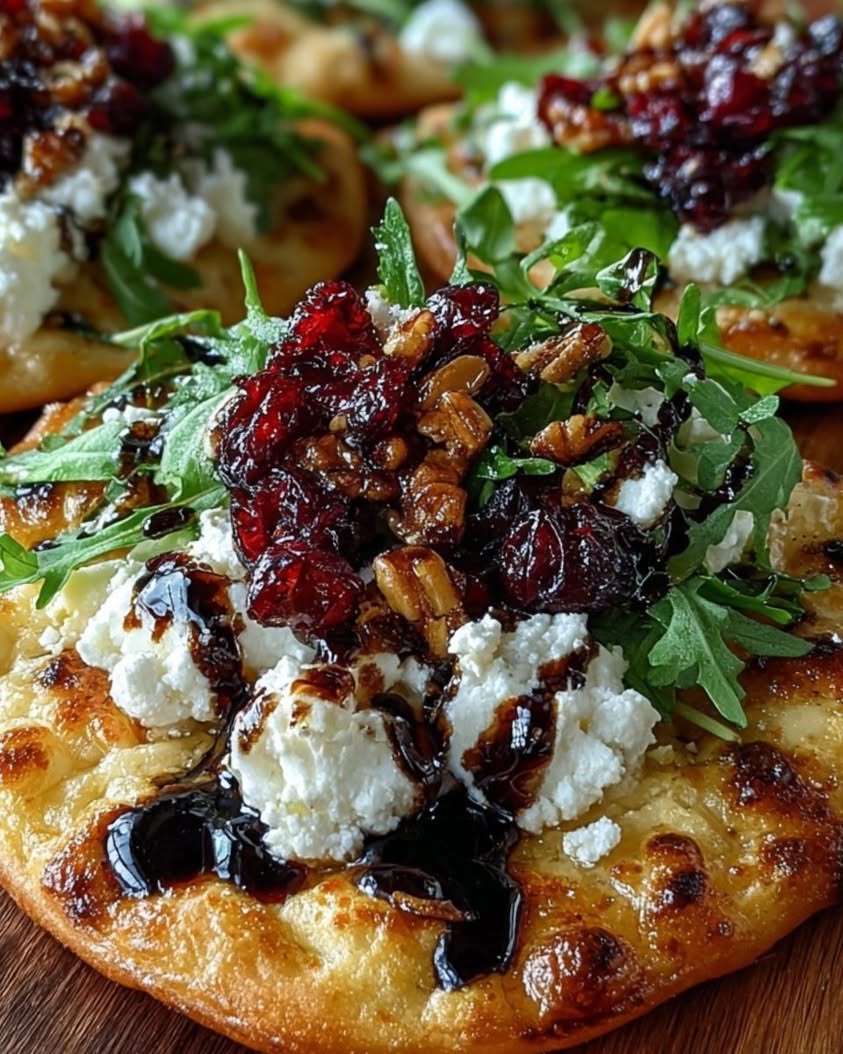
Cranberry Balsamic Flatbread with Goat Cheese & Arugula Recipe: A Sweet, Tangy, and Savory Appetizer
Imagine a crispy, golden flatbread canvas topped with a vibrant medley of sweet, tangy, and peppery flavors. This Cranberry Balsamic Flatbread with Goat Cheese and Arugula Recipe is exactly that kind of culinary masterpiece. It is a stunning appetizer or light meal that effortlessly impresses guests. Moreover, it comes together in under thirty minutes, making it a perfect solution for busy weeknights or last-minute entertaining.
The flavor profile of this flatbread is truly exceptional. You get the rich, savory base of the baked flatbread, followed by the creamy tang of goat cheese. Next, a sweet and tart cranberry balsamic reduction adds a glossy, complex layer. Finally, a fresh pile of peppery arugula provides a crisp, clean finish. Consequently, every bite delivers a delightful symphony of textures and tastes. This dish is a guaranteed crowd-pleaser for any occasion.
Furthermore, this Cranberry Balsamic Flatbread with Goat Cheese and Arugula Recipe is incredibly versatile. You can easily customize it with different nuts, cheeses, or greens. It feels gourmet but requires minimal culinary skill. Ultimately, it is a recipe that looks as beautiful as it tastes, featuring festive red cranberries and bright green arugula. Therefore, it is an ideal choice for holiday gatherings, summer parties, or a special treat for yourself.
Quick Recipe Highlights
- Flavor Profile: This flatbread masterfully balances sweet and savory notes. The tangy balsamic reduction and tart cranberries contrast beautifully with the creamy, earthy goat cheese. Meanwhile, the peppery arugula adds a fresh, spicy kick that ties everything together.
- Texture: You will enjoy a fantastic contrast of textures in every bite. The flatbread base provides a satisfying crunch. Simultaneously, the melted goat cheese offers creaminess, and the cranberry sauce adds a jammy consistency. Finally, the fresh arugula contributes a light, crisp mouthfeel.
- Aroma: As it bakes, the kitchen fills with the warm, toasty scent of cooking flatbread and melting cheese. The balsamic reduction emits a sweet, acidic fragrance that is both rich and inviting. Upon adding the arugula, a fresh, green, slightly peppery aroma completes the sensory experience.
- Visual Appeal: This dish is a feast for the eyes with its stunning color palette. The deep red cranberry glaze pops against the white goat cheese and golden crust. Subsequently, the vibrant green arugula creates a fresh, restaurant-quality presentation that is instantly Instagram-worthy.
- Skill Level Needed: This is a beginner-friendly recipe requiring no advanced techniques. Essentially, you need basic assembly skills and the ability to watch an oven. The most complex step is reducing the balsamic glaze, which simply involves simmering and stirring.
- Special Equipment: You only need a standard baking sheet and a small saucepan. A pastry brush is helpful for applying olive oil but not mandatory. Otherwise, common kitchen tools like a knife, cutting board, and mixing bowl are all you require.
Recipe Overview
- Difficulty Level: We rate this Cranberry Balsamic Flatbread with Goat Cheese and Arugula Recipe as easy. The steps are straightforward and linear, with no complicated techniques. Primarily, it involves assembling pre-made or simple components and baking. Consequently, even novice cooks can achieve perfect results on their first try.
- Category: This dish fits perfectly into multiple meal categories. It shines as an elegant appetizer or starter for a dinner party. Alternatively, it makes a fantastic light lunch or meatless main course when paired with a soup or salad. It is also a brilliant choice for brunch or a sophisticated snack.
- Cuisine: This recipe draws inspiration from modern American and Mediterranean culinary traditions. The use of flatbread as a base has roots in Italian and Middle Eastern cuisines. Meanwhile, the combination of fruit, cheese, and greens is a hallmark of contemporary California-style cooking, focusing on fresh, bold flavors.
- Cost: This is a relatively affordable gourmet dish. Using store-bought flatbread keeps costs and effort low. The goat cheese and balsamic vinegar are the primary splurges, but a little goes a long way. Overall, you can create this impressive flatbread for a fraction of a restaurant price.
- Season: While perfect for fall and winter holidays thanks to the cranberries, this recipe is truly year-round. You can use fresh arugula in spring and summer for a lighter feel. The bright flavors also work wonderfully as a refreshing counterpoint to hearty winter meals.
- Occasion: This flatbread is incredibly versatile for entertaining. It is ideal for holiday cocktail parties, book club gatherings, or girls’ night in. Furthermore, it is a romantic and easy option for a date night at home. It also works beautifully as a contribution to a potluck.
Why You’ll Love This Recipe
First and foremost, the taste and texture appeal of this Cranberry Balsamic Flatbread with Goat Cheese and Arugula Recipe is undeniable. Each component plays a crucial role in creating a harmonious bite. The crispy base, creamy cheese, sweet-tart sauce, and peppery greens engage all your senses. Consequently, you get a complex flavor profile that feels both sophisticated and comforting. It is a dish that satisfies cravings for something savory, tangy, and fresh all at once.
Next, consider the sheer convenience and preparation benefits. This entire meal comes together in about twenty-five minutes from start to finish. You can use pre-made flatbread or pizza dough for an even faster assembly. Importantly, the active hands-on time is minimal, allowing you to socialize with guests. Therefore, it is the ultimate impressive-yet-easy recipe for busy hosts who want to enjoy their own party.
Additionally, this flatbread offers several nutritional advantages. Arugula is a nutrient-dense leafy green packed with vitamins A, C, and K. Goat cheese is often easier to digest than cow’s milk cheese for some people and provides protein and calcium. Cranberries are famous for their antioxidant properties. When you use a whole-grain flatbread, you add fiber to the mix. Ultimately, it is a more balanced choice than many traditional appetizers.
The social and entertaining value of this dish is exceptionally high. It is visually stunning, sparking conversation the moment you bring it to the table. The recipe is easy to scale up for a crowd by preparing multiple flatbreads. Guests can easily grab a slice and continue mingling. Furthermore, its unique combination of flavors makes it memorable, ensuring your guests will ask for the recipe.
Finally, this Cranberry Balsamic Flatbread with Goat Cheese and Arugula Recipe is cost-effective and accessible. You likely have olive oil, salt, and pepper in your pantry already. The remaining ingredients are readily available at any standard grocery store. Compared to ordering similar flatbreads at a restaurant, making it at home saves significant money. Thus, you can enjoy a gourmet dining experience without the gourmet price tag.
Historical Background and Cultural Significance
The concept of topping flatbreads dates back thousands of years to ancient civilizations. Cultures from the Mediterranean to the Middle East used flatbreads as edible plates or vessels for other foods. The modern “flatbread” as a gourmet appetizer, however, is a relatively recent innovation in Western cuisine. It evolved from the pizza tradition but emphasizes lighter, often artisanal toppings. This Cranberry Balsamic Flatbread with Goat Cheese and Arugula Recipe is a direct descendant of this trend, focusing on bold, complementary flavors rather than heavy sauces.
Cranberries hold deep cultural significance in North America, particularly for Native American tribes and early colonists. They used the tart berry for food, dye, and medicine. Incorporating cranberries into savory dishes is a classic American approach, seen in staples like Thanksgiving relish. This recipe borrows from that tradition, transforming the berry into a sophisticated glaze. Meanwhile, goat cheese has ancient roots in Mediterranean and Middle Eastern pastoral societies. Its recent popularity in American gourmet cooking brings a tangy, rustic element to modern dishes like this one.
The evolution of this specific recipe mirrors broader food trends of the late 20th and early 21st centuries. There was a growing desire for meals that were both quick to prepare and visually impressive. The fusion of sweet fruit with savory cheese and greens became a hallmark of “New American” cuisine. Chefs began experimenting with balsamic reductions as a way to add depth and shine. Consequently, home cooks sought to replicate these restaurant-style plates, leading to accessible recipes like this one.
Regional variations of this concept are plentiful. In the Pacific Northwest, you might find a version with local marionberries and hazelnuts. A Mediterranean twist could involve figs, prosciutto, and manchego cheese. Some Italian-inspired versions use a rosemary focaccia base with peaches and ricotta. The common thread is the balance of cheese, fruit, green, and a sweet-acidic component. This Cranberry Balsamic Flatbread with Goat Cheese and Arugula Recipe serves as a perfect, classic template for endless seasonal adaptations.
Ingredient Deep Dive
Flatbread: The foundation of your dish, flatbread, has a history spanning continents. You can use naan, pita, lavash, or a pre-made pizza crust. For the best texture, look for a brand that bakes up crisp yet sturdy enough to hold toppings. If you have time, homemade dough elevates the recipe tremendously. Store unused flatbread in a sealed bag at room temperature for a few days or freeze for longer storage. For a gluten-free version, many excellent gluten-free flatbreads or cauliflower crusts are available.
Goat Cheese (Chèvre): This soft, tangy cheese is made from goat’s milk and has been produced for thousands of years. It is a good source of protein, calcium, and vitamin A. Often, people who are sensitive to cow’s milk find goat cheese easier to digest. When selecting, choose a fresh, log-style chevre that is creamy and spreadable. For storage, keep it tightly wrapped in the refrigerator. If you are not a fan of goat cheese, you can substitute with feta, blue cheese, or even a herbed cream cheese.
Fresh Cranberries: These native North American berries are a seasonal treasure, typically harvested in the fall. They are packed with vitamin C, fiber, and unique antioxidants called proanthocyanidins. Choose berries that are firm, shiny, and deep red in color; avoid any that are soft or shriveled. Fresh cranberries freeze beautifully for year-round use; just toss them into a bag and freeze directly. If fresh are unavailable, you can use a high-quality whole-berry cranberry sauce, though the tartness will be less pronounced.
Balsamic Vinegar: True traditional balsamic vinegar, Aceto Balsamico Tradizionale, is a protected product from Italy, aged for years in wooden barrels. The supermarket variety is a more affordable and suitable option for glazes. It adds a complex sweetness and acidity that balances the rich cheese. For a thicker, sweeter glaze with less simmering time, start with a balsamic glaze product. Store vinegar in a cool, dark place. A good quality aged balsamic makes a significant difference in flavor depth for this recipe.
Fresh Arugula: Also known as rocket, arugula is a leafy green with a distinctive peppery flavor. It is rich in vitamins A, C, and K, as well as folate and calcium. Look for bright green, perky leaves without yellowing or wilting. Store it loosely wrapped in a paper towel inside a plastic bag in your refrigerator’s crisper. Baby arugula is more tender and milder, making it ideal for this recipe. As a substitute, try watercress, baby spinach, or mixed microgreens for a different flavor profile.
Common Mistakes to Avoid
- Soggy Flatbread: The most common pitfall is a soggy crust. To avoid this, always pre-bake your flatbread base for a few minutes before adding toppings. This step creates a protective barrier. Additionally, ensure your cranberry mixture is thick and jam-like, not watery, before spreading it on.
- Burnt Balsamic Glaze: Balsamic vinegar can burn quickly due to its sugar content. Always simmer it on medium-low heat and stir frequently. Never walk away from the stove during this process. The glaze is ready when it coats the back of a spoon and has reduced by about half.
- Overloading with Cheese: While tempting, using too much goat cheese can make the flatbread heavy and greasy. A little goes a long way. Crumble it evenly in small pieces to allow for melting and browning spots. The cheese should complement, not overwhelm, the other flavors.
- Adding Arugula Too Early: Placing the fresh arugula on before baking will cause it to wilt into a sad, cooked mess. Always add the fresh greens after the flatbread comes out of the oven. The residual heat will just barely wilt them, preserving their vibrant color and crisp texture.
- Neglecting to Season: Every layer needs seasoning. Lightly season the flatbread with olive oil, salt, and pepper before the first bake. Taste your cranberry reduction and adjust with a pinch of salt if needed. Finally, give the finished flatbread a final flourish of flaky sea salt.
- Using Low-Quality Balsamic: The flavor of the glaze hinges on the vinegar. A very cheap, overly acidic balsamic will result in a harsh glaze. Invest in a moderately priced, aged balsamic vinegar for the best sweet-and-sour balance. It makes a noticeable difference in the final dish.
- Cutting Immediately: Patience is key. Let the baked flatbread rest for 2-3 minutes after adding the arugula before slicing. This allows the cheese to set slightly, preventing all the toppings from sliding off when you cut it. Use a sharp pizza cutter or chef’s knife for clean slices.
- Not Customizing to Taste: This recipe is a template. If you love nuts, add toasted walnuts or pecans after baking. For extra richness, a drizzle of honey over the finished product is divine. Do not be afraid to adjust the ratios of sweet, tangy, and peppery to suit your palate.
Essential Techniques
Reducing a Balsamic Glaze: This technique concentrates the vinegar’s flavor and natural sugars, transforming it from a thin liquid into a syrupy glaze. The process is simple but requires attention. Combine balsamic vinegar and a sweetener like honey or sugar in a small saucepan. Simmer over medium-low heat, stirring occasionally, until the mixture reduces by about half and thickens enough to coat the back of a spoon. The key visual cue is that the bubbles will become slower and more syrupy. A common pitfall is cooking on too high a heat, which can cause burning and a bitter taste.
Pre-Baking the Crust: Also known as par-baking, this step is crucial for a crisp, sturdy base that won’t get soggy under wet toppings. Simply brush your flatbread with olive oil and bake it on a preheated sheet or pizza stone for 3-5 minutes until it just begins to turn golden at the edges. This process sets the structure of the bread and creates a slight barrier. The technique ensures your final flatbread has a satisfying crunch that holds up to the cranberry sauce and cheese without becoming limp.
Crumpling Goat Cheese: Properly crumbling goat cheese ensures even distribution and perfect melting. For a log of cold goat cheese, use a fork to break off small, irregular pieces directly over the flatbread. Alternatively, you can pinch off bits with your fingers. Aim for pieces roughly the size of a pea or small marble. This size allows the cheese to melt and develop golden-brown spots without completely liquefying. Avoid large clumps, as they will remain too cold in the center or create uneven, greasy pools.
Pro Tips for Perfect Cranberry Balsamic Flatbread
First, for an extra flavor boost, toast your flatbread directly on the oven rack for the last minute of pre-baking. This method gives the bottom an irresistible extra crunch. Just be careful when removing it.
Second, add a pinch of orange zest to the cranberry balsamic reduction. The citrus brightens the deep flavors beautifully and complements the fruitiness of the cranberries.
Third, if your goat cheese is very cold and hard to crumble, let it sit at room temperature for 10-15 minutes beforehand. It will become much easier to handle and spread.
Fourth, for professional-looking slices, use a pizza wheel or a large, sharp chef’s knife. Wipe the blade clean between cuts to prevent dragging the toppings.
Fifth, consider adding a thin layer of very finely grated Parmesan cheese over the flatbread before the goat cheese. It melts into an almost invisible, savory layer that deepens the overall flavor.
Sixth, to make the arugula shine, toss it with a minuscule drop of olive oil and a squeeze of lemon juice before scattering it over the hot flatbread. This adds a final layer of freshness.
Seventh, for a nutty contrast, sprinkle toasted pine nuts, walnuts, or pecans over the flatbread along with the arugula. The added texture takes the dish to another level.
Eighth, always preheat your baking sheet in the oven. Placing the flatbread on a hot surface immediately starts crisping the bottom, preventing sogginess from the moment it hits the pan.
Variations and Adaptations
Regional Variations: Across different regions, this flatbread adapts to local ingredients. In the South, you might find a version with pecans and a bourbon-spiked glaze. A coastal California adaptation could feature sliced avocado and sunflower sprouts after baking. For a Greek twist, substitute the goat cheese with feta, use a fig jam, and top with Kalamata olives and fresh oregano.
Seasonal Adaptations: This recipe is a fantastic template for seasonal produce. In spring, use asparagus tips and fresh peas with lemon zest. Summer calls for sliced peaches, fresh corn, and basil. For autumn, roasted squash or caramelized onions work wonderfully. Winter variations can include roasted mushrooms and a thyme-infused glaze.
Dietary Modifications: For a vegan Cranberry Balsamic Flatbread, use a plant-based cheese alternative and maple syrup in the glaze. A gluten-free version simply requires your favorite GF flatbread or crust. To make it nut-free, ensure no cross-contamination and skip nut garnishes. For a lower-carb option, use a cauliflower crust or even a large portobello mushroom cap as the base.
Flavor Variations: Experiment with the core flavor components. Swap cranberries for cherries, figs, or apricots. Use a different vinegar like pomegranate or red wine. Try different cheeses such as gorgonzola, burrata, or smoked mozzarella. Infuse the olive oil with garlic or rosemary before brushing it on the crust.
Texture Modifications: If you prefer a chewier base, use a thicker pizza dough and bake it until just set. For maximum crispiness, brush the edges of the flatbread with extra olive oil and bake on a pizza stone. To add crunch, incorporate ingredients like thinly sliced red onion or chopped bacon into the cheese layer before baking.
Presentation Alternatives: Instead of one large flatbread, make mini versions on small pitas or naan for easy individual servings. Cut the baked flatbread into small squares for bite-sized cocktail appetizers. Alternatively, roll the baked and cooled flatbread into a pinwheel log with the arugula inside, then slice into rounds.
Serving and Presentation Guide
Plating Techniques: For a rustic family-style presentation, place the whole flatbread on a large wooden cutting board or a simple slate slab. Use a pizza wheel to score cutting lines lightly before bringing it to the table. For individual plating, cut the flatbread into wedges or squares and arrange them slightly overlapping on a long rectangular platter. This method makes grabbing a piece effortless for guests.
Garnishing Ideas: The final garnish elevates the visual appeal. A light drizzle of high-quality extra virgin olive oil or the reduced balsamic glaze adds shine. A sprinkle of flaky sea salt, such as Maldon, provides texture and enhances flavors. Freshly cracked black pepper over the arugula highlights its peppery notes. For a touch of color, add edible flowers or microgreens.
Traditional Accompaniments: This flatbread pairs beautifully with simple, clean-flavored sides. A light, citrusy salad with shaved fennel and orange segments complements the richness. A bowl of tomato basil soup is a classic and comforting partner. For a heartier meal, serve it alongside a roasted vegetable medley or a lentil salad.
Modern Serving Suggestions: Incorporate this flatbread into a grazing board or charcuterie spread. Surround it with bowls of marinated olives, assorted nuts, and sliced cured meats. For a brunch offering, pair it with a fruit salad and sparkling prosecco. It also makes an excellent starter before a main course of roasted chicken or grilled fish.
Temperature Considerations: This dish is best served immediately while the crust is still crisp and the cheese is warm. However, the components can be prepared in advance. Have the baked crust, room-temperature glaze, and crumbled cheese ready, then assemble and bake just before guests arrive. The arugula must always be added fresh from the oven.
Portion Control Tips: As an appetizer, this recipe yields about 8 small slices or 4 larger wedges. For a light main course, two large wedges per person is sufficient. When serving as part of a larger spread with other dishes, cut the flatbread into smaller, bite-sized squares to encourage sampling of everything.
Wine and Beverage Pairing
Wine Pairings: The sweet, tart, and savory notes of this flatbread call for versatile wines. A dry Rosé, with its bright acidity and berry notes, is a fantastic all-around match. A Pinot Noir, particularly from Oregon, offers light tannins and red fruit flavors that harmonize with the cranberries and cheese. For white wine lovers, an off-dry Riesling or a Gewürztraminer complements the dish’s sweetness and cuts through the goat cheese’s richness beautifully.
Non-Alcoholic Alternatives: Sparkling water with a twist of lime or a few muddled cranberries provides a refreshing, palate-cleansing effervescence. A tart cranberry spritzer made with unsweetened cranberry juice, soda water, and a splash of lime is a thematic choice. For a warmer option, a ginger-lemon herbal tea can stand up to the bold flavors without overwhelming them.
Coffee/Tea Pairings: While not a typical pairing for this dish, certain beverages can work if serving it for brunch or lunch. A light roast coffee with bright, fruity notes can echo the cranberry flavors. A smoky Lapsang Souchong tea would create an interesting contrast with the sweet glaze. Generally, however, wine or sparkling drinks are more complementary choices.
Temperature Considerations: Serve white wines and sparkling beverages well-chilled, between 45-50°F. Red wines like Pinot Noir should be served slightly cool, around 55-60°F, to highlight their fruitiness. Non-alcoholic spritzers are best over ice. The goal is to have a beverage that refreshes the palate between bites of the rich, flavorful flatbread.
Serving Suggestions: Offer a variety of pairing options when entertaining to cater to different preferences. Clearly label bottles or pitchers. For a cohesive presentation, consider garnishing drinks with a fresh cranberry or a small sprig of rosemary, which echoes the herbal notes potentially in the flatbread.
Storage and Shelf Life
Storage Methods: This flatbread is best enjoyed immediately. However, if you have leftovers, store them in a single layer in an airtight container in the refrigerator. Place parchment paper between layers if stacking is unavoidable. The arugula will wilt significantly, so for best results, scrape it off and store the cheesy flatbread separately, adding fresh greens upon reheating.
Temperature Requirements: Always refrigerate leftovers within two hours of baking. The ideal refrigerator temperature is 40°F or below. Do not leave the flatbread at room temperature for extended periods, as the dairy and moist toppings can spoil quickly.
Container Recommendations: A large, shallow airtight container is ideal. Alternatively, you can wrap individual slices tightly in aluminum foil. Avoid plastic wrap pressed directly against the top, as it can make the crust soggy and cause the arugula to deteriorate faster.
Signs of Spoilage: Discard the flatbread if you notice any off odors, such as sourness or rancidity. Visible mold, especially on the cheese or cranberry layer, is a clear sign it has gone bad. If the crust becomes unpleasantly soggy or slimy, it is time to throw it away.
Reheating Instructions: To restore crispness, reheat in a preheated 375°F oven or toaster oven for 5-7 minutes. Avoid the microwave, as it will turn the crust rubbery and soggy. Place the slice directly on the oven rack or on a baking sheet. The cheese will re-melt and the edges will re-crisp.
Freezing Guidelines: Freezing is not recommended for the fully assembled flatbread, as the arugula and fresh cranberry texture will suffer. You can freeze the pre-baked crust and the cranberry balsamic reduction separately. Thaw the reduction in the refrigerator overnight and reheat gently on the stove. Bake the crust from frozen, adding a few extra minutes, before proceeding with the recipe.
Make Ahead Strategies
Prep Timeline: You can prepare nearly every component 1-2 days in advance. Make the cranberry balsamic reduction and store it in a jar in the refrigerator. Crumble the goat cheese and keep it in a sealed container. Wash and thoroughly dry the arugula, then store it in a salad spinner or wrapped in paper towels in a bag. The flatbread itself can be pre-baked a few hours ahead and kept at room temperature.
Storage Between Steps: Store the cooled reduction and crumbled cheese in separate airtight containers in the fridge. Keep the pre-baked flatbread wrapped in foil at room temperature. Do not assemble the flatbread until just before you plan to bake it, as the moisture from the reduction will begin to soften the crust.
Quality Impact Assessment: Making components ahead has minimal impact on flavor and can even improve the glaze as flavors meld. The key is keeping the crust dry and crisp until assembly. The arugula may lose a bit of perkiness after a day, so for optimal freshness, wash it the day you plan to serve.
Assembly Tips: When ready to serve, take the reduction and cheese out of the fridge 15-20 minutes beforehand to take the chill off. Spread the glaze on the pre-baked crust, sprinkle with cheese, and bake. This streamlined process means you can have a hot, fresh appetizer ready in just 10 minutes of active time when guests arrive.
Reheating Guidelines: If you must fully assemble and bake ahead, reheat in a 350°F oven for 5-8 minutes to warm through. Do not add the arugula until after this second reheating. The crust will be less crisp than when fresh, but the flavors will still be excellent.
Fresh Element Additions: The arugula is the only element that must be absolutely fresh. Always add it after the final bake or reheat. For an extra touch, you can also add a final garnish of freshly cracked pepper, a drizzle of reduced balsamic, or a sprinkle of nuts right before serving.
Scaling Instructions
Halving the Recipe: Halving this Cranberry Balsamic Flatbread with Goat Cheese and Arugula Recipe is straightforward. Use one flatbread and simply halve all other ingredient quantities. The balsamic reduction may cook faster due to the smaller volume, so watch it closely. Bake time will remain roughly the same. This is perfect for a cozy dinner for two.
Doubling or Tripling: For a crowd, you can easily double or triple the recipe. Use multiple baking sheets and rotate them in the oven halfway through cooking for even browning. You may need to work in batches unless you have a commercial oven. Mix a larger batch of the cranberry glaze in a wider saucepan to allow for proper reduction. Crumble all the cheese in advance for efficient assembly.
Equipment Adjustments: When scaling up, ensure you have enough baking sheets. Using parchment paper on each sheet prevents sticking and makes cleanup easy. If baking multiple flatbreads at once, consider using convection bake mode if your oven has it, as it promotes even air circulation and browning.
Timing Modifications: The prep time will increase linearly as you scale up. However, the bake time per batch remains constant. Factor in the time to assemble multiple flatbreads. A good strategy is to have one person assembling on sheets while another manages the oven, keeping a steady flow of fresh flatbreads coming out.
Storage Considerations: For large parties, you can pre-bake all the crusts ahead of time. Store them stacked with parchment paper in between. Keep the glaze and cheese ready in large bowls. Assemble and bake in successive batches throughout the event to ensure every guest gets a hot, crisp slice.
Nutritional Deep Dive
Macro Breakdown: A serving of this flatbread provides a balance of macronutrients. The carbohydrates come primarily from the flatbread and the natural sugars in the cranberries and balsamic reduction. The goat cheese and olive oil contribute healthy fats and protein. The arugula adds minimal calories but significant volume and micronutrients. Using a whole-grain flatbread increases the fiber content, making it more satiating.
Micronutrient Analysis: This dish is a good source of several vitamins and minerals. Arugula is exceptionally high in vitamin K, vital for blood clotting and bone health, and also provides vitamin A, C, and folate. Goat cheese offers calcium and phosphorus for bone strength. Cranberries contribute vitamin C and manganese. The olive oil provides vitamin E, a powerful antioxidant.
Health Benefits: The combination of ingredients offers several health benefits. The antioxidants in cranberries and olive oil support heart health and reduce inflammation. The fiber from a whole-grain crust and greens aids digestion. The calcium and vitamin K work synergistically for bone health. The monounsaturated fats in olive oil are beneficial for cholesterol levels.
Dietary Considerations: This recipe is naturally vegetarian. It can be adapted for many other diets with simple swaps, as outlined in the adaptations section. It is not inherently low-carb or low-fat, but portion control makes it fit into a balanced diet. The sodium content is controllable based on how much salt you add.
Portion Analysis: One serving (a quarter of the flatbread) is a satisfying appetizer portion. As a main course, it may be light for some, so consider pairing it with a protein-rich side like a lentil salad or a bowl of soup. Being mindful of the cheese and oil quantity helps manage the calorie density if that is a concern.
Weight Management Tips: To make this dish more weight-conscious, use a lighter hand with the olive oil and cheese. Opt for a low-fat goat cheese if available. Increase the proportion of arugula to add volume and nutrients with very few calories. Ensure your flatbread is not excessively large or oily. Enjoy it as part of a meal with lean protein and other vegetables.
Dietary Adaptations
Gluten-Free: To make this Cranberry Balsamic Flatbread gluten-free, simply substitute the regular flatbread with a certified gluten-free alternative. Many excellent pre-made GF flatbreads, pizza crusts, or even cauliflower crusts work perfectly. Ensure all other ingredients, like the balsamic vinegar, are certified gluten-free, as cross-contamination can occur.
Dairy-Free/Vegan: For a vegan version, replace the goat cheese with a plant-based cheese alternative that crumbles well, such as those made from almonds or cashews. Use maple syrup or agave instead of honey in the balsamic glaze. Check that your flatbread does not contain dairy or eggs. The result is a plant-based appetizer with all the sweet, tangy, and peppery flavors.
Low-Carb/Keto: A keto adaptation requires a significant base change. Use a fathead dough (made with almond flour and cheese) or a large, roasted portobello mushroom cap as the base. Use a sugar-free sweetener like erythritol or allulose in the balsamic reduction, and be mindful of the cranberry carb count—consider using a few raspberries or blackberries instead. Full-fat goat cheese is perfect for keto.
Paleo: A Paleo version needs a grain-free, dairy-free base. Options include a cassava flour flatbread or a sweet potato slice. Omit the cheese or use a nut-based “cheese” spread. Sweeten the balsamic reduction with raw honey or dates. Ensure all ingredients are whole, unprocessed foods to align with Paleo principles.
Low{“success”:true,”message”:”Recipe created successfully”,”post_id”:7658,”tasty_recipe_id”:7658,”shortcode”:” Print A sweet and savory flatbread topped with tangy cranberry sauce, creamy goat cheese, peppery arugula, and a balsamic glaze drizzle. You can customize the seasonings to taste.Cranberry Balsamic Flatbread with Goat Cheese & Arugula
Description
Ingredients
For the Crust:
Instructions
1. Prepare the Crust:
Notes

I’m Billy, a classically trained culinary school graduate from The Culinary Institute of America with over 12 years in the restaurant industry and over 19 years of cooking experience.