
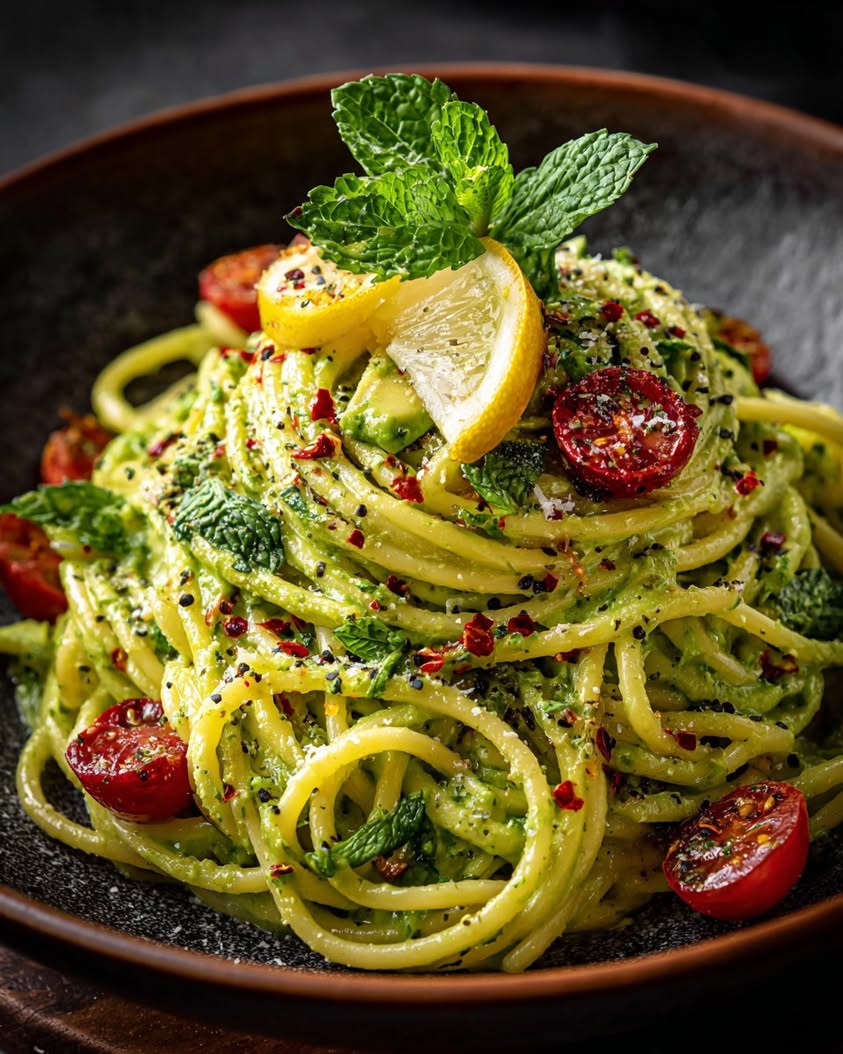
Creamy Vegan Avocado Pasta Sauce: A 15-Minute Fresh Lemon and Mint Delight
Imagine a pasta sauce so luxuriously creamy you would swear it contains heavy cream and Parmesan. Surprisingly, this magical sauce gets its rich texture from ripe avocados. This creamy vegan avocado pasta sauce recipe delivers a restaurant-quality meal in about fifteen minutes. Consequently, it is perfect for busy weeknights when you crave something satisfying yet healthy.
The combination of fresh lemon juice and bright mint creates a flavor profile that is both refreshing and deeply comforting. Moreover, this sauce clings perfectly to every strand of pasta, offering a vibrant green color that promises freshness in every bite. Ultimately, this dish proves that plant-based eating can be indulgent, simple, and incredibly delicious.
Quick Recipe Highlights
- Flavor Profile: This creamy vegan avocado pasta sauce boasts a bright, herbaceous taste. The fresh lemon provides a zesty tang, while the mint adds a cool, aromatic lift. Additionally, garlic and nutritional yeast create a savory, almost cheesy depth that balances the citrus perfectly.
- Texture: The sauce achieves a luxuriously smooth and velvety consistency, similar to a rich Alfredo. It coats pasta evenly without being heavy or greasy. Importantly, the texture remains creamy and lush from the first bite to the last.
- Aroma: As you blend the sauce, the fresh scent of mint and lemon zest fills the kitchen. The aroma of garlic becomes mellow and inviting once blended. Ultimately, these fresh notes signal a light yet satisfying meal.
- Visual Appeal: The sauce has a stunning, vibrant green color that makes any pasta dish look gourmet. It creates a beautiful contrast against white plates or colorful vegetables. Therefore, it is as pleasing to the eye as it is to the palate.
- Skill Level Needed: This recipe requires absolutely no advanced culinary skills. Basically, if you can boil water and operate a blender or food processor, you can master this dish. It is genuinely foolproof and accessible for all home cooks.
- Special Equipment: You only need a standard blender or food processor to achieve the perfectly smooth consistency. A good chef’s knife for prepping the avocado, garlic, and herbs is also helpful. No other special tools are required.
Recipe Overview
- Difficulty Level: We rate this creamy vegan avocado pasta sauce as exceptionally easy. The process involves no cooking for the sauce itself, just simple blending. There are no tricky techniques or precise temperatures to monitor, making it perfect for beginners.
- Category: This recipe fits beautifully into several meal categories. It works as a quick main course, a elegant side dish, or a standout potluck contribution. Furthermore, it is ideal for light lunches, speedy dinners, and healthy meal prep.
- Cuisine: While not tied to one specific tradition, the dish draws inspiration from modern California and Italian cuisines. It uses the Italian concept of a fresh, uncooked pasta sauce, or “salsa cruda.” Meanwhile, the avocado and lime give it a fresh, West Coast sensibility.
- Cost: This is a remarkably cost-effective recipe, especially if you grow your own mint. Avocados and lemons are the primary investments, with pantry staples like garlic and pasta rounding out the cost. Overall, it delivers gourmet flavor on a very modest budget.
- Season: This sauce is perfect for spring and summer when fresh herbs are abundant and you desire lighter meals. However, thanks to year-round avocado availability, you can enjoy it any time you crave a burst of freshness. It is particularly welcome on warm evenings.
- Occasion: Serve this for casual weeknight family dinners, elegant date nights at home, or as a stunning dish for vegetarian and vegan guests. It is also excellent for picnics or potlucks if kept cool. Basically, it is versatile enough for almost any gathering.
Why You’ll Love This Recipe
First and foremost, the taste and texture of this creamy vegan avocado pasta sauce are utterly irresistible. The sauce is rich and satisfying without any dairy, relying on the natural fats in avocado for its luxurious mouthfeel. The sharpness of lemon cuts through the richness, while mint adds a surprising and refreshing layer. Every forkful is a harmonious blend of creamy, tangy, and herbal notes that will make you forget all about traditional cream-based sauces. This dish is a true celebration of how vibrant and satisfying plant-based ingredients can be.
Furthermore, the convenience factor is a massive win. From start to finish, you can have this stunning dish on the table in about fifteen minutes. The sauce requires zero cooking—just a quick blend while your pasta boils. This makes it an absolute lifesaver on those nights when you are tired, hungry, and short on time. You can achieve a restaurant-quality meal with minimal effort and maximum flavor payoff. Consequently, it easily becomes a go-to recipe in your weekly rotation.
From a nutritional standpoint, this sauce is a powerhouse. Avocados provide heart-healthy monounsaturated fats, fiber, and a wealth of vitamins like C, E, K, and B-6. Unlike heavy cream sauces, this version offers sustained energy without the sluggish feeling afterward. The inclusion of fresh lemon juice boosts vitamin C content, and garlic offers its renowned immune-supporting properties. You are essentially treating your body to a nourishing, whole-food meal that tastes like a decadent treat.
This creamy vegan avocado pasta sauce also holds tremendous value for entertaining. It is a guaranteed conversation starter, dazzling guests with its vibrant color and innovative use of avocado. It effortlessly caters to various dietary preferences, being vegan, vegetarian, and easily adaptable to gluten-free needs. Serving a dish that is both beautiful and inclusive takes the stress out of menu planning. Your guests will be impressed by your culinary creativity, and you will appreciate the simple preparation.
Finally, the cost-effectiveness and accessibility of the ingredients make this recipe a staple. While avocados can be a premium item, the rest of the components are incredibly affordable pantry staples. If you have a mint plant, that ingredient becomes virtually free. Compared to ordering takeout or buying prepared vegan meals, making this sauce at home saves significant money. You gain control over the quality of ingredients, avoid preservatives, and create a meal that feels special without the special price tag.
Historical Background and Cultural Significance
The concept of using avocado as a base for sauces and spreads has deep roots in Mesoamerican cultures, where the avocado originated. For centuries, cultures in Mexico and Central America utilized the rich fruit in various preparations, valuing it for its nutrition and texture. However, the specific application of blended avocado as a pasta sauce is a much more recent, modern fusion invention. It represents the innovative spirit of contemporary plant-based cooking, where traditional ingredients find new roles. This recipe is a beautiful example of culinary globalization and adaptation.
This creamy vegan avocado pasta sauce gained significant cultural traction with the rise of the health food and vegan movements in the late 20th and early 21st centuries. As people sought dairy-free alternatives to creamy comfort foods, the avocado emerged as a perfect, whole-food substitute. Food bloggers and home cooks began experimenting, leading to the popularization of “avocado pasta” across social media and recipe websites. It symbolizes a shift towards cleaner, vegetable-forward eating without sacrificing indulgence. Consequently, it has become a modern classic in its own right.
The evolution of the recipe showcases how simple ideas can become staples. Early versions were likely just mashed avocado with lemon on pasta. Over time, cooks added layers of flavor with garlic, fresh herbs like basil or cilantro, and umami boosters like nutritional yeast. The addition of mint, as in this version, is a more recent and sophisticated twist that highlights the avocado’s freshness. Each variation reflects the cook’s personal taste and the ingredients they have on hand, making the recipe wonderfully personalizable.
Regional variations of this concept are fascinating. In areas with abundant basil, a pesto-inspired avocado sauce is common. In regions favoring cilantro and lime, the sauce takes on a vibrant, Tex-Mex character. Some Italian-inspired versions include pine nuts or walnuts for added body. The basic formula of blended avocado, acid, and herbs is a blank canvas for global flavors. This adaptability is key to the recipe’s enduring popularity and its seamless fit into diverse culinary traditions.
Ingredient Deep Dive
Ripe Avocados: The star of the show, avocados are technically a berry native to south-central Mexico. Cultivated for thousands of years, they were prized by ancient Aztec and Maya societies. Nutritionally, they are packed with monounsaturated fats that support heart health, along with nearly 20 vitamins and minerals. For this sauce, select avocados that yield gently to palm pressure but are not mushy. Store uncut avocados at room temperature to ripen, then refrigerate to slow down the process. If you lack a ripe avocado, you can use soaked raw cashews as a substitute, though the flavor profile will change.
Fresh Lemon Juice: Lemon juice provides the essential acidic component that balances the avocado’s fat and prevents browning. Lemons originated in Asia and have been used in cooking and medicine around the Mediterranean for millennia. They are an excellent source of vitamin C and citric acid. Always use freshly squeezed juice for the brightest flavor; bottled juice often has a flat, metallic taste. Choose lemons that are heavy for their size with smooth, vibrant skin. You can substitute lime juice for a different citrus note, or use white wine vinegar in a pinch, though the flavor will be less fresh.
Fresh Mint Leaves: Mint offers a cool, aromatic high note that makes this sauce uniquely refreshing. This herb has a long history of culinary and medicinal use across Europe, the Middle East, and Asia. It aids digestion and adds a burst of flavor without calories. For the best result, use fresh mint leaves, not dried. Look for bright green, perky leaves without dark spots. Store mint stems in a glass of water in the fridge, covered loosely with a bag. If mint isn’t your favorite, fresh basil or parsley make wonderful, albeit different, substitutions.
Nutritional Yeast: This deactivated yeast is a staple in vegan pantries for its cheesy, umami flavor. It is a complete protein and often fortified with B vitamins, including B12. It gives the creamy vegan avocado pasta sauce its savory depth, mimicking Parmesan cheese. Purchase it in flakes from health food stores or the bulk section. Store it in a cool, dark pantry in an airtight container. If you don’t have nutritional yeast, a tablespoon of white miso paste can provide a similar savory quality, or you can simply omit it.
Common Mistakes to Avoid
- Using Under or Over-Ripe Avocados: An under-ripe avocado will not blend smoothly and lacks flavor. An over-ripe avocado can taste fermented and turn the sauce brown quickly. The perfect avocado yields slightly to gentle pressure.
- Skipping the Fresh Lemon Juice: The acid in lemon juice is crucial. It brightens the flavor and, importantly, slows the oxidation process that turns the sauce brown. Do not substitute with a weaker acid without adjusting quantities.
- Overprocessing the Sauce: Blending the sauce for too long can incorporate too much air and even cause it to warm up from friction. This can affect the texture and color. Blend just until completely smooth and creamy.
- Adding the Sauce to Hot Pasta Too Early: If the pasta is piping hot, it can start to “cook” the avocado sauce, altering its fresh flavor and vibrant green color. Let the pasta cool for a minute or two before tossing.
- Not Seasoning Adequately: Avocados need a good amount of salt to make their flavor pop. Underseasoned sauce will taste flat. Always taste and adjust the salt, pepper, and lemon juice after blending.
- Using a Weak Blender: A low-powered blender may leave chunks of avocado or garlic, resulting in a less-than-creamy texture. A food processor or high-speed blender ensures a perfectly silky sauce.
- Preparing the Sauce Too Far in Advance: This sauce is best served immediately. Making it hours ahead can lead to discoloration and a loss of that fresh, bright taste. Prepare it just before your pasta is done.
- Rinsing the Pasta After Draining: Rinsing pasta washes away the surface starch that helps the sauce cling to each noodle. For the creamiest adherence, drain the pasta but do not rinse it.
Essential Techniques
Selecting and Ripening Avocados: Mastering avocado selection is the first critical step. If you need an avocado today, choose one that yields to gentle pressure near the stem. For future use, select firm avocados and let them ripen at room temperature in a paper bag, which traps ethylene gas and speeds the process. To check ripeness without squeezing, pop off the small stem nub. If it comes off easily and you see green underneath, it’s ready. A brown color means it’s overripe. This technique ensures you always have the perfect base for your creamy vegan avocado pasta sauce.
Blending for Maximum Creaminess: The goal is a perfectly homogeneous, velvety sauce. Start by adding the liquid (lemon juice and olive oil) to your blender first. This helps the blades move freely and pulls the solid ingredients down. Then add the softer ingredients like avocado, followed by garlic and herbs. Begin blending on low, then gradually increase to high, using the tamper if your blender has one. Blend only until no chunks remain and the sauce is uniformly smooth. Over-blending can incorporate too much air, leading to a frothy, less luxurious texture.
Emulsifying the Sauce: While blending, you are creating an emulsion—a stable mixture of the avocado’s oils and the water-based lemon juice. The key to a stable emulsion that won’t separate is a steady, slow stream of olive oil while the blender is running, if your recipe includes it. The mechanical action of the blades breaks the oil into tiny droplets suspended throughout the sauce. A strong, consistent blender vortex is essential for this process. A perfectly emulsified sauce will be creamy and cohesive, coating the back of a spoon evenly.
Pro Tips for Perfect Creamy Vegan Avocado Pasta Sauce
First, for an extra-smooth sauce without any sharp garlic bite, quickly sauté your minced garlic in a teaspoon of olive oil for about 30 seconds until fragrant before adding it to the blender. This mellows the flavor beautifully.
Second, reserve about a cup of the starchy pasta cooking water before you drain the noodles. When tossing the sauce with the pasta, add a splash of this water to loosen the sauce and help it cling to every strand.
Third, to maximize the vibrant green color, add a handful of fresh spinach or arugula to the blender with the other ingredients. You won’t taste it, but it will boost the color and add extra nutrients.
Fourth, if you must prep components ahead, measure your lemon juice, herbs, and garlic. Store them separately in the fridge, then blend everything with the avocado at the last minute for the freshest result.
Fifth, for a richer flavor, toast the pine nuts or walnuts if you’re using them as a garnish. A quick toast in a dry pan until fragrant adds a deep, nutty dimension that complements the creamy sauce.
Sixth, always taste and adjust the seasoning after blending. The cold sauce can mute flavors, so you may need an extra pinch of salt or a squeeze of lemon once it’s on the warm pasta.
Variations and Adaptations
For regional variations, consider a Mediterranean twist by swapping mint for basil and adding sun-dried tomatoes and kalamata olives as garnish. A Mexican-inspired version could use cilantro instead of mint, add lime juice, and incorporate a pinch of cumin and chili powder, topped with roasted corn and black beans.
Seasonal adaptations are simple. In summer, fold in diced heirloom tomatoes and fresh corn kernels after tossing. For fall, add roasted butternut squash cubes and a sprinkle of sage. In winter, serve the sauce over roasted root vegetables instead of pasta for a hearty, warm bowl.
Dietary modifications are straightforward. For a gluten-free meal, use your favorite gluten-free pasta, chickpea pasta, or spiralized zucchini noodles. To make it nut-free, ensure any garnishes like pine nuts are omitted or replaced with seeds like sunflower or pepitas. For an oil-free version, simply omit the olive oil and use a bit of extra pasta water to achieve the desired consistency.
Flavor variations can take this sauce in many directions. Add a handful of fresh basil and a quarter cup of pine nuts for a pesto-avocado fusion. For a spicy kick, blend in a jalapeño (seeds removed) or a teaspoon of red pepper flakes. For an herby garden sauce, use a mix of parsley, chives, and tarragon along with the mint.
Serving and Presentation Guide
For beautiful plating, use a pair of tongs to twirl a portion of pasta into a neat nest in the center of a shallow bowl or plate. This creates height and makes the dish look more composed. Drizzle a little extra virgin olive oil in a circle around the mound of pasta for a professional touch.
Garnishing is key to visual appeal. A sprinkle of red pepper flakes adds a pop of color and heat. Fresh whole or torn mint leaves, microgreens, or edible flowers look stunning. For texture and richness, add a garnish of toasted pine nuts, walnuts, or hemp seeds. A final dusting of nutritional yeast or vegan Parmesan adds a finishing touch.
Traditional accompaniments are light and simple. A crisp green salad with a lemon vinaigrette complements the pasta without competing. Garlic bread or a crusty baguette is perfect for scooping up any leftover sauce. For a more substantial meal, serve with white beans or a simple lemon-herb grilled tofu or tempeh.
Consider modern serving suggestions like using the sauce as a dip for raw vegetables or pita chips, or as a spread on sandwiches and wraps. You can also thin it slightly with more lemon juice or water to create a vibrant salad dressing for grain bowls or green salads.
Wine and Beverage Pairing
For wine pairings, the bright acidity and herbal notes of this dish call for equally vibrant wines. A crisp, unoaked Sauvignon Blanc from New Zealand, with its grassy and citrusy profile, is a classic and perfect match. Alternatively, a dry Italian Pinot Grigio or a Verdejo from Spain will complement the lemon and mint beautifully without overpowering the delicate avocado.
Non-alcoholic alternatives can be just as sophisticated. A sparkling lemonade or limeade with a few muddled mint leaves mirrors the flavors in the dish. For something more complex, try an herbal iced tea, like a lemongrass or verbena tea, lightly sweetened. A cucumber-mint spa water is also incredibly refreshing and cleansing alongside the rich sauce.
If you prefer coffee or tea after your meal, opt for lighter roasts and varieties. A bright, citrusy Ethiopian coffee or a green tea with lemon notes would be lovely. Avoid heavy, chocolatey coffees or overly tannic black teas that might clash with the sauce’s fresh, green character.
Storage and Shelf Life
This creamy vegan avocado pasta sauce is best enjoyed immediately due to the avocado’s tendency to oxidize and turn brown. However, if you have leftovers, transfer them to an airtight container. Press plastic wrap directly onto the surface of the sauce to minimize air exposure, then seal the lid. Stored this way in the refrigerator, it will keep for up to 24 hours, though the color will darken somewhat.
Signs of spoilage include a sour or off smell, an excessively brown color throughout (not just on the surface), and a slimy texture. If you see any mold, discard the sauce immediately. The fresh ingredients, particularly the avocado, do not have a long shelf life once blended.
Reheating is not recommended, as heat can cause the sauce to separate and become grainy. If you have leftover sauced pasta, it’s best to enjoy it cold or at room temperature. For a warmer meal, you could gently reheat plain pasta and mix it with fresh, cold sauce.
Freezing is not advisable for this sauce. The avocado’s texture breaks down dramatically when frozen and thawed, resulting in a watery, separated, and unappealing consistency. This is a true “fresh” recipe meant to be made and eaten promptly.
Make Ahead Strategies
While the sauce itself doesn’t hold well, you can prep all components ahead of time to speed up dinner. Cook your pasta ahead, toss it with a tiny bit of oil to prevent sticking, and store it in an airtight container in the fridge for up to 2 days. You can also wash and dry your mint, juice your lemons, and peel your garlic cloves, storing each element separately in the fridge.
When ready to serve, simply reheat the pasta by plunging it into boiling water for 30-60 seconds or by microwaving it with a splash of water. Then, quickly blend the pre-measured sauce ingredients with the avocado and toss with the warm pasta. This strategy cuts your active time to under 5 minutes.
The quality impact of pre-cooking pasta is minimal if done correctly. The key is to slightly undercook the pasta by 1-2 minutes during the initial boil, as it will cook a bit more upon reheating. This prevents it from becoming mushy. The fresh sauce blended at the last minute ensures the vibrant flavor and color remain intact.
Scaling Instructions
Halving this recipe for one or two people is simple. Use one medium avocado, one clove of garlic, the juice of half a lemon, and proportionally scale down all other ingredients. The blending method remains the same, though you may need to stop and scrape the sides of a large blender more frequently to ensure everything combines.
Doubling or tripling the recipe for a crowd works well, but blend in batches if your blender is not large enough to accommodate everything at once. Overfilling can lead to an uneven blend. Mix the batches together in a large bowl before tossing with the pasta to ensure consistent flavor. You may need to cook your pasta in multiple batches as well to avoid overcrowding the pot.
Equipment adjustments are minimal. For larger batches, a large food processor may be more effective than a standard blender. Ensure you have a pot large enough to cook the increased pasta quantity, or use two pots. A very large serving bowl for tossing everything together is also essential.
Nutritional Deep Dive
This creamy vegan avocado pasta sauce is a nutrient-dense choice. The primary macronutrient is healthy fat from the avocado and olive oil, which supports satiety and nutrient absorption. The sauce itself is low in carbohydrates and contains a modest amount of plant-based protein, especially when nutritional yeast is added. When paired with whole wheat or legume-based pasta, the meal becomes a balanced source of complex carbs, fiber, and protein.
Micronutrient analysis reveals a wealth of vitamins and minerals. Avocados provide vitamin K for bone health, folate for cell repair, and potassium for blood pressure regulation. Lemon juice offers a boost of vitamin C, crucial for immunity and collagen production. Garlic contributes manganese and vitamin B6, while mint provides small amounts of vitamin A and iron.
The health benefits are significant. The monounsaturated fats can help reduce bad LDL cholesterol and increase good HDL cholesterol. The fiber content promotes digestive health and stable blood sugar levels. The antioxidants from the lemon, garlic, and herbs combat oxidative stress and inflammation in the body.
Dietary Adaptations
Gluten-Free: This adaptation is incredibly easy. Simply serve the sauce over your favorite certified gluten-free pasta, such as those made from brown rice, quinoa, or corn. Chickpea or lentil pasta are excellent high-protein, gluten-free options that work wonderfully with the creamy sauce.
Dairy-Free: The recipe is inherently dairy-free, using avocado and nutritional yeast to create a creamy, cheesy flavor without any animal products. It is a perfect choice for those with lactose intolerance or a dairy allergy.
Vegan: This is a core vegan recipe. Ensure your pasta does not contain egg (most dried pasta is egg-free, but fresh pasta often contains it). Check that your nutritional yeast is a vegan brand, as some are grown on molasses and processed with animal-derived ingredients.
Low-Carb/Keto: For a keto-friendly version, replace the pasta with spiralized zucchini noodles (zoodles), spaghetti squash, or shirataki noodles. The sauce itself is very low in net carbs, making it an ideal keto sauce. Just be mindful of the carb count in the lemon juice.
Paleo: To make this Paleo-compliant, omit the nutritional yeast and ensure you use a grain-free pasta alternative like zucchini noodles or sweet potato noodles. Use avocado oil or olive oil, both of which are Paleo-approved fats.
Troubleshooting Guide
Sauce is Too Thick: If your sauce is more like a spread than a pourable sauce, it’s likely due to very dense avocados or not enough liquid. The fix is simple: with the blender running, slowly add more lemon juice, olive oil, or a splash of water or unsweetened plant milk until it reaches your desired consistency.
Sauce is Too Thin: A runny sauce usually means the avocados were overripe or too large, providing too much water content. To thicken it, blend in a handful of raw cashews, a tablespoon of hemp seeds, or even a few tablespoons of cooked white beans. These will add body without overpowering the flavor.
Sauce Turned Brown: Oxidation is natural but unappealing. While lemon juice slows it, exposure to air causes browning. If it’s just on the surface, you can stir it in—the flavor is usually fine. To prevent it, always press plastic wrap on the surface before sealing a container. Adding spinach during blending can also help maintain a green color longer.
Sauce Tastes Bitter: Bitterness can come from over-blended olive oil (creating a bitter note) or from the white pith of the lemon if you used zest. Ensure you’re only using the yellow zest, not the white part. If the garlic was very old or sprouted, it can also impart bitterness. Next time, try sautéing the garlic first to mellow it.
Recipe Success Stories
Community feedback on this creamy vegan avocado pasta sauce has been overwhelmingly positive. Many readers report that it has become a weekly staple in their homes, with children and skeptical spouses alike asking for seconds. One common success story involves using the sauce as a “gateway” recipe to introduce friends to vegan cooking, often with the comment, “I can’t believe there’s no cream in this!”
Variation successes are frequently shared. A reader from California adds a ripe mango to the blender for a sweet and creamy tropical twist. Another from New York folds in roasted cherry tomatoes and vegan feta after tossing. A parent shared that they hide a handful of baby spinach in the sauce for a nutrient boost their kids never detect, praising the vibrant green color it creates.
Reader suggestions have also improved the recipe. Several suggested the tip about sautéing garlic first for a mellower flavor, which we now include. Others recommended specific brands of gluten-free pasta that hold up particularly well. One photographer suggested garnishing with edible nasturtium flowers for a stunning, professional-looking photo, which has become a popular tip in our community.
Frequently Asked Questions
Can I make this sauce ahead of time? It’s not recommended to blend the sauce more than an hour ahead, as it will oxidize and turn brown. You can prep all ingredients separately and blend them at the last minute for the freshest flavor and color.
What can I use instead of nutritional yeast? If you don’t have nutritional yeast, you can omit it. For a similar umami flavor, try blending in a tablespoon of white miso paste or a few capers. Alternatively, just add a little extra salt and a squeeze of lemon.
My sauce is too garlicky. How can I fix it? To mellow an overly garlicky sauce, try blending in the flesh of half an additional avocado or a quarter cup of raw cashews. The extra fat and volume will dilute the garlic flavor. Next time, sauté the garlic first or use one small clove.
Can I freeze leftovers? Freezing is not advised. The avocado’s texture breaks down when frozen and thawed, becoming watery and grainy. This sauce is best enjoyed fresh.
Is this sauce good for meal prep? As a standalone sauce, no, due to browning. However, you can prep the components (washed herbs, juiced lemon, measured yeast) and store them separately. Cook and cool pasta for a cold pasta salad version, storing sauce and pasta separately, then combine when ready to eat.
What type of pasta works best? Long, thin pasta like linguine, spaghetti, or fettuccine are classic choices as they carry the sauce well. Short shapes with nooks, like fusilli or penne, are also excellent for trapping the creamy sauce. For a healthier option, try whole wheat or legume-based pasta.
Why did my sauce separate? Separation can happen if the sauce was blended too long or if very overripe avocados were used. It can also occur if the pasta was extremely hot when tossed. Try blending just until smooth and letting the pasta cool for a minute before combining.
Can I make this without a blender? You can mash the avocado very well with a fork and mince the garlic and herbs very finely, then whisk everything together. The texture will be more rustic and chunky, not perfectly smooth, but it will still taste delicious.
How can I make this sauce spicy? For a spicy kick, add a seeded jalapeño or a serrano pepper to the blender. You can also blend in a teaspoon of red pepper flakes or a dash of cayenne pepper. Garnish with extra red pepper flakes when serving.
Is this sauce kid-friendly? Absolutely! Many kids love the creamy texture and mild flavor. If they are sensitive to garlic or herbs, you can reduce or omit them. You can also call it “green superhero sauce” to make it more fun.
Additional Resources
If you loved this creamy vegan avocado pasta sauce, explore other vibrant plant-based sauces on our site. Our cilantro-lime cashew cream sauce or roasted red pepper and walnut sauce offer similar convenience with completely different flavor profiles. For more avocado-based recipes, try our avocado chocolate mousse or avocado toast with innovative toppings.
For technique guides, we have detailed articles on how to select and ripen avocados perfectly every time, a guide to cooking pasta al dente, and a primer on using nutritional yeast in vegan cooking. These resources will help you master not just this recipe, but a whole range of healthy, delicious meals.
Learning more about the ingredients can deepen your appreciation. We recommend resources on the health benefits of monounsaturated fats, the history of citrus in cooking, and a guide to growing your own kitchen herb garden. Understanding your food from source to plate makes the cooking experience even more rewarding.
{“success”:true,”message”:”Recipe created successfully”,”post_id”:9153,”tasty_recipe_id”:9153,”shortcode”:”“}

I’m Billy, a classically trained culinary school graduate from The Culinary Institute of America with over 12 years in the restaurant industry and over 19 years of cooking experience.