
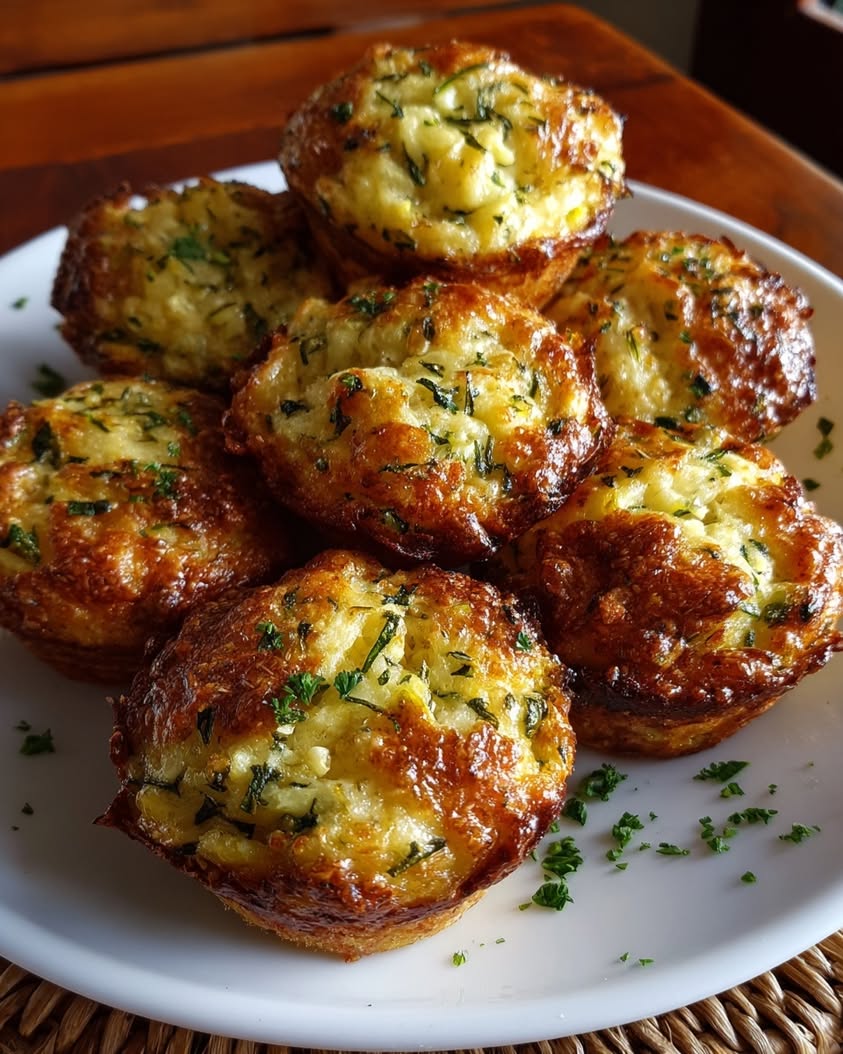
Crispy Parmesan Zucchini Potato Muffins: A Savory Snack Recipe
Imagine a savory snack that perfectly combines the comforting starch of potatoes with the fresh, green bite of zucchini, all baked into a golden, handheld muffin. These Crispy Parmesan Zucchini Potato Muffins are exactly that. They deliver a delightful crunch on the outside while remaining tender and moist on the inside. This recipe transforms simple, humble vegetables into an irresistible treat that will have everyone asking for seconds. Moreover, they are incredibly versatile, serving as a fantastic appetizer, a side dish for dinner, or even a quick breakfast on the go.
The magic of these savory muffins lies in their texture and flavor profile. Grated potatoes provide a hearty base, while zucchini adds moisture and a subtle sweetness. The generous amount of Parmesan cheese melts into the batter, creating pockets of salty, umami richness. Additionally, a blend of herbs and garlic powder elevates the entire experience. The final result is a batch of golden-brown muffins with crispy, cheesy edges that are simply impossible to resist. Ultimately, this recipe is a brilliant way to use up summer garden bounty or to add more vegetables to your family’s diet in a deliciously sneaky way.
Furthermore, these muffins are a testament to how easy and satisfying home baking can be. They require no special skills or equipment, just a few bowls and a standard muffin tin. The process is straightforward, making it a perfect project for beginner cooks or a fun activity to do with kids. The aroma that fills your kitchen as they bake is absolutely heavenly, a promise of the savory delight to come. In short, these Crispy Parmesan Zucchini Potato Muffins are a guaranteed crowd-pleaser that you will want to make again and again.
Quick Recipe Highlights
- Flavor Profile: These savory muffins boast a rich, cheesy taste from the Parmesan, balanced by the earthy notes of potato and the mild, fresh flavor of zucchini. Furthermore, garlic and herbs add a warm, aromatic depth that makes each bite complex and satisfying.
- Texture: The exterior achieves a wonderful, golden crispiness, especially around the edges where the cheese caramelizes. Conversely, the interior remains wonderfully tender and moist, thanks to the natural water content of the zucchini, creating a perfect textural contrast.
- Aroma: As they bake, your kitchen will fill with the irresistible scents of toasting cheese, roasting garlic, and savory herbs. This mouthwatering aroma is a hallmark of a successful batch and builds incredible anticipation.
- Visual Appeal: These muffins bake to a beautiful, uniform golden-brown color with speckles of green zucchini and flecks of herbs. They rise nicely in the tin, presenting a professional, appetizing look that is perfect for serving.
- Skill Level Needed: This is a beginner-friendly recipe. The techniques involve basic grating, mixing, and portioning. No advanced baking skills are required, making it accessible for cooks of all experience levels.
- Special Equipment: You only need a box grater or food processor for shredding, a couple of mixing bowls, and a standard 12-cup muffin tin. A silicone muffin liners can make removal easier, but they are not strictly necessary.
Recipe Overview
- Difficulty Level: We rate this recipe as “Easy” because it uses fundamental kitchen techniques. The steps are sequential and simple: grate, squeeze, mix, and bake. There is no complex folding or precise temperature control needed, so even a novice baker can achieve excellent results on the first try.
- Category: These muffins fit beautifully into multiple categories. They are a fantastic savory snack, an impressive appetizer for parties, a hearty side dish for grilled meats or soups, and even a portable breakfast option. Their versatility is one of their greatest strengths.
- Cuisine: While not tied to one specific tradition, these muffins draw inspiration from Italian-American flavors through the use of Parmesan and herbs. They also echo the spirit of resourceful home cooking found in many cultures, where garden vegetables are transformed into delicious, sustaining food.
- Cost: This is a very budget-friendly recipe. Potatoes and zucchini are inexpensive, especially in season. Parmesan is the priciest ingredient, but a little goes a long way. Overall, you can make a dozen substantial muffins for just a few dollars, making it a cost-effective treat.
- Season: These muffins are ideal for late summer and early fall when zucchini is at its peak freshness and abundance. However, they work year-round as the main vegetables are readily available in grocery stores any time, bringing a taste of summer to any table.
- Occasion: They are perfect for casual gatherings, potlucks, game day spreads, or picnic baskets. Additionally, they make a great after-school snack or a component of a weekend brunch. Basically, any occasion that calls for delicious, shareable food is right for these muffins.
Why You’ll Love This Recipe
First and foremost, the taste and texture combination is utterly addictive. The crispy, cheesy exterior gives way to a soft, savory interior packed with vegetable goodness. Each bite delivers a satisfying crunch followed by a melt-in-your-mouth tenderness. The flavors are well-balanced, not overly heavy, and deeply comforting. Furthermore, the Parmesan cheese creates a rich, salty crust that is simply irresistible, ensuring these muffins disappear quickly from any plate.
From a convenience standpoint, this recipe is a winner. The prep is straightforward, and the ingredients are common pantry staples. You can mix the batter in under twenty minutes, then let the oven do the work. Moreover, these muffins are perfectly portable. They hold their shape well, making them ideal for packed lunches, road trips, or outdoor events. You get a homemade, wholesome snack without any fuss, which is a huge advantage for busy households.
Nutritionally, these Crispy Parmesan Zucchini Potato Muffins offer a clever way to increase vegetable intake. Zucchini is a great source of vitamins and adds moisture without extra fat. Potatoes provide energy-sustaining complex carbohydrates. Using a muffin tin also creates natural portion control. You can feel good about serving these, knowing they provide more nutritional value than many store-bought savory snacks or baked goods.
For entertaining, their value is immense. They are easy to make in large batches and can be served warm or at room temperature. Guests always appreciate a hot, savory option amidst other snacks. Their individual serving size makes them mess-free and elegant. Consequently, they reduce your stress as a host because you can prepare them ahead of time and simply reheat or serve, allowing you to enjoy your own party.
Finally, the cost-effectiveness and accessibility are major benefits. This recipe turns affordable vegetables into something special. You likely have most ingredients already. It does not require any expensive equipment or hard-to-find items. This accessibility means anyone can make and enjoy these delicious savory muffins, regardless of their cooking budget or grocery store access. They are a testament to delicious, simple, and smart home cooking.
Historical Background and Cultural Significance
The concept of savory vegetable muffins is a relatively modern twist on traditional baking. Historically, muffins themselves have roots in quick breads, which became popular for their simplicity and lack of yeast. The addition of vegetables like zucchini and potato, however, speaks to a more contemporary culinary movement. This movement focuses on incorporating produce into everyday foods, often driven by home gardeners looking for creative ways to use abundant summer harvests. Thus, recipes like these Crispy Parmesan Zucchini Potato Muffins emerged from practical, home-kitchen innovation.
Culturally, these muffins represent a fusion of influences. The use of Parmesan cheese nods to Italian culinary traditions, where hard cheeses are frequently used to add depth and saltiness to dishes. Meanwhile, the inclusion of grated potato is reminiscent of potato pancakes or latkes found in Eastern European and Jewish cuisines. By combining these elements in a muffin format, the recipe creates a new, hybrid food that fits perfectly into the global, modern pantry where convenience and flavor are paramount.
The evolution of this recipe follows the broader trend of “sneaky” vegetable incorporation, especially aimed at families. As nutritional awareness grew, home cooks sought ways to make vegetables more appealing to children and picky eaters. Baking them into a handheld, cheesy muffin proved to be a brilliant strategy. Over time, the basic formula has been refined, with tips like squeezing the zucchini becoming standard knowledge to ensure the perfect texture. This evolution shows how community cooking knowledge develops and spreads.
Regional variations of this idea abound. In some areas, cooks might add corn or diced bell peppers. Others might swap Parmesan for cheddar or feta cheese. Some versions include a spoonful of baking powder for a lighter crumb, while others rely solely on the eggs for structure. These adaptations allow the recipe to reflect local tastes and available ingredients. Ultimately, the Crispy Parmesan Zucchini Potato Muffin is a flexible template, inviting personalization while maintaining its core appeal as a savory, vegetable-packed snack.
Ingredient Deep Dive
Potatoes form the hearty base of these muffins. Cultivated for thousands of years, potatoes are a global staple that provide energy and versatility. Nutritionally, they are a good source of vitamin C, potassium, and vitamin B6, especially when the skin is included. For this recipe, starchy potatoes like Russets work best as they grate well and help bind the mixture. Always choose firm potatoes without sprouts or green spots. Store them in a cool, dark, and well-ventilated place, but not in the refrigerator, as cold temperatures can convert their starch to sugar.
Zucchini, also known as courgette, is a summer squash that adds crucial moisture and lightness. It originated in the Americas but became a cornerstone of Mediterranean cuisine. It is low in calories and rich in antioxidants like vitamin A and manganese. The key to using zucchini here is to grate it and thoroughly squeeze out the excess water. This step prevents soggy muffins. Select medium-sized, firm zucchinis with glossy skin. You can store them in the refrigerator’s crisper drawer for up to a week. If you have a bounty, grated and squeezed zucchini freezes well for future baking.
Parmesan cheese is the flavor powerhouse. Authentic Parmigiano-Reggiano from Italy has a protected designation, but many domestic “Parmesan” cheeses work well. It contributes a deep umami, salty, nutty flavor and helps create the signature crispy edges. Nutritionally, it provides calcium and protein. Always grate your own from a block if possible, as pre-grated cheese contains anti-caking agents that can affect melt and texture. For storage, wrap the block tightly in parchment paper and then in foil, and keep it in the refrigerator. For a stronger flavor, try aged Parmesan; for a milder one, use a younger block.
Eggs and flour act as the binding agents. The eggs provide structure and richness, helping to hold the vegetables and cheese together. They also contribute to the golden-brown color during baking. Use large eggs at room temperature for best incorporation. All-purpose flour gives the muffins just enough structure without making them heavy. It coats the vegetables and absorbs remaining moisture. For a gluten-free version, a 1:1 gluten-free flour blend typically works well. Ensure you measure your flour correctly by spooning it into the cup and leveling it off to avoid dense muffins.
Common Mistakes to Avoid
- Skipping the Zucchini Squeeze: This is the most critical error. Failing to remove excess water from the grated zucchini will result in a soggy, wet batter that steams instead of bakes, leading to mushy muffins. Always take the time to wring it out thoroughly in a clean kitchen towel.
- Not Grating the Potatoes Finely: Large, thick shreds of potato will not cook through properly in the baking time, leaving you with unpleasant crunchy bits. Use the small holes on your box grater for a texture that cooks evenly and binds well with the other ingredients.
- Overmixing the Batter: Once you add the dry ingredients to the wet, mix just until combined. Overmixing develops the gluten in the flour, which can make the muffins tough and dense instead of tender. A few streaks of flour are perfectly fine.
- Using Pre-Grated Bagged Cheese: Pre-grated Parmesan contains cellulose to prevent clumping, which can inhibit melting and create a grainy texture. For the best flavor and melt, always grate a block of Parmesan cheese yourself just before using.
- Forgetting to Grease the Muffin Tin: Even if you use liners, greasing the top surface of the tin is crucial. The cheese will bubble and caramelize at the edges, and if the tin isn’t greased, you’ll struggle to get the muffins out without breaking them.
- Underbaking: Because the batter is moist, the muffins need the full time to set in the center and achieve that crispy exterior. Rely on visual cues—golden-brown edges and tops—and a toothpick test rather than just the timer.
- Not Letting Them Cool: It’s tempting to eat them immediately, but allowing the muffins to cool in the tin for 5-10 minutes lets them firm up. This makes them much easier to remove intact and improves their final texture.
- Storing Them While Still Warm: Trapped steam from warm muffins will turn your crispy creation soggy in storage. Always cool them completely on a wire rack before placing them in an airtight container.
Essential Techniques
Grating and Squeezing Vegetables is the foundational technique. Grating the potato and zucchini to a uniform, small size ensures even cooking and a cohesive batter. The subsequent squeezing of the zucchini is non-negotiable. By removing the excess liquid, you concentrate the vegetable’s flavor and prevent it from watering down your batter. To master this, place the grated zucchini in the center of a clean, thin kitchen towel, gather the edges, and twist tightly over the sink. Apply firm pressure until no more water drips out. The visual cue for success is a significantly reduced, dry-looking mass of zucchini.
Proper Batter Mixing determines the final texture. The goal is to combine the ingredients without overworking the gluten in the flour. Start by thoroughly mixing your wet ingredients and seasonings in one bowl. In another, combine your dry ingredients. Then, make a well in the dry ingredients and pour the wet mixture in. Using a folding motion with a spatula, gently mix just until no large pockets of dry flour remain. The batter will be thick and shaggy. The common pitfall is vigorous stirring, which leads to toughness. Success looks like a lumpy, well-moistened batter that holds together when scooped.
Portioning and Baking for Crispiness is the final crucial step. Use a standard ice cream scoop or spoon to divide the batter evenly among the muffin cups, pressing it down slightly. This ensures uniform baking. The key to the crispy edges is the direct contact of the cheesy batter with the hot, greased muffin tin. Bake in a fully preheated oven on the middle rack. The high heat immediately starts to set the exterior and brown the cheese. The visual cues for doneness are deeply golden-brown tops and edges that pull slightly away from the sides of the tin. A toothpick inserted should come out clean.
Pro Tips for Perfect Crispy Parmesan Zucchini Potato Muffins
For extra crispiness, consider using a well-seasoned cast iron muffin pan if you have one. The superior heat retention promotes fantastic browning. Alternatively, preheat your regular muffin tin in the oven for 5 minutes before adding the batter for a jump start on a crispy bottom.
Add a tablespoon of chopped fresh herbs like dill, chives, or parsley to the batter. Fresh herbs provide a brighter, more aromatic flavor compared to dried ones, elevating the overall taste profile of your savory muffins significantly.
If your batter seems a bit wet after mixing, let it sit for 5 minutes. This allows the flour to fully absorb the remaining moisture. Then, give it one quick stir before portioning. This small rest can fix a batter that seems too loose.
For easy cleanup and perfect release, use silicone muffin liners. They are non-stick and peel away cleanly. If using paper liners, still spray them lightly with cooking spray to prevent sticking, especially on the top edges where cheese crisps.
Test for doneness with a digital thermometer. The internal temperature of the muffins should reach at least 200°F (93°C) when they are fully baked. This is a foolproof method that takes the guesswork out of baking, ensuring they are cooked through.
After baking, immediately run a thin knife or offset spatula around the edge of each muffin. This loosens any cheese that has caramelized and stuck to the pan, guaranteeing you get the muffins out in one beautiful, crispy piece.
For a flavor boost, toast your flour in a dry skillet over medium heat for 3-5 minutes until lightly fragrant before using it. This simple step adds a subtle nutty depth to the entire batch of muffins.
If you want to add protein, mix in a half cup of finely diced cooked ham, crumbled cooked bacon, or even some canned, drained tuna. Fold these additions in at the end to create a more substantial, meal-worthy muffin.
Variations and Adaptations
For regional variations, look to different culinary traditions. Add a Southwestern twist with a quarter cup of diced green chiles, a teaspoon of cumin, and swap Parmesan for pepper jack cheese. For a Mediterranean version, use crumbled feta, add chopped kalamata olives and a teaspoon of dried oregano. These adaptations show how the basic Crispy Parmesan Zucchini Potato Muffin recipe can travel the globe with just a few ingredient swaps.
Seasonal adaptations keep this recipe exciting all year. In fall, add a half cup of finely grated sweet potato or butternut squash along with a pinch of nutmeg. For a winter version, use shredded Brussels sprouts instead of some of the zucchini. In spring, incorporate fresh asparagus tips and lemon zest. These changes align the muffins with what is fresh and available, maximizing flavor and supporting local seasonal eating.
Dietary modifications are straightforward. For gluten-free, use a certified gluten-free all-purpose flour blend. For dairy-free, substitute nutritional yeast for half the Parmesan and use a vegan cheese alternative for the rest. To make it vegan, also replace the eggs with a flax egg mixture. For a lower-carb option, you can experiment with using almond flour, though the texture will be denser. Always adjust seasoning as needed when making substitutions.
Flavor variations are endless. Add heat with a teaspoon of red pepper flakes or a diced jalapeño. Incorporate smokiness with a teaspoon of smoked paprika. For an herby focus, use an Italian seasoning blend or Herbes de Provence. You can also add umami with a tablespoon of white miso paste blended into the wet ingredients. These small tweaks allow you to customize the muffins to your personal taste preferences or to match the theme of a meal.
Texture modifications can cater to different desires. For a chunkier texture, use the large holes on the grater for the potato. For a smoother, more uniform muffin, pulse the grated vegetables a few times in a food processor. To add crunch, mix in a quarter cup of sunflower seeds or pine nuts into the batter. For a fluffier texture, separate the egg, mix the yolk with the wet ingredients, whip the white to soft peaks, and fold it in at the very end.
Presentation alternatives make them fun for different events. Bake the batter in a greased mini muffin tin for perfect one-bite appetizers. Alternatively, press the mixture into a greased baking dish to make a savory vegetable “bread” or casserole that you can cut into squares. For a free-form option, you can even shape the mixture into patties and pan-fry them like fritters. Each method offers a different eating experience from the same delicious base recipe.
Serving and Presentation Guide
Plating techniques can elevate these humble muffins. For a casual family meal, simply pile them in a rustic basket lined with a cloth napkin. For a more formal appetizer, place each muffin on a small, colorful appetizer plate and garnish with a single fresh herb sprig. You can also slice them in half horizontally and fan the halves out on a serving platter to show off their tender interior. The goal is to present them in a way that highlights their homemade, savory appeal.
Garnishing ideas add the final touch of color and flavor. A light sprinkle of flaky sea salt and freshly cracked black pepper right after baking enhances taste. A dollop of herbed sour cream, tzatziki, or garlic aioli on the side is perfect for dipping. For a fresh contrast, top with a small mound of microgreens or a drizzle of vibrant pesto. A light dusting of extra grated Parmesan or a zigzag of balsamic glaze can also make them look restaurant-worthy.
Traditional accompaniments include a simple green salad with a lemony vinaigrette to cut through the richness. They also pair wonderfully with a bowl of tomato soup or a hearty vegetable stew, acting as a savory, dippable bread alternative. For a brunch spread, serve them alongside scrambled eggs and fresh fruit. These combinations create a balanced and satisfying meal that highlights the versatility of the muffins.
Modern serving suggestions might include crumbling a muffin over a salad for a crispy crouton alternative. You can also use them as a base for eggs Benedict, replacing the English muffin. For a fun party idea, create a “muffin bar” with various dips and toppings like different cheeses, sauces, and cured meats, allowing guests to customize their bite. This interactive approach makes them the centerpiece of social eating.
Temperature considerations are important. These Crispy Parmesan Zucchini Potato Muffins are best served warm, when the cheese is still slightly melty and the exterior is at its crispiest. However, they are also perfectly delicious at room temperature, which makes them excellent for picnics or packed lunches. If you must reheat, do so in a toaster oven or conventional oven at 350°F for 5-10 minutes to restore the crispness; avoid the microwave, as it will make them soft and soggy.
Portion control is naturally built in, as each muffin is a single serving. For a light snack or appetizer, one muffin per person is sufficient. As a side dish, plan for one to two muffins. If serving as a main component of a light meal, like with a large salad, two to three muffins would be appropriate. Their uniform size makes planning for a crowd exceptionally easy.
Wine and Beverage Pairing
Wine pairings should complement the savory, cheesy, and slightly earthy notes of the muffins. A crisp, unoaked white wine like Sauvignon Blanc or Pinot Grigio works beautifully, as their acidity cuts through the richness. For red wine lovers, a light-bodied, low-tannin red like a Beaujolais or Pinot Noir is an excellent choice, as it won’t overpower the vegetables. A dry rosé is another fantastic option, offering the best of both worlds with its bright fruit and refreshing finish. Ultimately, the goal is to choose a wine that refreshes the palate between bites.
Non-alcoholic alternatives can be just as sophisticated. A sparkling water with a squeeze of lemon or lime provides cleansing bubbles. For something more flavorful, try a tart cherry juice spritzer or a ginger beer mocktail. Iced herbal teas, like rosemary-lemon or mint, complement the herbal notes in the muffins wonderfully. These options ensure everyone can enjoy a thoughtful beverage pairing, regardless of their preference.
Coffee and tea pairings are ideal for a brunch setting. A medium-roast coffee with low acidity won’t clash with the savory flavors. For tea, a robust black tea like English Breakfast or an earthy green tea like Genmaicha (with roasted rice) can stand up to the hearty texture of the muffins. Serve these beverages hot to contrast with the warm muffins, creating a comforting and complete meal experience.
Temperature considerations for beverages are key. Chilled white wines, rosés, and non-alcoholic spritzers should be served well-chilled, around 45-50°F. Red wines should be slightly cool, at cellar temperature (55-60°F), not warm. Iced drinks should be cold but not overly diluted. Hot coffee and tea should be freshly brewed and piping hot. Proper serving temperatures ensure the beverages perform their role of complementing and cleansing the palate effectively.
Serving suggestions include offering a variety of options if you’re hosting a group. Set up a small beverage station with a carafe of iced tea, a bottle of sparkling water, and a recommended wine. Provide clear glassware so guests can see the colors of the drinks. Labeling the choices with small cards can be a nice touch, especially if you’re offering a signature mocktail or a specific wine pairing you think works exceptionally well with the Crispy Parmesan Zucchini Potato Muffins.
Storage and Shelf Life
Storage methods are straightforward but important for maintaining quality. Once the muffins are completely cooled to room temperature, transfer them to an airtight container. You can place a sheet of paper towel at the bottom of the container to absorb any residual moisture. Do not store them while still warm, as the trapped steam will create condensation and ruin their crispy texture. For short-term storage, this method works perfectly.
Temperature requirements are simple: always store in the refrigerator. The moisture from the vegetables means these muffins are perishable and should not be left at room temperature for more than a few hours. In an airtight container in the refrigerator, they will maintain their best quality for 3-4 days. The cool temperature slows staling and prevents spoilage, keeping them safe to eat.
Container recommendations include rigid airtight plastic or glass containers. You can also store them in a resealable plastic bag with the air pressed out. If stacking them in a container, place parchment paper between layers to prevent them from sticking together. Avoid storing them in a loose wrap like aluminum foil or plastic wrap in the fridge, as they can dry out or absorb other odors.
Signs of spoilage to watch for include an off or sour smell, visible mold (often green or white fuzzy spots), or an excessively slimy texture. If the muffins develop any of these characteristics, discard them immediately. A slight softening of the crisp exterior is normal after refrigeration but should not be accompanied by a foul odor or visual mold growth.
Reheating instructions are crucial for restoring texture. To recrisp, preheat your oven or toaster oven to 350°F. Place the muffins on a baking sheet and heat for 5-10 minutes, until warmed through and the exterior is crisp again. You can also use an air fryer for about 3-4 minutes at 350°F. Avoid using the microwave, as it will steam them and make the texture unpleasantly soft and rubbery.
Freezing guidelines allow for long-term storage. Wrap each completely cooled muffin individually in plastic wrap, then place them all in a heavy-duty freezer bag. They can be frozen for up to 2 months. To reheat, do not thaw. Place the frozen muffin directly in a 350°F oven for 15-20 minutes, or until heated through and crispy. This method preserves their flavor remarkably well.
Make Ahead Strategies
Prep timeline can be spread over two days for convenience. On Day 1, you can grate the zucchini and potato. Squeeze the zucchini dry, then store both vegetables separately in airtight containers in the refrigerator. You can also grate the cheese and mix the dry ingredients. On Day 2, simply combine everything and bake. This split approach cuts the active prep time in half on the day you want to serve them, making the process feel much easier.
Storage between steps is simple with proper planning. The pre-grated, squeezed zucchini and potato will keep well in the fridge for 24 hours. If they release a little more liquid overnight, you can give the zucchini another quick squeeze before using. The pre-mixed dry ingredients can sit in a bowl covered at room temperature. Keeping the wet and dry ingredients separate until baking time ensures the chemical reactions (like the eggs and flour) don’t start too early.
Quality impact assessment shows that make-ahead prep has minimal negative effect. In fact, some cooks believe letting the grated vegetables rest allows the flavors to meld slightly. The key is to keep the wet and dry components apart. The final baked texture and rise of the muffins are virtually identical whether you prep ahead or do it all at once, so this strategy is highly recommended for stress-free entertaining.
Assembly tips for the day of baking are easy. Take your pre-prepped ingredients out of the fridge about 15-20 minutes before you plan to mix to let them come closer to room temperature. Then, simply combine the wet ingredients (including the pre-squeezed veggies and cheese) in one bowl, add the pre-mixed dry ingredients, stir until just combined, and bake. The process becomes a simple 10-minute task before the muffins go in the oven.
Reheating guidelines for make-ahead fully baked muffins are the same as for storage. To serve, re-crisp in a 350°F oven for 5-10 minutes. If you baked them the day before, this quick reheat will make them taste freshly made. This is perfect for parties where you want to serve warm food without being stuck in the kitchen while guests arrive.
Fresh element additions can be done at the last minute if you prepped the base ahead. For example, if you want to add a garnish of fresh herbs, do that just before serving after reheating. You can also add a fresh dollop of dipping sauce on the side. This strategy gives you the convenience of make-ahead with the vibrant appeal of last-minute freshness.
Scaling Instructions
Halving the recipe is simple for smaller households. Simply divide all ingredient quantities by two. Use 1 large egg, and if halving creates a “half an egg” situation, beat one egg in a small bowl and use approximately 2 tablespoons of the mixture. Bake in a 6-cup muffin tin or fill every other cup in a 12-cup tin to ensure proper air circulation. The baking time may be reduced by 3-5 minutes, so start checking for doneness a bit earlier.
Doubling or tripling the recipe is easy for crowds. Multiply all ingredients consistently. Use a very large bowl for mixing, or mix in batches to ensure even distribution. You will need to bake in multiple batches unless you have multiple ovens and muffin tins. Rotate the tins in the oven halfway through baking for even browning. The bake time per batch remains roughly the same, but your total kitchen time will increase accordingly.
Equipment adjustments are necessary when scaling. For a double batch, you’ll need two standard muffin tins or one large 24-cup mini muffin tin. Ensure your oven can accommodate multiple tins with proper air flow—don’t overcrowd. You may need to use a larger grater or food processor bowl to handle the increased volume of vegetables. Having a second set of mixing bowls can streamline the process significantly.
Timing modifications are minimal when scaling up or down for the actual bake. The heat penetration in a standard muffin cup is consistent. However, when baking multiple trays at once, you might need to add 2-3 minutes to the bake time and swap the tray positions top to bottom halfway through. Always rely on visual and tactile doneness tests (golden color, pulling from edges, clean toothpick) rather than strictly adhering to the original timer.
Storage considerations change with batch size. A large batch will take longer to cool completely, which is a critical step before storage to prevent sogginess. Spread the muffins out on multiple wire cooling racks. Ensure you have enough airtight containers for the yield. For very large batches, freezing becomes a more important option. Label bags with the date so you can enjoy your Crispy Parmesan Zucchini Potato Muffins over several weeks.
Nutritional Deep Dive
Macro breakdown per muffin is favorable. Each muffin provides a balance of complex carbohydrates from the potato and flour, protein from the eggs and cheese, and a moderate amount of fat, primarily from the cheese and egg yolks. The zucchini adds very few calories but significant volume and moisture. This balance makes them a sustaining snack that provides energy without a heavy, greasy feeling. They are more nutrient-dense than many traditional baked goods due to the high vegetable content.
Micronutrient analysis reveals good variety. Zucchini contributes vitamin A, vitamin C, and manganese. Potatoes add potassium and vitamin B6. Eggs provide choline and selenium, while Parmesan cheese is an excellent source of calcium and phosphorus. Using whole wheat flour would increase the fiber and mineral content further. This combination means you’re getting a range of vitamins and minerals that support overall health, from bone strength to immune function.
Health benefits are linked to the whole ingredients. The vegetables provide antioxidants and anti-inflammatory compounds. The eggs offer high-quality protein for muscle maintenance. The cheese provides calcium for bones. Together, they create a food that is more satisfying and nutritionally complete than a processed snack. The fiber from the vegetables and flour aids digestion and helps regulate blood sugar response after eating.
Dietary considerations are important to note. This recipe contains gluten (flour), dairy (cheese), and eggs. For those with allergies or intolerances, see the Dietary Adaptations section for modifications. For general health, the sodium content is moderate and comes primarily from the Parmesan cheese, so those on strict low-sodium diets can reduce the cheese amount or use a low-sodium variety.
Portion analysis shows that one muffin is a reasonable serving. It’s substantial enough to curb hunger but not so large that it constitutes a huge calorie load. This built-in portion control is a major advantage. It prevents overeating while still providing satisfaction. Compared to a large slice of quiche or a piece of garlic bread, a single muffin is a more moderate choice.
Weight management tips include enjoying one muffin as a snack with a piece of fruit or a serving of raw vegetables. This creates a balanced mini-meal. Because they are baked, not fried, they are lower in fat than many savory snacks. Their high water content from the zucchini also adds volume, which promotes feelings of fullness. Incorporating them into a diet focused on whole foods can support healthy weight goals.
Dietary Adaptations
For a gluten-free version, substitute the all-purpose flour with a 1:1 gluten-free baking blend that contains xanthan gum. Brands like Bob’s Red Mill or King Arthur Measure for Measure work well. The texture may be slightly more crumbly, but the flavor{“success”:true,”message”:”Recipe created successfully”,”post_id”:7757,”tasty_recipe_id”:7757,”shortcode”:” Print
Crispy Parmesan Zucchini Potato Muffins
Description
Savory, crispy muffins made with grated zucchini and potatoes, mixed with Parmesan cheese and herbs, baked to golden perfection.
Ingredients
For the Crust:
- 2 medium zucchinis, grated and squeezed dry
- 2 medium potatoes, peeled and grated
- 1 cup grated Parmesan cheese
- 2 large eggs, beaten
- 1/2 cup all-purpose flour
- 1/4 cup chopped fresh parsley
- 2 cloves garlic, minced
- 1 teaspoon salt
- 1/2 teaspoon black pepper
- 1/2 teaspoon paprika
- 2 tablespoons olive oil
Instructions
1. Prepare the Crust:
- Preheat oven to 375°F (190°C) and grease a muffin tin.
- In a large bowl, combine grated zucchini, potatoes, Parmesan, eggs, flour, parsley, garlic, salt, pepper, and paprika. Mix well.
- Scoop the mixture into the muffin tin, pressing down lightly. Drizzle with olive oil.
- Bake for 25-30 minutes until golden and crispy on top.
- Let cool for 5 minutes before removing from tin. Serve warm.
Notes
You can customize the seasonings to taste.

I’m Billy, a classically trained culinary school graduate from The Culinary Institute of America with over 12 years in the restaurant industry and over 19 years of cooking experience.