
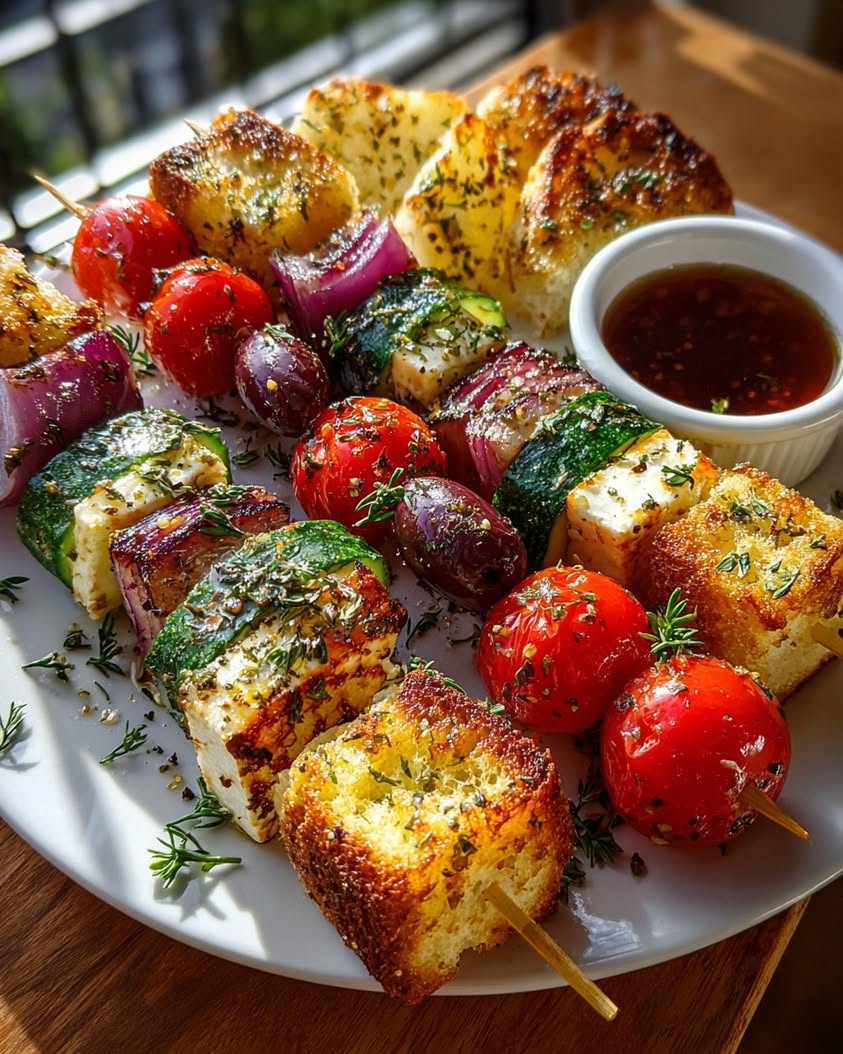
Deconstructed Greek Salad Skewers: A Fresh and Fun Appetizer Twist
Imagine all the vibrant, sun-drenched flavors of a classic Greek salad, but transformed into a stunning, handheld appetizer. This Deconstructed Greek Salad Skewer Recipe does exactly that. It captures the essence of Mediterranean cuisine in a single, elegant bite. Consequently, you get the perfect balance of briny olives, creamy feta, crisp cucumber, and juicy tomato on a stick. This recipe is not just food; it is a conversation starter for your next gathering.
Furthermore, this approach to a Greek salad is brilliantly simple and endlessly customizable. You can easily adjust the ingredients to suit your taste or what you have on hand. The beauty of these skewers lies in their presentation. Each component remains distinct, allowing the eater to experience every flavor individually before they combine in a delicious finish. Ultimately, this Deconstructed Greek Salad Skewer Recipe is a testament to the idea that the best dishes are often the simplest, letting high-quality ingredients shine.
Finally, these skewers are the ultimate solution for hassle-free entertaining. They require no cooking, minimal cleanup, and can be assembled well in advance. Whether you are hosting a summer barbecue, a fancy cocktail party, or just need a healthy snack, these skewers deliver. They are visually impressive, nutritionally balanced, and bursting with the fresh, clean tastes of the Aegean coast. Let us dive into how you can create this delightful appetizer in your own kitchen.
Quick Recipe Highlights
- Flavor Profile: This Deconstructed Greek Salad Skewer Recipe delivers a bright and tangy symphony. You will taste the salty punch of feta cheese and Kalamata olives balanced by the sweetness of cherry tomatoes. Meanwhile, a simple lemon-oregano vinaigrette ties everything together with herbal, citrusy notes.
- Texture: Each bite offers a satisfying contrast. You experience the firm crunch of cucumber and bell pepper against the juicy pop of tomato. Subsequently, the creamy, crumbly texture of the feta cheese provides a rich mouthfeel that complements the other elements perfectly.
- Aroma: The aroma is instantly evocative of a Greek taverna. Fresh oregano and a squeeze of lemon provide the top notes. Underneath, you will detect the earthy scent of good olive oil and the distinctive, briny smell of quality olives.
- Visual Appeal: These skewers are a feast for the eyes. The vibrant red tomatoes, green cucumber, yellow pepper, white feta, and deep purple olives create a stunning color palette. This presentation makes them look as beautiful on a platter as they taste.
- Skill Level Needed: Absolutely beginner-friendly. This recipe requires no special culinary skills, just basic knife work for chopping. It is a fantastic introductory recipe for someone new to cooking or for getting kids involved in the kitchen.
- Special Equipment: You only need wooden or metal skewers. If using wooden skewers, soaking them in water for 15-20 minutes beforehand is recommended. This simple step prevents them from burning or splintering, though it is not strictly necessary for a no-cook recipe.
Recipe Overview
- Difficulty Level: This Deconstructed Greek Salad Skewer Recipe is rated “Easy” for several compelling reasons. First, there is zero cooking involved, eliminating a major point of stress. Second, the technique is purely assembly-based, requiring no precision. Finally, the ingredients are forgiving; a slightly uneven chop does not impact the final delicious result.
- Category: These skewers perfectly straddle multiple categories. They function wonderfully as a passed appetizer or hors d’oeuvre at parties. Alternatively, they make a fantastic light lunch or a healthy snack. You can even serve a couple alongside a bowl of soup for a more complete meal.
- Cuisine: This recipe is firmly rooted in Greek and broader Mediterranean cuisine. It celebrates the core principles of this healthy culinary tradition: fresh vegetables, high-quality olive oil, tangy cheese, and briny olives. The flavors are authentic and transport you straight to the shores of the Mediterranean.
- Cost: Preparing this Deconstructed Greek Salad Skewer Recipe is very economical. Most ingredients, like cucumber, tomato, and bell pepper, are inexpensive year-round. Feta cheese and Kalamata olives might be a slightly higher investment, but a little goes a long way. Overall, you can create an impressive platter for a fraction of restaurant costs.
- Season: While delicious anytime, these skewers truly shine in the late spring and summer. This is when tomatoes and cucumbers are at their peak sweetness and crispness at farmers’ markets. The recipe’s refreshing quality also makes it ideal for hot weather when you want a light, no-cook option.
- Occasion: Their versatility makes them suitable for countless occasions. They are perfect for picnics and potlucks because they travel well. They are elegant enough for wedding or baby showers. Moreover, they are a quick and healthy after-school snack or a colorful addition to a weeknight dinner spread.
Why You’ll Love This Recipe
First and foremost, the taste and texture appeal is undeniable. Every bite of this Deconstructed Greek Salad Skewer Recipe is a mini adventure. You get a burst of juicy tomato, followed by the cool crunch of cucumber, the salty creaminess of feta, and the rich, briny finish of an olive. This sequential tasting experience is far more engaging than a mixed salad. Furthermore, the lemon-oregano dressing lightly coats each ingredient, enhancing their natural flavors without drowning them. It is a refreshing, satisfying combination that never feels heavy or overly complicated.
Next, consider the sheer convenience and preparation benefits. This recipe is a lifesaver for busy hosts. You can chop all the vegetables and make the dressing hours in advance. Then, assembly takes mere minutes before guests arrive. There is no last-minute cooking or reheating required. Consequently, you spend less time in the kitchen and more time enjoying your own party. The skewers also eliminate the need for plates and forks at a standing event, making cleanup a breeze. This streamlined approach takes the stress out of entertaining.
From a nutritional standpoint, these skewers are a powerhouse. They are packed with vitamins, antioxidants, and healthy fats. Vegetables like cucumber and bell pepper provide hydration and fiber. Tomatoes are rich in lycopene. Meanwhile, the olive oil and olives contribute heart-healthy monounsaturated fats. The feta cheese offers a good dose of calcium and protein. Therefore, this Deconstructed Greek Salad Skewer Recipe is a choice you can feel genuinely good about serving. It proves that healthy eating can be incredibly delicious and fun.
The social and entertaining value of this dish is exceptionally high. Food on a stick is inherently fun and approachable. These skewers become an instant icebreaker and a focal point on your appetizer table. Guests will admire their colorful presentation and enjoy the easy, mess-free eating. They encourage mingling because people are not tied down to a table with a plate. This format is perfect for fostering a lively, interactive atmosphere at any gathering, from casual to formal.
Finally, the cost-effectiveness and accessibility are major wins. You do not need any rare or expensive ingredients to make this Deconstructed Greek Salad Skewer Recipe shine. Everything is readily available at any standard grocery store. The recipe is also highly scalable; you can easily make a small batch for a family snack or multiply it to feed a crowd. This flexibility makes it a reliable, budget-friendly staple in your entertaining repertoire. You get maximum visual and flavor impact for minimal financial investment.
Historical Background and Cultural Significance
The origin story of the Greek salad, or “Horiatiki,” is deeply tied to the land and lifestyle of rural Greece. Traditionally, it was a farmer’s meal, prepared with whatever sun-ripened vegetables were on hand. Cooks would combine tomatoes, cucumbers, onions, and olives from their gardens, top it with a slab of feta cheese, and dress it simply with olive oil and oregano. This was not a starter but a main course, often accompanied by crusty bread to soak up the flavorful juices. The concept of deconstructing it onto skewers is a modern, global interpretation, adapting the rustic, communal dish into a portable, individual appetizer format popular in contemporary entertaining.
The cultural importance of the Greek salad cannot be overstated. It is a national icon, representing the core of the Mediterranean diet—a diet celebrated worldwide for its health benefits. The salad embodies key Greek culinary principles: freshness, simplicity, and respect for seasonal ingredients. Each component holds significance; the olive tree is a symbol of peace and prosperity, and feta cheese is a protected designation of origin (PDO) product, meaning true feta can only come from Greece. Therefore, even in its skewered form, this recipe carries the weight of a rich culinary heritage.
The evolution of the recipe from a rustic plate to elegant skewers reflects broader food trends. As global travel and food media expanded, dishes like Greek salad became international favorites. Chefs and home cooks began playing with presentation, leading to “deconstructed” versions. This trend focuses on separating components to highlight each one’s individual beauty and taste. The Deconstructed Greek Salad Skewer Recipe is a direct result of this playful, presentation-driven approach to classic cuisine. It modernizes the tradition while faithfully honoring its original flavors.
Regional variations of the base salad exist throughout Greece and the Mediterranean. For instance, on some islands, you might find capers added. In other regions, green bell pepper is a standard addition, while some purists argue against it. The skewer adaptation opens the door for even more personalization. However, the heart of the dish—tomato, cucumber, feta, olive, onion, oregano, and olive oil—remains the non-negotiable foundation. This flexibility within a framework is what keeps the recipe both timeless and adaptable to new culinary ideas.
Ingredient Deep Dive
Feta Cheese is the soul of this dish. This brined curd cheese, traditionally made from sheep’s milk or a sheep-goat blend, has a history dating back to ancient Greece. Its tangy, salty flavor and crumbly yet creamy texture are irreplaceable. Nutritionally, feta is a good source of calcium, protein, and beneficial fatty acids. When selecting feta, opt for a block stored in brine rather than pre-crumbled dry versions for superior flavor and moisture. Store it submerged in its brine in the refrigerator. If you need a substitute, a firm ricotta salata or a salty halloumi (grilled) can work, though the profile will differ.
Kalamata Olives are a specific variety from the Messinia region of Greece, named after the city of Kalamata. They are dark purple, almond-shaped, and have a rich, fruity, and distinctly wine-like flavor compared to other black olives. They are always harvested ripe, which contributes to their deep taste and meaty texture. Rich in monounsaturated fats and antioxidants, they are a cornerstone of heart-healthy diets. Choose olives sold in jars or from an olive bar with their pits intact for the best flavor. You can store them in their liquid in the fridge. A possible substitute is another Greek olive like Halkidiki, but avoid bland, canned black olives.
English Cucumber provides the essential crisp, hydrating element. Unlike standard cucumbers, they have thinner skins, fewer seeds, and a milder taste, eliminating the need for peeling or seeding. They are over 95% water, making them incredibly refreshing and low in calories. Their high water content also contributes to the feeling of freshness in every bite. Select cucumbers that are firm and deeply green with no soft spots. Wrap them in a towel and place them in the crisper drawer to maintain crispness. A good substitute is Persian cucumbers, or you can use a regular garden cucumber if you peel and seed it first.
Cherry or Grape Tomatoes offer concentrated sweetness and a juicy pop. Their small size makes them perfect for skewering. They are packed with vitamins A and C and are an excellent source of the antioxidant lycopene, especially when their red color is deep. Choose tomatoes that are plump, smooth, and brightly colored, still attached to their vine if possible for maximum flavor. Never refrigerate tomatoes, as cold temperatures degrade their texture and taste. Keep them at room temperature. If unavailable, you can dice a ripe, flavorful beefsteak tomato into large chunks, though skewering becomes trickier.
Extra Virgin Olive Oil (EVOO) is the liquid gold that binds the dish. It is the highest quality of olive oil, extracted mechanically without heat or chemicals, preserving its fruity, peppery flavor and health benefits. It is rich in monounsaturated fats and polyphenols, which have anti-inflammatory properties. For dressing, always use a good-quality EVOO you enjoy the taste of on its own. Store it in a cool, dark place away from the stove. There is no true substitute for its flavor in a Greek recipe, though a neutral oil can be used in a pinch, supplemented with more lemon and oregano.
Common Mistakes to Avoid
- Using pre-crumbled feta cheese. This version is often dry, coated in anti-caking agents, and lacks the creamy, moist texture of a block feta stored in brine. Always buy a block and crumble it yourself just before assembling for the best flavor and mouthfeel.
- Skimping on olive oil quality. Since the dressing is so simple, each ingredient matters profoundly. Using a low-quality or flavorless olive oil will result in a flat, uninspiring skewer. Invest in a decent bottle of extra virgin olive oil for dressing.
- Forgetting to season the vegetables. Tomatoes and cucumbers benefit greatly from a light sprinkle of salt. Salting them briefly before assembling helps draw out their natural juices and intensifies their flavor, making the entire skewer more delicious.
- Making the skewers too far in advance. If assembled more than an hour ahead, the vegetables can start to weep, and the feta may become soggy. Prepare components separately and skewer just before serving for optimal texture.
- Overcrowding the skewer. The beauty of a deconstructed recipe is seeing each ingredient distinctly. Pushing items too close together makes it look messy and can cause flavors to muddle. Leave a tiny space between each piece for visual appeal.
- Using wooden skewers without soaking. While not critical for a no-cook recipe, dry wooden skewers can have rough, splintery ends. Soaking them for 15-20 minutes softens the wood, making them safer and more pleasant to handle and eat from.
- Drowning the skewers in dressing. The goal is a light, flavorful gloss, not a pool of liquid at the bottom of the platter. Toss the vegetables gently in the dressing or use a pastry brush to lightly coat the assembled skewers.
- Ignoring ingredient size consistency. For a professional look and even eating experience, try to cut all your vegetables to a similar size. This ensures every bite has a balanced ratio of flavors and textures.
Essential Techniques
Choosing and Cutting for Skewering is the fundamental technique for this recipe. The goal is to create pieces that are sturdy enough to be pierced and held securely on a stick, but also bite-sized. For cucumbers and bell peppers, aim for thick, chunky pieces or wide, flat slices. Cherry tomatoes can be used whole. Feta should be cut into firm cubes, not crumbled. Mastering this means your skewers will look neat and be easy to eat. A common pitfall is cutting pieces too thin or small, causing them to spin or fall off. Visual success is achieved when each ingredient sits firmly and proudly on the skewer.
Creating a Balanced Flavor Vinaigrette relies on proper emulsification and seasoning. Even though it is just oil, lemon, and herbs, the method matters. Whisk the lemon juice, dried oregano, salt, and pepper together first. Then, whisk continuously while you slowly drizzle in the olive oil. This helps the dressing temporarily combine into a cohesive mixture. The importance lies in evenly coating each ingredient with a harmonious blend of fat and acid. A common mistake is just pouring oil and lemon separately over the skewers, leading to uneven, sharp bites of lemon in some spots and plain oil in others. Success is a light, even sheen on every component.
Strategic Assembly Order impacts both structure and eating experience. Start and end with a sturdy ingredient, like a block of feta or a thick cucumber round, to act as an anchor. Then, alternate colors, textures, and flavors as you thread the items. This technique ensures the skewer is structurally sound and that each bite, as you eat from one end to the other, offers a varied experience. The pitfall is haphazard assembly, which can make the skewer wobbly or cause similar ingredients to clump together. The visual cue for success is a skewer that looks colorful, balanced, and stable when you lift it from the platter.
Pro Tips for Perfect Deconstructed Greek Salad Skewers
For the most vibrant flavor, take your cherry tomatoes and cucumbers out of the refrigerator at least 30 minutes before assembling. Serving them at cool room temperature allows their natural sugars and aromas to shine, unlike when they are too cold.
Add a tiny pinch of dried oregano directly onto the feta cheese cubes after skewering. This little extra step intensifies the herbal aroma right where it counts and makes the presentation look even more professional.
If you have time, let the chopped vegetables (except the feta) marinate in the dressing for 10-15 minutes before skewering. This brief marination allows the flavors to penetrate slightly, resulting in a more cohesive and seasoned final product.
Use a vegetable peeler to create long, thin ribbons of cucumber before rolling them up for the skewer. This technique adds an elegant, delicate look and a different textural experience compared to chunks.
For a stunning presentation, consider using skewers of different lengths or materials. Mix short bamboo skewers with longer metal ones, or use decorative cocktail picks for a more formal affair to elevate the visual appeal of your platter.
To prevent the feta from sticking to your knife when cubing, lightly spray the blade with cooking oil or dip it in cold water. This simple trick allows for clean, easy cuts without the cheese crumbling prematurely.
If serving outdoors, place your finished platter of skewers on a larger tray filled with a layer of crushed ice. This keeps everything refreshingly cool and crisp for the duration of your event, especially on a warm day.
For an extra flavor dimension, add a single fresh herb leaf, like a small basil or mint leaf, between two ingredients on the skewer. It provides a surprising and fragrant burst with each bite.
Variations and Adaptations
Regional variations can inspire your skewers. Add a cube of grilled halloumi cheese for a Cypriot twist, offering a squeaky texture and salty, grill-marked flavor. For an Italian-inspired version, substitute mozzarella balls (ciliegine) for the feta and use basil instead of oregano. A Middle Eastern variation could include a chunk of grilled eggplant and a sprinkle of za’atar seasoning in the dressing, showcasing the fluidity of Mediterranean flavors.
Seasonal adaptations keep the recipe exciting year-round. In winter, use roasted cubes of butternut squash and hearty kale leaves in place of tomato and cucumber. For a fall version, skewer roasted beet cubes and pear slices with goat cheese and walnuts. Spring might feature blanched asparagus tips and fresh peas. The dressing formula remains constant, but the seasonal produce dictates the skewer’s character.
Dietary modifications are straightforward. For a vegan Deconstructed Greek Salad Skewer, use a firm tofu cube marinated in lemon and oregano or a commercially available vegan feta alternative. A dairy-free version follows the same principle. To make it lower-carb, increase the cucumber and bell pepper portions and use fewer tomatoes. For a Paleo version, omit the cheese entirely and add more olives and perhaps a slice of grilled chicken.
Flavor variations can come from the dressing. Add a minced garlic clove or a teaspoon of Dijon mustard to the vinaigrette for more punch. Swap the lemon juice for red wine vinegar for a deeper tang. Incorporate chopped fresh dill or mint along with the oregano for a more complex herbal profile. A pinch of red pepper flakes will introduce a subtle heat that contrasts nicely with the creamy feta.
Texture modifications involve changing how you prepare the base ingredients. Instead of raw, grill the bell pepper and red onion for a smoky sweetness. Quick-pickle the cucumber and onion slices in the lemon juice for 30 minutes before skewering for a tangy crunch. Use sun-dried tomatoes instead of fresh for a chewy, intense burst of flavor. Each change creates a completely different sensory experience.
Presentation alternatives go beyond the standard skewer. Serve all the chopped ingredients in separate small bowls with a stack of skewers and let guests build their own. Alternatively, present the components in a large, shallow platter with the dressing on the side for a deconstructed “salad bar” effect. For individual servings, use small, sturdy cocktail glasses and stand a single, beautifully assembled skewer upright in each one.
Serving and Presentation Guide
Plating techniques are key to visual impact. Arrange the skewers in a parallel, slightly fanned-out pattern on a large, flat platter or a rustic wooden board. For a dramatic centerpiece, stand them upright in a tall, narrow vase or a hollowed-out head of cabbage filled with crumpled foil for support. Alternatively, lay them over a bed of shredded romaine lettuce or fresh spinach leaves, which adds color and can be eaten afterward. The goal is to create height and dimension on your serving table.
Garnishing ideas should be simple and edible. A final drizzle of high-quality olive oil over the arranged skewers adds shine. Scatter a few extra whole Kalamata olives and cherry tomatoes around the platter. Sprinkle with a light dusting of dried oregano or freshly chopped parsley. A few thin lemon slices or twists placed strategically on the platter reinforce the fresh, citrusy theme of the dish.
Traditional accompaniments include warm, crusty bread like pita or a baguette to soak up any leftover dressing and juices on the plate. A small bowl of tzatziki sauce or hummus for dipping complements the flavors beautifully. For a more substantial offering, these skewers pair wonderfully with grilled meats like souvlaki or lemon-herb chicken, staying true to their Greek roots.
Modern serving suggestions might involve pairing them with a Mediterranean-inspired grain salad, like orzo or quinoa, for a complete lunch. They also make a fantastic topping for a “salad in a jar” layered lunch. For a cocktail party, consider them alongside other Mediterranean bites like dolmades (stuffed grape leaves) and spanakopita triangles for a cohesive theme.
Temperature considerations are crucial. All components should be served cool but not ice-cold. As mentioned, taking the vegetables out of the fridge ahead of time is ideal. If you must prepare hours in advance, store the chopped vegetables and dressing separately in the fridge, then assemble on the counter 20 minutes before serving to take the chill off.
Portion control tips are built into the recipe. Each skewer is a perfect, pre-portioned appetizer bite. For a light lunch, plan for 2-3 skewers per person alongside some bread or soup. For a party where other food is served, one skewer per guest every 30-45 minutes is a good rule of thumb. This format naturally helps manage serving sizes and reduces waste.
Wine and Beverage Pairing
Wine pairings for these skewers should highlight their bright acidity and herbal notes. A crisp, dry Greek white wine like Assyrtiko from Santorini is the classic and perfect choice. Its citrus and mineral flavors mirror the lemon in the dressing. Alternatively, a Sauvignon Blanc with its grassy notes complements the fresh vegetables and oregano beautifully. For a rosé option, choose a dry Provençal style with hints of strawberry and herbs. If you prefer red, opt for a light-bodied, low-tannin red like a Beaujolais or a Greek Xinomavro rosé, which will not overpower the delicate feta.
Non-alcoholic alternatives can be just as sophisticated. A sparkling lemonade or limeade provides the necessary acidity and sweetness to cut through the saltiness of the feta and olives. Iced herbal teas, like mint or lemon verbena, are incredibly refreshing. For a more complex mocktail, muddle cucumber and mint in a glass, top with soda water and a splash of lemon. The key is to match the beverage’s freshness and clarity to the clean flavors of the skewers.
Coffee and tea pairings are less traditional but can work in certain settings. If serving these skewers as part of a brunch, a light roast coffee with citrusy notes would be pleasant. A cup of mint tea after a meal featuring these skewers can aid digestion and provide a soothing, aromatic finish. Generally, however, these are not the primary pairing recommendations for this specific appetizer.
Temperature considerations for beverages are straightforward: keep them cold. White wines, rosés, and non-alcoholic sparklers should be served well-chilled. This cold temperature enhances their refreshing quality, which is exactly what you want alongside the cool, crisp vegetables and cheese. Avoid serving lukewarm drinks, as they will make the entire experience feel less vibrant.
Serving suggestions include offering a variety of options to cater to all guests. Set up a small beverage station with a chilled bottle of Assyrtiko, a pitcher of sparkling cucumber-mint water, and perhaps a light beer option like a Mediterranean lager. Provide clear glassware to showcase the colors of the drinks, continuing the theme of fresh, appealing presentation that you started with the skewers.
Storage and Shelf Life
Storage methods for leftovers are component-specific. If you have fully assembled skewers left over, carefully disassemble them. Store the vegetables (tomato, cucumber, pepper, onion) together in a single airtight container. Place the feta cheese cubes in a separate small container, possibly with a splash of milk or water to keep them moist. Keep the olives in their own brine. The dressing can remain in its jar. This separation prevents the vegetables from becoming soggy and the feta from dissolving.
Temperature requirements are strictly refrigeration. All components, once prepared, must be stored in the refrigerator at or below 40°F (4°C). The assembled skewers should not be left at room temperature for more than two hours to prevent bacterial growth. When storing disassembled parts, the fridge is the only safe option to maintain freshness and food safety.
Container recommendations focus on airtightness. Use glass or BPA-free plastic containers with tight-fitting lids. For the wetter components like tomatoes and cucumbers, you can place a paper towel at the bottom of the container to absorb excess moisture and extend crispness. For the feta, a small jar or container where it can be fully submerged in a little liquid is ideal.
Signs of spoilage include a sour or off smell, especially from the vegetables or feta. The vegetables will become extremely soft, slimy, or discolored. The feta may develop an unusual texture or visible mold (different from its natural harmless surface spots). If the dressing smells rancid (like crayons or old nuts), the olive oil has spoiled. When in doubt, throw it out.
Reheating instructions do not apply, as this is a cold dish. The goal is to refresh it. Take the stored vegetable components out of the fridge about 15 minutes before you plan to re-serve them to take off the chill. You can reassemble new skewers with the stored parts. Do not attempt to microwave or heat any component.
Freezing guidelines are not recommended for this recipe. Freezing will utterly destroy the texture of the fresh vegetables (cucumbers and tomatoes will become mushy and watery upon thawing). The feta cheese will become crumbly and dry. The dressing may separate. This dish is meant to be enjoyed fresh and does not hold up to freezing at all.
Make Ahead Strategies
Prep timeline can stretch up to 24 hours in advance with proper planning. The day before your event, wash and thoroughly dry all vegetables. You can chop the cucumber, bell pepper, and red onion, storing them in separate airtight containers lined with a paper towel in the fridge. Keep cherry tomatoes whole and unwashed until the day of. Cube the feta cheese and store it in brine or water in a sealed container. Make the lemon-oregano vinaigrette and keep it in a jar at room temperature.
Storage between steps is all about moisture control. The key is to keep components that release water (like tomatoes and cucumbers) separate from dry components and from each other until the last minute. The paper towel in the veggie containers is crucial for absorbing any condensation that forms in the fridge. This step ensures everything stays crisp and fresh for assembly.
Quality impact assessment shows that pre-chopping vegetables has minimal negative effect if done correctly. Feta can dry out slightly, which is why storing it in liquid helps. The dressing’s flavor may actually improve as the dried oregano hydrates and infuses the oil and lemon. The only element that suffers from advance prep is the final assembly; doing that too early leads to sogginess.
Assembly tips for make-ahead success are simple. On the day of serving, take your pre-chopped components out of the fridge 30 minutes ahead. Give the vegetables a quick pat dry if any new moisture has accumulated. Toss the vegetables (not the feta) lightly in a portion of the dressing. Then, proceed to skewer everything together. This last-minute tossing ensures maximum flavor and freshness.
Reheating guidelines are not applicable. The final step is simply bringing components to a cool serving temperature, not a hot one. Allowing the chilled ingredients to sit out briefly before assembly is the best way to “wake up” their flavors without cooking them.
Fresh element additions can be done at the very end. After skewering, you might add a final sprinkle of flaky sea salt, a crack of black pepper, or that extra pinch of oregano on the feta. A last-minute drizzle of a tiny bit of fresh olive oil over the arranged platter adds a glistening, just-made appearance. These final touches make the pre-made dish taste and look freshly prepared.
Scaling Instructions
Halving the recipe is straightforward for smaller gatherings. Simply divide all ingredient quantities by two. The assembly process remains identical. Equipment adjustments are minimal; you will just need fewer skewers. Timing modifications are also negligible, as prep time scales linearly. Storage considerations become easier, as you will likely have fewer or no leftovers. This is a perfect way to test the recipe for the first time or make a quick snack for two.
Doubling or tripling the recipe for a large crowd requires a bit more system. Calculate your total ingredient needs and consider prepping in batches to avoid overwhelming your workspace. Equipment adjustments are key: ensure you have a very large bowl for tossing vegetables and a massive platter or multiple platters for presentation. You may need to work in assembly-line fashion. Timing modifications involve a linear increase; if it takes 20 minutes for one batch, plan for 40 minutes for a double batch, accounting for the time to chop larger volumes of vegetables.
Equipment adjustments for scaling up might include using a commercial-sized food processor with a chopping attachment for the cucumber and bell pepper (pulse carefully to avoid mush). For massive batches, consider asking a friend to help with assembly. Have several sets of measuring spoons and cups ready so you are not constantly washing one set. For storage before the event, you will need multiple large containers or several of each size, clearly labeled.
Timing modifications are mostly about prep efficiency. When tripling, you do not necessarily need to triple your active time if you work efficiently. Chop all of one vegetable across all batches before moving to the next. Make the dressing in a large jar you can shake. Assembly will take the longest, so enlist help to make it a social activity. Start further in advance, perhaps prepping vegetables the morning of instead of right before the event.
Storage considerations for large batches are critical. You will need significant refrigerator space for all the pre-chopped components. Use stackable containers to save space. If fridge space is limited, you can keep whole, unwashed vegetables on the counter until a few hours before, then chop and immediately store in coolers with ice packs if necessary. Plan your platter layout ahead of time to know how much space you will need to display all the skewers.
Nutritional Deep Dive
Macro breakdown for one skewer is favorable. You get a balance of healthy fats from the olive oil, olives, and feta, which provide satiety. The carbohydrates come primarily from the vegetables, which are high in fiber and low in simple sugars, leading to a slow, steady energy release. The protein, while modest per skewer (mainly from the feta), contributes to the feeling of fullness. As an appetizer portion, the macros are light and balanced, making it an excellent start to a meal without overloading on calories.
Micronutrient analysis reveals a wealth of vitamins and minerals. Cherry tomatoes and red bell pepper are excellent sources of Vitamin C and Vitamin A (as beta-carotene). Cucumbers provide Vitamin K and potassium. Feta cheese is rich in calcium and phosphorus, crucial for bone health. Olives and olive oil are packed with Vitamin E and various polyphenol antioxidants, which combat inflammation. This makes each skewer a concentrated dose of beneficial micronutrients.
Health benefits are linked to the Mediterranean diet pattern. Regular consumption of dishes like this is associated with reduced risk of heart disease, thanks to the monounsaturated fats. The antioxidants help protect cells from damage. The high fiber and water content from vegetables promote digestive health and hydration. The combination of fat, fiber, and protein helps regulate blood sugar levels, preventing sharp spikes and crashes.
Dietary considerations are mostly positive. The recipe is naturally gluten-free. It is vegetarian. For those monitoring sodium, be mindful that feta and olives are high in salt; you can reduce portions or seek lower-sodium versions. The fat content, while healthy, is calorie-dense, so portion awareness is key for weight management. It is not suitable for a strict vegan or dairy-free diet without modifications, but adaptations are easy.
Portion analysis shows that one skewer is a sensible, controlled serving. It delivers flavor and satisfaction without excessive calories, typically ranging between 50-80 calories per skewer depending on the size of the feta cube and olive{“success”:true,”message”:”Recipe created successfully”,”post_id”:9141,”tasty_recipe_id”:9141,”shortcode”:”“}

I’m Billy, a classically trained culinary school graduate from The Culinary Institute of America with over 12 years in the restaurant industry and over 19 years of cooking experience.