
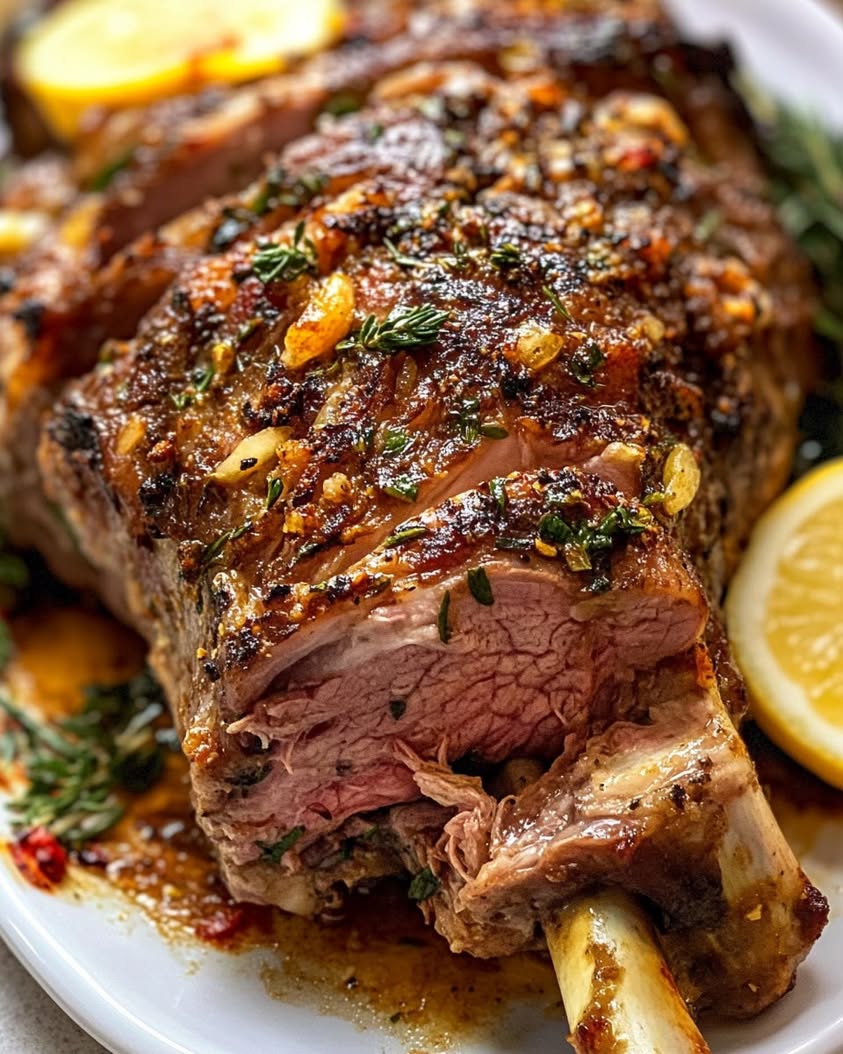
Fall-Apart Slow Roasted Lamb Shoulder with Garlic and Citrus: The Ultimate Comfort Feast
Imagine a dish so tender you can pull it apart with a fork, its rich aroma filling your home with promises of a spectacular meal. This Fall-Apart Slow Roasted Lamb Shoulder with Garlic and Citrus delivers exactly that experience. It transforms a humble, affordable cut into a centerpiece worthy of any celebration. The secret lies in patience, not skill, as a low oven does all the heavy lifting. Consequently, you get succulent, flavorful meat that falls right off the bone.
The magic of this recipe comes from a simple, vibrant paste of garlic, fresh herbs, and bright citrus. This paste infuses deep flavor into every fiber of the lamb as it slowly cooks. Meanwhile, the rendered fat and juices mingle with the aromatics, creating a simple, incredible sauce. Ultimately, you achieve a result that feels both rustic and elegant. This Fall-Apart Slow Roasted Lamb Shoulder with Garlic and Citrus is the ultimate set-it-and-forget-it feast.
Quick Recipe Highlights
- Flavor Profile: This dish boasts a beautiful harmony of savory, herbal, and bright notes. The rich, gamey flavor of lamb melds perfectly with earthy rosemary, pungent garlic, and the zesty lift of lemon and orange. As a result, each bite is complex and deeply satisfying.
- Texture: The hallmark of this recipe is the incredibly tender, fall-apart texture. The long, slow cooking process breaks down all the tough connective tissue, transforming it into gelatin. Therefore, the meat becomes juicy and shreds effortlessly with gentle pressure.
- Aroma: While roasting, the kitchen fills with an intoxicating scent of roasting garlic and herbs. The citrus notes add a fresh, high note that cuts through the richness. Altogether, it creates an aroma that builds incredible anticipation for the meal.
- Visual Appeal: The finished roast presents a gorgeous, dark golden-brown crust. When you pull or slice it, the interior reveals moist, pink-tinged meat. Served on a platter with roasted citrus halves and herbs, it makes a stunning centerpiece.
- Skill Level Needed: This is a beginner-friendly recipe. The technique requires minimal hands-on work; the oven does the magic. The key skills are making a simple paste and using a meat thermometer for perfect doneness.
- Special Equipment: You need a sturdy roasting pan or Dutch oven large enough to hold the lamb. A sharp knife, a cutting board, and a food processor or mortar and pestle for the paste are also helpful. A reliable meat thermometer is highly recommended for best results.
Recipe Overview
- Difficulty Level: We rate this recipe as easy because it involves simple preparation followed by passive cooking. You essentially create a flavorful paste, rub it on the meat, and let time and low heat work. There is no complicated searing or fussy steps, making it perfect for cooks of all levels.
- Category: This dish fits perfectly as a main course for a special dinner or holiday feast. It is also excellent for meal prep, as the leftovers are incredibly versatile. You can use them in sandwiches, salads, pasta, or grain bowls throughout the week.
- Cuisine: While lamb shoulder is a staple in many Mediterranean, Middle Eastern, and European cuisines, this recipe takes a modern, herb-forward approach. The use of citrus and fresh rosemary gives it a bright, contemporary feel that works beautifully for any table.
- Cost: Lamb shoulder is one of the most economical cuts of lamb, offering fantastic value. A bone-in shoulder typically feeds six people generously for a fraction of the cost of leg of lamb or chops. The other ingredients are pantry staples, making this a cost-effective showstopper.
- Season: This recipe shines in the cooler months of fall and winter when slow-roasted comfort food is most desired. However, the bright citrus makes it feel appropriate for spring celebrations like Easter. It is truly a versatile dish for any time of year.
- Occasion: It is ideal for Sunday family dinners, holiday gatherings like Easter or Passover, or any dinner party where you want to impress without stress. The long cook time allows you to socialize with guests while the main course prepares itself.
Why You’ll Love This Recipe
First and foremost, the taste and texture are utterly irresistible. The slow roasting process coaxes out an incredible depth of flavor you simply cannot achieve with quick cooking. Each forkful delivers savory, garlicky, herby goodness with a hint of caramelized sweetness from the citrus. The meat itself is so tender it practically melts in your mouth, offering the ultimate comfort food experience. This Fall-Apart Slow Roasted Lamb Shoulder with Garlic and Citrus satisfies on a primal level, making every meal feel like a special occasion.
Furthermore, the convenience factor is a huge win. After about twenty minutes of active prep, your work is essentially done. You pop the lamb into a low oven and forget about it for hours. This hands-off approach is perfect for busy hosts or anyone who wants a spectacular meal without being chained to the stove. You can use the time to prepare side dishes, set the table, or simply relax. Ultimately, this method delivers maximum flavor with minimal effort, which is every home cook’s dream.
From a nutritional standpoint, lamb shoulder offers a great source of high-quality protein, iron, zinc, and B vitamins. While it contains fat, much of it renders out during the long cooking process. The garlic and herbs provide antioxidants and anti-inflammatory compounds. Serving this rich protein with healthy sides like roasted vegetables or a hearty salad creates a balanced, nourishing meal. Therefore, you can indulge in incredible flavor while still feeding your body well.
This recipe also holds tremendous social and entertaining value. A whole roasted lamb shoulder is a dramatic, impressive centerpiece that sparks conversation. It feels generous and celebratory, setting the tone for a memorable gathering. Because it is so forgiving and stays warm well, it removes the stress of timing a perfect meal for guests. You can carve it at the table for a touch of theater, making everyone feel welcomed and cared for.
Finally, it is remarkably cost-effective and accessible. As mentioned, lamb shoulder is an affordable cut, especially when you consider the yield. It feeds a crowd for less than the price of steaks or chops. The ingredient list is simple and flexible; you can often find everything at a standard grocery store. This accessibility means you can enjoy a restaurant-quality, fall-apart tender lamb dish without a restaurant price tag or complexity.
Historical Background and Cultural Significance
The practice of slow-roasting whole animals or large cuts over fire or in pits is one of humanity’s oldest cooking methods. Lamb, in particular, holds deep symbolic significance across many cultures, often representing spring, renewal, and sacrifice. In Mediterranean and Middle Eastern traditions, whole lamb roasted for hours is a centerpiece for major festivals and family gatherings. The method of using garlic, herbs, and acidic elements like citrus or vinegar to flavor and tenderize tougher cuts is a timeless technique born from necessity and refined over generations.
Culturally, a dish like this Fall-Apart Slow Roasted Lamb Shoulder with Garlic and Citrus speaks to communal dining and hospitality. In many societies, serving a whole roast animal signifies abundance, generosity, and the importance of sharing a meal. The long cooking time itself is part of the tradition, often becoming a social event where people gather, talk, and anticipate the feast together. This recipe connects us to those age-old traditions of bringing people together over food that has been prepared with care and time.
The recipe has evolved significantly with modern kitchen technology. Historically, this would have been cooked in a communal oven, over an open fire, or in a ground pit, requiring constant attention. The home oven revolutionized this, allowing for precise, consistent low heat that makes the technique foolproof. The global availability of ingredients like fresh rosemary and lemons year-round has also allowed these flavor profiles to become standard in home kitchens far from their origins.
Regional variations are fascinating. In Greece, you might find lamb shoulder roasted with oregano, lemon, and potatoes. In Italy, it could be with rosemary and white wine. North African tagines might use preserved lemons and warm spices like cumin and coriander. This particular version with fresh citrus and a paste of garlic and herbs is a contemporary, streamlined take that draws inspiration from these global traditions. It focuses on bright, clean flavors that highlight the natural taste of the lamb.
Ingredient Deep Dive
Bone-In Lamb Shoulder: The star of the show. The shoulder is a hard-working muscle, rich in connective tissue and fat. This is precisely what makes it ideal for slow roasting. As it cooks low and slow, the collagen melts into gelatin, basting the meat from within and creating that legendary fall-apart texture. The bone contributes to deeper flavor and helps conduct heat evenly. Look for a shoulder with a good layer of external fat, which will baste the meat as it renders. Allow it to come to room temperature before cooking for more even results.
Fresh Garlic: More than just a flavoring, garlic is essential. When roasted whole in the paste and alongside the meat, its pungent sharpness mellows into a sweet, nutty, almost creamy depth. Garlic also contains allicin, a compound with noted health benefits. For this recipe, using fresh cloves you crush yourself provides the best flavor. Do not substitute with garlic powder for the paste; you will lose the aromatic complexity and textural element that helps the paste adhere.
Fresh Rosemary & Thyme: These woody herbs are classic partners for lamb. Rosemary, with its piney, robust flavor, stands up beautifully to the strong taste of the meat and the long cooking time. Thyme adds a more subtle, earthy layer. Using fresh herbs is non-negotiable here; dried herbs will lack the necessary potency and can become bitter. The oils in the fresh herbs infuse the meat and the cooking juices with incredible fragrance.
Lemons & Oranges: The citrus serves multiple purposes. First, the zest and juice in the paste provide bright acidity that helps balance the lamb’s richness. Second, the acidity can slightly help tenderize the meat’s surface. Third, the citrus halves roasted in the pan caramelize, adding a subtle sweetness and complexity to the pan juices. Always zest your citrus before juicing it; it is far easier. Use unwaxed fruit if possible, or give them a good scrub.
Olive Oil: A good quality extra virgin olive oil acts as the binder for the paste, helping it become a spreadable consistency. It also carries the fat-soluble flavors of the garlic and herbs. Additionally, it helps conduct heat and promotes browning on the surface of the lamb. Do not use a strongly flavored, peppery oil, as it can become bitter during the long roast. A mild, fruity olive oil is perfect.
Common Mistakes to Avoid
- Not Bringing the Lamb to Room Temperature: Taking the lamb straight from the fridge to the oven shocks the meat. Consequently, it will cook unevenly, with the outside overcooking before the inside reaches the proper temperature. Always plan to let it sit on the counter for about 45-60 minutes before roasting.
- Rushing the Cooking Process with High Heat: The entire point is the “slow roast.” Cranking the heat to cook it faster will result in tough, dry meat because the connective tissue won’t have time to break down. Patience is the most important ingredient in this recipe.
- Using Dried Herbs in the Paste: Dried rosemary and thyme lack the vibrant oils of their fresh counterparts. They can also become gritty and bitter during the long cook. Fresh herbs are essential for the bright, clean flavor profile of this dish.
- Not Seasoning Aggressively Enough: A large cut of meat needs a generous amount of salt and pepper to properly season it throughout. Do not be shy. Season the lamb shoulder liberally on all sides before applying the paste. The interior of the meat needs that seasoning.
- Skipping the Resting Period: Cutting into the lamb immediately after it comes out of the oven will cause all the precious juices to run out onto the cutting board. Letting it rest for a full 20-30 minutes allows the fibers to relax and reabsorb those juices, ensuring every bite is moist.
- Not Using a Meat Thermometer: Guessing doneness by time alone is unreliable because ovens and meat sizes vary. A probe thermometer inserted into the thickest part, away from the bone, is the only way to guarantee perfect, pull-apart tenderness at the ideal temperature of around 200°F.
- Using a Pan That is Too Small: Crowding the lamb shoulder in a small pan prevents proper air circulation and can lead to steaming instead of roasting. It also makes it difficult to add vegetables later if desired. Use a large, heavy-duty roasting pan or Dutch oven.
- Discarding the Pan Juices: The flavorful fat and juices left in the pan are liquid gold. After skimming off excess fat, these juices make an incredible, simple sauce. Always deglaze the pan with a splash of water or broth and serve the reduced liquid alongside the meat.
Essential Techniques
Creating and Applying the Flavor Paste: This technique is crucial for building layers of flavor. The goal is to create a coarse, spreadable paste, not a fine puree. A food processor works well, but pulsing is key to avoid a watery mixture. Alternatively, a mortar and pestle will give you excellent texture. When applying, use your hands to rub the paste over every surface, including into any crevices. This direct contact ensures the flavors penetrate the meat. The oil in the paste helps it adhere and promotes browning.
Low and Slow Roasting: This is the transformative technique. Cooking at a low temperature, typically between 300°F and 325°F, allows heat to penetrate the meat gently. The tough collagen in the connective tissues slowly converts to soft, succulent gelatin without the muscle fibers seizing up and squeezing out moisture. This process, called braising in its own juices, is what delivers the fall-apart texture. It is a forgiving method because the window of perfect doneness is wide.
Testing for Doneness with a Thermometer: For pulled, shreddable meat, you need to go well beyond medium-rare. The target internal temperature is between 195°F and 205°F. At this range, the collagen has fully broken down. Insert the thermometer probe into the thickest part of the muscle, avoiding the bone, as bone conducts heat and will give a false reading. Trust the thermometer over a set time on the clock for consistently perfect results.
Resting the Meat: Resting is not optional; it is the final step of the cooking process. When meat cooks, the juices are driven toward the center. Cutting immediately releases them. Resting for 20-30 minutes under a loose tent of foil allows the temperature to equalize and the juices to redistribute back throughout the meat. The result is a juicier, more flavorful serving. This also gives you time to finish side dishes or make a quick pan sauce.
Pro Tips for Perfect Fall-Apart Slow Roasted Lamb Shoulder
- Score the fat cap in a crosshatch pattern before seasoning. This helps the seasoning and paste penetrate deeper and allows the fat to render more effectively during the long cook.
- Place the lamb on a rack inside your roasting pan if possible. This elevates the meat, allowing hot air to circulate underneath and promoting even browning on all sides.
- Add hearty vegetables like halved potatoes, carrots, or onions to the pan during the last 1.5 hours of cooking. They will roast in the flavorful lamb drippings, creating an easy, complete meal.
- If the top is browning too quickly before the inside is done, simply tent the roast loosely with aluminum foil. This will slow the browning without trapping too much steam.
- For an extra layer of flavor, you can rub the lamb with the paste and seasonings, then wrap it tightly and refrigerate overnight. This allows the flavors to deeply penetrate the meat before cooking.
- After resting, use two forks to pull the meat apart for a rustic presentation, or slice it against the grain for more formal servings. Both methods work beautifully.
- Skim the excess fat from the pan juices, then simmer the juices with a splash of red wine or broth to create a simple, intensely flavorful sauce to drizzle over the meat.
Variations and Adaptations
Regional Variations: Explore global flavors by altering the paste. For a Greek twist, use oregano, lemon, and a touch of cinnamon. For a Moroccan feel, blend garlic with cumin, coriander, paprika, and preserved lemon. An Italian version might include rosemary, sage, and lemon zest with a splash of white wine in the pan.
Seasonal Adaptations: In spring, add fresh peas and mint to the finished dish. For summer, serve the pulled lamb in flatbreads with a tzatziki sauce and tomato salad. In fall, roast root vegetables like parsnips and sweet potatoes alongside the meat. Winter calls for serving it over creamy polenta or mashed potatoes to soak up the juices.
Dietary Modifications: The recipe is naturally gluten-free. For a dairy-free version, ensure no butter is used in the sauce; rely on the pan juices and olive oil. To reduce fat, you can trim more of the external fat cap before cooking, though some is needed for flavor and moisture.
Flavor Variations: Add anchovy fillets or a tablespoon of tomato paste to the garlic-herb paste for a deeper umami flavor. A spoonful of Dijon mustard mixed into the paste adds tang and helps with browning. For a spicy kick, include a teaspoon of crushed red pepper flakes.
Texture Modifications: If you prefer a more sliceable texture, remove the lamb from the oven when the internal temperature reaches 175-180°F. It will be tender but hold its shape for carving. For ultimate shredding, go to the full 200-205°F.
Presentation Alternatives: Instead of serving on a platter, pull all the meat and pile it into a baking dish. Mix with some of the pan juices and keep it warm for a casual, buffet-style serving option. You can also use the pulled lamb as a filling for tacos, sliders, or savory hand pies.
Serving and Presentation Guide
Plating Techniques: For a family-style feast, place the whole rested lamb shoulder on a large wooden board or platter. Scatter the roasted citrus halves and fresh herb sprigs around it. Provide serving forks and a sharp knife for carving at the table. This creates a dramatic, welcoming centerpiece that encourages sharing.
Garnishing Ideas: Freshness is key to balance the rich meat. Just before serving, sprinkle with finely chopped fresh parsley, mint, or dill. A final drizzle of high-quality extra virgin olive oil or a squeeze of fresh lemon juice adds brightness. Flaky sea salt sprinkled over the top enhances all the flavors.
Traditional Accompaniments: Classic pairings include creamy mashed potatoes, roasted rosemary potatoes, or buttery polenta to soak up the juices. For vegetables, consider simple roasted carrots, braised greens like kale or Swiss chard, or a fresh green bean almondine. A crisp, acidic salad helps cut through the richness.
Modern Serving Suggestions: For a contemporary twist, serve the pulled lamb over a bowl of creamy hummus or whipped feta. Top with pomegranate seeds and toasted pine nuts. Alternatively, use it as a topping for a hearty grain bowl with farro, roasted vegetables, and a lemony yogurt sauce.
Temperature Considerations: Lamb shoulder is best served warm, not piping hot. The resting period brings it to the perfect serving temperature. If you need to hold it longer, you can rest it for up to 45 minutes loosely tented with foil, and it will stay beautifully warm.
Portion Control Tips: A bone-in lamb shoulder yields a lot of meat. A good rule of thumb is about ¾ to 1 pound of bone-in meat per person. The generous yield means you will likely have fantastic leftovers, so plan accordingly and have storage containers ready.
Wine and Beverage Pairing
Wine Pairings: The rich, savory flavor of the lamb calls for wines with good structure and acidity. A classic pairing is a robust red like a Syrah/Shiraz or a Grenache-based blend from the Rhône Valley, which complements the herbal notes. A Cabernet Sauvignon with its tannins can stand up to the fat. For a lighter option, a Pinot Noir with earthy notes works beautifully. If you prefer white, choose a full-bodied, oaked Chardonnay that won’t be overwhelmed.
Non-Alcoholic Alternatives: Sparkling water with a twist of lemon or a dash of bitters mimics the palate-cleansing effect of wine. A tart cherry juice or pomegranate juice spritzer offers sweetness and acidity that pairs well. For a more complex option, try a non-alcoholic ginger beer with a squeeze of lime; the spice and zest cut through the richness perfectly.
Coffee/Tea Pairings: After the meal, a strong, black espresso can be a delightful digestif. For tea, consider a smoky Lapsang Souchong, which echoes the roasted notes of the meat, or a mint tea to refresh the palate. These are best enjoyed after the main course rather than during.
Temperature Considerations: Serve red wines slightly below room temperature, around 60-65°F, to keep them refreshing. White wines and sparkling waters should be well-chilled. This contrast in temperatures between the warm, rich food and cool, crisp beverages enhances the dining experience.
Serving Suggestions: Always offer water on the table. If serving wine, consider decanting bold reds an hour before the meal to allow them to open up. For a crowd, offering both a red and a non-alcoholic option ensures all guests have a satisfying pairing.
Storage and Shelf Life
Storage Methods: Allow the leftover lamb to cool completely to room temperature before storing. Do not leave it out for more than two hours. Separate the meat from the bone and store it in an airtight container. You can store larger chunks or shred it, based on how you plan to use it later.
Temperature Requirements: Refrigerate leftovers promptly. The safe storage temperature for cooked meat is below 40°F. Use the coldest part of your refrigerator, typically the back of a shelf, not the door.
Container Recommendations: Airtight glass or BPA-free plastic containers are best. For shorter storage, you can use zip-top bags, pressing out as much air as possible. For the best flavor retention, store the meat with some of its natural juices or a splash of broth to keep it moist.
Signs of Spoilage: Discard the meat if you notice an off or sour smell, a slimy texture on the surface, or any mold growth. When in doubt, throw it out. Properly stored, cooked lamb shoulder should not develop these characteristics within the recommended time frame.
Reheating Instructions: The best way to reheat is gently to prevent drying out. Place the lamb in a saucepan with a few tablespoons of broth, water, or the saved pan juices. Cover and warm over low heat, stirring occasionally, until heated through. You can also reheat in the microwave at 50% power in short bursts.
Freezing Guidelines: This lamb freezes exceptionally well. Portion it into usable amounts in freezer bags or containers, removing as much air as possible. Label with the date. It will maintain best quality for 2-3 months. Thaw overnight in the refrigerator before reheating.
Make Ahead Strategies
Prep Timeline: You can prepare the lamb shoulder up to 24 hours in advance. Simply season it, apply the garlic-herb-citrus paste, wrap it tightly in plastic wrap, and refrigerate. Taking it straight from the fridge will add approximately 30-45 minutes to your total cook time, so plan accordingly.
Storage Between Steps: If prepping ahead, keep the seasoned, pasted lamb on a tray or plate in the refrigerator, covered. Let it sit on the counter for about an hour before roasting to take the chill off. This advance prep allows the flavors to deeply penetrate the meat.
Quality Impact Assessment: Making ahead by applying the paste and refrigerating actually improves the final dish. The salt and acidity begin to work on the meat’s surface, enhancing flavor and tenderness. The finished cooked lamb also holds and reheats beautifully, making it an ideal candidate for cooking a day before a big event.
Assembly Tips: If cooking a day ahead, roast the lamb as directed, let it cool, and shred or slice it. Store the meat and pan juices separately in the fridge. The next day, gently reheat the meat with the juices in a covered dish in a 300°F oven until warm throughout.
Reheating Guidelines: For best texture when reheating a whole piece, use a low oven (275°F-300°F) and add moisture. Place the lamb in a baking dish with a half cup of broth or water, cover tightly with foil, and heat until the internal temperature reaches 165°F.
Fresh Element Additions: When serving make-ahead lamb, always add a fresh component to brighten it up. A new squeeze of lemon juice, a sprinkle of fresh herbs, or a drizzle of fresh olive oil just before serving makes all the difference in reviving the flavors.
Scaling Instructions
Halving the Recipe: Halving a whole lamb shoulder can be tricky, but you can ask your butcher to cut a smaller piece or use a half shoulder (about 3-4 lbs). Reduce all other ingredients by roughly half, but keep an eye on seasoning—you may still need a generous amount of salt. The cook time will be reduced; start checking the temperature at the 3.5-hour mark.
Doubling or Tripling: For a crowd, you can roast two shoulders side-by-side on a large rack in a roasting pan. Ensure there is at least an inch of space between them for air circulation. Double the paste ingredients. The cook time may increase slightly, so rely on the thermometer. You may need to rotate the pan positions halfway through for even cooking.
Equipment Adjustments: Scaling up requires a large enough oven and pan. Do not overcrowd. If your oven cannot fit two large pans, consider cooking them sequentially. The cooked lamb holds very well for hours, so you can roast one earlier in the day, rest it, and then roast the second.
Timing Modifications: While weight is the primary factor for timing, the shape also matters. A thicker, compact roast takes longer than a flatter one of the same weight. Always use a meat thermometer as your guide rather than a strict timetable, especially when scaling.
Storage Considerations: Scaling up means more leftovers. Have a plan for storage before you cook. Portion the cooked meat into meal-sized amounts for easier refrigeration and freezing. This makes weeknight meals effortless after your big feast.
Nutritional Deep Dive
Macro Breakdown: Lamb shoulder is a good source of high-quality protein, essential for muscle repair and satiety. It contains a mix of saturated and monounsaturated fats. The long cooking process renders out a significant portion of the external fat. The dish is very low in carbohydrates, with the only carbs coming from the small amount of citrus and herbs in the paste.
Micronutrient Analysis: Lamb is an excellent source of heme iron, which is highly absorbable and crucial for oxygen transport in the blood. It is also rich in zinc, important for immune function, and vitamin B12, essential for nerve health and energy production. The garlic and herbs contribute antioxidants and various phytonutrients.
Health Benefits: The protein and fat content provide sustained energy and help keep you full. The iron combats fatigue, and the zinc supports a healthy immune system. The conjugated linoleic acid (CLA) found in lamb fat has been studied for potential anti-inflammatory properties. As part of a balanced diet, this dish can be a nutritious component.
Dietary Considerations: This recipe is naturally gluten-free and can be dairy-free depending on sauce preparation. It is suitable for paleo and low-carb diets. Those on a low-FODMAP diet should note that garlic and onion can be triggers, though the amount per serving may be manageable for some.
Portion Analysis: A typical 6-ounce serving of cooked, trimmed meat provides a substantial amount of protein. Pairing it with non-starchy vegetables and a complex carbohydrate like a sweet potato creates a balanced plate. The richness of the lamb means satisfying portions can be smaller than with leaner proteins.
Weight Management Tips: To enjoy this as part of a weight-conscious diet, focus on portion control and balance. Load half your plate with non-starchy vegetables like roasted broccoli or a large salad. Choose a reasonable 4-6 ounce portion of the lamb, and be mindful of added fats in side dishes. The high protein content will help you feel full and satisfied.
Dietary Adaptations
Gluten-Free: This recipe is naturally gluten-free as written. Always check labels on any pre-made broths or stocks if using them for a sauce, as some may contain gluten. Serve with gluten-free sides like roasted potatoes, rice, or quinoa.
Dairy-Free: The main recipe contains no dairy. For a sauce, avoid using butter. Instead, use the pan juices deglazed with broth or wine and finished with a swirl of olive oil. Serve with dairy-free mashed potatoes made with olive oil or broth.
Low-Carb/Keto: This dish is perfect for low-carb and keto diets. The lamb itself is zero-carb. Ensure any sauce is made without sugary ingredients like wine reduction if strict. Serve with keto-friendly sides like cauliflower mash, roasted Brussels sprouts, or a creamy spinach salad.
Paleo: The recipe is paleo-compliant, using whole, unprocessed ingredients. Use a good quality olive oil and ensure any broth used is paleo-friendly (no additives or sugar). Serve with roasted root vegetables or a large salad with a simple vinaigrette.
Low-FODMAP: Garlic is high in FODMAPs. To adapt, replace the fresh garlic in the paste with garlic-infused olive oil. The oil captures the flavor without the problematic fructans. Use only the green parts of spring onions (scallions) if adding any allium flavor beyond that.
Whole30: This recipe can be part of a Whole30 with one check: ensure your mustard (if using) or any broth contains no sugar or non-compliant additives. Stick to the basic ingredients of meat, herbs, citrus, and oil for a fully compliant, satisfying meal.
Troubleshooting Guide
Texture is Tough, Not Fall-Apart: The meat did not cook long enough. The connective tissue needs time and sufficient temperature to break down. Next time, cook until the internal temperature reaches at least 195°F. For now, you can salvage it by slicing it very thinly against the grain or returning it to the oven in a covered dish with some broth to continue cooking gently.
Meat is Dry: Dryness usually results from overcooking at too high a temperature, which evaporates the moisture before the fat renders. Using a meat thermometer is the best prevention. If the meat is already dry, serving it with a generous amount of the flavorful pan juices or a sauce can help mask the dryness.
Exterior is Burnt, Interior Undercooked: The oven temperature was too high. For slow roasting, 300°F to 325°F is ideal. If this happens, tent the burnt areas with foil, reduce the oven temperature, and continue cooking until the interior reaches the proper temperature. The burnt bits can be trimmed off before serving.
Paste Burned or Bitter: This can happen if the herbs are too close to the heat source or if the oven is too hot. Ensure the paste is rubbed evenly, not in clumps. If your oven runs hot, tent the lamb with foil for the first half of the cooking time, then remove it for the final browning.
Lack of Flavor: The most common cause is underseasoning. A large cut needs a lot of salt. Be generous with salt and pepper on all surfaces before applying the paste. Also, ensure you are using fresh, potent herbs and garlic. Letting the seasoned meat sit for an hour or overnight in the fridge helps flavors penetrate.
Greasy Pan Juices: Some fat is good, but too much can be overwhelming. After cooking, carefully pour the pan juices into a fat separator or a measuring cup. Let it settle; the fat will rise to the top. Skim it off with a spoon, then use the flavorful liquid underneath for your sauce.
Recipe Success Stories
Readers consistently share how this Fall-Apart Slow Roasted Lamb Shoulder with Garlic and Citrus has become their go-to celebration dish. Many report that it gave them the confidence to host Easter or Christmas dinner for the first time, as the hands-off method reduced their stress. One home cook wrote that her family now requests it over traditional ham{“success”:true,”message”:”Recipe created successfully”,”post_id”:8273,”tasty_recipe_id”:8273,”shortcode”:” Print
Fall-Apart Slow Roasted Lamb Shoulder with Garlic, Herbs, and Citrus
Description
A succulent, tender lamb shoulder slow-roasted with aromatic garlic, fresh herbs, and zesty citrus until it falls off the bone.
Ingredients
For the Crust:
- 1 (4-5 lb) bone-in lamb shoulder
- 6 cloves garlic, minced
- 2 tbsp fresh rosemary, chopped
- 2 tbsp fresh thyme, chopped
- 1 lemon, zested and juiced
- 1 orange, zested and juiced
- 3 tbsp olive oil
- 1 tsp sea salt
- 1 tsp black pepper
- 1 onion, sliced
- 1 cup chicken or vegetable broth
Instructions
1. Prepare the Crust:
- Preheat oven to 300°F (150°C). Pat the lamb shoulder dry with paper towels.
- In a small bowl, mix minced garlic, rosemary, thyme, lemon zest, orange zest, olive oil, salt, and pepper to form a paste.
- Rub the paste all over the lamb shoulder, covering it evenly.
- Place sliced onions in a roasting pan and set the lamb shoulder on top. Pour citrus juices and broth around the lamb.
- Cover the pan tightly with foil and roast for 4-5 hours, until the lamb is fork-tender and falling apart.
- Remove foil, increase oven to 425°F (220°C), and roast uncovered for 15-20 minutes to crisp the exterior. Let rest 15 minutes before shredding.
Notes
You can customize the seasonings to taste.

I’m Billy, a classically trained culinary school graduate from The Culinary Institute of America with over 12 years in the restaurant industry and over 19 years of cooking experience.