
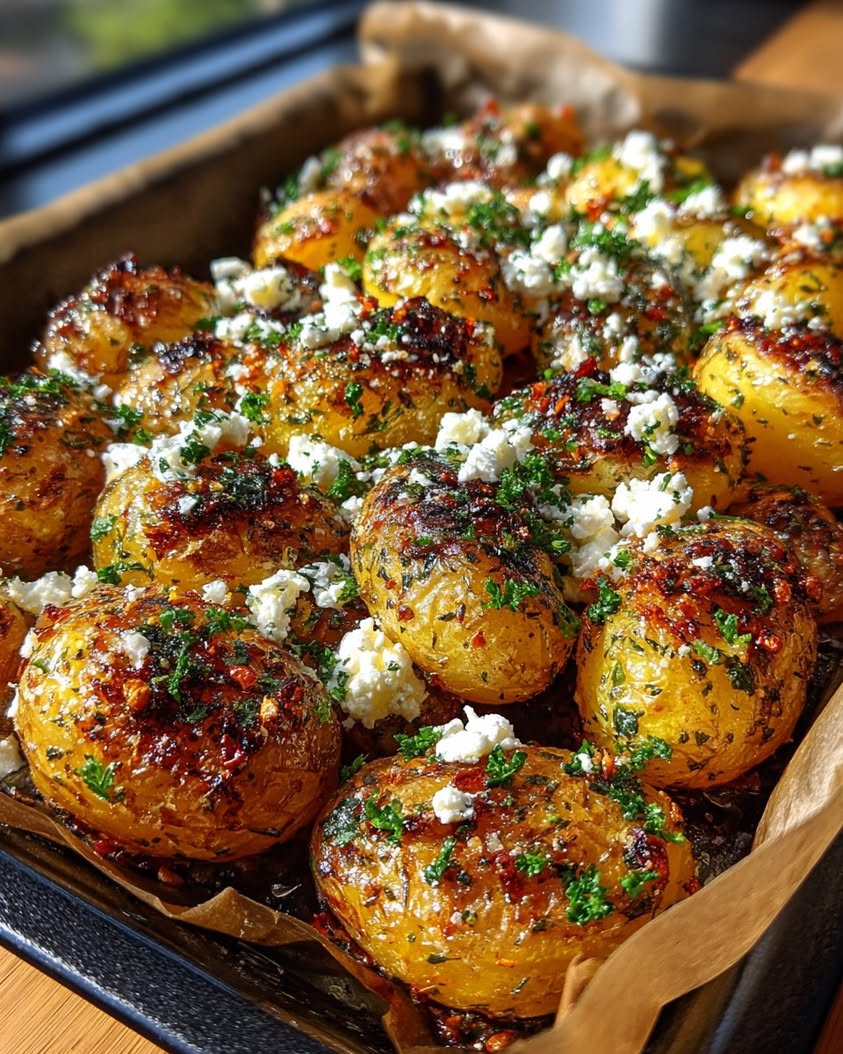
Golden Herb Potatoes with Goat Cheese Crumble: The Ultimate Elegant Side Dish
Imagine a side dish that steals the show. These Golden Herb Potatoes with Goat Cheese Crumble achieve exactly that. They transform the humble potato into a stunning centerpiece. The recipe combines crispy, golden-brown potatoes with a fragrant blend of fresh herbs. Then, a tangy, creamy goat cheese crumble adds the perfect finishing touch. Consequently, every bite delivers a symphony of textures and flavors. This dish proves that simple ingredients can create extraordinary results. Ultimately, it will become your new favorite for any gathering.
The magic of these Golden Herb Potatoes with Goat Cheese lies in its balance. First, you achieve a perfectly crispy exterior on the potatoes. Meanwhile, the interior stays fluffy and tender. Next, the herbal coating infuses each piece with aromatic depth. Rosemary and thyme offer earthy notes. Simultaneously, parsley adds a fresh, bright finish. Finally, the cool, crumbled goat cheese provides a creamy contrast. This combination elevates the entire experience. Therefore, it feels both rustic and refined. It is the ideal side for a weeknight dinner or a holiday feast.
Quick Recipe Highlights
- Flavor Profile: These potatoes deliver savory, herbal, and tangy notes. The roasted potatoes offer a deep, caramelized flavor. Meanwhile, the fresh herbs provide an aromatic earthiness. Finally, the goat cheese adds a sharp, creamy tang that cuts through the richness.
- Texture: You get a fantastic contrast in every mouthful. The potato cubes feature a shatteringly crisp exterior. Conversely, the inside remains wonderfully soft and fluffy. The goat cheese crumble then introduces a cool, creamy, and slightly crumbly element.
- Aroma: As the potatoes roast, your kitchen will fill with an irresistible scent. The rosemary and thyme release their essential oils. This creates a warm, woody, and inviting fragrance. It is the unmistakable smell of a home-cooked, herbaceous meal.
- Visual Appeal: The dish boasts beautiful color and texture. The potatoes turn a deep, golden brown. The green herbs speckle the surface beautifully. Then, the white goat cheese crumble creates a stunning visual contrast on the warm potatoes.
- Skill Level Needed: This is a beginner-friendly recipe. It requires basic knife skills for chopping. Additionally, it needs simple oven management. Essentially, anyone who can toss ingredients on a sheet pan can master this dish.
- Special Equipment: You only need a few standard kitchen tools. A large baking sheet is essential for proper roasting. Furthermore, a good chef’s knife makes prepping the herbs easy. You do not need any fancy gadgets.
Recipe Overview
- Difficulty Level: We rate this recipe as easy. The steps are straightforward and involve minimal technique. You simply chop, toss, and roast. Consequently, it is very forgiving for novice cooks. Even if your potato pieces are uneven, they will still taste delicious.
- Category: This dish fits perfectly into the side dish category. It complements a wide variety of main courses beautifully. For example, it pairs wonderfully with roasted chicken, grilled steak, or baked fish. It can also anchor a vegetarian plate with other roasted vegetables.
- Cuisine: The recipe draws inspiration from rustic European and modern American cooking. The use of rosemary and thyme nods to Provencal cuisine. Meanwhile, the goat cheese crumble adds a contemporary, chef-inspired twist. It is a fusion of classic technique and modern flavor.
- Cost: This is a very budget-friendly recipe. Potatoes and dried herbs are inexpensive staples. Fresh herbs and a log of goat cheese are the only splurges. Overall, you can feed four people a luxurious side dish for just a few dollars.
- Season: This dish truly shines in the fall and winter. Hearty potatoes and warming herbs suit cooler weather perfectly. However, you can enjoy it year-round. Simply pair it with lighter mains like salmon or chicken in the spring and summer.
- Occasion: It is incredibly versatile for different events. It is casual enough for a family Tuesday night dinner. Simultaneously, it is elegant enough for Thanksgiving, Christmas, or a dinner party. It always feels special without requiring special effort.
Why You’ll Love This Recipe
You will adore the taste and texture appeal of these Golden Herb Potatoes with Goat Cheese. Firstly, the flavor profile is complex yet harmonious. Each component plays a specific role. The potatoes provide a savory, starchy base. The herbs contribute aromatic complexity. Meanwhile, the goat cheese offers a bright, tangy finish. This combination ensures that no single bite is boring. Furthermore, the contrasting textures are deeply satisfying. The crunch of the potato skin gives way to a pillowy interior. Then, the creamy cheese melts slightly on contact. Ultimately, it creates a memorable eating experience that feels gourmet.
The convenience and preparation benefits are another major win. This recipe uses a single sheet pan for easy cleanup. You simply toss everything together and let the oven do the work. Therefore, you free up time to focus on your main course or guests. Moreover, the active prep time is under fifteen minutes. It is the definition of a “set it and forget it” side dish. Even if you are juggling multiple dishes, these potatoes are low-maintenance. They roast reliably while you attend to other tasks. Consequently, they reduce kitchen stress significantly.
Let us discuss the nutritional advantages. Potatoes are an excellent source of vitamin C, potassium, and fiber, especially with the skin on. Using heart-healthy olive oil adds beneficial fats. Fresh herbs are packed with antioxidants and phytonutrients. Goat cheese is often easier to digest than cow’s milk cheese for some people. It also provides protein and calcium. Together, these ingredients create a side dish that is both indulgent and nourishing. You can feel good about serving it to your family. It proves that delicious food can also support your well-being.
The social and entertaining value of this dish is immense. It looks incredibly impressive on a serving platter. Guests will always comment on how beautiful and fragrant it is. Furthermore, it is a crowd-pleaser that suits most dietary preferences. You can easily adjust it for gluten-free or vegetarian guests. It also pairs well with almost any protein. Serving a show-stopping side like this makes the entire meal feel more special. It shows your guests that you care about the details. Ultimately, it becomes a conversation starter and a memorable part of the meal.
Finally, the cost-effectiveness and accessibility are unbeatable. Potatoes are one of the most affordable vegetables available. You can find fresh herbs and goat cheese at any standard grocery store. You do not need to hunt for exotic ingredients. This makes the recipe highly accessible for cooks everywhere. Even on a tight budget, you can create a side dish that tastes luxurious. It is a fantastic way to elevate a simple meal without breaking the bank. Therefore, it is a practical choice for everyday cooking and special occasions alike.
Historical Background and Cultural Significance
The origin story of roasted potatoes is deeply rooted in global culinary traditions. Potatoes themselves originated in the Andes Mountains of South America. Spanish explorers brought them to Europe in the 16th century. Initially, people were suspicious of this new tuber. However, it eventually became a staple crop due to its hardiness and yield. The practice of roasting potatoes likely developed as a simple, fuel-efficient cooking method. Cooks would place them in the ashes of a fire. Over centuries, this technique evolved into the oven-roasting we know today. The addition of herbs and fats was a natural progression to enhance flavor.
The cultural importance of the potato cannot be overstated. In many cultures, it represents sustenance, comfort, and home. In Ireland, it became the central food crop before the Great Famine. In Eastern Europe, potatoes are essential in countless traditional dishes. In America, the potato is a symbol of versatility, appearing as fries, mashed, or baked. Roasting potatoes with available herbs was a practical way for home cooks to create a flavorful dish with minimal ingredients. This practice transcends specific national cuisines. Instead, it represents a universal approach to simple, hearty cooking that resonates across borders.
The evolution of the recipe for Golden Herb Potatoes with Goat Cheese is a modern tale. Classic roasted herb potatoes are a timeless dish. The innovative addition of a goat cheese crumble is a relatively recent twist. This reflects contemporary dining trends that prioritize contrasting textures and bold flavors. Goat cheese, or chèvre, gained popularity in American cuisine in the late 20th century. Its tangy profile offered a new alternative to milder cheeses. Chefs began using it as a garnish for warm vegetable dishes. Consequently, the combination of hot, crispy potatoes and cold, creamy cheese was born. This evolution shows how classic dishes can be updated for modern palates.
Regional variations of this concept are endless. In the Mediterranean, cooks might use oregano, lemon, and feta cheese. In France, herbes de Provence and a local chèvre would be typical. In the American South, you might find a version with smoked paprika and a buttermilk dressing. The basic formula remains the same: crispy potatoes + herbs + a creamy or tangy element. This adaptability is the recipe’s greatest strength. It provides a canvas for local flavors and personal preference. Therefore, while our specific version has a modern, fusion feel, its soul is connected to rustic cooking traditions worldwide.
Ingredient Deep Dive
Let us start with the star: Yukon Gold potatoes. This variety is the perfect choice for Golden Herb Potatoes with Goat Cheese. They have a naturally buttery flavor and a thin, delicate skin that becomes wonderfully crisp. Historically, they were developed in the 1960s in Canada. Nutritionally, they are a good source of vitamin C, potassium, and vitamin B6. When selecting them, look for firm potatoes without sprouts or green spots. Store them in a cool, dark, well-ventilated place—not in the refrigerator. For substitutions, you can use baby potatoes or red potatoes. Avoid starchy Russets, as they are better for baking or mashing.
Fresh herbs are non-negotiable for the best flavor. Rosemary offers a piney, woody aroma that stands up well to roasting. It has been used since ancient times for culinary and medicinal purposes. Thyme provides a subtle, earthy flavor with hints of mint and lemon. It is rich in antioxidants. Parsley adds a fresh, clean note that brightens the finished dish. Always choose herbs that look vibrant and green, not wilted. Store them stem-down in a glass of water in the fridge, covered with a plastic bag. If you must substitute, use 1/3 the amount of dried herbs. However, the flavor will be less bright.
Extra virgin olive oil is the ideal fat for roasting. It helps conduct heat and promotes even browning and crispiness. Olive oil has a central role in Mediterranean cuisine and history. It contains heart-healthy monounsaturated fats and antioxidants. Choose a good-quality oil with a fruity, peppery flavor. For storage, keep it in a cool, dark cupboard to prevent rancidity. While you can substitute with another high-heat oil like avocado oil, olive oil contributes significantly to the flavor profile. Do not use butter, as it will burn at the high roasting temperature required for perfect Golden Herb Potatoes.
The goat cheese crumble is the crowning glory. Goat cheese, or chèvre, has a distinct tangy flavor from capric, caprylic, and caproic fatty acids. It originated in the Mediterranean and Middle East thousands of years ago. Many people find it easier to digest because it contains different proteins than cow’s milk cheese. It provides protein, calcium, and healthy fats. Select a plain, soft log of goat cheese. For storage, keep it tightly wrapped in the refrigerator. If you need a substitute, feta cheese is the closest alternative, though it is saltier. For a vegan version, a crumbled almond-based “feta” works beautifully.
Common Mistakes to Avoid
- Crowding the Pan: This is the most common error. If the potatoes are too close together, they will steam instead of roast. Consequently, you will get soggy, pale potatoes instead of crispy, golden ones. Always use a large enough baking sheet and spread the potatoes in a single layer.
- Using the Wrong Potato: Not all potatoes roast the same. Waxy potatoes like Red Bliss or starchy ones like Russets will not give you the ideal texture for this recipe. Yukon Golds have the perfect balance of starch and moisture. They achieve a crispy exterior and a fluffy interior simultaneously.
- Skipping the Preheat: Putting potatoes into a cold oven is a recipe for disaster. The oven must be fully preheated to 425°F. This ensures immediate searing and proper cooking. If the oven is not hot enough, the potatoes will absorb oil and become greasy instead of crisp.
- Not Drying the Potatoes: Moisture is the enemy of crispiness. After washing and cutting your potatoes, you must pat them completely dry with a clean kitchen towel. Any residual water will create steam on the pan. This steam prevents the beautiful browning you want.
- Underseasoning: Potatoes need a generous amount of seasoning. Do not be shy with the salt and pepper. Season the potatoes before roasting, not just after. The seasoning needs to penetrate the potato as it cooks. Otherwise, the dish will taste bland despite the herbs and cheese.
- Overmixing the Goat Cheese: When adding the goat cheese crumble, use a light hand. If you stir it in vigorously, it will melt completely into a sauce. While tasty, you lose the appealing visual and textural contrast of distinct creamy crumbles on top of the hot potatoes.
- Using Dull Herbs: If your fresh herbs look sad and wilted, they will not impart much flavor. Always use the freshest herbs you can find. Furthermore, add delicate herbs like parsley after roasting. If you add them before, they will burn and become bitter in the high heat.
- Neglecting to Flip: For even browning on all sides, you must flip or stir the potatoes halfway through the roasting time. This simple step ensures every piece gets contact with the hot pan. It is the difference between one crispy side and an all-over golden crust.
Essential Techniques
Even Cutting: This technique is crucial for consistent cooking. Cut your Yukon Gold potatoes into uniform 3/4-inch to 1-inch cubes. Use a sharp chef’s knife for clean cuts. Why is this important? Uniform pieces cook at the same rate. If some pieces are large and others small, the small ones will burn before the large ones are tender. To master it, square off the rounded sides of the potato first to create a stable base. Then, slice it into even planks, then sticks, then cubes. The common pitfall is rushing and creating uneven chunks. The visual cue for success is a baking sheet filled with potato cubes that all look roughly the same size.
High-Heat Roasting: Roasting at 425°F is non-negotiable for achieving the signature golden crust. This high temperature causes the exterior of the potato to caramelize and crisp quickly while the inside cooks through. It is important because it creates the textural contrast that defines the dish. To master it, ensure your oven is fully preheated and use a heavy-duty rimmed baking sheet that distributes heat evenly. A common pitfall is using a dark pan, which can cause over-browning on the bottom. Watch for visual cues: the potatoes should be deeply golden brown on the edges and tender when pierced with a fork. They should also sound slightly hollow when tapped on the pan.
Proper Pan Tossing: Coating the potatoes evenly in oil and herbs is a simple but vital technique. Do this in a large bowl, not directly on the pan. Why? You get a more even distribution without making a mess. It is important for ensuring every potato cube is flavored and lubricated for roasting. To master it, add the oil gradually while tossing the potatoes with your hands or a large spoon. The common pitfall is dumping all the oil in one spot, leading to greasy and dry patches. The visual cue for success is each potato piece having a light, shiny coating without pooling oil at the bottom of the bowl.
Pro Tips for Perfect Golden Herb Potatoes with Goat Cheese
Parboil for Extra Crispiness: For an even crispier exterior, consider parboiling your potato cubes for 5 minutes before roasting. Drain them well, then let them steam dry in the colander for a minute. This process roughs up the edges, creating more surface area for crunch.
Infuse Your Oil: Gently warm the olive oil with the rosemary and thyme sprigs for 5 minutes over low heat before tossing with the potatoes. This infuses the oil with herbal flavor, ensuring every bite is packed with aroma.
Use Parchment Paper: Lining your baking sheet with parchment paper guarantees easy cleanup and prevents any sticking. It also promotes more even browning compared to aluminum foil, which can sometimes create steam pockets.
Season in Layers: Season the potatoes with salt and pepper in the bowl before roasting. Then, after they come out of the oven, give them one more light sprinkle of flaky sea salt. This creates a complex seasoning profile.
Let Them Rest: When the potatoes come out of the oven, let them sit on the pan for 5 minutes. This allows them to reabsorb some steam, firm up their crust, and become even crispier before you add the cheese and fresh herbs.
Garnish with Lemon Zest: Just before serving, add a generous sprinkle of fresh lemon zest over the top. The bright citrus notes cut through the richness and make the herbal flavors pop even more.
Warm Your Platter: Serve your Golden Herb Potatoes with Goat Cheese on a warmed platter or in a warmed bowl. This keeps them hot longer, allowing the cheese to soften perfectly without making the potatoes cold.
Variations and Adaptations
Regional Variations: Travel the world from your kitchen. For a Greek twist, use oregano, lemon juice, and crumbled feta cheese. For a French version, swap the herbs for herbes de Provence and use a local chèvre. For a Spanish flair, add smoked paprika and garnish with chopped marcona almonds. An Italian adaptation might include chopped fresh sage and a drizzle of aged balsamic glaze after roasting. These simple swaps completely transform the dish’s character while keeping the core technique intact.
Seasonal Adaptations: Embrace what is fresh. In spring, use new potatoes and tender herbs like chives and tarragon. Summer calls for a lighter touch with dill and a squeeze of lemon. Fall is perfect for adding roasted garlic cloves to the pan. In winter, incorporate hearty chopped kale during the last 5 minutes of roasting for a hearty, one-pan side. You can also add seasonal vegetables like cherry tomatoes in summer or cubed squash in autumn.
Dietary Modifications: This recipe is naturally gluten-free. For a dairy-free or vegan version, omit the goat cheese. Instead, make a crumble from toasted nuts (like walnuts or pecans), nutritional yeast, and a pinch of salt. For a Paleo version, ensure your goat cheese is approved, or use the nut crumble. For a lower-carb option, you can try this method with cubed rutabaga or turnips, though the cooking time may vary.
Flavor Variations: Experiment with different flavor bases. Toss the potatoes with harissa paste and oil for a spicy North African version. Use za’atar seasoning instead of the fresh herbs for a Middle Eastern profile. For an umami bomb, add a tablespoon of white miso paste to the olive oil before tossing. A truffle-infused oil and a finish of grated Parmesan can create a luxurious restaurant-style dish.
Serving and Presentation Guide
Plating Techniques: Presentation elevates this dish from homey to haute. For a family-style serving, pile the warm potatoes high on a large, rustic wooden board or a white ceramic platter. This creates visual height and abundance. For individual plating, use a ring mold to create a neat cylinder of potatoes in the center of the plate. Alternatively, use a shallow bowl and arrange the potatoes artfully, letting some goat cheese crumbles fall around the edges.
Garnishing Ideas: The goat cheese and fresh parsley are your primary garnishes. For extra flair, add a final drizzle of high-quality extra virgin olive oil. Sprinkle with flaky sea salt like Maldon. Edible flowers like nasturtiums or chive blossoms add a stunning pop of color. A few whole fresh herb sprigs placed around the platter look beautiful. For a textural contrast, a small handful of toasted pine nuts or pumpkin seeds adds crunch.
Traditional Accompaniments: These potatoes are the ultimate versatile side. They pair classically with roasted meats: herb-crusted leg of lamb, roast chicken, or prime rib. For a lighter meal, serve alongside pan-seared salmon or trout. They also complement vegetarian mains like a hearty lentil loaf or a portobello mushroom steak. A simple green salad with a vinaigrette dressing balances the richness perfectly.
Wine and Beverage Pairing
Wine Pairings: The earthy herbs and tangy cheese in Golden Herb Potatoes with Goat Cheese call for specific wines. A crisp, unoaked white wine like Sauvignon Blanc or Pinot Grigio complements the herbal notes and cuts through the richness. If serving with red meat, a lighter red like Pinot Noir or Grenache works beautifully—its fruitiness pairs well with the caramelized potatoes. For a truly perfect match, try a dry rosé from Provence; it has the acidity for the cheese and the body for the potatoes.
Non-Alcoholic Alternatives: Sparkling water with a twist of lemon or a cucumber ribbon is always refreshing. For something more special, a homemade herbal iced tea using the same rosemary and thyme from the recipe creates a thematic link. A tart cherry spritzer or a ginger beer with a squeeze of lime also stands up to the robust flavors. These options ensure everyone at the table has a delightful pairing.
Storage and Shelf Life
Storage Methods: Store leftover Golden Herb Potatoes with Goat Cheese in an airtight container in the refrigerator. It is best to store the components separately if possible. Keep the plain roasted potatoes in one container and the goat cheese crumble in another. This prevents the cheese from melting into the potatoes and becoming soggy upon reheating. The potatoes alone will keep for 3-4 days. The fresh goat cheese should be consumed within the timeframe on its original packaging.
Reheating Instructions: To revive leftover potatoes, reheat them in the oven or air fryer, not the microwave. Spread them on a baking sheet and heat at 400°F for 8-12 minutes until hot and re-crisped. The microwave will make them soft and rubbery. Once the potatoes are hot, transfer them to a serving dish and then add the fresh goat cheese crumble and herbs. This method restores their texture remarkably well.
Make Ahead Strategies
Prep Timeline: You can significantly cut down on day-of cooking time. The day before, wash, dry, and cut your potatoes. Store them submerged in cold water in the refrigerator to prevent browning. Pat them completely dry before roasting. You can also strip the herbs from their stems and chop the parsley. Store the herbs in separate airtight containers lined with a damp paper towel. Measure out your oil and seasonings. This advance prep means you can simply toss and roast when it is time to cook.
Scaling Instructions
Halving or Doubling: This recipe scales beautifully. For a smaller batch, simply halve all ingredients. Use a standard quarter-sheet pan to maintain proper spacing. For a crowd, double or triple the recipe. The key is to use multiple baking sheets and rotate them between oven racks halfway through cooking. Do not pile the potatoes higher on a single sheet; they must be in a single layer to crisp properly. Cooking time may increase slightly for larger batches—rely on the visual cues of golden brown color and fork-tender texture.
Nutritional Deep Dive
This dish offers a satisfying balance of macronutrients. The potatoes provide complex carbohydrates for sustained energy. The olive oil contributes healthy monounsaturated fats, which are beneficial for heart health. The goat cheese adds protein and additional fat, making the dish more satiating. In terms of micronutrients, Yukon Gold potatoes are a surprising source of vitamin C and potassium. The fresh herbs provide antioxidants and phytonutrients. Using the potato skin increases the fiber content. As part of a balanced meal, this side dish contributes valuable nutrients while being incredibly flavorful.
Dietary Adaptations
Vegan Adaptation: Create a delicious vegan “cheese” crumble. Pulse 1/2 cup of raw walnuts or almonds with 2 tablespoons of nutritional yeast, 1/4 teaspoon of garlic powder, and a pinch of salt in a food processor until crumbly. Sprinkle this over the roasted potatoes instead of goat cheese. Ensure the olive oil is your only fat source. This version is entirely plant-based and still delivers savory, umami-rich flavor and crunch.
Dairy-Free Adaptation: Follow the vegan adaptation above for the cheese component. Alternatively, a simple garnish of chopped, toasted nuts and a squeeze of lemon can provide the needed tang and texture contrast without any dairy. The potatoes and herbs themselves are naturally dairy-free, making this an easy switch.
Troubleshooting Guide
Potatoes Are Soggy: If your potatoes did not crisp up, the culprit is likely overcrowding or insufficient oven heat. Next time, ensure they are in a single layer with space between them. Also, verify your oven temperature with an oven thermometer. For a rescue attempt, spread the soggy potatoes on a fresh pan and broil them for 2-3 minutes, watching closely, to try and crisp the exteriors quickly.
Herbs Are Burning: If your rosemary and thyme are turning black and bitter, they may have been too finely chopped or the oven was too hot. Use whole sprigs instead of chopped hardy herbs for roasting; they infuse flavor without burning. You can also add them halfway through the cooking time. Always add delicate herbs like parsley after roasting.
Frequently Asked Questions
Q: Can I use dried herbs instead of fresh?
A: You can, but the flavor will be less vibrant. Use one-third the amount of dried herbs. For example, use 1 teaspoon each of dried rosemary and thyme instead of 1 tablespoon fresh. Add dried herbs at the beginning with the oil. Still, add fresh parsley at the end for a pop of color and freshness.
Q: What can I use instead of goat cheese?
A: Feta cheese is the closest substitute, offering a similar tangy and crumbly texture. For a milder flavor, try ricotta salata or even small cubes of fresh mozzarella. For a vegan option, a nut-based crumble with nutritional yeast works well.
Q: Do I have to peel the potatoes?
A: No, not with Yukon Golds. Their skin is thin, tender, and full of nutrients and fiber. It becomes deliciously crispy when roasted. Leaving the skin on saves time and adds texture and nutrition.
Q: Can I make these potatoes ahead of time?
A: You can roast the potatoes up to 2 hours ahead. Keep them at room temperature on the baking sheet. Re-crisp them in a 400°F oven for 5-8 minutes before serving. Always add the goat cheese and fresh herbs right before serving.
Q: Why are my potatoes sticking to the pan?
A: They may stick if the pan is not properly coated or if they are moved too early. Use parchment paper for foolproof non-stick results. Also, let the potatoes roast for at least 20 minutes before attempting to flip them; they will naturally release when a crust forms.
Q: Is this recipe gluten-free?
A: Yes, all the ingredients in the base recipe are naturally gluten-free. Always check the labels on your specific brands of goat cheese and dried herbs to ensure no cross-contamination if you have celiac disease or a severe sensitivity.
Q: Can I use sweet potatoes instead?
A: Yes, but the result will be different. Sweet potatoes have more moisture and sugar, so they may brown faster and have a softer texture. Cut them slightly larger, and watch them closely as cooking time may be shorter. The sweet and savory combination with the herbs and goat cheese is delicious.
Q: My goat cheese melted completely. What happened?
A: The potatoes were likely too hot when you added the cheese. Let the potatoes cool for 5 minutes on the pan after roasting. This brings their temperature down just enough to soften the cheese slightly without causing it to melt into a sauce.
Additional Resources
If you loved these Golden Herb Potatoes with Goat Cheese, explore other recipes that use similar techniques. Our sheet-pan harissa carrots with yogurt dip or crispy rosemary roasted chickpeas follow the same easy, high-heat roasting principle. For more potato inspiration, try our classic creamy potato gratin or a zesty German potato salad. To master your knife skills for even potato cubes, check out our basic knife skills guide. For selecting the best produce, our seasonal farmers market guide can help you choose the perfect potatoes and herbs every time.
{“success”:true,”message”:”Recipe created successfully”,”post_id”:8889,”tasty_recipe_id”:8889,”shortcode”:” Print
Golden Herb Potatoes with Goat Cheese Crumble
Description
Crispy roasted potatoes tossed in aromatic herbs and topped with a creamy, tangy goat cheese crumble for a simple yet elegant side dish.
Ingredients
For the Crust:
- 2 lbs baby potatoes, halved
- 3 tbsp olive oil
- 2 cloves garlic, minced
- 1 tsp dried rosemary
- 1 tsp dried thyme
- 1/2 tsp paprika
- Salt and black pepper to taste
- 4 oz goat cheese, crumbled
- 2 tbsp fresh parsley, chopped
- 1 tbsp lemon zest
Instructions
1. Prepare the Crust:
- Preheat oven to 400°F (200°C). Line a baking sheet with parchment paper.
- In a large bowl, toss potatoes with olive oil, garlic, rosemary, thyme, paprika, salt, and pepper until evenly coated.
- Spread potatoes in a single layer on the baking sheet. Roast for 25-30 minutes, flipping halfway, until golden and crispy.
- While potatoes roast, combine crumbled goat cheese, parsley, and lemon zest in a small bowl.
- Transfer roasted potatoes to a serving dish. Sprinkle the goat cheese mixture over the top while warm. Serve immediately.
Notes
You can customize the seasonings to taste.

I’m Billy, a classically trained culinary school graduate from The Culinary Institute of America with over 12 years in the restaurant industry and over 19 years of cooking experience.