
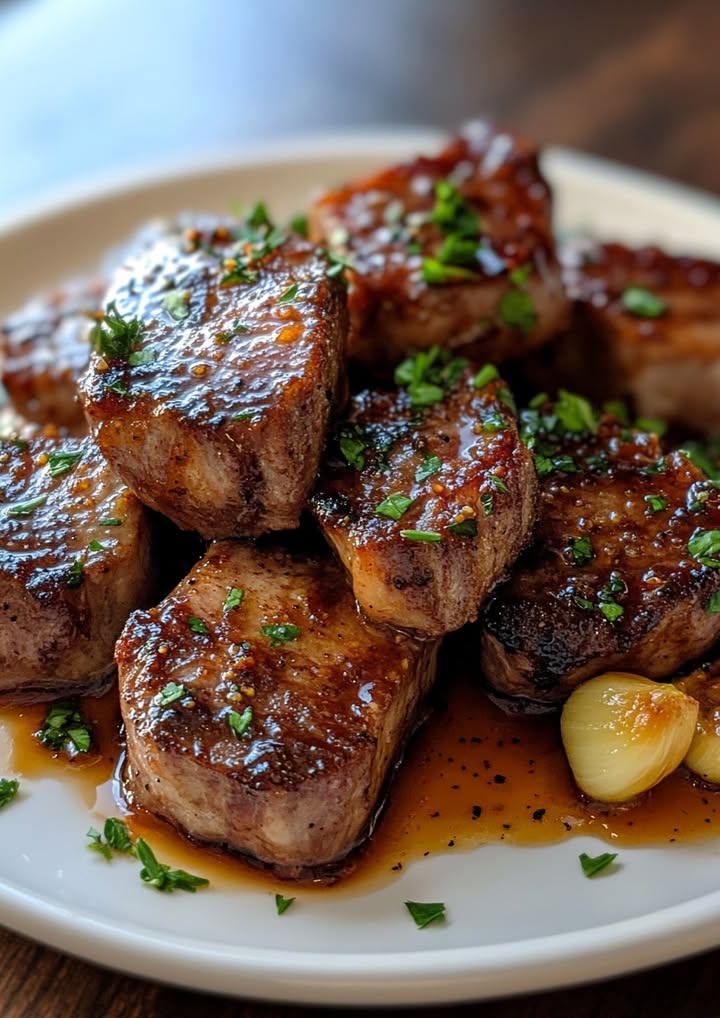
Golden Pan-Seared Lamb Chops with Sticky Honey Garlic Glaze Recipe: A Restaurant-Quality Dinner in Minutes
Imagine a dinner that feels like a special occasion but comes together in less time than it takes to order takeout. This Golden Pan-Seared Lamb Chops with Sticky Honey Garlic Glaze Recipe delivers exactly that. It is a symphony of savory and sweet, featuring tender, juicy lamb chops coated in a glossy, aromatic sauce. The result is a dish that is both impressive and surprisingly simple to master at home.
Furthermore, the magic of this recipe lies in its perfect balance. The rich, gamey flavor of the lamb is beautifully complemented by the sweet and savory notes of the honey garlic glaze. Each bite offers a contrast of textures: a crisp, golden sear on the outside giving way to a perfectly pink and succulent interior. Ultimately, this dish transforms ordinary ingredients into an extraordinary meal that will have everyone asking for seconds.
Additionally, this recipe is incredibly versatile. You can serve it for a quick weeknight dinner or as the stunning centerpiece for a holiday feast. The process is straightforward, but the payoff is immense. By following a few key techniques, you will achieve restaurant-quality results in your own kitchen. Let us dive into how to create these unforgettable Golden Pan-Seared Lamb Chops with Sticky Honey Garlic Glaze.
Quick Recipe Highlights
- Flavor Profile: This dish masterfully balances savory, sweet, and umami. The rich lamb flavor is enhanced by a sticky glaze made from honey, soy sauce, and fresh garlic. A hint of acidity from lemon juice or rice vinegar cuts through the richness perfectly.
- Texture: You get a fantastic textural contrast. The lamb chops develop a crisp, caramelized crust from high-heat searing, while the interior remains tender and juicy. The glaze adds a sticky, glossy coating that clings to every bite.
- Aroma: As the chops sear, they release a deep, meaty fragrance. Then, when you add the garlic and honey to the pan, the kitchen fills with an irresistible sweet and savory scent that is absolutely mouthwatering.
- Visual Appeal: These chops are a feast for the eyes. They boast a beautiful golden-brown sear, glistening with a dark, shiny glaze. Garnished with fresh herbs like rosemary or thyme, they look elegant and professional on the plate.
- Skill Level Needed: This is an intermediate-friendly recipe. While the cooking process is fast, success depends on managing high heat and timing the glaze application correctly. However, with clear instructions, even confident beginners can achieve great results.
- Special Equipment: You need a heavy-bottomed skillet, preferably cast iron or stainless steel, to achieve a proper sear. A pair of sturdy tongs is essential for flipping the chops. Other than that, standard kitchen tools like a small bowl and a whisk are all you require.
Recipe Overview
- Difficulty Level: We rate this recipe as medium. The techniques involved—achieving a perfect sear without overcooking and reducing a glaze to the right consistency—require a bit of kitchen confidence. However, each step is broken down clearly, making the process manageable and rewarding for cooks ready to level up their skills.
- Category: This dish falls squarely into the main course category. It is a protein-centric meal that is substantial enough to stand alone but also pairs wonderfully with various sides. You can also consider it a special occasion dish or a gourmet weeknight dinner.
- Cuisine: While lamb chops are enjoyed globally, this particular preparation with a honey garlic glaze draws inspiration from modern fusion cuisine. It blends techniques from French cooking (pan-searing) with Asian-inspired glaze ingredients like soy sauce and ginger, creating a universally appealing flavor profile.
- Cost: Lamb chops are a premium ingredient, so this is a splurge-worthy meal. The cost for four servings can vary, but expect to invest in quality meat. Fortunately, the other ingredients—honey, garlic, soy sauce—are pantry staples, keeping the overall cost of the glaze minimal.
- Season: This recipe is excellent year-round. It feels cozy and rich in the colder months, yet the bright, sticky glaze also makes it feel festive for spring holidays like Easter. Ultimately, it is a versatile dish that suits any season when you crave something special.
- Occasion: These chops are perfect for date nights, anniversary dinners, or impressing guests. They cook quickly, so you will not be stuck in the kitchen all evening. Conversely, they are also a fantastic choice for a holiday centerpiece, offering a delicious alternative to traditional ham or turkey.
Why You’ll Love This Recipe
First and foremost, the taste is absolutely phenomenal. The Golden Pan-Seared Lamb Chops with Sticky Honey Garlic Glaze Recipe creates a flavor experience that is complex yet harmonious. The natural savoriness of the lamb forms the perfect canvas for the sweet, salty, and garlicky glaze. Each component enhances the other, resulting in a dish that is far greater than the sum of its parts. You will find yourself savoring every single bite, from the crispy edges to the tender center.
Another significant benefit is the sheer convenience and speed. From start to finish, this gourmet meal is ready in about thirty minutes. The prep work is minimal—mostly just mixing the glaze and seasoning the meat. The actual cooking time is brief, making this an ideal solution for busy nights when you still want to eat well. You achieve a spectacular result with relatively little hands-on time, which is a huge win for any home cook.
From a nutritional perspective, lamb is a fantastic source of high-quality protein, iron, and essential B vitamins. When prepared using this pan-searing method, you use minimal added fats compared to deep-frying. The glaze, while adding flavor, uses natural sweeteners like honey. By pairing the chops with healthy sides like roasted vegetables or a fresh salad, you create a balanced and satisfying meal that fuels your body without sacrificing an ounce of pleasure.
Moreover, this recipe has incredible social and entertaining value. Presenting a platter of these glistening, herb-garnished lamb chops is guaranteed to draw oohs and aahs from your dinner guests. The dish feels luxurious and thoughtfully prepared, making everyone feel special. Because it cooks so quickly, you can spend more time with your company and less time stressing over a complicated meal. It is a surefire way to elevate any gathering.
Finally, considering the cost-effectiveness, while the upfront cost for lamb is higher than chicken or pork, this recipe makes the most of that investment. The powerful glaze means a little meat goes a long way in terms of flavor satisfaction. You are creating a restaurant-quality experience at a fraction of the price you would pay dining out. The ingredients for the sauce are inexpensive and shelf-stable, making this an accessible way to enjoy a luxury ingredient at home.
Historical Background and Cultural Significance
The history of cooking lamb is ancient, spanning numerous cultures across the globe. Sheep were among the first animals domesticated for food, and every part of the animal has been utilized for millennia. Specifically, lamb chops—cut from the rib, loin, or shoulder—have long been considered a prized cut. In many Mediterranean and Middle Eastern cultures, lamb is the centerpiece of festive and religious celebrations, symbolizing prosperity and sacrifice.
Culturally, lamb holds significant importance. In Greek cuisine, lamb is often roasted whole for Easter. In the United Kingdom, a roast leg of lamb with mint sauce is a traditional Sunday dinner. The French are renowned for their perfectly cooked côte d’agneau, or lamb chops, often seasoned simply with herbs. This widespread appreciation highlights lamb’s versatility and its association with communal, celebratory meals across continents.
The evolution of the recipe for glazed lamb chops is a more modern phenomenon. It represents a fusion of culinary traditions. The technique of pan-searing is classic French, aimed at developing flavor through the Maillard reaction. The concept of a sweet and savory glaze, however, borrows heavily from Asian culinary principles, where combinations like honey-soy or hoisin are common. This modern fusion approach creates a globally inspired dish that appeals to a wide range of palates.
Regarding regional variations, the basic formula adapts beautifully. In a Moroccan-inspired version, the glaze might include spices like cumin, coriander, and a touch of harissa. A more Mediterranean take could use lemon, oregano, and olive oil in the glaze. Some American barbecue influences might incorporate a smokier element like smoked paprika or a splash of bourbon. This Golden Pan-Seared Lamb Chops with Sticky Honey Garlic Glaze Recipe serves as a fantastic template that you can customize with your favorite regional flavors.
Ingredient Deep Dive
Lamb Chops (Loin or Rib): Lamb chops are cuts from the primal loin or rib sections, known for their tenderness and mild flavor compared to other lamb cuts. They are a fantastic source of high-quality protein, zinc, iron, and vitamin B12. When selecting chops, look for a bright red color with firm, white fat. Marbling within the meat is a good sign of flavor and tenderness. For best results, choose chops that are at least one inch thick to allow for a good sear without overcooking. Store them in the coldest part of your refrigerator and use within two days of purchase, or freeze for longer storage.
Fresh Garlic: Garlic is a foundational ingredient in cuisines worldwide, valued for thousands of years for both its culinary and purported medicinal properties. It contains allicin, a compound with antioxidant and anti-inflammatory benefits. For this glaze, fresh garlic is non-negotiable; its pungent, aromatic quality mellows and sweetens when cooked in the glaze. Choose firm, plump heads with tight, papery skin. Avoid any with green sprouts or soft spots. Store garlic in a cool, dark, dry place with good air circulation—not in the refrigerator, where it can mold.
Honey: Honey is one of the oldest natural sweeteners, used by humans for over 8,000 years. Beyond its sweetness, it adds a complex floral note and helps create the sticky, glossy texture of the glaze. Honey also contains trace enzymes and antioxidants. For cooking, a mild, liquid honey like clover or wildflower works perfectly. The heat will mellow its flavor. If your honey has crystallized, gently warm the jar in a bowl of hot water to liquefy it again. Always store honey at room temperature in a sealed container.
Soy Sauce: Soy sauce is a fermented condiment originating in China over 2,500 years ago. It provides the essential salty, umami depth that balances the honey’s sweetness in the glaze. Traditionally brewed soy sauce is made from soybeans, wheat, salt, and fermenting cultures. For a gluten-free version, you can easily substitute tamari. When purchasing, look for naturally brewed soy sauce for the best flavor. It keeps for a very long time in the pantry, but refrigeration can help preserve its quality after opening.
Common Mistakes to Avoid
- Not Patting the Lamb Dry: This is a critical first step. If the surface of the lamb chops is wet, they will steam instead of sear. Always use paper towels to thoroughly pat the chops dry before seasoning. This ensures you get that beautiful, golden-brown crust that is key to flavor and texture.
- Overcrowding the Pan: Do not try to cook all the chops at once if your pan is not large enough. Overcrowding lowers the pan’s temperature dramatically, causing the meat to release its juices and boil rather than sear. Cook in batches if necessary, giving each chop plenty of space.
- Moving the Chops Too Soon: Once you place the chops in the hot pan, resist the urge to move them around. Let them sear undisturbed for the recommended time to form a proper crust. If you try to lift them too early, they will likely stick and tear, ruining the sear.
- Using High Heat for the Glaze: After searing the lamb, you must reduce the heat before adding the glaze ingredients. Adding honey and garlic to a scorching hot pan will cause the garlic to burn instantly and the honey to scorch, creating a bitter, unpleasant flavor.
- Not Letting the Lamb Rest: Cutting into the chops immediately after cooking lets all the precious juices run out onto the plate, leaving the meat dry. Always transfer the cooked chops to a plate, tent loosely with foil, and let them rest for at least 5 minutes. This allows the juices to redistribute throughout the meat.
- Overcooking the Lamb: Lamb chops are best served medium-rare to medium. Overcooking makes them tough and dry. Use a meat thermometer for accuracy—aim for an internal temperature of 135°F (57°C) for medium-rare, remembering the temperature will rise a few degrees during resting.
- Adding Raw Garlic at the Wrong Time: If you are using minced garlic in the glaze, add it to the pan only after you have reduced the heat. Let it cook for just 30-60 seconds until fragrant. Adding it with the cold honey mixture helps prevent burning, but it still needs a moment to cook and mellow.
- Skipping the Reduction Step: Do not just pour the glaze over the chops and serve. The simmering step is crucial. It thickens the sauce, concentrates the flavors, and allows it to properly coat the back of a spoon, creating that signature “sticky” texture.
Essential Techniques
The Perfect Sear: Achieving a golden sear is the most important technique for this recipe. It creates flavor through the Maillard reaction, a chemical process that browns proteins and develops complex, savory notes. To master it, ensure your pan is very hot before adding the oil, and the lamb is thoroughly dry. Do not move the chops until a crust forms. A common pitfall is a pan that is not hot enough, leading to gray, steamed meat. The visual cue for success is a deep brown, caramelized crust that releases easily from the pan when ready to flip.
Building and Reducing a Glaze: A glaze is a sauce that is reduced to a thick, syrupy consistency that clings to food. The process involves simmering liquid ingredients to evaporate water, concentrating flavors and thickening the mixture. For this honey garlic glaze, it is vital to reduce the heat before adding the ingredients to prevent burning. Then, let the mixture simmer gently until it thickens enough to coat the back of a spoon. The pitfall is rushing this step; if the glaze is too thin, it will just run off the chops. The success cue is a glossy, viscous sauce that leaves a clear trail when you drag a spatula through it.
Resting Meat: Resting is the non-negotiable final step for juicy meat. When protein cooks, its fibers tighten and push juices toward the center. Cutting immediately forces those juices onto the plate. Resting allows the fibers to relax slightly, enabling the juices to redistribute evenly throughout the chop. The key is to tent the meat loosely with foil to keep it warm without continuing to cook it. A common mistake is skipping this step for fear of the food getting cold. The visual cue is that when you finally slice into a rested chop, the juices will stay in the meat, not flood the cutting board.
Pro Tips for Perfect Golden Pan-Seared Lamb Chops with Sticky Honey Garlic Glaze
Bring your lamb chops to room temperature for about 20 minutes before cooking. This simple step helps them cook more evenly, preventing a cold center and an overcooked exterior.
Season the chops generously with salt and pepper just before they hit the pan. Salting too far in advance can draw moisture to the surface, which you then have to pat dry again.
Use a high-smoke-point oil for searing, such as avocado oil, grapeseed oil, or refined coconut oil. Olive oil can burn at the high temperatures needed for a proper sear.
After searing the first side, you will notice the chops release easily from the pan when a proper crust has formed. If they resist, give them another minute before trying to flip.
For an extra layer of flavor, add a sprig of fresh rosemary or thyme to the pan while the chops are searing. The herb will infuse the oil and, subsequently, the meat.
If your glaze reduces too much and becomes too thick before you add the chops back in, simply stir in a tablespoon of warm water or chicken broth to loosen it to the right consistency.
For a beautiful presentation, stand the lamb chops up on their bones, leaning against each other on a serving platter, and drizzle the remaining glaze over the top.
Let the cooked chops rest on a warm plate, not a cold one, to help maintain their ideal serving temperature during the crucial resting period.
Variations and Adaptations
Regional Variations: You can easily take this recipe on a world tour. For a Moroccan twist, add a teaspoon each of ground cumin and coriander to the glaze, and finish with chopped fresh mint. For a Greek-inspired version, use oregano and lemon zest in the glaze, and serve with a side of tzatziki. An American South influence might include a tablespoon of bourbon and a pinch of smoked paprika for a subtle smoky sweetness.
Seasonal Adaptations: In the spring, brighten the glaze with a tablespoon of fresh lemon juice and garnish with pea shoots or edible flowers. During the fall, incorporate a tablespoon of apple cider vinegar and a pinch of cinnamon into the glaze for a warmer, spiced note. Winter calls for heartier accompaniments like mashed root vegetables, while summer is perfect with a light tomato and cucumber salad on the side.
Dietary Modifications: For a gluten-free version, simply use tamari or coconut aminos instead of traditional soy sauce. To make it Paleo or Whole30 compliant, substitute coconut aminos for the soy sauce and ensure your honey is raw and unprocessed if following strict guidelines. While the lamb itself is not suitable for a vegan diet, the glaze recipe is fantastic on pan-seared tofu, tempeh, or even roasted cauliflower steaks.
Flavor Variations: Experiment with different sweeteners. Maple syrup will give a deeper, earthier sweetness than honey. For a more complex umami hit, add a teaspoon of fish sauce or Worcestershire sauce to the glaze mixture. For a spicy kick, incorporate a teaspoon of sriracha or a pinch of red pepper flakes while the glaze simmers.
Serving and Presentation Guide
Plating Techniques: For an elegant individual plate, place a scoop of creamy mashed potatoes or polenta slightly off-center. Lean two lamb chops against the mash, allowing the bones to point upward for dramatic effect. Drizzle a little extra glaze around the plate and over the chops. Alternatively, for family-style serving, arrange all the chops on a large platter, overlapping slightly, and pour the glaze over the top. Scatter fresh herbs across the platter for a pop of color.
Garnishing Ideas: Fresh herbs are your best friend for garnish. Sprigs of rosemary or thyme echo the flavors used in cooking. Finely chopped fresh parsley, chives, or mint add a bright green color and fresh flavor. For a touch of texture and color, a sprinkle of pomegranate arils or toasted pine nuts works beautifully. A final microplane grating of lemon zest over the plated dish adds a burst of citrus aroma.
Traditional Accompaniments: Classic pairings include creamy mashed potatoes, which are perfect for soaking up the extra glaze. Buttered egg noodles or a simple risotto also make excellent bases. For vegetables, consider roasted asparagus, green beans almondine, or glazed carrots. A simple arugula salad with a lemon vinaigrette provides a peppery, acidic contrast that cuts the richness of the lamb and glaze.
Wine and Beverage Pairing
Wine Pairings: The rich lamb and sweet-savory glaze call for wines with good structure and fruit. A medium-bodied Syrah/Shiraz, with its dark fruit and peppery notes, is a classic and fantastic match. A California Zinfandel, known for its jammy berry flavors and spice, can stand up to the intensity. If you prefer white wine, opt for a full-bodied, oaked Chardonnay; its buttery texture and hints of vanilla complement the dish’s richness beautifully.
Non-Alcoholic Alternatives: For a sophisticated alcohol-free pairing, try a tart cherry juice spritzer mixed with sparkling water and a twist of orange peel. The acidity and fruitiness mirror a red wine. Alternatively, a chilled glass of high-quality ginger beer provides a spicy-sweet contrast that cleanses the palate. Iced hibiscus tea (agua de jamaica) offers a tangy, cranberry-like flavor that pairs wonderfully with the savory-sweet profile of the chops.
Coffee/Tea Pairings: While not a traditional dinner pairing, a post-meal coffee or tea can be selected to complement the meal’s flavors. A dark roast coffee with notes of chocolate or caramel would echo the deep, caramelized notes of the sear and glaze. For tea, a smoky Lapsang Souchong or a robust Assam black tea would provide a bold finish that stands up to the lingering savory flavors.
Storage and Shelf Life
Storage Methods: Allow any leftover lamb chops to cool completely to room temperature before storing. Place them in an airtight container, separating layers with parchment paper if stacking. Pour any remaining glaze into a separate small container. Store both in the refrigerator. Do not leave cooked lamb at room temperature for more than two hours to prevent bacterial growth.
Shelf Life and Reheating: Properly stored, cooked lamb chops will keep in the refrigerator for 3 to 4 days. The glaze will last up to a week. The best way to reheat lamb is gently to avoid overcooking. Place the chops on a baking sheet in a 275°F (135°C) oven until just warmed through, about 10-15 minutes. You can also reheat them gently in a covered skillet with a splash of water or broth over low heat. Reheat the glaze separately in a small saucepan or the microwave.
Freezing Guidelines: You can freeze cooked lamb chops for up to 2-3 months. Wrap each chop individually in plastic wrap, then place them all in a heavy-duty freezer bag, removing as much air as possible. Thaw overnight in the refrigerator before reheating. Note that the texture may be slightly less juicy after freezing and reheating. It is not recommended to freeze the honey garlic glaze, as the texture can become grainy or separate upon thawing.
Make Ahead Strategies
Prep Timeline: You can do several components ahead of time to streamline your cooking. The day before, you can mix the entire honey garlic glaze and store it in a jar in the refrigerator. You can also trim and pat dry the lamb chops, then store them on a plate covered with plastic wrap in the fridge. About 30 minutes before cooking, take both the chops and the glaze out of the refrigerator to come to room temperature.
Quality Impact Assessment: Pre-mixing the glaze has no negative impact; in fact, it allows the flavors to meld. Preparing the chops ahead is also fine, but do not salt them until just before cooking, as mentioned earlier. Cooking the chops entirely ahead of time is possible but not ideal, as reheating can compromise the perfect sear and internal doneness. The best make-ahead strategy is prep-only, saving the actual cooking for serving time.
Scaling Instructions
Halving the Recipe: Halving this recipe is straightforward. Simply use half the amount of every ingredient. The cooking times will remain roughly the same, as you are still searing individual chops. However, because there is less meat in the pan, you may need to slightly reduce the glaze reduction time, as there will be less residual heat and moisture from the meat affecting the sauce.
Doubling or Tripling: When scaling up, you must cook the lamb chops in batches to avoid overcrowding the pan. Do not try to sear all the chops at once. Keep the cooked batches warm on a sheet pan in a low oven (around 200°F/95°C) while you finish the rest. For the glaze, you can mix a larger batch in a bowl beforehand. After deglazing the pan with the final batch of chops, add all the pre-mixed glaze at once and proceed with reducing.
Nutritional Deep Dive
Lamb is a nutrient-dense red meat. A serving of these chops provides a significant amount of high-quality, complete protein essential for muscle repair and satiety. Lamb is also an excellent source of heme iron, which is highly absorbable and crucial for oxygen transport in the blood. Additionally, it is rich in vitamin B12, zinc, and selenium, supporting nervous system function, immunity, and antioxidant defense. The honey in the glaze contributes simple carbohydrates for quick energy and contains trace amounts of antioxidants. The garlic offers allicin and other beneficial compounds.
From a dietary consideration standpoint, this dish is naturally gluten-free if you use tamari. It is also dairy-free. However, it is not suitable for vegetarian, vegan, or low-purine diets. For those managing sodium intake, you can use a reduced-sodium soy sauce. Regarding portion control, one to two chops per person is a standard serving, depending on their size and what sides you include. Pairing this rich protein with a large portion of non-starchy vegetables creates a balanced plate that is satisfying and nutrient-rich.
Dietary Adaptations
Gluten-Free: This adaptation is incredibly simple. Substitute the regular soy sauce with an equal amount of gluten-free tamari or coconut aminos. Ensure all other ingredients, like broth if used, are certified gluten-free. The rest of the recipe remains unchanged, resulting in a delicious, celiac-safe meal.
Dairy-Free: This recipe is naturally dairy-free as written. None of the core ingredients—lamb, honey, garlic, soy sauce—contain dairy. Just be mindful when selecting sides; avoid butter-based mashed potatoes or creamy sauces unless you use dairy-free alternatives.
Low-Carb/Keto: For a strict keto version, you must replace the honey. Use a keto-friendly sweetener like monk fruit or erythritol that measures like sugar. You may need to add a small amount of water to help it dissolve into the sauce, and a tiny pinch of xanthan gum can help create a sticky texture. Be sure to use a sugar-free soy sauce alternative like coconut aminos as well.
Paleo/Whole30: Use coconut aminos instead of soy sauce. For Whole30, you must omit the honey, as it is a sweetener. You can try using a date paste or simply rely on the natural sweetness of caramelized garlic and onions, though the glaze will not be as sticky or sweet. For standard Paleo, raw honey is acceptable.
Troubleshooting Guide
Texture Issues (Tough or Dry Lamb): Tough lamb is almost always a result of overcooking. Lamb chops are lean and cook quickly. Next time, use a meat thermometer and pull them off the heat at 130-135°F (54-57°C) for medium-rare. Also, ensure you let them rest fully. If the exterior is burning before the inside is done, your pan is too hot. Use medium-high heat, not the highest setting, to control the sear.
Flavor Balance (Glaze Too Sweet or Too Salty): If your glaze is too sweet, balance it with a splash of acidity—lemon juice or rice vinegar work well. If it is too salty, you cannot remove salt, but you can dilute it. Add a bit more honey and a splash of water or unsalted broth, then simmer again to re-thicken. To prevent this, measure your soy sauce carefully, as brands vary in saltiness.
Glaze Not Thickening: If your glaze remains runny, you likely have not reduced it enough. Continue simmering over medium-low heat, stirring frequently. If you are in a hurry, you can create a quick slurry with ½ teaspoon of cornstarch and a tablespoon of cold water, then whisk it into the simmering glaze. Let it cook for another minute until thickened.
Frequently Asked Questions
Q: Can I use a different cut of lamb?
A: Yes, you can use lamb shoulder chops or leg steaks, but be aware they are less tender and may require a slightly longer cooking time. The key is to adjust based on thickness and use a meat thermometer to ensure doneness. Loin and rib chops are recommended for their quick-cooking tenderness.
Q: My garlic burned when I added the glaze. What happened?
A: This means your pan was still too hot. After searing the lamb, remove the pan from the heat for a full minute to let it cool slightly. Add the glaze ingredients (which should be at room temp, not cold from the fridge) and then return to low or medium-low heat. The cold mixture helps lower the pan temp further.
Q: Can I make this in the oven instead of on the stovetop?
A: For the best sear, the stovetop is ideal. However, you can sear the chops in an oven-safe skillet, then transfer the entire skillet to a preheated 400°F (200°C) oven to finish cooking for 5-8 minutes. Remove the chops, make the glaze on the stovetop using the same skillet, and proceed.
Q: What can I use instead of honey?
A: Maple syrup is a great 1:1 substitute and will add a deeper flavor. Agave nectar will work but is thinner. For a sugar-free option, a keto syrup or a mixture of brown sugar substitute and a little water can work, though the texture may differ.
Q: How do I know when the lamb is done without a thermometer?
A: The finger test is a guide. Gently press the center of a chop with your finger. If it feels very soft and spongy, it is rare. With a little resistance like the base of your thumb, it is medium-rare. Firm resistance indicates medium or beyond. For accuracy and confidence, a digital instant-read thermometer is a small investment that guarantees perfect results every time.
Q: Can I prepare the glaze ahead of time?
A: Absolutely. Mix all the glaze ingredients in a jar or bowl and refrigerate for up to 5 days. Let it come to room temperature or warm it slightly before using, as cold glaze will drastically cool your pan and affect the reduction process.
Additional Resources
If you loved the techniques in this Golden Pan-Seared Lamb Chops with Sticky Honey Garlic Glaze Recipe, consider exploring other pan-seared mains. Recipes for pan-seared scallops with lemon butter or a perfectly cooked steak with herb compound butter use similar high-heat searing principles. Mastering the sear opens up a world of quick, impressive dinners.
To deepen your sauce-making skills, look for guides on classic pan sauces. Learning to deglaze a pan properly, whether with wine, stock, or vinegar, is a fundamental technique that builds flavor. Understanding how to mount a sauce with butter (monter au beurre) can add a luxurious finish to many dishes, though it is not used in this particular glaze.
For more information on selecting and preparing lamb, seek out guides from reputable butchers or agricultural boards. They often provide detailed breakdowns of different lamb cuts, their best uses, and cooking times. Understanding the animal helps you make informed choices at the market and adapt recipes more confidently.
{“success”:true,”message”:”Recipe created successfully”,”post_id”:8297,”tasty_recipe_id”:8297,”shortcode”:” Print
Golden Pan-Seared Lamb Chops with Sticky Honey Garlic Glaze
Description
Tender lamb chops seared to golden perfection and coated in a sweet, savory, and sticky honey garlic glaze.
Ingredients
For the Crust:
- 8 lamb chops (about 1 inch thick)
- 2 tablespoons olive oil
- Salt and black pepper to taste
- 4 cloves garlic, minced
- 1/4 cup honey
- 2 tablespoons soy sauce
- 1 tablespoon apple cider vinegar
- 1 teaspoon fresh rosemary, chopped
- 1/2 teaspoon red pepper flakes (optional)
Instructions
1. Prepare the Crust:
- Season lamb chops generously with salt and black pepper on both sides.
- Heat olive oil in a large skillet over medium-high heat. Add lamb chops and sear for 3-4 minutes per side until golden brown and cooked to desired doneness. Remove from skillet and set aside.
- In the same skillet, reduce heat to medium. Add minced garlic and sauté for 30 seconds until fragrant.
- Stir in honey, soy sauce, apple cider vinegar, rosemary, and red pepper flakes (if using). Simmer for 2-3 minutes until the glaze thickens slightly.
- Return lamb chops to the skillet, turning to coat evenly in the glaze. Cook for an additional 1-2 minutes to warm through.
- Serve immediately, drizzled with any remaining glaze from the skillet.
Notes
You can customize the seasonings to taste.

I’m Billy, a classically trained culinary school graduate from The Culinary Institute of America with over 12 years in the restaurant industry and over 19 years of cooking experience.