
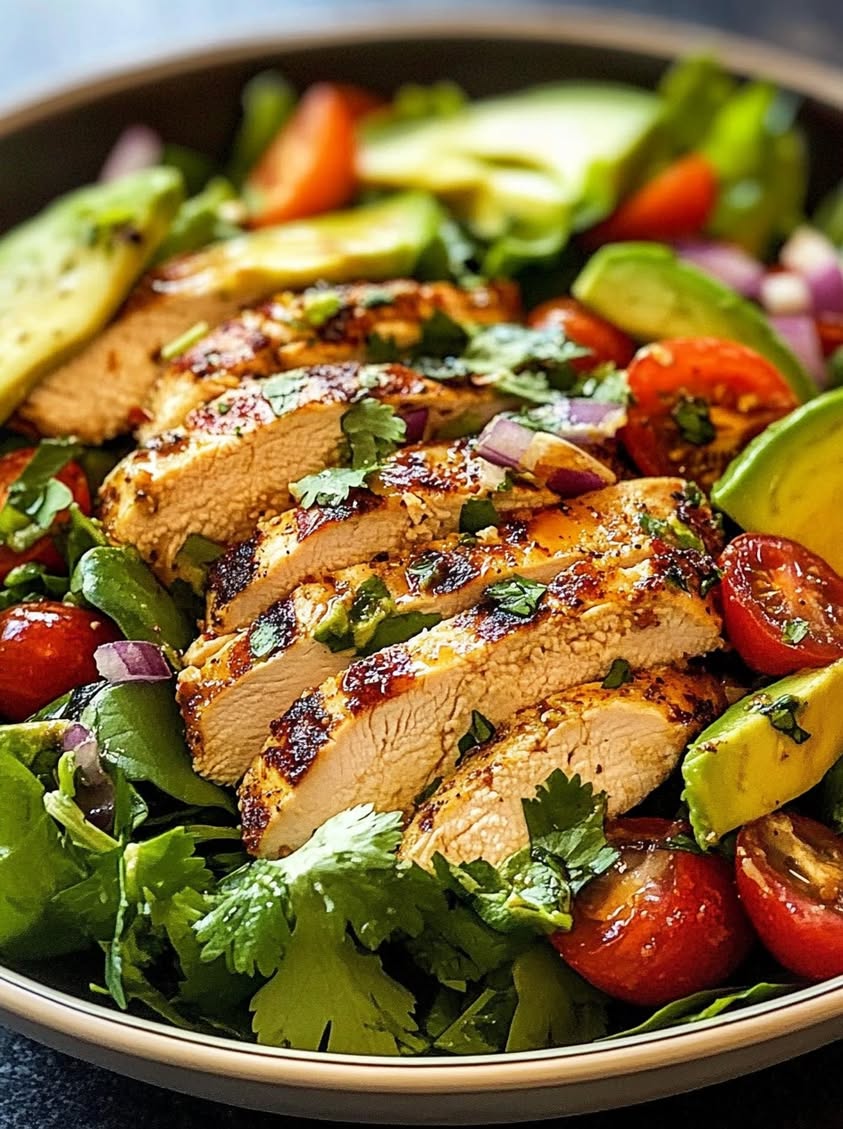
Golden Seared Chicken and Creamy Avocado Garden Salad with Fresh Lime Drizzle: A Zesty, Protein-Packed Masterpiece
Imagine a meal that perfectly balances hearty satisfaction with garden-fresh vibrancy. This Golden Seared Chicken and Creamy Avocado Garden Salad with Fresh Lime Drizzle delivers exactly that. Moreover, it transforms simple ingredients into a restaurant-quality dish right in your own kitchen. The star of the show is undoubtedly the perfectly cooked chicken, boasting a crispy, golden crust that gives way to tender, juicy meat. Consequently, it pairs magically with the cool, creamy avocado and crisp vegetables.
Furthermore, this recipe is a celebration of texture and bright flavor. Every forkful offers a delightful contrast. You get the savory warmth of the seared chicken, the buttery softness of ripe avocado, and the juicy crunch of fresh garden vegetables. Ultimately, the entire dish is unified by a zesty, aromatic fresh lime drizzle that cuts through the richness. This Golden Seared Chicken Salad with Avocado and Fresh Lime Drizzle is not just a meal; it is a vibrant, healthful experience that will become a regular in your weekly rotation.
Ultimately, this dish proves that eating well does not require complicated techniques or obscure ingredients. Instead, it relies on quality components and a few key cooking principles. The result is a protein-packed, nutrient-dense salad that feels indulgent yet is wonderfully good for you. Whether you need a quick weeknight dinner or an impressive lunch for guests, this recipe consistently delivers on flavor, presentation, and satisfaction.
Quick Recipe Highlights
- Flavor Profile: This dish masterfully combines savory, tangy, and fresh notes. The golden seared chicken offers a deep, umami-rich base, while the fresh lime drizzle adds a vibrant, citrusy punch that brightens every component. Additionally, the creamy avocado provides a subtle, rich counterpoint that balances the acidity perfectly.
- Texture: The texture journey is a key part of the appeal. You experience the satisfying crispness of the chicken’s seared crust against its tender interior. Meanwhile, the creamy avocado and crunchy vegetables like cucumber and bell pepper create a wonderfully varied mouthfeel that keeps each bite interesting.
- Aroma: As the chicken sears, it releases a mouthwatering, savory scent that fills your kitchen. Then, the fresh lime zest and juice in the drizzle contribute a bright, tropical aroma that instantly freshens the dish. Finally, the subtle herbal notes from cilantro or parsley complete the aromatic profile.
- Visual Appeal: This salad is a feast for the eyes with its vibrant color palette. The golden-brown chicken rests atop a bed of green lettuce, red tomatoes, and creamy pale green avocado. Consequently, the final presentation is both rustic and elegant, making it highly shareable on social media or at the dinner table.
- Skill Level Needed: This is a fantastic recipe for cooks of all levels. The techniques involved—searing protein and assembling a salad—are fundamental. Therefore, even beginner cooks can achieve excellent results by following the clear instructions for achieving that perfect golden crust on the chicken.
- Special Equipment: You only need very basic kitchen tools. A reliable skillet or cast-iron pan is essential for getting that perfect sear on the chicken. Otherwise, a good knife, cutting board, and a small bowl for whisking the lime drizzle are all you require to make this wholesome meal.
Recipe Overview
- Difficulty Level: We rate this recipe as “Easy” for several important reasons. First, the steps are sequential and simple, involving basic chopping, searing, and whisking. Second, the cooking technique for the chicken is forgiving if you monitor the heat. Finally, there is no complex sauce reduction or baking science required, making it accessible for a weeknight cook.
- Category: This dish beautifully straddles multiple meal categories. It is substantial enough to be a main course dinner salad, yet light enough for a fulfilling lunch. Furthermore, you can easily adapt it for meal prep by storing components separately. It also fits into the “healthy,” “high-protein,” and “fresh” categories that so many people seek today.
- Cuisine: While not tied to one specific tradition, the recipe draws inspiration from Californian and modern American cuisine with its focus on fresh, quality produce and lean protein. The use of avocado and lime also nods to Mexican and Southwestern flavors, creating a fusion dish that is universally appealing and adaptable.
- Cost: This is a remarkably cost-effective meal to prepare. Chicken breast is an affordable protein, and the vegetables are common, seasonal items. Avocado and lime might be the priciest components, but they provide immense flavor and nutritional value for the cost. Overall, you can feed a family for far less than the price of takeout.
- Season: This Golden Seared Chicken Salad with Avocado and Fresh Lime Drizzle is truly a year-round winner. However, it shines brightest in spring and summer when tomatoes and cucumbers are at their peak sweetness and herbs are abundant. Conversely, it also provides a much-needed burst of freshness during colder months.
- Occasion: Its versatility makes it perfect for countless occasions. Serve it for a casual family dinner, plate it elegantly for a date night at home, or bring it to a potluck (keeping the dressing separate). It is also an excellent choice for a healthy weekend lunch or a post-workout meal due to its high protein content.
Why You’ll Love This Recipe
First and foremost, the taste and texture combination is utterly irresistible. The golden seared chicken delivers a savory, caramelized depth that satisfies the craving for something hearty. Meanwhile, the creamy avocado garden salad offers a cool, refreshing contrast. Each bite, finished with the bright fresh lime drizzle, is a perfect harmony of flavors that never feels heavy or boring. This dish proves that healthy food can and should be explosively delicious.
From a convenience standpoint, this recipe is a true weeknight hero. It comes together in under 30 minutes with minimal cleanup. You can prepare the salad components while the chicken rests, making the process efficient. Furthermore, the ingredients are easy to find at any standard grocery store. You likely have many of the spices and staples already in your pantry. This simplicity removes the stress from cooking and makes it easy to decide what’s for dinner.
Nutritionally, this meal is a powerhouse. The chicken breast provides lean, high-quality protein essential for muscle repair and satiety. Avocado contributes heart-healthy monounsaturated fats and fiber. The garden vegetables load the dish with vitamins, minerals, and antioxidants. The fresh lime drizzle adds vitamin C without the processed sugars and unhealthy fats found in many bottled dressings. Consequently, this meal supports energy levels, overall health, and weight management goals.
For social and entertaining value, this salad is a fantastic choice. It is visually stunning on a platter, making it ideal for serving guests. You can easily double or triple the recipe for a crowd. Additionally, it accommodates various dietary preferences naturally; it is gluten-free and can be made dairy-free with ease. Serving a meal that looks impressive, tastes fantastic, and caters to guests’ needs is always a winning strategy.
Finally, the cost-effectiveness and accessibility of this Golden Seared Chicken Salad with Avocado and Fresh Lime Drizzle cannot be overstated. It utilizes affordable, whole ingredients to create a restaurant-quality plate. You avoid expensive pre-made sauces or specialty items. Teaching yourself to make such flavorful, healthy meals at home is one of the best investments you can make in your culinary skills and your budget. This recipe delivers luxury dining on a practical budget.
Historical Background and Cultural Significance
The concept of pairing seared or grilled protein with a fresh salad is ancient and cross-cultural. However, the specific combination in this recipe reflects a more modern, health-conscious culinary movement. The emphasis on lean chicken breast, avocado as a healthy fat source, and a citrus-based dressing aligns with dietary trends that gained momentum in the late 20th and early 21st centuries. This dish is a product of our current understanding of balanced nutrition and global flavor fusion.
Culturally, the salad embodies the “California Cuisine” ethos pioneered by chefs like Alice Waters. This philosophy prioritizes fresh, local, seasonal ingredients prepared simply to highlight their natural flavors. The avocado and lime are staples in Mexican and Latin American cooking, while the technique of pan-searing chicken is fundamental to European and American kitchens. Therefore, this recipe is a delicious testament to culinary globalization and the blending of food traditions.
The evolution of this recipe is interesting to consider. A century ago, avocado was a regional specialty, not a global supermarket staple. Chicken was often cooked whole or in stews, not commonly pounded and seared as a quick-cooking cutlet. The modern convenience of boneless, skinless chicken breasts and year-round avocado availability directly enabled the creation of such quick, protein-forward salads. This dish is a direct response to our faster-paced lifestyles and desire for nutritious, fast meals.
Regional variations of this concept are endless. In the Mediterranean, you might find a similar salad with olive oil, lemon, and olives instead of avocado and lime. In Asia, the dressing could incorporate soy, ginger, and sesame oil. The core formula—seared protein + fresh vegetables + vibrant dressing—is universal. Our version with creamy avocado and fresh lime drizzle offers a particularly bright and satisfying take that has become a favorite in homes and cafes worldwide.
Ingredient Deep Dive
Chicken Breast: The chicken breast is the foundational protein. For the best results in your Golden Seared Chicken Salad with Avocado and Fresh Lime Drizzle, choose breasts that are similar in size for even cooking. Pound them to an even thickness; this is a crucial step that ensures quick, uniform cooking and prevents the thinner ends from drying out. Season generously with salt and pepper just before cooking to draw moisture to the surface, which aids in forming that perfect golden crust. For storage, keep raw chicken in the coldest part of your refrigerator and use within 1-2 days, or freeze for longer storage.
Avocado: The avocado provides the “creamy” element without any dairy. Cultivated for thousands of years in Central and South America, it is now a global superfood. For this recipe, select avocados that yield slightly to gentle pressure at the stem end. If they are rock hard, ripen them in a paper bag on the counter for a few days. To prevent browning in the salad, add the lime drizzle promptly, as the citric acid slows oxidation. Nutritionally, avocados are packed with fiber, potassium, and healthy fats that promote heart health and satiety.
Fresh Lime: The fresh lime drizzle is the flavor catalyst. Lime juice and zest provide a bright, acidic punch that cuts through the richness of the chicken and avocado. Always zest your lime before juicing it, as it is much harder to do afterward. Roll the lime firmly on the counter before cutting to maximize juice yield. In terms of history, limes were carried on British ships to prevent scurvy, earning sailors the nickname “limeys.” Their high vitamin C content and vibrant flavor make them indispensable in many cuisines, especially in this key role.
Mixed Garden Vegetables (Tomato, Cucumber, Bell Pepper): These vegetables add crucial color, crunch, and hydration. Use the freshest, most vibrant vegetables you can find. Cherry or grape tomatoes are excellent as they are less watery than large diced tomatoes. English cucumbers have fewer seeds and a thinner skin, making them ideal for salads. Bell peppers add a sweet crunch and a boost of Vitamin C. Together, they transform the dish from a simple protein-and-green plate into a nutrient-dense, texturally exciting garden salad.
Olive Oil: Olive oil serves two vital functions: searing the chicken and forming the base of the lime drizzle. Use a regular or light olive oil for searing due to its higher smoke point. For the dressing, a good extra-virgin olive oil will contribute a fruity, peppery note. Olive oil is a cornerstone of the Mediterranean diet, associated with longevity and heart health. Its monounsaturated fats are stable for cooking and beneficial for absorbing fat-soluble vitamins from the vegetables in your salad.
Common Mistakes to Avoid
- Not Pounding the Chicken: Skipping this step leads to uneven cooking. The thick part will be undercooked while the thin edges become dry and tough. Always pound breasts to an even ½-inch thickness for consistent, juicy results every time.
- Crowding the Pan: Adding too many chicken pieces to the pan at once drops the temperature dramatically. Consequently, the chicken steams instead of sears, resulting in a pale, rubbery exterior. Cook in batches if necessary to ensure proper browning.
- Moving the Chicken Too Soon: The moment the chicken hits the hot pan, it will stick. If you try to move it immediately, you will tear the flesh and ruin the crust. Let it sear undisturbed for 3-4 minutes until it releases naturally.
- Using Cold Chicken: Cooking chicken straight from the fridge shocks the meat and causes it to contract tightly. This often leads to a tough texture. Let the seasoned chicken sit at room temperature for 10-15 minutes before cooking for more even doneness.
- Overcooking the Avocado: While avocado is not cooked, adding it too early is a mistake. If you mix it into the salad long before serving, it can become mushy and brown. Gently fold in the avocado just before assembling the final plates.
- Neglecting to Season in Layers: Seasoning only the chicken is not enough. Remember to season your salad vegetables lightly with a pinch of salt. This simple act enhances their natural flavors and makes the entire dish taste more balanced and professional.
- Using Bottled Lime Juice: The fresh lime drizzle is defined by its bright, authentic flavor. Bottled lime juice often contains preservatives and lacks the vibrant acidity and aromatic zest of the fresh fruit. Always use freshly squeezed lime juice for the best taste.
- Slicing the Chicken Immediately: Cutting into the chicken the second it comes out of the pan causes all the precious juices to run out onto the cutting board. Always let it rest for 5-10 minutes before slicing to allow the juices to redistribute throughout the meat.
Essential Techniques
Pounding Chicken to an Even Thickness: This technique is non-negotiable for perfect searing. Place a chicken breast between two sheets of plastic wrap or in a zip-top bag. Using a meat mallet, rolling pin, or even a heavy skillet, gently pound from the center outward until the breast is uniformly about ½-inch thick. This ensures the entire piece cooks at the same rate, eliminating dry spots and undercooked centers. The visual cue for success is a uniformly flat cutlet.
Achieving a Golden Sear: A proper sear creates flavor through the Maillard reaction—a chemical process that browns proteins and develops complex tastes. First, pat the chicken completely dry with paper towels. Moisture is the enemy of browning. Next, ensure your pan and oil are hot before adding the chicken. You should hear a confident sizzle upon contact. Do not move the chicken until it easily releases from the pan, indicating a crust has formed. The result should be a deep, golden-brown color with visible caramelization.
Emulsifying the Fresh Lime Drizzle: An emulsion is a stable mixture of two liquids that normally don’t combine, like oil and acid (lime juice). To create your drizzle, start by whisking the lime juice, zest, and any seasonings in a bowl. Then, slowly drizzle in the olive oil while whisking vigorously. This slow incorporation encourages the oil to break into tiny droplets suspended in the juice, creating a slightly thickened, cohesive dressing that will coat ingredients evenly instead of separating immediately.
Resting Cooked Protein: Resting is the final, critical step for juicy chicken. When heat is applied, the muscle fibers contract and push juices toward the center. Slicing immediately forces those juices out. Allowing the chicken to rest for 5-10 minutes off the heat lets the fibers relax and reabsorb the moisture throughout the meat. The visual cue is that the chicken will feel firmer to the touch, and when sliced, very little liquid will escape onto the board.
Pro Tips for Perfect Golden Seared Chicken and Creamy Avocado Garden Salad
First, bring your chicken to room temperature for 10-15 minutes before cooking. This small step promotes even cooking from edge to center, preventing a raw middle and overcooked edges.
Second, use a digital meat thermometer to guarantee perfect doneness. Remove the chicken from the pan when it reaches 160°F; the residual heat will carry it to the safe temperature of 165°F as it rests.
Third, add a smashed garlic clove and a spring of thyme or rosemary to the oil as the chicken sears. This infuses the oil with subtle aromatic flavors that enhance the entire dish.
Fourth, season your salad greens and vegetables with a tiny pinch of salt before adding the dressing. This “pre-seasoning” wakes up their flavors and makes the final salad taste more balanced.
Fifth, if your avocados are perfectly ripe but you are not ready to serve, squeeze a little extra lime juice directly on the cut surfaces and store them tightly wrapped in plastic wrap to minimize browning.
Sixth, warm your serving plates slightly. A warm plate will keep the seared chicken hot longer while contrasting nicely with the cool salad, enhancing the overall eating experience.
Seventh, reserve a few vibrant herb leaves or vegetable pieces for a garnish on top of the plated dish. This final touch adds a professional, finished look that is visually appealing.
Eighth, taste your lime drizzle and adjust the balance before pouring it over the salad. If it is too sharp, add a tiny drizzle of honey or maple syrup. If it is too oily, whisk in a bit more lime juice.
Variations and Adaptations
Regional Variations: Give this salad a Greek twist by using a lemon-oregano dressing, adding Kalamata olives and feta cheese, and serving with pita bread. For a Southwestern flair, incorporate black beans, corn, cotija cheese, and a drizzle of chipotle-lime crema. An Asian-inspired version could feature a sesame-ginger dressing, mandarin oranges, and crunchy wonton strips.
Seasonal Adaptations: In summer, use heirloom tomatoes, fresh sweet corn, and basil. For fall, incorporate roasted sweet potato cubes, dried cranberries, and pepitas with a maple-lime vinaigrette. Winter versions can include roasted Brussels sprouts or kale massaged with the lime dressing to soften it. Spring is perfect for adding fresh peas, asparagus tips, and radishes.
Dietary Modifications: For a vegan version, substitute the chicken with seasoned, pan-seared extra-firm tofu or crispy chickpeas. To make it Whole30 or Paleo, ensure your seasonings are compliant and omit any sweetener in the dressing. For a lower-carb or keto approach, increase the avocado and chicken portions while reducing or omitting higher-carb vegetables like tomatoes and bell peppers.
Flavor Variations: Experiment with the seasoning rub on the chicken. Try smoked paprika, cumin, and chili powder for a Tex-Mex profile, or use Italian herbs like dried oregano, basil, and garlic powder. You can also marinate the chicken in some of the lime dressing for 30 minutes before cooking to deepen the flavor penetration.
Texture Modifications: For extra crunch, add toasted nuts (like almonds or pecans) or seeds (like sunflower or pumpkin). For a creamier salad without dairy, mash half an avocado into the lime dressing to create a rich, creamy avocado lime dressing that clings beautifully to every ingredient.
Presentation Alternatives: Serve the salad deconstructed on a large platter for a family-style meal. Alternatively, pack it into a mason jar for lunch by layering the dressing at the bottom, then chicken, then hardy vegetables, with greens and avocado on top. For individual servings, use a ring mold to create a tall, elegant stack of salad on the plate.
Serving and Presentation Guide
Plating is key to maximizing visual appeal. Start by creating a bed of the garden salad mix on each plate or a large platter. Artfully arrange the sliced golden seared chicken over the top, fanning the slices slightly. Next, strategically place the avocado slices or chunks so their creamy green color is visible. Finally, drizzle the fresh lime dressing over everything in a zig-zag or circular pattern, allowing it to pool slightly in the greens.
Garnishing adds the final professional touch. A sprinkle of fresh, whole cilantro or parsley leaves adds color and a fresh aroma. Microgreens are another elegant option. For texture and color, a light sprinkle of red pepper flakes or freshly cracked black pepper works well. A final delicate grating of lime zest over the entire plate just before serving intensifies the citrus aroma beautifully.
Traditional accompaniments for a dish like this are often simple. Warm crusty bread or a baguette is perfect for soaking up any extra dressing. For a heartier meal, serve alongside quinoa, brown rice, or roasted potatoes. The simplicity of the sides ensures the salad remains the star of the show without complicating the flavor profile.
Modern serving suggestions might include serving the salad in individual, edible bowls made from large lettuce leaves like romaine or butter lettuce. For a party, consider a DIY salad bar setup where guests can build their own plates with bowls of chicken, salad components, avocado, and dressing. This interactive style is always a crowd-pleaser.
Temperature considerations are important for the best experience. The chicken should be served warm or at room temperature, never piping hot straight from the pan onto cold greens. The salad components should be crisp and cool. This intentional contrast between the warm, savory protein and the cool, fresh vegetables is a signature part of the dish’s appeal.
Portion control is easy with this nutrient-dense meal. A standard serving is one sliced chicken breast per person over a generous two cups of salad mix with ¼ to ½ of an avocado. Because the meal is so satisfying with protein and healthy fats, you will likely find that portions feel ample without being excessive, supporting both satisfaction and health goals.
Wine and Beverage Pairing
Wine pairings should complement the dish’s bright acidity and rich textures. A crisp, unoaked white wine like Sauvignon Blanc or Pinot Grigio is a classic choice, as their citrus notes mirror the lime drizzle. For a more aromatic option, a dry Riesling works wonderfully. If you prefer red wine, choose a light-bodied, low-tannin red like Pinot Noir served slightly chilled; its fruity notes will not overpower the chicken and salad.
Non-alcoholic alternatives can be just as sophisticated. Sparkling water with a slice of lime or cucumber is refreshing and hydrating. For a crafted mocktail, muddle mint and cucumber in a glass, add ice, top with lime sparkling water, and garnish with a lime wheel. Iced herbal teas, like lemongrass or hibiscus, also pair beautifully, offering subtle flavors that won’t compete with the food.
While not traditional for a salad, coffee or tea pairings can work if serving this for lunch. A light roast coffee with bright, citrusy notes can surprisingly echo the lime. For tea, consider a green tea like sencha, which has vegetal, slightly grassy notes that complement the garden vegetables, or a citrus-infused herbal tea served iced.
Temperature is crucial for beverages. White wines, rosés, and non-alcoholic sparklers should be served well-chilled, between 45-50°F. Light reds like Pinot Noir are best served at a “cellar temperature” around 55°F, which may feel slightly cool to the touch. Iced teas and mocktails should be very cold with plenty of ice to maintain refreshment throughout the meal.
Serving suggestions include offering a variety of options if you have guests. Place a bottle of chilled white wine and a pitcher of a signature non-alcoholic beverage on the table. Use clear glassware to showcase the colors of the drinks, and always ensure water glasses are full, as the savory chicken and tangy dressing will naturally make guests thirsty.
Storage and Shelf Life
Proper storage is essential for maintaining quality and safety. Store all components separately for the best results. Place sliced, cooled chicken in an airtight container in the refrigerator for up to 3-4 days. Store the prepared garden salad (without avocado or dressing) in a separate container lined with a paper towel to absorb excess moisture; it will keep for 2-3 days. The fresh lime drizzle can be stored in a jar in the fridge for up to 5 days.
Temperature requirements are straightforward: everything must be refrigerated at or below 40°F. Never leave the assembled salad with dressing at room temperature for more than two hours, as the moisture will quickly wilt the greens and create a breeding ground for bacteria. Always chill leftovers promptly.
Container recommendations include glass containers with tight-sealing lids, which are ideal as they do not retain odors. For the salad greens, a large container with plenty of room prevents crushing. For the dressing, a small mason jar is perfect for shaking and re-emulsifying before use. Clearly label containers with the date to track freshness.
Signs of spoilage include an off or sour smell from the chicken, a slimy texture on the meat or vegetables, and wilting or browning greens that have become mushy. If the avocado has turned extensively brown or developed dark, stringy spots, it should be discarded. When in doubt, remember the golden rule: if you are unsure, it is safer to throw it out.
Reheating instructions apply only to the chicken. Reheat it gently in a skillet over medium-low heat with a splash of water or broth to keep it moist, or in the microwave at 50% power in 30-second intervals until just warmed through. Avoid reheating the chicken more than once. The salad components and avocado should not be reheated; enjoy them cold or at room temperature.
Freezing guidelines: You can freeze the cooked, cooled chicken for up to 3 months. Wrap individual portions tightly in plastic wrap and then place in a freezer bag. Thaw overnight in the refrigerator before reheating. Do not freeze the assembled salad, avocado, or lime drizzle, as the textures will be destroyed upon thawing.
Make Ahead Strategies
A strategic prep timeline can make weeknight dinners effortless. The day before, you can pound and season the chicken breasts, then store them on a plate covered in the fridge. Chop all the hardy vegetables (bell peppers, cucumbers) and store them in a container. Make the fresh lime drizzle and store it in a jar. Wash and dry your greens. This leaves only the searing of the chicken and slicing of the avocado for the day of serving.
Storage between steps is simple with proper planning. Keep the prepped chicken on a plate, not in a sealed bag, to allow the surface to dry slightly for better searing. Store chopped vegetables in a container with a dry paper towel on top to absorb ethylene gas and moisture. Keep the dressing in its jar, and store greens in a salad spinner or a bowl covered with a damp paper towel and plastic wrap.
Assessing quality impact is important. Prepping the chicken a day ahead actually benefits the recipe, as the seasoning has more time to penetrate. Chopped vegetables will remain crisp for 24 hours. The lime dressing’s flavor may even improve as the ingredients meld. The only elements that must be absolutely last-minute are slicing the avocado and assembling the final salad to prevent sogginess and browning.
Assembly tips for make-ahead success: When ready to serve, sear your chicken. While it rests, take your pre-chopped vegetables from the fridge and combine them with the greens in a large bowl. Slice the avocado. Assemble the salad on plates or a platter, add the avocado and sliced chicken, then give the lime dressing a good shake and drizzle it over everything. This final assembly takes mere minutes.
Reheating guidelines for pre-cooked chicken are covered above, but if you cooked the chicken ahead, let it come to room temperature for about 20 minutes before serving, or reheat it gently. Do not microwave it on high, as this will make it rubbery. The goal is to take the chill off while preserving moisture.
Fresh element additions are the secret to a make-ahead salad that still tastes just-made. Always add delicate herbs (like cilantro), any nuts or seeds for crunch, and the avocado at the very last moment. Pour the dressing on just before serving. This ensures the textures are perfect and the flavors are vibrant, giving the impression the entire meal was prepared from scratch right then.
Scaling Instructions
Halving the recipe is straightforward for smaller households. Use one large chicken breast, halved and pounded. Use half an avocado, half a lime, and proportionally reduce all other vegetables and dressing ingredients by half. Cooking time for the chicken will remain similar, as the pan surface area and heat are the same. This is a perfect method for a dinner for two with minimal leftovers.
Doubling or tripling the recipe for a crowd requires slight adjustments. You will need to cook the chicken in batches to avoid overcrowding the pan; keep the cooked pieces warm on a baking sheet in a 200°F oven. Use a very large bowl or multiple bowls for the salad components. Consider making the dressing in a blender for easier large-scale emulsification. A large serving platter becomes essential for family-style presentation.
Equipment adjustments for scaling up are important. If you double the recipe, you may want to use two skillets simultaneously to speed up cooking. Ensure you have a large enough bowl to toss the salad—a very large stainless steel mixing bowl is ideal. For dressing, a liquid measuring cup with a spout can make drizzling over a large platter easier and more controlled.
Timing modifications when scaling are minimal for prep but significant for cooking. Chopping more vegetables will naturally take more time, so factor that in. The major time increase comes from cooking multiple batches of chicken. Plan for about 50% more active cooking time when doubling, as you must sear, rest, and slice more chicken. Start the chicken earlier to ensure it is all ready to serve at the same time.
Storage considerations for scaled recipes are crucial. If you have leftovers from a doubled batch, store components separately as usual. You may have more leftover chicken, which freezes well for future quick meals. Extra dressing will keep in the fridge. Remember that a large quantity of dressed salad will not store well, so only dress what you plan to serve immediately.
Nutritional Deep Dive
This Golden Seared Chicken Salad with Avocado and Fresh Lime Drizzle offers an excellent macro breakdown. A typical serving provides approximately 35-40 grams of high-quality protein from the chicken, essential for muscle maintenance and satiety. The healthy fats, primarily from the avocado and olive oil, contribute 20-25 grams of predominantly monounsaturated fat, which supports heart health and nutrient absorption. Net carbohydrates are relatively low, around 15-20 grams per serving, coming mainly from the fibrous vegetables, making this a balanced plate for various dietary approaches.
The micronutrient profile is impressively diverse. The chicken is a great source of B vitamins, particularly B6 and niacin, which aid in energy metabolism. Avocado provides potassium, folate, and vitamins K, C, and E. The garden vegetables contribute a spectrum of antioxidants like lycopene from tomatoes and beta-carotene from bell peppers. The fresh lime is a potent source of vitamin C, which boosts immunity and enhances iron absorption from the chicken.
Specific health benefits of this meal are numerous. The combination of lean protein and high fiber promotes sustained energy and curbs cravings. The healthy fats support brain function and skin health. The antioxidants combat oxidative stress and inflammation. Furthermore, this is a whole-foods-based meal with no processed ingredients, which is beneficial for long-term metabolic health, digestion, and maintaining a healthy weight.
Dietary considerations are largely positive. The recipe is naturally gluten-free and dairy-free. It is suitable for paleo and Whole30 diets if you verify your seasonings. For low-carb or keto diets, you can reduce the higher-carb vegetables like tomatoes. It is not suitable for a vegan diet as-is, but the chicken can be swapped for plant-based protein as mentioned in the variations section.
Portion analysis shows that this is a volumous, satisfying meal. The large volume of vegetables provides bulk and fiber with relatively few calories, promoting fullness. The protein and fat portions are substantial enough to trigger hormonal signals of satiety. This makes the dish excellent for those focusing on portion control without feeling deprived, as the plate is full and nutritionally complete.
Weight management tips tied to this recipe include its high protein and fiber content, which are key for controlling appetite. Eating a meal like this can help stabilize blood sugar levels, preventing the energy crashes that lead to snacking. Because it is so flavorful and satisfying, it can help curb the desire for less nutritious options later. Incorporating this salad regularly into a balanced diet can be a powerful tool for maintaining a healthy weight.
Dietary Adaptations
Gluten-Free: This recipe is naturally gluten-free as written. The primary concern is cross-contamination or hidden gluten in seasonings. Always use single-ingredient spices or certified gluten-free spice blends. Ensure your chicken broth or any other added ingredient is certified gluten-free. This adaptation requires no recipe changes, making it an excellent safe choice for those with celiac disease or gluten sensitivity.
Dairy-Free: The standard recipe contains no dairy. The creaminess comes solely from the avocado. This makes it an ideal choice for those avoiding dairy due to lactose intolerance, allergy, or personal preference. No substitutions are needed. It is a rich and satisfying meal that proves you do not need cheese or cream to achieve a luxurious, creamy texture in a salad.
Vegan: To create a vegan version, replace the chicken with a plant-based protein. Excellent options include extra-firm tofu, pressed and sliced, then marinated and{“success”:true,”message”:”Recipe created successfully”,”post_id”:8486,”tasty_recipe_id”:8486,”shortcode”:” Print
Golden Seared Chicken and Creamy Avocado Garden Salad with Fresh Lime Drizzle
Description
A vibrant and satisfying salad featuring tender, golden-seared chicken, creamy avocado, crisp garden vegetables, and a zesty lime drizzle for a refreshing meal.
Ingredients
For the Crust:
- 2 boneless, skinless chicken breasts, pounded to even thickness
- 1 tablespoon olive oil
- 1 teaspoon garlic powder
- 1 teaspoon paprika
- Salt and black pepper to taste
- 4 cups mixed salad greens (e.g., romaine, spinach, arugula)
- 1 large avocado, sliced
- 1 cup cherry tomatoes, halved
- 1/2 red onion, thinly sliced
- 1/4 cup fresh cilantro, chopped
- Juice of 2 limes
- 2 tablespoons honey or maple syrup
- 1/4 cup plain Greek yogurt
- 1 tablespoon extra virgin olive oil
Instructions
1. Prepare the Crust:
- Season chicken breasts with garlic powder, paprika, salt, and pepper. Heat olive oil in a skillet over medium-high heat. Sear chicken for 6-7 minutes per side until golden and cooked through. Let rest for 5 minutes, then slice.
- In a large bowl, combine salad greens, avocado slices, cherry tomatoes, red onion, and cilantro.
- In a small bowl, whisk together lime juice, honey or maple syrup, Greek yogurt, and extra virgin olive oil until smooth to create the lime drizzle.
- Arrange the salad on plates, top with sliced chicken, and drizzle generously with the lime dressing. Toss lightly if desired and serve immediately.
Notes
You can customize the seasonings to taste.

I’m Billy, a classically trained culinary school graduate from The Culinary Institute of America with over 12 years in the restaurant industry and over 19 years of cooking experience.